Hello and welcome to another edition of Quick Buddhist Lectures for Learning,
Where today we will be taking a look at one of the most profound pieces of literature to come out of Theravada Buddhism.
Today we will be embarking to understand in its most basic way the pivotal text,
The Visuddhimagga,
Or the Path of Purification,
Authored by the scholar-monk Buddhaghosa in the 5th century CE,
Or the year 500.
This comprehensive manual of meditation and ethics has served as a guide for many practitioners of Buddhism,
Meditators,
And kind of anyone even in this realm.
The Visuddhimagga is a monumental work that delves into the teachings of the Buddha as found in the Pali Canon,
Synthesizing and systematizing them into a coherent model of Theravada Buddhist thought and practice.
The text itself is divided into three main sections,
Sila,
Or virtue and morality,
Samadhi,
Or concentration,
And pana,
Or wisdom,
Mirroring the structure of the Noble Eightfold Path.
The first,
Being sila,
Which is virtue or morality,
Sometimes also translated as ethical conduct,
Concerns the formation and foundation for the path of liberation.
Buddhaghosa in the Visuddhimagga discusses the importance of moral discipline,
Detailing the five precepts,
Refraining from taking life,
Stealing,
Sexual misconduct,
False speech,
And intoxicants.
He emphasizes that virtue and ethical training that is sila is not just about avoiding harmful actions,
But also cultivating positive ones,
Such as generosity and kindness.
The second part of the text covers samadhi,
Or concentration,
Which you may also hear referred to as shamatha or shamatha,
Which is essential for calming the mind and preparing it for deep insight.
Buddhaghosa provides an extensive analysis of the 40 meditation subjects,
Or kama-athana.
These include the ten kasinas,
Which are meditative devices,
Ten types of foulness,
Ten recollections,
Four divine abodes,
Four immaterial states,
One perception,
And the analysis of the four elements.
In it,
Buddhaghosa states,
By mastering these subjects,
One develops concentration,
And if you do master them,
I would say supreme concentration,
Leading to a mind that is focused,
Unified,
And ready for the work of insight.
If you want more information on this,
I created an introductory course to concentration meditation itself.
The third and final part of the Visuddhimagga focuses on pana,
Which is wisdom or insight.
Here,
Buddhaghosa lays out the Theravada understanding of vipassana,
Or vipassana,
Which is insight meditation.
After the mind is concentrated,
The meditator uses this focus to examine the nature of existence,
Particularly the three marks of existence,
Which are impermanence,
Dukkha,
And non-self.
Buddhaghosa details the progressive stages of insight that lead to the ultimate goal of nibbana,
Which is the cessation of suffering.
Throughout the text,
Buddhaghosa draws on various Jataka stories,
Verses from the Dhammapada,
And other parts of the Pali Canon to illustrate his points.
He employs similes and metaphors to make complex teachings more understandable.
In understanding the Visuddhimagga,
We should remember that it is a guide and a map.
It offers us a systematic approach to the teachings of the Buddha,
But the actual journey,
The actual practice,
Is something each of us must undertake ourselves,
Even if we understand it perfectly intellectually.
The text can point the way,
But it is through our own practice that we progress.
The Visuddhimagga reminds us of the depth and breadth of the Buddha's teachings.
It underscores the importance of both calm and insight,
Morality and wisdom,
Reminding us that these elements are interconnected and interdependent.
As we study the Visuddhimagga,
If you ever choose to do so,
Take to heart Buddhaghosa's meticulous guidance.
The text is a testament to the richness of the Dhamma and its potential to guide us towards liberation.
The Visuddhimagga also provides extensive explanation of other essential Buddhist doctrines,
Such as dependent origination,
Or patitya samutpada,
The four noble truths,
And the various stages of awakening.
It presents comprehensive analysis of the human mind and its functions,
Including a detailed taxonomy of consciousness and mental factors according to the Theravada Abhidhamma tradition.
These teachings encourage us to develop a deeper understanding of our own minds,
To understand the nature of our thoughts,
Emotions,
Perceptions,
And consciousness.
By doing so,
We can begin to unravel the tangled web of delusion that keeps us bound to the cycle of samsara,
The cycle of birth and death.
One of the most significant contributions of the Visuddhimagga is its exploration of the jhanas,
Which are the states of deep meditative absorption.
Buddhaghosa in the Visuddhimagga provides detailed instructions on how to enter,
Navigate,
And utilize these profound states of concentration.
The mastery of the jhanas allow the mind to become a powerful tool for penetrating the deepest of truths and existences.
However,
The Visuddhimagga is not without its controversies.
Some critics argue that Buddhaghosa's emphasis on highly concentrated states and analytical knowledge deviates from the original spirit of the Buddhist teachings.
It's essential to remember that there are many different paths up the mountain of awakening,
And the Visuddhimagga represents one particular approach.
In conclusion,
The Visuddhimagga is a profound and comprehensive guide to Theravada Buddhist practice.
It serves as a testament to the depth and sophistication of the Buddhist path,
Providing detailed instruction for the practice of morality,
Meditation,
And wisdom.
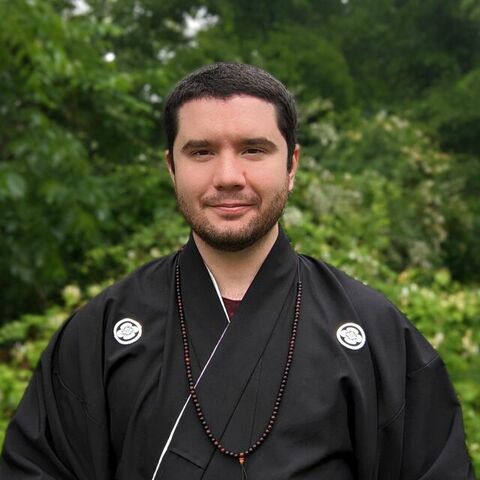
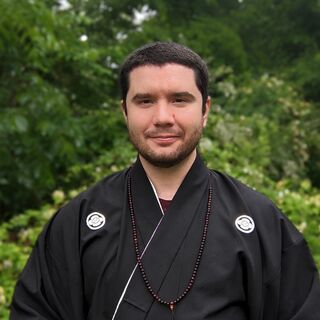
My name is Silas Day,
And this has been another edition of Quick Buddhist Lectures for Learning.
I hope you are enjoying these.
Have a wonderful day.