From the earliest suttas,
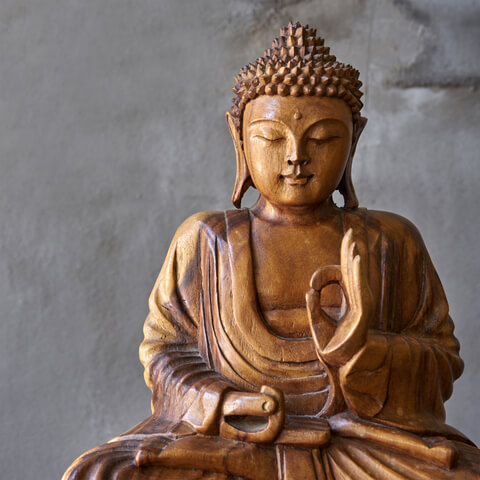
The Buddha spoke about the truth of impermanence.
It is a characteristic of existence that everything that arises will also pass away.
This truth,
Though really deceptively simple,
Is profoundly transformative.
When deeply understood and embodied,
It can act as a key to unlock the door to a deeper inner peace and even liberation.
However,
In our everyday lives we often resist this truth,
We attempt to cling to pleasure,
Ward off pain,
And somehow control the uncontrollable flow of existence.
Our culture tells us that we can and we should grasp onto things like youth,
Health,
Beauty,
And success,
Yet in doing so we invariably create more suffering for ourselves.
We create a mental and emotional struggle against the reality of change and transformation.
Non-attachment,
On the other hand,
Is a practice that allows us to flow harmoniously with the stream of life.
It isn't about denying or suppressing our desires,
Feelings,
Or relationships.
Instead,
It is about relating to these experiences in a way that doesn't cling or push away.
Non-attachment is the practice of embracing our experiences fully,
Yet understanding deeply that they are ephemeral and constantly changing.
So how can we cultivate the art of letting go and the practice of non-attachment?
Well,
First we need that stock and standard thing called mindfulness,
The capacity to be present and open to our lives' unfolding moments.
Mindfulness allows us to see our habits of clinging and aversion,
To notice how we often strive to solidify the fluid reality into something stable and enduring.
When we are truly present,
We can see impermanence in action.
We can observe the arising and passing away of thoughts,
Emotions,
Sensations,
And phenomena.
This observation enables us to deeply understand the nature of impermanence,
Not merely as an intellectual concept,
But as a lived reality.
Secondly,
We can cultivate a deep sense of acceptance and openness to change.
This acceptance is not about passive resignation,
But about active understanding and embracing of reality.
It means accepting that things change,
That life is not always what we want it to be.
It's about learning to find peace amidst uncertainty and groundlessness.
Third,
We need to nurture our wisdom,
The deeper understanding and perception of the nature of reality.
Wisdom is the light that illuminates our path and really allows us to see clearly.
When we see with wisdom,
We can discern the differences between what we can control and what we can't,
And thus,
Where we can really apply our efforts.
As well in all of this,
We need to foster compassion,
For ourselves and for others.
Letting go can sometimes be painful.
It can involve crying,
Grief,
Loneliness,
And disorientation.
It's important that we meet these experiences and the world with gentleness and kindness to the best of our ability,
Offering ourselves the same compassion that we would offer a friend.
And lastly,
We can seek to embody our understanding of impermanence and non-attachment in each little aspect of our life.
It's not enough to merely understand these concepts.
They must be lived and breathed,
Integrated into our relationships,
Our work,
Our daily activities.
We must strive to walk the middle path,
Fully engaging with our life,
Yet not being ensnared by it.
Remember,
The art of letting go is not a one-time event,
But a lifetime's journey.
It's a path of continuously letting go,
Of surrendering,
Of returning to this right here and right now.
The Buddha taught that within this letting go,
We can find peace and freedom.
The liberation of the heart that is unshakable,
Even amidst the constantly changing tides of existence.
May we all walk this path of letting go with grace,
Courage,
And wisdom,
And may our journey bring us to the deep peace and understanding that the Buddha spoke of.
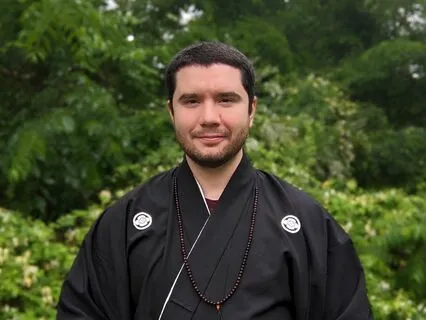
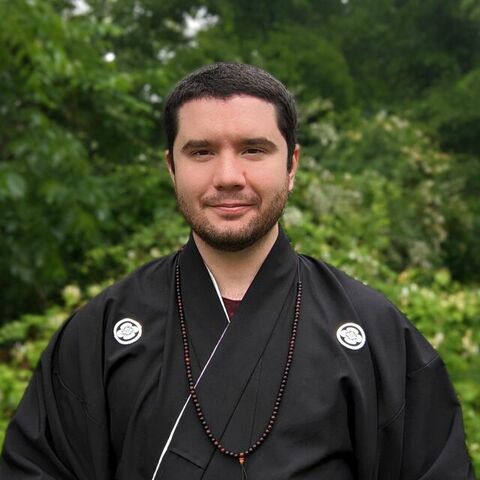
I'm Silas Day,
And I hope you enjoyed this quick little Buddhist lecture.
Thank you so much,
And have a wonderful day.