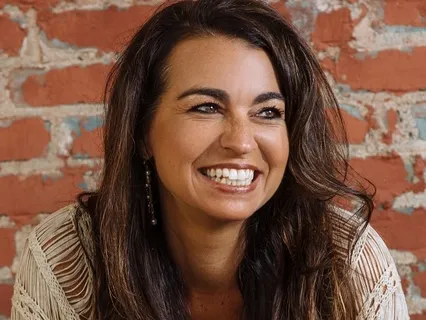
Hello everybody and welcome to the Adult Chair on RashPixel FM.
I am Michelle Schelfund.
I'm very,
Very excited today.
We're going to be talking about attachment and I have a very,
Very special guest,
Which I will get to in a moment.
But first,
You can find out more about the show at theadultchair.
Com.
You can subscribe for free by signing up for our mailing list or find us anywhere the finest podcasts are served with a quick search for the Adult Chair.
You can join the conversation on Facebook or Instagram at michelle.
Schelfund and make sure to request to join the Adult Chair private closed group on Facebook.
It's a fabulous,
Fabulous way to learn and share and practice living in your own Adult Chair.
There's a fabulous group of people in there.
So come join us at the Adult Chair closed group.
Okay.
So today everybody,
I have searched long and hard and found a fabulous person today that's going to talk with us about attachment.
Her name is Patti Elidge.
She is a somatic experiencing practitioner who specializes in therapeutic application of neuroscience.
She's done this for 40 years and teaches Diane Poole Heller's seminal work,
DARE,
That's D-A-R-E,
Which treats adult attachment wounds.
She has a broad clinical background in treating developmental and attachment based traumas,
Offering somatic strategies to access healthy bonding and co-regulatory processes.
Patti has trained extensively with Peter Levine,
Rajah Selvam,
And Diane Poole Heller.
She is an active private practice in Asheville,
North Carolina.
Welcome Patti Elidge.
Oh,
Thank you so much,
Michelle.
What an honor to be here and represent the field of attachment.
I really thank you so much.
Yeah,
This is so exciting.
I mean,
I think I found you was it last summer.
So it's been almost a year that you and I have been going back and forth a little bit trying to connect.
So the timing is perfect and I'm thrilled that you're here today.
Well,
I love your program.
I love the adult chair.
And I think that attachment will offer folks,
Your listeners,
A whole new fresh breath of air and give them a lot of compassion about what they go through as adults and with relationships.
Love it.
Love it.
So let's just dive in,
Patti.
I mean,
We're ready to go.
I am realizing this term attachment,
It's such a buzzword again.
I mean,
I'm hearing it over and over and over again,
Just over the last really few years.
And I know it's been around for longer than that,
But it just seems like it's kind of getting more popular,
I guess would be the word to say it or just these attachment wounds.
Is that true?
Is that what you're seeing as well?
Right.
Because when I started in the field of trauma healing in the late 90s with Peter Levine's work,
The word trauma wasn't really widely known.
We thought it was mostly related to military combat trauma.
And then as the field grew with trauma,
That became a catchword.
And that was wonderful to see,
But that's very,
Very common now.
People talk about it all the time,
Ordinary people.
And now attachment's getting to be that way where we're realizing the importance of what is called attachment.
And it hit the therapeutic world about 10 years ago and has grown so that laypersons now know it much more.
Yeah,
Which is great.
And I think it's so important.
I remember reading a book on it a year ago and I thought,
Oh my goodness,
I need to learn a lot more about this.
This is really affecting all of us and not a lot of people are talking about it.
So let's dive in with,
If you could just explain to us,
What is attachment?
What is this whole attachment theory?
What's it all about?
Sure,
Michelle.
It turns out that we as mammals,
We as human beings,
But also as in part of the mammal species,
We are hardwired to attach and bond and love.
In our earliest experiences,
We actually are hardwired for it in the body.
That implies the way that we relate in our earliest experiences with mom and dad and other very important caregivers like a babysitter,
A nanny,
Extended family.
But we are bonding from actually they think now we begin the bonding experience in utero.
But the bonding experience is very strong.
It is a strong biological need to love and land that safe experience with another person who will be your protector and who will be your safe base,
It's called.
It was originally developed by a wonderful guy named John Bowlby,
Who was born in London to upper class family.
Through his own unfortunate experiences as a little boy in that time and age,
The parents didn't have a lot to do with the children when they gave birth.
The nannies raised them and he was very bonded with a nanny.
I heard this from his son,
John Bowlby's son,
Sir Richard Bowlby.
But the story was that John had landed his attachment,
Very strong,
Loving bond with a nanny and the nanny was dismissed for some reason.
He never knew why,
But the family dismissed her overnight.
He had no closure and he suffered greatly.
Do you know how old he was when that nanny was dismissed?
I think Michelle he was like three or four.
Oh,
So he was a little child.
Oh my gosh.
You can't imagine.
Those of you listeners that are mothers and fathers,
You know when you've held the baby,
You know the strength of your own love and what comes through.
It's like a biological urge to love and all mammals have it.
But here was this little boy and went into great distress and then was offered another nanny and in fact a very cold nanny.
And also at age seven,
He was put into a boarding school so he wasn't even in his home.
But through those early experiences,
He had this growing knowledge of the disastrous effects of poor upbringing and not enough love and protection and not he called it the safe base.
And I love that word,
You know,
Safe bases for one another really.
John Bowlby grew up and he created,
He began to study and he became a psychologist but he actually married a beautiful woman and healed.
And so I just want to always add the important aspect of regardless of what happens,
We can move toward healing and toward safe,
Secure relating.
So yes,
That was key.
I actually did the training with Sue Johnson for couples with attachment.
Of course,
She talks all about attachment wounding but that really was hit home for me when I learned that even as children,
If we do have attachment wounding,
We can heal this as adults.
This is not something we have to live with forever.
So I felt so hopeful learning that way back when.
Well,
The lift up is just to take a gentle breath and touch their chest and say,
Okay,
I too can,
Whatever I've gone through,
I too can have secure attachment.
Yeah.
So talk to us about what are the attachment styles?
I know there are a few different styles.
So talk to us about those if you could,
Please.
Oh,
I'd love to.
They're considered now four styles.
The first one is secure.
And so secure attachment and I'll use the word adaptation for the others because we basically have a hard wiring for secure attachment and then depending on the experiences because we have an experience based brain.
But because of the experiences we have,
We either have an ability to land and open up and be our true brilliant loving receptive selves as insecure attachment or we get adapted into the insecure types.
So the first I'd like to focus on is secure attachment.
And in that attachment,
There's just a sweet holding environment in which there's enough security and trust and safety and predictability that the baby can relax into the relational field and can babble and get needs met.
And the parents are responsive enough and predictable enough that the baby's nervous system begins to grow and develop in a secure way.
And I love there's a man named Dr.
Alan Shore,
Fabulous psychiatrist,
Berkeley,
California.
And he said,
He has been coined as saying and he's a specialist in this,
That the theory of attachment is basically the theory of self and co-regulation.
Explain what co-regulation means for everybody please.
That means that we really as mammals are hardwired to co-regulate.
If you think about when you go out to take the trash,
If you're a dog owner,
If you go out to take the trash and come back in in 10 minutes and have done a few things on the porch,
That dog is going to greet you as if he or she has found its long lost beloved.
They are able to sniff,
They will wag,
They will have ecstatic kind of expression on their face.
And so that is what I mean by co-regulation.
The dog is waiting for you to come back and the dog,
I'll call him he right now,
But he is greeting you and co-regulating with you like come back.
Yes,
We're back together.
Now exciting moment because I welcome you and we're so happy to be together.
But that's what co-regulation means and you know with secure attachment,
There's a way that the baby cries in the first nine months basically without any other communication.
The baby is crying to let the needs be known.
So the baby's got a wet diaper or a bellyache or has a pin poking them and really in distress.
That cry does communicate the type of cry,
Communicates to the parent to come and a secure and safe trusting adult will come within a certain amount of time to relieve and alleviate the pain and suffering of the baby.
So the baby gets that feeling of good enough experiences.
And surprisingly Michelle,
What I want listeners to be aware of is that surprisingly we don't have to be,
I'm going to kind of list in a moment the types of attributes and behaviors that are secure,
Really speak of security,
But we don't have to do them 80 or 90% of the time.
Okay.
Which you know is kind of a striking realization and alleviates a lot of guilt or whatever for those parents out there listening and as well as all of us that have experienced disruptions in our own attachment early on.
But what they've found is that secure attachment with these attributes I'm going to list in a minute that we actually only need them to be about 32 to 35% of the time.
So you're saying our parents only have to show up while we're children 30 something percent of the time and that will create a secure attachment for our childhood.
Yeah,
32 to 40% of the time.
Wow.
I bet you all,
You and all your listeners know that your shoulders are going down,
You're deeper breathing,
You're going,
Okay,
I'm off the hook a little bit.
No,
You know my history with colic for nine months and nobody could even come near me because I cried 22 hours a day.
So I feel more hopeful knowing that I can turn my attachment around.
But yeah.
For sure.
For sure.
Yeah.
Yeah.
And so secure attachment,
What attributes that you see typically in parents and in adults is that they're safe and protective of their partner or their child and they have enough presence and kind of affirming positive regard for you or you for the other person.
There's enough of the affirmative positive experience and predictability and consistency that you can actually sit back and relax in the presence of this person.
Okay.
So at least,
No,
I didn't mess my children up.
Beautiful.
I did give them secure attachment.
That's great.
I know a lot of people are thinking that like,
Oh my gosh,
How did I treat my own children?
What did I do to my kids?
But yeah,
Okay.
That's good to know.
And we've all got attachment.
We call it attachment homework.
Yeah.
But when a lot of it,
I imagine that your listener's attachment patterning and probably their own way of behaving will probably improve markedly just from listening to this,
Just because they'll get the information and go,
Okay,
I'll work on this thing a little bit.
This is exactly why I like to have interviews with experts because I don't know everything about everything for sure.
And I feel like just based on the whole adult chair model,
Part of what we do in our adults,
We gather information so we can learn.
And this knowledge is so helpful for creating change within us.
So I agree with you 100%.
We change,
Well,
People will change just by hearing this.
I know I will for sure.
By hearing these things.
I have a quick question for you before you go on about this though,
Patty.
When we talk about these different attachment styles,
So are they set in stone,
Let's just say by,
Is there a certain age?
So for example,
If John Bowlby had had like that nanny until he was age six or 10,
Is there a certain age that then it's set or how does attachment take hold?
And I know we're going through the four,
But I just want to preface.
Oh,
Great question because people,
That background that they need.
Well,
Interestingly,
Attachment,
As long as you've had some experience of secure attachment with a neighbor,
With a teacher,
With a coach and thinking about John Bowlby,
He had a number of years with very,
Very loving,
Predictable,
Safe,
Secure.
He had a deep grief wound and a moment when,
But he had this real solid sense of safety for a long time.
So he had the bones for it,
He had it laid down that it exists in our world.
Okay.
Yeah.
So he had the nanny from zero to three.
Yeah,
Or four.
So he had that experience of secure attachment.
But I have a question.
You mentioned like coaches or neighbors or things like that.
So what if,
Let's just say we're raised with a one parent home or emotionally absent sort of parents or parents.
And so we don't have that growing up as children.
But then when we go to,
Let's say to first grade or kindergarten,
We have a great kindergarten teacher.
Like,
Is it too late?
I mean,
I always have heard and read that zero to six is such a developmental time.
It's a key learning phase for so many of us as children.
What happens if we don't have it from zero to six at all?
Well,
You know,
And I mean,
Secure attachment or.
.
.
Yeah,
Secure.
You know,
Oddly,
The attachment system is such a strong biological drive that having a dog that you adore or and that adores you,
Having a neighbor that actually welcomes you and says,
Well,
Look,
There's Michelle,
Come over here.
How are you today,
Honey?
That kind of welcoming and secure,
Loving response to you gives you enough information or not enough.
It doesn't make up for the deep ones that some of us have experienced.
But that kind of welcome gives you enough information to know,
Hey,
The world might be a friendly place.
And you know,
Einstein's question was at the end,
Is the world friendly?
And I think that we love to highlight that in attachment healing work that you look for those people that provide the thing that you missed,
Maybe in your home.
But the maybe.
.
.
I know I worked with many,
Many,
Many people.
The moment they walked out of their house,
They were greeted,
They were loved,
They were celebrated.
So then they were still able to have that secure attachment.
They have a whiff of it,
And then you have this homework to do about the wounds,
You know.
Okay.
All right.
I don't want to jump ahead,
But I just wanted to be clear for people,
You know,
What if many of us did not have that as children?
So I was just curious.
Okay.
So keep going.
You were talking about the secure attachment.
Well,
I wanted to just mention that there's something about.
.
.
I mentioned,
You know,
That a parent would respond,
A mom or a dad would respond quick enough to a child,
You know,
If a toddler's walking in the other room and falls,
And then you hear this certain kind of cry that hit,
You know,
For a lot of people since the hair up on the back of the neck,
You run to their aid,
And that's called attunement.
Or to a much more minor experience,
You know,
When the doll's arm falls off and the face,
You know,
If the child falls,
The parent notices that and goes and says,
Oh,
Honey,
I'm so sorry your baby broke,
You know,
Your arm broke,
You know,
We'll see what we can do about that later.
But that kind of responsiveness and all of these things in secure allow a mammal to become playful.
You'll notice that mammals are very goofy and playful beings.
And if we have enough secure experiences in an environment,
We actually get silly and we get playful with one another.
And that's like a hallmark of things being good enough.
Okay,
Perfect.
Isn't that neat?
Yeah,
That's so cool.
I love that.
Yeah,
Yeah.
So let's go on to the insecure.
Yeah,
That's okay.
Perfect.
Yeah,
Please do.
These aren't stepped in necessarily in any way.
I'll just talk about them in the order that I teach them.
Again,
It doesn't mean anything.
But the first style that we'll talk about is called avoidant where and in the adult,
We actually call it dismissive.
So when you say adult,
Do you mean the parent showed up as being dismissive?
Are you saying the child is what?
What does that mean exactly?
With your listeners,
Because they're all adults,
I was referencing more.
As an adult,
We may have a piece of the attachment pie that we call avoidant because of the early wave that we were raised.
So if all got it,
I'll draw a circle,
Maybe a circle on a piece of paper if you've got paper unless you're driving,
Don't do it then.
But draw a circle and then imagine pie pieces and you can put the size of pie that you think you're a secure attachment.
And then draw a piece of the pie as we talk about insecure and you can do it after you listen today.
But it's a fun exercise just to see how much you're showing up for your relationships.
But the avoidant style gets adapted early on because the parents aren't really helpful because of the way they were raised.
The parents are not helpful to soothe and to really get the child.
And so the child's attachment system tends to turn down or get like a hypo response.
Like it just dials down,
Down,
Down like a rheostat light switch on the wall.
But the avoidant,
Because the parents aren't real responsive,
They're not really positive nor present,
But an avoidance parent will typically be harsh or minimizing or deflective in the way.
And I've seen this many,
Many times when I worked with children in families years ago where a parent would say,
You're fine,
Stop that.
Yes.
So when the child is crying or hurt,
The parent just says,
Nope,
Brush it off,
You're okay,
Move on.
Exactly.
And the child run toward a parent and the parent put their hands out and push the child away,
Which creates the avoidant.
That's what this is.
And so the child grows up,
Those of us with any part of the avoidant style,
Believing that the other person is not helpful.
They move to go to share emotions or deep feelings and deep rich experiences.
And growing up in an early childhood,
Kids don't really talk until age two,
So it's all in the implicit body.
So the implicit body is the way the body reacts to the way that we are around another person or to any experiences.
The physiology,
The physiological and neurobiological aspects of our body.
And if a parent isn't helpful,
A child learns to detach or not attach and not go for help.
So they become extremely independent.
They become very oriented to self without another other in their mind's eye because they are not included in the parent's mind eye.
And I should say,
You know,
Attachment styles are very contagious.
They just kind of pass along down through families,
Flavors of them.
And I always love to say that we all have a chance,
You know,
With the way that we raise our kids and the way we are with friends and family and now and partners,
We have a chance to express whatever we want to express really and work on these things.
But the avoidance will actually avoid or detach from deep intimate connection.
They tend to have all the energy up in their head because it's usually in the family.
If you're raised with that style,
You tend to be esteemed and positively regarded if you're doing well in school or if you do well at sports or really great at Boy Scouts and Girl Scouts,
You know,
You're really esteemed so that you're doing activities but they're not necessarily interactive or co-regulating activities.
I have a question.
I was just thinking about a client.
As a child,
The parent,
Especially the mom,
Was very,
Very,
Very loving with him.
And then in,
I think it was middle school or high school,
She shifted and just stopped,
Like stopped being loving and nurturing and I think went back to work and I don't remember where the dad,
I can't remember where his dad was.
But anyway,
I'm just thinking about and then he was praised,
Of course,
For sports.
I'm wondering if you had that secure attachment as a child and then it flips like that,
You can then,
Do you lose that secure attachment?
Well,
You do.
That's part of what happens with being alive over many,
Many years.
We all know this,
That we have times in our lives that have real rich,
Deep,
Meaningful,
Safe,
Fun,
Loving relationships and times in our lives that don't and that we go through other things.
And that would mean he'd have a piece of the pie where he feels almost abandoned.
It depends on how she behaves.
It could end up that he ended up with anxious ambivalent for mother or it could be that he was pushed away and really pushed out of the loving bond.
And that comes into,
Because I'm a trauma healer,
That comes into his parent,
His mom's,
Maybe her own experiences as a teenager.
She may have been sexualized at that age because those things get passed down in families.
But because teenagers are developing their adult bodies with hormones and looking buff or looking beautiful and curvaceous or whatever,
That could be why.
And I think it's always helpful to share and really explore what might've been going on for the adult,
For the parent as this person experienced being rejected as a high school student.
Yeah,
And I'm thinking of a few other clients too that just,
When they were children,
They had all this love and nurturing and touch and I love you.
And then as they got older,
Just sort of flipped or changed.
Yeah,
For those of you that are interested,
When that happens,
Look back and just see what you know about the parent's history.
That's a great point.
You never know because then maybe the parent's getting triggered.
Yeah,
That's exactly.
I've met many,
Many,
Many clients who had been very,
Very difficult early upbringing.
But once they became more independent,
The parent loved them,
Adored them.
In your most vulnerable self,
You aren't known and can't be accepted.
But when you're competent and capable,
Oh yes,
You can be accepted.
It would seem that,
And I know that the people that I'm thinking of,
That they then flip from,
Let's say,
Secure and then their parent becomes avoidant and then they become,
And I'm probably going to the next one on you here,
But anxiously attached because they're longing for that attachment.
That's a great point.
And it's just not there.
Yeah.
So the avoidant,
The person who grows up really doesn't know.
It's not that they don't want intimate relationships and it's not that they don't feel loneliness.
They do inside,
But they get kind of a masked face almost of they'll mirror what the parents look was,
Kind of a little harsh and negative on their face and then which will cue to other people because we read communication,
The nonverbal communication like 80% of the time and words are only 20%.
That tone of voice,
The depth of my voice,
Like the pacing,
The inflection,
The volume,
All of that is transmitting the information you all are getting from me about who I am.
So with the avoidant,
When they grow up,
They've got almost a flat face and not a lot of body contact.
So you have to work to get back into your body if you have a strong avoidant pattern.
You have to work to get back and do all sorts of expressive dance.
I would recommend yoga and movement like large movement,
Large body movement is really great for those of you that have an avoidant adaptation and always know that you can lean toward connection.
And that's kind of the takeaway for the avoidant is learn that you actually can have warm,
Close,
Meaningful relationships in which you can share your deep vulnerable hearts.
But I know for avoidance,
It's so that's so scary.
It's so scary to be vulnerable.
If you can imagine a parent pushing you away before you were verbal,
Not because your parent's abusing you,
But because that's the way the parent was raised.
It's agent of generation after generation of how they're raised.
But when an avoidant individual begins to share their true want and need,
Oh my gosh,
It's very,
Very new and frightening and very vulnerable making.
Yeah.
That's why I like the idea of,
Like you said,
I'm thinking of children having a coach or something.
It's if we have a neighbor,
A best friend,
A coworker,
A spouse,
A boyfriend,
Girlfriend,
Partner,
It doesn't matter,
But just one person that we can start to become vulnerable with that really can transform us or at least it begins the transformation.
True.
Yeah.
I really,
I want to amplify that the attachment system doesn't just belong in romance.
The attachment system is working all the time.
It's working right now between you and I.
Yeah.
I'm working in all of your listeners right now.
And it works like when I cuddle my kitty,
It works.
And it works when I see my neighbor that I'm a little afraid of versus another neighbor that I feel really vulnerable.
I love hearing you say that we can really learn more about secure attachment even from our animals.
I think that's so beautiful.
I have two dogs and oh my God,
I absolutely adore them.
And you're right.
When I come home,
It's like I'm the greatest person on the planet that's walking in that door,
Which I know most dogs do that.
So but gosh,
I definitely have a secure or I'm learning about secure attachment from my animals for sure.
Very oftentimes,
And I read a beautiful article about that recently that animals really show us the way for secure.
I read on the internet jokes about that,
That humans kind of suck at times and that our animals,
Our pets are really those safe,
Really absolute unconditional love experiences.
You took the words out of my mouth.
I mean,
For me,
Dogs are unconditionally loving.
No matter what,
No matter if I get mad,
They come back like,
I still love you.
And it's like,
That's true unconditional love because a human would not treat me in the same way.
So We want to amplify that Michelle and with the leaders,
Just please amplify that secure attachment every single day and really spend some time thinking about it and feeling it in your chest and in your face.
So body comes awake and alive.
That is key is bringing people what I call below the,
I call it living chin up or chin down.
And the avoidance as avoidant.
And sometimes I fall into that as well.
We live chin up and pulling that energy down below the chin and noticing what's in the body is so helpful for healing this wound.
Okay.
Anxiously attached,
Ms.
Patty.
All right.
Well,
Anxious attachment,
It occurs when a baby is growing up in a home with one parent or another.
And I have to mention right now,
You know,
Your dad had one attachment style and your mother had another.
Not to exclude same gender couples.
In same gender couples,
The same thing will be true.
That in one of the parents,
In the mom,
She will have one attachment style and the mama or mommy will have another attachment style.
So,
You know,
So we're raised with,
You know,
Hopefully with some different information,
But in the anxious ambivalent,
The primary attachment figure that you had loved you and you could feel the warmth and you knew it was there.
But the predictability of that was inconsistent enough.
It fell below that 32% of the time.
It was inconsistent enough that it leaves the baby being very worried and anxious and dysregulated because they're seeking enough of the good stuff or they're seeking the good enough stuff all the time.
They lose contact with themselves and they're watching and preoccupied with the parent trying to get the good stuff thinking,
Okay,
If I pick up my toys,
Mommy will come over and play with me again like we did last week.
You know,
But that's not conditional or it's not representative of what the child's doing truthfully.
It's representative of what's happening inside the mind of the adult.
So you're saying that the parent may or may not be there sometimes.
So for that child you're talking about,
One week the child cleans up the toys,
Mommy comes and plays.
The next week the child cleans up the toys and mommy doesn't care.
She wants to watch TV by herself or something like that.
She's preoccupied in her own mind from unrestressed in her life or his life.
So daddy who normally greets you with big hugs and throws you up in the air and catches you and snuzzles you with his beard and stuff,
That daddy walks in a lot of the time with worry,
With kind of like a distress signal.
He's like stressed out about work,
But he's preoccupied with his own thoughts and what's happening in his life that he's not there enough.
And again,
It's not from an abuse nature in this way,
In the anxious ambivalent,
It's not from abuse.
It's really from a lack of being able to be consistent inside for the adult.
And a lot of your listeners may feel like,
Gosh,
I might have done that or I might be doing that now with my partner or with my child and just bringing a drop of compassion in because we're learning today together.
And also I keep thinking of the 30% rules.
As long as I gave them,
I had that thought and I thought,
Oh God,
I remember I did that with my kids a couple of times and I thought,
Wait a minute,
But most of the time I did show up for them and I was present.
This is a good lead in for me to mention about the use of repair.
Michelle,
Because we all are human,
Nobody's perfect here.
And I get off and I don't respond to my best friend's text messages or voice messages and I get involved in something that's happening in my personal world.
Now it could be a plumbing issue or health issue or it could be anything,
Overwork,
But I'm not responding enough.
But when I would call her then,
I might say,
I'm so sorry that I didn't get back sooner.
This has been going on and I really appreciated your text and voicemail.
Please accept my apology.
The use of repair allows us to bridge back to contact and that's something every listener,
I hope,
Will make note of to practice using and receiving repairs because it can bridge us back to secure really quickly.
That's a great point.
Taking responsibility,
Owning your reality and then sharing that with somebody that you might have,
Like you said,
Taken a long time to get back to.
I know with my own kids,
I apologize.
If I'm really off and I come home and I've had a bad day or something and I'm short with them,
I typically will apologize.
I always apologize.
That's one thing I make sure I do.
I do that.
Yeah.
I'm so sorry.
And I'll say,
I just had a really rough day.
It had nothing at all to do with you and I'm sorry I was really,
Really short with you.
So perfect.
Your mom was so good for your children.
I got an A plus from you on that one,
Patty.
That's exactly it.
We don't have to say I was,
But you also were being bad.
We don't- Right.
No.
Oh,
I'm just so,
I'm so sorry I was off.
Yeah.
Like I take responsibility.
It was not,
And I want to always make sure with them.
And even though they're 20 and 17,
I still say,
I've done it their whole lives.
Thank God.
I'm like,
It was not you.
And I want you to know it's okay.
I was in a bad mood.
Don't try and take care of me.
That's it.
But I,
Yeah,
Because I had that code,
The code of dependency.
I'm like,
Don't take care of me.
It's okay that I'm in a bad mood,
But I'm really sorry how I treated you.
That was not okay.
I'm sorry.
I'm human.
Mama,
That was so beautiful because you modeled it for them.
They can use repairs now in their relationships.
Repairs,
What we think is it actually increases the likelihood of a relationship continuing by up to 80%.
Like whatever you are now,
If you start using,
Actively using and receiving repairs,
It is a game changer.
Wow.
Well,
That's great.
Thank you.
Yeah.
Okay.
What else?
Anything else about anxiously attached?
Well,
They lose a sense of themselves,
So they are preoccupied with the other.
And so in adult relationships,
They're the ones that are going to be obsessing about what happened to the other person.
I haven't heard from them since Wednesday.
And now we aren't a couple or we're not together.
So they're predicting all the time and they can't regulate.
They have a real hard time regulating in the body.
Yes.
I have clients like this that just,
You know,
My husband hasn't texted me all day.
He only texts me twice a day.
You think he's having an affair?
I'm like,
What?
No,
No,
No,
No,
No.
And you're right.
It's that anxious,
Like they need that and crave that attention,
Attachment,
Connection,
Whatever that they're looking for.
Right.
They've got like avoidant has their attachment system goes hypo responsive.
Anxious ambivalent goes hyper responsive.
Wow.
Okay.
And then when the other person is almost like amped up,
They're seeking contact.
There's a sense of urgency that kind of leads.
You always feel when you're around a friend or you yourself,
Maybe not you,
Michelle,
But as a listener,
You know,
If you've sensed that you always lean forward with a little urgency and bulging eyes.
And I don't need to laugh,
But you know,
I've got a little piece of that.
Oh,
I have that sometimes like,
Oh my God,
Am I in trouble by so and so?
I need them to call me.
I need them to call me.
I'm like,
Oh,
Sorry.
I was,
You know,
My phone was broken or whatever,
You know,
And it's like,
Oh,
Thank God.
That's a little bit more dysregulation in the body.
They also this the hardest thing,
The thing that about this style,
They want context so desperately,
They want that deep,
Meaningful,
Rich contact.
But what happened because they were below 32% of the time in primal relation,
Primary relationships early on,
They do not know quite what to do when a person shows up and is actually sincerely present with them.
Elves will become abandoning or inconsistent.
And so they model,
They actually become what they least like about other people,
But they tend to not know what to do.
It's really hard.
So therapeutically,
There are some real good things we can do to help a person be able to receive contact and receive predictable,
Meaningful,
Loving,
Intimate sharing,
And for them to become more present and more predictable.
So I have a question and I don't want to get off track because we don't have much time left and I have so many questions to still ask you.
But my question is,
As I'm listening to you,
I'm just wondering,
And we did a whole podcast on the love addict,
Love avoidant,
But it would seem to me that a lot of these anxiously attached adults might crave and somehow attract in the avoidantly attached partners or they find that?
Yeah,
There could be at first like a real meaningful contact for both partners.
But also speaking of that you've explored the topic of sex and love addiction,
The anxious ambivalent may have quite a bit of that love addiction behind that within them.
There's a lot that they can do.
Like the take home tip for them is unlike the avoidant style,
But the anxious ambivalent,
If they learn to meditate a little bit,
If they learn to do like,
If I can mention insight timer app,
A little bit of listening to a guided imagery and just staying with themselves and feeling their body,
That can really increase that regulation and the tone of regulation.
So they've lost the sense of self and they have to come back to the sense of self and learn to regulate and also that receiving and letting them love.
Yeah,
And they're looking for that other person to complete their sense of self instead of themselves.
So,
And I just,
If I may add one thing and please correct me if I'm not right here,
But I'm thinking also connect back into the body.
If you're anxiously attached,
Connect back into the body,
But you don't have to even do anything with it.
Just become aware that there's a sensation in the body that you're having.
Yeah.
So watch that sensation.
What's beautiful is it won't stay that way forever.
Exactly.
Yeah.
Wiggle your fingers and toes and just watch it and wiggle a little bit.
You don't have to wiggle them 10 minutes in a row,
But just watch that sensation.
It's actually going to shift into an,
It might shift into an emotion and a release of an emotion and then settling.
And for the anxious ambivalent,
Always watch for the settling,
The quieting in the body,
The quieting in your mind.
Which it happens.
It really,
Really does happen.
Some people get scared when I say,
Let's just be with that.
And they go,
I don't want to be with that.
It's going to be bad.
No,
No,
No.
And it changes and morphs every single time.
Okay,
Patty,
What is the last one?
What's number four?
Yeah,
This one.
And just to really,
To have compassion for this style,
Bringing in compassion for those of us that may have a little bit of this style,
But the disorganized and disoriented style combines a little bit of the avoidant,
A little bit of the anxious ambivalent.
But those persons that have that as a piece of the pie,
They were raised in a family where there were actual mental health issues or active addiction,
Like cocaine addiction,
Heroin addiction,
Strong use of benzodiazepines,
Et cetera.
What about even alcohol?
Alcohol,
Absolutely.
Thank you,
Michelle.
Yeah,
That's what I thought.
Okay.
So tell us a little bit more about this one.
You know,
When a child is growing up,
They really need that safe,
Predictable,
Good enough parent to rely on.
And when a person goes through kind of a psychic shift,
The adult goes through a psychic shift where there's actually some kind of an extreme shift of state,
That's very frightening for a child.
So if they go into a dissociative state,
If they go into a shutdown state,
Extreme shutdown,
If they go into rage easily,
That can be very,
Very frightening.
And those state changes are what causes the disorganized and disoriented adaptation because we're all hardwired for loving and bonding underneath,
Literally in the body.
But we're also,
All of us are hardwired for survival.
And the survival system of fight and flight,
You know,
You all have heard about that.
The reptile brain comes into play with this style so that the reptile brain is more active and cannot,
It doesn't allow that secure attachment to really land.
And so you get a lot of fear associated with love and a lot of danger signals associated.
You may be beaten.
It happens in physical violence,
Emotional violence and abuse,
Sexual violence and abuse.
So the list goes on.
But the individuals that were raised this way will have a piece of the pie that is disorganized and disoriented because it's very disorienting to know and love somebody.
And just because a parent is violent doesn't mean they don't have time that is actually a very beautiful connection because they can and they often do.
But it also,
I think this is true,
And please again help us understand this,
But happens in families where there might not be violence,
But just emotionally speaking,
It's out there all over the place.
Like sometimes they're there,
Sometimes they're not there.
They may have a lot of alcohol in the home and it might even be the alcoholics that are quiet and fall asleep on the couch.
But it's still that unpredictability that's happening at home.
Is that true?
Okay.
I mean,
I'm hearing you say very extreme,
Like the violence and all that,
But also more of a quiet,
Could quiet sort of,
What's the word I want?
Emotionally dysfunctional home could create this as well.
Right.
When a child has to grow and have a role reversal and have to be the parent as well,
That is not a good thing.
And the child has to get their own breakfast or their own dinner or clean up the parent that is sick from drinking all night on the couch.
The child has to clean that up before they go to school.
So all of these things,
And also,
Like I say,
The mental health issues of severe depression or borderline.
Oh yes,
Yes,
Yes.
So if you're raised underneath that or sadly,
I have to say this,
But under,
You know,
If a parent was an extreme narcissist,
Et cetera,
There will be a lot more of that disorganized pattern.
And I just want to bring compassion to the style and really understand that regardless of the background,
You were hardwired to love and bond and I just deeply want to impress upon you that your attachment system,
Even if you have a piece of this particular style,
Your attachment system is alive and well underneath there.
So what are some things that people can do if they're thinking,
Hey,
I think this might be me,
I might have this disorganized attachment.
What are some of it?
Well,
Ways to find secure other than our dogs and our animals.
Yeah,
Dogs and animals.
And then also the deep compassion of understanding.
You know,
A lot of times these people are highly resourced.
Those listeners that are on right now think they may have a piece of this.
You all are deeply resourced people.
Well,
I hear the word.
The word that comes to me is survivor.
Like,
You know,
These are the survivors out there.
So yeah,
They're resourced for sure.
You may be going to adult children of alcoholic meetings,
ACOA meetings.
Think about that family of choice and that beauty of connection that is there for you.
So what I want to say to this style is reach out for that real sane and secure kind of friendship.
Reach out and identify and get help if you need it,
But get help to identify how to land your secure attachment with good friendships that are good to you and kind to you and treat you.
And allow yourself,
I say this to my clients too,
I'm like,
You know,
So and so was really kind to you.
Did you let that land?
Exactly.
Because I find sometimes people miss it,
You know,
When there is a secure attachment available.
And if somebody is any of the other three,
You know,
I'll say,
Hey,
Did you notice that your,
You know,
Mother,
Father,
Sister,
Brother,
Boss,
Friend,
Neighbor,
Whomever did this for you?
And they'll be like,
Oh,
That's what that's what the end of the line letting in and actually feeling the goodness and with a disorganized style,
When they let in,
They may start actually shaking because they are their bodies remembering this.
These are the ones that may have like,
Oh,
Yeah,
I might have a panic attack as my husband hugs me because they are remembering at that moment,
They're remembering,
But that too will pass.
And we can return to regulation and just get the help you need and so deserve.
Yes,
Yes,
Yes.
I think it's raised awareness and just start paying attention and go slowly,
You know,
Take it slow.
Of course,
There's nothing yet.
You don't have to jump in,
But just start paying attention.
And I know that when we're raised a certain way,
And we've lived a certain way our whole lives,
We have these filters and we might have a filter that might say,
No one's ever there for me.
Exactly,
Michelle.
That is exactly what attachment is about.
Yeah.
Yeah.
But we have to challenge those thoughts and say,
No one is ever there for you,
Like ever,
Ever,
Ever.
Well,
Maybe,
You know,
The guy at the grocery store was really nice.
He walked me out to my car with my groceries.
Okay,
Well,
That's something.
Let that land,
You know,
Like,
Let's take that in.
You're speaking my thing.
I love this work.
I love attachment.
Okay,
Miss Patty,
Anything else?
We're at the end of our time and I really,
Your voice is so creating secure attachment for all of us,
I think,
Because it's just a very lovely,
Soothing,
Soft,
Gentle meditation kind of voice.
I love it.
I'm regulated over here listening to you and I'm sure everybody else is.
Thank you.
I've got a big smile beaming back to you.
I am.
I'm so relaxed right now.
I'm like,
Oh,
I feel like,
You know,
Jello.
Okay.
Are there any final words on attachment?
I wish we had more time.
It's been almost an hour.
We'll say this.
Oh,
Wait,
Wait,
Wait,
Wait,
Wait.
Before you say that,
Pause.
Just tell me this one thing.
I keep writing this down to ask you.
Okay.
How many of us,
As adults,
Would you say,
Are walking around this planet as securely attached humans?
Well,
The original study,
Which was done in the late 40s when attachment,
When Bulby's work came out,
They were saying that as many as 56 to 70% are secure and that they were about,
You know,
The rest of it were insecure styles.
However,
Sadly,
More recent research,
There was a study done at a university,
A meta-analysis of college-age students,
And we don't know if that really represents because we all know we can go kind of berserko in college,
But they,
The secure was down to 42%.
Okay.
Because that's what I'm thinking.
I'm like,
What?
70%?
Because just about everybody I know is not securely attached,
So unfortunately,
And I don't even mean to laugh,
But it's true.
It's just who we are.
It's okay.
Like,
We're all learning how to securely attach,
And I think there are moments where I see that in friends,
Family,
Clients,
But it seems like we're all working toward that.
We're working toward what's called an earned secure.
That means we're going toward secure.
Even if we didn't know it before,
We can earn it and learn it now,
And so we're moving toward secure.
So,
You know,
It looks like on the stats,
It looks like avoidant is on the rise,
Especially in America,
And I think it's because we are a driven culture and a culture in which loneliness is getting to be epidemic,
And then also we're on our cell phones more than face-to-face time.
Oh my gosh,
Completely.
And so that's making an impact on our children,
You know,
And on one another.
And the busyness,
You know,
We could go off on a whole other tangent here,
But we're so busy.
You know,
We're not only working,
But then our kids are in five sports,
Or even if they're in one sport.
I know with my younger son who played soccer,
When he was on his travel team,
He had practiced like three or four nights a week for two hours,
And the location of the practice was 45 minutes away.
Like,
How are you supposed to have a family dinner?
Except?
You know,
It's like these sports,
And I hear other people,
It's every sports,
Not just soccer,
It's tennis,
It's baseball,
It's these practices every day after school or in the evening.
It's like,
When do we connect anymore?
So I would imagine that that avoidant attachment is on the rise for sure.
It is,
And I really,
I think that we have to question ourselves and look for children,
They need downtime.
And Piaget,
The great child development,
Piaget said,
You know,
Children need the downtime,
They need to reorganize,
And it is a process in which we learn deeply.
And as adults,
We also need to have downtime in which we learn and,
You know,
Kind of put things in their places.
And we come out shining brighter,
Actually,
When we take.
.
.
Yeah.
Yes.
Okay.
Anyway,
Thank you for that,
Patti.
Any last points?
No,
I just,
I'm really thrilled to share this,
You know,
This thing that I'm so passionate about.
And thank you so much,
Michelle,
For having me.
Yeah.
So Patti,
If people are listening and they want to learn more about you,
Or maybe have a session with you or take a class with you,
Like,
Please let us know what,
How,
First of all,
How would people get in touch with you and what are you offering currently?
Well,
I have a private practice.
It's not real open right now.
It's fairly booked,
But people could get on a waiting list.
And then I have colleagues also that do the same similar work that I do.
But I do Skype,
Or I don't actually use Skype anymore.
I use a HIPAA compliant telemedical system called VC that I love.
And so I do distance work on VC or phone.
And then I have a practice here in Asheville.
And then I teach,
I teach,
And these courses are for professionals wanting to learn what I'm talking about today.
But I'm teaching a DARE 2 module in Boulder,
Colorado,
This July 20th through 22nd.
And everybody's invited.
That's a professional.
You'd have to take the DARE 1 or do it by DVD first.
And the DARE 1 is in Boulder,
But it's about two weeks before by Allison.
That's true.
Okay.
And then do you have a website?
How would people find you?
You can find me on Diane Poole-Heller's website on her teacher.
I teach Diane's work.
Diane is a brilliant creator of the dynamic attachment repatterning work that I'm talking about a lot today.
But on her website is dianepoolheller.
Com.
And you can also find me my bio and information on Peter Levine's Somatic Experiencing website.
And that website is www.
Traumahealing.
Org.
And under practitioners,
You can find me there.
And again,
Many of the practitioners listed there.
And with Diane,
We're developing a strong list of approved or certified practitioners for Diane's work too.
And we'll have all of that,
Everyone,
In the show notes under Patty Elitch.
Okay.
So,
Thank you for that,
Patty,
And thank you for today.
So today's podcast is sponsored by Audible.
And today you can get a free audio download and a 30-day free trial at www.
Audibletrial.
Com slash the adult chair.
And Patty and I were chatting about a book or books that she might recommend regarding attachment.
And you recommended one,
Patty,
That I actually read.
That was the one I read a year ago.
And I loved this book.
It's called Attached by Amir Levine and Rachel Heller.
And this is available on Audible.
And again,
For listeners of the adult chair,
You can get this for free.
Just go to audible trial.
Com forward slash the adult chair to start your 30-day free trial and claim your first free audio book.
So Patty,
Patty,
Thank you so,
So much for joining us today and enlightening everyone on attachment.
I swear we could talk for about four hours.
I got to two questions out of a long,
Long list of questions that I have for you.
But thanks,
Patty.
Really appreciate it.
Oh,
You're welcome,
Michelle.
And thank you.
Thank you to everyone that listens to the show.
And again,
Thanks for everyone for adding some iTunes reviews.
This helps other people find us.
I cannot thank you enough.
I just went in and read them the other day and I was just so touched by everyone's comments.
So I really do go in and read them.
So thank you to everyone.
And please go add more if you're enjoying the show.
And that's about it.
That's all I have for you.
And thanks for listening.
And I will see you seated firmly right here next week in the adult chair.