The years leading up to and during menopause are a rite of passage.
The wise woman inside of us is calling to slow down,
To take stock,
To speak our truth,
To burn away all that no longer serves us ready for our next cycle of life.
The good news is with the support,
Community,
Connection and most of all sharing our stories and being truly seen and heard,
We will travel through this powerful,
Sometimes painful heroine's journey and out the other side.
Welcome to the Menopause Podcast,
Real and raw stories of midlife and mental health.
I'm your host,
Kylie Patchett,
Menopause self-care coach and storyteller,
And I am so glad you found us.
Let's get on with the show.
Hello everybody.
Today I have Amanda Thie with me.
Hello,
Amanda,
How are you?
Hello,
Hello,
Kylie.
Thanks for having me today.
I'm so excited about this chat.
Now I am going to try and do your book's title justice because I've just finished it and it's amazing,
But for some reason my brain cannot,
Okay.
It is called Menopau-calypse.
You literally nailed it.
I did.
Go me.
That's on sleep deprivation too,
So extra pats on the back.
How I learned to thrive during menopause and how you can too,
And what I love the most about,
Well,
Actually I love many things about this book.
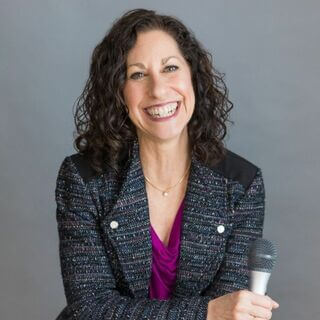
The best thing for me is this cover where Amanda is like,
If you're listening to the audio as basically a woman who looks powerful and positive and determined and we all know that.
Well,
That was the purpose because when I wrote the book,
I wanted to use the name menopau-calypse because when I was in the thick of it,
It did literally feel like the end of the world and like it was so traumatic.
But then I thought,
Does that sound too negative?
Does it sound like it's going to be like a full of despair?
I hope not.
And so what I decided to do was that like,
If I did this,
Like really powerful image of a woman on the front that people would look and go,
This is someone that's overcome.
Yes.
Yeah.
So that's exactly what I love the name personally.
It makes me chuckle,
But it sort of was like,
It was like,
You know,
If anyone,
You want anyone on your team for a zombie apocalypse,
It's going to be me.
And that's what I want for you.
That's essentially what that was about.
Yeah.
Excellent.
You've got this woman in your corner.
I love the fact that in this book,
You are so very,
Very open about your own experiences with perimenopause.
So before all of this book and your specializing in perimenopause,
You've always been in health and fitness.
Like you have been a very well fit,
Movement oriented,
Done that for a role.
Do you want to introduce yourself for those very strange people that don't already know you?
Because I feel like everyone knows me.
I don't know.
Well,
In our very small menopause world,
Maybe they do.
But yeah,
Essentially.
So I've always been in the fitness and wellness industry,
And it wasn't always a primary job.
It was sometimes a secondary job.
I worked for IBM for a lot of the time.
But literally from the ages of 18,
I was qualified to teach step,
Aerobics,
Spin,
Became a personal trainer,
Became a nutrition coach,
Did specialties in pre and postnatal,
And then in senior fitness.
And then I worked with pro athletes.
So I've got this huge spectrum of a career that I've really,
Really enjoyed and sort of went into my 40s a little bit smug.
At me,
I'm healthy and fit,
And I'm redefining what it means to go through age.
And that was sort of what was always on my mind.
And I've always been that accessible person that hopefully people look to and go,
Amanda's just like us.
And,
You know,
She's shown us that we're not dead in the water,
Essentially.
I didn't understand why I didn't know about.
And then it became apparent to me that this knowledge gap wasn't just in the fitness and wellness world.
It was with women,
All women.
It was within the workplace.
It was within the medical community.
It just is this disgraceful situation where we've got a whole generation of women who have been ignored.
And I was like,
Yeah,
I'm not having that.
So when you hit 42 and you started having these symptoms,
And when you say that they come and go,
That was that to me was one of the most discombobulating things as well.
It's like,
Oh,
I'm noticing this.
Now it's gone.
Oh,
I'm noticing this.
Now it's gone.
And some of yours weren't the typical,
I'm going to say in inverted commas,
Like the most common symptoms.
Because you had migraine stuff happening that was like with an aura and all sorts of stuff.
Right.
Like,
How are you supposed to know what's going on when you wake up one day and it changes?
And we hear this,
Both of us,
All the time from women.
And so women all go to doctors and go,
I think I've got a headache.
And so they'll get treated for that because they don't actually know that it's this accumulation of symptoms that come and go and fluctuate.
And so it's like,
I think it's like playing whack-a-mole with the symptoms.
Yep.
I've got menopause bingo.
And so,
You know,
My symptoms when they came to me,
Like that very day,
I remember I'd done a boxing class and I literally thought,
Oh,
I must've gone too hard because I went home and I was knackered.
I went to bed and I was like,
Oh,
This was just too much.
And the bed was spinning.
And then my right hand started to claw.
And that was what was really odd.
I lost feeling in my hand.
And I realized I'd lost feeling in half my face and my vision as well.
And I could touch my face and hit it and I couldn't feel it.
And I was like,
What the hell's going on?
Am I having a stroke?
And then it was like,
It took me days to get over it.
I was crawling on my hands and feet,
Knees just to get to the bathroom.
Then it went.
And then I was like,
Oh,
That was the virus probably.
And then it came back again.
And then,
So I eventually went to my doctors and it kept coming back and coming back.
And it felt a bit worse every time.
And I went to my doctors and he was like,
I don't like the sound of that.
Let's get you to see a neurologist.
So we should just get things checked out.
The neurologist took me months to see.
The neurologist got me to check my balance and walk in a straight line.
And I'm like,
Dude,
I'm a fitness instructor.
I can stand on one leg for like a day.
This is easy,
But I know that they were checking for like,
You know,
Like brain tumors and stuff like that and balance going.
And anyway,
He was like,
Yeah,
I don't think there's anything like wrong with you.
Not that I can see.
I'm going to refer you to an ENO's throat physician and they're going to check you out.
Well,
Essentially over this period of time,
I went through about five to six different types of testing,
Like MRI testing,
CAT scans,
You know,
My new name,
I had it.
They even induced vertigo into me on this board and shot water in my ear and it made me throw up,
But my,
It was,
It just went on and on and on.
And at the end of it,
Every single time I went to see a consultant,
They would say,
You know what,
We can see that you're not well,
Because I don't wear sickness.
Well,
In fairness,
I look like shit when I don't feel well.
I'm one of them people,
But we can't get to,
We can't get to the crux of it.
We don't know what it is.
And then once this nurse came up to me and said,
You know what,
I think you've got migraines because I have them in the call migraines with aura.
And I'm like,
I never get headaches.
And she was like,
No,
It's like your vision goes and you see stars.
And I'm like,
Yes,
That's it.
And the room spins.
And so by this time,
Like I'd even gone to emergency wondering what the hell was going on.
Anyway,
Long story short,
I then went for a routine gynecology checkup and the gynecologist was like,
Hey,
Is everything all right?
And I was like,
Yeah,
No.
I launched into,
Launched into my story and burst into tears.
And he just was like,
Hey,
Listen,
I see this day in and day out.
This isn't new to me.
You're not losing your mind.
You just,
You know,
You're not losing your mind.
You're just losing your estrogen.
And I just was like,
What do you,
What are you talking about?
Have you heard of menopause?
And I was like,
Dude,
I'm 40 by this time,
44.
I'm 44.
No,
Because in my mind,
Like this is nearly 10 years old now.
I'm like,
This is for older people that don't look like me.
And I think I was dismissed actually,
Because I was fit and healthy.
I think people were like,
Oh,
It's all in a head or whatever.
And so essentially I just got to the point where I listened to him and I was frustrated and I left the appointment and I was kicking bins and punching shit.
Cause I just was like,
Why didn't anybody else know this?
And,
And that,
That was literally the start of this whole conversation that like you and I have,
And why don't we know this?
Why is there this void that like,
Nobody's felt the need to film?
It just,
It doesn't make sense to me.
Migraine.
Would you not think a neurologist would anyway,
That's a whole other kettle of fish.
That's a whole other kettle of fish.
And I just was like,
This is insane.
Yeah.
It's,
This is a perfect example though of,
And it's so common.
You and I hear this all the time.
People go to a doctor and the,
And they've got this overall feeling like I just don't feel like myself.
There might be tiny little symptoms that are not bad enough or not obvious enough to kind of go.
I have this,
And then I'm going to talk about this.
One thing I love about what you talk about in the book is being more proactive in your perimenopause journey.
And part of that is tracking what's going on.
And I actually had a thought whilst I was in the shower this morning.
When I look back at the pattern of things,
I can almost,
I mean,
I don't know whether this is right,
But in my own sort of familiarity with my cycle and my symptoms,
I can almost see where there's,
You know,
The real drops in estrogen,
Where I get certain things happening.
And then the months where it's a little bit higher or not time times of months,
It's a little bit higher.
So far that's worked,
Mind you,
I've just headed into some weird,
Like 12 day cycles.
I'm like,
All right,
I think all bets are off.
There's another one.
Well,
I still think it's all valid.
Right.
And I think the thing is you're cataloging data and it's such a very unique experience and it's,
And it's complex,
Right?
And so when you go to your doctor,
Like it's very difficult to go to a doctor with no knowledge,
And that's what most women are finding.
They're going to the doctor and they can't have a valid conversation because they don't know.
It's like,
Like people like you and I are just spending all of our time trying to change that and change the idea that women are informed.
So they have agency.
That's what we want,
Right?
We want them to be able to advocate for themselves.
But once you have that,
You then have to go through the extra challenge of then being heard and not being dismissed.
And now I'm not ragging on doctors here.
You and I had a pre-conversation about the fact that we know doctors don't get training and when they do,
It's a very small subset and it's for a few hours.
You're saying it's minutes,
Like it's not enough.
And so to me,
The best way that a woman can advocate when she knows she's got these obstacles in front of her are to get as informed as possible,
Catalog everything and then make it succinct,
Like almost do a report.
Like I've had this many hot flashes in the last five weeks.
I've had this many symptoms.
And because the whole point is that you don't need blood tests.
You should just be able to be helped based on symptoms alone if you're over 45 and you fall into that category.
And so the other thing I would also say is go to the,
For you,
The Osteolasian Menopause Society's website,
Download the prescription,
Get the prescribing guidelines,
Like go in there with a folder.
That's what I did.
And my doctor still rejected me.
That when I moved country and I had to go to another doctor,
My doctor still rejected me and I left everything.
And then I got an email from him that night and he went,
I'm sorry,
I didn't know.
I'm going to completely change the way I practice because how do they know what they don't know?
That's something we really have to be.
And so that's why I don't rag on doctors,
Because I think doctors can be awesome.
It's just that how can they help you if they've never been taught it?
And I think their very short training really,
Really focuses on the most common symptoms and the most severe.
So if you went and said,
I'm having hot flashes 50 times a night and I can't sleep,
Then they kind of know what to do with that,
At least in Australia,
Is my sense.
But if you've got all of these less common symptoms or,
You know,
Patterns of in and out symptoms,
That's a little bit more kind of tricky or difficult to get a handle on.
I totally agree.
I feel like I'm just thinking as you're talking.
So my dad was 55 when I was born.
So his generation,
There was absolutely no questioning a doctor.
There was a very clear like the doctor was in.
Yeah,
It's a hierarchy.
Yeah.
Yeah.
And as generations have gone on,
So he was born in 1920.
As generations have gone on,
I think we're getting more and more to the point where we understand that doctors are just human beings.
They're only trained in what they're trained in,
Particularly general practitioner,
At least in our Australian system.
They have to know so much about so much,
Like they have to have such a breadth of knowledge.
One of my professional careers is sleep science and same sort of thing.
Like they get one hour,
One hour of sleep education in their whole GP training.
That's ironic,
Seeing as you're not sleeping at the moment.
I know,
This morning when I woke up at 4.
30 and went to the gym at quarter to five,
I'm actually starting to realise this is what a sleep scientist does in perimenopause.
When she's not,
Because I'm like,
These are the things that good sleep hygiene and sleep science will tell you to do,
But it still may not work.
So what you're saying about advocating is such a powerful thing.
And to me,
Like when I look at the picture on the front of your book,
This woman knows how to advocate for herself.
And I think that if anyone takes away anything from this conversation in terms of how they can change the dynamic in their own perimenopause experience,
It's just get educated,
Track symptoms and advocate for yourself because you deserve to be heard and you deserve to actually have your needs met.
Exactly.
Anything that is suitable for you.
I'm interested in hearing about your,
In the book you talk a lot about your mental health symptoms and also this loss of confidence.
And you tell this story,
I was rereading it last night.
And when I don't sleep well,
My confidence is like my mental health,
My sleep and my confidence are like this three legged stool.
So if one's a bit out of balance,
I find the other two are affected.
And I was rereading it last night and I just had this picture of this super powerful,
Informed,
Fit woman also doing something in this story.
Can you tell the story of what happened?
And it's funny,
I think that's a really good analogy,
The three legged stool,
Because if anything's off,
Then,
You know,
You do feel a bit wonky.
And so I suppose I come from an athletic background and I've always been that like annoying athletic person and didn't learn to ski until late,
Like in my forties.
And what was really funny is that I just thought I'd be dead good at it and I wasn't.
So I tried for years and years and I just,
I think I just was like,
Oh,
I thought this would be easier than it was.
And anyway,
We went on a family ski holiday and I actually was struggling with a migraine.
And that was one of the things like I didn't realize that's what it was.
This was during this period of time when I was like just not feeling myself and often feeling nauseous.
But I went to on the ski hill with my husband.
I just wasn't feeling great and I didn't like feel good about just going up there.
And then he sort of went off the track,
But not very much,
But it just looked a little bit steeper than I was able to cope with.
And I just lost my ball,
Literally just was like,
I can't do this.
I can't do this.
I don't I just didn't think I could anymore.
And I threw my skis off and said,
Fuck you and fuck you or whatever.
Just went down on my bum with the skis in my hand and I've never been on skis since.
It's just like,
And that's just not like me just to not even try to overcome something.
I just completely lost myself in that moment and was scared and embarrassed and all of those things.
And it's really interesting because I spoke to a doctor of female physiology and she sort of confirmed the fact that we know that during midlife.
And so I don't know that this is specifically a menopause thing during midlife that women lose belief in their athletic ability.
Absolutely.
And I can see that in myself,
Even though this is what I do as a job.
But,
You know,
Like sometimes like I'll still go,
I'll go to pick something up and I'll go,
No,
Go for the heavier weight because you know,
You can do it.
I still have to have those conversations and I'm someone that's in this.
So for somebody who just isn't sort of like,
Like in the fitness industry,
For example,
To lose belief in what your body is actually capable of is pretty scary.
And then it doesn't just transfer,
It transfers over to the emotional and the psychological.
It's not just the physical,
Right?
And so I see women,
You know,
They don't cope well with the changes that are going on in their body.
And so they literally feel like this is a new environment and they don't like it and they're not coping well.
They don't like what they see in the mirror.
They don't feel confident in the workplace to talk up like it just cascades and cascades.
I'd like to say though,
And that though,
That it doesn't need to be that way.
And also there are many things we can do to sort of overcome that.
And it's really important that we do.
As you're talking about losing confidence in physical ability and that that's,
That's been,
You know,
Something that's come easily for you.
I had a similar experience,
But in something else that comes easily to me in more of the like corporate leadership environment where corporate role in about October last year.
And I was just like,
I just don't know what I'm fucking doing anymore.
I just literally lost all,
Not,
Not confidence.
It was twofold.
First of all,
There was a lot of stress going on with a parent,
Parent going into aged care,
Et cetera.
So there was outside stress,
But also it was this,
Like,
I knew that I wasn't supporting my team as well as I could.
And I had a quite a,
Quite a big team and in an open office environment.
And I could just feel that my ability to juggle with the competing demands and being in an open environment and having someone always coming up behind you going,
Hey Kylie,
I know you're busy,
But I was just like,
I wonder if it's typical.
I'd be interested to ask that actually to lose confidence in something that has always felt like breathing.
Right.
And I can sort of give you a little bit of insight on that if you want,
Because I do workplace talks,
I do corporate talks and I have many of these conversations.
And I recently did one for the police force in Scotland and had over three,
300 women and men join in,
Including the chief inspector.
And prior to that,
I always speak to them,
The host and just say,
You know,
Where are we going with this?
And like,
What type of things do you want to talk about?
And she's like,
You have to say in this that we can't mock women when they go through this,
Because I've been given briefings about arrests and about,
You know,
Crimes that have been committed.
And I have to refer to my notes because I literally can't remember things off the top of my head like before.
And I have a team of 50 police officers in front of me and she's like,
And they all take the piss out of me.
The men will be like,
Oh no,
She's losing her mind.
You know,
Like she's going through menopause or something.
And she's like,
What happens is women become really good at finding coping mechanisms and coping skills that they have to sort of implement to just be able to function in their job.
And then if they're then not supported within that workplace,
Like you maybe didn't feel like you could turn to anyone and say,
You know what,
This is how it's going to be when I do my presentations.
I'm literally going to read from a piece of paper because otherwise Bob's going to get called soon or whatever.
Yeah.
Yeah.
And so then,
And then,
And then just also having respect for your colleagues as well,
Instead of like mocking them.
And so it was just a real,
And so I'd said this in the conversation and at the end,
The chief inspector said,
I had no idea about this.
None.
And he was a male.
I had no idea about this.
What can I do to change the culture?
And that's essentially what it is.
It's a culture change,
Right?
One of my friends was,
Was given a presentation and she was mid-sentence doing a presentation and lost her train of thought.
And then she went,
Hang on a minute.
And she rubbed her thigh and rubbed it really hard.
And she went,
I'm just rubbing my estrogen patch to give myself some superpowers.
Okay.
I'm back.
And she sort of made fun of it.
And I just thought,
Yeah,
You're brilliant.
That was just a really,
And.
You know,
We'll,
We'll do and say things to sort of ease through the conversation,
But here's something that I think is worth having a conversation about.
And it's a bit of a side track,
But it makes sense.
When you asked me earlier that you said the symptoms that I experienced didn't seem conventional,
Like hot flashes or missing periods or whatever.
Mine were nearly all neurological.
And what we know is the brain is impacted as much as the ovaries in menopause.
And we've seen on MRI scans that the brain changes shape and structure during perimenopause to cope with this lack of need for a reproductive life anymore.
Right.
And then what happens is then,
And I've just done an interview with a neuroscientist in the U S called Pauline Mackey,
Who is brilliant.
And she said that what happens is then into post-menopause in that three to five year window,
The brain adapts,
Rebuilds,
Regrows.
And we see that those coping mechanisms that we've had to implement sort of come to fruition and we get it all back.
And our brains are big,
Fat and juicy again.
And that's scientific,
Of course.
And I personally have experienced that as well,
Like the put in the remote control in the fridge and not being able to do more than one thing at a time.
And I don't feel in that wilderness anymore that I feel like I've got a grip on things,
But all of the mechanisms I put in place to help me through that period are actually really useful to me now.
And I think that that's the power of the type of power that menopause can give women.
So even though it feels like it's like a lost place,
It's not forever.
No,
It's a transition.
And I think that what you're talking about with the workplace end of things,
Like I noticed myself the other day,
Like I have two daughters,
Like late teens daughters,
And we were away for a weekend with them and their partners.
And so and I will not like the girls keep on going,
God,
Mom,
No more menopause talk at the dinner table.
I'm like,
No,
No,
No,
No,
No,
We're not staying quiet.
And and they're like,
Why do you have to talk about it in front of the boys?
And I'm like,
Because they will have wives or partners or be connected to sisters or whoever that will be going through this sooner or later.
So why the hell should I not be talking about it?
But I caught myself the other day I was I was really,
Really running hot.
I mean,
I live in Australia.
We've had summer that's just gone on forever.
Like we should be well and truly in autumn.
And we are not.
It's,
You know,
35 degrees plus for ages and ages.
We don't have any sympathy.
You're talking to me from Canada.
So I stop.
Sorry.
Yeah,
I was sitting at the table.
We had the air conditioning on,
But I was just so warm.
And I literally had those like sweat running down my face.
And I started to do this thing that actually when I spoke to Emory McQueen from Hot Flesh Inc,
She said,
You know,
This is not for your entertainment.
We have to stop diminishing and minimizing or making fun of our symptoms because that's not changing the narrative of menopause being natural and normal and positive overall,
You know,
For a purpose overall.
But I caught myself at the dinner table going down the track of like rolling my eyes and going,
Oh,
Look out,
She's losing it,
Hot flush again.
And I was like,
No,
I don't know.
I don't want that to be my narrative.
And I think exactly what you're saying about,
You know,
Bless any leader in any workplace that asks the question,
How can I change the culture?
Because that to me,
You know,
Is a real leader.
We need to change the narrative from this being,
Yes,
Sometimes it's messy and it's discombobulating and you can feel really disconnected from yourself sometimes because things are changing so rapidly.
And still,
There's a positive purpose around this.
And it is very natural for us to go through this transition.
So I keep on coming back to the fact mother nature doesn't fuck it up.
Like mother nature.
Exactly.
And in fact,
It's a privilege to go through,
Isn't it?
Let's think about it that way.
Right.
And then,
But the thing is,
You know,
Natural doesn't mean easy.
And so for those women that need help,
They should get it and take it.
And it shouldn't be a fight and all of those things.
You know,
There's a space for everyone in this conversation.
But the thing is as well,
When you're struggling with these symptoms and they seem so overwhelming,
It causes a stress response.
And we know that when we have a stress response,
Our symptoms are worse.
And you'll know this from the sleep side of it,
Right?
When you don't sleep,
Your symptoms are worse.
When you don't eat well,
Your symptoms are worse.
And so if we don't look at this in this 360,
Like dynamic way,
Then we're missing the big picture.
And so that 360 conversation includes how we talk about this,
How we package this.
That's what my last chapter is in the book,
The building a resilient mindset shift happens.
I thought that was funny.
I like that too.
I was like,
Clever,
Clever,
Clever.
To me,
It was the most,
It was the most impactful part of the book for me,
Because it was a bit,
I had to really learn about,
I suppose,
Right?
Like how,
How we think.
I wanted to ask you about that,
Because in the book you say,
You know,
If you had said to me,
I was practicing mindfulness and,
You know,
CPT style of processes to reframe things and things 10 years ago,
I would have laughed at you because I never had a problem with stress.
I didn't,
I didn't have a problem managing my stress.
Like I was just sort of swimming along quite nicely.
And can you tell me?
Well,
We all.
Interesting.
And then all of a sudden you hit perimenopause and your bandwidth decreases.
That's it,
Isn't it?
It's your bandwidth and the decrease of it.
And it maybe doesn't,
You don't recognize that.
Like,
So I had those two years,
Like in an abyss where I didn't know what was going on and then got,
You know,
Some information and I was able to work with that.
But there was still,
You know,
I still had a good eight years of not feeling well.
And anytime there was like these high moments of stress,
I knew that it was making me worse.
And my migraines were triggered by my perimenopause,
But they made me stressed and they made them worse.
Like it just was this,
This like vortex I was in,
It was horrible.
And so then I just decided that I needed to just take some time to just have some stillness,
Which is something that people like me don't tend to do.
People that are very busy and active and like to be,
Have a full life being still is really hard.
But man,
Does it work,
Right?
And it doesn't need to be exotic.
And I think that's what one of the things was,
Is I was resistant to it because,
You know,
10 years ago,
I was like you as well.
Like,
Why do I need this?
And my friends were learning about mindfulness and I'd be like,
Ugh,
It's some hippie,
Some hippie shit that we don't need to be talking about.
And yet we know now that this like can change our brain structure.
Actually,
They've seen it on MRI scans,
Right?
That they know how we actually process things can be changed if we just become present,
Just be in the moment.
And that sounds easy to do,
But it's not.
How often does our mind wander?
Like,
So for example,
I used to do yoga and at the end of the Shavasana,
I always found yoga a bit wanky,
But I liked the physical side of it.
You know,
Like it was,
I didn't like the whole wellness side of it.
And then at the end,
They do the Shavasana and I'd lie there and go,
OK,
So what am I going to make for dinner?
And next I'm going to go to the supermarket and I'm going to do this and then I'm going to do that.
And then everyone else looks so chilled and I'm just like,
Right,
I've got to go.
You know,
Like it was like I can't ever be still.
And so trying to find that as a as an intentional practice was actually very difficult for me.
So when you know the ways that you can do it,
It really shouldn't be difficult.
Like so for me,
Sitting down with a cup of coffee and being quiet and just enjoying the taste of my coffee and just planning,
You know,
What I was going to do for the day in a nice,
Quiet way.
And it works.
It really does work.
It doesn't have to be exotic,
Does it?
I think that is a very powerful thing for people to anchor into.
I yeah,
I love the other side of yoga.
Always have.
Yeah,
I think when I was in my medical science training and I realized that it did not make sense to me that all of these specialties were all separated and that we were right,
You know,
Interactive,
Human and also interacted energetically with everything in our environment,
Et cetera.
That was one of the things that I like.
It shifted my I got quite obsessed with learning alternative and energy healing.
OK,
Yeah,
I think so.
I've always been into that,
But I really,
Really understand the resistance when people think that's mindful.
You need to sit and you have to you have to be into alternative spiritual and it's not at all.
It really isn't.
You can just sit and do some breathing.
I mean,
And also it's going to help your pelvic floor while you're there.
So that's great.
Right.
So but I think that I don't think I'll ever be spiritualist.
I always say as long as I have a hole in my bone,
I'm not going to be spiritual.
I've tried.
I went I went to India for a month or two to practice yoga,
And I love the physical side,
But that was pretty much it.
But they but I have respect for,
You know,
For whatever anyone wants to do.
But the idea,
Though,
That,
You know,
When you bring things back to where you are now,
And I learned that from my oldest son who practiced CBT as well,
It actually just means that it just brings a calmness over you that allows you to then just process the thoughts right now instead of anxiety.
Overthinking potentially what's going to happen tomorrow and dwelling on the past,
It just really just makes decision making easier.
And then in addition to that,
The other two things that really made a difference to me with those psychological tools of focusing on our strengths and our values,
Which I won't go into too much,
But essentially it just gives you direction.
And I think a lot of women lose direction at this time of our lives.
So how many women do we know are leaving work and changing careers and doing all of that stuff?
Well,
When you focus on your strengths,
Which is essentially your character traits and on your values,
Which are the things that make you run and make you thrive,
Like your family and your value system,
Like your kindness or curiosity,
Whatever it might be,
As long as you know what they are,
Then decisions become easier.
Yeah,
I really love that because I have always run on how I want,
The way that I filter decisions,
Particularly probably in the last sort of decade,
Is how do I want to feel?
And the values kind of laid over the top.
So one of my absolutely top values is freedom.
So if anything that is slightly feels like I'm not free and I have this like inner rebel that gets very agitated and wants to like,
Fuck you,
Like,
So I've learned to filter decisions through that filter.
When you talked about values and strengths,
I was like,
Oh,
That's another kind of two layers of the filtering system.
Because rather than saying,
I feel so lost,
I don't know what to do,
Then you've actually got almost like a litmus test of.
You do.
And it just,
Does it pass this or not?
And is this a yes or a no?
And then it actually allows you to say no more often with actual conviction instead of like,
Where everyone is going,
Should I do that?
Just because it's an opportunity.
Like I say no to so many things and it's actually really easy to do.
And I think women are people pleasers and we like to do that.
And so we say yes to everything and I don't.
And I think,
Sorry,
You go.
And I just think actually focusing on those two,
The strength and the values really makes that easy.
And I just might add that these are actual psychological tools.
And within the book,
The websites are there that you can do these little tests and find out.
Yeah,
I'm going to go and I haven't done,
I don't think I've done the values one.
I've done the strengths one before.
I love that one of your big ones is curiosity because that makes so much sense.
Like even the way that you approach things,
That to me is what I find really engaging with your content and the way that you approach the topic.
I can totally see that that's actually something that.
Oh,
I thought it was the lamest thing ever.
I was like,
Is that it?
And then when I read it,
What it really meant,
It was that things are interesting to me.
And when they are,
I go down that rabbit hole and then I get as much information as I can.
Then when I've got it,
I'm like,
I need to share it.
And that's probably why I wrote that book.
Right.
So when I really dug into it,
I was like,
That's actually exactly me.
To me,
Curiosity always reminds me of a childlike trait.
Or if you think about,
Although you're non-spiritual,
It's probably not your language,
But the Buddhist concept of the beginner's mind.
So right.
So it's an open-minded,
Like,
Oh,
I wonder,
Like,
I wonder if,
I wonder what,
How this works.
I wonder what this would feel like.
That sort of playful energy.
Definitely.
And then,
But then you add on an extra layer of scepticism,
Which is what I'm full of.
And that's me completely.
Me too,
Me too.
The science sceptic,
I think.
I'm really interested in this concept that you talked about.
I want to hit the MMR work out because I feel like for anyone that's listening,
That still does not include some sort of strength training.
We need to address that.
But also in the book,
You talk about this concept of don't let the old lady in.
Can you talk about that?
Because I love,
I'm going to use that continually in my brain.
It's like a sticker.
It's a sticker in your brain,
Isn't it?
So I was living in Texas at the time and I was going to the local gym and there was always the same crowd.
I went at the same time,
But they were like older.
And there was this one guy that used to go all the time and he worked for the trainer.
And I'd see him and I'd say,
Oh,
Hi,
Jo.
And I think we went for coffee a few times with a bunch of others.
And so I really liked him.
He was about 73,
If I'm remembering rightly.
Sorry.
And one time I was working on this pull-up program and I was using a band,
But I was really wanting to get my pull-ups strong.
And he came up to me and he went,
I just love watching you work out.
He said,
You're so inspiring.
And he knew I was in my 50s or whatever.
And I was like,
Oh,
Thank you so much.
And I went,
But actually you inspire me.
And he went,
And I went,
Because I see you,
You're here all the time.
You work with the trainer.
You look amazing.
I bet you feel amazing.
And he went,
Yes,
He said,
There's a song out there,
Like,
Don't let the old man in.
And he says,
And I'm really determined to be the old man that's never let the old man mentality in.
And that's what it means.
It's really just about not accepting your fate and almost trying to be the best version that you can.
And it doesn't have to be in the gym setting,
But that's sort of where that conversation happened.
And I just thought it was like really great.
And I remember that myself,
Like when I'm like,
Oh,
My joints are aching or I'm tired.
And I'm like,
The reason I do this,
The reason I show up and turn up is because I literally don't want to let the old lady in.
Right.
Yep.
Yep.
I,
That had extra meaning for me because like I said,
My dad was 55 when I was at 91.
He was still,
Still driving,
Still walking a kilometer a day.
We had a hundred meter long driveway and he would use pebbles to count his 10 laps.
Excuse me.
Oh,
I love that.
Yeah.
He was childlike.
He was,
He was fun.
He had a deep,
Like,
I don't know,
Mischievous streak.
He was very cynical as well.
Like there was definitely some,
You know,
Like older kind of person.
I don't know,
I guess stereotype threaded through,
But he was never an old man.
And obviously he was on,
I was 91.
And that's exactly it.
Isn't it being fun,
Curious,
Wanting your independence,
All of those things matter.
And also,
Again,
Back to that reframing concept of this concept that once you hit a certain age,
Then you're kind of on the downhill straight,
Or you've,
You're past your prime,
Lost the ability to,
You know,
Create joy or have fun or go on adventures.
And I'm like,
What the,
Who,
What,
Whose version of that?
No,
I do not agree.
Well,
We,
Well,
We know whose version of that it is,
Right?
Because we've been surrounded with it all of our lives that we've been literally told we can't get old,
We can't get fat.
We have to like stay youthful in everything that we do to please our man or whatever BS was out there.
And I mean,
We've literally,
It's been ingrained in us and we have to unpack all of that.
And so I think now like our generation of women,
We don't look,
Even look like the generation that was two generations before us.
I think it's,
We're just like,
We're just doing it on our terms,
Our way.
And yeah.
And so,
And I think that that starts appearing in our brain,
Like how we perceive ourselves.
Right.
And I absolutely love that story about your dad,
Because it's sort of,
They're the people that inspire me.
I follow these people on Instagram,
Like there are older women,
Like in their seventies,
Eighties,
And they're still working out and they're still trying new things.
And I'm like,
That's going to be me.
Yeah.
Like I'm determined.
I'm reminding myself of this funny story he used to say at about,
He retired when he was in his late seventies.
So when I was kind of 20 ish and then he got bored.
So I think when he hit 80,
He decided he was going to volunteer at the local Meals on Wheels,
Which is like a delivery person for food for old people.
Right.
And he used to say,
And he used to do it Monday,
Wednesdays and Fridays,
He'd go and peel potatoes.
And we once worked out,
He would peel 500 kilos of potatoes each week.
I think it was some,
Some ridiculous amount.
So he found purpose.
He found community.
He'd go and have his cups of coffee,
But he was very like,
He's ex-army.
So very like,
I need to have a purpose.
I need to get in.
I need to get it done.
I need to tick it off the list.
I need to,
You know,
You know,
That's my sort of structure that he liked.
But he used to say,
I'm going to peel the potatoes for the old people.
And I'm like,
Dad,
You're older than the people that you're peeling potatoes for.
And he's like,
Yeah,
But not really.
And that's what he said.
Not up here.
Not,
Not in New South Wales.
That's,
That's perfect.
I love that concept.
I think the gift that's given me too is I fully expect that I'm still going to be like that when I'm in my nineties.
Like that to me,
That's the story that I have of aging,
Which is such a blessing because I think,
I mean,
We know the power of our belief system.
So if we believe that we're going to start aging and everything is inevitable in our fifties,
Then that's what we'll be filtering for.
That's what we're creating,
Et cetera.
Right.
And you've had the best role model to show you that that doesn't have to be that way.
Exactly.
Yeah.
It's funny.
So many gifts in that.
So many gifts in that.
I want to get to the part in the book,
Actually coming back to what you said about when people don't feel empowered and they also are feeling like a knock,
Not as physically confident.
Let's talk about strength training from that perspective.
So we know strength training is good at this always to make sure that we are,
You know,
We're building muscle.
We're making sure our body composition,
Not using the very good words.
You can tell I'm very sleepy.
But that's exactly what it is.
Right.
Yeah.
We know the physical benefits,
But what I really want to bring this back to is for me,
The gift of strength training,
Like I was very blessed around about 18.
I've always been into sort of cardio sort of stuff.
I did that.
I was laughing about your,
You know,
You out the front with the G string leotard on.
I'm like,
That's when I started going to the gym.
I used to have this fluorescent green.
I know.
G string leotard and leopard print tights like,
Oh,
Hideous.
Anyway,
Thank you everyone for enjoying that visual picture.
But lucky for me,
One day when I walked into this very first gym that I ever joined,
I had a personal trainer come up to me and say,
Have you ever used weights before?
And I'm like,
Oh no.
And back in those days,
I had the same stereotype that a lot of people do.
I know that's for the boys.
Like I don't want to get bulky.
Anyway,
This guy's like,
Oh,
I've got a free hour.
Do you want me to show you?
I'll write a program for you.
And that was the beginning of a love affair.
And the reason I love weight training so much is the way that it makes me feel grounded and strong and capable,
Physical.
But I think when we,
When we go back to that loss of confidence and feeling,
You know,
Like maybe we're a bit less sort of sure of ourselves,
Weight training is almost like the antidote to that,
Isn't it?
Well,
It is.
And I think that you've just described it perfectly.
And I think that what I would say to any woman is if they are considering starting and they're nervous about starting to just give it a month,
Like give it a month and see how it feels,
Because I can guarantee you're going to feel completely different at the end of that month.
And the reason is,
Is because when you start seeing what you actually can do rather than what you think you can do,
And there are plenty of studies out there to show that when a woman goes into a gym and she's told to pick up a weight,
She will automatically pick up a lighter weight.
It's just the way they go,
Because they're like,
I can't do,
I can't do more than like two or three kilos.
And yet you see them coming out of the supermarket with 20 bags of shopping or throwing the kids over the shoulder like they can,
Right?
But it's just the idea that we think that we can.
And so what strength training actually does is it's transformational.
It shows you you can,
It shows you you're capable,
But that transfers over into so many other parts of our lives,
Like not just the physical.
And I've seen women's confidence completely change by strength training.
And I have a really good story about that.
I had one client who wanted to be a cyclist.
She cycled to work and she decided she wanted to do distance cycling,
But she knew she needed to do strength training really to just make sure she had,
She was strong enough and she didn't get injured all the time.
And we were doing a TRX row.
And that's one of those ones where you hold the TRX in your hands and you lower yourself backwards.
So it's almost like a reverse plank.
And she was stood there and she went,
I can't do it.
I can't do it.
I can't do it.
And she started crying.
So I'm a personal trainer at the time,
One-on-one.
And I go to her face and I'm like,
I wouldn't ask you to do it if you couldn't.
Right.
We've worked together for months and you trust me.
Do you trust me?
And she's like,
Yes,
I do.
But I don't trust myself.
So I said,
Right,
I'm going to stand behind you and put my hands on your shoulder blades.
And then you're going to go back and I'm going to be touching you,
But not helping you.
And if you fall,
You land on me.
I'm the one that's going to get hurt,
Not you.
So she did it.
She did five reps.
And at the end of it,
She stood up and she went,
I just didn't think I could do that.
I don't know why,
But there was something saying that I wasn't strong enough to hold my own body weight.
I didn't think I could do it.
And that was like a light bulb moment for her.
And from then on,
She just fired off like in all directions.
She just,
I remember her coming back to me and saying that was such a pivotal time for me.
She's now racing a hundred kilometer races and she's,
She works out regularly and she's like,
She,
She's formidable and she's in her sixties now.
And I just like,
We all have had that moment where we're like,
Oh my God,
I can do it.
And we've all had adversity,
Like coming back from injury.
I had long COVID,
Like people are coming back for illnesses.
I'm going through perimenopause when you can't commit to doing a workout because some days you just don't feel like it makes it feel like it's not worth the bother.
And I'm telling you,
It is keep going because these small wins,
They compound and they make a difference.
I feel like that phrase that you just said,
I don't trust myself.
There's an invitation in perimenopause to look at all of those stories that we have about what we can and can't do and what we will and won't trust ourselves to do.
Just get curious.
Like we're not talking about,
You know,
I feel like I will always come back to mindset because that that's kind of,
You know,
My,
My jam,
But also because I,
I love storytelling and helping people to understand the stories that they tell themselves and how limiting or unlimiting,
Is that a word?
Whatever.
Yeah,
But it makes sense.
Myself,
What you gifted her then was breaking a big bubble of belief,
Belief system.
Just,
And I bet,
I bet that belief system started outside of the gym and maybe the workplace or within the family.
And it just manifested in that right moment.
And then the knock on effect of that was amazing.
And so,
Yeah,
It's brilliant.
Yeah.
The other thing that I love about gym stuff is in terms of perimenopause specific,
I find that when,
Like I said before,
If I'm not sleeping,
Then I mental health wise can feel really scattered and not sort of grounded.
And so even though I wake up for this morning,
I was like,
I know I'm interviewing Amanda at 630.
I've still got two whole hours.
And so I chose to go and do,
I'm doing a loading phase in the strength training program.
And I can only train the top half of my body due to injury at the moment,
Which is very frustrating.
I'm just like,
All right,
Focus on what you can't do.
Focus on what you can do.
So I went to the gym and I was like,
There's a story in my head that I'm tired.
And so therefore I won't be able to lift as much as well.
So I'm going to challenge that story and just see how I go.
So I slightly increased all of my weights,
Ended up increasing again in some of the second sets.
And I was like,
Okay,
So number one,
You've broken a story.
Number two,
You've grounded your energy.
Number three,
You've listened to really good music.
So you've got some happy hormones going on and endorphins.
And I'm still back here,
Showered and ready to talk to you.
So I've actually done something that's been deep self-care for myself in a way that helps to ground my energy.
So it's like all of these benefits.
And you know,
There's the psychological side of that is that,
You know,
That you,
It's the notice and name,
The stop and name,
Isn't it?
Because instead of just going down the path,
You stopped and you had the conversation and it happens in so many parts of our lives.
And it's a super simple thing to do is stop and go.
Really?
I'm saying I can't.
And what you're saying is you're stopping,
You're pausing and saying,
Yeah,
I can.
I can do something.
And usually when you do something that evolves into something more,
Usually.
Also honoring,
I have to say that I have got better and better.
And you talk about this also of really listening to how my body's feeling.
And some days that what I just did would be the very first thing,
Worst thing that I could do energy wise.
Like if I'm really,
Really depleted,
One of the reasons I decided to do that this morning was I was feeling really flat.
I wanted to be in the ability to actually have a conversation.
But also I've got a day where I really can't move too much off my list of things to do.
I'm delivering for clients.
I've got a couple of books to finish and final editing.
So I'm like,
Okay.
So there's things that,
You know,
I like to practice what I call peri-essentialism.
So I've just read essentialism for the first time.
I'm a bit slow on the uptake,
But in the concept really is what is absolutely essential.
And a lot of the time I'm finding myself on days where I don't have a lot of delivery and I am really tired.
I'm just going,
Well,
There's actually nothing essential that I need to do.
So what I'm going to do instead is go back to bed.
Today is not one of those days.
And so the decision to go to the gym and strength train has been that,
You know,
I'm deciding how to enter my day or the container of my day.
I also work with someone that talks about segment intending.
I don't even know.
Do you know about segment intending?
No,
Nope.
Never heard of that.
I don't even know where it comes from.
I think it actually might be Abraham Hicks,
Which is very woo.
But it's basically just deciding how you want to feel,
But only looking at the very next thing that you have to do.
So before I,
You know,
Before we connected,
I was like,
All right,
I want to have a really good juicy conversation.
I want to pull out some of these key points.
I want to be able to say the name of your book correctly.
Yay!
And I want to walk away feeling like we've been able to,
You know,
Share some really cool pieces of information that will go and inspire other people to reframe metaphors.
Then when we get off,
Then you segment intend,
You know,
I'd segment intend for the next part of my day and the next part.
So it's just taking one little slice because I,
Like you were saying before,
The naming of the emotions and also being mindful,
I can get very catastrophic when I'm tired.
Right,
Right.
And that's completely normal.
And so just keep it.
And so then bringing it more present and into the actual moment.
Yeah,
I love that.
Yeah,
That makes a ton of sense.
Yeah.
And I think to me,
I keep on coming back to the word soothe,
Like when,
Because tiredness and you intimated the same thing before,
Like tiredness,
Perimenopause and stress have so many overlapping symptoms and they all feed each other.
And so if I decided to go into the catastrophic cycle,
All I'm doing is ramping up my stress,
Ramping up my cortisol,
Getting,
You know,
Worst case scenario thinking,
Which is not helping anything.
So it's like reversing out of that and going,
OK,
What can I control?
Little tiny bit.
I think that I wanted to bring out.
So in terms of the,
Because I'm just thinking if you're listening to this and you've never strength trained and you feel a little bit like,
Oh,
I keep hearing that this is a good idea and it will make me feel better,
Et cetera.
Where do I start?
You've actually got exercises laid out in your book.
Can you talk a little bit about that so that people can and I will put obviously in the show notes connections to your book,
But also you have programs,
Et cetera.
So can you talk about all of that?
Yeah,
So one of the things is I wanted strength training to be accessible to everyone.
And I know everyone has a starting point.
And I think that,
You know,
A lot of women don't think that it is right for them,
But it's because they don't know where to start.
And they also don't want to walk into a gym that can be very intimidating.
So I created,
I call them menopause metabolic resistance workouts,
MMRs,
But essentially they are strength training programs,
Which I would normally program differently for my clients,
Maybe in supersets or,
You know,
In a different structure.
But I did these in a circuit based fashion,
But I did it on purpose because even though these are numbers of reps I want people to do and a specific amount of rest,
Et cetera,
I did them in circuits because I wanted you to be,
As a woman,
To be able to go,
I'm only going to do one round of this today because it's all I've got.
And so you are able to do a complete workout doing one round and it's still a win,
Where on another day you may decide that you've got the energy or the scope to be able to do four or five rounds.
And so that would be the two ends of the scale.
And so I just wanted the idea that you get to choose what you want to do because you're in control of your own sort of destiny,
Essentially.
And that there's nothing wrong with just doing one round of the workout because it's still doing something.
I actually wrote a post about this on Instagram the other day and I called it structured flexibility.
And it was literally doing a check-in,
Similar to what you do when you said you segment things.
It's like a check-in going,
You know,
What am I feeling today?
Is it a one out of 10?
Is it a three out of 10?
Is it a 10 out of 10?
And like on those one out of 10 days,
Maybe there's no workout there.
Really,
These are the days that you just maybe want to get outside,
Get some nature,
Just go for a walk.
And all the way to the 10 where you copy the fucking DM out of the email,
You just go like I'm going to do a big old check on the world.
And so I just think that I just did it in an accessible way.
And I know it's been successful because people do them and really like them and I've done them multiple times.
And it's just a fun way to work out.
But I just also want people to know that it's perfectly okay to do strength training with your body weight and it's perfectly okay to do strength training all the way up to doing barbells.
It can look different for everyone and that there's a place for everyone,
But it's almost like one of those deal breaker exercises.
Like if you don't understand why you don't need to do it,
We need to have a serious talk because your health depends on it.
Literally,
Literally,
Quite literally.
I think for me,
One of the things that I love too is I know,
You know,
Obviously in a gym,
You can put your weights up,
Etc.
Because you've got lots more,
But really the way that you've done them,
They're accessible for people to even just start in their home with basic equipment.
And you're very clear on how each thing works and how to add,
You know,
Start here,
But how to add the next step.
How to pimp it up,
I think.
Pimp it.
That's it.
I love that.
I love it.
So if someone wants to work with you online,
You've got multiple different programs that you offer.
So can you tell us a bit about those?
Well,
So I actually don't coach with clients anymore.
So I have my book and I've got a YouTube channel and all social media,
Etc.
But what I am doing is I'm working with a fem tech startup company.
Yeah,
There's four of us founders and it's going to be what we hope to be the one-stop shop for everything menopause.
Now it's going to be based out of Canada and one part of the offering will only be for Canadians because that's access to medical.
But there's going to be everything you ever needed to know about menopause and more to be able to do the bit we talked about in the beginning,
Where you can do a report for your doctor,
Where you can print off the prescribing detox,
Where you can go.
So that's something that we're going to build up a team of doctors to be able to help with that.
And then within that whole program,
We're going to have a membership site,
Which is going to be nutrition,
Mindset,
Exercise,
Learning.
There's going to be like a school of menopause in their life,
Live guests,
Etc.
And these are our digital therapeutics because I don't believe that menopause should be spoken about from a purely medical standpoint.
We need to talk about everything.
And so these I've got a team of 10 menopausal fitness experts that are going to be delivering almost like a peloton for menopause.
And that comes out hopefully in the fall.
So I'm excited about that so that people will get to work with us and work with coaches one on one if necessary.
Yeah,
It's something I've been wanting to do for a long time,
And I've teamed up with medical professionals to do this.
So I'm excited about it.
Yeah.
That's really cool.
Yay for breaking down the barriers.
Coming back to advocating,
You know,
Having those types of tools available for people so that they're exposed to understanding what can happen and support themselves from a lifestyle perspective.
But also,
As you were saying before,
You know,
There's nothing we're not demonizing at all people that seek specific treatment.
Like I have decided that I'm going to try hormone therapy.
We'll see how that goes.
And then that's the thing.
You've got to talk to the one woman in front of you.
And the idea is that we give them all of the resources and actually the system that we're building will point them to the right direction.
Some women will actually say,
I only want to do like exercise and nutrition.
Or some people want to go straight to the doctor.
We're going to give everything to everyone and they get to decide.
And that's what ultimately we all want.
Yeah,
It's so good.
And I also love the fact that,
You know,
My experience definitely is as soon as I feel like I've got a handle on one set of symptoms,
Then something changes.
Another one comes along.
Yeah.
Yeah.
Waxing and waning and being very gentle on ourselves in those transition times where we're just learning how to cope with the next step or get support around the next step.
And,
You know,
What works lifestyle wise.
I don't think.
And that's sorry,
I was going to say,
And I think you made a really great point there.
And it's that like,
You know,
Perimenopause is the most troublesome part for women.
And most women statistically,
It resolves itself in menopause,
Right?
In that three to five year window that statistically most women come off hormone therapy.
If they can stay on,
If they want to with advice from their doctor.
But I can also attest personally that like it's you come back and it feels great.
But the things that we're offering within this platform that you can do for the rest of your life,
Right?
It's nutritional basics,
It's mindfulness that we know is helpful exercise and that we should all be doing for the rest of our time,
Movement,
Et cetera.
And so that's why it was really important to have these digital therapeutics in there because the doctor side of it may be something that you need for a few years,
But might need it not need it for many years to come.
Right.
So good.
I love this.
I also love the fact that anytime that I'm interviewing someone who is nearing menopause or like has a sense of the nearing menopause or is post-menopause almost always they say everything that was troubling me has resolved or mostly resolved.
And also a deep sense of this magic and kind of,
Oh,
Now I know who I am like this,
You know,
This settling and it's the reverse to me of the unsettling that happens at the front end of it.
You've just,
You've just nailed it.
We go through the unsettling to come out the other side to be settled for sure.
I haven't posted it yet.
I will put it up when we're done about,
I was feeling into this,
You know,
The portal that we go through when we go through puberty from child to adult and the fact that it's unsettling and we need to let go of some parts of ourselves because we're figuring out who we're going to be in this grown up stage.
And then if we have the blessing of having children or choose to have children,
Similar sort of thing.
We go through this portal,
Obviously labour itself as a portal to birth something.
But,
You know,
Pre that we've already gone through physical changes,
Brain changes,
Et cetera.
And by definition,
You know,
We are letting go of some,
Some things to kind of come out the other side in the new version of ourselves.
And this perimenopause journey is no different.
It's still a portal.
There's still things that,
You know,
I don't know.
I keep on thinking about it as the powerful,
Sometimes painful portal,
But to the wise,
Like what's on the other side is a wise woman version of ourselves.
That's,
You know,
Freer and more unapologetic,
Much more connected to her power and her wisdom on the other side.
I guess.
Completely,
Completely.
And I think that we need to talk about that more.
And I think it gets lost in the conversation.
You know,
I sometimes think I should write another book called What's Next?
What now?
Yes,
You don't do that.
Because I think,
Yeah.
What's next in the apocalypse?
I'm an apocalypse.
Neely,
Bless you.
What happens after the zombies come?
Zombies.
And we've killed them all.
Like the whole new world or something.
That's what it needs to be called.
The whole new world.
The postmenapocalyptic time.
Yeah,
Exactly.
I think that is,
I do feel like sometimes when I'm writing posts,
I think,
Oh,
I'm talking about the unsettling again,
And I'm not talking about,
And that's why I wrote the one about the power.
Because I do definitely have a sense of like,
All I need to be is just here now.
And it's all part of,
You know,
This magical process that's happening.
And at the other end,
Yeah,
There's magic.
And you can't rush it.
You're not in control.
Exactly.
Exactly.
Thank you,
Thank you,
Thank you for sharing your wisdom with us.
I know this is your last thing to do on your to-do list.
So checking in for the day.
I am.
Love this conversation.
I love the fact that you are just about to start breaking down barriers in app form,
Which is amazing.
So yes,
Stay tuned,
Everyone.
So when are we,
When's the due approximate?
So we will be doing that in the fall,
In the autumn.
Like,
I mean,
I flip-flop between my English and my Canadian,
But yeah,
Hopefully,
Yeah,
We're building,
We're working on that right now.
That's what we've been working on all day.
But yeah,
So that's exciting.
We just want valid information out there for women and solutions.
There's no point just giving information without actually providing solutions.
And so that's where the drive comes from.
So it's exciting,
But I appreciate you having me on today.
Thank you very much,
Kylie.
Thank you so much.
See you later.
Thank you so much for listening in to this episode.
I hope you enjoyed it and you took away some golden nuggets or a chiropractic adjustment of the soul around how to more gently and self-compassionately step through this sometimes tricky transition point.
If you loved this episode,
Please take the time to send it to a friend who's also in the messy magical middle,
Or even better,
Go and rate the show with a five-star review or.
.
.