Welcome to mindful impact with Justin Francisco,
The podcast that helps put you on the path to deeper connection with yourself and your family.
Justin provides you with weekly takeaways and meditation techniques to send you into the weekend with calm and confidence.
You'll listen to discussions with experts who have found balance in their lives by being intentionally mindful in their self relationship and in their relationships with others.
It's time to center yourself,
Reconnect with the people around you and get heavily meditated with a host of mindful impact,
Justin Francisco.
Hello,
Hello,
Hello.
Welcome to another week of the mindful impact podcast.
I want to say first and foremost,
Thank you so much for being here and listening because there's a million other things you could be doing.
But you chose to be here and see what we have in store for you today.
Have you ever really taken inventory and noticed how much we as human beings judge and criticize almost all day?
And what I mean by that is,
Even when we're watching television,
Or judging the characters,
Critiquing,
Maybe even critiquing the acting,
Or what the movie is about,
We're looking at pictures of us critiquing that,
Judging that,
Scrolling through Instagram,
And judging other people and photos and criticizing that,
Criticizing ourselves for working out enough,
Not working out enough,
All these things that we're doing,
Critiquing and judging,
And it's draining.
It causes a lot of energy drain.
That's what we talked about today with Charles.
Oh,
Gosh.
I don't want to mispronounce his last name.
So here,
Let's make sure,
Fraley,
Charles Fraley,
I wanted to say Freelye,
But he would not like that probably,
Or not care.
Either way,
Charles Fraley.
We talk about that and we also go into instead of doing that,
Be curious.
Invite curiosity more into your daily routine.
Charles and I talk about that subject and we have a great conversation.
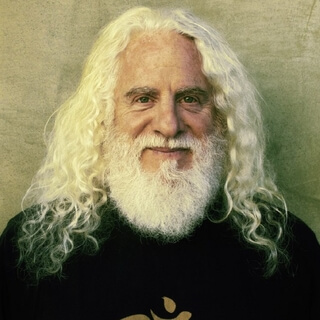
So who is Charles?
He's one of the top meditation teachers on Insight Timer.
He's a PhD writer,
Meditation teacher,
Personal guide and conscious explorer.
And really shares a lot of good wisdom on here before I press.
.
.
You can find him by the way at www.
Charlesfraley.
Com.
That's F-R-E-L-I-G-H.
Look him up on Insight Timer if you want to try some meditations of his.
Also he does some one on one consulting and one on one work.
Without further ado,
Let's get into it.
What you'll hear right away as we were talking about coincidences.
That's what we jumped into in the middle of this when I pressed record.
Much of it,
But it's just cool to notice when it does happen.
Yeah,
There's no profound all of a sudden now my day is completely changed because of it.
There is the awareness around it.
And I think that when you have a daily meditation practice,
Your awareness with moments like that seem to be expanded.
So now you see it happening more and more.
And I don't know if it's because of your awareness or if it's because you're putting out a different type of energy and relating to different people.
I have no idea.
Right.
Maybe those things are happening constantly,
But depending on what type of awareness you're sort of putting out there,
You may be aware of more or less of them.
There you go.
That's kind of how it feels to me,
I think.
Yes.
100%.
And also,
I think when you gravitate towards more people with common interests of yours.
So with more common interests comes more commonality,
Right?
And then you find out.
So all of that together.
But hey,
Listen,
It's almost like we could have recorded this and started the podcast,
Right?
Where are you calling from?
I'm in Minneapolis,
Minnesota.
All right.
And I'm in Rochester,
New York.
Okay.
So why Minneapolis?
I'm just curious.
You could probably live anywhere,
Right?
Yeah,
I can.
So I was in Virginia,
Which is where I'm originally from.
And I met my wife in my PhD program in Southern Virginia.
And her family's from Minneapolis.
So we're here.
And then we're moving to Sioux Falls,
South Dakota in August,
Because she got a professor job at a university in Sioux Falls.
And like you said,
I can work from anywhere.
So I'm pretty excited about it,
Actually.
It's like a,
It'll be a really quiet,
Small town.
I feel like I can really dive into my work.
I was afraid there was going to be nothing there at all.
But when we went and visited,
It was like,
There's a cool little town with cafes and shops and restaurants,
And it's kind of all I really need.
So that's the next step.
That's interesting you say,
And I'm going to use this here.
We'll just go flow right in.
That's interesting you say it's all I really need.
Is that because you've simplified life?
Or is that because you've figured out what makes you content in that piece?
Probably a combination of those two.
Yeah,
I would say.
I mean,
I feel like for a variety of different reasons,
And maybe because of this,
Like practice that,
Or whatever this realm is that we're talking about,
You become maybe more aware of the simple things that are,
Like,
So amazing that we can very easily take for granted if we're always kind of looking for something else.
I think that comes from my work too,
Because a big part of my work is working individually with people,
Just on life and what's going on for them and what's hard for them.
And to see how a lot of people have really difficult experiences in life and kind of struggle in life,
It's another reminder to me of like how nice it is to just,
You know,
At the end of the day,
Have a meal with my wife and our dog and just like how incredibly beautiful that experience is.
So it's something that has developed over the years,
I think.
I also lived in Manhattan for a couple of years.
So I had like the height of the opposite of that,
Which was really cool.
But at this point in my life,
It would feel like too claustrophobic,
I think,
And just too much kind of too much busyness kind of happening for me.
It would kind of put you off balance.
It sounds like maybe.
I feel like I could find balance,
But maybe wouldn't nourish so much this,
The thing that is the most like central to me.
Cool,
Cool.
So the first question I ask everybody that I've had on here over 70s,
80 guests on the podcast is,
It gets kind of an idea a little bit more about you and where you're at right now.
When you wake up in the morning today in your life,
What is it that you just jolt out of bed for the day so excited,
Like makes your heart sing out of your chest for the day ahead of you?
Hmm.
What a cool question.
Also congratulations on do what you said like 80 guests.
Yeah,
I don't know the exact number.
It's right around.
Something like that.
That's awesome.
I just started a podcast recently.
So that's really cool.
But for me,
I guess the thing that,
Well,
On a very logistical level,
I've for the past couple of years,
I've put,
I started putting my phone away from my bed in the morning.
Maybe you've come across this strategy,
Or I don't know how you wake up in the morning,
But I have it somewhere away from the bed.
So it like forces the me that is comfortable under the covers that wants to keep sleeping to kind of be transformed into the me that like wants to really start the day in the way that I really want to,
Because I have to get up and taking those steps to my phone.
It's like I transitioned out of the me that wants to sleep.
And I totally understand that me because it feels so good.
But then it kind of forces me to get over there.
By the time I've taken a couple of steps,
It's like,
Oh,
Yeah,
I remember that what's really most important to me is to have like this full morning experience before I start my work.
And I feel so like grounded and stable.
And it's like the day has already been this beautiful thing by the time I get to like nine when I might have a client or something like that.
But I don't know,
Like the it's just like I started to see life more and more as just a series of experiments.
Like everything that I do each day is a new kind of research project.
I haven't said it like that before,
But that's kind of how I feel.
And like every little thing that I do presents a new opportunity to experience this thing in a new way.
Even if I do the same thing,
It's presenting me a chance to like really be appreciative of like,
Wow,
What is this actually happening right now?
And it's kind of amazing.
Sometimes that's a little bit of a scary thought,
Too.
It's like,
Wow,
So much is happening right now.
And so I guess maybe that's kind of answers your question.
Just it's like a curiosity about what is actually going to happen today.
And I have no idea and that it's so cool.
Yeah.
You know,
What term comes to mind is,
And I've never used this term before,
But flow curiosity.
It's almost like you're in this flow of curiosity and it allows you to stay in harmony with yourself,
With the universe,
With your projects,
With the people you work with.
Was it always this way for you?
Or was there a time when there was more chaos in your life previously?
Hmm.
I don't know about chaos,
But definitely less flow.
There was more maybe distraction is a better word for what my life had been filled with for a long time with just like,
You know,
Engaging in maybe watching shows and going to the gym for a long time.
The gym used to be a really big part of my life.
And I was really heavy into lifting.
And I think that was great,
But I think it also served somewhat as a distraction for me.
I think it was also kind of based in a fair amount of insecurity about myself.
Like it was a way of kind of taking charge and becoming really big and also exerting a lot of just like visceral energy by lifting weights and that kind of stuff.
So I'd say what shifted is more of an awareness of what's happening now and less of what used to be filled with quite a bit of just distraction and not a lot of focus or forethought about like what my life is or where my life is going.
Wow.
That transition over a long period of time,
I would say,
I think there was a seed of whatever this is that has always been there,
But it was never really cultivated until a certain kind of point.
Is that how you,
Is that how you picked up,
You picked up your wife,
You were,
You were jacked and benching 400 pounds and she was like,
Charles,
Get over here,
Man.
It might've been cause I actually,
That was around,
I think that was exactly the time.
There was a moment in time where I just completely lost any desire to be lifting and where I had spent like a couple of hours at the gym every single day,
There was,
I don't remember the moment itself,
But I remember it being very like a stark contrast of just like that desire completely vanishing.
And then I just wouldn't go.
I would still play basketball and I still play basketball.
That's a big part of my life,
But I,
I just like stopped lifting completely because I had no desire to do it anymore.
It's like something,
Some switch happened and maybe it was that,
That I found her and I was like,
I don't need to do anything anymore.
Well,
Um,
Was,
When did you start meditating?
When did that come into your life?
And this is,
I wish I like,
I actually knew this cause I have a story in my mind of,
Of how this happened,
But it's,
I wonder how it really actually happened.
Um,
Cause it could be true the way I remember it,
But I don't know for sure.
So the way I remember it is I was in,
I mentioned Manhattan,
I was at NYU.
That was my master's program in psychology.
I was at a New York university and had a class that was a neuroscience class and my neuroscience professor,
He was like fascinated by Zen Buddhism and the effects of meditation on the brain.
And there was like,
You know,
A whole class based on just that topic.
And so at this point,
I don't think I had ever done a quote unquote meditation before for this class where he was talking about it.
I don't think so.
I think I was probably aware vaguely of like what it was,
And this is in 2011,
I think.
And so he asked the class to do an eye contact meditation.
He,
He,
He didn't give us much description.
I just remember his instruction was you're going to pair up with your,
The person sitting next to you and staring to each other's eyes for 10 minutes straight.
And your only task is to maintain eye contact and not look away or notice when you do look away and then come back and just stay with it.
Um,
So that was my first experience.
And I,
I'm someone who historically has had a tremendous amount of social anxiety.
And so that was something that was like,
Not,
I didn't want to do that.
And it was like very anxiety provoking to do this.
And it's such a vulnerable thing to be,
Also,
I didn't know the person next to me at all.
It was like a stranger.
And so then we just stared into each other's eyes for 10 minutes.
And at first it was incredibly uncomfortable,
But then I remember gradually,
And I think it was because it was that long that it allowed me to have this kind of powerful experience.
If it was shorter,
I might've just thought I'd never want to do that again.
But because it was 10 minutes,
I got to a point where it was just like,
So interesting and like the person's face was like,
You know,
It was kind of like meshing in with the space around them.
And I just,
I kind of lost any sense of self-consciousness.
And by the time it got to 10 minutes,
I just,
I wanted to keep going.
Like,
I wish I could have gone longer just because it was,
It was like nothing I'd ever experienced before.
And to just be doing this,
It was breaking so many kind of norms of like,
What is right or what is acceptable or,
And I think,
I think that just sparked something maybe that had been under the surface for my whole life,
I wonder,
Which I think has to do with a me that is like resistant to norms and resistant to like what's popular in society and what people say you should do.
That's always been there.
And I think something about that,
Like attached to that feeling that was like,
Holy shit.
Also,
Sorry.
I don't know if you can,
You can throw a couple of swear words.
It's okay.
Okay.
Cause I think of that phrase often when I'm like,
Wow.
And yeah,
It just made me really interested in what this practice was.
And I think from that point on,
I probably downloaded a meditation app.
It was like the mindfulness app,
I think was the first one that I used.
And from there,
I think it just gradually grew.
It was like very minimal at first.
I remember now still just doing like two minutes of a silent meditation was painful at the beginning.
It's kind of fun to look back on that now.
But I'm pretty sure that that's,
That was the initial catalyst to explore this world.
Yeah.
And which has eventually led you to being a teacher and using it and helping clients one-on-one and everything that you do.
Right.
For a long time,
I kind of viewed that as a separate thing.
Like that was in my personal life,
But I was really lucky to have a mentor supervisor figure towards the end of my PhD program that was like,
This is your,
This is you,
Like,
This is the thing that you can uniquely offer to people.
And it's,
It would be so powerful for you to really integrate all of you in the work that you do.
Cause I had received a lot of kind of feedback in the opposite direction from,
From my program,
Because it makes sense too.
It's like,
There's a program they want to do things in a particular way.
And they want you to,
You know,
Take particular classes and be a particular type of clinician.
And so I would try to do like projects that are dogmatic.
It's sort of a little bit.
Yeah.
And I would try to do things that,
You know,
We like do things based on what the society of psychology says is right to do now.
And that is based on particular research and so on and so forth.
And I would try to do things that included like the realm of mindfulness or meditation.
And I received the feedback that was like,
This is taking away from your studies and the things that you need to do in order to,
To graduate from this program and to reach these certain goals and milestones and stuff like that.
So I,
I kept doing it,
But on the side,
But then I had,
Was lucky to have this one supervisor that was like,
Listen,
Most of these people don't know what they're talking about.
And I mean,
Take it from me,
I've been in this field for a long time and that's,
That was his perspective.
And he was like,
You know,
Don't listen to that feedback,
Just do what feels right to you.
And so I felt really emboldened by him and there was a shift in like,
Just kind of going full on into what I'm really interested in.
And I think it's really kind of paid off for me.
That's interesting how you were like separating it kind of,
And now it's,
You know,
I am somebody who meditates and helps people through things,
I guess,
You know,
Like embodying it with your,
I guess,
Identity or who you are as an individual.
Right.
And I think that is so powerful and important for people to hear that are listening to this,
Because I think that happens,
You know,
In my,
I see that,
And I'm sure you see it too,
That it happens so often and why I believe a lot of times people don't,
They stop a lot of habits that they try to create is because they see it as such a separate,
Like this thing they're adding to their life or this thing that.
This has been recently crossing my mind and then you talked about it.
And then once you can,
If it's something you truly is impacting your life in a positive way or in a way that makes you feel better,
Embody it,
Like make it a part of who you are.
And that way it can become this habit that's unconsciously done every day.
You know,
Like for you to not meditate for a day would just,
It's probably doesn't even cross your mind.
I would imagine it probably is not even something like that's not who you are.
Right.
And there,
There is an interesting thing I've been thinking about recently is that,
And that has been the case for so long,
And it still really is the case.
I do meditate pretty much every day,
But there are now times where I don't want it to turn into something that is like habitual in a way.
If that might not even be the right word,
But I don't want it to turn into something that I am just doing because that's what I feel like I should do,
Or that is just kind of an automatic thing.
So I have played from time to time with being like,
Even intentionally today,
I'm not going to meditate,
Or I'm going to let go of my streak of meditation on my app or something like that.
It was,
I think Sam Harris made me first think of that.
I'm not sure if you're familiar with Sam Harris.
I did his,
One of the first things I did when I,
About two and a half years ago when I started meditation is his 50 days,
I believe it is,
Or something like that on his app,
Sam Harris.
Yeah.
Yeah.
I love it.
Yeah,
Me too.
He's,
I think prior to this mentor figure that I've referenced,
I was under the belief that probably all of my real mentors would be people that I read,
Like authors.
And I would consider Sam Harris to be one of probably the big ones that's like,
That really empowered me to explore my own stuff and my own style.
But on his app,
He,
I think he sent out a notice one time.
He's like,
I've gotten rid of the streaks function on the app because that can play into some of the stuff that I think we're trying to transcend in this practice,
Which is really interesting,
I think.
Yeah.
I've talked to people.
I've actually had people on my podcast,
Charles,
That were like obsessed with their streak.
You know,
They're yeah.
Like they should show me on the,
They'd show me on the video,
Hey,
Look,
I'm 3000 days in a row or whatever,
3000 sessions.
And and,
Um,
And I would,
I,
My response was cool.
You know,
I,
Yeah,
I don't know,
Like what?
So I mean,
That's fine if it's,
If that's worked for you,
But I understand.
Do I understand where you're coming from and what you're saying and what that can do?
That's cool.
Um,
Sam Harris,
For people listening,
That was really neat about that.
Did you go through that too?
The 50 day?
Okay.
He introduces you to open eye meditation.
Um,
It's from a whole different plethora of mirror meditation,
Where you just stare at yourself in the mirror.
If you remember that that was freaky.
Like that was probably a real,
One of my most eyeopening experiences,
Similar to you staring into somebody else's eyes.
All different types of meditation,
Which I thought was really cool,
Especially for like,
For an A type personality that tries different things.
Like I've tried standing meditation now.
We talked about that before I pressed record.
Uh,
Yeah.
So now,
Now you,
You,
You've mentioned this word,
Curiosity,
Curiosity a few times.
And when I,
When I sent a message to Charles,
He replied with,
That was something that he's exploring a lot or has been using.
Can you just dive a little bit deeper and how that,
First of all,
How can we get more curious because there was a time in my life where I didn't care about anything except making money,
Um,
And hooking up with girls.
Uh,
That was that like,
I had no curiosity outside of that.
And I couldn't even understand,
There might be somebody listening with us going through this right now.
I couldn't even understand getting curious about something else.
Like I would look at other people like who cares about that?
Why would you want to do what I'm doing?
Um,
So what,
First of all,
How can we get curious?
And then what,
What is it all about and what to do?
It's a really good question.
And it gets into something.
It's the,
I feel like a lot of this stuff is also really challenging to talk about intellectually or to put into words by its very nature.
Um,
Because we're sort of taking something and we're having to turn it into words and like,
Which represent the actual thing,
But then it turns into this thing that is a symbolic tool that we're using to represent the thing.
So like even curiosity by,
By talking about it,
We sort of turn it into something in a way,
But of course we have to use words to communicate.
Um,
But I think maybe on a very basic level,
I think of like curiosity versus interpretation.
And so like those might be two kind of poles of,
Of,
Of an experience and that can be applied to anything.
And curiosity being in my mind,
Noticing all of the descending levels of interpretation that I'm adding to my current experience and then continually noticing that and moving back to the side of curiosity.
And then by,
By continually doing that,
This kind of goes back to like my morning experience and my whole day by continually doing that,
I will inevitably receive something brand new that I could not have anticipated or expected because I've let go of my interpretation of things.
Like a view,
For example,
Like I see you and I probably create some idea of you in my mind based on my past experiences and like who you might represent to me or,
Or like,
Or even just based on your name or something like that.
I probably have all these thousands of assumptions that are being made and those things are maybe incredibly helpful and powerful tools for us in life because they like create some sense of structure and predictability.
It might protect me from getting hurt.
Like if you represented someone from my past that had like hurt me in some way or that I was afraid of in some way,
Or maybe if you represented someone from my past that was like this awesome person that I really love,
Then I might,
It might lead me to be more like invested in you or more open to you.
And I think those things are like these really useful tools,
But then they can become like all of our experience and that,
And maybe really block us from what is actually happening,
Like really only right now in this moment.
And that to me is like curiosity.
And then you just can open up to like,
Wow.
And so much can come out of that experience.
And I wonder interpersonally if maybe by doing that,
This person that you're interacting with on like a quote unquote energy level might really get a sense that you're open to them in this way that is like,
Quote unquote,
Curious and interested.
And that might help the other person like really open up back to you in this new way.
Cause they're feeling like,
Oh,
This person isn't criticizing me.
Or they're not going to take something that I say and,
And put it into a certain box.
Like they want to know who I am right now.
So that's what I first think of.
You know,
You,
You,
You made my mind,
Like you made my mind think of,
Of our interactions together because that's what you were talking about.
You get curious.
It sounds like with your interactions with other people,
You start there,
Right?
There's so many individuals that I speak with and you probably handled this because you do a lot of one-on-one they just want some relief in their life.
They just want a break,
I guess,
A feeling of a break.
Would you say that that's a common occurrence?
Sure.
Yeah.
I guess the thing that's coming to my mind is like feeling a lot of just like the weight of their life and wanting some release of that weight.
Right.
And as you say that I've realized how much release has occurred inside of me over the last few,
Several years because of my curiosity of other people and dropping judgment and critique and criticism that alone has just like an ah feeling,
Right?
Because you just explained it,
We probably don't even realize how often we turn a TV show on and then start judging the characters in the TV show and creating that tension in our body.
I've never even thought about this until you just said,
And then we probably never realize,
You know,
We're,
We listened to somebody else having a conversation and then we're critiquing that conversation.
What would we say?
What would we do?
How would we have handled that?
Or we're listening and we're like,
Oh my God,
I have to tell everybody about this.
So instead of just listening and being curious,
You want to now wait till it's over so you can tell other people about these things.
And all of this is just creating drama and tension and tightness and right.
And then,
So that I there's probably that alone right there can create so much letting go and just release in your life.
Wow.
That was so glad you shared that.
Holy cow.
Yeah.
I'm just,
I'm sitting with that too.
Like the,
Yeah,
As you describe it,
The,
Just the weight of all of that.
So we could call it interpretation.
That's kind of just how I think of it,
But just the weight of all of that is like really heavy and then the release of curiosity it's like,
It just kind of dissolves or it like merges with the environment around you.
I mean,
I sometimes wonder in terms of like a quantum physics standpoint,
If there is actually some element of like physical energy stuff that is combining and like weighing you down physically,
Cause you do actually feel it.
Like I feel the weight of judgment and it's heavy.
And then I can physically feel the release of like just letting go of that.
Who cares?
It's funny you mentioned a TV show cause that was one of my like more powerful moments of kind of witnessing this whole process happening in me.
I remember watching a YouTube video at one time.
I don't remember what it specifically was,
But it was a concert.
And sometimes I'll watch like live music on YouTube for certain artists.
And so it was a concert and then they showed the audience and I remember feeling so like automatically critical of some person because of the way they were dancing.
And it wasn't my,
Like my most obvious narrative because I like to think of myself as someone that doesn't really think those things often,
But I noticed on a,
On a lower kind of more basic level,
I was feeling critical of this person for like dancing in this weird way.
And I was judging them and I was like,
Where,
What is that?
Where is that coming from?
And why in the world would I be critical of this person?
Who's just,
I'm jealous ultimately.
Maybe that's what it is because they're being so free and they're like just doing the thing that they want to do in that moment,
Which is so cool.
Like if it was someone in my life or if it was my younger brother,
Jojo,
For example,
And I would so encourage him to do that or like wear whatever you want,
Dance however you want to just like do whatever feels right to you and forget about all these people that will inevitably judge,
Be judgmental of you and including me in that moment,
Which is like kind of crazy to notice.
And then,
So I remember like the weight of that and even the criticism of myself for feeling that way.
And then like through the noticing,
Which is maybe like that's curiosity sort of embodied noticing yourself be judgmental.
There was this release of weight of like just total acceptance and love for this person.
And I've like,
And I can feel emotional now.
And I felt emotional in that moment,
Just like,
You know,
Like tears well up and it's just this like kind of deep love and acceptance for everyone through that release,
Which I think is really,
It's there at the core,
But we have maybe we build up so many layers of protection and judgments maybe to protect ourselves.
Because maybe at the core,
It is that I'm jealous of that person or I feel insecure about myself and I could never do that.
But then below it,
I feel like there's just this total love that is at the core that is automatically like shared with everyone.
But if only if I can get there.
Yeah,
You know,
I listened to a podcast where every time there's like a knowledge,
Like a really good wisdom drop bomb dropped,
He has this button.
He's goes,
And I feel like I want to press that right now.
Because it what you just hear,
There's two reasons.
Number one is that it's such a micro example.
Like it's so small,
Random person in an audience of a YouTube video.
So on the macro level,
What we're doing,
Right,
Like without even having the curiosity or awareness around it or interpretation around it.
So that and it's in then number two is that little moment to feel such a large release like that,
Over such a little like,
We'll consider it a little thing a little moment we'll consider it because it really you know,
It's a little moment in a large release.
How much of these little moments are just constantly consistently weighing us down and never released.
So just getting heavier and heavier and heavier.
And then how does this about translating this in your relationship with your wife?
How many times you know,
How many how often Charles I'll ask you if you want to be vulnerable,
You catch yourself judging and criticizing your significant other?
Yeah,
I mean,
I think that's,
That's the person that's in your life the most.
So they're going to inevitably probably be the like,
Take the brunt of it recipient of that of that judgment.
But I am,
I am so proud of our relationship.
Because I think we've developed this ability to,
To express like everything that we feel or even to share,
Like if I had an automatic judgment about her to share that.
And it's really nice to because we're both in the same field,
And we're both kind of interested in the same thing.
So we kind of speak this same language of vulnerability and openness.
Can you give me an example maybe recently that you like just shared how what was coming up or what you felt or what you?
Yeah.
Well,
We can see if this applies,
But this was one recently that also what could seem like a micro thing,
But felt really kind of powerful to me in the moment.
So I mentioned that I had my alarm away from the bed in the mornings,
And it's like in the bathroom away from the bed.
And which it goes off at five or 530 somewhere in that ballpark,
Depending on what time I got to bed the night before I like to prioritize like seven and a half hours of sleep,
Something like that.
And so,
But and she gets up a little bit later.
So I like to get to the alarm,
Turn it off,
And go do the rest of my morning routine thing.
And so I did that this this one morning,
It went off at the usual time and got it turned it off and I went to do my meditation and so after that I was preparing breakfast for myself.
And she's sleeping at this point.
And I heard an alarm go off in the bathroom that was a different sound than my normal alarm.
And so I knew that my alarm had gone off earlier in the morning,
And I had gotten it and so that cannot possibly be my alarm.
And I saw I let it kind of go for a little bit.
And then I heard my Lindsay is my wife,
I heard her from the bed be like your alarms going off.
And I remember I like and this I feel like this happened so rarely for me,
But I had like a snapping reaction.
It's like,
No,
It's not.
It's it's yours.
It's certainly not mine,
Because I already got mine.
And but then what had happened was it was my,
My,
My Apple Watch was charging and for some reason,
Maybe like an update changed and the alarm went off on the watch later than than my phone did.
So it was mine.
And that so like she went and turned it off and she was like,
See,
It was yours.
And so in that moment,
I was like,
Okay,
And we kind of left it at that.
But then I went back to making my breakfast and all this.
And I was kind of bothered by my my snapping,
Like,
Judgment,
Criticism of her because I think there was probably a variety of things to like,
You know,
I got up significantly earlier and like,
I'm,
You know,
It's meditating out,
Like making breakfast,
And I'm like doing all these things and you're still in bed,
Which in reality,
I don't actually feel critical of her at all for still being in bed.
And that's awesome.
This is just the way that I want to do it.
But I think that played into some element of like,
No,
It's not mine.
It's yours,
Like turn it off.
And I think just a little bit later that morning,
It was still staying with me.
And I felt so bad about having that snap judgment of her.
And I was like,
I have to express this to her in as genuine and clear way as possible.
And so I went over to her and I was like,
Hey,
I forget what I said.
But it was like,
I just want to say I'm really sorry for saying that earlier to you.
And I like,
I feel really bad about it.
And I think I was even emotional.
It's such like a micro thing.
But I've become like more and more emotional over the years.
And just shared that with her.
I was like,
I'm really,
I just want to make sure to say to you that I'm sorry about that.
And I think that was like,
I didn't like what I did there.
And then I think she really appreciated that.
And we had a really nice moment of coming together over this really kind of micro thing.
But it's a pretty recent thing.
And it's the first thing that popped into my mind based on your question.
It's like our openness with each other.
Thank you for sharing that.
And I can completely relate.
Something like that happened this morning.
So small,
And it's a little bit about bother me.
It just came up again.
So when I'm done with this call,
I'm going to go and apologize for my snap judge snap reaction.
And my first thing was like,
That's,
That's not me.
That's not me snapping or whatever she called it.
And then we just left it at that,
You know,
Like,
No,
That's like,
That's not a snap.
I'll show you what a snap is,
If you really want to see one.
And then,
You know,
It's just my ego and my like,
Pride,
You know,
And really,
I'm gonna go back now and say,
You know,
I'm sorry for saying that the way I did apologize.
And then,
Yeah,
You know,
Why not?
Right?
Why not?
Yeah,
And how relieving that can be.
I mean,
I think of the relationships if those things aren't kind of shared and expressed sort of in the moment or near to them,
They can just build up and then there's just so much kind of weight that a little thing can trigger so much of a feeling of maybe resentment or or whatever it is,
That's like,
This thing is like a really minor thing,
But it's actually tapping into something that is carries a lot of weight because it's built up over time.
Let me ask you,
Let me ask you this.
Did you like,
When you said that,
Right,
You came out and said,
I'm sorry.
You probably thought,
Oh,
Would you just say okay,
And then walk away from the situation.
Maybe it's probably what you thought in your mind.
But what actually happened was something more beautiful,
More grand and in a moment that that is going to solidify your relationship,
Make it stronger,
Right.
And so we know we have no idea what's going to come out of us dropping our pride,
Letting go.
That's what I see in this situation.
And I'm and thank you again for for sharing that.
Yeah,
That's power.
That's like,
Maybe that's like curiosity to like here.
I'm going to try to make a gesture in the most genuine way that I can and I don't know like what's going to come out of it.
But if I'm open to it being maybe a really powerful moment could also be a little moment and it's not this powerful thing.
She's just like,
Yeah,
I know.
But something really powerful did come out of it.
It could have been maybe maybe like her mood,
Maybe that was the right timing to and maybe some other day if you did that she she would maybe could have been in the middle of something like,
All right,
Thank you so much.
Appreciate that.
And then just move on.
But it's been done.
Right.
We just don't know what will it's Yeah,
That's,
That's good.
That's good stuff.
Yeah.
Or she could have had something else that was like lingering for her that had not been expressed yet.
And maybe by me being open here,
It could give her the stage to maybe share something with me that she's frustrated about that I'm not even aware of.
There you go.
And that's,
That's the whole that that plays into the idea of in a relationship,
If one all it just takes one person to shift to change,
To allow the other person to change to create a platform or a space that the other person can now be there to,
You know,
Be in to where for you,
You know,
You guys are,
You guys are both on the same path or similar journey,
Right,
And doing an interest in similar things.
It's not always like that in every relationship.
So,
I mean,
I was gonna ask you to Charles,
I was gonna say if if you got up earlier or later than your than Lindsay,
Because I can't put my phone across or the room.
I would get like,
No way she would put up with that after a few nights.
Well,
That's probably because I that makes me jump out to get it and she says she never hears it.
So maybe it's a certain the certain alarm that it is and I'm also there in a couple of seconds.
Right.
So I can see that being a limiting factor to be able to do that.
Yeah,
That's,
That's good.
So you're like,
Yeah,
You that probably is another enticing piece too is you,
You know,
You have to get up and get it really quick so that she doesn't wake up.
Yeah,
That helps you get out of bed.
Totally.
That's cool.
And that that's,
You know,
If there's,
If you don't,
If someone doesn't have and for those listening,
If you don't have a huge reason to get up early,
Or you can't find a purpose to get up early,
That's a great tool to do that.
Because I have moments where I don't really have a reason to get up early.
But you know,
When I do my day is so much better.
Right now I'm working on a 21 day,
Tapping into your parental superpowers course.
I think you just came out with a 10 day course,
Didn't you?
I did.
Yeah.
Yeah,
It was.
It was on Taoism,
Isn't it?
No,
Mine was on,
I called it 10 principles of daily living.
10 principles of daily living.
That's right.
That's right.
Cool.
Check that out.
I did see it pop up.
Yeah.
And the first the first principle is,
I called it waking up.
So it's like about that process.
Okay.
Okay.
And then so yeah,
So yeah,
So right now I'm working on that course.
And I wake up every morning between 430 to 515.
I've been getting up earlier and earlier,
Because I'm excited to get out and work on it.
And I work on it until my kids get up every morning.
And you know,
So let me ask you,
Actually,
When you write,
Out of curiosity,
When you were writing your 10 day course recently,
What kind of hours go into that?
What kind of time goes into writing that and recording it?
It's a good question.
Because it's so it's pretty incremental to me.
It also happens in spurts.
I don't know,
It's hard to say a lot of time,
I would say,
Who's put into that course,
But it's something that I some maybe maybe that's right.
They're like,
There'll be like a flood of inspiration kind of thing that happens from time to time.
And then like a whole big chunk of it is an outline is created.
And then there's the hours of like,
Trying to turn that into something that is a tangible product.
So I remember like the 10 principles,
I forget even how I know how actually,
Me and a friend of mine,
Over the years,
We've had like a list of kind of like 10 things or just a list of things that put up on your wall,
Or I have on my bathroom mirror.
And it's like the things that are most essential to me right now in life.
And just a reminder of those things.
And so and we'll talk about this from time to time.
And so we were talking about it and kind of crystallizing it,
Refining it,
Making it a new one.
And I was like,
This could be like a cool course on insight timer,
Because making it 10 is a good even number.
Just I wonder if I could come up with 10 principles that kind of encapsulate one full,
Alive,
Meaningful day.
And so then it varies,
Like,
I remember it was one of those moments of kind of inspiration where they all just sort of naturally came out.
It's like,
Okay,
Obviously,
The first one is the process of waking up.
And then what's the next thing I do in a day,
I call it a calibration.
So like,
That's where you're connecting to the present moment and who you most deeply are.
And then it kind of proceeds throughout the rest of your day with all these variety of things to,
To include in a day that feels really kind of authentic.
And so all of that just like flowed out.
But then there's those periods of,
Okay,
Now,
How do I take these 10 principles and turn each one into a full session.
And I have the difficulty sometimes of having too much because I feel like I could just share so much about it.
So how do I,
I probably put too much in at first,
And then narrow it down,
Edit it to a point where it feels like I'm getting everything I want to get across,
But it's also not too wordy and has enough space of just silence for the person,
But that's a hard balance to find.
It's funny as a quiet person,
Just historically and based on my conditioning and really introverted,
When I get on these topics,
I feel like I have so much to share,
Because I'm always thinking about it,
Reading about it.
And so I can actually become pretty wordy,
Which I even feel here,
Like with you,
You're creating a space where there's an opening for me to release all this stuff that is just constantly percolating inside of me.
And so now it's just like,
There's an open channel for it.
So I'm just throwing everything at you that's on my mind.
It's been great,
By the way.
So if you feel like it's a lot,
Yeah,
It's been,
You're sharing very,
I mean,
I'm enjoying it.
Hopefully people listening are enjoying it too.
Yeah,
I'm enjoying it too.
But all that to say that a lot of time put into that.
And then I think the hardest part of the process for me is the actual recording of it.
And I'll generally do that in like,
Okay,
This week is going to be a recording week.
So I'm going to be doing the typical work that I do,
And then probably staying up late at night,
Because I want it to all sound kind of similar and me to be in the same frame of mind as I'm doing it.
So it feels cohesive and to just have it finally done.
And so this most recent one,
There were like nights of being up till four or something,
Which is totally out of the norm for me.
Usually which I'm very,
I have a specific kind of time that I really cherish for sleep.
But in that period,
I just kind of want to go and get it all out.
You know,
It's interesting you said that because this is to give people some background information on courses like this and what goes into it.
I recorded a couple that I finished and I did them on different days.
And then I listened to them.
And I knew it wasn't going to be my final recording.
But the tone was so different from one to the next,
Because there was like a weak difference in between the two.
And one I was probably had more coffee in me than the other one.
And so I was telling my wife a few days ago that I have a family cottage out about an hour and a half now or an hour away.
And no one's there right now in the winter.
So I told her that I was going to go there for two days and just record.
And that's what I'm going to do next week after.
Nice.
Yeah.
That's a good plan.
Yeah.
So that's,
And then so you,
Yeah,
It's,
I was more again,
I was just curious of how you because that's exactly what went for me.
There was a break in between and then I was like,
Okay,
Get in here,
Reorganize,
Go and then and then you get in like a flow where you just,
Right,
Like you said,
Right.
And then what's,
What's it like for you when you,
When you're doing the recording?
Like the,
So my favorite part is recording.
I,
I,
Cause I am an extrovert.
So I,
I love,
I enjoy being on camera.
I enjoy speaking,
Right?
I enjoy those things a lot.
I,
For my,
I've,
I don't like being the center of attention anymore.
Like I don't try to do that,
But I used to always try to do that every party I went to do a thing,
You know what I mean?
Like I was that guy.
But I've dropped a lot of that.
You know,
So,
And I know I have,
And people around me know I have,
So I love recording.
Like that's,
It's something,
A mentor of mine,
David G,
Who you might be familiar with.
He he told me that if you enjoy writing and recording meditations it's a very,
And it sounds like you enjoy it too,
It's,
It's few and far between.
People that are actually are good at it,
Enjoy it and do,
And like doing it.
So continue to do that if that's you,
Because it's a powerful way to get your message across.
Interesting.
So that was a,
That actually motivated me to go even deeper into this course.
Then I,
Then I have,
And it's,
It's at 19,
000 words right now.
Talk about being wordy,
Right?
Some people really love that and want that.
And then you'll have the other people that are like,
You talk too much.
Right.
Sorry,
I won't tell you.
Yeah.
And this,
So yeah,
And this,
For me,
This is an invitation to people that don't even meditate or haven't even meditated before.
And that's what I'm,
That's a big thing I'm creating it for.
It's for parents,
Right?
So that's where if it was a course that you,
You are,
You know,
You know,
Like you're just going to people who are,
Who are meditators who have experience with it,
You're going to write it completely different too.
You know what I mean?
But it's so fun.
I know that that process is,
Is fun to do.
So I'm excited to record.
Yeah.
That's really cool too.
It's,
It's kind of,
I haven't heard it put like that.
And it's kind of validating to me too,
To hear like what David G was saying about it in terms of if that is something that you actually like doing,
Then it's a,
It's a rare,
It's a very rare thing so that in the sea of people that are creating these things could give you more confidence and trust in yourself.
Like,
This is actually something I like doing,
And this might actually be a pretty rare thing that I like it so I can trust in the work that I'm doing,
Even though there's so many people doing it.
Yeah,
That,
That just gave me chills because that's the same feeling that I had when he said that,
Which is kind of little,
Little things.
And by the way,
I want to say that I'm not downplaying,
I wasn't downplaying any of these experiences you've had,
Like on the YouTube video or with your wife,
I want to make sure you know that I wasn't,
By saying they're micro,
I'm not downplaying the experience.
You say like it's such a little moment,
You know,
So let's all add up.
I appreciate that,
But and that's not how I heard it at all,
Because I view it that way too.
And that's,
That's also like,
I think that's a really special thing,
Maybe goes back to how I approach a day.
Like each quote unquote micro moment,
There is a whole world that this thing is offering you.
If you're open to it,
Just like the like having your breakfast,
You know,
You probably heard all these things,
Doing the dishes,
The things that become really mundane.
If you turn to it with this awareness that is present,
And that is less filtered by the automatic interpretations that we build up.
Like,
It's a whole brand new experience.
And it can be like so incredibly powerful,
You can have,
It makes me think of like,
The the enlightenment sort of stories from like Zen tradition or that you hear of that are just based on like,
You know,
A leaf fell to the ground and you saw it like,
Oh,
I get it.
You know,
Something hits you,
But it's,
It's based on your openness to everything and anything.
I think I,
If you've ever,
Have you ever heard of Jean Klein?
No.
He might be interested in his writing,
He writes about,
I don't even know if he was writing this,
There might have just been a,
Like a transcript,
Transcript of like talks that he gave,
But in the realm of non duality,
And that's a really hard thing to talk about or to put into words.
And he said something like every object points to the ultimate,
That anything you can pay attention to is a pointer to like the,
Whatever you want to call it.
Like it could be God,
Or it could be infinity or love or whatever that.
Brahman.
Yeah,
Brahman or,
Or the void even like the opposite side of it that each,
You could look at your finger and that would be a pointer to this thing that is always here,
Which is immense and like so incredible and inspiring.
If only you're open to it in a certain kind of way.
Yeah.
And those moments stick with you.
You,
Do you have a one that you,
I guess you had,
You shared one YouTube channel.
I had that moment walking my dog.
I decided I was walking,
This was,
And it'll stick with me forever.
I'll share it.
Walking her and I decided to like put myself in her shoes kind of saying,
Right.
I was trying to connect to her and what she was going through is little 20 pound dog.
What,
You know,
She's sniffing around and I was like trying to connect my soul or my feelings with hers.
And it like created this release.
It created this,
Deep.
I started laughing,
Smiling.
Like it was weird.
It was almost like I was her.
She was me.
I know this sounds so cheesy for people listening in woo woo.
Right.
But I'm telling you,
It was a very enlightening moment and it lasted probably three to five minutes for me.
And I haven't forgot that feeling since,
And this was last year.
So amazing.
And then it,
And then that stays with you.
Just like the,
The memory of that remains and it's kind of proof that that feeling is always there,
Even though like,
And maybe it's also tricky too,
Because you can't force it into being,
Because then you're not,
You're not actually curious.
You're interpreting,
You're looking for something.
And then maybe inevitably by looking for an experience,
You're pushing that thing away.
So it's almost like it has to dawn on you.
You're here with your dog and then something happens.
You're like,
Wow,
What is this feeling?
But then as soon as you start probably talking about it or being like,
This is an incredible experience,
Then you're probably out of the experience in some way.
But it was making me think of like the other day,
Actually with our dog,
She she's she's a tiny dog and she's on,
She sits on this chair that looks out the window at the street passing by.
That's like her favorite place to be.
And it's in the kitchen and I was walking by her and our eyes connected.
And so I was walking by and she turns and she looks over at me and I look at her and then we just,
I just stayed with it.
And then we were in eye,
Like the most still eye contact for probably like five minutes of going back to like the eye contact meditation.
But she was so still and was not moving at all.
And we maintain like very connected eye contact for probably about five minutes.
It's probably one of the most powerful experiences of my life because I'm connecting to what is actually inside this dog.
There's something here that I'm connecting to on a very basic level,
You know,
Beyond this notion of me.
And like you said,
You know,
Beyond me separate from her or her separate from me.
There's something that we're both really in right now and it's kind of indescribable.
The product of non-duality,
Right?
Who broke eye contact?
She did.
I wasn't going to lose that battle.
I wasn't going to break it.
Going back to that,
Like the 10 minute one,
I just wanted to keep going and back to like my view on life as a series of experiments that present themselves to you.
So that day I was in one and I'm like,
Okay,
I'm going to stay with this and see what happens.
But I think she probably heard something passing by and she loves to bark at people that walk by.
So she jumped back into protecting the house.
Yeah.
Yeah.
Cool.
Cool.
Did you ever do that staring in the eye with your wife?
You know what?
I don't think that we have done it,
Which is kind of bizarre.
And so you mentioning it and reminding me of that makes me want to prioritize doing that with her.
Because I even,
This is a big part of my life now because so on Insight Timer,
There's the live sessions that are ongoing and I've been doing every week,
Probably since last fall,
Eye contact meditations in the live sessions.
Of course I can't see the person because I'm looking at a webcam,
But they can see me so they can have the experience of eye contact in this kind of unique way.
And maybe in a way that feels a little bit more safe too,
Because we're not actually in the same room.
And you're in silence?
You're in complete silence?
I know that I can see.
Sorry.
For most of the time.
Yeah,
For most of the time.
Okay.
Occasionally I'll just throw whatever comes to my mind,
Like a reminder,
There's no right way to do this.
If your eyes hurt,
It's totally fine to look away,
But you might just notice whatever urges you have to look away and keep coming back to me.
And sometimes I'll throw in like a acceptance thing where going back to judgment,
Like notice maybe any judgments that you have that you automatically have about me.
And it's totally okay,
But you might use me now as an opportunity to express total acceptance for me,
Just as the way I am right now in this moment.
And not for me as a teacher or anybody,
But just as a person.
And you like,
See what happens when you give me complete acceptance and then maybe feel me attempting as much as I can to offer the same to you.
So I'll throw that in like from time to time.
Cool.
That's neat.
Well,
Thank you.
It's been an hour.
I want to honor your time.
Thank you for sharing all your knowledge and just being open,
Charles.
Really appreciate it.
Where can we learn more about you and what do you have on your webpage for our listeners?
Like what is there?
Yeah,
I would just say to go to myname.
Com,
Charlesfreely.
Com.
And there I have,
That's kind of like my home on the internet and I have like a weekly blog there.
There's a link to my insight timer stuff there,
My all my meditations and courses.
I have a video course that's there recently started doing a podcast with actually another insight timer instructor.
Are you familiar with Sake Rizvi or seen him on the app?
Hmm.
I don't know.
I know I'm a face guy,
So I wouldn't probably know the name,
But if I've seen him,
I'm curious now.
Yeah.
So keep going.
Yeah.
I just,
He does quite a bit of the live sessions on there.
And so I,
You know,
Sometimes I'll just tune in here and there to just see kind of what people are doing.
And I saw him and there was just something about me that felt connected to him.
It felt like we were kind of on the same page.
And whenever I sense that I really,
I would,
I love to reach out to people just to,
Just to a share,
Hey,
I like what you're doing.
Cause I know that I appreciate that a lot.
If someone feels that and they reach out to me maybe for no other reason.
Yeah.
But,
And just,
I just,
So I reached out to him and was like,
I like what you're doing and maybe we could talk sometime.
And so then we just started having talks on zoom and then we were like,
This is kind of cool what we're doing.
It might be cool to,
To just record these and and upload them.
So we put them on insight timer now and we put them on Apple and Spotify podcasts and they're all just,
We sit for a minute in silence at the beginning and then just see whatever arises.
There's no plan for it.
And then just kind of themes emerge.
So we attempt to be quote unquote curious in the moment with each other.
Ah,
Nice.
I like that.
I like that.
What's it called?
It's called what is now.
What is now.
Awesome.
And then there's,
There,
You have a lot of recordings and meditations.
Every Friday I release a pod or a meditation on the podcast.
So if you wouldn't mind sharing one with me that you are one or two that I could release throughout the year,
This year,
I'd appreciate that.
You can email them to me afterwards.
Okay,
Cool.
Yeah,
Sounds great.
Speaking of judging,
I think I like you better with hair than your shaved head.
Is that okay to say?
But yeah,
I remember some pictures.
I wasn't sure where you were.
Yeah,
I've had a variety of experiences with hair and this has been a pandemic product that just started.
And then I was like,
Going back to experimentation,
I've never had long hair,
So I'll just see what it's like.
So I might just take this for a while and then probably at some point,
I'll go back to the streamline because it just feels,
It feels so good to have your head or to have my head shaved.
And then I just never think about it at all.
And it just feels kind of nice to rub it sometimes.
It's so funny how different you like somebody can look from a shaved head to long hair.
Like totally,
Like,
I mean,
So totally different.
And this,
I think long hair works really well on you,
Especially because you have wavy,
You know,
Wavier hair.
Mine,
If I grow mine,
I'll have a front.
It'll just be like a poof,
A big poof.
So we can go to your webpage and I'll put it in the show notes,
You guys.
If you have any interest to work one-on-one with Charles,
You can do that too on the website.
I have a follow on my insight timer and check them out for sure.
Okay,
Charles,
Thanks a lot for your time.
I'll press stop now.
Actually,
No,
I'm not going to press stop.
I was so into our conversation.
I want to ask you the same question I ask everybody at the end.
If you could go back and give your 18 year old self any advice or tell them anything,
What would you let them,
Let that person know?
And of course your 18 year old Charles would listen.
Start reading.
Start reading now and just trust me,
Or I might hand myself a book like The Wisdom of Insecurity by Alan Watts or something like that.
That would,
You know,
I had never read before,
Like growing up in life and like in school,
I would just read like the notes online to get by.
And that door wasn't open for me until probably like 22 or 23 or something,
Which I'm so glad that it did at that point.
But I see that as like my,
You know,
Meditation and then reading is like my,
It's just this world of exploration.
And like,
I'm a changed person anytime I read a book,
Or even just read a page with like real familiarly engaged with it.
Like I get all this new stuff and my whole perspective has changed.
So I would probably go back,
Like hand myself a book and say like,
Really,
Really pay attention to this.
Like it's going to open up your whole world.
So I think that's the first thing I think of.
Really like that.
Really like that.
And you were 22 or 23.
I did the same thing in high school and stuff just to get by,
You know,
Read the,
And it was easy for me.
That's why.
I was 32,
33 until I saw,
I'm tired.
You have 10 years of reading on myself.
But that's cool,
Man.
I really,
I really vibed with us and it was really easy to talk to really,
Really fun.
And I think we share some similarities.
So I really enjoyed it.
Thank you.
I love this too.
I really appreciate the space that you created here.
And yeah,
I feel that energy from you that is open.
And so I think through that,
I just like pouring stuff out at you and with you.
Like I feel that we're here together and I've really enjoyed this a lot too.
So thank you.
We appreciate you joining us on this episode of mindful impact with Justin Francisco.
For more information on what you heard today,
Be sure to head to our website at Justin Francisco.
Com where you can sign up for a mailing list and receive my free loving kindness meditation.
We look forward to helping you on your path towards a deeper connection with you and your family right here on the next episode of mindful impact with Justin Francisco.