Today,
We're going to be doing an exercise called box breathing.
This technique was made popular by retired Navy SEAL commander and founder of SEALFIT,
Mark Devine.
Stress is impossible to avoid,
But being constantly stressed can have a negative effect on our health.
Chronic stress can cause depression,
High blood pressure,
Fatigue,
Insomnia,
A weakened immune system,
And so much more.
But breathing exercises like this one have proven to be the quickest,
Easiest,
And most accessible way to bring balance back to the body.
Box breathing can help you build resilience,
So you can more easily manage stress and anxiety.
It can calm your body and relax your mind.
You'll become centered,
Grounded,
And focused.
Today's meditation will be fully guided.
A single round will include inhaling,
Holding the breath,
Exhaling,
And then holding the breath once again,
All for four counts.
We'll repeat this exercise for a total of four rounds.
It's simple,
Easy to learn,
And you can practice it anywhere and anytime.
That being said,
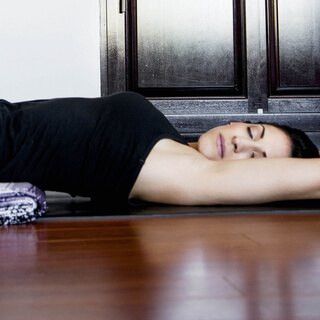
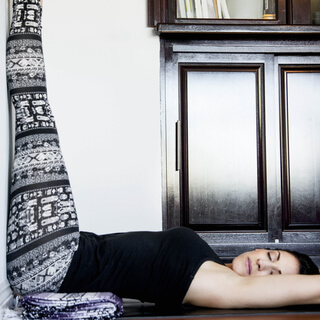
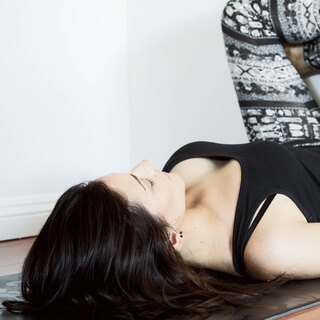
Find a comfortable place to sit or lie down with little to no distractions and let's get started.
Whether you're sitting or lying down,
Make sure your spine is straight,
Allowing for air to easily flow in and out of your lungs.
You may close your eyes if that feels comfortable for you.
If not,
Try gazing down at the tip of your nose or focus on a fixed spot on a wall,
Floor,
Or even the palms of your hands.
Draw your shoulders down away from your ears.
Allow your face,
Eyes,
And jaw to soften and relax.
Notice the points of contact between your body and the support beneath you.
Knowing that it's there,
See if you can allow your body to release and relax even more,
Melting into that support.
Observe your breath now,
Breathing normally and naturally through your nose.
Notice,
Without judgment or trying to change anything,
Where in your body you're breathing.
Are you breathing predominantly in your upper chest,
Middle chest,
Or lower belly?
Pay attention to the quality of your breath as well.
Is it fast,
Short,
And shallow,
Or long and slow?
The way we think and feel affects the way we breathe.
Chronic stress causes our sympathetic nervous system to be overly active,
Which triggers the fight-or-flight response,
Which prepares your body to respond to perceived threats,
Even when there are none.
This causes your breath to shift from the belly,
Where it's natural and relaxed,
To the upper chest,
Where it's short,
Shallow,
And stressed.
Let's work on activating the parasympathetic nervous system,
Which calms the body down.
Do this by taking long,
Slow breaths,
Filling the whole space between your belly button and collarbones.
Place one hand on your lower belly and one on your upper chest and try to breathe into the space beneath your palms.
Feel the rise and fall of your breath beneath your hands and connect more deeply to the energy and rhythm of your breath and body.
The slower and deeper you breathe,
The more relaxed you'll feel.
If you feel uncomfortable or find yourself feeling lightheaded or dizzy during today's exercise,
Slow your breath down or even temporarily come back to your normal breathing pattern until it passes,
Then come back to the sound of my voice and breathe as I count once again.
This will get easier the more you practice it.
Meet yourself wherever you are today and know that you can take breaks,
Keep your eyes open,
Or stop the meditation altogether and come back another day.
I'm adding a visualization to this exercise as an anchor that can help you stay focused.
So while you're breathing today,
I want you to picture a box.
As you inhale,
Visualize traveling up the left side of the box.
While you're holding your breath,
Move across the top of the box.
On your exhale,
Travel down the right side of the box.
While you're holding your breath again,
Move across the bottom of the box.
Repeat the pattern for each round.
We're going to begin by taking one deep breath together in order to fully empty the lungs,
Inhaling through the nose and exhaling through the mouth.
The first round of box breathing will start immediately after.
When box breathing,
We'll be inhaling and exhaling through the nose only.
Begin your inhale now.
Empty the lungs.
Begin your inhale now.
Two,
Three,
Four.
Hold two,
Three,
Four.
Exhale three,
Two,
One.
Hold two,
Three,
Four.
Inhale two,
Three,
Four.
Hold two,
Three,
Four.
Exhale three,
Two,
One.
Hold two,
Three,
Four.
Inhale two,
Three,
Four.
Hold two,
Three,
Four.
Exhale three,
Two,
One.
Hold two,
Three,
Four.
Inhale two,
Three,
Four.
Hold two,
Three,
Four.
Exhale three,
Two,
One.
Hold two,
Three,
Four.
Good.
Now return to normal breathing,
Inhaling and exhaling through your nose.
Take a moment now to scan your body from the top of your head all the way down to your toes.
Use this time as a moment of deep personal reflection,
A moment to explore how this meditation made you feel.
Notice the shift in both your physical and mental body.
Has your stress and anxiety dissipated?
Do you feel more relaxed,
Calm and light?
Do you feel more focused and in control?
Take some time to observe the shift in your thoughts,
Feelings,
Emotions and sensations.
Let's take a moment now to observe the shift in your thoughts,
Feelings,
Emotions and sensations.
You can begin to bring small movements back into your fingers and toes and when you're ready you can open your eyes or drift off to sleep.
I hope you enjoyed this meditation.
If you'd like to go a little deeper into this practice,
I have this exercise available in eight rounds as well.
Remember that no matter what you're going through and no matter where you are,
Your breath is always available to help you find relief from stress,
Anxiety,
Depression,
Insomnia,
Fear and so much more.
Make time daily to connect with yourself,
To connect to the healing rhythm of your breath,
To become balanced and centered once again.
Let me know how this meditation went for you.
Ask any questions you might have and let me know if there's a meditation I can make to help you manage life's daily challenges.
I'm here to help.
Take care.