Welcome,
Everybody.
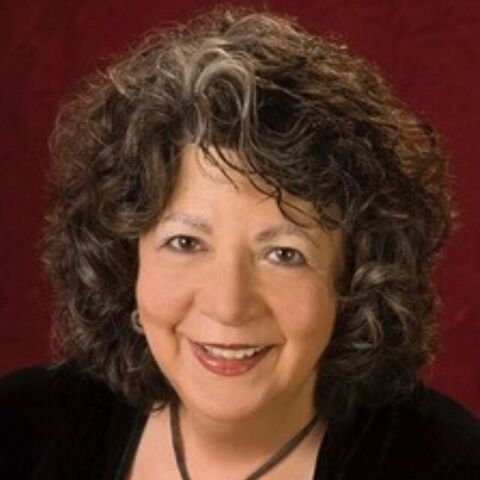
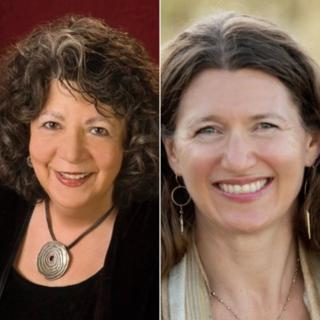
My guest today is a very,
Very old friend,
Very dear friend.
Very old,
Very old.
Very old.
A very old friendship and very old people.
Bessel van der Kolk,
Who most of you,
I am sure,
Are very familiar with his name.
Author of numerous books and most importantly,
The Body Keeps the Score,
Which has been on the New York Times bestseller list for 11 years.
And still,
If you haven't read it,
Be sure to pick it up.
But I would imagine most of you have read it.
And,
You know,
Bessel is,
I think,
One of the two or three pioneers in the trauma field.
And I know pioneer makes us even sound older.
But somebody had to found this field.
And you were that person.
You see,
I don't feel that at all,
Actually.
I feel like there's many people who have made this grow.
And I think it's very interconnected network of people with very different perspectives.
And I happen to have been lucky enough to have an annual conference where we brought people together.
But as you know,
Because you're also one of those people,
There's many people in our field who are stars.
Oh,
Absolutely.
But you blazed a trail at that.
But so did many other people who have been forgotten.
It's very easy to get forgotten this field,
You know.
And who are you thinking of that we forgot?
Oh,
I'm thinking about Mary Harvey.
I'm thinking about Frank Putnam.
I'm thinking about Rick Luft.
I'm thinking about Francine Shapiro.
I'm thinking about Peter Levine.
I'm thinking about Pat Ogden.
I'm thinking about,
Now there's so many people,
Roger Pittman,
Arik Shalev,
Bob Pinus.
You know,
There's so many people who have really worked so hard to make this come to life.
Absolutely.
Yes,
That's true.
It takes more than a village.
It takes a world.
It's a world.
Absolutely.
Absolutely.
So,
I mean,
You and I met before either of us were in the trauma field.
And I still remember when you used to tell me,
You shouldn't be doing what you're doing.
You should be down the hall with me.
Right.
Well,
I didn't even say that.
I said,
No,
You're too smart to do stupid psychopharm research.
Right.
It's real.
I know.
It's so funny when I think back that I was doing psychopharmacology research.
I was going to be a neuropsychologist.
Now I think,
Oh my God,
That would have been so boring.
I am so glad that I was inspired to specialize in trauma.
And in those days,
We had no tools.
Right.
Like,
Really,
Back in those early days,
When you told me I was too smart to be doing what I was doing,
We didn't have many tools.
We were just trying to understand the phenomenon.
Oh,
And we tried to figure out what helped people.
And we're still trying to figure out what helps people.
We haven't come to a final conclusion yet,
Have we?
Right.
Right.
It's still a work in progress.
But we've come so far.
Because what I remember is that there was nothing to start with.
There was nothing but talk therapy.
That's right.
Analyzing and being empathic with people,
And trying to figure out how your mind works,
And then giving people advice,
More or less.
We still,
For the moment,
Initially,
If you can talk about the trauma,
The trauma will disappear.
Right.
And that really was a big realization,
That talking about it was not enough to really let it go.
Yeah.
Right.
I remember.
I call it the hydraulic theory of psychotherapy.
You get it up and out,
And it's gone,
Which,
Of course,
Is definitely not the case.
That's what Freud said,
Huh?
And that's the origin of psychoanalysis,
That if you talk about it,
And I have the quote from Freud,
Then if you can put it into words,
You don't need to do anything,
Because it can get integrated into your memory.
And then you'll be free to go on with your life.
Right.
And you know.
And then you do research,
And to see if that was true,
And it turned out,
No,
That wasn't true.
Right.
And see,
That's what I loved about you,
Because as a postdoctoral fellow,
I had this idea that how could it possibly help people who had suffered to suffer all over again what they had already suffered.
So I was very dubious,
But I kept my mouth shut,
Because who was I?
I was a lowly postdoc.
And what you did was to research it.
Right.
So that actually there was data.
And because we were on the research floor.
And I had Timothy Leary's old office there,
Actually.
Wow.
How full circle is that?
So I've always had the idea,
Yeah,
You can say things,
People always do.
But if you do it,
You need to actually collect the facts.
Right.
Yeah,
That's really,
And that hasn't left me yet.
Although some things are really hard to research.
Absolutely.
Things that you so beautifully talk about,
About all this complexity inside.
Of course,
It's very hard to capture that in simple tables and graphs and stuff.
It's very hard to research.
I mean,
It's very hard to research treatments that are not manualized.
That's right.
And in some ways,
You cannot really manualize treatments,
Because so much is a function of resonance between our mirror neuron systems.
And do I know what you're talking about?
And if I don't know what you're talking about,
I cannot really reflect back to you what happens.
These are very complicated issues.
And there's this thing,
And I come from medicine,
And much of research comes from medicine,
Where you can objectify things.
But we're talking about very complex emotional attunement issues that are extremely difficult to actually manualize.
Right.
Now,
I'm having a little memory of the period when you used to say to audiences,
The therapeutic relationship doesn't matter.
I don't think I ever said that.
Well,
That's what people heard.
No,
That's not what I,
I don't think I ever said that.
I remember Dan Siegel accusing me of that also.
I said no.
But what the research shows is that the therapeutic relationship is not enough.
And what the research shows now is that the therapeutic relationship is only useful in as far as it mediates people learning to regulate themselves.
Right.
And so,
And it's very much like being a parent,
You can love your kids,
Love your kids,
Won't make them into productive and independent people.
You need to teach them certain skills,
And teach them certain values and approaches and boundaries.
So,
The warmth of relationship.
And the other thing I'd like to say is that the therapeutic relationship really is not a relationship.
You and I have a relationship,
Because when I'm in trouble,
I can call you and vice versa.
But when you're somebody's therapist,
It's a one-way relationship.
I call my patients up and say,
Hey,
I'm really feeling crappy today,
Will you come and talk to me?
Right.
Do you have any free time today?
Yes,
So true.
So true.
Right.
It's a promise of a relationship that actually can't be,
Can't be fulfilled.
And you can say,
I'll be there for you as much as I can with the following parameters.
Right.
Which is different from with your kids,
Let's say.
Absolutely,
Absolutely.
Yeah,
Yes.
Yes.
So that,
That,
I think,
I think you were missing,
I actually agree that,
Especially in trauma,
The therapeutic relationship is very complicated,
Because we're triggering.
I mean,
We're,
We're as helpful as we can be,
We're as empowering as we can be.
But by definition,
We are triggering.
Yeah.
And,
You know,
One thing that how we trigger people is we're always talking about safety.
But as a person,
Safety is threatening.
Right.
And letting your guard down,
It makes you vulnerable.
And so even the promise of,
Oh,
Let me be a BF here and always be sweet for you.
It's like,
That gives me the creeps.
Or our expectation that they should trust us.
Yeah,
Exactly.
Yeah.
Yeah.
No,
That's a,
The issue of trust is a really big,
Big issue.
And actually,
We,
As therapists,
We need to earn people's trust.
Right,
Right.
Oh,
And to some degree,
As a patient,
You have to earn our trust also.
Right.
And I tell people,
Yeah,
Surely you never have to trust me.
We have to be able to work together.
Yeah.
But you don't have to trust me.
That's not a requirement.
Because,
Well,
That's not true either,
Of course.
I mean,
Being able to work together implies some degree of trust.
In any relationship,
Nothing is unconditional.
Right.
That is true.
I don't tell that to many disappointed husbands and wives and partners.
No.
Who said it?
Was it you or some other sage person?
No,
Actually,
Steve Westmoreland had a picture.
In all relationships,
After you have a baby,
All relationships are conditional.
Right.
Absolutely.
Absolutely.
Well,
We have definitely come a long way since the talking cure and supportive psych.
I mean,
I remember when I went to your trauma center as a supervisor,
You said,
You're not EMDR trained.
Every therapist should be EMDR trained.
And so thanks to you,
I got trained in EMDR.
And then you started talking about the body.
So,
Of course,
That meant getting trained in sensory motor psychotherapy.
And so,
You know,
We evolved.
Yeah.
We had these tools.
We have.
And with experience and the lessons that we have learned from our patients.
But I always still have the feeling we have so much more to learn.
And,
You know,
It's interesting because both you and I meet very young therapists.
They think that now that I have my degree,
I know how to be a therapist.
When you and I were growing up,
The world said,
Don't trust anybody over 30.
Remember that?
Right.
Don't trust anybody under 50,
Because you just don't know enough.
They've done this work for a long time to even begin to be any good in some ways.
Yes.
Yeah.
But don't you think,
I mean,
Therapists who are young,
But they're learners,
Well,
That is a whole different head lift.
That's an interesting thing.
I'm thinking,
I was a board attendant before I did my residency.
And I bet that I was,
Because you're young and enthusiastic and filled with hope and don't have any cynicism yet,
You're open heartedness.
Right.
Curiosity can make a huge amount of difference.
And then we have students at the trauma center and say,
Oh,
I'm only working with this patient for two months,
It won't make any difference.
I say,
You know,
I meet patients all the time who say,
When I was 12 or 18,
I met this person,
And that person just made a huge difference for me.
I don't know what happened to her.
But that we still can make very deep impact on people,
Even though we're still young,
And don't know very much.
Right.
Absolutely.
I still quote a client who I saw in 1991,
During my postdoctoral fellowship.
And,
And she's at the time she said,
Janina,
You have to understand,
I am missing the synapse for self care.
And,
And of course,
It turned out she was right.
Yeah.
We didn't know that then we didn't have the research.
That's a good example.
So how do we help people to get a synapse of self care?
That's a gigantic challenge,
Isn't it?
Yeah.
Yeah.
You know,
It was for her,
This goes back to,
To the role of mindfulness in any type of treatment,
Because being mindful of lacking the synapse for self care,
And she was actually more able to be kind to herself,
And to,
To do things that helped her regulate.
So she was able to,
She was able to do mindfulness stuff.
Because that was one thing that really kept me exploring things.
I used to send quite a few of my patients to John Kabat-Zinn's MBSR program in Booster,
And they always flunked out.
Right.
Oh,
Absolutely.
Mindfulness was too overwhelming for them.
Right.
And,
And the type of mindfulness that I think works in trauma treatment is not meditation.
Right.
It's the ability to observe.
Yeah,
Yeah.
Absolutely.
And,
And that is where we come in also,
As therapists,
Because we help people to,
To observe.
That is really much of what we do.
What's that like?
What's that feel like?
Where do you notice that?
Notice that.
Right.
Notice that.
I feel like I say no 200 times a day.
Right.
And that's indeed,
That's where it starts to observe yourself.
And that is quite a job for everybody.
Yeah.
And that's everyday mindfulness.
And I always think of Thich Nhat Hanh as sort of the,
The,
The,
The person who,
Who talked about everyday mindfulness,
The ability to notice moment by moment while,
While going about your business.
And,
And I really think of,
Of that kind of mindfulness,
Right?
That,
That stimulation of the medial prefrontal cortex as,
As being essential for good psychotherapy.
Absolutely.
Foundational.
Yeah.
Yeah.
And that's where we start.
And that,
As you and I know,
May take quite a long time.
I mean,
The insurance company gives you eight sessions.
Thank God.
I mean,
I have to say,
I'm so glad I don't,
I don't take insurance.
I haven't taken insurance in many years.
Because in California,
Insurance doesn't pay enough to make it worthwhile.
Yeah.
And that's a huge issue in our profession.
And that you and I are in positions,
We don't have to do that.
But it also makes our services inaccessible to many people who need it most.
And,
And that it also makes therapists listen to what the insurance companies will tell them to do,
Rather than their clinical wisdom tells them what to do.
And so it's,
It's a huge issue in our field that we get,
Getting prescribed what we can and cannot do,
Even though what gets prescribed is oftentimes not what people need.
Right.
Well,
But ironically,
You know,
It's worst in the UK,
They have the National Health Service has the fewest number of sessions.
There,
The Canadian Health Service gives more sessions,
I think it's,
It's 20.
Australia is in between.
But actually,
In in those countries,
What,
What the number of sessions is really much more stringently limited.
Do you really think any therapist believes what the insurance companies say?
See,
I think this gets us maybe not where you want to go.
But I think this,
We are a very work profession,
Actually.
We use a diagnostic system that is a foolish diagnostic system,
It's embarrassing.
So we put codes on people's charts that are fundamentally meaningless.
Right.
And as long as we do that,
We don't deserve a lot of respect,
Actually.
You know,
The way we label people these days is as if you went to a cardiologist and you said,
Oh,
This,
The cardiologist says,
Oh,
You have a pain,
A chest pain disorder syndrome.
And that's about the sophistication that our DSM gives us.
So to start,
To start off,
We don't really learn to really figure out what is going on with this person,
And what do they need.
And so the whole system,
Having these fake labels on people,
That's crazy.
And then we get a number of prescriptions that are crazy.
And then we get some evidence based treatments that don't work for most people.
And so I'm astounded by how placid therapists are about being dictated foolishness by the powers that are.
Well,
I think most therapists don't feel they have a choice.
Yeah,
See,
And maybe that's an issue.
Right.
I mean,
If,
If being able to serve your client requires that they use their insurance,
And the insurance requires you use a diagnostic code,
And,
And that you,
And,
And,
And that you endorse whatever crazy mixture of symptoms the,
The DSM has told you are associated with that code.
I mean,
The nice thing about trauma is that it's almost always appropriate to give a depression or anxiety disorder.
Sure,
It is,
But it's sort of,
Yes,
It is,
And it accommodates certain realities.
That doesn't really.
It doesn't,
It doesn't serve treatment.
How do you work,
Does it?
Yeah.
And,
You know,
In,
In,
There are many countries where diagnoses are only given by psychiatrists.
And,
And I teach therapists,
Because they get the client with the psychiatrist diagnosis.
And I say,
You know,
You can just tell your client,
Your diagnosis was made for the purposes of psychiatry,
For the purposes of prescribing medication.
In your therapy,
We're going to work with your trauma,
Because that's,
That's really the issue that you're here for.
Yeah,
So that's the,
The contrast between wisdom and accuracy.
Right.
But notice,
I'm very,
I was very,
I was very proud of myself,
Because I managed to find a way not to sound critical of the psychiatrist,
While at the same time saying,
Let's ignore that diagnosis.
But see,
I think we have a more important job in this to help people to really figure out,
And I think you do that marvelous in your own way.
What is really the matter with this person?
And what are the issues that we need to really focus on?
Right.
Matter of that individual is not the memories.
It's the consequences.
It's the effect.
And so there's a core issue in the,
But people still get taught in schools,
Is the issue is that event.
And we should talk about the event.
And I see this all the time.
I do too.
Let's talk about a trauma story.
And that's not really the trauma story.
It's good if you can tell that story at some point in your life.
But you start off with all the changes that trauma brought about in who you are right now.
That you cannot regulate yourself,
You cannot focus,
You become freaked out and anxious and upset,
And you cannot commit yourself emotionally to anybody.
All those things are the urgent issues.
And that old story has something to do with it.
And sometimes it may be helpful to say,
Oh,
That happened to me.
Oh,
No wonder I messed up.
But that doesn't really solve you from being messed up.
Now you know why you're messed up,
Which is not a good way of starting.
Right,
Right.
You know,
I have a very,
Very,
Very,
Very long term client who I call Annie.
And one of the beautiful things that's happened,
Because her trauma history was so extreme,
Like over 100 perpetrators,
You know,
Etc.
So I always knew we were not going to touch that trauma story with a 10 foot pole.
And so we just kept doing sensory motor work,
My trauma informed parts approach,
Trauma informed stabilization treatment.
And,
And now,
As she's really in phase three,
And finishing up her work,
She is linking the trauma story.
Like,
Like now,
She can remember,
I mean,
She,
I mean,
She doesn't want to remember the details,
But she can remember what happened.
She can remember how extreme it was without becoming dysregulated.
And then the big issue,
Which I bet you have helped her with,
Is that she has compassion for herself,
What happened to her.
Right,
She has compassion.
And that's one of the hardest things,
The hardest thing is,
People keep hating themselves for how they didn't resist,
They didn't fight back,
They didn't assert themselves back then when they were two years old,
Like,
And they had no way of doing that.
And they keep hating themselves for not having protected themselves more.
And so there's a very,
Very core issue is,
How do you get to really have compassion for this wounded creature that lives inside of you?
That's really such a critical,
Critical piece.
Yeah.
Well,
That's,
That's why I love my,
My parts approach,
Because,
Because it's really,
It's really based around being curious and compassionate toward the parts,
And,
And their woundedness.
You know,
And when,
When you can mindfully notice a part that's wounded,
You don't relive the wound.
Yeah,
You notice the wound and how the part is suffering.
And it's easy to have compassion for that part.
And then,
And this is what's happening.
I wouldn't say easy.
No,
It's easier.
I have long term patients,
Like some of us have really very long term people in our lives who actually have done very well.
But that core issue of,
I'm basically damaged,
There's something fundamentally wrong with me.
It's still a challenge for many of them.
Yeah.
Yeah,
Yes.
Well,
It does help when that,
That self-hatred and self-blame is understood as a part.
That's right.
That's right.
The part that keeps blaming.
And the reality is,
And you may remember Anne Burgess,
Who preceded us,
Who first talked about the rape trauma syndrome when she was a nurse at Boston City Hospital.
And,
And,
And Burgess,
Before we invented PTSD,
Talked about how the rape victims who blamed themselves,
They're better than the rape victims who don't blame themselves.
Because if you blame yourself,
You can say,
Next time I'm going to do something differently.
And so blame is a useful thing,
Because it gives you the feeling I am in control.
Right.
Absolutely,
Yes.
Complicated.
Yeah.
And I often work with the self-blame as a relationship between the part that blames the client for what happened,
And the part who feels the self-hatred and the self-blame.
Yeah.
Yeah.
And absolutely.
When,
When my clients ask the blaming part,
Um,
What are you worried about if you don't blame me?
The,
The blaming part always says,
Well,
Then it can happen again.
Yeah.
All about control.
Yeah.
Yeah.
You know,
And again,
As you're talking,
I,
I also want to say what a marvelous work it has been for both of us,
To discover these things.
Like,
I feel so privileged to have delved so deeply into things and having companions and colleagues like you,
Together helped us to sort of open these things up and how rich it is.
Like,
It's really very,
And so you see these simplistic formulas,
You go like,
Oh,
I feel sorry that,
That your world is so simplistic because it really is infinitely complex.
Right.
Right.
No,
I think you're,
You're so right.
I mean,
There is something so deeply satisfying about trauma work and,
And,
You know,
People always say,
Oh,
Trauma work,
That sounds terrible.
And I say,
No,
Actually,
It's the best work in the world.
And it doesn't depress you.
It actually gives you hope for humanity.
Yeah.
It gets you in touch with the life force.
And so the stories are unbelievable stories.
And I still,
After all these years,
Hear myself say sometimes to people who come to see me,
That's unbelievable.
And they say,
You don't believe me?
I say,
No,
It is unbelievable that people do things like that to a person.
But,
But so the stories don't become less agonizing.
No.
What gets,
What is great for us to see is that life force.
Basically,
Anybody who comes to my office goes like,
Go like,
And you are still here?
Hey,
You don't want to go home with your life?
You still have hope?
That's so amazing.
Right.
And I think my favorite question is,
How did you survive?
Yeah.
Because,
Because that,
That tells them so much about themselves.
Yeah.
Right.
Because when you just think about what was done to you,
You know,
You feel shame,
You feel self blame.
But when you start thinking about how you actually survived.
Yeah.
As a child,
As a teenager.
Yeah.
That's where both sensory-motor psychotherapy,
Which we both learned,
And the psychodrama comes in,
In creating new scenarios.
Back then,
I couldn't.
But if I were there right now,
I would kick the shit out of this person.
Knowing what I do now,
I would have run away,
You know.
But back then,
I couldn't.
And so,
A very central thing for me is Dick Schwartz's notion of unblending.
Right.
Well,
Be sure.
That is such a core issue of,
No,
You are not a two-year-old who's getting molested right now.
And you're in fact,
You're 53 years old.
And today,
How are you dealing with things today?
As opposed to back then,
When you were just a little kid.
Right.
And that's why I love Park's work,
Because then it's easy to talk about the child.
You know,
Most,
It's really interesting,
Because most of the clients I've seen over these 44 years are hurting more,
Suffering more,
Because of the abandonment,
Rather than the molestation.
That is,
I mean,
That is,
Again,
Something you and I have very much in common,
Is that the issue is no longer what happened to you,
The title of that wonderful book by Bruce Perry and Oprah,
But even more,
And who was there for you.
Right.
And you and I have both discovered that people can go through horrendous things,
As long as they feel loved and cared for.
Absolutely.
Absolutely.
Right.
It's essential.
But it's also a harder thing to treat.
Oh,
Yeah.
They're pretty good,
Like with EFDR,
To deal with the trauma memories.
Right.
But the issue of,
There's nobody there for me,
And I must be basically a despicable person that nobody intervened for me,
And nobody protected me,
Is a much harder thing,
Actually,
To repair.
Right.
Oh,
Absolutely.
Or I'm so inherently unlovable,
That people chose to hurt me and then leave me.
Yeah.
And yet,
Every reason to,
Yeah,
Yeah.
Yeah.
Yeah.
Yeah.
That's,
You know,
That's why my approach,
TIST,
Is focused not so much on unburdening,
As in IFS,
But on really sort of memory reconsolidation work with parts.
Yeah,
Yeah.
So that the parts have a somatic and emotional experience of being held in mind,
Not being abandoned,
Being valued,
Validated,
Believed,
Cared for.
Yeah,
I'm very much with you on that,
Actually.
I've said to my good friend,
Dick Schwartz,
From time to time,
You know,
IFS is not really,
To my mind,
A trauma therapy.
It's really more an attachment therapy.
And Dick always dismisses that.
But it is really amazing how quickly you and I,
Once we got exposed to parts work,
We embraced it.
We didn't hesitate for a moment.
Like,
Yeah,
That's really important.
Right.
And because IFS was the parts approach that was available to us in the 90s,
And the early 2000s,
It was adopted by lots of trauma therapists.
That doesn't make it a trauma-informed method.
Yeah,
But you know,
I don't want to say anything bad about IFS.
No,
No,
No.
The receiving end of that also found it very helpful.
And I use it with my patients all the time.
It's fundamentally a very good part of the work that we do.
Yeah.
Absolutely.
I mean,
It's certainly,
I mean,
I've self-taught.
I taught myself IFS from Dick's book,
The Mosaic Mind,
In 1996.
And it really,
It was really a gift.
It transformed how I was working with people.
And TIST is very,
Very influenced by IFS.
I like the concept of unblending,
Which I think is genius.
Yeah,
Yeah,
And not easy.
But unblending is not an easy thing also.
Oh,
Oh my God.
No,
It's not.
It's not.
Yes.
I mean,
It's all,
You know,
It all comes together.
Because what you're making me think is that this repetition that it takes to help people learn to unblend from their parts.
I get that repetition from sensory motor psychotherapy.
Because in sensory motor psychotherapy,
You know,
It's very repetitious and it's rhythmic,
Right?
Which is also,
As you write about,
Very,
Very,
Very helpful.
And,
And so,
And this idea that it took many,
Many repetitions for the trauma-related patterns to develop.
Of course,
It'll take many,
Many,
Many repetitions to develop a new,
A new pattern.
Yeah.
And there may be ways of speeding it up.
Yeah.
I think in my work,
Psychedelics really can speed things up tremendously.
I think sensory motor work,
Somatic experiencing,
Can speed up things tremendously also.
So there are certain things that we have learned that we didn't know before.
And that all of us know.
Another thing that I like to tell people is that,
You know,
What I write about in the Kieper score happens to be what I happen to come across in my lifetime,
In my culture parameters that I've lived in.
But that is not the full spectrum of what can be done.
It happens to be the little pieces that,
In my life,
I've been able to accumulate.
And you have many of the same things.
But there's other things that we don't know that people are doing that may also be very good.
Yeah.
Okay.
And,
You know,
We once had this idea that there could be a single,
Unitary,
One treatment that would magically resolve trauma.
And so what we've learned is we have a lot of wonderful treatments,
And all of them contribute something.
Nothing contributes everything.
And so you and I are good examples of lifelong learners.
You and I really had to do a whole webcast on what we have learned in the last two years in our lives.
We're not puppies anymore.
That's for sure.
Right.
But that's good.
I mean,
I feel like that's a gift.
And it's a gift that there's more to learn.
Yeah.
Oh,
Absolutely.
We just don't know what it is yet.
And like in the last month,
I've been exploring music and rhythmicities,
Which we haven't really paid much attention to at this point.
It's going to be what we'll be working on.
There's so many different things that can make a difference in people's lives.
Yes.
Yeah.
Yeah.
If we can just kind of get away from what I call the silo approach,
Where every method is in its own silo competing with all the other methods,
Then people can use the wisdom of all the methods,
Depending on the particular person they're treating.
Let me take an expanded approach.
So we have friends and colleagues who have invented fantastic things,
Who are more or less stuck in that particular approach.
And there is a lot of room in the world for people like that also.
Absolutely.
We explore one approach very deeply.
And so I'm glad there's people who,
Some people who just do IFS,
Or just do sensory motor therapy,
Because they need to teach that method to people.
I mean,
It's the end of the story,
But I'd like to honor them also for the intensive work that they've done to bring that to fruition also.
Absolutely.
And I know,
You know,
For Dick and for Pat Ogden,
This was decades of work to get treatments they'd already developed actually recognized.
Yeah.
And so they're all part of this whole mosaic.
Yeah.
Yeah.
I mean,
The one message I still feel that I have to keep getting across to younger therapists is don't think that the event memories are the answer.
Yeah.
I don't think that talking about it is the answer because it's striking that that idea has held on and held on despite all the evidence to the contrary.
Well,
Part of it is our diagnostic system,
Which defined PTSD as a horrible event that overwhelms people's capacity.
And that is crazy because very few people have one event.
Right.
Right.
And indeed,
If people have one event,
You can really focus on that one event and do amazingly helpful therapy.
We have to research for EMDR.
I imagine pain spotting and other things may work almost as well,
But the research isn't there.
Right.
But I have met in 44 years of practice,
I have met a grand total of one person who had a single incident trauma in childhood.
I've had a few more than that,
But my percentage is less than 1% of my total.
Right.
Right.
Yes,
Exactly.
And the other thing I'm sort of really focused on these days is this really obvious notion,
It's just that we don't use the language,
That traumatic events take place in traumatic environments.
So our clients are dealing with the ramifications of the whole environment,
Not just,
You know,
Every Tuesday they were abused.
All the other days,
They were unsafe,
Threatened,
Scared,
Ashamed.
Yeah.
Yeah,
The context is,
Of course,
Terribly important.
And of course,
There's a historical background from that,
Because when I was a puppy.
Yes,
Ancient days ago.
60s and 70s,
So that's well before most people who listen to this are born.
The field is entirely into parent blaming.
Right.
Yeah,
The refrigerator mother is causing autism.
Right.
Tylenol causing autism.
And it was horrible.
And parents were blamed for making their schizophrenic mothers,
Stuff like that.
I remember,
I remember.
Some senators had psychotic children,
And they said,
We don't want to be blamed for what happened to our kids anymore,
Because this is crazy,
And it doesn't help anybody.
And they specifically instructed NIH that they could not do the sort of environmental overview,
Which I was totally in favor of.
Right.
But then,
On the other hand,
If something goes wrong with your kid,
Because we don't want to get into parent blaming.
But then,
If something goes wrong with your own kids,
The first thing we do think about,
And should think about,
Is where did I go wrong,
And what could I have done better with my kid that my kid wouldn't be so upset?
So we are,
We should really investigate what our contribution is to our all intimates becoming ill.
But that doesn't mean that you blame these people.
Right.
As I was raising my kids,
I did many things wrong.
And luckily,
I had a few friends who from time to time said,
Hey,
I saw what you did with your kid,
And that was really cool.
And really nice that somebody pointed out that I was doing some things that really were harmful to my kids.
But parent blaming doesn't help anybody.
Right.
Saying that the experiment that really damaged this kid is reasonable,
Because maybe we can do something about it.
Right,
Right.
So it's a big complex issue.
And what we see,
Interestingly enough,
In our work,
Is that people start with their self-blame,
And when they stop with their self-blame,
They start having compassion for their parents.
Right.
Oh,
And I feel so bad that my parents,
My father never got to see what a wonderful kid he had,
Me.
And he never got to enjoy that the parent deserves having a kid like me.
Right.
The compassion spreads from people inward to outward.
You know,
We have to end,
And I can't.
That's a beautiful ending.
Right.
Right.
Right.
That spreading of compassion.
Okay.
I could talk to you for a week.
We do,
We do.
So take care.
Sorry,
We have to meet like this,
But it's a wonderful thing to be able to do.
Okay,
Bye,
Janine.
Okay,
Bye.