Holness,
Welcome.
This is Josh of Integrating Presence,
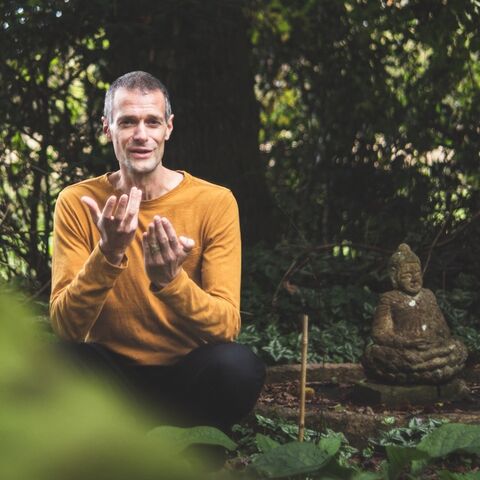
And today I have John Lawyer with me.
John,
What's going on?
You know,
Just having another great day in the world and in our reality,
Josh.
How about you?
Well,
That's fair enough to say.
That's close enough to be somewhat accurate for me,
I'd say.
So,
Who is John Lawyer and what does he do?
I'm a spiritual guide and a seeker.
My every day is to try to help people find their wholeness within,
Whether they see it or not,
That light inside,
Whether they can can feel it or not or see it.
And it all started for me.
I was a soldier and civilian on and off for 12 years out of the first 15 years of my adult life in and out of combat zones,
Kuwait,
Iraq,
Afghanistan.
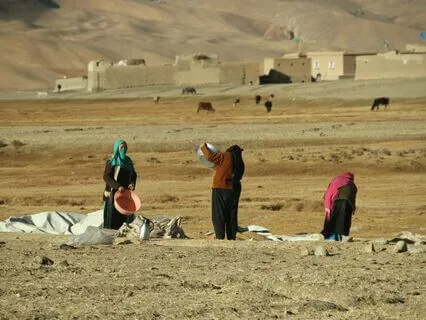
I spent six and a half years consecutively in Kandahar,
Afghanistan.
And that kind of damaged me,
But it also kind of greatly informed me,
I would later find out.
And when I came home,
I came home in about 2015,
And then it took another seven years for me to sort things out and figure things out.
And then I kind of had a spiritual moment,
A major spiritual moment,
Where I had this clarity or understanding that I saw this wholeness of the universe and oneness with everything and loving kindness and knew what I wanted to do in the world.
And for the past couple of years now,
Since that event,
I've been walking that path.
Well,
Right on.
We can talk about that pivotal moment.
And I've had something similar in my experience.
I don't really,
I haven't talked about it publicly.
And I don't think,
For me,
Now is not the time.
You're welcome to.
We'll get to that in a minute.
I think the biggest thing that I'm getting here is trauma.
And I know my,
I said this plenty of times before on the show,
My regular spiritual Kung Fu moves don't work on trauma as much,
Right?
There's a lot of great wisdom in that.
But when it comes to trauma,
It's a different animal.
Now,
It seems to be potentially or maybe not further complicated by being in the military and who knows what all was going on with that.
I don't know what level of detail you want to get into.
But I think the biggest thing overall for me is that I'm interested in this point is healing trauma,
Addressing trauma,
And how that might differ from other people with other issues.
We all have our challenges.
And we all have a degree of trauma,
I would say,
Just being in a human incarnation.
But there's some that are more,
Some levels that are more severe than others.
So where do you want to start with this?
And how do you want to approach this?
What do you want to say?
Because I think this is of utmost vital importance in the hour we're in is trauma,
At least because I'm undereducated on it.
Yeah,
I think trauma is really important to talk about.
And I,
You know,
I think that I agree with you.
I think every most most people have some degree of trauma having lived in this reality we all live in within ourselves,
And we share.
And I think being in that,
When you're at war,
When you're in that dark military industrial complex,
That's doing these things,
And part of the darkness,
You,
You're exposed to great trauma.
For me,
Personally,
I was exposed to this low level of trauma every day that I didn't necessarily even know that I was in.
And then there's those,
Those spikes of high grade trauma that could be significant events.
For some people,
It's a car wreck or a big health event,
Or,
You know,
For me,
It was getting attacked,
Missile attacks or truck bomb,
You know,
These high grade events happened to us.
And for me,
They happened enough that they were repeatable multiple times over several years,
You know,
Being over there for 12 years.
So I,
I have an interesting relationship with trauma.
It's one that I don't think that will ever completely be done with.
I think that's part of who I am.
I think that and I think I have some acceptance with that.
Now.
I think that's part of addressing trauma.
I think time helps trauma.
I think that acceptance helps it.
And there's also that aspect of letting go as well.
So you can accept that it's going to be part of you,
But you can also let go part of it,
I think,
As well.
And that helps some of the hold that it has on you.
So I definitely appreciate having a conversation about trauma and,
And what it looks like spiritually.
And then also how that intersects with this reality that we all share.
Because,
You know,
We,
Most of us aren't monks living in the foothills of the Himalayas,
Right?
So we,
We just figure out how we do this thing day to day as well.
Yeah.
These are,
These are the really interesting points.
Yeah.
I think I'd just leave it where you,
Where you put it other than,
You know,
If you work with folks with trauma,
I know there's a big thing in professional circles of being trauma informed.
And I don't know where that comes in with,
In,
In the spiritual aspects,
Because some of us that consider ourselves spiritual,
Or,
You know,
Like me that does meditation,
You know,
I'm still trying,
Because I've talked to people with trauma,
And I've just done regular meditation,
I haven't really gone into it and treated it,
You know,
The way a professional would or anything.
It's just,
So I'm,
I'm a little bit feeling things out of how to work.
Is there,
Do you know of any differences of how professionals would work with it versus folks in spiritual communities?
Or if you counsel people on it,
And how it might differ from one's own experience of trauma,
And how it might be similar,
Working with people in a spiritual setting,
Versus maybe professional setting too?
That's a,
That's a great question.
I think trauma,
It's highly individualistic.
And so it's going to change from person to person,
Kind of like what you were talking about,
Getting out there a little bit.
But there are some similarities.
I think that it takes a,
It takes a holistic approach.
And I think sometimes people hear that word these days,
And it gets cliche,
But really,
We have to approach ourselves holistically.
And I think that there's things that professionals can do from a therapy counseling side.
There's a practical side to it that I don't get into.
And then there's the aspect from it spiritually.
And I think that there's things that you can do to ground yourself spiritually,
To ask that question,
Who am I,
And figure out your inner self,
Which is,
To me,
Universal being or consciousness.
And I think getting at that helps ground you.
It tethers you to something that is pure and perfect and whole.
And then there's also the lifestyle aspect of it with,
You know,
Trauma is often a physiological issue,
In addition to being a mental,
Emotional and spiritual issue,
Because it's like my amygdala and,
And parts of my brain are rewired from having years of trauma,
Low grade and high grade.
And so if we're sleeping right,
If we're eating the way that best fits our body and ourself,
If we're moving intentionally,
And if it's just walking,
Or whether it's exercising,
Whatever it is,
Our relationships,
All this stuff out in the concrete,
Quote,
Unquote,
Real world,
That stuff grounds us and centers us physically in this body that we inhibit and inhabit.
So I think that it has to be an approach by the person who has trauma,
Or it should be an approach where they think,
How do I move through this?
How do I accept this?
How do I let go of this?
And it's definitely a journey and time,
I don't know that you can't just snap your fingers with trauma,
You got this kind of when you first started talking about it.
And I think that aspect is underrated,
That time heals all wounds is this great,
Great wisdom of the universe.
It is.
And then just everyday other categories of life,
We see these goals we want to achieve.
And,
You know,
There's just,
You know,
We think we should be there automatically.
And a lot of times,
They have to take very tiny steps at a time.
And there's nothing wrong with that.
Because,
As I say,
You know,
This is from the Buddhist wisdom to drop by drop,
A bucket is filled.
So don't,
You know,
Don't think that,
You know,
If we're doing good,
It won't accumulate same way with doing things that aren't helpful.
Little by little,
Those accumulate,
Too.
So what we do say think matters,
And it does,
It can and does accumulate builds up.
So,
All right,
So I want to go back and talk about your story here.
Because I think this is a key point into what you're doing today.
Maybe talk about from a spiritual aspect to if you had any interest before,
Up into this,
Let's just call it maybe an epiphany or awakening moment or just event,
Maybe even a peak experience is what I'm guessing here of what this was.
And then whatever you want to tell folks about that experience and how that transitioned into what you're doing today,
And kind of what you are doing today,
You know,
More in detail as well.
I think my first experience with spirituality,
I didn't really know it.
I,
I was,
I was sitting in class in high school in the ninth grade.
And I had this like,
Instant understanding of like,
How to deal with people and be kind,
And that kindness was this good thing that made the world a better place and easier.
And I was pretty much kind from then on after.
I mean,
I had my moments,
Don't get me wrong.
But I would live more kind life,
And it helped my relationships.
And,
And so that was an interesting thing that that I think was like a mini,
It's like this mini epiphany,
You know,
And that kindness.
And I was also always a very positive person.
I think that really helped me survive my time in combat zones.
And,
You know,
When I joined the army,
I also told myself,
I said,
Look,
Don't lose yourself.
Don't go to basic training,
Don't get indoctrinated to such an extent that you lose who you are.
And so I really held on to my youth and that magic of childhood a little bit,
I lost grip on it at times.
And but I made a real effort to stick with it.
I think that was helpful,
Because I think that magic that we have from childhood is this beautiful thing.
I think magics is very natural thing.
I don't think it's supernatural.
I think it just is.
And so then going into the military,
I mean,
I will just have to say I was a believer,
I was ideologue,
I believed in what we were doing.
I was driven to succeed in my mission and do counterterrorism and counterintelligence to,
To win.
There is no winning,
By the way,
I know that now.
But I was a driven person.
And I was so I was working 100,
110 hours a week.
It's this very religious thing.
It's this very spiritual thing.
And people won't usually talk about it in those terms.
But I'm not afraid to talk about it like that.
And so,
You know,
When I spent six and a half years consecutively in Kandahar,
Afghanistan,
I mean,
I was a fundamentalist.
I was as much of a fundamentalist as the Taliban and the terrorists that we were,
We were after,
Because you have to be that to catch them and to do your job.
And I,
You know,
I now realize that we're all just humans,
And that,
That there's evil on all sides.
And none of us were doing the right thing.
And so I think that that idea of this transhumanistic idea,
This humanist perspective on life really came through for me,
Especially in my time in Afghanistan and started to wake me up.
And I tell this story every now and then there was a guy that came to me in our unit.
And I saw new special agents every six months,
Because they would come in and then leave,
Come in and leave,
You know.
And this kid came and asked me,
He was a new lieutenant.
And he said,
You know,
What do you most look for in a new guy in our unit?
And,
You know,
These guys went out and met human intelligence sources and captured bad guys.
And,
You know,
I told him I,
It was a weird question.
I'd never been asked that.
I said,
You know,
Actually,
The thing I most look for is kindness.
Because if they're kind,
If you're kind,
I can work with you,
I can teach you,
You can learn and we'll all be safer.
So even in the middle of war,
I kind of had this concept of kindness,
Especially towards the end.
So my time in that machine,
When you're completely,
When you're completely immersed in it,
It did inform my spiritual journey later on.
It did help me see the light easier as well,
Right?
When you have this,
When you see this dark,
You suddenly can see the light in an easier way.
I think it helps appreciate the balance of the universe as well.
So I'm just digesting this a little bit here.
So with it,
There's so much I could go into there,
But I want to keep this flowing.
And what was the time,
The experience you're talking about where,
Was there a pivotal moment where you,
What you're talking about earlier on,
You know,
Do you feel comfortable sharing about that?
Or what can you say about this transition from,
Even though you do have this thread of kindness running through these,
The operations you're involved in,
Was there a significant turning point and how did that unfold?
You know,
When I left,
I just got,
I decided I needed to get out and I was having,
I wasn't into it anymore.
I was very damn,
I was kind of burnt out,
Completely crashed.
And that's when I went home and really,
I was just kind of lost for seven years.
I was just lost.
I didn't have an identity outside of that.
I didn't know who I was.
Cause it was like,
I was a guy that when I walked into a room,
People listened to what I had to say.
They wanted to know what I had to say.
I moved planes around and told people where to go and,
You know,
Stuff like that.
Just that it was,
I thought it was important work.
So like I was completely just lost.
And so that was seven years of just like not knowing who I am.
And so I think that that's what started me.
I ended up with a therapist in the VA that had to practice Eastern faith.
She helped me a lot.
I wasn't able to wrap myself around her mindful teachings completely,
But she taught me mindfulness and it helped me.
I was too injured to use it fully.
But I think that helped start a snowball rolling down the mountain.
And then when I was about nine months before my kind of awakening event,
I,
I was only 39 at the time,
But I got shingles in my left eye and on my left side of my face.
And I actually lost vision in my left eye and,
And I got this big scar here right where my third eye would be.
And I don't think that was a coincidence.
So I think I lost part of my real vision and I gained some spiritual vision with the universe.
And then I had my event and then that's when I finally realized I was,
I was whole inside,
I had light.
And so,
Yeah,
I think that there are definitely multiple things that kind of led me to,
To where I'm at today.
This is,
Um,
Yeah,
We,
We have this,
This notion in,
In mythology and just in different spiritual communities and with different spiritual figures of how they might,
Their physical vision might be less,
But their,
Their inner vision,
Um,
Seems to be heightened.
I mean,
There's this,
There's that notion too.
So it's,
It's,
It's interesting.
And then also how the physical body can have a,
You know,
Or the physicality can have a correlation to what's going on before things come into the physical and,
And,
And things like this.
So,
Yeah,
I mean,
None of this stuff is,
Uh,
Unfamiliar territory with me.
Um,
Um,
So what I want to say here is,
You know,
I,
Everybody's got lots of opinions,
Right?
Including me in this,
And some of them might be more helpful than not.
When we start getting into overall stuff like this,
I look at politics as an emotional con game.
It's made to trigger people out emotionally.
Um,
But well,
Before I say any of this stuff and I don't,
I'm just kind of testing what I want to say here.
My,
My grandfather,
You know,
Was in World War II.
Uh,
Well,
Both of my grandfathers,
One loaded bombs onto airplanes in the Air Force.
The other one was in the 82nd Airborne.
He had five battle stars.
He was one of the few that,
Um,
Didn't get really injured the entire time.
I mean,
Very minor things compared to so many people,
You know,
He was reluctant to talk about it till the end of his days.
And then he finally gave an interview with a local paper and it wasn't much longer and he passed,
You know,
Um,
And he never really made it about idea,
Ideology or anything like that.
He would just talk about with the gear he jumped with,
Like the gun he used,
You know,
Just matter of fact,
Things that happened didn't go much and beyond that,
You know,
And my dad and uncle,
They were both in the Navy.
My uncle was in a,
A nuclear sub,
Uh,
During Vietnam time in the North sea was a cryptographer,
Uh,
You know,
Completely outdated job from what I understand with Morse code.
Right.
Uh,
And yeah.
And so I have a familiar,
And then I had recruiters after me,
But I never went in.
I wouldn't never,
But I,
I had a job in marketing where I worked with,
Um,
Uh,
Veterans getting them VA loan products.
So I have a little bit of a background,
But not directly anything,
You know,
It's just all indirect things here.
And,
Um,
But I am fascinated by the intelligence community too.
And I don't know how much I want to get into that as well.
Um,
So I'm trying to feel out what I should talk about.
Maybe we can come back to that.
If there's,
There's any time left over,
Let's just keep it to you.
Uh,
What you do now,
Uh,
After you started,
Uh,
Let's just call it awakening.
Cause I had dark awakenings in my,
Um,
Um,
In my path as well.
And it got to a point where I just couldn't go back to sleep anymore,
You know,
And things got,
Uh,
You know,
Dark nights of the soul.
You talk about that.
People have multiple dark nights.
And I think this is a really important part of a lot of people's path,
A lot of shadow work.
Uh,
There's a lot of that early on for me,
A lot of weeping,
Lots and lots of weeping during meditation,
Uh,
On my own though.
So it was,
You know,
Socially acceptable.
And this was like,
Uh,
I look at it as a purification process.
Anyway,
Enough about,
Um,
Where were you?
Um,
Once you had this,
What got you interested into doing this as a nonprofit and tell us,
Uh,
Tell the audience more about what you do now.
Um,
Like,
Uh,
Like what,
What traditions you're mainly drawn to maybe what practices you're involved with,
Um,
Some of your goals and whatnot,
Uh,
With what you're doing now.
Sure.
We,
When I,
When I kind of had my event,
My,
My moment,
I,
I knew instantly what I wanted to do.
This came to me when my kind of higher purpose or Dharma was.
And so that made it easy.
I said,
Oh,
I'm going to start an online community and nonprofit and help people and help people help themselves.
Uh,
And in the community we have,
We have,
You know,
We have guided meditations.
We have courses on how to live better spiritually,
How to live better,
Um,
In the lifestyle and in your day to day life,
We have affirmations.
It's,
It's a place where people can share their stories,
Their journeys.
I wanted to create a place where regardless of your faith,
Your belief,
Your spiritual philosophy,
Or your religion,
You could come and talk to people and we could ask better questions,
Find better answers.
And I,
I also went,
Became a certified professional coach so I could be a spiritual guide and help people,
Uh,
One-on-one as part of this whole thing.
And so I do that.
But as far as my own spiritual beliefs,
I'm an omnis or universalist.
I believe in the validity of pretty much all philosophies and religion.
I believe that they're all valid.
I think we're all saying very similar things.
And under that umbrella,
I have things that I specifically believe in myself,
Which are,
I really subscribe to a lot of the,
The non-personal,
The impersonal Hindu,
Like the Brahman and Hinduism and the Yogi and,
And,
And all of the stuff that goes along with that speaks deeply to me from those Vedic traditions.
I subscribe to the Tao and the balance of Taoism in the universe.
And I incorporate aspects of some indigenous traditions that I don't practice them specifically,
But I let them inform my own spiritual faith and practice.
Uh,
I,
I,
I read Robin Wall Kimmerer's,
Uh,
Breeding Sweetgrass and I thought it was just this really beautiful work on indigenous,
Um,
Oneness with the universe and with plants and animals and,
And everything.
And so that's kind of what I believe in.
And I,
I believe it's a very pantheistic oneness of,
Of everything.
I believe that we create our own reality that we walk through.
And I believe that our realities just bump in like bubbles to all these other realities.
And then that's our shared kind of consciousness that we have with others.
Um,
When we see each other here in the quote unquote,
Real world.
So I think that it's about self-love.
It's about loving yourself first.
If you don't take care of yourself,
You're not good to anybody else.
I think that our society teaches us to not have that,
That take that self-love and that self-care idea.
I think that we're,
There's all this stuff that we're told throughout,
Throughout our lives when we're young to not do this or do that or sign here,
Sit there,
Go get this job,
Go to the school.
Um,
And I,
I think that we have to really peel back those layers and find out who,
Who am I and what am I in and where am I?
And so that's kind of my,
That's kind of where I'm coming from.
Yeah.
And it's a big part of my path too,
Is investigating the nature of reality and what's the best way to go about doing that.
Um,
You know,
The most optimal and helpful way doing that as well.
So I guess I,
I'll just throw in here a little bit,
Since you have this unique background in,
In counterintelligence,
Um,
Uh,
We did get cut off a little bit earlier when we first started to do this.
It's probably because of a different connection,
But what I was saying there,
And if for some reason we get blocked again,
Uh,
We can start wrap,
I can just kind of wrap this up,
But it'll probably go through here,
Right?
Um,
Maybe this is a gross misunderstanding of,
Uh,
Of this,
But I,
I want to say that and inaccurate too,
I don't know.
Uh,
You can help me maybe,
But,
Um,
When it comes to intelligence,
That seems like that's basically lying or selective lies for a certain agenda or purpose and counterintelligence would be,
Uh,
Specific truths,
Uh,
For a specific purpose or,
Um,
To counter the,
The lies in order to,
For a certain agenda.
Um,
I don't know if that that'd be too far off,
But,
Um,
Yeah,
It's like a cat and mouse game,
Right?
Yeah,
It is counter,
Counterintelligence because I did pure counterintelligence at the strategic level and I did counterterrorism as well.
But from a counterintelligence perspective,
I did some of the work that was spy versus spy,
Like the U S versus Iran or the U S versus Russia or whatever,
You know,
Whatever.
And it is,
At a strategic level,
Especially counterintelligence is trying to stop people from spying us,
Spying on us.
And if they are spying on us and we can figure that out,
Well,
Suddenly then you can,
You can use that as an opportunity to leverage misinformation to the enemy,
Um,
Through,
You know,
Passage of material or,
Or fake material that you put back into the system.
Um,
So I,
I was involved in that aspect of counterintelligence in addition to the counterterrorism stuff.
And it,
It was,
Uh,
Counterintelligence agents,
Special agents.
Yeah.
They're taught to lie,
Taught to manipulate at a strategic level.
And we're also taught to collect tactical intelligence on the battlefield and,
And,
And across that spectrum,
We're going to meet sources.
And our,
Our job is to get them to tell us information,
However we can money or,
Uh,
Influence or power or whatever deception,
You know,
And,
And you're trying to get a human being to do something that's unnatural,
Which is to betray their own people,
Their own country,
Their own region tribe.
So yeah,
It's a very manipulative,
Uh,
Practice.
And where I think this has relevance in the type of,
Um,
Quote unquote,
Spiritual marina is discernment.
Okay.
So the,
The more discernment we can have,
But it's,
But,
But,
You know,
More fundamental than that is the ethical layer,
Because if the ethical layer is there,
Then it can discernment can just be used for more shenanigans.
So with that caveat mind,
And for me,
It all starts with non-harming and I know it doesn't for military stuff,
Obviously,
But that's my preface on this.
And then,
You know,
The talk about gathering as much information as possible,
Even disinformation,
Misinformation,
And then sort it all out later,
The,
The more information,
The better.
And then the information models that can go through and see what's credible,
What's not,
And then can even find out missing,
Uh,
Misinformation,
Disinformation tactics,
If,
If they have it,
Even though it might be harder to sort through.
So,
I mean,
There's just besides the,
The strict,
Uh,
Spy games in general,
I mean,
The general populace is just under so much deception upon deception,
You know,
The whole metaphor of being asleep and in a dreamlike reality and illusion.
I mean,
It just doesn't apply on the war theater.
And I would say the,
The more the warfare today is in the mind and,
Um,
Of a,
Um,
Nature of consciousness as well.
Um,
So this,
I think can be leveraged for discernment skills if we're doing it,
Uh,
With,
With,
With especially people's long-term benefits in mind,
You know,
And to me,
It has to be,
This has to,
When,
When we look into truth,
Truth can be very,
Um,
Frightening for people,
You know,
It can be used to liberate,
Can be used to cut bonds of bondage,
Or it can be used to destroy,
You know,
Destroy things and not in a good way.
Um,
So that's why it has to,
For me,
It has to be balanced with true authentic,
Um,
Kindness and loving kindness even more.
Um,
Now the,
The,
The reason why this is relevant to your story perhaps is,
Um,
What I get with this is there's an old dictum that all wars are banker wars,
Bankster wars,
And that they're funded on both sides by people trying to make profit.
And our economy is kind of backed up by war to keep the economy going the way it's set up now.
Now what's,
Uh,
For,
For me,
It's a really delicate thing,
Uh,
When it comes to military programming,
Because on one hand,
You have to get people to,
To go out and kill people that they've never met,
Uh,
For reasons they don't really seem to fully understand.
They think they understand,
And maybe they do to a certain degree,
But they're being lied to,
Manipulated to begin with in order to kill strangers for,
You know,
For supposedly high mind reasons,
Um,
That they normally wouldn't do.
And it becomes legal to do so where normally wouldn't be right because of,
Uh,
Uh,
Rules that are in place in war,
But then even more,
They have to come home from that and have to come into the veteran arena.
And then we have to start to heal and reintegrate,
Or the veterans have to start to heal and reintegrate into society,
The same one that,
But they can't go up against the war machine either,
Because then,
Then,
Then,
You know,
If the veterans came home and got healed to a certain degree where they,
They,
Uh,
Would stop the whole military machine,
Well,
That wouldn't be beneficial for the machine.
So there's this cognitive dissonance of,
Okay,
Well,
I'm coming back and I want to be reintegrated into society,
Uh,
And I,
But I can't interfere with other people going in and,
And,
And killing,
You know,
For profit basically.
Uh,
And so there's this,
Um,
Disconnect of trying to have these two opposing things kind of together.
And there's so many different ways that I see it being done and sometimes it works.
Sometimes people's programming gets,
Um,
Oh,
I don't know,
Broken,
Uh,
For,
For better or worse.
Um,
But I think,
Uh,
I wonder how do you see this whole thing,
Um,
Without stirring up too much trouble.
I mean,
I just don't really see any kind of solutions to,
To,
To this whole,
The war machine is what you called it earlier.
And that I see it that way too.
Um,
And I,
I,
I really don't see anything other than for me.
Uh,
I mean,
You couldn't get,
You couldn't force me to put a gun in my hand and kill people.
I mean,
You'd have to lock me up in prison.
That's,
I mean,
Of course I have my own ideology here,
But really the only way I could see out of this whole thing is radical non-bias.
Now,
Let me,
Let me,
Another caveat with this.
And then I turn this about me is that I'm totally into the second amendment because even though I won't have a gun myself and use it myself,
Uh,
You know,
Eventually I think we'll get to the point where we can show people in the future,
Oh,
These used to be,
Uh,
These are called guns.
People used to,
People were so primitive.
They used to kill people with them and they can show them,
You know,
Like a,
Like a history lesson.
But unfortunately the state of consciousness is not at that point,
You know?
So if people have a loved one,
They still need to be able to protect them.
And the non-aggression principle,
Whereas somebody who's aggressed on,
They have the right to defend themselves.
They don't have the right to start aggressive tendencies.
Uh,
You know,
So I'm making it sound all cut and dry,
Even though when it comes to the spy world,
It's lots of gray,
Gray areas upon gray areas upon gray areas,
You know?
So what would you say to all this?
Uh,
Especially even if we're going to fine tune any of this is what do they call it?
Harm reduction.
So like,
Yes,
We can't wipe out war altogether.
And I think a lot of it has to do with once maybe past actions and comma that some of these wars just have to play out because of our past actions,
Maybe in past lives,
You know,
It's coming.
Um,
Our actions in the past are fruiting now in certain things that play out as war,
You know,
They have to,
Um,
Because skillful actions will have skillful results on skillful actions,
Have unskillful results in some things I maybe just have to play out due to our past actions.
But what would you say to all of this now that I've thrown a lot of stuff out there?
There's,
There's a lot,
But I,
I would say I agree with almost all of that.
Um,
And I would say that my,
My,
My current iteration of my journey overlaps with most of that,
That you're talking about.
I think that yes,
The military programs people deeply.
I think that's part of what it does in a very harmful way.
And then it kind of spits them out and says,
You know,
Well,
There you are having,
You have a good life.
Um,
I think war is a political exercise.
I'm not political anymore.
I'm,
I'm a political these days,
But I do believe war itself is a political exercise and that whatever you do when you're fighting the war after the first 30 days or whatever it is,
Like you,
You're lost from that.
That's no longer relevant.
Um,
That's still what they're telling people it's for.
That's still what they're telling the civilians and the citizens.
That's what they're telling the soldiers that it's for and the officers,
But it's not that it's something much different.
Um,
On the other side of that,
There,
There is that reality of all these events that have happened since the beginning of time,
The butterfly effect that has led to all this stuff that's happening right now,
That the human suffering that we experience,
And that's,
That's the universe playing out,
But we don't have to play into it.
But then there's that complex,
You've said it's complicated.
And I completely agree with that because then you have,
You do have,
You know,
Being part of the machine,
I've done good things.
I've done evil things I've done,
You know,
Um,
But there were people trying to kill us.
Um,
There are people trying to kill us on a tactical level by attacking our bases.
There were terrorists trying to attack the homeland in a,
In a,
Not,
Not a cliche sort of way,
But in a very real,
You know,
Guys in camps in Afghanistan and Syria and Iraq that were planning to try to blow up planes and blow up airports and blow up things in the United States and kill citizens.
Um,
And that's where I think it gets complicated because I agree with you about nonviolence and non-harm.
I'm a humanist now.
I'm all in on getting rid of nationalism and getting rid of all these kind of BS tribes that we're all part of.
Let's just be part of the tribal love,
Tribal loving kindness,
Like you said.
So how do,
But how do we get everyone to put the guns down,
Put the bombs down,
Right?
Like,
Um,
And I can look back and say,
You know,
Our unit went out and we had to capture people and I had to send people and I had to pick targets to capture,
Rip them away from their families.
I also had to say,
Drop a bomb on this guy today,
Right now.
And you know,
That's,
But that guy was trying to kill us.
If we hadn't dropped the bomb on that guy,
That guy would have shot a rocket at us and tried to kill us.
So,
Um,
I mean,
It's more complicated than that.
It's also,
You know,
Not,
Uh,
So how do we get people to put,
To put the,
To put the guns down,
To put the bombs down.
But at the end,
It's about,
If we want to change the world,
We have to change ourselves first.
Now that I couldn't agree with more,
Because what I was going to say is,
You know,
We're little guys in the scheme of things.
I mean,
We hear these claims of like,
Well,
It's so compartmentalized,
You know,
And different layers of,
Uh,
Clearance and stuff.
But we hear these claims of like,
There's actually people fomenting the war,
Right?
That they wouldn't normally do this,
Um,
That there's indoctrination,
Um,
Paid,
Uh,
Agent provocateurs,
You know,
Um,
People that are,
Um,
Have a vested interest in fomenting war and violence in order to,
To make profit in order to control people in order to further agendas.
So where some of this stuff might seem more kind of grassroots,
A lot of it,
Um,
From,
From,
From claims I've heard and evidence that it's not,
That it's deliberately,
Um,
Planted there.
And I don't want to get too much into conspiracy theories,
But you know,
Be that.
It's,
It's,
It's not a conspiracy.
I want to interject because I agree.
I'm agreeing with you.
I saw it firsthand.
Like when I was,
When I,
I spent 18 months in Baghdad and just the massive waste of money that you saw that was being spent and paid to corporations.
And it was just staggering.
I flew in,
My wife and I flew into Baghdad on a C-130 with a guy that was working for the U S government.
And he's like,
Hey,
What are your guys' job?
I'm like,
Well,
We're doing counterintelligence.
And we're like,
What do you do?
And he's,
His job,
This is in 2005,
The fall of 2005,
His job was to go in and find out where all those pallets and pallets and pallets of cash that we flew in on C-17.
It's like,
We're talking like hundreds of million dollars at a time.
His job was to go find out where it all went.
And I saw him 18 months later on my way out,
I was getting some stuff signed at the embassy and I saw him and I said,
Did you ever find your money?
Our money,
That's our money.
And,
Uh,
You know,
He hadn't found the money.
That's what he said too.
So yeah,
Who knows,
But there,
There's just so many different dirty tricks and shenanigans,
But,
And then you,
You find yourself thrown in the middle of all this and you're kind of in the middle and,
You know,
Uh,
You,
There's only so many,
So much stuff you can do until your term is up and you find out more what's really going on.
And,
You know,
It's a tough one.
I feel for people that,
That wake up in the middle of all this and see this or are pieced together later.
You know,
I don't think it's going to be helpful so much to blame anyone that the things that,
That are at the root of this,
Of course,
Are greed,
Ill will,
And ignorance or delusion,
Not in the psychological sense,
But not seeing that the greed and ill will is involved,
You know?
And so the people with all the,
With the tons of money and the tons of power,
I mean,
I think they,
They,
You know,
I don't,
I know you push that game all the way to the end.
I mean,
Hypothetically,
What happens if you've conquered every single world,
You,
You,
You rule and own everything,
You have all the power,
Nothing's left.
Then what?
Then,
I mean,
Then you get bored.
I mean,
Then,
Then that's what,
I mean,
Hypothetically,
That's what,
What that would lead to,
To me,
Unless I'm missing something,
But then what if you have it all,
Then what do you,
You know?
So I,
I just,
It,
It seems so ludicrous to me that that's what they're after.
And I don't know if you have any spiritual insights on,
On that as well.
But you know,
That's,
That's where that ends.
Let's say you do get all the power and in multiple worlds,
All the worlds everywhere,
You know,
Beyond this world,
You know,
All the,
All the power and control that,
Then that that's it.
And they're going to get bored with that.
What do they do then?
So I don't know.
Yeah.
I said,
I agree with that largely.
I think that,
Like I said,
Like,
That's why I think that regardless of your,
Your ideological positions or your politics or anything that,
You know,
These days,
If I,
I don't have political debates with people,
I don't argue with strangers,
The internet or family Thanksgiving,
You know,
Sometimes I'll ask people,
You would,
You know,
If they're in a political discussion,
Be like,
Well,
What have you done today to change the world for a better place?
Not,
Not for yourself,
For your son or daughter,
Your,
Your,
You know,
Your,
Your nuclear family,
What have you done today to make the world a bit like,
Um,
Outside of the arguments for,
For race and class and social justice and,
And,
And everything,
Which I,
I believe in some of those struggles from like,
Uh,
The way I was raised and some,
You know,
Some of that's still there in my brain,
But I think at the end of the day,
What have you done to change the world?
And I think this is a really good place to bring it all back to and start wrapping this up because I couldn't agree more.
I mean,
I look outside myself and I can see all this,
But what can I actually do about that?
Well,
We can,
We can speak out about it,
Right?
You can speak from experience that,
That story you just told about the pallets of cash,
I think is a,
Is a real eye opener for,
For some people,
Maybe other people might think,
Well,
That's just part of doing the war business,
But at the end of the day,
That's right.
So when I change myself internally,
Then when I come into contact with folks that has a ripple effect and all this stuff that we're talking about,
I mean,
For me,
It's so abstract,
Right?
I look around,
I'm in a Walmart parking lot now,
You know,
Uh,
All the,
The,
The horrors and things they,
They,
They pump into the news media.
I don't see any of that stuff around me.
You know,
I don't,
I'm not saying it's not there,
But the,
The amount of relevance that it has a day by day for most people,
I think is,
Is not there.
And we don't hear the,
The,
The good stories and the things that people have done,
You know,
This,
This,
Because what we focus on,
We give energy to.
So,
You know,
What are we going to,
What are we doing to change ourselves and to help each other?
It could just be as simple as a,
As a smile,
You know,
Giving someone 10 minutes of our time,
Um,
To see how they're doing,
You know,
Taking time out for myself when I get frazzled to,
To,
To go within and see what's going on,
You know,
To explore,
Reach out to someone I haven't reached out.
I mean,
Just on and on and on.
And we,
I mean,
We can come up with all kinds of great things.
And I think these need just as much,
If not more,
Uh,
Attention and effort to,
I mean,
We speak out to,
We know what's where,
What's going on,
But the more time we spend amplifying the negative without solutions,
It's not going to be the answer I feel as well.
No,
I love that.
I,
Cause I,
You know,
I always,
I like to say,
I have great,
I have great,
Great hope and faith in humanity.
I think we're going to be okay.
I think that,
Like you said,
We focus our media,
Focus on the negative,
Our social media,
Our communities.
And I think part of that's because our mind and ego tend to,
To focus on the negative because it's kept us alive for thousands of years.
And now we're really safe because we live in these,
You know,
Air-conditioned palaces and,
Uh,
Of life.
And so I think that,
You know,
The,
The,
There's people graduating from,
From,
From college and there's babies being born and there's people finding their purpose in life.
And there's all this great stuff that's happened all the time.
We just have to like embrace it.
I totally agree.
Especially when,
Uh,
Met with so much negativity that can help balance it out.
And then we can look at these deeper,
Uh,
Spiritual questions,
Like you've mentioned about who are we,
You know,
What is this all about?
What is this experience?
You know,
Is it what we think it is?
How deep can we go?
How much of that is going to benefit us and those,
Those around us to,
To,
To gain,
You know,
A degree of,
Um,
Wellbeing in this world and,
Uh,
Awakening to things,
How they actually are,
You know,
Instead of deception and delusion and illusion.
So,
Well,
John,
It was a pleasure.
And thanks for letting me do a get on my soapbox and rant a little bit here.
Um,
What message would you like to leave folks with today?
How I'd leave it,
I would say don't chase perfection.
Uh,
This real,
This real world reality that we,
This is concrete reality.
We occupy is probably not going to be perfect.
There is a perfect oneness within you that's tied to the universe.
You can,
Can love that and love yourself,
But don't chase perfection.
And we have more time than we think.
I think that there's time to slow it down.
And,
And there's a lot of time.
It doesn't matter if that's time in a day,
Time in a minute,
It doesn't matter how old you are.
You still have time.
Like there's,
There's,
There's more time than you think.
Uh,
Well,
Wonderful and beautiful,
John,
And may you all make peace with time and find time as an ally and leverage it to your wellbeing and that of all beings everywhere.
May all beings everywhere realize awakening and be free.