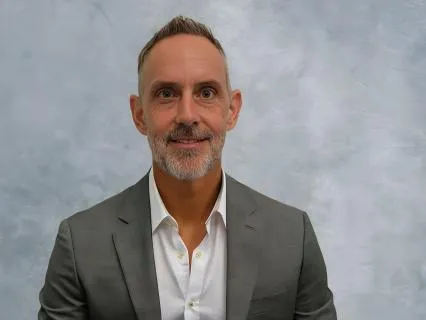
Welcome to Life,
Lessons & Laughter with your host,
Glenn Ambrose.
Hey,
Everybody.
Welcome.
Welcome.
Welcome.
So today,
This is a pretty big one.
It's a pretty big one because it's a,
Let me lower this here.
It's.
It's based on a law that governs the universe,
Basically,
Or at least our world.
So the law is that all suffering is resistance to what is.
So when we experience emotional suffering,
It's because we're resisting reality.
We're resisting the reality of something that has happened or anxiety could even be,
You know,
Resisting something that might happen in the future.
So,
So,
You know,
Basically,
All emotional suffering is resistance to what is.
Now this,
This,
Honestly,
This podcast could change your life.
I mean,
Just this one thing alone,
Because it's,
It's,
It's rampant in our society.
It's everywhere.
Um,
And the relief you'll experience is going to be equal to how far you take this because like,
You can just.
You can just implement this on a small scale and you can relieve some surface-y resistance and suffering.
You could.
.
.
Implement this on a large scale and shift how you look at life completely.
And.
.
.
It could change your entire life,
You know,
So it really depends on how you implement it.
And this is one of my favorite things.
About spirituality is how deep it goes.
That's what I love.
It's,
It's like the,
It's the extremist in me,
You know,
It's the,
I have,
I've always had a hard time.
Um,
Putting my attention on things that I'm not really interested in,
You know,
I mean,
Which you can imagine school was not easy.
Um,
But.
But that's kind of where it started.
I have no time.
I shouldn't say time.
I don't have the energy.
To focus on things that I don't care about.
You know,
This is why I mean,
You can even see in the way that I work when I work with clients,
Like all my clients know that we have to get to the point because and and they get better at it over time.
Often some people are just naturally good at it.
Some people get better at it over time.
But it's because most people get caught up in the details and there's no answers in the details.
So I don't really care.
Because I can't solve anything there.
Like it's,
You know,
There,
It,
It,
We,
We have to go deeper to get to the solution.
So once I can wrap my brain around and or identify what the problem is,
Then we go into the solution because you know,
That's,
That's a more constructive use of our time than sitting here listening,
You know,
Oh,
Okay.
So,
You know,
You were at dinner and you know,
You,
You,
Had a mocktail and you really enjoyed it and um.
.
.
I don't.
And then,
You know,
You ordered the fish and they ordered the chicken and I don't care.
It's just because there's no substance there,
Right?
So the thing that I love about spirituality,
This was one of the first things I recognized when I woke up,
You know,
23 years ago,
Was that,
Like,
I thought I needed to fix all the problems in my life.
And I found out that when you shift your perspective,
Most of the problems go with it.
So it's like,
You know,
I'm facing the camera.
I got to do this so people on audio can follow me too.
But,
Um,
You know,
If I'm facing the camera or I'm facing forward,
And I look out in my peripheral and where I can see in its direction I'm facing and there's you know,
300 problems in my life,
Then I have to fix 300 problems.
But if I just shift to the right 90 degrees,
Now,
All of a sudden,
I've gotten rid of half of that perspective I used to have.
Half of that I can still see because I only rotated 90 degrees.
Half?
Of my perspective is just not even in my peripheral anymore.
I can't see it.
If I had 300 problems,
Pretty much 150 of them are gone.
Because they're just not included in the way that I'm looking at life.
Anymore.
They're just not there.
Now,
Occasionally,
If there's something that's really deep and strong,
It can kind of rotate with you.
So,
You know,
You might be able to bring two or three problems with you.
Into a new perspective,
But the majority of it is gone,
You know,
And that's just turning 90 degree angles.
Like when I woke up,
It felt like I turned 180 degree degrees.
So like if I was facing forward now,
All of a sudden I was facing backwards and you know,
Out of 300 problems,
You know,
Probably two hundred and 300 problems,
Probably,
Yeah,
290 of them are gone.
Maybe 295.
Now I had five that had some roots in reality that actually needed to be addressed.
But I didn't really even perceive those as problems anymore.
You know,
You,
You,
You look at 300 problems and it's like,
Oh my God,
That's overwhelming.
You look at five and you're like,
Well.
I mean,
It's just a few things I need to tweak,
You know.
So perspective is everything.
And that's really what we're talking about today is perspective,
Shifting your perspective,
Because our perspective now is inducing a lot of suffering.
You know,
I mean,
Do you think there's suffering in the world?
Of course there is.
There's suffering all over the place,
Right?
And what I'm talking about is emotional suffering.
I'm not talking about,
You know,
Somebody that's in the process of going through physical suffering.
Although,
You know,
I'm not going to spend a lot of time on this,
But just to touch on it for a moment,
The majority of our physical suffering actually is resistance as well.
You know,
You can see this when you're sick.
It's like,
You know,
If you're sick for a few days and you're laying on the couch and you've just stopped resisting it and you've been like,
Okay,
Well,
I just need to lay around for a couple of days and watch some movies and just until my body can heal.
So you're laying there watching some movies and somebody comes in and says,
How are you feeling?
You have to disconnect your brain from the movie.
And then you have to put your attention on your body and be like,
Um,
Now I'm still sick,
Still a little nauseous.
Oh,
Okay.
So,
But you have to disconnect your brain from what you're focused on and put it onto your body.
Because you've accepted that you're sick,
You're not resisting it.
So you're not even aware of the sensations that are going on in your own body.
You have to put your attention on your body to find out if you're uncomfortable or not,
Because you're not even aware that you're uncomfortable.
And I mean,
It's it's the same thing with broken bones and things like this.
It's like,
You know,
You see somebody I remember when my son was real little.
You know,
When he was really little,
He used to flip out whenever he got hurt,
Like insanely flip out.
And like,
I couldn't help him.
I couldn't like he couldn't speak.
He'd just be flopping around like a fish screaming.
And like,
After the first couple times,
I'm like,
Okay,
Like,
You know,
I.
I can't find out what's wrong.
In the middle of this fit that's transpiring.
So I just started sitting there and I'm going,
You know,
I'm sorry,
I can't help you.
You need to calm down and be able to at least tell me what hurts or something like,
I can't help you like this,
You know?
And,
You know,
And of course,
He was caught up in it and in the moment,
You know,
But after a few times,
He learned to calm himself down and to breathe and tell me what was going on.
So,
You know,
And then later on,
I mean,
It's like he.
As he got older,
He could handle all kinds of things.
Pain and injuries and keep playing soccer or whatever he was doing.
Um,
So it transitioned,
But this was when he was very young.
Like it's the resistance to it.
You know,
If you're,
If you're,
Arm is broken and you're going,
Oh my God,
I believe I broke it.
Oh my God.
Oh my God.
Oh my God.
Oh my God.
It's going to hurt worse.
Than if you just breathe and say,
Okay.
The arm is broken.
We're going to go to a doctor.
They're going to set it.
It's going to be okay.
Probably billions of people broke a bone somewhere in the world.
In the last month.
Probably billions,
You know,
Like,
I think I'm going to be okay.
And if you settle down,
Instead of getting caught up in your mind,
It actually hurts less,
It does.
You know,
So it can impact the physical as well.
But back to the emotional,
Because that's really what we're focusing on.
The way our society is set up is.
.
.
And I talked about this in another podcast about the right to be angry.
We are set up that and it is socially,
Not only socially acceptable,
But socially expected.
And almost socially mandated,
If that were a possible thing,
That we get upset when we don't like something.
When something is transpiring that we don't like,
Then it's appropriate to get upset.
We have to slow down and think things through in order to get this.
Why?
Why do we think it's appropriate to get upset?
Because it's socially acceptable and everybody else said that it's that way.
It's not that we slowed down and thought it through.
Right.
We didn't think it through and said,
Well,
Getting upset makes sense.
I mean,
If like if you if you think you thought it through,
You didn't.
What you may have done was do a little rock skipping across the surface of the pond with your thought process and go,
Well,
Do I like this?
No.
Well then of course,
Um,
I got upset.
That's natural and good.
And that,
That,
Like you probably did some version of that skipping across the surface.
You never actually thought about it deeply because if you think about getting upset when things happen that you don't like,
It doesn't make any sense.
It doesn't make any sense.
Okay,
So.
Now I'm going to throw in one caveat because I like to be honest,
Right?
There is a dysfunctional way of living,
Listen,
Dysfunctional way of living that includes getting angry,
Okay?
And this is what caused all the confusion,
In my opinion.
Anger is higher on the emotional scale.
The higher you go,
The healthier it is.
Anger is higher on the emotional scale than depression.
Okay.
So I think intuitively and possibly socially,
We understand this.
Most people don't understand it like intellectually,
Because They just haven't been exposed to this information probably,
But.
But it is higher on a scale.
Why?
Well,
Because depression usually is non-movement.
That's what depression is.
There's no hope for anything to be different.
There's no possibility of change.
So there's no movement.
Whereas anger can induce movement.
Anger has this active energy to it.
You want to do something when you're angry,
Right?
So I think we've drawn the line to that.
And that's why we love our anger so much,
Because if used I got to be careful of my wording here.
If used in a particular way,
It can get us out of a situation that is unhealthy because it induces action.
Sometimes if we use it for that,
Right now,
There's all kinds of negative consequences to that because it's still a negative energy.
So when you change your circumstances through anger,
It causes more collateral damage.
It causes,
It's probably the worst way to get out of that situation.
So there's repercussions from acting out of anger.
That's why even though it's higher on a scale and it's a little bit healthier,
It's still detrimental to us.
So don't lose that concept,
Right?
But we just don't think so deeply about it.
So we go,
Well,
You know,
Yeah,
You know,
Once I couldn't take the abuse anymore,
I got out of that situation and I was angry.
So that anger helped me.
It's like,
Yeah,
Okay,
Good.
I'm glad you got out of the situation.
But if you would like to live a happy,
Healthy life,
You need to change the way that things motivate you because you're using anger and frustration to motivate you.
I can't take it anymore,
So now I'm gonna get out.
So basically,
Your life is going to be filled with situations that you can't take anymore because you refuse to take action until you're so uncomfortable,
So frustrated,
So angry that you can't take it anymore.
And then you take action.
So your life is going to be putting it's going to basically consist of putting up with a bunch of crap that you absolutely hate until you get so angry that you can't take it anymore and then taking poor action in poor ways to get out of it.
So it's dysfunction to putting up with dysfunction,
To handling it with dysfunction,
To getting out of it.
It's just a series of.
Of a horrible way to live.
Whereas if we learn how to act out of self-love instead of out of frustration,
And when we're experiencing something that we don't like,
We go,
Well,
I'm going to get myself out of this situation because I don't like it.
It's not healthy for me,
So I'm going to leave it.
So we don't wait an extra three months,
An extra two years,
An extra 40 years to get out of it until we're so frustrated and angry we can't take it anymore.
Out of it.
And we don't blame anybody because it's not about anybody else.
It's,
It's just,
I personally don't particularly like this.
I love myself not to expose myself to it.
So I'm just going to not do that.
That's all.
No harm,
No foul,
No collateral damage,
No negative consequences,
Just love.
You know,
So this is what we need to get to.
So that's kind of the preface.
And then what I want to do is I want to zoom way,
Way,
Way out so we can see how big this is because it's gigantic.
Okay.
Like I said,
It's literally life changing.
We think we're supposed to get upset when we don't like things and we think our preferences matter and really,
You know,
What?
What causes all the.
.
.
Suffering in our lives.
Well,
It's us resisting things that we don't like.
Okay,
So let's look at that.
So planet Earth is.
A dualistic planet.
Everything has two sides to the coin.
There's yin,
There's yang,
There's good,
There's bad,
There's positive,
There's negative.
Everything is like that on planet earth.
So we're here on planet Earth and We get upset when we experience things that we don't like.
So things that we would deem as negative.
So if we're on earth and there's always going to be positive,
And there's always going to be negative,
Then we're,
And we get upset every time something that we deem as negative is happening.
Then we're going to be upset about 50% of the time.
Just as a baseline,
Like just because we're here on planet Earth.
Just because you live on earth,
As a general rule,
If you have the standard outlook that things you don't like irritate you,
Then you are going to be irritated 50% of the time on average.
That's what a dualistic planet is.
It's half good,
Half bad.
So welcome.
So let's look at what happens.
When we choose anger and frustration.
When things happen that we don't like.
So I truly believe that there is a system set up.
For us to follow when we do things that we're supposed to be doing,
We experience emotions and sensations and experiences more that we.
Like that's our breadcrumbs.
It's like,
Yes,
You're doing something that is healthy for you.
You know,
Like if you take in a big,
Deep breath of air and pay attention to how your body feels,
There's a positive sensation.
You can feel pleasurable,
A pleasurable sensation in your chest and in your body because you just gave it a bunch of oxygen that it needs to function well.
So there is an automatic positive response whenever we do something that is good for us.
In any way,
Shape,
Or form.
This is why people are addicted to venting.
Because technically venting.
Like we're not suppressing so much.
So there's an aspect of venting that is actually good for us.
Now,
The reward we get for venting is very,
Very small because it doesn't deal with the actual problem.
Right.
Like,
Like if we actually dealt with the problem or our perspective.
That was.
Causing us to need to vent?
Let's say there's 100 pounds of energy,
Well,
Of negative energy inside of us.
Well,
We'd get rid of 100 pounds of negative energy that's inside of us because we dealt with the actual issue.
Venting doesn't deal with the issue.
All it does is it gives us a momentary relief and release of about 10% of the energy.
So like 10% of it goes.
And we feel this relief and we're like,
Oh,
I feel better because I vented.
And we mistake that for actually dealing with the problem.
There's still 90% of the problem left.
And quite honestly,
A lot of times we don't even get rid of 10 percent of it,
Because when we're telling the story,
Venting,
We're recreating another batch of the energy through our memory.
Our body doesn't know the difference between when we're experiencing something and when we're talking about it,
When we're reliving it.
This is why resentment means to re-feel.
Re means again,
Scent is from the root word centire,
Which means to feel.
So a resentment means to re-feel or to feel again.
That's what happens to us every time resentment comes up into our head.
We re-feel the initial wound.
So.
Venting,
As a general rule,
Does very little,
If anything,
To heal us.
I'm not saying that there's zero benefit to it.
In fact,
I'm saying that there is a slight benefit to it,
Very slight.
That's why we feel a pleasurable response after we've been,
Because there is something positive about it.
We- I got to be very careful saying this because people love to vent.
People love to complain and tell you what's wrong with their life.
And if they think it's actually healthy for them,
They do it a hundred times more.
And it's not,
You're never going to land where you want by complaining.
And going over it over and over and over and over again,
It keeps it alive,
Honestly,
In the long run,
Because you keep feeding it.
Okay,
But there is that little love.
I got that off my chest.
And but it doesn't change the problem that like you didn't do anything to solve it.
You just got a little relief.
So people get caught up in that cycle.
Excuse me,
You see,
And um.
.
.
Recovery meetings a lot.
Like the same people be like,
Oh my God,
Life sucks.
It's so horrible.
It's,
Oh my God,
It's everything sucks.
I feel like my life is falling apart.
And then,
And then they feel a little relief and they're like,
Oh,
Thank you for letting me share.
I feel better.
And then,
You know,
And then the next week they come back and it's the same thing.
And the next week they come back and it's the same thing.
It's the same thing.
It's the same thing.
It's just that caught in this pattern of,
Of getting jacked up and then getting a little bit of relief from a vent and then getting jacked up and getting a little bit of relief from the vent and they never actually solve any of their problems.
So.
Under so there is a system and we do get breadcrumbs of pleasure in some sort of way or when we're doing something that benefits us.
So let's look at getting angry when things happen that we don't like.
Oh,
My car broke down.
The water isn't working,
The electricity went out,
Like whatever can happen in life.
Somebody cut me off in traffic.
My coworker was being a jerk to me or whatever,
Whatever it is when something happens like that.
So what does getting angry do?
What is resisting it do?
What what what benefit do we get out of that?
Does does it benefit the other person?
Like if we're angry and we yell at them or blame them or or yell at them for for being stupid or just get upset that it's even happening,
Does it benefit the other person?
If there's another person involved.
No,
Like getting upset doesn't help other people.
Like we don't.
Like I said,
If you getting upset causes you to go take some action and you're lucky enough for that action to be healthy enough to actually cause positive change.
Then cool,
You might maybe possibly help somebody,
But you're causing so much collateral damage functioning out of anger that it's.
.
.
It's not going to be very profound.
So as a general rule,
Getting angry doesn't help the other person.
I mean,
The alternative is a thousand times healthier.
Let's just say it that way.
So it doesn't help the other person.
Does getting angry change the situation or help you change the situation?
No,
It doesn't actually when we get angry.
What happens is the blood flow pushes out of our brain down into our major muscle groups as as a fight or flight response,
Pushing,
Pushing all our energy into our major muscle groups so we can fight or flee.
So that's generally so I mean,
This is scientifically proven.
Your brain shuts down when you get upset.
You can't think clearly.
Your thinking capacities are dramatically diminished when you are upset.
Why?
Because when we were created,
When we actually had real physical danger rampant in our daily lives,
You know,
It wasn't going to be helpful for us doing trigonometry problems to figure out if we could outrun a bear.
We just had to start running.
You know,
Like,
Or,
You know,
Or,
Or whatever we needed to do something,
You know,
I don't even know if you're supposed to try to outrun a bear.
There's no,
There's no dangerous animals in the wild over here in the Dominican Republic.
So I don't,
I think I'm forgetting.
What I was supposed to do.
You probably can't outrun a bear.
Maybe it's a bad example,
But you get my point.
If you're in physical danger,
You either need to freeze,
Flee,
Or fight,
But thinking isn't That's not number one.
Like,
You need to act.
In one way,
Shape or form.
So our thinking gets dramatically diminished when we're angry.
So it doesn't help us solve the problems.
Now,
Does it help us?
Well,
No,
We've just got this.
I mean,
Not only do we not think well,
And can't find solutions well,
And stay focused on the problem.
But also,
That's stress hormones start flushing through our body.
Which are extremely unhealthy and lower our immune system dramatically.
And then.
We've got all these other negative toxins,
These hormones rushing through us,
You know,
That literally cause disease and breakdown of our inner system.
So basically,
When the more angry we are,
The more we have liver problems,
The more we have kidney problems,
The more we have all kinds of physical problems with anger flushing through our body on a regular basis.
So it's detrimental to other people.
It's detrimental to the circumstance and it's detrimental to us.
So there is no positive benefit to getting angry.
Like I said,
In extreme cases,
You know.
Um.
.
.
You know,
It's there for a reason.
I don't want to say that anger isn't there for a reason and we should never get angry.
Like,
Of course,
If,
You know.
If you're in a sword fight with 14 people and your energy is low and you're deriving some energy through a fight or flight response through anger,
Then maybe you do better in a sword fight.
I don't know.
But we don't live in the medieval ages.
Most of our problems are handled not by physical response.
Right?
It's by mental response.
So like,
So anger doesn't benefit you in a mental situation.
Occasionally it can benefit you in a physical situation,
But those are so rare.
So.
So I'm not saying that,
You know,
Anger is bad or anything like that.
Like it serves a purpose.
We have it for a reason.
Unfortunately,
We've taken that reason and we've blown it up and it's a cornerstone of how we interact with reality.
And that's the problem.
It's not that,
You know,
2% of the time we can't use anger.
Well,
Sure,
2% of the time it serves a purpose,
But we use it 100% of the time with things that we don't like in varying degrees.
So 98% of the time we're using anger.
It's detrimental.
So you can keep the 2%.
I'm talking about the other 98%.
So we live in a dualistic planet.
So like every time something that we don't like happens,
We feel like a victim or it shouldn't have been happening.
Shouldn't have happened.
Oh,
They,
You know,
You know,
Like somebody passed away.
Oh,
They died too soon.
Like,
What do you mean they died too soon?
No,
Like none of us have a certain time that we're supposed to be here.
Like there is no supposed to life term.
So what do you mean?
How could somebody ever die too early?
Well,
They didn't get to complete thing.
You don't know what they're here to complete.
Not everybody is supposed to live until 100 years old.
They're just not.
It's just,
It's never been that way.
It never,
Never is going to be that way.
Like,
So this is what I mean.
We,
We,
We,
We say things and we interact with reality in ways that make zero sense and we don't think them through and they cause a tremendous amount of suffering.
Well,
That person shouldn't have died because like,
I want them here.
Oh,
Is that how the universe works?
It would have benefited you.
Oh,
I didn't,
I didn't understand that the entire planet earth was based on what you want and what you don't want.
And when you don't get what you want,
That not means there's something wrong with the universe or the world.
This is how we live.
We literally live like that.
If you slow down and look at your decision making capability,
Not capabilities,
But processes,
You look at them and you follow the logical line down all the way to its truth.
You can't sit there and go,
Well,
No,
I just like them.
I just liked it when they were here.
That's all I was saying.
It's like,
No,
That's not all you were saying.
You're just too scared to go underneath that and look at the real truth.
And that's why you're running and that's why you're going to stay in fear.
Like we have to actually think this through.
Don't make excuses and rationalize and go,
No,
No,
That's not what I meant.
All right,
Fine.
Then don't listen to my podcast because you're just dancing on the surface.
And you refuse to actually look at the meaning of what you're thinking and saying,
So then you're not going to make the changes.
You know,
To change your life,
You have to be open minded to hearing something else and go,
Geez,
Does that make sense?
You have to be able to be honest with yourself instead of rationalizing your behaviors.
And you have to be willing to try to implement these changes into your everyday life.
It's open-mindedness,
Honesty,
And willingness.
Those are the three things that are necessary for change.
But you have to have all three of them.
You can't have two,
You can't have one,
You have to implement all three.
So we live in this dualistic world,
Right?
I keep zooming back out.
Half the stuff we experience,
We're not going to like.
And a lot of times when we're caught up in the negativity,
More negativity comes.
So it's like,
So we end up manifesting even more,
Like,
So it's,
You know,
Like,
You know,
That's how that's,
You know,
My perspective was,
You know,
I grew up when when Rocky movies were coming out,
And Like my whole life was like that.
I just never gave up.
It was just.
Uh huh.
OK,
32 bad things happened.
Well,
I just keep getting up and keep overcoming and keep getting up and keep overcoming.
What I didn't realize was that I created an identity.
I viewed myself as one who overcame problems.
So,
You know what?
I had to manifest unconsciously.
I didn't know I was doing it,
Of course.
But when I'm honest with myself,
I was actually producing and manifesting more problems in my life.
Why?
Because I was one who overcame them.
So how can I be one who overcomes problems if I don't have a bunch of problems.
I need them to be who I am,
So I created more.
Not knowingly,
Of course,
But this is what we do.
And by the way,
Surrender is the solution.
It's not pushing through.
It's another thing that we do.
We're like,
Oh.
You get knocked down 300 times,
Get,
Get up 301.
It's like,
No,
No,
No,
No.
Stay down.
Surrender.
If you get knocked down 300 times,
You're losing.
Try to find a different technique.
Surrender to what is.
Stop resisting it.
So in this dualistic world,
I digress once again.
There's going to be positive things and there's going to be negative things that we deem positive and negative.
So.
I believe we're here for the evolution of our soul.
The evolution of our consciousness.
Like,
I think that,
You know,
I'm oversimplified,
Like,
You know,
Maybe we come from like non-thinking entities.
Our consciousness does.
Our consciousness starts as an idea in the mind of God,
And then it expands through these experiences and stuff,
And it becomes more of,
And our consciousness becomes more capable more diverse,
More broad,
More all-encompassing,
And we expand.
Why would we come to a dualistic planet?
I mean,
It is pretty cool for experiences.
And if you think of the world as a whole,
I think we're here to experience things.
But the good stuff that happens.
We don't grow that much from it.
We have to have the good stuff because if Earth was just all negativity,
None of us would last.
Very long,
You know?
I mean,
Can you imagine if Earth didn't have good on it?
I mean.
.
.
I don't even know if we could make it until we graduated high school without all offing ourselves or something like it,
Like,
It's just,
We have to have good,
Like good,
We need to have good.
And a lot of times we can't see it and all that stuff.
I mean,
Hey,
You know,
I battled depression several times in my life.
And,
And it's,
You think that there isn't any good,
But,
But it is this good everywhere.
So we need the good because it balances us,
You know,
And,
And,
And it makes our vacation down here enjoyable and,
And,
And all this stuff.
And it gives us something to reach towards and,
You know,
So,
So good serves a purpose,
But it's not the biggest catalyst for growth.
You Can we grow from our good experiences?
Sure,
A little bit.
I mean,
I'm actually a big fan of growing from our positive experiences.
When you go through something and it goes really well,
I pause and look at it and be like,
Why is this going so well?
What did I do right?
I love learning like that,
But there's only so much you're going to learn from that.
Our real learning curve comes with the negative aspects,
Our challenges.
That's when we really learn to be something more than we were before.
We have to develop new strategies.
So this strategy of getting angry whenever something doesn't go our way,
And that's really what it is.
If you slow down and look at it,
I know that the defenses probably popped up and went,
Oh no,
I'm not,
I'm not too.
It's like,
Well,
You kind of acting like it,
You know?
I mean,
I've done it too.
It's,
There's no judgment here.
Um.
.
.
But getting upset every time something doesn't go the way we want it to,
Even to small degrees to larger degrees,
That is what's causing our suffering.
We're resisting it.
We're thinking it shouldn't happen.
We're thinking there's something wrong with the world.
We're thinking there's something wrong with the universe.
We're thinking just when you say it shouldn't have happened,
That's what you mean.
Well,
It shouldn't.
It shouldn't have happened.
That's why I'm angry.
What does that mean though?
Like,
If you follow that logically down,
You can't be like,
Oh,
Like,
I don't mean anything by I just don't,
I just don't like it that it happened.
It's like,
Well,
Yeah,
Think deeper follow that.
Like,
What do you mean you don't like that it happened?
So you're experiencing,
You know,
An amount of suffering,
An emotional amount of suffering.
And if it's something small,
People like,
Oh no,
It doesn't bother me.
Like,
Yeah,
But you do it all day,
Every day with everything.
Like,
And you do it with small things and you do it with medium things and you do it with large things.
You don't think that has an impact on you?
You like if you have suffering in your life.
Then you're choosing suffering by resisting reality.
You're resisting the reality,
The foundational reality,
That Earth is a dualistic planet.
Can anybody look at Earth and say there isn't good and bad on planet Earth?
I don't think anybody could possibly do that.
Not in the way that I'm talking about it.
If you want to say,
Well,
The bad stuff serves more good purpose than good stuff,
So therefore everything is good.
Yeah,
I get your point.
But the way that I'm talking about it,
It's a dualistic planet.
So there is things that are detrimental and things that are positive.
There are things that help humanity and there are things that detract from humanity.
You know,
Giving that there's just that's pretty straightforward.
I don't need to go into it.
So.
Where our foundation of how we interact with reality is flawed.
We induce suffering because of our resistance to the things that we don't like.
And everything is like that.
It's like,
Oh,
It's raining.
It's like,
I,
You know,
I,
I remember,
You know,
At one point in my life I would be like,
Oh,
It's raining.
Oh,
That sucks.
It's a crappy day.
You know?
And then later on I was like,
Well,
You know,
The earth needs rain.
So,
And so do I,
I need,
I need water to drink and the plants and the animals and stuff.
So maybe rain isn't a bad thing and we need rain.
It's like,
Yeah,
You know,
Okay.
And it,
And then I found myself going.
When it was raining,
My brain would say,
Do we need this rain?
And if I felt that we hadn't had enough rain lately,
Then I would be like,
Yeah,
We could really use it.
But if I'm thinking like that,
What's the other side of the coin?
What if it rained three days in a row?
Then I'm going.
Well,
Do we need this rain?
How do I know if we need rain or not?
Why am I even contemplating that?
This is what leads to our suffering.
Because I think I know what's good for planet Earth and what isn't,
Which is ridiculous.
And we do that,
My point is,
Is we do that with everything.
It's like,
Oh,
The gas station is closed today.
I'll just go to the other one.
I wonder why that's closed.
That stinks.
I really liked that one.
Oh,
That's see,
That's a preference.
You just said,
Oh,
That now do you experience a ton of emotional suffering?
No,
Probably not from that.
I mean,
Depending on how far you take it mentally.
Yeah.
Why are they closed?
It's a Tuesday.
That's ridiculous.
Who runs this business?
What kind of people are they?
Geez,
I don't even know if I want to go back to a bunch of morons.
They can't even open up the gas station on a Tuesday.
Like,
Like,
This is what we do.
And we're flooding our body with negative toxins while we're doing this.
And we do it with everything.
What?
They're out of broccoli?
What?
My son said something that he shouldn't have said?
What this?
What that?
What that?
We're constantly judging absolutely everything as good or bad.
Do we want it?
And it's not like,
Like.
It's not so much that we're judging it good or bad,
It's that we're making a decision whether it should be happening or whether it shouldn't.
I think it's supposed to happen.
Like,
There's supposed to be problems on planet Earth.
They're supposed to be here.
And if you solve.
10 of them,
10 more are gonna pop up.
Now,
I'm not saying that we never work towards solutions towards things.
That's not what I'm saying.
Of course we can,
But we have to do it in the right energy.
We shouldn't be doing it from anger and suffering.
We should be doing it out of love.
And then it's endless.
It's just,
We're just spreading love,
Solving problems where we can,
And that's sustainable.
We could do that forever.
Because it doesn't drain us of energy.
The anger and the frustration and an attachment to an outcome,
Thinking that we're going to be the ones that fix everything like that.
That's just draining.
And it's it destroys us.
And it doesn't,
You know,
That's how most people try to solve problems.
It doesn't work if you look around.
This is one of the reasons why we don't solve problems is because it's always coming out of anger energy.
It's never coming out of love energy.
So it's just coming out of anger and frustration.
And then we wonder why we create more anger and frustration.
It doesn't work.
You can't put anger and frustration towards a problem and then get love out of it.
It doesn't naturally transmute into a different type of energy altogether.
This is why when we declare war on drugs,
Drugs expand.
Declare war on poverty,
Poverty expands.
We declare war on anything.
We're going to fight it.
We're going to push against it.
We're going to hate it.
We're going to point our finger at it and yell at it.
And then it expands and we wonder why.
It's like because we're putting anger energy towards it.
So yeah.
It's got negative energy,
And then we put more negative energy and wonder why it expands.
Well,
That's why.
If we put love energy,
We would actually start solving our problems much more.
But we have to do this within ourselves first.
So,
You know,
Understanding that the basic concept,
If you want to stop the suffering in your life,
The first thing that you need to wrap your brain around is that you live in a world where there's good and bad,
And you're always going to as long as you're on planet Earth.
Or,
You know,
Maybe if we usher in this new paradigm through a spiritual shift on the planet and we turn Earth into a new heaven and New Earth and this utopia here on planet Earth.
Hey,
Maybe we could do that.
I don't know.
I'm not God.
But like,
If we can do that,
Then cool,
Then you can readjust your thinking when that happens.
But that ain't reality now.
Reality now is that there's a yin and a yang.
So we have to stop resisting the reality that there are problems.
That's what expands our consciousness.
Because like I said,
Experiencing the good doesn't,
I mean,
It's fun and it makes planet earth enjoyable,
The good and the fun experiences we can have with the seven wonders of the world and all these cool things that planet earth has and the mountains and the rivers and the beaches.
And it's all kinds of fun to have.
And there's all kinds of,
Things to experience on this wonderful planet filled with adventure and joy and love and all that's great.
But it's we're not going to finish our lives,
Go back on the other side and be like,
Wow,
I really grew consciously.
I really expanded my conscience,
Consciousness to be able to handle more things and to be more capable and to be a broader version of myself because of all that fun I had.
No,
We're going to go.
But if we learn to interact with reality,
And not let the things that we don't like drag us down.
And just,
It is,
It just is.
It's not good or bad.
It just is.
Your judgment isn't necessary.
We don't need it.
All it does is causes suffering.
You determining that we needed to have rain today or we didn't need to have rain today doesn't benefit the world.
So you can stop thinking about it.
Or if the gas station should be closed or not.
Like all it does is induces suffering.
You know,
And like I said,
I mean,
Those those examples are minimal ones,
But it's just it's the same dynamic.
It doesn't matter if you're talking about a gas station being closed or some major life,
Some global problem or something even large in your life.
You know,
Like losing a job or a marriage or something.
If you learn to grow through these experiences,
If you learn to face them just as is,
Instead of judging them,
Don't worry.
Like there's this,
One of the reasons why we do is,
Is this unconscious thought that if we don't label it as bad and push against it and resist it,
That means we want more of it.
That's not true.
It's actually the opposite.
The more we push against it,
The more energy we're giving it.
The more we resist it,
The more it persists.
Yeah,
I was watching.
.
.
Totally last week and and he was He was like this this sentence or saying has become very popular over the years The more whatever we resist persists,
You know And I've heard Beckwith say and I've heard,
You know,
Lots of people say and I've said it,
You know Whatever we resist persists.
So when we're so the fact that we're pushing against it is actually bringing more of it in So like we have to stop resisting the things that we don't like it It doesn't help,
It doesn't push it away.
We just accept the reality that it is happening and we live in.
And the other aspect of this planet Earth is that it's always changing.
It's temporal.
It's constantly in flux.
It's always changing.
So,
You know,
Like I had some issues with my with my bathroom,
With the water flow and stuff like that.
You know,
It's a it's an old house,
The whatever.
So I had some issues.
Now,
If I get upset that that the the plumbing in my toilet is having a problem and it's inconvenient and it might cost me money and it's upsetting and I want to do something else today and now I have to do it like that,
That is all suffering,
Suffering,
Suffering,
Suffering.
But if I look at it and I just go,
Yeah,
Well,
This is this happens on planet Earth sometimes.
Sometimes plumbing goes bad.
It's not good or bad,
It just is.
And I don't resist it,
I suffer dramatically less.
This is what I'm talking about.
This is where we need to put our energy.
Why?
Because we,
Just for the sheer fact,
Just on planet earth,
Like if you throw a temper tantrum internally about something,
And you go through all that emotional suffering.
And your brain can't find the solution as well because it's closed off because of all the anger and the frustration.
Or you can go through that same situation,
Thinking clearly,
Finding the problems,
Not experiencing all that upset.
All the stress hormones aren't flushing through your body,
Lowering your immune system.
All the other toxins aren't rushing through your body.
So you're healthier.
Physically,
You're healthier and more pleasant in your head and intellectually,
You can solve the problem better.
See,
Benefit,
Benefit,
Benefit,
Benefit,
Benefit.
Whereas anger,
Detriment,
Detriment,
Detriment,
Detriment.
So it's that clear.
We just have to stop resisting things and accept life as it is.
And I'm not saying it's easy,
You know.
I'm not saying it's easy.
I'm saying it's worth it.
So start small,
Start big,
Start medium,
Depends on the person.
Some people are going to have to start with small things and work their way up.
Some people,
If you,
But you know,
I'm telling you,
If you can do this on a grand scale,
Maybe start understanding that planet earth is supposed to be like this.
And then all of a sudden you can just shift your entire perspective 180 degrees and all of a sudden you're just about never getting upset almost.
And your whole life changes.
If you do it on a grand scale,
That's literally what can happen.
You know,
And then maybe you support it with the smaller daily life things,
Or maybe you start with the smaller daily life things and work your way up,
Whatever,
Whatever works for you.
But my point is,
Is if you put your energy towards this,
Your life is going to get better.
You can basically take.
You can get rid of at least 90% of your suffering just with this concept alone.
How would life be?
Pretty freaking joyful.
Because all you'd be experiencing is neutrality for the things that you don't like and joy for the things that you do like.
That's what your life would consist of.
Finding a way to live in a dualistic reality where all you experience is neutrality and joy instead of joy and pain.
Neutrality feels a lot better and you expand more.
You become capable of handling more.
Your experience is dramatically better.
All right,
That'll do it.
Hope you enjoyed it.
Let me know if I can help.
Talk to you guys soon.
Peace.