What is positive medicine and how can you use it to improve your overall well-being and health?
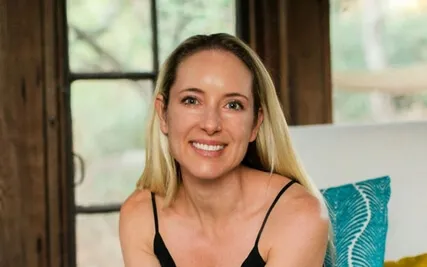
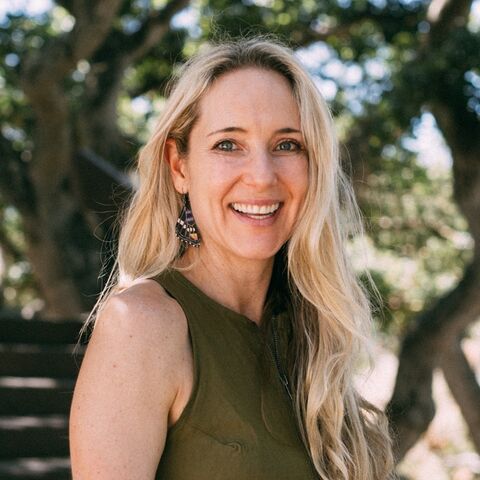
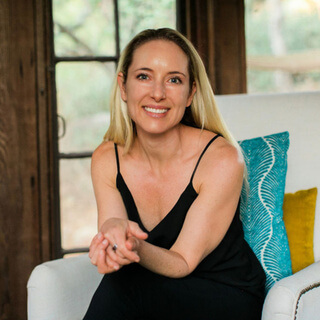
That's what we're going to explore today with Dr.
Jordan Feingold on Your Life in Process.
This podcast,
Your Life in Process,
Takes a biopsychosocial-spiritual approach to your well-being and I try and have guests on the show that tap into each of these different arenas.
Process-based therapy,
Which is the therapy that's under development right now,
It's the overarching approach to mental health that includes ACT,
Looks at biopsychosocial factors as all important in our well-being.
Our biological factors include things like how we're sleeping,
How we're eating,
Our medications,
Any physical illness.
Social-cultural factors have everything to do with the communities that we grew up in,
Factors of discrimination,
Oppression,
Factors of our relationship and our friendships.
And then of course the psychological factors that are the processes we talk a lot about on this show,
The processes that are associated with your motivation and your emotions and your attention and your ability to stay present in your life.
All of these are playing a role.
One of the complaints I have had in the field of psychology is that we don't pay enough attention to the social-cultural factors and to the biological factors.
And then the flip side of that is that in medicine,
Maybe not paying as much attention is as needed to the psychological factors and the social-cultural factors as well in terms of medical health.
So your mind,
Your body,
Yourself are all interconnected.
We can't really teach them apart as much as we may try to in our different fields of study.
And that is why I was excited about the work of Dr.
Jordan Feingold.
She's a resident physician in psychiatry at the ICANN School of Medicine at Mount Sinai in New York City.
She's a wellbeing researcher and positive psychology practitioner.
Her research and clinical interests involve the brain-gut access,
Mind-body approaches to complex medical and psychiatric illness,
Protecting and promoting healthcare worker and patient wellbeing,
And incorporating positive psychology approaches into healthcare delivery.
She's the co-author of Choose Growth,
A workbook for transcending trauma,
Fear,
And self-doubt with Scott Barry Kaufman.
And I think you're going to love her as much as I did.
I'm glad that she's leading the pack of our next generation of doctors.
We start off with modeling with each other,
Some big questions,
How to deepen relationships through big questions.
And then we talk a bit about self-esteem,
Some of my concerns about self-esteem and a way of looking at narcissism that was fresh and new to me.
And then we talk a bit about medicine and where medicine is headed with her revamp model.
We're meeting in the middle here,
Folks,
And hopefully taking a broader view on our individual health,
The health of our communities,
The health of our planet.
And I believe it does take a biopsychosocial spiritual approach to see the big picture.
Alrighty,
Enjoy Dr.
Feingold.
So for those of you that have been joining me at Yoga Soup online or in studio,
It's so good to see you there.
And this week at Yoga Soup,
We talked about committed action,
Which is related to this conversation that I have today with Dr.
Feingold.
Committed action is taking action in the direction of your values,
Even in the face of obstacles.
At the end of the show today,
I'll give you a little committed action tip based on something that Dr.
Feingold and I chatted about.
If you want to come meditate with me and put these into practice,
I hope to see you at Yoga Soup.
You can sign up at yogasoup.
Com.
So I'm actually going to go first to something that you talk about in the book,
Which is small talk and big talk to build our connection.
And I actually want to start there before we even talk about any of the other stuff,
Because you've done a little bit of research with medical students around this of going into big talk,
Which is questions that are deeper questions than just like,
How are you doing?
And some of the questions that you suggested,
I'm going to ask you of.
Oh,
Wow,
Turning it on me.
Great.
I don't even remember what they are.
Okay.
I'm just going to ask you two to get us started.
So the first one is,
If you could wake up tomorrow having one quality or ability,
What would it be?
So this is a good one.
Damn,
This is a good one.
It's something I think of that I'm actually working on in my practice and something that I'm hoping to,
That I'm working on cultivating.
And that's really just being able to have the person that I'm with feel grounded and comfortable to be themselves.
And just to help the other person feel that this is a total judgment-free zone,
That we don't have to pretend,
We can just be honest,
And that they don't have to be afraid of pretending they're something,
That that's not genuine to who they are.
So I think it's something I'm working on.
Part of it is demonstrating that and exhibiting that myself.
Nice.
Well,
That's a great way to start.
If you can do that as a doctor,
If I could do that as a therapist,
Or we could do that as friends or teachers,
It's a beautiful quality to welcome people.
Okay.
I'm going to ask you one more big talk question,
Which is,
If you could change anything about the way you were raised,
What would it be?
Yeah.
So this one's always tough because,
Of course,
The bones I have to pick about my childhood are probably exactly what led me to where I am today as a psychiatrist and positive psychology practitioner.
But I think as a child,
I was often sort of the therapist for my family.
And I was the baby of the family.
And sometimes I wish I didn't have to have that responsibility.
It was probably some give and take of what I gave,
What I put forth in my family as someone who wanted to make peace and have everyone get along.
And the more you play that role in a family as a child,
I think the more you're called upon to play that role.
And I don't know that I would change that,
But I wonder who I would be today if that was not something that was a role that I played in my early life.
The peacemaker of the family role.
The pacifist,
Absolutely.
The pacifist,
Yeah.
Okay,
So we already know a lot about you,
Even though I haven't,
I mean,
I read your bio,
But even though we haven't really fully gotten to know each other yet,
Just by asking two pretty big talk questions.
Why do that?
Why is it important to ask questions like that of each other?
Yeah,
So this is not to say that small talk is not important.
I think when we wrote Choose Growth,
It was in the midst of the COVID pandemic when we were all fairly isolated and social support and connection became this thing that we became a lot more ambivalent about because it actually was something that was kind of dangerous for our immediate survival with a virus all around.
So I think a lot of us became a little rusty at having these conversations because we spent so much time alone and so much time behind a screen and not really in the sharing space and sharing another person's real essence in three dimensions.
So I think we got really rusty with small talk and big talk.
I think this is something that really went away for lots of people.
They didn't have opportunities to connect deeply.
So there's a very famous study from 1995 by a couple,
Aaron and Erin,
And they actually brought people into a laboratory and gave them predetermined questions to ask one another.
And these were strangers.
And some of them were randomized to this deep,
Big talk condition.
The others were randomized to just like this small talk,
Like,
Tell me what TV shows are you watching condition.
And they found that the participants in the big talk condition felt much closer with one another at the end of the 45 minutes or so of asking these questions and really felt that they understood each other better and felt a deeper sense of intimacy with one another.
So in a time in our lives when intimacy was something that was so fragile and precarious,
We wanted to introduce people to this way of being with one another,
Getting past some of these surface level questions of what TV shows are you watching and what new hobbies are you building during COVID,
But really getting into some of the deeper questions of our being.
Yeah.
How did it feel for me to ask you this straight off the bat?
Well,
Now,
Of course,
I want to ask them to you back.
I hope that's okay.
These are questions that,
Like you said,
They really make you think and really get to the heart of what matters most,
Not just like how am I filling my time.
And of course now I would love to,
Is it okay to turn them back on you and ask you these big talk questions?
Because what happens is,
What I found is that in small talk,
It's often like,
Okay,
I'll go and then you go.
And I'm sure there were lots more follow-up questions we could have gotten to in real life if we were having this conversation without the podcast that we would have gotten deeper and deeper into.
And it's not just a back and forth exchange,
But that becomes the fodder to really delve deeper and understand one another on a more human level.
Yeah,
Absolutely.
Well,
You're such a psychiatrist of wanting to ask the questions back.
Yeah.
And there were so many follow-up questions.
This is what we do for a living,
Right?
It's like,
Is you start with one question which leads to the next,
Which leads to the next and they're never ending.
And you feel,
At least I feel deeply connected to my clients and sometimes in some ways more than some of the people in their lives feel towards them.
Because we don't ask these deep questions in just the vernacular of friendships or even in couples.
Totally.
So,
Yeah.
And that was a big part of writing this book.
There are a lot of questions.
It's a workbook.
So,
It's really about getting our readers to think about things that probably human beings in their lives,
Short of a therapist or a coach,
Are not asking them.
And when people aren't asking us these deeper questions,
Many of us are not asking them of ourselves.
And often the questions we ask,
The questions I ask my patients,
The questions I've read and tried to grapple with in this book are what orient us toward our values and really to examine how are we living our lives?
And if there's a skill that I want to have and I could wake up with it tomorrow,
Why aren't I working on that skill?
And to really get us to orient towards more deliberate living and being.
So how you answer some of those deeper questions illuminates pretty quickly what your values are and then once you uncover those,
Then you can start living from those.
And when you see other people's values,
It also makes you feel connected to them because we often have similarities in some of the things that are most important to us.
We may not have been a peacemaker in our family,
But there may have been something else in our upbringing that was challenging that impacted who we are now or the career path that we've chosen.
So what skill would you want to have tomorrow?
Well,
You know,
The skill that I would love to have,
I would love to be more of a physical risk taker.
I am such a scaredy cat.
I don't like going fast down steep things.
I don't like being in any way physically risky.
And the reason why that is a skill that I want more of is because my kids are growing up and I want to do activities with them as they are learning them.
I want to participate and be the mom,
The type of mom that's like all in.
And sometimes my fear gets in the way of me fully showing up.
So I wish that was just easy for me.
It's not.
And I'm increasingly taking risks,
But that is something I wish I could just would come easily to me.
So that is so cool.
And what better motivation than to have kids be the ones to teach you some of that,
To be a little more fearless.
Dick,
Could I ask you a question?
Did you do you like ride a bike?
Like have you been on wheels?
Is that?
No,
I won't even.
So my dad was really into like racing bikes and bikes all my life.
So I became a runner.
And I was on the ground.
I was like,
No,
The whole rebellion.
But it was my rebellion from him because early on he wanted me to do stuff on bikes.
And it was so no,
I have not.
I mean,
I'll get on like a bike.
I had like a beach cruiser,
You know.
But these are the things that we get into our comfort zone.
And you talk about this in Choose Growth of how to expand our comfort zone.
So for me,
It's easy to have deep conversations with people.
That's actually my comfort zone.
I'd love to talk to you about that all day.
But if you ask me to go skiing,
I'll say no.
But this expansion of our comfort zone,
Not only in our relationships,
But in other areas,
Like in areas of mastery and the importance of expanding our comfort zone.
And the other question,
I forget what the other one was.
What was the other one?
If you could change anything about your upbringing.
Oh,
That one's an easy.
My mom grew up in Peru and is fluent in Spanish.
And I am not.
And I wish that I was fluent in Spanish.
I wish she spoke Spanish to me.
Muy bien.
Muy bien.
All childhood.
It's important.
But let's talk a little bit about.
.
.
So the book,
It starts with anchoring yourself and then you move through these different chapters that it is a workbook.
So you're going to be writing things down,
Trying things out.
The first thing you talk about after anchoring is connection.
And then you go into healthy self-esteem,
Which the word self-esteem rubs me the wrong way a little bit.
It rubs a lot of people the wrong way.
And it's actually one of the interesting debates that Scott,
My co-author,
And I have.
And I was really adamant about bringing self-compassion into this chapter.
Because to me,
That's a much more helpful construct.
Because self-esteem can be quite fragile.
I'm curious what your bone to pick with self-esteem is.
Yeah,
That's the bone to pick.
Just sum up Neff's research on self-esteem versus self-compassion.
Sometimes self-esteem is bolstering yourself up,
Comparing yourself to others,
Saying,
I am good,
I am special,
And therefore making yourself separate and not having that common humanity,
Which leads to the underbelly of that,
Which is when you don't do well,
You feel terrible about yourself,
I am worthless.
And that's where I was interested in your discussion around narcissism and this distinction between grandiose and vulnerable narcissism.
I've never heard that before.
So yeah,
Tell us a little bit about how you're conceptualizing self-esteem and how it relates to narcissism.
Sure.
So I think exactly what you said,
The type of self-esteem that is derived from the negative comparison of others,
Building ourselves up to put ourselves down,
Is really a derivation of narcissism.
It's kind of masked self-esteem.
Of course,
We use the self-esteem because this is the construct we use,
The sailboat metaphor throughout the book,
Where we highlight the common human needs is really an extension of Abraham Maslow's work on the hierarchy of human needs.
And this was one of the needs that Maslow talked about.
So we have extended it to our work and really brought in the self-compassion piece.
At the core of self-esteem,
Of healthy self-esteem,
There are two pieces to it.
And those are a sense of self-worth,
That I am inherently worthy,
And the sense of mastery,
That I can go out and do the things that I want to do.
Self-worth is tricky because often it develops early in childhood when a loving caregiver essentially tells us,
Well,
Not necessarily verbally,
But indicates through behaviors that our needs are as important as theirs and that they will tend to our needs.
And while I don't think anyone's sense of self-worth is absolutely set in stone,
So much of that comes from our pre-verbal early life experiences.
And it can take a lot of work to rewrite and to really bolster a sense of self-worth that was not afforded to us early in life,
Whether it was because of adverse childhood experiences,
Neglect,
Abuse.
Mastery is also tricky because it's much more within our control.
And it is about,
We can set ourselves up to master tasks,
To follow our ambitions and our passions.
But so often,
Of course,
If we're in any field and any discipline and any real experience with life,
Failure is a part of growth.
If someone's whole self-esteem is contingent upon a sense of mastery when things don't go well,
Like you said,
You fail a test or you don't do well in a presentation,
That whole concept can really shatter beneath us.
So I absolutely love Christa Neff and Chris Kroemer's work on self-compassion.
And like you said,
I think it's a really great alternative to just focusing on bolstering our sense of self-worth and mastery towards meeting ourselves where we are at and giving ourselves that love that we would more easily give to another person and recognize that we are part of a common humanity and that we can even be mindful when we fail,
When our self-worth is not really giving us what we need and bolstering us.
So,
You know,
Narcissism is really the unhealthy regulation of that need for self-esteem.
That can result in the classic sort of chest-thumping narcissist,
The grandiose narcissist,
What we often think of when we think about a narcissistic person in our lives,
Someone who's quite overt about touting their accomplishments.
And then the more fragile type of narcissism is,
It's less overt,
But it can be really more insidious,
Someone who's always putting their own needs first,
But maybe do it in a sort of quieter way.
Someone who may really say that they feel like an imposter in order to shield themselves from if they are not to succeed,
They'll just blame it on,
Oh,
I'm,
You know,
They're more likely to say they experience imposter syndrome.
And it's really actually the,
One of the unfortunate things about that way of regulating self-esteem is it's highly,
Highly correlated with depression and anxiety and other mental illnesses.
So you have a checklist in here comparing grandiose narcissism to vulnerable narcissism.
And I think a lot of people are going to endorse some of these.
So if you're endorsing these,
It doesn't mean you are a narcissist,
Like you're categorically DSM diagnosed narcissism,
But there is a distinction.
Grandiose narcissism are things like,
I like being the most popular person at a party.
When people judge me,
I just don't care.
I deserve to receive special treatment.
It's often the narcissist that we think of that drives us kind of nuts,
Right?
But then there's the vulnerable narcissism that you were saying is associated with this imposterism is I feel as if I need compliments from others in order to be sure of myself.
I like to have friends who rely on me because it makes me feel important.
I often fantasize about being recognized for my accomplishments.
It does have that kind of vulnerability to it of almost like neediness.
Like I need to be special.
I need to be acknowledged.
I need to be seen to have a sense of worth.
And I would imagine that in medical school and in your medical training,
You've got a whole lot of both going on.
A whole lot of all of those things going on.
Yes.
And I think that need for external validation becomes so paramount to the identity of a doctor.
And because it's always about the test,
Studying for the test.
And all those years before we really get to our patients,
It becomes about these larger like the approval of our supervisors,
Of our attending,
The approval of our residents.
And I think it can really,
We can miss the compass of what we really want is to do the best we can for our patient.
And I think the part of the way we're veering off how this is applied in the medical realm in my work with healthcare workers is we have to recognize that our medical training can really actually foster and select for some of these characteristics.
And once we're aware of that,
We can actually do something about it.
And we teach our,
In one of the programs I run,
We teach self-compassion and help us really unpack some of these questions.
But in fact,
A lot of these things are quite selected for in our medical training.
Yeah.
Even the concept of self-compassion,
I have to say,
We pull self-compassion out of compassion.
It's like pulling out one ingredient of kale out of the whole thing of kale,
Because self-compassion is also about compassion.
Well,
It's all the above,
Right?
So for some folks,
Actually the best intervention for their narcissism is to have compassion for another.
And then for some folks,
The best intervention for their vulnerable narcissism may be to receive compassion from another.
And then for others,
It may be to give compassion to yourself,
But they're all kind of working in this greater concept of compassion.
But I do see with something like in medicine or going to see a physician,
There are so many times when I've gone in to see a doctor and it has felt so one way.
It has felt like you're not even,
Like you didn't ask about anything about other things that may be going on with me that may be contributing to my sleep problems or whatever it is I'm coming in with.
And then you're kind of slapping your solution on it.
And you have such a different approach as a doctor and are really passionate about taking a different approach,
Which incorporates some of these concepts from the book,
Like self-compassion and compassion as well.
Yeah,
Well,
It makes sense that in medical school,
The whole biomedical model actually is all about problems and sort of understanding problem,
Understanding solution for problem.
And we don't learn really anything about psychology or positive psychology.
We learn about empathy in medical school and the importance of validating our patients and listening.
But I think because we're so problem-oriented,
We lose this whole side of the individual of how we can actually tap into what's right with them in order to work on whatever it is that they're coming in with.
We're really looking at like the negative 10 to zero part of the human experience without focusing on,
All right,
Tell me what's going well.
And then when we're listening for those things,
What's going well in your life,
Who's in your life,
What's giving you a sense of meaning and purpose,
What keeps you going,
It's those things that often have the clues for how we can help you with whatever is going wrong.
And it's just not something that we do very much or learn very much.
And I'm kind of on a crusade to even the scales and move away from the biomedical model towards what the biopsychosocial model that was proposed by George Engel.
And we're still not there yet.
And it kind of perplexes me.
But.
.
.
And from the psychologist's perspective,
We are so disconnected from how biology may be impacting what's going.
We're so focused on the psychosocial,
We've just completely left out the biological.
So things like the microbiome and the gut brain axis and how maybe this person is having side effects from their medication,
But we're pathologizing it and calling it anxiety,
But it's really a withdrawal symptom from going off of a medication or nutrition,
Those things that we aren't doing a good enough job paying attention to in the field of psychology.
So that's why I love talking to someone like you,
Because we're kind of trying to meet in the middle here and learn from each other and expand our view beyond just what that really rigid training was.
And not just only seeing everything as psychological or everything as biological,
Everything as a problem.
So you have something called the revamp model,
A sort of a model that you've developed that when you go in and you are training physicians or you yourself are going in and working with a patient that addresses more of this biopsychosocial perspective.
What's involved in that?
Yeah,
Absolutely.
So before medical school,
So before I ever became a doctor,
I did my master's degree in applied positive psychology,
Which is all about well-being and understanding what is right with people.
And what I learned,
Because I knew I wanted to be a doctor and apply these things within medicine,
I was looking for a sort of narrow perspective on how we could apply positive psychology in medicine,
Because obviously the applications are vast.
But what quickly became really apparent to me was that physicians themselves were really suffering with mental illness and burnout,
And that all of these things,
All of the badness among physicians,
And then by extension,
Many of our patients,
Was very well-defined.
We really understand what burnout is,
The syndrome of emotional exhaustion and depersonalization and low sense of personal accomplishment,
And we have DSM criteria for all of the mental illnesses.
But when it came to understanding what was going right and what well-being meant,
There was not a whole lot of consensus in the field.
So I was really excited about actually looking at many different theoretical models of well-being and coming up with one that I thought made a lot of sense to apply within healthcare.
So many of your listeners may have heard of the PERMA model,
Which is Marty Seligman,
The father of positive psychology's model that came out in 2011,
I believe,
In his book Flourish.
And that stands for positive emotions,
Engagement,
Relationships,
Meaning,
And accomplishment or achievement.
And that is very well-recognized in the field as a model of well-being,
And it's been operationalized in their scales to measure it.
But what's missing from those five ingredients is a sense of physical health and vitality.
So of course,
In healthcare,
That's a huge part of what well-being means.
So what I did was a little bit of a reorganization of PERMA and centering vitality in this construct,
Which a lot of now,
Before me and now since many in the field agree is really a more comprehensive model.
And it's called REVAMP.
What I love about it is it starts with relationships,
The single most important predictor of well-being and life satisfaction across the lifespan.
So really the connection piece,
Our need for connection.
And in there is that need for love,
Which in our book we talk about as a higher order connection.
And it's where I talk about the relationship to the self or self-compassion.
Then there's the engagement piece.
So thinking about what gives us a sense of flow in our daily lives,
How are we using our strengths in day-to-day life,
Vitality,
That sense of energy we have to tackle our day-to-day tasks with vigor,
How we're sleeping,
What we're nourishing our bodies with.
And really,
This is where I talk to my patients about,
And doctors about like the mind-body connection and how these things are deeply integrated and we really can't separate them.
Then after vitality is accomplishment,
Our sense of achievement,
And really rethinking our accomplishment as being non-zero sum.
It's not that someone else has to fail for me to succeed,
That sort of narcissistic way of putting ourselves ahead,
But thinking how we can work with one another to rise the tide for everyone.
That sense of meaning,
What gives you a sense of purpose,
How are you part of something larger than the self.
And finally,
Positive emotions,
That daily lived experience of the positive.
And so these six buckets are something that I really try to,
Especially in an intake visit and then to follow up with my patients,
I want to know about what these elements are in my patients' lives.
And when I teach doctors about this,
I do something called a revamp or a well-being review of systems where we go head to toe and we think about all of these things in their own lives so they can talk about them and feel just how different it is than what we actually do in a medical visit where we are so attuned to diagnosing and fixating on what's wrong.
Yes,
And it's probably closer to traditional medicine where it's much more about your whole life and your family and all the different components that make up you,
Not just the thing,
The GI problem that you're coming in with or the back pain.
Because we all know that your GI problem and your back pain is related to all of that.
And you've talked about and written a bit about embodied cognition and what we're coming into the doctor for and with often is a reflection of what's happening in our life.
And that these are not,
Like we can't really separate them out as much as we want to,
In particular,
The gut brain access,
Because so much of what's happening in our gut is related to our nervous system and our stress and our trauma.
So tell us a little bit about that.
Like how would you explore that with a patient in a way that addresses the medical component,
But also this sort of bigger aspect of well-being?
I first became aware of these disorders like irritable bowel syndrome is sort of the most commonly recognized one because I was where I work with patients with inflammatory bowel disease.
So Crohn's disease and ulcerative colitis.
So those are very devastating,
High burden illnesses,
Often onset in childhood and early adulthood that are chronic.
There's no cure for Crohn's disease.
And the only cure for ulcerative colitis,
Which is located to the colon,
Is resection,
Is a surgical intervention.
And so these are very challenging diseases to live with and cause a really high burden of psychosocial distress.
It's related to poop.
And they're not sexy diseases to have.
They can be very stigmatized.
And what I found in working with these patients is often that their symptoms that they were having and their flares were not always correlated with when their disease was actually acting up and when they had the highest inflammation in their gut that we could see on endoscopy or colonoscopy.
And that often patients were in clinical remission,
Or sorry,
Endoscopic remission.
So we couldn't see anything inside them,
But they were still having debilitating symptoms.
And then,
Of course,
There are people who don't have these diseases like Crohn's disease and ulcerative colitis,
But they're living with illness and chronic symptoms.
But our current medical tools just don't,
We don't have the ability to figure out what the mechanism is of these disorders.
So,
You know,
These patients,
So maybe you're having chronic abdominal pain and you present to a doctor and you're really debilitated.
You're having diarrhea.
You can't eat.
The doctor does a workup.
They get labs.
They do all the things that they were educated and learned how to do.
And the workup comes back negative.
And these patients are told,
You're fine.
Nothing's wrong with you.
And instead of feeling relief from that,
These people who are suffering with an illness that their doctor is telling them there's nothing wrong,
They feel completely invalidated.
And they feel that no one understands what's going on.
There's no hope for fixing what's going on.
And maybe they'll go to another doctor and they'll get another workup.
And the stress and the anxiety around their symptoms gets higher and then their symptoms get worse.
And they feel more invalidated by the healthcare system.
And what's going on subconsciously is these symptoms,
These real phenomena,
Which they're being told are not real,
End up magnifying.
Their pain thresholds go down.
And these people can become really debilitated.
So I'm very,
This is like,
These are the patients who I love to work with.
These patients who've been told that there's nothing wrong with them,
But they're still suffering on a daily basis.
And what we know are some of the best treatments for these disorders are a long-term therapeutic doctor-patient relationship.
So a relationship,
Being validated,
Told that what they're experiencing is real.
And then things like some antidepressants,
Or we use the term actually like neuroleptic medications or neuromodulators,
Because these,
A lot of the medications like SSRIs,
SNRIs that we use are not,
They're not inherently antidepressants.
We use them for depression and anxiety,
But the mechanisms of these medication are not specific to those things.
But,
And then because depression and anxiety are stigmatized in our society,
People with brain gut dysfunction get stigmatized when,
Or they feel stigma around taking an antidepressant for a GI symptom because then they think they're crazy.
It's all in my head.
And of course,
We shouldn't have such stigma for mental illness,
But all of these factors play a role into a patient's lived experience with abdominal pain and what really is a brain gut dysregulation mediated oftentimes by the vagus nerve,
By intestinal bacteria,
And an unhealthy microbiome from an infection and so forth.
So these things are really complicated,
But to distill it,
It's that having a doctor tell you that,
So these patients who have doctors that tell them what you're experiencing is real,
It's not anything scary.
You do not have Crohn's disease.
You do not have cancer,
And we're going to work together to make a plan that works for you.
That's one of the best things that we can do for our patients who are suffering with these conditions.
Yeah.
I had Dr.
Vora on a while back,
And she talks about the importance of having a doctor tell a while back,
And she talks a lot about this as well in terms of this more functional medicine approach.
And it's hard to find a functional practitioner.
I mean,
It's not easy finding people to do what you're doing,
But yeah,
It would be very relieving to have a doctor that's willing to work with you on it and not pathologize you for it or give up on you,
Right?
So can you talk a little bit about how that works for you?
Because when we started this call,
You said,
I've been up all working nights.
And I often wonder about this,
And even just for myself as a psychologist,
We're talking about all these ideal things,
And in your life,
There's stressors.
There's times when you're not sleeping.
There's times when you're not eating well.
There's times when you're not exercising.
There's times when your relationships are just sort of not going well for whatever reason,
And you're stressed.
How do you apply some of these principles of positive medicine for yourself?
And that is life,
Right?
It's like the second things are really smooth and going great,
And then Ruth Bader Ginsburg dies,
Right?
I remember that,
You know,
Not to get into that,
But that is life.
Like,
That is inevitable.
So as you said,
I'm working nights.
I'm working nights right now.
It's only a week,
But it's so disruptive to my sleep schedule,
And,
You know,
I find myself hoping that I'm not going to get called in my little call room,
Because that means I have to get out of bed and go see a patient,
Which is exactly what I've signed up to do.
And then what's so interesting is the second I go and I see the patient,
I feel that sense of this is my calling,
And this is what I'm here to do.
But it's crazy.
This is what a parent feels.
Same thing.
You hope that your child doesn't call,
But then when you actually go in and you talk to them,
You feel like,
Oh,
This is what I'm called to do.
Exactly.
But I think what's so important,
And to have that ability to really see the big picture,
Like when your sleep is disturbed,
It's to make sure,
Like,
When I get home,
I have those hours to rest and make up for that sleep that I lost.
I feel so grateful that I have a partner who is,
Like,
Can cook me dinner and sort of really be a partner when I do not have the capacity to do those sorts of things.
So,
You know,
Today I decided I was actually going to stay at work and sleep an extra hour rather than come home at the end of my shift because I knew I needed that hour to be more refreshed today so that I could actually come home,
Get a workout in,
Take a shower,
And then have this phone call,
And then get a little rest in before I go to sleep.
So sometimes it's about,
You know,
Just really listening to your body and what you need instead of defaulting to,
Okay,
I'm going to go right home.
I was like,
No,
I need that extra hour today.
Physical activity is huge for me,
And having my own therapy is huge for me,
Too.
When I started my psychiatry residency,
My program really encouraged us to get our own providers,
And so for the last two years,
For the first time in my life,
I'm seeing my own psychiatrist,
Who is my therapist,
And I see her twice a week,
45 minutes,
Twice a week,
And that is absolutely a priority.
Sometimes I have to take my appointments from my office on Zoom,
And I have a white noise machine,
And I put it on in between seeing my own patients,
And it's something that has been just a huge part of my own growth as I've started to be a doctor,
And it really helps me with my own patients.
Oh,
Yeah,
Doing your own therapy.
It helps to be on the other side of the couch or chair or whatever,
And there's a moment where you have to also let go of trying to figure out what they're doing.
Like,
What intervention are you using right now?
Like,
What are you writing down?
What are you writing?
Just let yourself feel the benefits of the therapy and the relationship,
And there is this danger,
Right,
In whether it's positive medicine or positive psychology of perfectionism and all of this,
And the idealized drinking your green smoothie and eating your kimchi and exercising and getting eight hours of sleep and maximizing.
That in itself has become a new problem for folks,
Especially high achievers that want to do everything right.
So I like what you're saying there around that you have some foundations,
But you have flexibility within those foundations and really adapting from moment to moment,
Day to day,
On what's the best thing.
Some days it may be not to exercise because you are so physically depleted,
And other days exercise may be the best thing to get you moving and get you out of whatever mind state you're in.
So that's great.
One of the other things that you talk about quite a bit in here is strengths,
And I had my good friend Alexis Karasbacek on a while back who studies some of her researches in the VIA and strengths.
I loved how you're putting together,
And I think this is important,
Putting together,
Identifying what your strengths are and identifying your values and then how you are living those out on a day-to-day basis.
What are some of your strengths and how do you use them?
Sure.
So I've been taking the VIA survey now for years,
And my top three are always the same.
Love,
The capacity to love and be loved is always number one,
And I think that is,
Love is like the centerpiece of my life with my relationships with my family,
My husband,
My colleagues,
My patients.
Love is like so critical in there,
Not like romantic love necessarily,
But really a loving orientation,
A compassionate orientation towards life.
So love is always my number one.
My number two is always wisdom,
Like perspective,
Trying to see things from multiple sides,
And I think that's going back to the first question about that role I played in my family,
I think being the baby of the family and just watching all the dynamics play out,
I think that was a big part of my childhood growing up.
And then I think that number three and four kind of change a bit.
Most recently it's been gratitude is my number three,
And hope is a close fourth,
So hope and optimism.
Do you have a sense of what your top strengths are?
My top two are consistently kindness and love as well,
And then interestingly,
Related to my first comment earlier on,
My lowest is bravery,
Courage.
And what I actually,
This is what I talked to Alexis quite a bit about was how sometimes things that are low on our strengths list are also can be some of our values,
And then we can work on them.
It may be that it doesn't come innately to you,
But you really value it,
And if it's low on your strengths list,
So folks can take that inventory,
But if it's low on your strengths list,
It doesn't mean it's not something that you can build in your life,
And actually it feels kind of good to work on a low strength activity.
It's actually an opportunity for mastery.
It totally is.
You can kind of work at it over time.
So do you remember what was low on yours?
So I think spirituality tends to be low for me on the via because it's a lot about religion and specifically God,
But I actually do really consider myself a spiritual person,
So I think it has something to do with the way the questions are phrased and how I answer them.
And then I think prudence is pretty low down there.
I tend to I've become more of like a risk taker in my adult life.
It's really funny,
Actually.
Bravery is one that used to be quite low for me,
And so I did this practice with my co-residents,
Actually.
We introduced this to my whole class of psychiatry residents,
And we spotted strengths in each other,
And bravery was my modal strength.
My classmates,
My peers see me as being very brave,
And it's not something at all that I ever thought of myself as.
So it can be so interesting to see how different strengths come up in different contexts and how different groups of people perceive us because I guess in residency,
I'm always one to speak up and teach my classmates some positive psychology things,
And I was leading the session on strengths.
So it was really cool to see that discrepancy between how I view myself and how others view me.
Right.
Yes.
If you were to ask my partner about kindness on some days,
I might not score so high,
Even though it's one of my strengths.
So yes,
Context matters with our strengths,
Too.
Context matters,
Yeah.
Yes,
Absolutely.
So that is learning to harness our strengths,
And that's very much part of,
I would imagine,
Positive medicine,
Too,
Because when you can get a sense of what your patient's strengths are,
Then you can start to help them apply that to their physical health or whatever intervention that you're wanting them to get started on.
What was so surprising to me,
I was once doing the strengths intervention in a group of folks who have really serious mental illness and were in a partial hospitalization program,
Many of whom had recently attempted suicide,
And they were recently out of the hospital and transitioning to outpatient life.
And I was so pleased with,
Like,
I went in with really low expectations.
I thought people who were really down on life and just emerging from near-death experiences would not necessarily be able to pick out strengths,
And everybody was able to pick at least one strength that they really saw within themselves.
And it was,
Like,
So transformative.
Instead of talking about how we're coping or what makes it hard and how we're just getting through day to day,
We were talking about our strengths with people who are really depressed.
And it's just amazing how it really proved to me that the presence of the positive and building well-being is really orthogonal to mental illness.
These things are not the same,
And they're not the same spectra.
These things intersect,
And they're correlated.
But I think we need to do more of this stuff,
Building the positive,
Working on strengths,
Especially in people who are really experienced in the throes of mental illness.
Yeah.
Well,
We see this in the education system.
We see this in parenting.
We see it in organizations.
When you are highlighting people's strengths,
Then they grow those things.
And oftentimes,
We just have this older model,
Which is a punitive,
Pathologizing,
Problem-based model,
So seeing people as problems.
And if you start to believe that you are a problem,
Then you will take this as a bit of a confirmation bias there,
Too.
So absolutely.
And sometimes it requires us to just put on a different lens for ourselves and for each other and look for those things in each other and then verbalize them,
Say them out loud.
So yeah,
So your strengths,
I'm noticing you have a great strength at being able to just be like humble,
Tell a story,
But then pull research out of nowhere and really weave in and out with me very organically in this conversation.
Those are some of your strengths that I'm noticing.
Another section that you talk about is exploration and being curious.
And you talk a bit about act in there as well,
Psychological flexibility.
How do you work with,
If you are working with folks that are struggling with depression or maybe anxiety,
We see their lives getting pretty narrowed,
How do you work with people on starting to explore the edges?
I think part of it is helping them realize where they may already be doing this in their lives.
For someone,
I'm working with a lot with veterans right now at the VA,
And it's a really high,
PTSD is very prevalent.
A huge part of PTSD is avoidance.
The whole idea of expanding our comfort zone is refraining from avoidance and really understanding how we can expand our worlds.
Someone's not going to go from being afraid to leave their house to asking someone on a date in a coffee shop,
But really working up baby steps,
Having them really pre-think what might come out of this?
Using some motivational interviewing skills.
Let's say your desire to get out of the house and come for your appointment is a five out of 10.
Why isn't it a one?
What is it that you might get out of coming in today and having this conversation in person?
Really helping folks tap into their own motivation and navigate their own ambivalence and really see the possibilities.
Really also helping people think about times when they faced a fear in the past.
Often the anticipation of doing something that seems scary or out of our comfort zone is often so much worse than actually doing it.
Having folks think of examples of when that was true and thinking about when they faced a fear,
What happened?
How good did that feel?
And then what were they capable of doing after that?
Sometimes I'll have folks,
I use sticky notes often in my practice,
And I'll have folks write down a value that they want to pursue this week.
So it may be a value around physical health.
Maybe they want to have more physical activity.
And what is it they value about that?
And then put that on their mirror.
And in the morning,
Looking at it while you're brushing your teeth,
And just look at that value and remember why this is important to you and really let it sink in.
This is important to me because I've had.
.
.
And then by afternoon,
It may have lessened or whatever.
But at night,
Go back and brush your teeth again and rehearse,
Remind yourself all the times that you actually lived out this value today.
And that becomes the reinforcer as opposed to all the times that you didn't.
And you can actually find some time.
I mean,
Even if it feels like you really didn't ever do it,
If you look hard enough,
You will see that you actually probably did.
Lifting your arm to brush your teeth.
Yeah,
You're brushing your teeth.
You walked to the mailbox,
You whatever,
And how'd that feel?
You shifted your position a little bit,
Whatever it is.
So that's where we have to kind of get our head around,
Again,
Not pathologizing,
But looking,
Again,
Looking for strengths even to that can be a motivator or a reinforcer to get you out of your comfort zone.
And then the other trick,
There is this whole thing around tiny habits,
Which I am a big fan of and small moves,
But I'm also a big fan of big leaps when your motivation is high.
So when your motivation is high,
That's when you go for it.
You go all in.
You buy the tickets to the concert that you later on,
Your motivation is going to be low,
Like an hour before and you're tired and you don't want to go,
But you already bought the tickets.
So whatever it is,
When you feel that motivation wave,
That's when you act on it.
And then you prepare yourself for when your motivation is low to be able to make those small little tiny moves to keep at it.
I love that.
That's really helpful.
I think I'm hesitant to encourage people to do big,
Big change.
I like,
So that's,
That's the helpful for me to,
To reconceptualize a little bit.
Yeah.
Well,
Sometimes I think we underestimate ourselves and we underestimate each other and we have to give room for you can make a big change and then you can backtrack a little bit.
So unless you try,
You won't,
You won't know.
Okay.
So we're close to the end on time.
And I want to ask you two more questions,
Two more big talk questions from your list here.
And this whole list is in your book,
Choose growth.
So people can pick it up there if they want to use some of these big talk questions with their family members,
Friends,
Or partners.
Are you ready?
Okay.
So when did you last cry in front of another person or by yourself?
Oh,
I doubt.
I,
I cried like happy tears this past weekend when I was with my group of high school friends for one of,
One of our friends is getting married and we did a bachelorette party here in New York city.
So it was right before I started night float.
So it was like Friday night into Saturday.
And I went to night Saturday and just,
There's something about being with your oldest friends in the world.
We were just cracking up,
Like tears streaming down my face at dinner.
I over just,
I don't even know what,
But there were tears.
I was definitely crying with my girlfriends.
That's great.
Yeah.
There's,
There's different types of tears.
There's tears because something sad has happened and there's tears because you've been touched by something by a strong emotion.
And that is,
Yeah,
Just being touched.
And just a quick caveat on tears.
Like what a more potent example of the mind body connection of something emotional happening,
Whatever it is.
And then having this weird,
Like our eyes start watering,
Our nose starts running.
It's a totally physical experience.
So if anyone is doubting that the mind and the body are connected,
Tears and crying are totally like an amazing example of it.
Yeah.
And communication,
Like our ability to communicate.
Okay.
So I'm going to modify the dinner guest because I'm so tired of the dinner guest question.
Okay.
And I'm going to ask you a modified one,
Which is good for a psychiatrist,
Because you've probably been in this position that I've gotten into many times,
Which is the airplane seat partner.
Because when you're on an airplane for five hours and you have the wrong person next to you,
You're kind of stuck with them.
Who would you want,
If it could be anyone in the world,
To be on an airplane for five hours with,
Sitting next to,
To talk to?
Honestly,
I know this is so,
This sounds so lame,
But I think I would want it to be like my sister.
My sister is my best friend and she used to live in New York.
Now she's in the Burbs,
Which is like no excuse to not see her all the time.
She's a mom now and our time together,
I recognize that our one-on-one sister time has gotten so much less over the last couple of years.
And we need to be better about that.
But I would love an excuse to sit next to her for five hours without anybody there and just be together.
It's not anyone famous,
Although she's famous to me,
But I think it would have to be my sister.
That's a great answer.
It really shows your strengths of love and your values there.
Both of those answers show about relationships and why you put that first in your Relamp model.
It's definitely the most fundamental to my being.
Yeah.
Good.
Well,
Thank you so much,
Jordan Feingold,
Dr.
Jordan Feingold.
Thank you so much for being here.
Well,
Thank you so much,
Jordan Feingold.
Dr.
Jordan Feingold,
It's been a delight to have you on.
Sleep deprived,
You are on it.
Your brain's amazing.
And I hope that people will pick up Choose Growth and they'll also just follow you.
And I'm so glad that you're out in the world training our future physicians and making a difference in the way that you are.
And I will continue to follow you as well because you're just fun to talk to and learn from.
Thank you so much,
Diana.
It's been a pleasure.
You're amazing.
So as we talked about today,
Psychological well-being and physical health are not separate.
Your relationships,
Your motivation,
Your strengths,
Your values can help you heal and grow.
Here are two things that I'd love for you to try out this week based on our conversation.
First,
Ask some big questions to build connection.
Try asking one of these questions to either an acquaintance,
A friend or a family member and notice what happens to your connection when you do.
I will be posting these on Instagram as well.
So if you don't remember them,
You'll find them there.
But the first question you could ask is,
If you could wake up tomorrow having one quality or ability,
What would it be?
If you could change anything about the way you were raised,
What would it be?
When did you last cry either in front of another person or by yourself?
And if it could be anyone in the world,
Who would you want to sit next to on an airplane for the next five hours?
The second thing that I want you to do this week is motivate growth with values.
So choose a behavior that you want to increase and write down the core value that drives that change on a sticky note.
Put the sticky note on your mirror and then read it when you brush your teeth in the morning.
Remind yourself of your value and why it's important to you to act on that today.
And then read the note again at night.
And when you read it at night while brushing your teeth,
Remember the times that you were successful living out your value.
Reinforce yourself with the good feeling of choosing growth.
Okay,
So ask some big questions this week,
Build connection and motivate your growth with values.
Put that sticky note on your mirror,
Take a picture of it,
Post it on Instagram so I can see what you're doing and I can reinforce you too for doing it.
And I look forward to seeing you all next week.
Just a reminder,
I'm at Yoga Soup every Friday,
8am Pacific Time and available online or in person.
I'd love to see you there.
I'm talking about all this stuff at Yoga Soup and it's a way to build community.
A little sangha is growing and it's just a really sweet space.
So hope to see you at Yoga Soup.
You can sign up at yogasoup.
Com.
Take care.