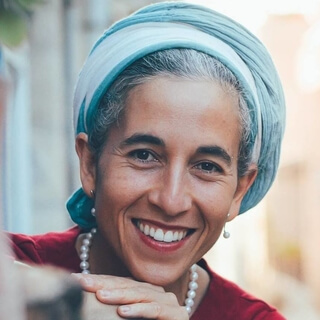
Welcome to the WithinS Podcast.
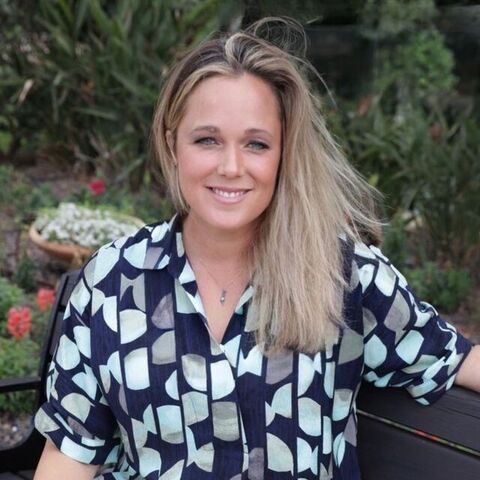
My name is Azriella Jankovic and I'm your host.
WithinS is here to further your well-being so that together we can build a kinder world.
It is the intention of this show to disseminate transformational tools,
Strategies to tap into spirituality,
Mindfulness,
And emotional awareness no matter where you are in the world.
If you would like to learn more or become a supporter,
Please visit www.
Drazie.
Co.
You're listening to Episode 27.
Today,
In this special episode,
I'm featuring not one but two incredible guests.
Shelly Tagielski is a meditation teacher,
Community leader,
And activist.
Her work has been featured in the New York Times,
NBC,
CBS,
Mindful Magazine,
And a host of other places.
Her work inspires me greatly and you're about to hear why.
Shelly is all about empowering individuals to forgo the guru and become a Uru.
What does that mean?
Watching Shelly,
Especially over the last week,
In our current event situation has given me so much hope.
Today,
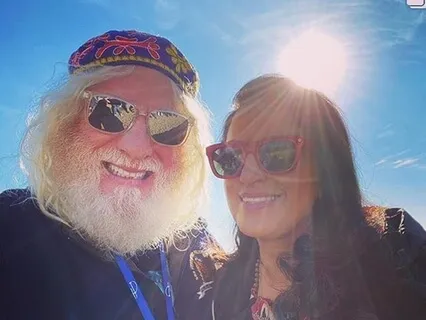
She joins me with David Gee.
David Gee is a meditation teacher,
Vedic master,
And bestselling author.
He is also the producer of bestselling meditations.
He has done work with companies such as Facebook,
Bank of America,
Lululemon,
Unplugged,
And Hay House.
In December 2015,
David Gee was named a trailblazer in yoga and Ayurveda by Spirituality and Health Magazine.
He is credited with creating the 21-day meditation process,
Which spawn hundreds of 21-day meditation experiences and challenges around the world.
He is often referred to as the velvet voice of stillness and can be heard on more than 1,
000 guided meditations available on iTunes,
Amazon,
SoundCloud,
Insight Timer,
And davidgee.
Com.
Today,
Shelly and David Gee come together.
They led a one-of-a-kind meditation retreat through the Holy Land this past month.
When I sat down to interview this dynamic duo,
Their trip had just concluded.
They had led a group through every corner of the Holy Land.
They traversed through the modern state of Israel,
Meeting with Holocaust survivors at the Yad Vashem Museum.
They met with Gazans living in refugee camps.
They met with traditionally devout Jews,
Muslims,
And Christians visiting sites sacred to each of the three Abrahamic traditions.
They meditated,
They toured,
They observed Sabbath rituals.
And as the trip came to a close,
Both David Gee and Shelly walked away with inspirational insights about the region and about our world.
I'd like to take a few minutes to highlight Shelly and David Gee before I bring them on.
This week,
We're experiencing a global situation unlike anything else that we've ever been through.
Last week,
Immediately after Shelly arrived back home to the United States,
She began what she is calling the pandemic of love.
She shares posts via social media that anyone in her community needing financial assistance at this difficult time can simply fill out a request form.
Likewise,
Anyone in the position to be of help can fill out a form as well.
As a result of her efforts with this initiative,
As of today,
Thursday,
March 19th,
Shelly has matched 2,
741 individuals and she has shared her model in order to create 27 micro communities of giving that she has personally trained to implement her program.
I am so inspired and this is the power of using social media,
Using a platform,
And offering to help.
Thank you,
Shelly,
For leading the way.
David Gee was so sweet to meet in person.
I'd like to share a tool from his website about shifting from rumination and into reflection.
I think it's especially pertinent for me right now and I think it can be helpful for so many of you as well.
Here is what he shares.
So when you are sad,
Run through the spectrum of emotions.
Start by saying,
I am not my emotions.
I have emotions.
Place your hand on your heart,
Close your eyes and ask,
What am I feeling right now?
Let answers flow and allow the sensation to go deep.
As you begin the process,
Nothing may come.
That's okay.
You just sit with it and ask the question.
At a certain point,
You will realize,
I feel disappointed or discouraged or panicked or helpless or any other emotion.
Don't block or suppress what comes.
Allow.
Allow yourself to be human and truly feel your emotions.
Don't judge them.
Only realize for what it is,
An emotion.
Tears may flow.
Sadness may envelop you,
But the key is giving it a name.
This is a healthy part of self-reflection and truly understanding yourself at a deeper level.
If you find that beating yourself over these emotions has become a regular behavior,
Then it's time to break the cycle.
When you find yourself in a devolutionary downward rumination jam,
Come up with a phrase that helps you see the seize the moment such as,
I am not my feelings.
Name it and tame it.
That's not me or any other personal phrase that helps you recognize that you're lost in rumination and it's time to let go,
At least for the moment.
The power of this meditation and the power of mindfulness to connect us with parts of ourselves is incredible.
The trip that Shelley and David Gee embarked on represents the act of helping others to connect not only to parts of themselves,
But to other people as well across challenges and across the lines that divide.
Our episode begins with Shelley's story of how she got into meditation.
Okay,
So how did I get into meditation?
So I grew up as an Orthodox Jew.
So contemplative practice was always ingrained deeply in me,
But it was very structured.
And I used to pray or daven three times a day.
And actually more than that,
You know,
When you incorporate all the other kind of short prayers that you say throughout the day.
And you were born in Jerusalem.
I was born in Jerusalem.
My parents moved to the U.
S.
When I was like two,
Two and a half years old.
They could only afford to send my brothers to Yeshiva.
I was the youngest and the only daughter.
And I wound up going to a secular public school.
And so there was definitely a lot of confusion or just different ways of being.
And I had to learn how to be really accepting,
But also understand that there are many different ways to practice what we believe,
The God that we believe in,
And that there's many different approaches to sort of getting to the point where you have Kavanah and you're hailing the creator,
The source.
It was just difficult for me,
I think,
Sort of trying to find my right place on the spectrum of Judaism.
So I vacillated a lot.
I went from being on the more liberal end of it and then actually decided to become even more orthodox,
Decided to go to Yeshiva in Arnof at one point.
I won't mention the name of the Yeshiva,
But I was told that it may not be the place for me because I did ask a lot of questions and I was really feisty and I wasn't just there to kind of learn the way of being,
But really I wanted to learn,
I guess you could say,
What the boys were learning,
Right?
I wanted to ask a million questions and open up a Talmud on my first day and be able to debate with the rabbis and the rabbisons and so on.
My journey at some point took me to Geneva,
To Switzerland.
I was in the World Health Organization working there as an intern and I lived in a communal housing type setting with other NGO workers from around Geneva.
Every morning I would wake up to say Shacharit and at almost exactly the same time every day there was a Japanese couple and Buddhists who would get up at the same time.
They were working at a different NGO but living in the same setting.
They would just sit in meditation while I was davening.
So I'm davening and of course I've been saying the same prayers every single day my whole life and in a way was saying them in a rote manner and thinking about all the things I had to do during the day and making my to-do lists and all the while watching them out of the corner of my eye.
And when they would get up from meditation they seemed so calm and so serene and just in a completely different space and I thought to myself,
How do I get there?
What is this?
What's that magic?
What's that energy and why don't I feel that way after I finish davening?
I didn't start meditating when I was in Geneva but I did learn a lot.
I asked them a lot of questions and I definitely had a seed planted within me and when I returned back to New York as a graduate student in Columbia and happened to audit a class,
Decided to audit a class on Buddhist studies and I took a class with Dr.
Robert Thurman who is like one of the foremost experts on Tibetan Buddhism and Nepalese culture in general,
Started the Tibet House in New York City.
I just sat in the back of the class afraid actually that people from my Orthodox Jewish community now in New York would see that I was like in this class,
Right?
And he suggested Dr.
Thurman to some of the class members,
Attendees,
The classmates that we could for free go to take classes at Tibet House which was far enough away from the campus that I thought,
Okay,
It should be safe there.
Nobody will know who I am.
So just based purely on the date and the time of what was convenient for me,
I stumbled into a class with Sharon Salzberg and I didn't know that she was,
You know,
Who she was,
What her story was.
I knew literally nothing about her and I was like a fly in the wall,
A wallflower.
I would come into her sessions,
Her meta guided meditations and her Dharma talks and I would sit in the back and for six or seven weeks I didn't say a word.
I would kind of pop in and then pop out.
And finally I got the courage when I was,
I think,
You know,
Probably like this seventh or eighth class I got the courage to stay behind and ask her a question.
And I waited for everybody to leave because I was like this is important but it's embarrassing and I want to ask,
You know,
In front of other students.
And so as she was like gathering her stuff and walking out,
I said,
Hi Sharon,
You know,
I've been attending,
You've been sitting in the back and I have a question for you and she was like,
Yeah,
What's your question?
And I said,
Are you Jewish?
And she said,
In typical Sharon fashion,
She said,
Yeah,
I'm a boo-joo,
A ju-boo,
I don't know,
One or the other.
And I laugh about it now and we laugh about that story but the reality is that that,
In that moment,
She didn't realize that that answer,
Which she thought was probably like a funny thing to say,
Gave me permission to explore and to be both.
And that was like a huge thing for me.
So that's when I really started to take my meditation practice to another level.
So that was a crossroads for you.
Definitely.
Listening to your story,
I'm thinking about your childhood,
Being born in Jerusalem,
Being raised in this Orthodox home and yet being a part of a larger society that didn't have that structure and that the rules,
The rules were different.
And here you were,
You had traveled around the world,
You had discovered a beauty and a practice in meditation and yet you'd been spending time every morning,
Every afternoon and every night praying and yet you hadn't been taught to connect.
It's fascinating.
Yeah,
It was fear.
We,
And I mean,
It's no disrespect to my parents but we definitely,
For us,
It was do this or this will happen or if you don't do this,
This is what people will think.
It wasn't like this is the beauty of doing this.
It was just really out of fear that we practiced certain things and I think that's why I had this aversion to it.
So in terms of your story and when this departure happened,
It sounded like the fear had been ingrained in you so much so that you weren't allowed to explore Buddhism or outside of.
.
.
Well,
I mean,
I think it's not that I wasn't allowed.
I guess now that I look back,
I'm like who would have stopped me and I did anyways but yeah,
I definitely think there's a stigma and for sure you have to remember this is like in the 90s.
Like mindfulness was not like a word that people knew.
There wasn't a yoga studio in every corner.
I had to go down from 125th to like 72nd Street in New York just to like go to yoga.
And when I told my mom that I was taking a yoga class,
My mom basically,
Her first comment to me was like,
What,
Are you Buddhist now?
That was the comment.
There was just this stigma attached to it.
It was a very different time.
So people just thought naturally that if you meditated that you were next step logically you were going to go live in an ashram and wear a robe and like move to India,
You know.
Believe it or not,
There are many people who still think that.
Yeah,
There are.
David G.
You have such a great voice.
Thank you.
I love your meditations and I had no idea that you were raised in a Jewish home and I'm so curious to hear your story.
I was raised in a Jewish home in Queens,
New York.
Both my parents are from Brooklyn.
My father grew up Orthodox in Brooklyn wearing tzitzis.
My mother grew up in a religious home but was never,
She couldn't get a license.
She was taught that the women could leave Yom Kippur service at noon and eat tuna fish.
That was like the.
.
.
That's interesting.
So that's,
You don't know that loophole?
And so I pretty early got,
I was a bit of a rascally kid.
So when I was 16,
My parents,
And there was a school strike growing up in New York.
And so my parents sent me to Kfar Silva in Ashgon.
So they figured that would straighten me out.
What's there?
Studied,
Studied the Torah,
Studied,
You know,
Practice.
It was like a very,
Very serious deep,
You know,
Immersion.
You know,
When I knew they yanked me out of getting me as far away from everyone who was getting in trouble with me in Queens.
Let me understand this.
You were growing up in a completely secular environment in Queens,
New York.
And at age 16,
You were sent across the world to.
.
.
To study the Torah.
In an Orthodox,
Strictly Orthodox setting.
That will spank the devil out of you.
Wow,
Paint a picture for us.
How was that?
You know,
Someone said,
You know,
They just asked me a couple of days ago,
Like,
You must have really hated that.
And I'm like,
You know,
So much has happened in my life.
I'm sure it was foundational.
And as I've told Shelley,
You know,
I'm like,
Whatever,
I don't know if I remember that.
But I do remember I came back and I became so stridently Zionist when I returned.
So my parents sent me away as just like a kid who was like getting in trouble.
And they imported back a Zionist.
I used to march with the JDL,
You know,
Jewish Defense League and,
You know,
Attend meetings and stuff like that.
My parents were like,
Ugh,
How did this happen?
Then I went to school in upstate New York,
Syracuse.
And I took an experimental Asian studies class.
There were 12 of us.
A Zen master,
You know,
Was our professor.
We sat in a circle.
We were instructed to raise our hand when we had a thought and he carried an 18 inch bamboo stick known as a ksaku.
And so when we raised our hands,
He would come over and thwack us on the back.
So I only lasted in that school of meditation.
How hard did the stick hit?
Hard.
Every time you got a thought?
Hard enough to shake the,
You know,
I mean,
Ultimately you start lying to your Zen master.
I'm like,
I'm not thinking.
I have no thoughts.
You know,
And of course we know we have 60,
000 to 80,
000 thoughts a day every 1.
2 seconds.
So that's a lot of not raising your hand.
It's like when you're lying to your,
When you find yourself lying to your Zen master,
It's time to move on.
So when I finished school,
Interestingly,
So I,
You know,
I left that,
But I was intrigued by it because I enjoyed connecting to the stillness and silence.
And so I left Zen meditation for candle gazing,
Then mantra,
Then tantra,
Then Vipassana,
Then mindfulness,
Then chocolate tasting meditation,
Then drishti meditation,
You know,
Like some of them I practiced for days,
Some for years.
And where were you finding these new practices?
I was really diving deep into that when I was in school.
So I studied a lot of Alan Watts,
Got deep into Suzuki,
Really was exploring,
Everybody reads Herman Hess's Siddhartha.
You know,
So suddenly there's,
I don't know if everyone does,
But everyone in my circle did,
Aldous Huxley,
You know,
Blake.
So these were all like,
I studied political philosophy.
And so there's a whole big chunk of philosophy in that process.
So as I was intrigued by it,
And this is pre-Google,
Googling,
So it was books.
And we just went deep,
Deep,
Deep into those.
And when I graduated,
I was like,
You know what?
I'm going to Israel in a really long time.
So now they call these gap years.
But at the time it was just,
You know,
You just a loser.
And so I was that confused.
Finding yourself?
Yeah,
Finding myself.
I remember my dad came up to school and he's like,
He's,
What's with all this philosophy?
What are you going to do?
Open a philosophy shop.
So we laugh about that now because yes,
I actually did that.
So I came back here as soon as I graduated and lived at Kibbutz Malkia on the Lebanese border as far as.
And so I stayed there for about nine months picking apples and doing all sorts of other kind of stuff.
I don't know what it was.
I don't know what was pulling me to,
I was not formally meditating at that point.
And I was sharing with our group,
You know,
That I was picking apples in like one of those buckets,
Hydraulic buckets that you lift up.
And it's just like from four o'clock in the morning till two in the afternoon doing this.
Like that's a meditation.
You know,
There's no time for really anything else.
I was the best shape of my life,
Probably like 1% body fat.
I could use a little apple picking right now.
Then I,
At a certain point,
Left that,
Came back to the States,
Got deeply involved in the world of finance.
I was a bond trader and then a mergers and acquisitions advisor.
Worked on the 82nd floor of Tower Two in the World Trade Center for a while and left that building in June of 2001.
Really?
So that's an interesting,
You know,
Little component of my life.
And after standing on the roof of a building 20 blocks further north on 9-11 and watching Tower Two collapse,
Which I could never even imagine,
My brain couldn't even understand that when it happened.
And I was standing,
I was the COO of this company at a time and there were people on the roof whose family members were in the Trade Center.
And so that sort of like was the pivotal,
The turning point in my life.
As I got more deeply involved in the corporate world leading up to that moment,
I had adopted a meditation practice on and off.
But as I got more serious about the work that I was doing and working 18-hour days and working seven days a week,
Ultimately I traded my morning meditation practice for an early morning train ride to the World Trade Center.
And I traded in my evening practice for a nice 12 glass of scotch and like,
You know,
Then meditation left me.
It was gone.
But in the wake of 9-11,
I was walking past a row of cardboard boxes that people were living in Soho,
Lower Manhattan.
And I walked past this particular row of cardboard boxes and this hand reached out of this box,
Grabbed my pen like,
Pulled me in.
This guy peered up at me with these crystalline blue eyes and said,
What's going to be on your tombstone?
Probably I've been asked for money a gajillion times before and I reached into my pocket almost like automatically to like,
Okay,
I'll give him a couple of bills,
Whatever that is and keep walking.
And for that moment,
I just surrendered to that.
And you know,
I call these like butterfly moments where like everything stops.
The traffic stops,
The people stop,
All noise stops,
The walls move away.
It's me and this other entity.
This happened to me a bunch of times since then.
And when someone says to you,
What's going to be on your tombstone?
It's a fairly reflective question.
It's pretty deep.
And you could either just like blow it off or surrender to it.
I considered that like a holy moment.
That was God speaking to me through that person and I didn't have an answer.
We didn't have a dialogue.
This was purely,
He said a couple of other things to me,
A couple of other questions,
Which I write about extensively in my book,
Sacred Powers.
I walked about 20 feet away and suddenly I collapsed.
You know,
I sat down on an apartment building entry,
A bunch of stairs there.
I was dripping sweat.
I was crying,
You know,
Sobbing uncontrollably and sort of like,
What am I doing with my life?
Why am I here?
What's my purpose?
What is this whole thing about?
And you know,
Others have chalked this up to just me having a meltdown in the wake of 9-11 because that was somewhat of a belief shattering moment for me.
A few moments.
And so on that note,
I'm going to save your story.
What a story.
We're in 2001.
And you had just moved out of.
.
.
Shelly wasn't born yet.
Shelly was just a.
.
.
I was pregnant with me.
Shelly was just a queen in her mother's eyes.
My son was a queen.
Shelly was just a queen in her mother's eyes.
Shelly was just a queen in her mother's eyes.
My son was a queen in her mother's eyes.
Shelly was just a queen in her mother's eyes.
My son was a queen.
You had moved out of the towers and you walked down the street and you had this holy moment where someone reached out and gave you a message.
Right.
Gave me.
.
.
And the message was essentially,
You know,
Ask the deepest self-reflective question you could ever ask,
Which is,
Who are you?
You know,
You could say,
Oh,
It's my job,
What's my title,
Oh,
I'm a mother,
Oh,
I'm a this,
Oh,
I'm a that,
You know,
The deeper,
Deeper,
Deeper beyond this.
It was a holy question.
And the answer was just,
You know,
Rip me to my stardust core,
Realistically.
So staggered around after that,
Came home,
Shared that with my wife.
She was like,
You need to quit that job.
I just happened to have the name of a meditation retreat that's going on in Oxford,
England in a few weeks being led by Deepak Chopra.
Never heard of Deepak Chopra.
And no one was flying.
You know,
After 9-11,
That was like,
We were in lockdown,
You know.
But I signed up for this thing.
I was like,
Okay,
I'm fairly obedient.
I quit my job,
Signed up for this thing,
Flew up to the land of Harry Potter a couple of weeks after this unknown was flying in this retreat that was supposed to have,
I don't know,
Like 3,
000 people had 50,
You know.
So that was pretty cool.
So I sidled up to Deepak as part of that.
I was like,
Oh,
Hello,
You know,
Let's chat it up to know who he was or what he was about or anything along those lines.
So somehow you just ended up with this card about a retreat and there you were in a small crowd of 50 people with Deepak Chopra.
For a week.
For a week.
Yeah.
And there were only like five people from the States,
So everyone else didn't even speak English.
They were from Europe and other.
.
.
So it was pretty cool because that's who he was vibing with,
The handful of Americans.
And he was sort of probably like,
What's going on here?
There's supposed to be thousands of people here.
And there's actually nobody here.
But he didn't cancel.
He did not cancel.
That's right.
So extreme meditation,
Really,
Really extreme because he figured,
Well,
I might as well go deep with these people.
I don't have to be.
.
.
It's one thing if you have 3000 people that you have to really pace,
But we were all in.
So deep meditation every day,
Hours and hours and hours of meditation.
And by the third day,
I felt joy for the first time.
I went there with such a heavy heart.
My heart was like this white linen cloth that had been dipped in black India ink.
It was just so dark,
So black,
And it was just only filled with pain.
And day by day,
It was like that cloth had been draped through this rushing stream and cleansed and cleansed and cleansed.
And honestly,
That moment that I felt joy,
I was like,
It's not even a familiar feeling.
It's rapturous.
I was like,
Oh my God,
I can't believe how dark and compressed that I had been.
And then I did at the end of that retreat,
You do what you probably would never want to do.
I was out with Deepak for a little bit.
I headed off to India in search of the guru.
So clearly,
Classic state of wandering Jew-ness,
Even when in the Jew and the Lotus,
Kamenets,
It says that the reason that more than 40% of all American Buddhists are Jews is because there's something about the amorphous God that we have been brought up to pray to.
It's not Jesus,
It's not Buddha,
It's not Allah,
There's no.
.
.
This ethereal God.
And so Jews are always in that quest.
Well,
I'll just apply it to me.
So clearly,
I've been always searching,
Looking.
So I headed off to India and searched the guru.
Searched high and low,
Went up into the Himalayas and into the Dharamsala to see his Holiness the Dalai Lama,
Who wasn't there.
He was in New York.
Really?
Yeah.
That would be typical,
Right?
And then I was praying and meditating and practicing yoga every single day,
And I was bathing in the Ganges and being blessed by roadside rishis and doing all the devotional and bhakti and prayer kind of stuff and searching high and low for the guru.
I think I had a six-month visa,
Which is what visitors are mostly allowed.
And with just a few days left in my visa,
I'm laying in a hammock in a cashew forest in Kerala,
Southern.
And I'm reading the Bhagavad Gita in this ancient Sanskrit text,
And I read this Chapter 2,
Verse 48,
Which I'd read like hundreds of times,
But suddenly in this moment,
I believe that transformation is all about the message.
You have to vibe with the message,
The messenger.
We have to connect to the lips of where the message is coming out of or the hand that wrote it or the style or the vibe,
And timing.
If one of those three things is not present,
Message,
Messenger,
Timing,
One of those three is missing,
Transformation does not occur.
It's just a missed.
.
.
The window's not there or the voice isn't there or the.
.
.
We're not listening.
But in that moment,
As I read Chapter 2,
Verse 48,
It was message,
Messenger,
And that was the timing,
Like a flicker of a window.
And so it's not that profound,
But it's Yogastha Kuru Karmani,
Sanskrit,
Yogastha Kuru Karmani.
Establish yourself in the present moment and then perform action.
This is what Arjuna,
Who's like the Judah,
The Maccabee of the Bhagavad Gita,
Talking to God,
Saying,
Like,
How am I supposed to live my life?
And God responds.
Establish yourself in the present moment and then perform action.
Get still and then be brilliant,
Essentially.
I love that.
So.
.
.
Stop rushing around,
Stop racing around,
Stop being knee-jerk,
Stop being reactive.
Just get still and then get busy.
And so I read that and it was like lightning bolt just zapped me and I was like,
Yes,
Yes,
Of course.
And I let that out of the hammer and I raced to the bus station.
Of course,
The bus only comes once every 10 hours.
So I stood there and then the bus took like two days to get to the airport.
And then my flight took like another 30 hours until it was there.
So it seemed like instantaneous,
But it was like four days.
And then I raced home.
And then like months later,
A friend of mine said,
Dude,
All you do is sit around and meditate.
And I was like,
I know.
Isn't that amazing?
It's so great.
And they're like,
You probably should do something with that.
Why don't you hook up with your boy Deepak?
He's got like a center in California.
Why don't you become a meditation teacher?
I was like,
I'm from New York.
I don't care about anyone else's meditation.
And he was like,
Yeah,
But if you really want to learn something,
You have to teach it.
So I was like,
All right,
I'll do that.
So I picked up,
Headed out to Cali to attend this workshop,
Which was one of the.
.
.
The second requirement.
I didn't even realize it,
But the meditation retreat that I was at was requirement number one to become one of Deepak's certified teachers.
And then I figured I'll go to this other thing,
Which was the second requirement.
And during that four day Ayurvedic,
You know,
Mind,
Body,
Healing workshop,
It was like a love connection between me,
Deepak and his partner,
David Simon,
Who was also a biblical scholar who grew up in Skokie,
Illinois,
Who,
You know,
Fellow Jew was very,
Very deep,
You know,
Deep practicing Jew,
Vegetarian since he was like 17,
Meditation teacher through the Maharishi,
The TN organization,
Fed his dog vegetables since he was 17,
Which I actually consider very mean.
But I'm pro that.
So it was like a love connection.
And so by the third day of that event,
Which was July 14th,
Bastille Day,
Liberation Day,
And mom's birthday,
My birthday,
And your birthday,
Right.
And that was my they approached me and said,
Hey,
You want to want to work here?
Liberation?
Because they had said like everyone went around like,
What do you do?
What do you do?
And I'm like,
Well,
You know,
I used to turn companies around that were struggling.
And they were like,
That just might be us after 9-11,
Not a lot of people come into our center.
And I said,
Then I'm here.
Let's do this thing.
So I had the opportunity to apprentice under Deepak and David Simon,
Become the lead educator of the Chöpras Center,
Become the Dean of the university over 10 years,
Train hundreds of thousands of people to meditate and really spend a lot of intimate time and meeting,
You know,
So many great teachers and being just put in a lot of really powerful situations where I got to teach every single day for 10 years.
Incredible.
That was pretty cool.
Incredible.
What a journey.
All right.
So we have David G story.
We have this incredible transformation and it is so interesting to hear you share this idea of the messenger and the message and the timing.
And yet you were ready to listen to someone who reached out to you from a box on the street.
You must have been really open.
In that moment.
That's all it takes.
Yeah,
Like we've all read the most profound thing and while we're like reading it,
We have to like check the oven to make sure we don't have,
You know,
So like whatever that thing is,
We take it intellectually,
But it's not transformation.
Right.
You know,
And we've all been like in the moment,
But like we're expecting,
Oh,
This great speaker is going to Anderson Cooper is about to present up here,
But he has to do something else so he doesn't show up and then someone else,
You know,
We've all been to a horrible yoga class,
You know,
Where it's like,
Oh my God,
The lesson I'm learning is patients because I'm certainly not learning any yoga here.
So sometimes that that window is like razor's thin,
You know,
And sometimes the message is so succinct and sometimes the messenger's teaching is just being present,
Not even saying anything.
But when that convergence can happen,
Yeah,
It's happened to all of us.
It's happened to everyone who's listening to this.
There's been that moment where you've heard or seen or read and think about how many moments where that magnificent message and messenger every the moment was perfection.
And just as it was about to like land on you,
Someone next to you said,
What time it is?
You're like,
Yeah,
Yeah,
It's 10 to like no one even knew that that would have been it's not,
You know,
But it's gone.
Where do you go with that?
So you have this 10 year journey,
July 14th,
You started,
You were in the meditation world,
You were helping revive this meditation center with your business skills.
And you were really learning from Deepak and teaching and sounds like you've been doing a lot.
That was that was in 2012.
I left that world.
Right.
So we're talking about eight years since that eight,
Nine years.
So it's that in 2010,
My dear friend and the partner of Deepak Chopra and one of my greatest teachers,
David Simon,
Was diagnosed with glioblastoma multiform,
A brain tumor.
So we call that the cosmic joke.
Neurologists dedicated to healing Jewish neurologists dedicated to healing,
Diagnosed with terminal brain cancer.
So if you look at Wikipedia,
It says 14.
You live for 14 months.
He made it 20.
What was the thing that kept him alive?
His daughter's bat mitzvah.
I was like,
I will make it to my oldest daughter's bat mitzvah.
And he did.
He danced with it.
I have pictures of him dancing with his daughter,
Sarah.
And then,
You know,
A month later,
He was dead.
But the amazing thing,
The amazing thing is that throughout this journey,
The Chopra Center was also licensing itself and creating additional facilities around the world.
And cue the synchronicity of all synchronicities,
Shelley was involved in opening one of those facilities on the west coast of Florida.
But that's how I connected with David Simon.
And that was how,
You know,
As soon as somebody told me years later when I had also been in the corporate world for almost 20 years,
And when I decided to finally leave and found myself immersed in a first local community and then growing community,
Local to South Florida,
And then I termed myself as like an unlikely meditator.
So I figured,
You know,
I want to bring meditation to unlikely spaces because I think part of the stigma is that a lot of people have an issue with going to traditional spaces to meditate,
You know,
Traditional space might be if it's an ashram,
If it's a chapel,
A Unitarian chapel,
If it's,
You know,
Just something that has any types of images on the wall.
Any associations.
Yeah.
Or even going to like a yoga studio,
You know,
If you're a 300 pound woman who's struggling with her weight and you're walking into a yoga studio,
Even if it's just for like a yoga neutral class or just something that isn't like strenuous or anything,
And everybody there is like a size two wearing Lululemon,
You're feeling very uncomfortable.
You would never step foot into an environment like that.
And so the idea was that if I teach meditation and I start to bring this practice that was very personal to me with really for the first 15 years had no intent of ever teaching,
Like every certification I did was just for my own identification,
Really,
Just for me.
And I thought I've got to make sure that there are no barriers to entry,
That whatever I do that there's always as much access to people who want to come.
And I'm an unlikely meditator.
So I want to resonate with other people who think like they can't meditate for whatever reason,
Right?
Everybody's got their reasons and beliefs.
And I want to deconstruct that for them and bring them to unlikely spaces to meditate.
And so those unlikely spaces are the beach.
It might be in a performing arts center.
It could be in a museum.
It could be on the steps of US Capitol.
Count me in.
Yeah.
Sounds great.
And then I was working with the Miami Heat,
The NBA basketball team,
At a time when Chris Bosch was there,
Who is an Aben meditator,
Actually.
And I was asked to do an event for them called Heat Nation Meditation.
And the idea was that we would do a mindfulness festival of some sort at the American Airlines Arena in Miami,
So overlooking the Biscayne Bay.
And that it would be a few hours before the tip off of the game,
A game between the Miami Heat and the Boston Celtics.
And that we would get quiet before we got loud,
Before the tip off and the game began.
And I like the idea of always being communal.
Not that I don't like teaching alone,
But I recognize that some people may not connect to me.
And,
You know,
Just like I don't connect to every teacher,
Right?
Or teaching.
And I think that when we can introduce many different voices and when there's many different types of messages that are being disseminated,
You have the ability to impact more people.
So I was looking for a teacher to co-teach with me.
And I thought,
Okay,
You know,
I should get,
Like,
Balance this out.
I need to get,
Like,
A male who has a great voice and.
.
.
Checkbox.
Yeah,
Exactly.
And I asked a few of my community members,
You know,
Who do you think,
Who do you know?
And one of my community members,
Peter,
Said,
Oh,
What about David G?
He was just here.
He did this,
You know?
And I said,
David G?
Who's that?
And he said,
Here's his website.
And I looked him up and I thought,
Oh my God,
I know this guy.
Like,
I think we were our paths crossed.
I remember hearing his name and that the guys that we were working with at the fund were,
You know,
Dealing with this individual.
And so.
.
.
Your paths had crossed in the business world?
Yeah.
That's what he was saying.
That's fascinating.
Here she was working.
.
.
For a hedge fund.
For a hedge fund,
Trying to.
.
.
Create a conscious living community.
With the Chopra Center.
Yeah.
On the side project while I was in California.
Years,
Like years before that.
You know.
So,
Yeah.
We,
Like,
Almost.
.
.
Yeah.
It just wasn't the right time.
Right.
But I had sent an email.
Message,
Messenger.
Not timing.
Not timing.
That's right.
Exactly.
And I sent.
.
.
So I sent an email to,
Like,
Info at davidg.
Com and thinking,
Who's gonna respond?
Maybe I just hit send and it just goes into,
Like,
Some.
.
.
Into the void.
Spam mailbox and,
Like,
I would say probably within an hour,
I got an email message back from his assistant,
An admin that said,
Hey,
David G would be really interested in meeting you.
He happens to be in Fort Lauderdale doing a Hay House conference at the Broward Center.
And he's a LeBron James fan.
Yeah.
And he's at this and this hotel,
Which literally was,
Like,
Five minutes from my house.
Timing.
Do you want to have breakfast with him?
So I said,
Sure.
Of course I want to have breakfast with him.
We had breakfast the following morning.
And so began this connection between the two of us that we didn't know would lead us here to Israel at the time.
But we did that event.
We spent an inordinate amount of time together.
Our families spent time together.
And,
Like,
We all had this incredible,
Very long day together.
And David G and I kept in touch ever since that day.
And it's been really incredible because I feel like in many ways we complement each other very.
.
.
We always say we're like two sides of the same coin,
Although my son thinks we're two sides of.
.
.
We're the same side of the same coin.
But we really bounce each other out because we have very different opinions about the world and certainly some different approaches.
But they really complete each other because when you're a student or you're learning,
Again,
From one teacher,
Something may not resonate.
And I think that when you get to hear two very different voices that can easily intersect and complement each other,
There's more opportunity to create an impact with students.
It's incredible.
I was reading something that you wrote about how you don't always agree and yet you know how to disagree peacefully.
And I saw it as such a microcosm for what we can all do in such a beautiful teaching.
Ten straight days hurting 35 nomads on a spiritual pilgrimage from crack of dawn till night.
You guys just completed this chapter.
Yeah,
We did.
You took 35 people on an amazing journey all over the country.
I've been following you.
You've gone places that I didn't even think we could go,
To be honest.
And it's really fascinating to see.
So I'm curious to hear from you guys.
How was this trip born and how did it all come to be and how was it?
Well,
One of our earliest conversations,
Probably that first conversation that we met in Florida,
And I was just doing a conference and then there was another encounter that we had when we did that meditation at the start of the Miami Heat bus and Celtic basketball game.
So she was like,
Want to go to Israel?
It'll be so much fun for us.
And I was like,
I got a lot of other stuff going on and you know,
But maybe.
It's a classic next year Jerusalem conversation.
And then one day I woke up and I was like,
You know what?
It's time.
I'm ready.
And I just texted her.
Yeah,
It was like a random text.
I was like,
Hey,
Ready to go to Israel.
That was it.
And she was like,
Well,
If we go,
You know,
There's like all this very specific stuff that I want to do.
And I said,
And if we go,
There's some really specific stuff.
Right.
You know,
We're not team tour counselors.
You know,
We want to do something that just expands the heart and blows the mind.
And it's so powerful and transformational that it's not just,
You know,
Because I have a lot of friends who go on the evangelical tour and you know,
We've all done the birthright kind of thing.
Right.
Exactly.
You know,
So like we understand the various agendas that tourists can have.
And we were like,
Let's shatter that mold.
Let's push so much of this together that it's like a divine convergence of Islam,
Judaism and Christianity.
No one's ever done that.
No one can do that because a lot of people have so much rigidity and so much dogma.
And we're both willing to learn.
We're both willing to be in very uncomfortable places so that we can step outside of our comfort zones.
And we love facilitating other people going to that same spot.
So you know,
As we talked about it,
It was like,
And then we'll do this and then we'll do that and then we'll do this.
And it got so,
So exciting.
So last year for the very first time,
We brought a group here.
Yeah.
Wow.
Incredible.
So you had this vision and it was something different.
We certainly didn't know what it was going to turn out to be.
And I think in many ways it was really like this reconciliation.
That's the word that always comes up for me because I hadn't been to Israel.
You know,
I grew up coming here once we left to go live in America.
I grew up coming here every summer.
I would literally spend at least four months of the year here,
Right,
From a huge family.
I come from,
I mean,
Really like a ridiculously,
My mother is one of 17 children.
My dad is a huge family.
Like they're mostly all in Jerusalem.
So I grew up having this duality of living in a secular environment with a traditional household and then coming here and being in a circumstance where when I'm here,
I wasn't Israeli enough.
When I was in America,
I wasn't American enough.
And so,
You know,
I was also very,
Always conflicted about what I,
How I felt about Israel.
And certainly as I became more politically involved as well and lost,
You know,
Family members due to war and bombings and other tragedies here in this country,
It really shaped a lot of my beliefs and obviously broke many of them down to be constructed again.
It was really important for me to,
As David G said,
Put myself in like uncomfortable situations and learn about the pain and suffering on the other side.
Because in my entire life,
I was told that,
That in general,
Palestinian people or Arabs are bad,
They want to kill the Jews and that they don't want Israel to exist and that they just want to,
You know,
Push us to the sea or smite us or don't ever get in a cab with an Arab,
Don't do this,
Don't do that.
You can't go to certain areas.
And I didn't want to live with that.
I didn't want to believe that anymore because back in the States where I'm told don't go here and don't go there,
You know,
Because these people,
If you will,
Are not going to accept you or you're not going to be able to help them or I've been able to shatter those myths.
You didn't want to live in fear.
I didn't want to live in fear.
I wanted to live in love.
You didn't want to live fearing the other,
Whether you were in America or whether you were in Israel.
I wanted my driving force to be love,
Whatever I did.
I wanted to live in love,
Not in fear.
And I wanted to be able to sit with Palestinian mothers who have sons just like I have and understand what their concerns are and what their hopes are and their dreams are and see them in their humanity and learn about the organizations that are on the ground here that are doing incredible work to build bridges in a time when there's a lot of divisiveness and the work that they're doing is not popular,
You know,
In many cases,
Or it's being scrutinized or criticized.
So we really took a lot of care putting together an itinerary that would be able to begin in the past,
So history and darkness from the darkness and emerge into the light.
It was it's like this crescendo,
This beautiful waltz.
We started off with like,
You know,
I put the 20 things that I wanted to visit or do more experience,
Shelly put down her 20 and then we were like,
Okay,
Let's see.
Obviously there was like massive overlap with,
You know,
Dead Sea,
Yad Vashem,
You know,
The Kotel,
Certain things that were like obvious.
And then there was stuff on her list.
I'm like,
What?
Really?
You know,
Because my earliest seed was like with Merica Hahn,
You know,
In a much more strident Zionistic.
Which is just about as radical as it gets,
Right?
But here I am,
You know,
For the last 25 years teaching peace,
Teaching love,
But certainly that's,
You know,
Embedded in Shelly,
Of course,
Having her DNA woven into this.
How many generations is really?
I'm the 19th generation,
Born in Israel.
19th generation.
So you know,
There's a,
There's a strong,
There's a historical pole,
There's an emotional pole,
There's a philosophical pole,
There's a religious pole.
And so I was like,
Well,
We have to go to the kibbutz that,
You know,
Helped to form me right on the border of Lebanon.
You know,
She was like,
Well,
We have to go to the,
To the Aida refugee camp and,
You know,
Place ourselves,
You know,
Like open our eyes and see what's going on there.
So suddenly we came up with these things and like,
We have to go,
You know,
Walk the stations at the cross and we have to go to the,
You know,
The,
The church of temptation in the,
In the hills of Jericho.
We have to go to Al-Aqsa.
When I went to the Dome of the Rock,
You were able to actually go inside.
Right.
And,
You know,
I remember like we would all,
You know,
Touch it like they're touching the stone in the church of the Holy Sepulcher.
Right.
You know,
That type of,
That type of thing.
And then,
You know,
Obviously this is classic.
We're both very,
Very aware of the,
Of the history of the,
The oppressed becoming the oppressor.
Right.
Becoming the oppressed,
Becoming the oppressor.
It's just a question of when you take the snapshot in time.
And so,
You know,
You start with that very first seed of,
You know,
Go back 6,
000 years,
Like,
You know,
Who was your first type of conversation?
Or who was your longest?
Or who was your best?
You know,
And then you go to Yad Vashem and say like,
Oh,
Okay,
Well this,
Here's like,
You know,
The core.
And then suddenly it's like,
Oh,
Land is finite.
So who's getting pushed out of land that you're going into?
And,
You know,
Who were the,
Who were the terrorists then against the British?
It was,
You know,
It was the,
The early Israelis,
The early Palestinian Jews.
Right.
And so I could suddenly realize there's been a struggle consistently for respect.
It's been a struggle for acknowledgement.
A struggle for respect,
A struggle for acknowledgement,
And depending on where you take the snapshot in time,
A struggle for survival.
We don't have all the answers.
I certainly don't.
But we wanted to place ourselves in an environment where whatever we thought,
It would crack open and give us an opportunity to,
To see the world through,
With greater empathy,
With greater compassion,
With,
Through other eyes.
And I don't know that it suddenly means,
Oh,
Well then obviously now here's the new belief system.
Right.
And I want everyone open to go like,
Oh,
You know,
Can you,
Can you love Israel so devoutly and know just like in the United States,
We're experiencing a similar thing.
Can you love the United States so devoutly and not necessarily be devotional to its current government?
Right.
Where's your allegiance?
Is it to who's in charge?
Is it to the current policy?
Or is it to the idea that has existed since its inception?
And like,
I don't have answers,
But I have lots of questions.
And so we said,
Let's bring 30 people and dump them into this whole thing too.
Right.
They're all coming for different reasons.
I mean,
Some people came because they wanted to ride a camel.
Right.
Some people came because they wanted to ride a camel.
Other people came because they wanted to get baptized in the Jordan.
Right.
Or to walk in the steps of Jesus.
Right.
And I think they're also bearing witness to our experiences,
You know,
One experience that I could share with you is what happened to me last year was when we went into the Aida refugee camp.
You know,
I remember.
And now is this camp,
This is in Gaza?
It's in Gaza.
Okay.
So I was a little surprised to see you guys going to Gaza.
I didn't know that that was even possible for Americans.
Yeah.
So Israelis need to get clearance to go.
And the truth is,
Is that even our guide was not allowed to.
So I could go as an American.
You would have to,
Yes.
You would have to,
Number one,
Get clearance.
And number two,
You'd have to,
You know,
We connected with an organization there with a cultural center that basically is the only kind of children's afterschool program.
It's the only playground in Aida refugee camp.
We planted a garden there.
While we were there,
There's a kind of a circus school,
An Irish circus,
Like a Cirque du Soleil type thing,
An Irish circus school that's there.
But you know,
Last year when I went there,
When we went there for the first time,
I didn't really know what to expect,
Of course.
And I was sharing the narrative about my family's history and both my mother's side and father's side here in Israel.
And I just remember when we were growing up that my,
You know,
We used to go to my,
I had an uncle that lived in,
In Katamon and an uncle that lived in Baca and an uncle that lived in Chavia and all of these,
Bait Aravib,
Arab houses.
That's what they're still called,
You know,
That's what people call them.
And they're beautiful.
They're the original kind of big structure houses that like now are where people with large families want to live.
And of course my family was large and they all had many children.
And I remember like kind of in my,
Almost like in the periphery,
Like in the back of my mind,
I remember hearing stories probably that weren't being told to me directly,
But really like I would be sitting probably,
You know,
Playing Chamesh Avaneem or like whatever we were playing back then,
Not jacks,
But whatever games we were playing.
And I would just always keep my ear to the wind and listen to the conversations that the adults were having.
And I remember hearing like a story about the Arab family that used to live there,
The Palestinian family,
And how when my family came here,
Like that house was vacated,
But not really.
Like it was,
There was still stuff in it from that family and,
You know,
Before they took it over.
And when I got to the refugee camp and I saw the gate with the key and the symbol of the key and people,
Older people wearing the keys around their neck from their homes,
I just absolutely lost it.
I completely felt in that very moment,
So much shame,
So much shame and pain and suffering.
I felt ashamed that my family had caused pain for another family with their children and with their generations that got pushed away from their homes,
Taken away from their homes,
Similar to how my mom's family got here.
They were refugees too.
They were pushed out of their homes in Iraq and it was so painful for them,
But yet they didn't,
The oppressed becomes the oppressor.
So for me,
Being able to look in the eyes of our Palestinian guide,
Because we have two guides on our trip,
We have an Israeli and a Palestinian guide,
So we get to hear two narratives while we're going through this experience.
It's not just through one lens.
And they're very different people.
Yes,
Very.
And it's amidst the same conversation,
But I looked at Yusuf and I looked him in the eyes and I started to cry and I reached out to give him a hug and the only thing I could keep saying over and over again was,
I'm so sorry.
I'm so sorry.
And I think in that way,
You know,
Our heart cracks open and from that point of vulnerability and real empathy,
That's the only way that we can really start.
That's like the starting point for any hope for there to ever be peace in this region.
Not building separations and walls because I think it's,
Things are becoming more polarized because there's no opportunity for people to get to know each other or speak or see a human,
We're like dehumanizing people and they're dehumanizing us,
Right?
And we saw that on this trip in a sense.
We got to hear a narrative from a documentarian on the other side who,
Like the Palestinian side who has a very formidable,
Clear opinion of how he wants things to go in Israel.
I don't necessarily think it's representative of every single person that lives there but what he can tell you is that this is a guy that works in a camp with children and certainly this is going to be the viewpoint that is being told to these kids and these kids are going to grow up thinking that that's the way to think.
And so the more generations that pass behind the walls,
The less interaction that we have,
The further and further away we can get from ever reaching peace.
Yeah,
And I don't have that.
That goes back to my past.
I believe that we're all co-conspirators for everything.
We're co-creators.
There's nothing that's happening.
You don't like who the president of your country is,
You created them.
Whether you voted or not.
Your energy,
You created that.
So when people say,
What about Donald Trump,
These people who elected him?
No,
Everybody.
This planet elects through our shadow side and through our dark side and through our needs and our expressions.
And I want a safe Israel.
I want a really,
Really safe Israel.
My heart gets ripped open and Shelley has arranged a lot of our evenings are with groups of Jews and Palestinians who work together.
We work with.
.
.
Yad Le'Panim,
Which is the parent circle.
We had two 20 year olds.
Each of them lost their sisters to violence from the other side.
One Palestinian,
One Jew.
One sister was blown up on a bus and one sister was shot by Israeli bullets.
And they work together on a daily basis to promote peace.
Because that's what we want.
I don't have the answers and I don't have the solutions.
And it's not like one state,
Two state.
I don't know.
.
.
Right.
And what they are.
Neither of them sound very.
.
.
If you lay out all the details,
They both sound pretty harsh and horrible.
You have to have the conversation.
You guys are finding these bright spots in the darkness and you are bringing them out and giving them a place to shine.
You want to amplify their voices.
And maybe that's not even the portal that ends up being the solution,
But other people can see there is a solution.
Look at if these guys can talk.
I mean,
Can you imagine having someone you love,
Someone in your family,
Your child,
Your sister,
You're ripped away from you by this other person and then you say,
I understand your pain,
I forgive you,
Let's work together to make sure this never happens again.
Like who.
.
.
It's beyond me.
I'm not that noble.
We should never know.
Right,
Right,
Right.
But when I think about it,
Even intellectually,
I'm like,
Nah,
I'm not letting anybody off the hook.
So there's a whole.
.
.
My heart is opened by seeing these guys talk.
And my viewpoint is whatever it was,
It shattered with the opportunity to reform itself from a new perspective.
And so this is our second year in a row exposing ourselves to this.
And it's been a year where we've had a lot of time to think and talk and explore.
And no one coming on our trip has any idea what we're about to reveal to them.
Right.
And we're like,
We invite 30 people to come on the tour and watch us and we don't share the itinerary.
So it's like you wake up,
You know.
.
.
Where do they think they're going?
To a meditation retreat or to ride camels?
I mean.
.
.
Well,
We say it's a mindfulness retreat at the intersection of faith.
So we're definitely examining the history of contemplative practices in each one of the monotheistic faiths and certainly beyond that.
And we're anchoring in stillness and meditation each day and practicing being present and in the moment.
But we're also examining,
I think,
The connection between taking it back to the verse that David G quoted and certainly the,
I guess,
More modernized version of the quote that's really my mantra really that how I live my life,
Which is I sit down to rise up.
And so,
You know,
What is the point of sitting and taking action and having a contemplative practice if we're only trying to better ourselves,
But not really taking that,
Expanding that out to then include our communities,
Our families certainly,
And then beyond that,
More communities and then finally generating movements.
Like,
What is the point of being the best version of ourselves if we,
That best version of ourselves doesn't benefit the world at large?
It makes so much sense to me,
Especially because of our interconnectedness.
So you guys are really doing that.
You're bringing people over here and you made your itinerary and you're going to all sorts of places.
And we are meditating at the hotel and at the Dead Sea and.
.
.
Yeah.
David G,
You were telling me that you don't see yourself as an activist,
Although Shelley,
You do.
Yeah,
Well,
There's so many things I'm taking away from this trip.
One is I got to hang out with Shelley for 10 days.
You know,
We've,
You know,
Connected at such a deep level.
So I just like to do stuff that makes me smile.
And so just hanging out with her,
You know,
It's so great.
And then we got to sort of like spring a surprise on 35 new people who really didn't know what to expect.
You know,
We keep that itinerary so close to the best because we don't want to buzzkill anything.
And we also are very spontaneous.
So we unfold it.
You know,
People say,
You know,
What are we doing in an hour?
We're like,
Stay present.
Yoga Stakuru Karmani,
Establish yourself in the present moment and then we'll perform action together.
But stay with us.
So that's like a beautiful thing because everyone's eyes get opened in a different way.
We don't tell them what to think.
We don't pick sides.
Yes,
We're going to we're going to we're going to pose with the with the refugees in the in the in the IDA camp,
You know,
And and plant a garden there with them.
And we're going to pose with soldiers on the border of Lebanon,
You know,
As far as it goes with Hezbollah rifles,
You know,
Being pointed at us from,
You know,
Right across the fence.
And so we don't tell anyone what to think.
We don't tell anyone what's right.
What we do is say,
Here's the world that would otherwise never be shared with you.
And who do you want to be?
Goes back to that very first question.
Who am I?
Who am I?
So no,
I don't see myself as an activist.
Maybe I'm like a lazy activist.
As I said before,
You know,
I teach people to close their eyes and Shelley teaches them to open them.
You know,
So as long as we're together,
It's that one plus one equaling three.
So that's really the beauty of that.
That's all,
Indeed.
How about you?
Takeaways,
Lessons.
Takeaways and lessons for me.
I mean,
I think that being that this is now the third election in the last year,
Like we were here for the last election.
We were here for the last election.
For the first election.
Yeah.
The one that was originally supposed to be the election.
We were here in that very first election last April.
Yeah,
Exactly.
You guys come at all the right times.
But the takeaways for me were really what I talked about earlier,
That I think that while I left with a lot of hope last year,
This year,
It's not that I don't have hope.
It's that I realize that the physical divide that basically prohibits the two sides from working together and talking and exchanging information and ideas and seeing the humanity in each other is not the way to go.
And I think that it's a really slippery slope that we're seeing the fruits of in this country right now.
And in other countries around the world,
By the way.
In the United States.
In the United States,
For example,
Right?
The United States is so polarized.
Correct.
And I think that my biggest takeaway is how can I use my platform back in the States,
Certainly here in Israel,
To continue to amplify the voices of the individuals that are going against the grain,
Whether it's a rap group like System Ali,
Who took us through old Yafo and Samira,
Who's a lesbian,
Muslim,
Palestinian,
Whose parents were refugees to a kibbutznik,
Who wrapped our way through the history of Yafo and are working together.
Right?
To.
.
.
Are you familiar with them?
They're like this hip hop group who takes people on tours through all of this.
Oh,
Wow.
And more than that,
They have an actual physical center as well.
They do after school programs as well with Arab and Israeli children.
Interesting.
But again,
Parent circle,
Women wage peace,
All of these incredible organizations.
Tell us.
.
.
Sidania of the Galil.
Right.
You know?
Who are a co-op of women that own this incredibly productive and successful financially,
Olive oil,
Award winning olive oil company.
And it's a joint effort.
It's a joint effort.
It's a co-op between Israeli women and Arab women.
And so you're finding these.
.
.
Bright spots.
And the idea is that if we can shine a light on these bright spots and hold up a mirror to people who don't want to see them,
That we could hopefully help to expand that light.
Yeah.
And again,
We're not telling people what they should think.
We're just holding.
.
.
We're holding up the mirror to your soul.
Right.
We're not advising people in an environment where,
Realistically,
What's the solution?
We could kill everyone who doesn't agree.
And that would be a very logical solution.
We would live in peace.
But there would be one person who ducked out to go to the bathroom just as we were killing everybody.
When they come back,
Everyone's killed and they go,
I will pledge my life for vengeance forever.
And then so what have you accomplished?
Right.
When does it end?
Right,
Right.
It can't end.
Einstein said energy cannot be created nor destroyed.
It can only be changed from one form to another.
So it can only be shifted.
It can only be transformed.
And that only happens when two people are sitting down,
Eating,
Talking,
Dancing,
Singing,
Sharing space.
Yeah.
Then you can at least have a,
Hey,
You like dancing?
I like dancing.
Okay.
We found one thing.
We are the same.
We're,
You know,
How do we move it to the next level?
And that's why I believe meditation is one of those tools,
A very passive non-activist tool for us to just close our eyes and connect.
And when you're in that space and I'm in that space,
We're in the same space.
So now when we open our eyes,
Can we move forward from that same space together?
Right.
From the heart center.
Yeah.
Yeah.
So beautiful.
Thank you guys so much.
Welcome.
Thank you.
Yeah.
Thank you.
I think I wrote a comment on your post that for me,
And I don't know why the story isn't emphasized more in the Jewish tradition,
But every time I read the story about baby Moses,
Who was sent off in a basket and he was raised in the palace of the Pharaoh,
But he was saved by the daughter of his enemy,
The daughter of the leader of his enemy.
And she was the bright spot.
And I think that the more- Because she saw such innocence in that moment.
Right.
She had compassion.
She reached out her arm.
She reached out her arm.
Is that interesting?
She reached out her arm of compassion.
And I think the more that we focus on that,
I think that story should be,
You know,
Obviously Moses led the people and Moses was so great,
But his sister had the faith that she could send him off and that someone on the other side would take him in.
And I think those are the stories that you guys are telling.
And I think that those are the stories that we need to keep sharing with the world.
So thank you guys for what you're doing and for your time.
Thank you.
Thank you so much.
Thank you for helping to shine a light on this kind of stuff.
Thank you for shining your light in your own way as well.
Thank you so much.
It's a pleasure.
Total pleasure.
Thank you.
Was that special or what?
Thank you so much for joining us today and getting to know my special guests.
I hope you enjoyed the conversation and I want to encourage you if you have any questions about what we discussed,
Any questions about the tour,
The region,
I encourage you to reach out to me.
I know that this is not an easy subject,
But what I really want to reiterate more than anything is that I see people like Shelley and David G and myself,
Quite frankly,
As being open to making human connections.
And it's especially hard for those who have been through trauma.
I've heard as an American immigrant living in Israel that it can be much easier for outsiders coming in to build those bridges simply because we do not carry as much trauma,
As much difficulty as those who are in it.
And certainly Shelley and David G have worked with incredible people,
As they explained,
Who have risen to the challenge of connecting across borders in spite of the fact that they have suffered tremendously.
So with all of that said,
I want to offer a sincere blessing for anyone who is suffering right now,
Anyone who's ill,
Anyone who's in need of a healing that they should be healed,
Healed in mind,
Healed in body and healed in spirit.
And that we should all get through this and come out in a much better place than where we began.
On another note,
I want to share with you before we go that I really feel like this time can be filled with so much fear and uncertainty.
And I think that we could really fill our days with all of those things.
But I want to share this episode with you in the hopes that you might look into some of the mindfulness or meditation practices further.
You could check out an app like Headspace or Calm or Insight Timer.
Both Shelley and David G have pages on Insight Timer that you can follow.
And I also post all of my episodes there.
You might be actually listening to the episode on Insight Timer.
And use this as an opportunity.
I think right now,
Especially if we're home,
It's an opportunity to get in touch with what matters.
Sports games are canceled.
Distractions,
As we have known them,
Are closed.
And we could focus on all of the things that we're missing right now.
Or we could look inward.
And I want to bless you at this time to really take the time and the space to do that.
I think it's really easy to start feeling inadequate in a time like this.
I think that when we are forced to be at home,
Like so many of us are here in Israel,
It's actually illegal to go out of the house unless you're going on a vital chore.
Or if your job is approved by the government,
You can't leave the house for no reason.
And I think that's difficult in a lot of ways for a lot of people.
And with that being said,
I think it's also an opportunity to do what we can to look inward.
And I think this can be done a number of different ways.
The other day on social media,
I asked,
What is helping you right now?
And I got so many different answers.
And I think it's an important question to ask ourselves,
Like,
What is helping right now?
For me,
It's going out in the garden and picking weeds or planting flowers.
It's taking time to myself.
It's exercising.
It's being with my kids.
And it's also going easy on myself and just realizing,
Like,
I'm not going to be great at this right away because this is new.
And we understand that learning is a process.
And in order to learn effectively and in order to master anything,
We need to be reflective.
We can be reflective on what we're doing well with.
I think it's a phenomenal place to start,
And I think we can do it throughout the day or really at any point,
Like at the end of the day,
Reflect back over the course of the day and just ask ourselves,
Like,
Did I do an act of kindness today?
I see people that are making extra efforts to reach out to friends and family members,
Make phone calls,
Read a new book,
Do a new hobby,
Spend more face time with friends.
People who live in our homes.
Really even the small seeming things can go such a long way.
I see the campaigns that Shelly is organizing and highly recommend following Shelly on social media.
She's mindful skater girl on Instagram,
And she's Shelly Tagelsky,
Meditation and mindfulness on Facebook.
I will link to her pages in the show notes and check out what she's doing.
And if you're interested in organizing a campaign in your community to spread this pandemic of love and match people with the help that they need,
I think that's an incredible thing to do.
It's not something that I'm able to do at present.
I'm doing other things.
I think we're each doing what we can,
But there's so many beautiful ways to go about being useful right now and being of purpose.
And I think that now is really a good time to tune in to the reality that this world is not an amusement park.
It can oftentimes feel that way,
And we can become pleasure seeking creatures.
But right now,
I think it's bringing us to a higher level of tapping into where can we be useful?
Where can we do something meaningful?
And I really want to encourage you when you go out and you look around in the world,
Look for inspiration,
But do not let it make you feel inadequate.
Do not let it make you feel inadequate.
You have been created uniquely.
You are unique.
You have everything you need to fulfill your unique purpose in this time and in this moment.
So be kind to yourself no matter what's going on in your life right now.
And even if you're not living up to the expectations you had for this week,
For whatever you wanted this week to look like,
Go easy on yourself.
Stay reflective and keep making adjustments because that is how we learn.
That is how we grow.
And that's what we're here to do.
We're humans and we will inevitably make mistakes.
It is not the mistakes we make,
But how we deal with them.
So I want to bless you all and thank you so much for being here.
I'm here for you.
You can connect with me on Facebook.
You can join my group Circle of Insight.
You can also hop over and visit my website,
Sign up for my weekly emails,
Two minutes of inspiration.
I send reflections on the podcast and I also keep everyone in the community up to date on special live events.
I have live events going on right now in the wake of current events,
COVID-19 that's happening.
And I want to offer you guys community and space.
And I have all kinds of things coming up,
Including coaching groups.
Okay,
So that is going to be happening in about a month from now.
I'm really looking forward to it.
So stay tuned and thank you so much for being a part of this community and thank you for your presence here.
It means so much.
Very blessing.