Hello and welcome to the Back to Being podcast,
Where I speak with experts,
Practitioners,
And everyday people about living a more healthy,
Active,
And mindful life.
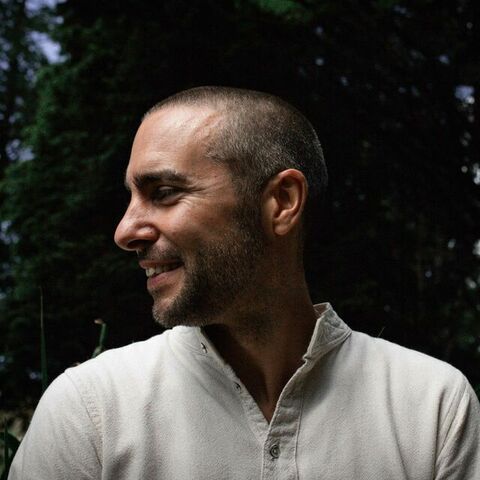
My name is Karim Rushdie,
And I've spent over a decade learning to transform my own chronic pain and stress so I can lead a life worth living.
Now I'm using what I've learned along the way,
As well as the knowledge and experience of my guests,
To share unique perspectives that can help you do the same.
Thank you for tuning in today.
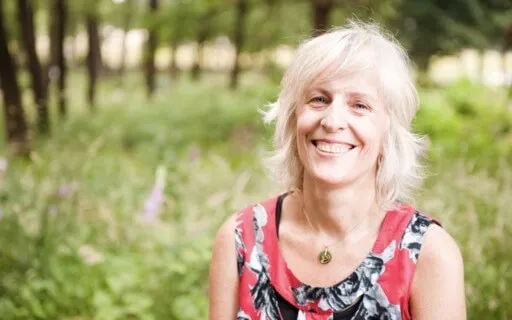
Today I'm speaking with Vidya Mala Burch.
Vidya Mala is a mindfulness and compassion teacher,
Author,
Disability spokesperson,
And co-founder of the leading mindfulness organization,
Breathworks.
Vidya Mala's story is incredible.
She began teaching her mindfulness approach for managing pain and illness,
Following her own personal experience living with health challenges.
At age 17,
She sustained spinal injuries that required multiple surgeries and left her with partial paraplegia and chronic pain.
She began to explore mindfulness and meditation as a way to manage her pain,
And found the results to be life-changing and transformative.
In this episode,
We talk about the highs,
Lows,
And breakthroughs in her journey,
The role of mindfulness and meditation in meeting life's challenges,
And how living with chronic pain shouldn't end with acceptance when flourishing is possible.
I hope you enjoy our conversation.
So Vidya Mala,
Thank you so much for being with me today.
It's an absolute pleasure,
And thank you so much for inviting me.
I really,
Really appreciate it.
We're going to dive in,
And the first question I want to ask you,
Because I know that you've lived for some time with chronic pain,
A lot longer than I have,
But I'd really love to hear what your journey with pain has been.
Yes,
Well,
I'm 62 now,
And I first injured my spine when I was 16,
So that's my entire adult life has been accompanied by chronic spinal pain and neuropathic pain in my legs.
So I injured my spine in a lifting accident,
And it turned out I had a congenital weakness,
So that effectively my spine fractured when I was 16.
Had various conservative treatments,
Then had major surgery,
Then there were complications,
More major surgery.
So by the time I was 17,
I was living in a body that was ongoingly painful.
And then when I was 23,
I was a passenger in a car accident,
And I fractured another part of my spine.
So I always say that once is unfortunate and twice as careless,
But I wasn't even driving,
So it wasn't my fault.
And joking aside,
It was obviously very,
Very traumatic.
And my initial response was frank denial.
So my initial response was just to pretend that it wasn't happening.
And I've come to learn that's very,
Very common that when something catastrophic happens in a human life,
The first thing we do is just pretend it hasn't happened.
So,
You know,
In my case,
I just overworked.
I pushed myself.
I tried to prove I could do everything that everyone else could do,
But twice as intensively.
And of course that was the highway to collapse.
So when I was 25,
I had a pretty full on physical collapse.
I had some more treatment that didn't work.
And I ended up with a paralyzed bladder at that time.
And I ended up in an intensive care ward,
Had a few very big experiences there,
Obviously becoming face to face with mortality.
Probably at that point,
It was more of an intuition than an understanding that my way of managing was not a good one.
I think I kind of knew,
Hang on a minute,
This is crazy.
I've pushed myself to such an extent that I've ended up in an intensive care ward,
Along with some unfortunate side effects of treatment.
And I had a kind of a very,
Very strong experience one night where I realized that this story of pain that I was locked into this kind of,
There was my body was painful,
But then my mind was tortured because it was like,
Oh,
I'm going to have this forever.
I don't know how to get rid of it.
It's all terrible.
And I had this night where it became viscerally apparent to me that pain story was ever only lived one moment at a time.
It's ever only experienced one moment at a time.
And that,
I mean,
I could say much more about that,
But I,
We haven't got time now,
But that completely changed my life to be honest,
Completely changed my life and awoken me a passionate,
Intense curiosity.
What does it mean to be present?
What does it mean to live my life one moment at a time and the knowledge that the present moment is all that we ever directly experience?
Yes,
We have memories of a past and they're important of course,
In terms of living your life and we have anticipation of the future,
Important,
But the only lived experience we have is what's happening now.
So how could I drop into being much more awake,
Much more present,
Changing my relationship with my pain and also,
You know,
Waking up to all the beautiful things in the present.
So that was very significant and began the next phase of my journey,
Which I called bargaining.
So the first one is denial.
And then I moved into bargaining,
Which is in a way much more tricky.
So bargaining is where you start doing all the right things to kind of care for yourself and look after yourself and manage your situation,
But with a false agenda.
So the false agenda in my case was to get rid of my pain.
So I started meditating.
I started looking at my diet.
I started exercising.
I gave up my job that was so demanding,
You know,
It was bad for my body.
But of course I always felt I was failing because my pain wasn't going away.
Sounds familiar.
Yeah.
So I think bargaining is in a way,
Even like at least with denial,
You just don't,
You just suppressed,
You don't really know what's going on.
And it's a dry,
Barren way to live,
But there's a sort of blissful ignorance there.
But with bargaining is really confusing because you know,
You're doing all these things to help yourself,
But if the agenda is,
You know,
The complete elimination of all pain and perpetual happiness,
Then that's not the human condition.
Is it?
You know,
The human condition is very complicated.
So I did that for about 10 years.
I'm quite a stubborn soul.
So I kept denial up for about 10 years and kept bargaining up for about 10 years.
And then I had another really big crisis where I'd sort of started really pushing myself again and my bladder had recovered earlier on,
But now my bladder just gave up the ghost and it's not recovered.
So the nerve damage from my spine means I have a paralyzed bladder,
I have a paralyzed bowel,
My mobility really deteriorated,
Started using a wheelchair and crutches.
This was back in 97.
So that led me into what I call the next phase,
Which is acceptance.
And I realized that there were two crucial things,
Which I had not understood.
One was I was using all my meditation practice up to that point to escape.
So I was meditating in order to escape my experience to sort of mentally disconnect from my body.
And I realized that that's very diluted because I have a body.
So I need to use my mind to help me inhabit this body in the present with more kindness and care and ease.
So there was that.
And then the other thing I realized is that I,
Yeah,
I meditated for 20,
40 minutes a day,
But what about the rest of the day?
So I hadn't learned how to take my mindfulness,
What we call off the cushion into my daily life.
So I was in a perpetual cycle of boom and bust.
Very,
Very common.
You know,
When you feel good,
You completely go for it.
And then you crash.
I'm sure you might,
Well,
I should ask a question.
Do you recognize that?
I definitely recognize that my,
My experience a little bit different to yours,
But the denial bit compressed.
The denial was about two years and just being squarely focused on eliminating the pain,
Making the pain go away.
And as you said,
Deluded.
It's a part of the human condition and you know,
It's that parable of the second arrow,
Right?
Yes,
Exactly.
Inescapable parts of life.
It's not about making it go away.
It's about learning to live with it,
Work with it.
Yeah.
So please carry it.
Well,
Well,
Well done.
You only did it for two years.
I did it for 10 years.
You're a quick learner.
And then,
So I had acceptance,
Which was tender,
No grief,
A much more sort of rounded human response quite bleak at times thinking,
Oh,
What I've been doing for the last 20 years.
And then of course I thought acceptance was the end of the road.
You might be familiar with the stages of grief from Elizabeth Kubler-Ross.
Yeah.
I wonderful.
I think it was Austrian doctor who did a lot of work around end of life and grief and so on very revolutionary.
Wonderful,
Wonderful person.
And she talks about these five stages of grief of denial,
Anger,
Bargaining,
Depression,
Acceptance.
Yeah.
So I had mainly denial,
Bargaining,
Acceptance,
And anger and depression just seemed to be woven along for the ride.
Along with the ride.
Exactly.
And so I thought,
Well,
Acceptance was the end of the road,
But then something really beautiful and magnificent has happened as out of that becoming more accepting the process from probably about 2000 or so has come another phase,
Which I labeled flourishing.
So out of that,
My life is actually massively improved and you know,
I have a good life now.
I've still got pain,
Have much less reactive pain.
So I've still got the basic sensations,
But much,
Much less reactive pain.
I laugh.
I have fun.
I'm generally fairly positive,
Not exclusively,
Of course.
So my life's just got better and better.
So I really want to say that to listeners because very often the journey is talked of as the journey to acceptance.
Acceptance is really,
Really important and it's not passive resignation.
Acceptance is something that's very kind of wholesome.
But then in my case,
My life is then just to open back out again to much more joy,
Happiness and fulfilling.
You know,
I love my work.
I find it very,
Very fulfilling.
And I think flourishing is a gorgeous word.
It is.
It is.
I love it.
I want to come back to what took you from acceptance to flourishing.
What is it that happened?
What changed?
You know,
What brought about that shift?
But before that,
I'd like to go back a little bit.
You mentioned that you started meditating after this experience,
This awakening experience that you had in the hospital.
Was spirituality,
Meditation,
Religion,
A part of your life up to that point or was this the first of that kind of experience that you had?
I was brought up in the Anglican church in New Zealand where I was brought up.
It was all pretty nominal.
I was kind of going to church on a Sunday and Christmas and Easter and stuff.
But I wasn't what you call a practicing religious person at all.
I was kind of a cool,
Arty filmmaker in my twenties.
So religion was,
I didn't consider that very cool.
So now I was cynical,
I would say.
I was very cynical about that sort of thing.
I had this experience in hospital and then this was such a blessing.
I was,
They didn't really know what to do with me in the hospital.
You know,
I was this young woman,
25 years old.
My back was really messed up.
There weren't any medical solutions.
So they sent various people to see me,
Including the hospital chaplain.
And I was quite skeptical,
But he came and sat by my bed.
Such a lovely man,
Such a lovely,
Kind,
Sort of quite elderly,
Probably about my age,
Which was,
I thought was really old,
Of course.
And that kind of is significant because he had a lot of life experience.
I knew that.
And he took my hand and he guided me in a brief meditation practice.
It was more of a visualization practice,
But he guided me in a brief meditation practice.
And it was,
I don't know,
10 minutes or something.
And my subjective experience completely changed.
So I went from being,
You know,
This young woman lying in a hospital bed,
Absolutely terrified and tormented to being this young woman who knew deeply again and sort of viscerally,
Oh,
I have awareness.
And what I do with my awareness changes my subjective experience.
So that was another kind of awakening.
And I thought,
Wow,
I really,
Really want to know more about this.
Because up till that,
Again,
This is very common.
I think up till that I had never considered that I had a mind.
I was just living my life.
You know,
I was kind of on autopilot and the idea that I had this capacity within me,
That was awareness that I could potentially train to transform how I experienced my life.
That was completely mind blowing.
Yeah.
Yeah.
That was my first introduction and then I had a lovely social worker.
So when I left hospital,
I said to her,
Like,
I really want to learn to meditate.
So she got me audio cassettes from the local library.
And of course I had months in rehab,
Which meant I had to spend hours and hours and hours resting on my bed.
So I'd go swimming and so on,
Do my exercise,
But then loads of rest.
So I'd lie there and stare at the ceiling and just track my mind.
One thing chronic back pain,
Back conditions give you a lot of time lying down.
Exactly.
And that's,
That's obviously really frustrating and really hard,
But I often think life is so mysterious that I'd,
If I'd had the life I was anticipating,
Which I wanted to be a wildlife ranger,
I would have been very busy out climbing the mountains and doing my work and I wouldn't have had all this time to investigate my mind.
Yeah.
So that was,
That was very,
Very powerful.
And also interesting that no one meditated then.
This was 1985 in New Zealand.
It was not in any way mainstream.
I mean,
Some people did TM of course,
But I didn't know them.
That's transcendental meditation,
Which had been around in the seventies.
But I find that interesting again in retrospect,
You know,
What was it in me that followed my own nose when I did something no one else was doing,
But I just knew I had to do it.
Yeah.
It's amazing.
I mean,
It sounds like you dipped your toes in the water of awareness and you know,
It is such a profound realization.
I remember almost the week or two week period when I came to the same realization that,
Hang on,
I can observe these sensations.
I'm not the sensations.
I'm not the thoughts I can actually watch.
And that changed everything for me.
I think it's a profound realization for anybody,
But for those in chronic pain or suffering chronic stress or,
You know,
Mental health challenges,
It's doubly profound because it is that,
That freedom that comes along with it.
You're no longer shackled by those thoughts,
Those sensations.
So yeah.
Amazing.
Yeah.
So that,
That's where I started.
And then I did some yoga,
Did some yoga meditation.
Didn't get on brilliantly with that for various reasons.
And then I went on a Buddhist retreat in Auckland a couple of years later and I thought,
Oh yeah,
This is for me.
You know,
This particular approach is for me.
In 1990,
I moved to the UK to live in a retreat center and a very intensive,
A lot of very intensive retreats lived there for five years.
So that was like a boot camp for the mind.
Yeah.
Interesting.
But coming back to,
Cause this was during the bargaining period that you mentioned.
So even when you were there living in this,
I guess,
A monastic community.
And the Buddhist tradition I'm part of is kind of modern Western.
So it's not monastic as such.
But it had a lot of emphasis on friendship.
But yeah,
That was still in my bargaining phase.
So that's an interesting observation.
Well done.
Yeah,
No,
I find it very interesting because I would have thought there would have been a lot of kind of learning and exposure to,
You know,
Why bargaining is not the right way.
But I guess,
As you said,
You are so focused on using meditation as a vehicle to escape the pain and the body.
Yeah.
I think as well that these phases,
They sort of emerge out of the previous one.
So those years I was still in the bargaining,
But because I was in this very,
Very supportive situation,
I often say it's where I learned to love and be loved.
So there was a lot of sort of gradual wearing down of the denial and the bargaining.
I have a lot of dreams of things like cliff faces crumbling.
It's very interesting.
Wow.
And I had a lot of resistance,
Very,
Very evocative and quite a lot of grieving then as well.
But I still,
I still had this kind of wrong view that if I could just will myself enough,
You know,
Will my mind to beat my mind to submission,
Then I could overcome my pain.
And so it took me a lot,
A few years longer before that finally dissolved away.
You mentioned grieving and you mentioned the stages of grief earlier.
What was it you were grieving for?
Was it the life you,
You lost before the injury and the pain or where was that grief coming from?
It's a very,
Very interesting question that that was in there.
Of course,
I'd been very,
Very fit and active as a teenager,
Very sporty as you know,
New Zealand's very outdoor,
Very outdoorsy kind of culture,
You know,
Very good tennis player.
And I loved,
I just adored the mountains and I adored nature and I wanted to live there.
So I think I was grieving that.
And it's interesting actually in this phase of my life now,
That's still there,
That's still there.
There's some kind of deep longing,
You know,
How can I,
How can I bring that into my life?
You know,
As I get older,
That doesn't go away.
So sometimes I talk about with meditation,
I become a mountaineer of the inner world.
So I need to keep that sense of big vistas somehow in my life.
So I think I was grieving that,
But I think of something much more immediate.
It's just,
You know,
There I am in pain day after day and it's hard,
It's hard,
It's sorrowful,
It's sad,
It's hard to bear.
So I think it was that as well,
Just,
Just grieving the fact that my experience wasn't different grieving the fact that this is my experience.
I can relate in a much smaller,
Too much lesser degree,
But it can definitely relate.
I'd love to come back to this transition from acceptance to flourishing,
But before we go there,
And I know this is a tough one to kind of define or even describe because it has to be experienced firsthand,
But you've been a mindfulness practitioner and now teacher for many years.
How do you describe mindfulness to somebody that's never heard of it before is interested in what it's all about?
Yeah,
Well,
The simplest way I describe mindfulness is awareness.
Don't have to be technical about it.
You know,
I think mindfulness is being aware so that you know in each moment what you're experiencing mentally,
Emotionally,
Physically,
And then because you know what's experiencing what you're experiencing,
You can train,
You know,
It's,
It's,
It arises out of training,
Training the mind.
You can train yourself away from habitual and automatic reactions of resistance and diversion and contraction and tightness to something softer,
More open,
Kinder,
And in the direction of what I call release.
So rather than habitually crunching down around experience and getting tight,
You can train yourself just to open and soften,
Breathe,
Rest,
But you need to be aware to do that.
It sounds so simple.
Yeah,
Obviously it isn't because otherwise we'd live on a very different planet in very different societies.
The stuff that's going on today would not be happening.
Why is it so challenging for humans to simply be aware?
Well,
I think,
I think this is an important point.
I think conceptually it is very,
Very simple and the danger with when these things become sort of systematized as you know,
As humans,
We love sort of sophisticated conceptual models.
We don't need that.
It's basically very simple.
Why we don't do that is because we're addicted to trying to avoid pain and to be happy.
You know,
We're just very deeply programmed that we have,
We have our,
Our sense experiences,
The initial thing in any given moment,
You know,
We have input coming through the senses,
Through our eyes,
Our ears,
Our nose,
Our taste,
Our bodies.
And then it's really,
Really automatic that we push away that has got the initial flavor of being unpleasant.
And we chase after that.
That's got the initial flavor of being pleasant.
And then we just get confused by anything that's dull and neutral.
I mean,
This is basic Buddhism.
This is what the Buddha saw through his own experience.
And there's probably evolution in there to do with survival that we're very threat oriented as a species.
Yeah.
So anything might be vaguely threatening.
We just push away.
We resist,
We avoid,
We try to escape.
We get into fight,
Flight,
Freeze responses.
Because if you think about us as a creature,
Humans as creatures,
We're very,
Very vulnerable.
You compare us with lions and elephants,
You know,
We're just tiny little fragile things.
We haven't got big claws.
We haven't got big fangs.
Our infants are incredibly vulnerable compared with other infants of other mammals.
So we've got very,
Very deep sort of deeply programmed,
Automatic reactions that go on,
But they become very habitual.
They become hardwired.
They become deeply programmed and in a very unaware way.
So we're just doing that automatically,
But mindfulness can take that automaticity out of it and bring some reflection.
You know,
What am I under threat right now?
No,
I'm sitting here in a room.
I'm safe as far as I'm aware.
Talking to you,
It's very pleasant.
You know,
There's no saber tooth tigers roaming around.
Some of the stuff comes from very,
Very old evolution when we were roaming the plains of Siberia and so on,
You know,
Thousands of years ago.
So it's all around,
We've got these very,
Very basic survival instincts,
But they get kind of corrupted.
They get hijacked and we just start functioning on that level of sort of basic survival across all domains of our life and ourselves all kinds of secondary suffering.
Yeah.
It's like that old evolutionary response to threats has now been completely misdirected and we start,
You know,
Turning it on threats to our social standing,
Threats to our sense of self,
You know,
A conversation that goes awry becomes something that exists that fight or flight response.
Exactly.
And then some of the psychologists say that the main threat we have now or perceived threat is social threat.
There's so many of us on the planet,
We're so hyper connected that all those basic drives that are designed to escape a saber tooth tiger coming into our cave.
We now project all that into social media,
Our interactions and so on,
But it's the same sort of physiological reactive tendency.
Follow up question and then promise we're going to come to acceptance,
Transition between acceptance and flourishing.
How does,
You know,
Apart from helping you make that transition,
But what are the practical ways that meditation,
That mindfulness have helped you,
That have improved your quality of life over the years?
They transformed my life beyond all recognition.
So let's,
Let's make that the basic statement very gradually.
So it's not,
You know,
It's not overnight.
It's so gradual that it's just like the arrival of a new normal.
So it just feels normal.
But if I,
If I take my mind back 40 years,
The quality of my awareness,
The quality of my life is unrecognizable,
But it just feels very kind of normal.
Now I'm not making any grand claims,
So I'm more present.
I'm more disciplined.
I could be more disciplined.
Of course,
That may be one of the main things I'm able to sort of notice what's happening experientially and then interrupt a whole cycle of judgment and contraction and resistance.
And Oh no,
I've done it again.
I'm a bad person.
I'm hopeless.
I'm useless.
I can notice that and think,
Oh,
I'm just thinking that again,
I can let it go.
So one of the things I've been saying lately,
Which I really want listeners to hear is,
I think I used to think if I was mindful,
I'd become a very serious person.
You know,
Life would become very kind of earnest and present in this kind of hyper vigilant way.
But what has arisen is much more lightheartedness.
So I'm able to be much more lighthearted in the face of,
You know,
The ongoing struggles and difficulties that I have and in the face of the,
You know,
The worst aspect of the human condition.
I've had the saying since the pandemic,
Take life seriously,
Hold it lightly.
I need to take all these things very seriously because they are serious.
You know,
One needs to have an open heart and be tender and empathetic around all the terrible suffering that we've had in the world with the pandemic.
And now we've got the terrible war in Ukraine.
So one wants to be really open to that.
You don't want to shut it down to be really open about how absolutely appalling that is.
But to find this balance,
It's so easy to tip into overwhelm.
Then we get overwhelmed and then we back off completely.
So we're in this either denial or overwhelm,
Denial or overwhelm,
Which of course is the way we can respond to our own pain as well.
But it's like being able to hold it lightly.
So you're very present with a lot of love in your heart,
But not overwhelmed.
So that's one of the things I think,
And just to track that back to the pain journey,
One of the key things that I continue to try to refine is the middle way between denial and overwhelm.
There's a sweet spot between,
Oh,
This isn't happening or,
Oh my God,
This is unbearable.
There's a sweet spot where yes,
It is happening.
And actually it's not unbearable.
It's just a flower of sensations flowing through the moment like a river.
It's quite nuanced.
I mean,
It's a really good point you brought up about holding it lightly.
I think there's a misperception that being mindful equals being stoic and that calm and balance and equanimity means not feeling anything.
Yeah.
Yeah.
Oh,
Not having a sense of humor.
Yeah.
It's terribly important to have a sense of humor in the face of the human condition.
Absolutely.
I love that.
Okay.
Now we will come to acceptance and flourishing.
How's that transition?
How long has it taken?
What have been the kind of hallmarks of that transition?
What are the main differences between that state of acceptance that you're in at this current state of flourishing?
Yeah.
Great question.
So when I was in the late nineties,
When I was making my way into the,
What I call more of the acceptance phase when I'd had another big collapse and there was a lot of,
Oh my God,
Here I am again.
And then realizing that I was trying to escape and that I didn't know how to take my awareness off the cushion into my daily life.
During that time,
You know,
My back was really terrible.
And so I was pretty much housebound for years,
Really three or four years.
I had more major surgery in 2002.
So that period between 97 and 2002 was very difficult indeed.
And the surgery I had has been helpful,
Which is,
Which is great.
But at a certain point during that phase,
I thought I need to get out more.
Somehow I need to find a way to get out of my own little room,
Sort of more metaphorically speaking because I couldn't actually get out that easily,
But I needed to emotionally sort of get out of my own tiny little narrow world.
And I needed to think of others more.
I needed to do something for others.
So I applied for a grant from the UK government in 2000.
It was called a millennial grant and it was aimed at disabled people that wanted to contribute to the community.
Millennial was when the government had money to give away.
And it was a very small,
I think it was 8,
000 pounds or something.
And I remember seeing it,
Thinking,
Oh,
That's just what I need.
You know,
I need to find,
I need to do a project where I will be helping other people that will be good for them.
And it will also be good for me.
And that sounds a bit of self-interest.
It wasn't like that.
It was much more in tune.
So I started just trying out teaching mindfulness to other people with pain and illness in 2001.
It was very,
Very experimental.
I didn't really know how to do it.
I didn't know if I could cope physically.
My back was still absolutely terrible.
I mean,
Her spinal pain was very severe.
So I was quite limited to what I could do,
But very quickly I thought,
Oh,
This is good.
This is helping people.
All the things I've learned over the past two decades,
There is something in here that I have to offer others.
I had my big operation in 2002 and in 2003,
I started developing what's become breathworks.
So I think thinking about this,
You know,
Getting beyond my own little narrow world was really significant.
And then meaningful work,
You know,
Having something bigger than me to engage in.
I think that's been very,
Very significant and it was a hard thing to figure out because I couldn't go out and get a normal job.
I didn't have the physical capacity for that at all.
So I've had to develop my own project that I'd been able to work in my own way for years and years and years around my own sort of health needs,
My pacing needs.
I work from home all the time now.
That's a lot easier for me.
So it wasn't easy at all,
But I think that's been the key part of flourishing is expanding my world.
Let's put it that way,
Expanding my world.
My world had really shrunk.
My world had massively shrunk to me and my little dark room with my pain sort of agonizing,
Feeling regret,
Remorse,
Trying to figure out how to learn,
You know,
Yeah,
Mindfulness is really good.
I know it's good,
But somehow I've distorted it.
Oh,
I've distorted it because I'm still trying to escape.
I'm thinking if I train my mind,
I can somehow overcome my body.
I think I was in a mind over matter thing and I now describe it as mind with matter,
You know,
Mind with matter.
How can I use my mind to live with this body with greater dignity and ease?
And yes,
I think thinking of others,
Expanding my world,
A meaningful activity that is actually contributing to the world,
That's been enormously fulfilling and satisfying and moving and enriching and has enabled me to flourish.
That is great.
So it's the kind of curative properties of service really.
Yes.
That's a beautiful way of putting it.
I've never put it like that.
That's fantastic because it is service,
You know,
Certainly not been the way to riches,
I can assure you of that.
I was very lucky,
I think,
Because the work I was doing when the pain first started was very service oriented.
It was in the kind of,
You know,
Social impact and social enterprise space.
And looking back just when you were sharing just now,
I was reflecting and I was thinking why I didn't kind of go out and do that.
But actually,
I realized now how fortunate I was,
I was already doing it.
So when I could work,
I think that was that was helping a lot.
And you know,
My wife suffers from depression has done for better part of 20 years,
And she's found over the years,
Service is incredibly cathartic,
Incredibly curative.
Because we can get I mean,
Whether it's pain,
Or whether it's physical pain or mental pain,
I think we can become so self absorbed,
You know,
You said your world had become you and your pain.
And I think many people could probably relate to that.
So as hard as it is,
Get out there and do something for somebody.
It can just yeah,
It can be so curative.
Yes.
And yes,
That's,
That's all true.
And let me just put a little caveat on here,
Because I wouldn't want people listening to think I've just got to sort of pull myself together and force myself out the front door.
Because it's all very subtle.
And I did need to plumb those depths.
I did need to touch into absolute despair.
I did need to realize,
Oh,
I've,
Well,
I even I need to even be careful how I phrase this because that can sound very sort of one sided.
I needed to find tenderness.
I needed to let my heart break open.
Maybe that's a much better way of saying it.
Because in grief,
You know,
Grief is also a doorway to love.
Despair is a doorway to tenderness.
And I think my flourishing is because I've been able to bring all of myself back out into the world.
All this,
You know,
I know what it's like.
I mean,
I don't know,
Completely,
There's more,
Way more work for me to do on myself,
But I know to some extent,
Kind of far reaches of the human condition,
Both on the joyful spectrum and on the challenging spectrum.
And if we're going to really serve,
We bring all of ourselves to that opportunity.
We don't sort of stuff some of it down and think,
I've just got to think of others and then everything will be right.
Cause then you're just back into denial.
Yeah,
No,
That's a really,
Really good and important caveat.
And I think it's,
You know,
If you are embarking on that path of service,
I think what holds a lot of people back is perhaps thinking,
You know,
I'm broken myself or I'm unworthy of myself,
How can I go out and help others?
But as you just pointed out,
It's that brokenness,
That experience actually that you bring to this because it's having been there that actually can help so many other people.
Exactly.
Yeah.
Yeah.
I think that's beautifully put and there is of course the archetype of the wounded healer,
Which I think is a very interesting archetype.
And just to say as well that Breathworks,
The organization that I founded is a charity.
And I think that's been very important to me that initially it was social enterprise and now it's a charity.
This is perfect.
This is the perfect segue.
I'd love to focus on Breathworks for a bit.
So this was 2002,
2001,
You got a grant and,
And Breathworks was born.
Please tell us the origin story of Breathworks.
So the origin story is exactly that.
You know,
Here was me,
This,
This woman living in a little dark room thinking I've got to get out more.
Living in a go,
Realizing,
Oh yeah,
This works.
It seemed to be helpful for others.
It was helpful to me.
It was all very experimental initially.
I didn't really know what I was doing,
But I,
There was something in there that,
That was gold.
And I thought,
Oh,
This is wonderful.
And then I had my operation 2003.
I was lucky enough to be joined by two very experienced meditation colleagues,
Gary and Sona.
And Sona is actually my husband now.
So,
You know,
We were in a relationship together and they'd been meditating way longer than me.
You know,
They'd both been meditating for 50 years now.
So that was 30 years then.
And they gave me confidence.
I think I lacked confidence in my own ability to do this thing,
Both,
Both because living with pain,
It does erode your confidence.
I'm sure many,
Many listeners will know that.
And maybe you can recognize that you just feel a bit useless.
And so it was hard for me to have that self belief.
And they were saying,
Look,
What you want to do is amazing.
It's what the world needs.
We will work with you.
Let's do this thing together.
So I feel a huge debt of gratitude to them.
And we were friends,
So it was fun.
It was so creative in those early years,
No money,
Loads of passion,
Lots of arguments,
Lots of love.
You know,
It was wonderful.
And then in 2004,
We thought,
Hmm,
There's three of us working in Manchester and North of England running,
I don't know,
Four courses a year.
One in five people in the Western world have got chronic pain.
It's billions.
We're maybe reaching a few hundred.
Let's have a little bit of a rethink.
And so we decided to begin this journey of becoming a teacher training organization.
So using the cascade method where we would train other people to teach and then they could take it out into the world.
So we did our first teacher training retreat in 2004.
And now,
You know,
Nearly 20 years later,
I think we got over 600 teachers in over 40 countries.
Incredible.
So,
I mean,
That is just so amazing.
I love that.
That somehow or other,
This thing is spreading around the world and it's helping people.
It's helping people.
And one of the things I'm also very excited about is over the last couple of years,
A couple of our trainers have developed a course for people with low literacy immigrant populations called Take Back Your Life.
So it's an adaptation of a signature course,
Which is an eight week program called Mind Foods for Health or Mind Foods for Space Pain Management.
So they've now done a five week course aiming at underserved communities.
So that's very,
Very rewarding for me.
Yeah.
That's great.
So kind of democratizing it a bit,
Isn't it?
Because one of the criticisms of contemporary mindfulness is that it's quite exclusive or it feels quite exclusive at times,
Doesn't it?
So yeah.
Yes.
So in the mindfulness field generally here in the UK,
There is a lot of effort around reaching people of color,
Other communities.
But it's certainly,
It's been a kind of white middle-class activity on the whole,
Which is perhaps inevitable,
Something new coming into a culture.
And in the UK,
It's mainly come into the universities.
Breathworks,
We're not an academically based program.
So we've always been sort of grassroots experience led program,
Which I feel really proud of.
But nonetheless,
A lot of the reasons why mindfulness is accepted in healthcare and so on is because of the academic roots in the UK.
So I feel grateful to that as well.
But at Breathworks,
We've also,
Now we've got a whole bursary program,
Which is wonderful.
So I think something like 50% of places on our courses are bursary now.
Oh,
That's great.
There's a bursary for those not familiar,
Not from the UK,
Basically.
Oh,
Sorry.
Yeah.
Subsidized scholarships.
That's fantastic.
What exactly are you teach?
What are your teachers learning to teach in your teacher training?
What are they then taking out into the world?
They're learning the methods of our program.
So we have a syllabus,
So they're learning the syllabus.
But I think more importantly,
They're learning how to embody mindfulness.
They're learning how to practice it themselves.
And there are prereqs.
To do the teacher training program,
You need to have a mindfulness practice of your own.
But they're learning how to deepen that,
How to embody that,
How to communicate,
How to engage with other people in their meditation practice,
How to do inquiry,
How to draw other people out about what's actually happening.
But one of the things I love is that this phrase that mindfulness is caught,
Not taught.
It's caught,
Not taught.
So you really need to,
You know,
You need to authentically be walking this path yourself.
So on our teacher training program,
To some extent,
It's kind of theory,
The syllabus,
But a lot of it is just imbibing the atmosphere of breath works,
Imbibing this flavor of compassion,
Of kindness,
Of mindfulness,
Of lightheartedness,
Of humor,
Of depth,
Deep yet light,
Sort of catching all that flavor.
And people,
People seem to love our teacher training pathway on the whole.
I love that expression,
Mindfulness is caught,
Not taught.
I was going to ask,
With a lot of academics,
A lot of professors,
You know,
They've never say worked in industry,
But they're teaching these subjects or in tough careers.
What is it about mindfulness that,
Because it's the same across many mindfulness-based programs,
Teachers have to have their own practice.
It doesn't seem to work if they don't.
And then you hit the nail on the head there,
It's caught,
Not taught.
One of the dangers of the popularization of mindfulness is that it just becomes superficial.
It becomes just another kind of little wellbeing thing out there.
That's one of the dangers.
So we have to always guard against that by requiring depth of our teachers.
You just caveat that as well.
You know,
Some people are very purist that,
You know,
Apps and things are bad because mindfulness is a deep activity,
Which it is.
I'm not particularly purist.
I tend to think something's better than nothing.
And then something better is something better than something less.
But I think all these apps and so on,
They're planting seeds.
I think,
Great,
You know,
Get,
Get it all out there.
That increases the demand for depth.
So I see that Breathworks is providing depth.
That's what we need to do.
Yeah,
No,
That's really good.
That's really good.
And that's kind of,
It's a lead into the question I was going to ask next.
Lead to the apps and the popularization,
You know,
You get a lot of people nowadays who are,
You know,
They're managing five or 10 minutes a day of practice using their apps.
You get others who,
You know,
You talk to about their experience with meditation.
So I give it a try.
It didn't really kind of work for me.
What is it about meditation?
And we should say also meditation and mindfulness are not the same thing,
Right?
Meditation is one way of cultivating mindfulness.
Like meditation is not equal to mindfulness,
But what is it about kind of a daily or a very frequent,
At least formal practice over time that is required to reap the benefits of meditation,
Of mindfulness,
Of getting it off the cushion and into your life?
Why can't it just be a couple of minutes here and there?
Why aren't the benefits that are realized after just doing it for a week?
What is it about this practice that you have to dedicate yourself to it and be quite diligent and disciplined in doing so?
Well,
I think the best analogy there is physical fitness.
So you want to be physically fit.
And if you do,
You know,
Five minutes of weights a day,
You're going to benefit from five minutes of weights a day.
You're going to get a little bit stronger,
But not much.
Or maybe weights isn't a great example for people with pain.
I go swimming.
Yeah.
So that's an example.
So if I go swimming and I do half a length,
I'll get half a length worth of benefit.
If I go swimming and I do 20 lengths,
Which I can do quite easily,
I'm a good swimmer and I'm not overdoing it.
If I do 20 lengths,
Then I get the benefit of that degree of fitness and flexibility in my body.
And if I do 20 lengths,
Three times a week,
My body remembers that I get back in the water and there's a kind of body memory of,
Oh,
This is what it feels like to be relatively fit.
It gets easier.
Yeah.
So I think that's just like everything in life.
The more you put in,
The more you get back basically.
And as we said earlier on,
You know,
We got this basic sort of evolutionary,
Evolutionarily wired impulses of automatic aversion to pain,
Automatic chasing after pleasure,
Automatic confusion when we're a bit dull and bored.
That's hard wired.
We can change it.
One of the wonderful things that modern neuroscience is showing and Buddhism's always said is that it's very fluid and pliable in there and that we can change.
Right.
Neuroplasticity.
Exactly.
But it's also called experience dependent neuroplasticity,
Which can also mean what we dwell on,
We become.
So if you're someone who's habitually dwelling on,
Oh,
I hate my pain and it's really difficult and I hate my life.
You're going to get really good at that.
In meditation,
You insert a pause,
You sit down,
You notice the arising of that thought.
I hate my pain.
I hate my life.
You think I've got a bit of a choice here.
I can either continue down that route or I could just come back to breathing in my body and put my bum on the chair.
I can soften.
I can release.
Oh,
That feels a bit more pleasant.
Oh,
Now I'm chasing the pleasure.
No,
Just come back to the breathing stability.
Let the thoughts pass through the mind like clouds passing across the sky.
And you're a person who's cultivating that ability.
And the more you do it,
The more automatic that's going to be.
So you're changing your default setting.
That's sometimes the way I articulate it.
Yeah.
That's a good analogy.
You know,
That takes time.
It's not going to happen in five minutes every now and then.
Yeah.
I guess that's the strange thing about using the apps,
You know,
This device that's built for instant gratification,
Convenience,
You know,
Immediate delivery.
Contingency is one of those things that you need to put in the time like physical fitness and like anything else good in life.
Like anything else.
Yeah.
Yeah.
But if again,
It's all very delicate.
If you go strivey and willful and you start really pushing yourself,
That doesn't work either.
So it's all,
It's a dance.
It's yeah,
I've often wondered,
Not all the apps have this feature,
But some of the apps have this feature that tracks the,
You know,
The consecutive days that you've meditated and kind of reward you and give you badges and things for doing that.
But in doing so,
It's kind of going against the grain of what it's all about.
You shouldn't feel like you have to do it so you can get that.
Well,
It depends how you relate to all that.
Like everything else,
You know,
Mindfulness is this quality of awareness and you can relate to all the badges in a very acquisitive way,
Which wouldn't be so helpful.
Or it might be,
I'm a bit undisciplined and this is helping me.
That's helping me.
It's how we relate to it.
It's more important.
How we relate to it.
Other than apps,
Bad,
Depth,
Good.
I think how do you relate to the apps?
I think the apps can be brilliant if you relate to them in a creative way.
Yeah,
Absolutely.
Okay.
We're going to wrap things up soon.
Wanted to ask you,
What are you working on the moment that's exciting you?
Any exciting projects coming online soon or online at the moment?
Yeah.
So one of them is this project I've already mentioned of the Take Back Your Life project,
Which is making mindfulness available to a much wider demographic.
So that's very satisfying.
And we're getting some funding to roll it out in communities in the UK.
So that's brilliant.
That's fantastic.
And another thing that I'm really delighted about is we've now at Breathworks,
We've now got something called our community of practice,
Which is a free online community.
Because one of the things that we really need as humans is community and all this training in mind business is hard.
And to do that in the privacy of your own home,
Just learning how to tame this wild animal of the mind can be really hard,
And especially if you've got pain.
So we've got this,
It's called a community practice,
But really it's a kind of online hub.
We've got courses on there.
We've got communities on there.
We've got poetry groups.
We've got a book club.
I've got a group,
Mindfulness for Pain and Illness.
And once a month I do a session with those people.
So maybe in the notes with this podcast,
I could put the link where people can sign up for that.
Definitely.
We want to.
It's completely free.
We're determined to keep it free.
It's donation based.
So I feel very excited about that.
And it's got loads of activity.
We've got two and a half thousand people now.
It's been going about a year and it's really getting a lot of activity.
It's not that easy in the online space to get retention.
That's the jargon.
You know,
There's so much out there,
But again,
We're offering engagement.
We're offering supports really brilliant.
So that's great.
And then recently a couple of other projects I'm excited about.
I recently been working with a very good friend of mine called Padma Darshan who's a yoga teacher and meditator,
And we've been developing resources around how to regulate the nervous system because a lot of us with pain,
A lot of us in the modern world,
We've got dysregulated nervous systems.
We're a bit wired.
It's sort of hyper and pain can certainly trigger what's called sympathetic over activity.
And then that makes the pain worse.
It changes our perception.
So we're maybe going to develop a course around that.
You know,
Maybe we'll call it mindfulness based nervous system regulation or something.
I don't know that we're not nearly there yet,
But to develop a course based on all the work we've been doing together,
Which is very body-based movement,
Meditation,
And so on.
So that's very exciting.
And then another area that I'm developing at the moment is how do we bring mindfulness to whole life health when we're living with pain?
Because I've become increasingly convinced that mindfulness on its own isn't enough.
If you're trying to actually really optimize your wellbeing,
If you've got pain,
You need to look at,
You know,
Diet,
Exercise,
Sleep,
All these kinds of things.
So I've got an acronym for this,
Which is HEALS.
So it's healthy eating,
Exercise,
Awareness,
Love,
And sleep.
So I'm developing a whole load of resources around that.
I like it.
I like,
I had an acronym,
Which was MEDS,
Which is mindfulness,
Exercise,
Diet,
And sleep.
Take your meds,
You know,
Every day.
So I had MENS,
Which was mindfulness,
Exercise,
Nature.
I've been playing around,
But I think HEALS is really good.
It's really good.
I mean,
Having love.
I'm allowed to pinch it.
Okay.
It's on the record.
So I can't pinch it out.
That is a really good one.
And the work around the regulating the nervous system.
I mean,
That's a whole nother podcast.
I'd love to have you back and talk about that one.
That's amazing.
This all sounds really good,
Especially the community of practice.
And you know,
It's been a thread,
Your story since we started talking.
That support,
You know,
Whether it was the chaplain in the hospital,
The social worker who got you access to those early meditation tapes,
The community within the Buddhist order,
Your partners at Breathwork.
So having that support at every step of the way is vital.
And it's something that's missing.
People are so isolated,
Increasingly isolated with working from home.
So really happy to hear it.
I think that people are living with pain and illness,
They're doubly isolated often.
So I feel deeply,
Deeply happy that we've not only prioritized trying to build community,
But we figured out a way to do it because for years I knew it was important,
But I didn't quite know how to do it.
And then I came across this platform called Mighty Networks,
Which is basically an off the shelf app that you can then adapt to your own needs.
So we've been using that.
It's really good.
We will put links.
I'll get all these links from you.
We'll put all of these in the show notes.
I think it'd be wonderful resource for people to go to and they can,
People can find you at Breathworks,
I assume if they.
So it's breathworks-mindfulness.
Org.
Uk.
And then my own website is vidya mala-birch.
Com.
Great.
We'll put those in the show notes as well.
Wow.
I feel that we've only scratched the surface on many of these topics.
So there could be a whole series of podcasts in the future.
It's been really,
Really lovely talking to you,
Vidya Mala.
Thank you so much for taking the time and spending it with me,
For sharing your time with me today.
I hope this is not the last conversation that we have.
Well,
It's been an absolute pleasure and you know,
We've never met before,
But such a lovely rapport and it's wonderful what you're doing with your story,
With your journey and then creating your course,
Creating your podcasts and so on.
Really fantastic.
Thank you.
Thank you.
As you said,
You know,
It's mindfulness alone can't do it,
But I'm convinced from my journey that mindfulness,
It's almost a prerequisite to making those other changes.
It's very difficult to make changes.
So without that awareness,
So.
Yeah.
So in the HEALS acronym,
If you saw it visually,
The A is much bigger.
It's like A is the keystone that underpins all the rest.
Because I totally agree.
You can have good intentions,
But you won't have the sort of ability to make wise choices in all areas.
And you're just driven by your habits.
To sustain any changes you make,
I think you've got to have that foundation of awareness.
Yeah.
Wonderful.
Okay.
I'm going to stop.
Until next time,
Biddyamala.
Thank you so much.
Thank you so much.
Thank you.
Thanks again for listening to the Back to Being podcast.
If you enjoyed this episode,
You can subscribe to receive news about future shows.
If you're struggling with lower back pain and the distress it can cause,
Then check out the Back to Being method,
A 10 week program based on my own lived experience designed to help you transform your relationship with lower back pain so you can live a healthier,
More active and mindful life.
Until next time,
Be kind to yourself and others.
I wish you well.