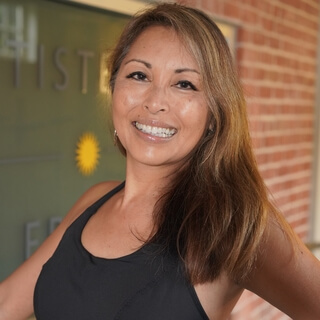
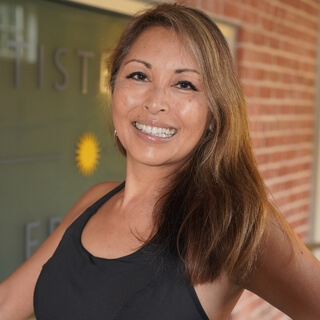
Welcome to the Spiritual Fit Yoga Podcast.
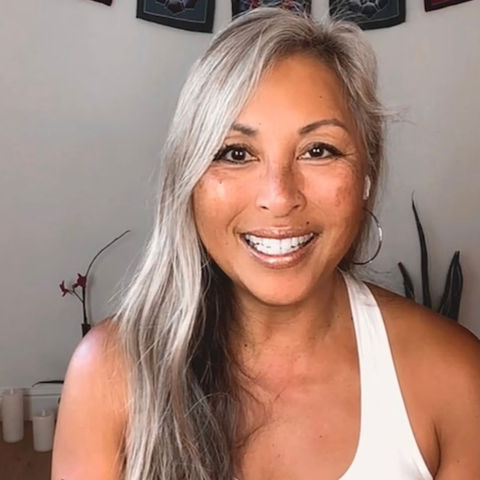
This is Amelia Andaleon and this episode is a recording of a live class taught on Insight Timer on February 2nd,
2025.
This is a slow flow class which ends with a yoga nidra.
So grab all the props that you need to make yourself comfortable.
I suggest a blanket,
Maybe a blanket or two,
Blocks,
A bolster.
If you don't have a bolster,
You can roll up a blanket or roll up a beach towel to put underneath your knees and maybe a pillow.
Because at the end of the class in yoga nidra,
You'll be laying down about 15 minutes in the final guided meditation.
If you'd like to join these live classes on Insight Timer,
Go to the episode notes.
See the link so you can follow me on my profile.
And these weekly classes are right now I'm offering them Sundays at 9 a.
M.
Pacific Standard Time.
Enjoy this episode.
Enjoy your class.
So if you're new to this format,
I just started these Sacred Sundays just a little bit ago.
And I start with a little bit of a talk,
A little theme,
A short meditation and kind of get us settled into the space.
And I'll invite you to get your mat for your first asana pose,
Your yoga pose.
And it's a slow flow as the description of the title of this class.
It's slow flow.
So whatever you need for today's class,
I have behind me my yoga mat.
I've got two blocks.
I have a meditation cushion and I have a blanket.
Those are kind of my go tos.
So if you want to take some time and grab some props,
You're welcome to do that.
You can even grab a pillow because after the asana practice,
I'll be leading you through a yoga nidra,
Which is a guided meditation,
Which you will practice lying down,
Typically lying down.
You can practice it on your yoga mat.
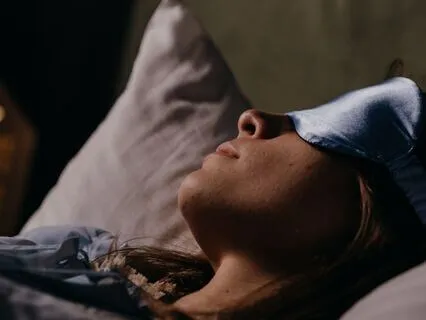
And those of you that it's in the evening and you're ready for a nap or you're ready to go right to sleep,
You can also practice your yoga nidra in bed.
And I will mention quickly,
Some of you have heard me talk about yoga nidra.
It's it says yoga nidra is yogic sleep.
And sometimes that can be an oxymoron because sleep.
It sounds like,
Oh,
Is this a meditation to put me to bed,
To put me to sleep?
And really,
If you're practicing the intention of yoga nidra,
Your body is relaxed and you do your best to keep your mind awake and aware.
So I'll keep talking to you during the yoga nidra,
Which is a guided meditation,
And you'll be invited to stay awake as much as as much as you can.
And if you fall asleep,
Then allow the body to fall asleep.
All right.
So I'm assuming everybody's settled.
Then go ahead and either take a seat.
You can sit on your meditation cushion or if you want to start laying down,
Feel free to do that and close your eyes.
Notice if it's comfortable for you to close your eyes.
If for some reason,
Closing your eyes creates some stress,
Then softly open your eyes and look at one spot.
Like literally,
Maybe look on the ball.
If you're watching the screen,
Maybe you want to pick one of the chakra colors and the banner behind me and just bring a soft gaze with your eyes are open or eyes are closed.
Now begin to watch the breath.
Watch your inhale,
Fill up.
And watch your exhale as you release and let go.
And let me give you about a minute here just to settle into your space.
Connect to your own thoughts.
And notice what you hear,
What you see,
What you feel,
What you taste,
And what you feel all around you.
Scan the body from the top of your head to the tips of your toes.
And notice if you land on any spots that feel tight.
That might be clenching or gripping.
Where can you soften in the body?
Maybe notice if there's any habitual holding up tension in the body.
It might be in the jaw or the neck,
The shoulders.
And if you feel like moving the neck or bringing some movement just to invite the body to let go of any stress.
So in this practice of awareness,
You can train the body,
Train the mind to notice where we might be holding onto tension subconsciously.
We notice it and then we invite it to drop the shoulders down from the ears.
Maybe bring an awareness to unhinging the jaw,
Maybe softly parting the lips,
Bring a softness to the face.
And with your ears,
Begin to hear the sound of your breath.
And maybe you'll begin an Ujjayi breath with your mouth closed as you inhale through the nostrils and exhale through the nostrils.
There's a slight constriction at the back of your throat.
So if you're new to this Ujjayi breath,
You can rest an index finger or your two fingers on your throat with your mouth closed as you inhale.
Kind of feel the skin suck in.
Keep that there as you exhale.
Ujjayi breath in through the nostrils.
Exhale through the nostrils.
Continue this breath.
Notice,
Pay attention.
And in yoga,
We practice not just the physical body.
We also connect to the energetic body,
The subtle body.
The subtle body,
Sometimes it's referred to connecting to the chakras or balancing the chakras.
When we're bringing this awareness to prana,
This life force,
This life force which is within us,
And this Ujjayi breath,
This breath work,
This mindful breath,
It can help circulate that energy and bring that awareness as you inhale,
Expanding and growing and letting that energy fill up all the way to the limbs,
To the top of the head,
To the tips of the toes.
And you exhale,
Release softly.
Empty out anything that doesn't serve you.
So imagine with every single breath,
You're bringing some movement,
This energetic movement to this vitality within you.
This prana within you is the same prana and life force which is in a plant,
Which is in animals,
This life force which is in all beings.
So awakening,
Breathing,
Creating space.
And energetically maybe thinking about,
Is there anywhere right now that you might feel stuck?
It might be an emotional stuckness.
It might be a situation in your life where you feel like there's a block or an obstacle.
Keep breathing and imagine that with your inhale that you're breaking through anything that feels blocked.
Anything that feels stuck.
And as you exhale,
Start to feel the body soften,
Inviting ease,
Inviting softness,
Inviting sukha.
Continue five more breaths.
Feeling this prana flow within you.
Creating this time today,
Mindful movement and stillness to awaken this prana,
Your connection to your body,
To your mind,
To your energy.
And for our theme today,
Bring to mind something that has worked out for you.
And it began from a place that was unexpected or it could have been starting from a place that a door was closed and yet something opened.
So bring some gratitude to that we don't know where each moment is going to take us and to allow us to trust and be in the present moment.
I'll just bring that to mind.
And as you settle into that,
I'll just share one example here.
Because of the pandemic,
I discovered this app,
Insight Timer.
I actually didn't know about this.
I had no interest in practicing online.
I didn't think I would want to meditate or do yoga with people on a screen that just was not in my mind.
And then as I progressed,
I discovered a meditation teacher called David Gee.
And before I knew it,
I became a meditation teacher here.
I met David Gee and I did his meditation teacher training and now I'm on his meditation teacher staff.
And I teach for him online and I teach for him at his nest,
His meditation nest down in Carlsbad.
Would that have happened if the pandemic didn't happen?
I don't know.
But it gives me an example and a reminder that we never know,
We don't exactly know the cause and effect,
But maybe a door opened because of something that I initially judged as bad.
So think about that right now.
If there's something that might be going on in your life right now that you might be judging in a negative way or maybe even feeling like it's wrong.
Tara Brock,
She's another meditation teacher that I love.
She's on here and she's been around way before in Psych Timer.
And one of the meditations she teaches is when you're bumping up against an obstacle or resistance,
Repeat to yourself,
This belongs.
This belongs.
This moment belongs.
Whatever's happening in your life,
This belongs.
It doesn't mean you have to like it.
I'm just right now inviting you to accept what is.
And not thinking about the future,
But maybe trusting.
This is like,
I don't know where this moment may lead,
Especially if it's a challenging moment.
But what if you maybe softened your resistance against it and let go of fighting?
Because what is fighting?
What is that resistance going to do for you?
Is it going to create more stress,
Anxiety?
Just notice.
So for right now,
Allow this moment,
Whatever you're experiencing,
Allow it to belong.
So settle in.
If you have any other intentions you want to set for today's practice,
Go ahead and bring your hands to your heart,
Anjuli Mudra.
Feel your thumbs touch into your heart space.
And whether your eyes are open or your eyes are closed,
Bring your attention to your third eye,
The space in between your eyebrows.
Sometimes you refer to this as a portal,
A portal of your inner knowing,
A portal awakening your inner teacher.
So in a few more breaths of silence,
Bring to mind any intention,
Your sankalpa,
For today's practice.
Breathe into your intention.
And sigh,
Release attachment to outcomes or results.
Let that go.
Do that again.
Connect to your intention.
Let go of attachments.
Touch your thumbs to your third eye.
Bring awareness to gratitude here in this moment.
Acknowledge yourself for showing up to nourish your body,
Your mind,
And your spirit.
And as you exhale,
Bow down.
And let's take our first pose,
Child's Pose,
Balasana.
Our Child's Pose is hands towards the front of your mat.
Knees out wide.
Forehead gently rests on the ground.
And you might wiggle your hips back so your hips reach back towards your bum.
And as you set up your space,
You can choose today if you want to have a blanket ready to put underneath your knees or not.
There is going to be some poses where we drop down to our knees.
And stay here in Child's Pose.
Relax your shoulders.
And notice,
Would you like your palms down or your palms up?
And let go of thinking that yoga has to be a perfect alignment.
Here,
My intention is to invite you into a slow,
Steady breath.
Moving mindfully in your body.
And letting your practice meet your body where it is today,
As it is.
Modifying as you need,
Practicing ahimsa.
And stay here in Child's Pose.
And now walk your arms over to the right.
And bring awareness to what you feel on the left side of the body.
Working the left and right.
Inviting a sense of balance.
If you want,
You can walk your left hand on top of your right palm.
Just notice if that's there.
And if it's not,
Then walk the hands back.
Two more breaths.
Inhale back to center.
Position your legs as you need.
And with your next exhale,
Walk your arms over to the left.
And as you hold this pose,
Position your arms,
Your hands where it's comfortable.
And again,
Maybe resting your right hand on top of your left hand.
Inhale back to center.
And during our practice,
We're continuing this ujjayi breath.
Inhale through the nostrils.
And exhale through the nostrils.
Breathe in.
Slowly shift into a tabletop.
Palms are underneath your shoulders.
Knees underneath your hips.
And set your gaze down onto your mat,
Onto the floor.
And your gaze,
We call this drishti.
Drishti is literally your gaze focusing the mind.
And as you press your hands down into the ground,
Round your upper back up towards the ceiling with your exhale.
Breathe.
And just notice warming up the body.
And as you inhale,
Slowly starting to expand the spine,
Shoulders down from the back.
And move slowly.
You can move as small as you need.
They don't have to be big movements.
Just again,
Notice what's here in your body,
What belongs today in your practice.
And then when you inhale,
Moving into your cow pose.
So do this on your own a few times.
Take it your rhythm.
Take it to the depth that is comfortable for your practice,
For your body today.
And as you move,
Maybe you want to go side to side.
So this is a slow flow class.
It's not a,
An exact yoga sequence.
So give yourself freedom to do anything that feels good here in your body.
So one thing I like is reaching my hands forward.
And sometimes I like to take some little tiny steps.
Many hip circles.
And sometimes a little bit bigger.
I'm noticing I have a little bit of tightness in my right hip flexor,
So I'm not going to go as deep today.
I mentioned this last week.
I finally started working with a physical therapist and brought some awareness to where I'm having some weakness in the body and where I could use some strength.
I'm just bringing that awareness because I'm a little bit out of balance.
So there's all kinds of ways to bring awareness.
To where you might be balanced or out of balance.
And if you've been doing a little bit of freestyle,
Like I was,
Go ahead and come back into your tabletop.
Reach your right toes back and shift forward and back on your toes and just stretch out the arch of your right foot.
And then hold here a little bit by reaching your heel down towards the ground and feel a little bit more stretch in the back of the calf.
And bring that right knee forward.
Reach the left leg back.
Tuck your left toes in,
Rocking back and forth on the arch of the left foot.
Stretching out the arch of the feet.
So as I get older,
I realize how much we need attention on our hands and our feet.
Go ahead and reach that heel towards the ground.
It's not touching.
And just breathe and stretch the back of the calf.
And just noticing what is it that your body would like today.
And come back into a tabletop.
You're going to warm up the body a little bit more in spinal bounce.
Sometimes people call this bird dog.
So I'm going to bring the tops of my feet on the ground.
And then reach your right arm forward,
Left leg back and hold.
Ujjayi breath.
So notice if you start to drop your belly down,
Pull the pit of your belly button up and back towards your spine.
As you keep breathing this Ujjayi breath,
You can start to awaken what's called the Uddiyana Bandha by softly engaging at the belly button.
And as you softly engage that,
Keep breathing more,
Maybe a little bit more up underneath the collarbones,
Expanding.
Then exhale,
Hand and knee down.
And let's take a cat-cow.
Exhale,
Press the floor away from you,
Rounding the back.
Then inhaling,
Drop the shoulder blades down.
And tabletop.
And anytime you need a break,
Take a break.
All right,
Sending your gaze.
Let's pull the pit of your belly button up and back towards your spine.
Feeling that breath,
Filling up a little bit more up into the collarbones,
Side of the body,
Back of the body.
This time,
The left arm is going forward,
Lengthening.
Right leg is back.
Breathe and balance.
And feel like you're pressing the ball of your right foot into a wall or an invisible wall behind you.
Your steady gaze,
Your drishti is on one spot.
Hand and knee down.
Cat-cow.
Notice if the body,
This is a slow class.
I'm not going to say it's necessarily easy.
It all depends on where you are today.
And go ahead and set your gaze down.
We're going to bring a little bit of movement now.
So the same thing,
But we're going to tap the elbow to the knee.
So as you inhale,
Expand,
Keep that core engaged.
As you exhale with control,
Tap the right elbow to the left knee.
Inhale,
Reach,
Lengthen.
Exhale,
Contract,
Empty out.
Two more.
It's almost like you feel yourself.
It's like this engine.
We're pumping this prana within us.
Keep that core engaged.
Exhale,
Elbow to knee.
Hand and knee down.
And take another cat-cow.
Do the same on the other side.
This time with the left arm forward,
Right leg back.
Inhale.
Exhale.
Inhale,
Fill up.
Bring awareness to your core.
Bring that strength at the belly.
Exhale,
Squeeze.
Last one.
Inhale.
Hand and knee down.
Cat-cow.
So you might be feeling some warmth from this inner fire,
This tapas.
It might be more than you realize,
Because the breath work really warms us up from the inside out.
All right,
Now we're going to tuck our toes.
Send your hips towards the ceiling.
Downward facing dog,
Adho Mukha Svanasana.
For this first one,
Bend your right knee,
Bend your left knee.
And go ahead and shake out the head.
And come into stillness.
Open your eyes.
And notice the position of your feet.
If you find that your down dog is really long,
Or if you're shifting forward almost like it looks like a plank,
Maybe walk your feet forward a little bit.
And see if you can create more of an A-frame in the body.
If you're finding this challenging to hold this,
One option is to maybe bring your feet out wider.
That creates a little bit more stable base.
Just notice,
Explore.
All right,
One more breath.
Let's exhale,
Drop down into child's pose.
And just notice how that felt.
So for some of you,
Maybe this was your first down dog.
For some of you,
Maybe it's your thousandth.
But just bring awareness.
How does your body feel?
Notice the breath.
We're going to come back into a downward facing dog.
Let's start in a tabletop.
Tuck your toes.
Pull the pit of your belly button up and back towards your spine.
Look back towards your belly button.
Hold here,
Inhale.
Exhale,
Push your hands down.
Reach your hips up towards the ceiling.
And slowly start to reach the heels down to the ground.
And again,
Notice the position of your feet.
Are you in an A-frame?
Do you want to change the position of your feet?
Keep looking back towards your feet.
And now you're going to walk your hands back to your feet with as much control as you can.
See if you can walk back without swaying side to side.
And now walk your hands forward.
And just notice.
It's a little bit of balance.
Coming back into your down dog.
And then patting one hand at a time.
And see if you can walk the hands back to your feet.
And minimizing the sway from side to side.
Nice.
Now bring your feet hip width apart.
You can bend your knees here.
Maybe a little bit of a bounce.
Hand grabs the opposite elbow.
And sway side to side here in a ragdoll.
Shake out the head.
Stay with the breath.
Shrug the shoulders back one direction.
Shrug the shoulders back the other direction.
Stay here in stillness.
Stay with the ujjayi breath.
Inhale through the nostrils.
And exhale through the nostrils.
Breathe in.
And breathe out.
One more time.
Inhale.
And exhale.
Walk your hands forward.
Coming back into a downward facing dog.
Mindfully position your feet in your hands.
And then bring your big toes to touch.
The inner edges of your big toes touch.
Reach your right leg high.
Breathe.
Come up high into the ball of your left foot.
And press the ground away from you.
Reach the ball of that right foot up towards the ceiling.
Feel the energy from the ground,
The earth,
Up the arms,
Down the spine,
All the way to the toes,
To the feet.
Take one more breath.
Look towards your right thumb.
And slowly start to bring your right knee into your chest.
And keep coming forward.
And then step your right foot towards your right thumb,
The inside of your right thumb.
And then position yourself so that your left knee can be down on the ground if you're using a blanket.
If you're not using a blanket,
Then just set it down.
And then pause here.
Now see how you feel.
So I have a couple of blocks here in my space.
If you find that when you're touching the ground that it might be hard,
That you find your back is rounding,
Maybe grab a block or two.
Let the ground meet you where your body is today.
And even if you don't typically practice with blocks,
It actually can be surprising at how much it can make a difference in your practice.
Just notice.
All right,
With the top of your left foot down onto the ground,
Gently press the top of the left foot down and then lift that left knee up and just drop the hips down slowly.
Just feel what you notice in the top of the left upper thigh.
And then gently,
Mindfully set that left knee down.
Breathe.
So you're not directly on the kneecap.
So position yourself mindfully here.
So again,
Whether you're on blocks or whether you're touching the floor,
Feel the length from your tailbone out through the crown of your head and look at a spot in front of you.
Maybe there's an imaginary dot on a wall right in front of you.
So this is going to be our first one we're going to add on after we do the other side.
All right,
So if you have your blocks,
Go ahead and set them to the side just a little bit.
Tuck your left toes.
And then you're going to slowly step your left foot up and it might take one or two or three or it might take one step and take your feet hip width apart and come into another ragdoll.
Sway side to side.
Shake out the head.
Maybe shake out any worries.
Shake out any concerns.
And when you breathe in,
Breathe in acceptance.
Breathe in patience.
Breathe in grace.
Not grease,
Grace.
Take one more breath in.
Let something go.
All right,
Step back down,
Dog.
So those of you that practice vinyasa,
If you want to take your chaturanga dandasana,
Feel free to do that.
I'm not going to be teaching that in this slow flow class,
But this class is slow enough that there is time for chaturanga dandasana.
Up dog,
Down dog.
All that,
You know that.
Okay,
Balls on your feet,
On the balls of your feet.
Big toes to touch.
Push the ground away from you.
Lengthen the spine.
Breathe.
Ground your right ball of your foot down into the mat and then inhale the left leg high.
Keep pushing the ground away from you.
Reach the ball of the left foot up towards the ceiling.
Pressing the ball of the right foot into the ground.
Open your eyes.
Stay here.
Look at one spot.
Now look towards your left thumb and slowly make your way to step your left foot forward.
And again,
Taking your time to position yourself so you can drop your right knee down.
Top of your right foot down.
And again,
Choose blocks or blocks.
Blocks or not.
So again,
If you're rounding your back here because it's hard to touch the ground,
Then use the blocks.
And maybe your blocks are at a different height.
The blocks are great because you can put them at all different heights.
So choose what might work here for you today.
Okay,
So now that you have the position of your hands,
Feel the top of your right foot down onto the ground and then lift that right kneecap off the ground again.
And just see so that for me that informs me that I want to change the position for my knee.
So hold here one more breath,
Dropping in,
Feeling the length from the top of the right upper thigh and gently,
Mindfully settle that right knee down.
Again,
Position it so you're not directly on the kneecap.
And breathe.
Look at one spot.
So our yoga practice is primarily about focusing the mind,
Calming the mind,
Calming the agitations of the mind.
So literally look at one spot.
Breathe in.
Breathe out.
Tuck your right toes.
Set the blocks aside as you need.
Plant the hands down and then tuck your right toes and then step your right foot up,
Come into another ragdoll.
Again,
It might be one step,
One giant leaf,
Or it might be a couple of steps.
It doesn't matter.
Ragdoll.
So as we add on,
You may or may not want the blanket.
I'm going to actually move the blanket aside because it might.
.
.
This is still a slow flow,
But the blanket sometimes can get in the way when we start to flow through a sequence.
All right.
So now we're going to come into bringing your feet together.
Just whatever's stable.
So sometimes traditional,
You're going to start with the inside of the big toes touching and the heels about three feet apart.
You know,
Sometimes people like to start with two fists side to side,
And that's the width in between your feet.
So notice what feels stable for your legs today.
So the next inhale,
You're going to lengthen your spine in an Ardha Uttanasana halfway.
Lift,
Breathe.
So pause here.
So pause here before we go any further.
See if you can shift forward more into the big toe mounts.
Forward foot.
Let something go.
Do that again.
Halfway lift.
Inhale,
Lengthen your spine.
Exhale,
Bow down.
Let something go.
Inhale,
Sweep your arms up.
Hold here.
Exhale,
Hands to your heart.
Pause.
Close your eyes or look at an imaginary spot in front of you.
Breathe out.
Inhale,
Reach your arms up.
With your right hand,
Grab your left wrist.
Exhale,
Lean over to the right.
Inhale,
Back to center.
Left hand grabs the right wrist.
Exhale,
Lean over to the left.
Back to the center.
Elbows bent at 90 degrees.
Inhale,
Open up the chest and shoulders.
You choose how far to go back.
You choose how far your back bend goes.
Listen.
Exhale,
Hands to your heart.
Pause.
Let's do that again.
Inhale,
The arms up.
Grab the left wrist.
Exhale to the right.
Inhale,
Center.
Exhale,
Lean to the left,
Grabbing the right wrist.
Back to center.
Cactus arms.
Inhale,
Up and back,
Opening up the chest and the heart.
Exhale,
Hands to heart.
Breathe in.
Breathe out.
Feel your feet touching the ground.
Inhale,
Reach the arms up.
This time,
Exhale,
Bow down right to the center.
You can bend your knees here if you want.
Inhale,
Halfway lift,
Lengthen your spine.
Step to a down dog or take your vinyasa.
Your vinyasa might be a high plank to low plank.
Upward dog,
Downward dog,
Meet in down dog.
Big toes to touch.
Reach your right leg high.
Press the ground away from you.
One more breath.
Look towards your right thumb.
Step your right foot forward towards the right thumb.
Position your hands on your blocks or no blocks.
Left knee down.
Top of the left foot down.
Shifting back,
Interlace the fingers on top of your right thigh.
And just notice how deep do you want to go in this pose.
Do you want to bend that right knee more or not?
Now just notice.
There's no competition.
Okay,
Steady.
Eyes,
Breathe.
Now reach the arms up.
Press on the top of your left foot to alleviate any pressure on the left knee.
Press the right foot down into the ground,
Feeling the right thigh fire up.
So both legs are active here.
Top of the left foot pressing down into the ground.
The big toe mound,
Pinky toe mound,
The heel pressing down on the right foot.
Stay looking here forward or consider interlacing the fingers,
Taking a bind,
Releasing just the index finger,
Straighten the elbows.
And if it's comfortable for you,
Maybe sink in a little bit deeper.
Maybe looking up.
Everything is a maybe for you to notice what's showing up in your body today.
Only thing that I request is you stay with it.
Inhale,
Ujjayi breath.
Exhale,
Ujjayi breath.
Bring your hands down to the ground.
Now we're going to shift your weight back into the half splits.
Shifting back.
You're going to keep the sole of the foot down onto the ground first.
Inhale and exhale,
Melt your chest down.
And again,
If you want blocks,
This is a great way for blocks.
Now inhale this time.
You want to keep the heel on the ground.
Bring the foot up,
Inhale.
Exhale,
Melt the chest down.
So some of you,
If you're a practiced yogi or whatever you are in your practice,
You might be coming into the full splits.
You might slide your right foot forward and your left knee back.
Just be mindful.
Notice what's here.
If this is your first practice of the day,
We're still warming up the body.
With your next inhale,
You'll slowly bring the sole of the right foot down onto the ground.
Tuck your right toes or tuck your left toes.
Plant your hands down and then step your right foot back into a down dog.
Shake out the head.
And again,
Knowing you can take a break anytime you need.
This is actually a nice place,
If you want.
You don't have to,
To come into a child's pose.
Otherwise,
Stay in downward dog.
All right.
If you're in the child's pose,
Go ahead and meet in down dog.
Step your big toes together.
We're going to do the other side.
So on the balls of the feet,
Push the ground away from you to create that nice little upside down V,
That A frame.
And then inhale the left leg up.
As you press the ground away from you,
Reach the left toes,
The ball of that left foot up towards the ground.
Activating that right thigh by pressing the ball of the right foot into your mat.
Take one more breath here.
Look towards your left thumb and step your left foot forward into a low lunge.
And gently set your right knee down.
You can grab your blocks as you need.
And as you push your left foot down into the ground,
Lift your torso up,
Interlace your fingers and rest them on top of your left thigh.
So I'm showing progressions.
So you can always stay here instead of reaching the arms up or coming back into a back bend.
And notice,
And maybe you're bending the left knee a little bit to see what is the appropriate depth on this side for your body this morning.
This is my side,
My right hip flexor that's throwing a little,
Asking for a little TLC this morning.
So I'm going to pay attention to that.
So again,
At the top of the right foot down to the ground,
If you press down onto it slightly,
You'll start to fire up the right thigh,
But it also lifts the pressure up off your right knee.
So right here,
Might not look like you're doing anything,
But let's fire up these muscles.
Sole of the left foot,
Big toe mound,
Pinky toe mound,
The heel of the left foot pressed down into the ground.
Stay here with your hands on your thighs or reach the arms up.
And as you hold this pose,
Notice if you'd like to bend that left knee a little bit more or not.
And just notice,
But keep that left foot active.
There can be a temptation to like sink deeper,
But then you stop working that left thigh,
But keep that left foot actively pressing into the ground.
I know it might be harder.
All right,
Pause here.
Notice,
See how you feel.
Look at one spot.
If you would like palms together,
Interlace your fingers,
Create a bind.
Stay where you are or maybe gently going up and back with your next exhale,
Slowly plant the hands down to the ground.
Tuck your right toes,
Step your left foot back into a vinyasa or down dog.
And if you don't know what I'm talking about,
What is a vinyasa?
It would be doing a high plank to a low plank and then coming into an upward facing dog and a downward facing dog.
So that's an option.
So another option here is coming down into child's pose.
And you might be feeling a little bit of warmth,
A little bit of heat here.
You're doing great.
All right,
We're going to start working down onto our belly.
We're slowly going to start working into yoga nidra.
Now we are going to come into some heart openers.
We're going to come into something called salabhasana or locus pose.
So lay all the way down onto your belly.
And let's start with taking a rest.
Relax the arms,
Take your left cheek down and breathe.
Back to center,
Rotate your head to the other side,
Right cheek down,
Breathe.
Back to center,
Forehead is down.
Now place your palms down flat on the floor next to your mid thigh,
Halfway down your thigh.
Press your hands down,
Press the tops of your toenails down into the ground.
So before you lift the chest up,
Lift the front of the pelvis up towards the belly button.
Feel like your tailbone is reaching back towards your heels.
And now without pushing the hands down into the ground,
Lift up with the strength of your back.
And now relax the hands.
Reach your fingertips towards the wall behind you.
Breathe.
And then slowly let the legs lift off the ground.
Coming into your superhero pose.
I always think about this as flying like a superhero.
This is salabhasana,
Locus pose.
And as you exhale,
Softly take your cheek down and your palms can face up.
Let the shoulders round forward and take a few breaths of rest.
All right,
Let's do another salabhasana.
Forehead to center.
So the position of the feet,
The toes might touch or they might be separate.
Just notice what's better for your back today.
Palms are down.
Reach your tailbone back towards your heels.
Lift up your chest and feet off the ground.
Stay here,
Or if you want,
You can interlace the fingers and create a bind.
A little bit more of a shoulder opener.
And this is a back bend,
A heart opener.
And then exhale,
Take your other cheek down.
Take a rest.
Forehead to center.
Clench your hands underneath your shoulders.
Press back into a child's pose.
So some of you that have a back bend practice,
If you want to come into bridge and to wheel or an ustrasana or a camel pose,
Feel free to do that.
But we're going to stay here and like slow down the breath here a little bit longer.
I know some of you,
You might be feeling the heat,
Everybody experiences this type of practice with a different experience of exertion.
Slow down the breath.
One more breath.
So those of you in vinyasa,
You do your thing.
Do your back bends as you choose.
Right back to tabletop.
Tuck your toes and your hips up for a down dog.
Bring your big toes to touch again.
Reach your right leg high.
This time bend your knee,
Open up your hip and rotate through your right hip joint.
Just slowly moving through the right hip joint.
Coming into external rotation and then rotate slowly the other direction.
Internal rotation in the right hip.
And then reach your right leg up towards the ceiling.
Look towards your right wrist.
You're going to swing your right leg forward so that your shin is roughly parallel towards the front of your mat.
But I don't like to say parallel.
Facing the front of your mat.
And then your knee is roughly behind your right wrist.
All right,
Lift up your chest.
Lift up your heart.
The top of your left foot is down or you can tuck those right toes to straighten out that leg.
So choose.
Relax that left leg down.
If you can't do that today,
That doesn't serve you.
With your next exhale,
Hinge at your hips.
Bow down and let go.
Take two more breaths.
Still in Ujjayi breath and maybe slowing it down a little bit more.
With your next inhale,
Press your hands down.
Lift the torso up.
And then tuck your left toe Step your right foot back into a down dog.
Pedal out the legs.
Shake out the head.
I kind of like to shake out my right leg.
It's just something I do.
Just notice what would feel good in your body.
Big toes to touch.
Create that A-frame.
That upside down V.
And then reach your left leg high.
Bend your left knee and rotate through the left hip joint.
And go slowly.
And see if you can notice when you rotate the other direction and people are moving their ankle.
Keep the knee bent and moving in the hip joint.
And then reach your left leg up.
Look towards your left hand and then take your time as you bring your left shin forward.
Your left knee again.
Maybe roughly position behind your left wrist.
Position your back leg.
Reposition by tucking the toes.
Close your eyes.
If you can,
You're ready to release.
That doesn't serve you.
Then exhale,
Bow.
And let it go.
Let go of attachments.
Now hold here.
Five more breaths.
Not seeing any tension.
Notice if you're clenching.
Relax the jaw.
Relax the corners of your eyes or anywhere on the face and the forehead.
The space in between the eyes.
Breathe in.
Breathe out.
Lift your torso up with your inhale.
And then slowly tuck your right toes and step your left foot back.
And then whatever would feel good on your left and right sides.
Then go ahead and set your knees down.
And then cross your ankles on top of each other and come in as Tukasana.
It doesn't matter which shin is in front.
Bring your palms together.
Anjali Mudra.
Relax your shoulders.
Feel your sits bones root down into the earth.
So before we lay down into our Yoga Nidra,
Open your eyes.
You bring to mind your Sankalpa today.
Your intention.
And for our Yoga Nidra today,
You're going to be invited to repeat an affirmation to yourself.
So bring to mind a word or an intention and word it in the positive.
So let's say you want to be relaxed today.
Your affirmation would be I am relaxed.
Or maybe you want to feel like you belong today.
Just like our theme at the opening of the class.
Maybe your affirmation today is I belong.
So bring that to mind.
And then slowly start to work your way on your back.
Get everything you need to be comfortable for this Yoga Nidra.
Sometimes a bolster or rolling up a blanket underneath your knees is a nice option.
Sometimes a pillow behind your head.
Maybe turning off the lights.
Just doing everything to be comfortable.
You can put a blanket on top of you.
I'm going to start here with you laying down just to show you the setup and then I'll sit up for this guided meditation.
Take your time.
So you're in the shape of Shavasana.
And the difference between Shavasana and Yoga Nidra is in Shavasana we like to actually offer as much silence as possible.
Alright,
So are you set up?
So we're going to start with a little bit of Shavasana.
Just notice how you feel.
Rotate the head side to side.
And then before we totally settle in I'm noticing I feel like I would like to invite us into a twist.
Bring your right knee into your chest.
Keep your left leg long.
Bring your right arm out and gently twist your leg over to the left side.
It doesn't have to go very far.
So it doesn't have to touch.
Sometimes you see people touching all the way down to the ground and flopping.
And it doesn't actually matter.
Just as soon as you start to feel the outer hip or you start to feel the twist of the spine.
Stay here a couple of breaths.
And then you'll slowly come back.
Let's switch legs.
Right leg is straight.
Holding on to your left knee.
Left arm is out.
Inhale and exhale.
Slowly twist over to the right.
And your back to the shoulders.
They might be flat on the ground.
Just notice.
And it's okay if they're not.
And now when we come back have both knees into your chest.
All right,
So you tested out your Shavasana.
Is there anything else that the body would like before you choose to be here as still as possible?
We're going to be here for about 10 minutes.
Maybe a little bit longer.
Go ahead and close your eyes if that's comfortable.
And you can start to soften that Ujjayi breath.
You can begin to let that go.
Scan the body.
Notice if there's any tension you might be holding on.
Two at the top of the head.
Scanning all the way down to the tips of the toes.
And take five breaths to observe and notice.
All right,
As you inhale,
Expand.
As you exhale,
Let something go.
Now bring to mind your Sankalpa,
Your affirmation today.
And repeat it to yourself five times.
As I'm feeling my discomfort in my right hip,
My right hip flexor,
The affirmation I am choosing for myself today is I am healed.
And I'm also choosing and I'm also bringing awareness to what do I need to do to make myself as comfortable during this meditation,
Leading this meditation.
It's important for teachers and students to be mindful in the position of our body.
And repeat your affirmation to yourself one more time.
So in Yoga Nidra,
You're going to hear me guide you and as I mention a body part,
This is called rotation of consciousness.
Just notice the body part and then you'll move on from body part to body part,
Keeping the mind awake and aware.
And will you keep your body as still as possible?
Notice the weight of the back of your head.
Notice the weight of your upper back and the back of your shoulders.
Notice the mid back,
Low back,
Hips,
Legs.
Notice the weight of the right heel.
Notice the weight of the left heel.
Notice the weight of the right arm.
Notice the weight of the left arm.
Notice your entire body,
Touching the foundation underneath you,
Reminding yourself you're in a state of Yoga Nidra.
You'll keep your body as still as possible,
Your mind awake and aware.
Notice your forehead,
Right eyelid,
Left eyelid,
Right eyeball,
Left eyeball,
Corner of your right eye,
Corner of your left eye.
Right cheekbone,
Left cheekbone,
Right side of your jaw,
Left side of your jaw.
Notice the nose.
Travel down the bridge of the nose.
Notice the tip of your nose.
Now watch your inhales through your nostrils.
Watch your exhales through your nostrils.
Notice what you feel.
Notice the temperature.
Notice the sensation in the right nostril.
Notice the sensation in the left nostril.
Notice the breath in both nostrils.
Notice the upper lip,
Lower lip,
Inside of your right cheek,
Inside of your left cheek.
Notice the teeth,
The eyes,
The upper gums,
The lower gums,
The tongue.
Notice the tongue.
Does it feel tight?
Does it feel full?
Does it feel hard?
Does it feel soft?
Notice your tongue.
Notice the inside of your mouth.
And notice what you taste.
Travel your attention to your right ear.
Notice the outside of your ear,
The inside of your ear.
Notice what you feel.
Notice what you hear.
Travel to your left ear.
Notice the outside of your left ear,
The inside of your left ear.
Notice what you hear.
Notice what you feel.
Notice your left ear.
Travel your attention to your chin.
Notice the bones.
Notice the softness.
Notice the bones as you travel from the chin up to the right jaw.
Notice the bones as you travel from the chin to the left jaw.
Notice the bones of your face.
Notice your skull.
Notice what you feel.
And notice the skin.
Notice the skin surrounding the entire face.
Notice,
Does it feel tight?
Or does it feel loose?
Notice your face.
Notice your entire face.
Breathe in.
Breathe out.
Feel the weight of your head.
Breathe in.
Breathe out.
Travel down your throat.
Notice the throat.
And notice your throat as you inhale and exhale.
Do you notice movement in the throat?
Does the throat feel open or closed?
Do you hear a sound as you breathe?
Notice what you feel and sense at the throat.
Travel your attention down to the heart.
Watch the rise and fall of the breath.
Watching the chest rise with your inhale.
Watching the chest lower with your exhale.
Notice the bones of your collarbones.
Are they hard?
Are they soft?
Notice the bones in the front of the chest.
Notice the breath in front of the heart.
Notice the breath behind the heart in the upper back.
Notice the breath on the right side of the heart.
Notice the breath on the left side of the heart.
Notice the entire heart space.
Notice,
Does it feel tight?
Does it feel clenching?
Does it feel soft?
Does it feel open?
Does it feel closed?
Notice your heart.
Bring your attention to your sankalpa,
Your affirmation today.
Focusing on your heart space.
Focusing on your heart's desires.
And repeat to yourself your affirmation in the positive sense five times.
You can repeat it silently.
You can repeat it out loud.
And repeating to yourself,
I am in a state of yoga nidra.
My body is completely still.
My mind is awake and aware.
Repeat to yourself your affirmation one more time.
I am.
And what is your word?
As we complete this yoga nidra,
Observe the rest of the body,
The right side of the body,
The left side of the body.
Notice the weight of the right arm,
The weight of the left arm,
The weight of the right leg,
The weight of the left leg.
Notice everything touching the ground with the back of your body.
Notice the skin surrounding the top,
The bottom,
The sides of the body,
The front of your body,
The back of your body.
Notice the skin around your entire body.
Notice the breath.
See the lungs expand from the inside out,
Pressing up against the ribcages,
And see the ribcages relax as the lungs release the breath.
Notice the belly rise and fall.
Bring awareness to the organs inside the body.
Noticing the softness Noticing any tightness.
Breathing from the inside out.
Noticing your whole body,
Top of the scalp,
Soles of your feet,
Front of the body,
Back of the body.
Notice the whole body.
Notice the whole body.
Repeat yourself.
I am whole.
I am complete.
I belong.
I am whole.
I am complete.
Take a moment,
And another minute of silence,
And settle into what you notice and observe.
Gently bring your awareness to your third eye,
That space in between your eyebrows,
And awaken to your inner knowing,
Your inner wisdom.
Connect to your divine connection,
Divine guides,
And listen.
What is there for you to pay attention to now?
What message?
What wisdom?
In these next few breaths of silence,
Notice and listen.
In these next five breaths,
I'll count the breaths with you backwards,
And once we get to one,
You'll softly flutter your eyes open.
Inhale five,
And exhale.
Inhale four,
And exhale.
Make your breaths bigger.
Inhale three.
Empty out completely.
Exhale.
A little bit bigger.
Inhale,
Expand two.
Exhale.
Empty out.
Your biggest breath in.
Flutter the eyes open.
Inhale one,
And sigh out.
Place your hands on your heart,
And keep your eyes open.
Open your eyes.
Invite clarity.
Feel yourself touch into your heart space.
Breathe in gratitude.
Exhale compassion,
And feel your word.
Feel it in your heart,
In your body,
Your mind,
In yourselves,
In your way of being.
Go ahead and take a seat and rise up.
Bring your hands together in Anjali Mudra,
And join me in one Aum.
Start with an inhale.
May I walk through this life with conscious awareness,
Compassion,
And loving kindness.
Together we bow down in thanks.
Thank you for joining me.
Namaste.
I hope you enjoyed this episode,
This recording of Insight Timer Live.
Check out the episode notes.
You'll see the link where you can follow me on Insight Timer,
The link to this specific Sacred Sunday series,
Which is every Sunday,
Most Sundays,
Every week,
At 9 a.
M.
Pacific Standard Time,
Or 12 p.
M.
Eastern Standard Time.
May you be well.
May you be healthy.
May you be happy.
May you be safe.
Thank you for joining me today.
Peace out.