At one time or another,
I suspect we have all tried to change someone for the better,
According to us,
Of course.
We may have even thought it was our job,
Our duty,
Or our responsibility,
As their relative or as their friend,
To help them.
" So,
We rehearsed different ways to say what we thought they needed to hear,
And we drafted the perfect approach in our heads,
Convinced that this time they will get it.
That if we just showed them enough patience,
Compassion,
And generosity,
They would not only change for the better,
They would also be eternally grateful for our contribution to their growth.
If you have ever tried to change someone,
You were probably disappointed when they didn't cooperate or listen,
And you may have even gotten upset with them for refusing to go along with your brilliant plan.
Trying to control someone is not the same as loving or caring for them.
I'm going to say it again,
Trying to control someone is not the same as loving or caring for them.
Buddhism says that each of us is here on a unique journey shaped by karma.
Modern psychology says that each of us is here shaped by patterns formed in early childhood,
As well as nervous system responses wired and ingrained long before you showed up with your good intentions and carefully chosen words.
Your head to look at someone else and judge them for being out of alignment,
You yourself,
With your turned head,
Are out of alignment.
And in life,
When your ego assumes responsibility for changing others,
You abandon responsibility for yourself.
And that's where resentment,
Burnout,
And emotional exhaustion comes from.
If that sounds familiar,
Don't blame anyone else.
Mindfulness invites us to notice our impulse to manage someone else's emotions,
To handle their reactions,
Or to take charge of their evolution.
But once we become aware of our tendency to do that,
We finally see that peace does not come from fixing,
It comes from accepting what is.
To be clear,
Acceptance does not mean approval.
It simply means recognizing what is within our control,
And gently releasing what is not,
Again and again,
With compassion for ourselves and for others.
Later,
We all understand that micromanaging people is not a path to peace,
Even if they are your grown kids,
Your parents,
Your spouses,
Or your best friends.
The moment you expect your kindness to change someone,
You turn your generosity into a transaction,
And then you wait around for a return on your investment.
But true compassion respects autonomy,
It does not try to engineer outcomes.
I'm going to repeat that as well.
At our monthly discussion circle about this topic,
One of the first questions was from a woman who wanted to know if trying to get her husband to eat healthy because she loves him was trying to control him.
The answer,
Of course,
Is a resounding yes.
Many of us mistake control for love.
Again,
Respect people's autonomy.
That's love.
The questions about control and love spiraled from there.
If they are about to make a bad investment?
What if they are about to make a mistake?
What if they are dating the wrong person and will eventually get their feelings hurt?
Again,
Stop trying to control people,
Especially when they don't ask for your help or your insight.
If their behavior is harmful to you,
Then control whether or not you keep them in your life and in what capacity,
But don't try to control their actions.
It doesn't matter how good your advice may or may not be,
You can't give by throwing.
Alcoholics Anonymous and any recovery program is not for the people who need it,
It's for the people who want it.
You might think someone's drinking is the problem,
But they see it as the solution to a problem you don't see or even ask about.
That's why Al-Anon exists,
Which is not for addicts,
It's a support group for people with loved ones struggling with addiction.
You can gently ask someone if they think their habits are problematic or detrimental to their well-being,
And even if they do,
Ask whether or not they want help.
But if you push someone,
You ultimately push them away.
Whether you are trying to get them to eat more broccoli,
To stop drinking,
Or to date someone you think is better suited for them,
Your task is not to reshape the people in your life.
Do not exhaust yourself trying to change what is not yours to fix.
Note the difference between when you give to others from a place of love,
And when you give from a place of hope that they will change.
Again,
Trying to control someone is often mistaken by many as a way to convey that they love them.
So,
Don't be too hard on yourself for holding on too tightly.
It is very common to mistake attachment and control for love,
But they are very different.
So,
Tend to your own values and put down the weight that was never yours to carry.
Buddhism does not merely honor everyone's path,
It also respects each person's journey,
Their methods,
And their pace.
As various philosophical and spiritual teachers have said,
Once you truly awaken,
You will have no interest in criticizing those who sleep.
Your judgment will be replaced by compassion.
So listen to this track as often as you need to,
But here is the relief you didn't even know you needed.
You can stop trying to fix other people.
There's plenty of work that we all need to do on ourselves,
Starting with getting over this need-to-fix-others bug that's been going around.
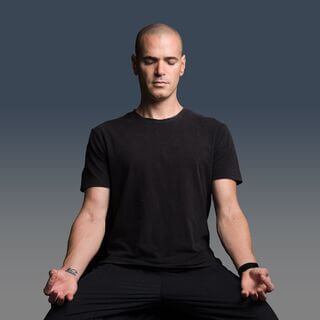
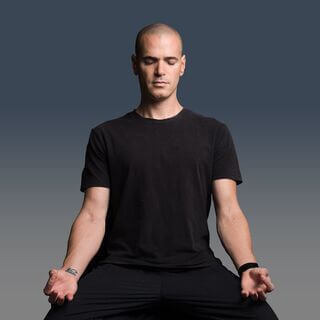
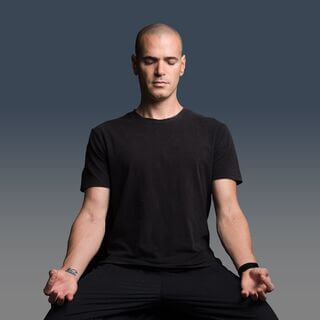
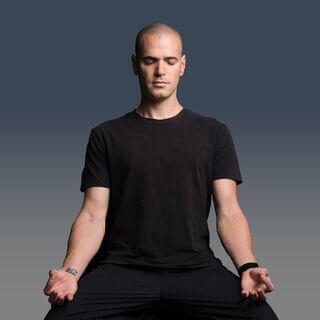
Set a meditation timer for yourself for a few minutes and sit down with this information for a while.
Trying to control someone is not the same as loving or caring for them,
And true compassion respects autonomy.
It does not try to engineer outcomes.