Hello and welcome to Life as it is.
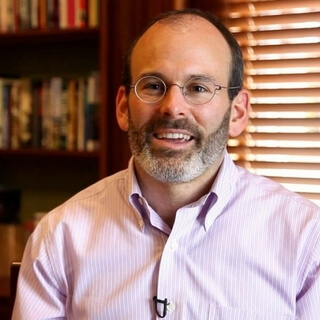
I'm James Shaheen,
Editor-in-Chief of Tricycle the Buddhist Review.
Today,
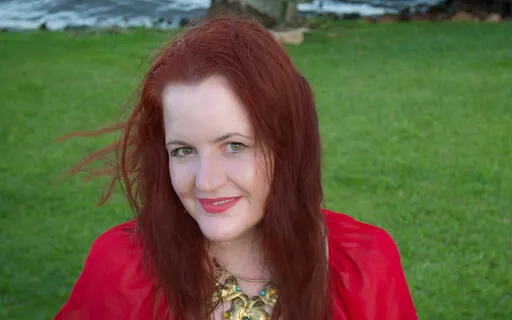
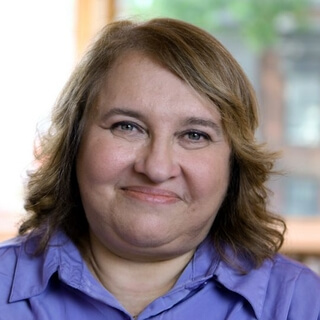
My co-host Sharon Salzberg and I are joined by Catherine Burns,
The longtime artistic director at The Moth,
A nonprofit dedicated to the art of storytelling.
For Catherine,
Listening to stories can be a way of cultivating empathy and healing from trauma.
Over the past 20 years,
She has helped hundreds of people craft their stories,
Including a New York City sanitation worker,
A Nobel laureate,
A Jaguar tracker,
And an exonerated prisoner.
In today's episode of Life as it is,
Sharon and I sit down with Catherine to talk about how to tell a good story,
How we can break free from harmful narratives,
And how stories can help us find community in the midst of isolation.
So I'm here with Catherine Burns and my co-host Sharon Salzberg.
Hi,
Catherine.
Hi,
Sharon.
It's great to be with you both.
Hi,
I'm so thrilled to be here.
It's great to see you.
Okay,
Catherine.
So you work as artistic director of The Moth,
A nonprofit group based in New York.
It's dedicated to the art of storytelling.
To start,
Can you share a bit about the history of The Moth and how you came to be involved?
Sure.
Well,
The Moth was founded 25 years ago by a man named George Doss Greene.
He's a writer.
And he grew up in a little island off the coast of Georgia called St.
Simon's Island.
And he and his friends would sit around on his friend Wanta's porch,
And they would tell stories and drink bourbon and play cards late into the night.
And they would tell these long lingering stories to each other.
And years later,
He moved to New York City.
He found that everybody was speaking in soundbites,
And that nobody was really listening to each other in a deep way.
And so he decided he wanted to recreate that feeling of being on the southern porch here in New York City.
And so he invited 100 friends over to his apartment,
And five people were chosen to tell a story.
And that was the beginning.
And it's now been going on for 25 years,
And the shows happen all over the world.
I discovered The Moth when I moved to New York City in 2000.
I had friends who were coming at the time,
It was a little bit of an underground thing.
It wasn't national,
There wasn't a radio show or a podcast,
It was just a live show here in New York.
Just fell madly in love with it.
I was working in TV and film.
And even for a small indie film,
It could take 15 people in the room to tell a story.
And so to come and to hear the story from the person that it happened to,
A simple stage,
Simple as lighting a single mic,
It was a revelation to me.
And I just became obsessed as you're going to every show.
And eventually,
One of the two employees at the time quit.
And I raised my hand and ended up getting hired.
And now it's 20 years later for me.
Wow.
So I understand you have a hotline where people can call and pitch their stories,
And you typically get 500 stories a month.
What are those stories like?
And what do you listen to or listen for in a good story?
There's so many stories.
I'll tell you what we don't love on the hotline is when people call and do cliffhangers.
Like,
Call me back and I'll tell you what happened.
Because we find that we call people back,
Nothing happened.
So now we actually will call people back if they say that.
It's a variety of things.
We look for stories or like everyday stories,
But where maybe there's something a little bit unique about it,
Something maybe we haven't quite heard before.
We look for stories where the person is clearly willing to be vulnerable and to tell on themselves,
As opposed to stories where they're bragging about winning the day or being the hero.
We look for stories where people are willing to admit that they stumbled or just admit that they had feelings about something and be honest.
We want people to be willing to dig deep.
And so a lot of stories from the pitch line have gone on to the main stage of radio show.
I guess my all time favorite is from Cynthia Riggs,
Who was a woman who called the pitch line at the time was in her 80s.
And having had a career as an oceanographer,
She had gone back to school and learned to be a mystery writer and was now a bestselling mystery writer in her 70s and 80s.
And she received a packet in the mail from a man who she had worked with years and years before,
60 plus years before,
And they had been friends and they would write cryptograms out for each other.
It was not so long after World War II.
And so he had saved all their cryptograms,
Which were drawn on paper towels for 60 plus years.
And he sent them the tour in a packet and the top one was a brand new one,
Which when she worked it out,
Said,
I've never stopped loving you.
And so her mastery actually ended with her on the brink of going to see him.
Her arc was not so much about finding him again,
But about her willingness to open her heart to someone because she had been married to a fairly abusive man for a lot of her younger life.
And so for her to be able to trust again.
But the spoiler alert is that she did go to meet Howie and they met,
He proposed within two hours and they ended up being married for five or six years until she died in his arms.
Now,
Something like that is very special.
That doesn't happen every day.
But we've had really incredible people call the pitch line.
It doesn't have to be that traumatic.
The most important thing is to just call and tell a story that really matters to you and to speak from your heart.
You know,
I just had a quick question.
You know,
Sometimes there can be a competitive element to it.
A friend of mine who used to tell stories at the Moth won what you call the Grand Slam.
Now,
I never asked him what the Grand Slam was.
But recently I just started listening again.
He's no longer with us,
But I began listening again.
They were very vulnerable,
Sort of heart rending stories that he would tell.
What is the Grand Slam?
Is there a competitive element to this?
There is.
So early in the Moth's history,
Around 2000,
The Moth was about three and a half years old.
All of a sudden,
There were just a lot of people,
Especially in New York City,
Who wanted to tell stories.
And there's way more than slots on the main stage,
Which is our flagship series where we actually go and invite five people to tell a story.
We actually work with them on the story.
Sharon is one of our main stage storytellers.
Shout out to Sharon here.
And so she told a very wonderful story that you can listen to on our website.
So we decided to start an open mic story slam competition.
It started in New York.
And if anyone can go and you can put your name in a hat and if your name is picked,
You have five minutes to tell a story.
And judges are just randomly picked from the audience and they vote.
So we hope it's in the spirit of love.
The competition helps people actually prepare.
Because if you know you're going to judge,
People tend to prepare a little bit better.
Once we get 10 winners in a city,
They then go on and we have a Grand Slam championship where the past 10 winners compete to be that city's reigning Grand Slam champion.
Those are really fun shows.
What was transformative for him?
Who was your friend?
His name was John Reed.
We just called him Reed.
Yeah,
We were so sad when he died.
Yeah,
That was very sad.
But no,
It was transformative for him to tell his story and to be vulnerable in front of this large group of people.
Yeah,
He was amazing.
His stories definitely live on.
Right.
So yeah,
That brings up another question.
But before I get to that,
Yes,
Full disclosure,
I am a proud Moth Storyteller.
And various people,
Including people like Mark Epstein,
Who in the tricycle world knows very well,
Would say to me,
You've got to do it,
You get trained.
It's like this really special kind of training,
Which was true.
And because of my meditation background,
I believe so strongly in a path that there's a craft of things that we can learn to be better at them.
We can find the things we treasure more accessible if we learn how to pay attention differently and so on.
So I was really,
Really excited.
One of the things that happens is that every storyteller is paired with a director to help them shape their story.
And you are my director.
You are my director,
My only director.
Can you share more about how you coach people through telling the stories?
Yeah,
So it's a process that's evolved over time.
For a long time,
I was the Moth's sole director for a number of years.
But thank goodness now there's,
I think,
Nearly 10 of us who do it.
So it's spread out a little bit.
But when I work with somebody,
The first thing I do is either get on the phone with them or in person and just ask them a million questions.
I'm trying to figure out the biggest stories in their life or the stories that have the most meaning to them.
If it's someone like Sharon who has many books and she's written extensively about her life,
I'll try to go read them and to just come in with as much knowledge of the person as possible.
And then I just start asking them questions.
I mean,
Sometimes I might know exactly what story I want them to tell,
But other times I have no idea.
And so I'll say things to them like,
What are the stories as a result of this happening to you?
Maybe you saw the world a little bit differently,
Made a change in your life,
Or there was some shift in you,
Or there are stories about a tough decision you had to make and how you made it.
We look for stories where the person at the beginning of the story and the person at the end of the story is a little bit different.
This is one of the things that makes the Moth different from like a TED Talk,
Which is more of like an essay.
Also if somebody's really stuck,
I'll say,
Well,
What are the stories that your friends ask you to repeat to their friends when you meet them?
Or what are the stories when you have like a new friend or boyfriend or girlfriend that you can't wait to tell them?
Because we all have those,
Even if people think they don't.
I'm looking for those stories because some of the times stories like that are a little bit anecdotal.
Like they're just like a fun thing that you might tell in a bar.
But I find that usually if you dig into it,
There's a reason that the person tells that same story over and over.
And if you just ask enough questions,
There will be something in that story that reveals something about you that's bigger that you might be willing to talk about.
Then once we determine what story the person's going to tell,
I would like to send someone an outline of their own story.
That might sound weird,
But I find even with like seasoned writers,
It can be easier to respond to a stranger's outline.
It is to have to produce your own.
People can get overwhelmed by it.
And also my writers tend to want to write everything out and overwrite.
I don't love people to be on the page because I find once they're on the page,
They can get a little written and married to their words.
And we want this to be a very spoken thing.
Then once we agree on the basic outline,
I just have them run the story.
It depends on the person.
Sometimes they might run it only once or twice.
We have people who want to run it every day.
Ultimately,
This is something that distinguishes them off from a lot of other storytelling organizations.
We have a group rehearsal where everybody who's doing the show comes together along with members of the Moth's artistic team.
And they tell the stories to each other and to our team just to get a chance to say it in front of a little mini audience.
And then they go on a day or two later and tell the story on stage in front of a live audience.
We always record the stories live.
And is it something that happens?
Can you almost describe it in a visceral way?
How do you know when a story will likely be a significant offering?
No one's ever asked me that before.
And after 20 years,
I love it.
I have to think about it.
I feel like something sort of lights up in me when I hear a story that I think could be the one.
I mean,
I've heard so many stories after doing this for so long that when I hear something that touches on something I haven't quite heard before or feels like a new,
Very personal way to tell something,
That's what I'm looking for usually is something that feels fresh to me.
Because if it's fresh to me,
It'll be fresh to our audience.
It doesn't have to always be this way.
But when it's a story that's about the person,
But it also speaks to something bigger.
So like the story that you told about going to India and just being determined to stay there and then to your great chagrin,
Finding yourself back in the US expected to teach.
That was something that I felt like people really needed to hear.
This was something that was all supposed to happen.
And so I love how your personal story also told a story that I feel like people don't often know from that movement that happened that you were one of the leaders of.
And it also true that the story could surprise the person?
Oh,
100%.
And actually,
That's one of my favorite things.
It's when I start working with someone and they've always thought of the story in one way,
But just the process of telling it to me or to one of our directors and having us ask questions,
Suddenly,
They see a whole other side of it.
Either they could see the other person's point of view,
Or maybe it's a story where they blame themselves and in telling it and having to dig into it,
They realize that they have compassion for themselves.
We see that a lot where people suddenly can have empathy for their younger version of themselves as they're telling a story or empathy for a younger version of their mom.
And it can be a really healthy thing.
The process of telling a story can change over time.
One of our rules of the moth is if somebody tells a story and years later,
Even if we spent tens of thousands of dollars turning it into a radio show,
They can call us and say,
I want the story down and we'll take it down just like that.
No questions asked,
It's gone.
Because turning people's lives into art is messy and people sometimes change their mind about how they feel about things.
But we've had a lot of people,
Particularly interestingly,
Guys in their 20s,
Tell stories about their fathers being really difficult.
And then suddenly in their 40s,
Make peace with their father.
Maybe when the father became a grandfather,
Different things happen and all of a sudden they really don't want that story out there because they would just tell it completely differently now.
And we always respect that.
As sad as we are sometimes to lose a story well told,
It's also wonderful for us to watch members of our community evolve over time.
And that means sometimes shifting the way the stories live in the world.
There are stories,
Of course,
We tell about ourselves.
This is what my life is about,
This is who I am,
This is what I can do.
But there are also stories that others tell about us.
And sometimes we get trapped in those narratives.
How can storytelling help us get some distance from those harmful narratives about ourselves?
I've seen it again and again,
The magic of it.
And if we can change our thoughts,
We can ultimately change,
Completely change the story.
I had a long conversation recently,
Who was it with?
It was Roseanne Cash about this idea that in working through your own story,
It almost feels like you can literally change the past.
I mean,
Not in some wah-wah way where the multiverse,
But the multiverse that lives in our hearts and heads in the sense that we can have a very different relationship with our past depending on what story we tell about it.
And I've just seen it transform people.
I've certainly seen it transform myself.
I mean,
I've done a lot of thought work in recent years where you look at the facts of something and then you write down your thoughts and you find always that your thoughts lead to certain feelings and those feelings lead to action.
And if you could just practice new thoughts,
You really can change outcomes for yourself.
One of the things that works for me is to just try to change the thought just a little bit.
People sometimes want to change it all at once and that just isn't going to work because it's just fake.
But if you can just shift it a little bit,
Like almost give your thought the benefit of the doubt or something,
You can really transform things.
I mean,
It's definitely changed the way I've seen some of the actions of my parents when I was a child.
And it's helped me forgive things from my past that I felt like I did that were unforgivable that now I just see myself as a kid reacting the only way I could in that moment or trying to protect themselves.
It's something that people talk about a lot where often our bad habits are things that actually did serve us at the time.
They actually worked to save us from pain.
And the problem is we just hang on to them after they're no longer serving us.
And so you have to teach yourself that they're really not serving you.
What about with trauma?
How do you see storytelling helping us heal from trauma?
Because one of the things that people talk about in terms of trauma is two common,
Almost extreme reactions,
One is saying nothing.
We just don't tell those stories.
They're too uncomfortable.
They're fighting for us.
And we don't want to frighten someone else.
And then there's that compulsion to tell that story again.
It's almost like we can barely believe it's true ourselves.
And we feel like somehow if we can tell it again,
And somehow get kind of affirmation,
It's like,
Oh,
Yeah,
The world did go that way that happened.
Yeah,
We've had a lot of people tell some stories about very traumatic things have happened.
And it's interesting also,
If we talk a lot about like,
Are people ready to tell their story?
Because sometimes somebody might be ready right away after something difficult happens.
But it might take another person 10 years to be ready.
Somebody else might never be ready.
And that's actually okay.
One of the heartbreaking things I see is somebody won't be ready to tell their story.
And they think that means that whatever happened to them has defined them.
But not necessarily,
It might just be that you need to be patient with yourself and your brain is going to need time to process it.
We have like sort of our signs and stuff that somebody's not ready.
If they blow off calls,
They forget that we're supposed to meet,
Forget,
You know,
Because their brain is just trying to protect them.
It's also if somebody,
There's no problem crying in a story.
But if somebody can't stop crying the whole time,
Means they need a little bit more space.
There's a lot with story coaching,
Where you just have to meet people where they're at.
And one of our hardest jobs as directors,
I think,
Is to figure out sometimes where someone's at if they're telling a difficult story about a death,
For instance.
Last year,
There was a gorgeous story that's going to be out of the Moth podcast soon.
Just told by Francine Wheeler,
She was a mom whose son Ben was murdered at Sandy Hook.
And working with her,
One of the tricks with that story,
But there were so many complicated things with it,
But was trying to figure out exactly what she wanted to say,
And then help her say it in just 10 to 12 minutes.
And so,
Like,
Of all the things that she could say,
What is the thing that she most wanted to say?
And so once we were able to figure out what she wanted to say,
Then we were able to structure the story in a way that let her say it in the best way for her and the best way for the audience.
We worked on it for maybe three or four months to get her ready.
But we've had people like,
I've had two different people be on the 10 year plan with me,
More than 10 years from the very first conversation until they actually finally told it.
And we recently wrote a book about how to tell a story.
We write in the book about a guard from Guantanamo Bay,
Who actually called our pitch line.
And it was,
I think,
Over 10 years,
He was talking to Meg Bowles,
My co-author,
And he was one of our directors.
And he just wasn't ready to tell it to me.
He was partly worried,
You know,
That he could get in trouble for telling it.
He was one of these guys who was in the National Guard that just got sent.
It's not like he was a high CIA operative who was sitting down there.
But ultimately,
He was ready to do it and did it and did a beautiful job and it went out on the radio.
So I think it can be very healing if it's a thing where the person kind of wants to go into the space and work with their feelings around the events of their life.
Well,
I'm also curious about your own meditation practice,
Which,
Of course,
Is one of the contexts within which we met.
So often meditation is a place where we get some space from the stories we tell about ourselves.
Thank goodness.
Yes.
So I'm a little curious about what your practice is like.
Do you see a relationship between your meditation practice and your work?
I mean,
I feel like it's something that has really saved me as the moth has grown bigger.
And so my job just becomes more complex.
And I'm often trying to take on some of the bigger stories.
And so having the space to process that myself,
Just holding space for people,
Which is a lot of what we're doing when we're in conversation with them about their stories,
It can take a lot out of you.
And it's not healthy for anyone if you don't have a place to process it.
So my practice evolves.
It's deepened recently,
But I always meditate first thing in the morning.
It's like right when I wake up,
I sometimes do a little bit of a lying in bed meditation,
Which I didn't know was a thing until you taught me that.
But I'll lie there and just try to really feel have like a bit of a gratitude practice and just lie there and kind of like feel the sheets against my skin,
Notice the quality of the light coming through and just really pay attention to like my five senses.
But then I'm usually up ahead of my whole household.
I have a husband and 12 year old son and also live with a very small parrot who once he's up forget it.
So I just sneak down the stairs and make a cup of coffee,
Which I usually drink down pretty quickly.
And I make a big mug of hot tea and I sit either in my living room or right behind me,
There's a sofa with my eyes closed.
I sip the tea while meditating.
And on a rush day,
I always put in five minutes,
But I've been really trying to do 20,
But I find it really helps.
Let's take a quick break and we'll be right back.
For the past 30 years,
Tricycle The Buddhist Review has been the leading source of Buddhist news,
Culture and conversation in the West.
Now you can enjoy even more of your favorite Tricycle offerings with our new subscription tier Tricycle Premium.
For just $99 annually,
Tricycle Premium includes the perks of a standard print and digital subscription plus access to monthly virtual events,
35% off our online courses,
The special premium only newsletter delivered to your inbox and a free digital gift subscription.
Upgrade now at tricycle.
Org slash subscribe.
Let's get back to our conversation with Catherine Burns.
You know,
Catherine,
One of the themes that comes up again and again in this podcast is the growing loneliness that has beset so many people in the country,
Particularly during the pandemic.
Have you thought about how stories can help us connect and find a sense of belonging?
Absolutely.
Like during the pandemic,
We really took very seriously what sort of response we could have and how we could be present for our community and actually reach even new people because we felt like people could connect through stories.
And it was a way to maybe get away from the news and think about something else.
Stories have a way of transporting you to another world.
I know a lot of people who read a ton during the pandemic,
But I also know a lot of people who at least that first year struggled to read,
Like just the concentration wasn't there.
And so listening to a verbal story is good.
So we actually doubled our podcast production.
We normally do every Tuesday and then we do every other Friday.
But we actually started a series almost out of the gate that we called All Together Now.
And every single Friday,
We actually turned the podcast over to our staff and everyone took turns.
Our head of finance took a turn.
It was just human beings picked out stories and came on.
We all had to quickly pivot,
I'm sure,
As you guys didn't learn to record at home and presented these stories.
And for the first time,
We actually came up with discussion questions for the stories.
At the end of each story,
We gave two or three questions that if people were sitting around listening together,
They could discuss as a result of the story.
We also encourage people to form story clubs and come on every Friday night and play the story together and talk about it.
Because I just knew a lot of people who were by themselves during the pandemic.
And so trying to find ways for people who are alone to connect.
So that was the thing that we did was we just doubled our content and tried to turn it into something that you could use also to people that maybe you were stuck in the house with.
I was in New York City,
Which at one point was the center of the pandemic.
I could see out my window to one of the hospitals they were running about in The New York Times where there were trucks filled with bodies outside.
It was such an intense time.
So even my own family did it because it was like,
You run out of things to say to each other when you don't leave your three bedroom apartment almost at all for three months.
And so it's just to try to get people talking to each other in a different way,
Maybe in a deeper way.
So that was the thing that we tried to do to help people connect.
We also immediately pivoted and started doing our shows over Zoom.
We passionately hated it.
I mean,
It was just so hard.
You know,
We're so about the live and bringing people together in this internet day.
We love bringing people together in a room.
But boy,
Was it better than nothing.
And so we did a thing where storytellers were telling stories in their homes and then people were watching from their homes.
For two different shows,
We had over 3,
000 households showing up.
So I think people were really looking for ways to connect.
One of the things that we started doing is before the show at Intermission and after,
We would open the chat and the audience would just flood in,
You know,
Chatting with each other and talking.
And it was so fun.
And then we would save the chat and send it out to all the storytellers at the end.
And we had people from all over the world tuning in.
I mean,
It was so incredible.
Like we would be having a show where most of the storytellers were in New York City,
But we'd have somebody in Tibet at one point,
Somebody in Kenya.
So that was really cool too.
We heard from a lot of people who are isolated anyway,
People who can't leave their house because of some sort of a health issue.
They were writing us letters saying,
Oh my goodness,
I've always wanted to go to the Moth Live.
I've never been able to.
It's so wonderful to see these shows.
So one of the things we've been trying to do is to shoot some of the shows and have them go out live so people can still watch from home,
Even if we are actually in the venue with a live audience.
Because we just found there was a whole group of people that wanted to be with the Moth Live,
But who can't always make it out.
You also might because they live someplace in a very rural place.
We have a responsibility to continue to serve those people.
During the pandemic,
You also wrote a book with your Moth co-directors.
Could you tell us a bit about the book and what inspired you to write it?
Over the course of the pandemic,
Me and four of my Moth sisters spent much of the pandemic writing a book called How to Tell a Story.
We had signed the book contract before the pandemic,
So we had no idea we were to be writing this up for Zoom.
Although speaking of community,
The fact that we were coming on with the five of us every day for hours and hours ended up being like a real blessing sometimes in the isolation of the pandemic.
But one of the things I love about the book is that over 220 people are quoted.
I keep describing the book as a love letter from the Moth community to the world.
And what the book hopefully encapsulates is all the knowledge that we've gained over the last 25 years,
Listening to 50,
000 stories and helping people tell their stories.
We just wanted to really put it down in a book in the hopes that it'll inspire more people to tell their stories.
My favorite reader of our book is somebody who picks it up thinking that they have no story to tell and then reads the book and at the end of it realizes that they have more stories than they ever imagined and finds the courage to go out and tell it to somebody,
Even if it's just the courage to tell it to a friend that they're seeing over dinner,
Or if they find the courage to maybe ask a friend about something they've never thought of asking them about before.
We're hoping that it's so beyond the stage that the book will give people tools to connect with other people in just a deeper way,
Because I think that's what's going to help us in this isolated time.
It reminds me always of what is so wonderful about being human.
That's lovely.
One of the quotations that struck me a lot in the book,
Sharing stories aloud is one of humankind's best attributes,
Our magical ability to shape shift into each other's imaginations with a spoken word.
Because we have the capacity for imagination,
Stories bring other people's experiences to life so we can see and very often feel events that didn't happen to us.
Can you share just a little bit more about how listening to stories can cultivate the magical quality of empathy?
We find that if somebody is willing to be vulnerable and really take us into the moment of how something felt,
Like one of the things we say is like,
Picture to get in your head and tell us what you see.
If somebody can really do that,
It allows people to experience things that they might never have the chance to experience themselves and perhaps see things in a different way.
I've heard stories from the only American who was in a nuclear reactor at Fukushima when it went down.
It almost feels like I was there too,
Tells us everything that was happening in that moment.
It's so terrifying.
You know he made it out alive because he's telling the story,
But you almost think he's not going to.
One of these I've also seen,
Which I love,
Is that somebody will tell a story that's so specific to them and then afterwards 20 people from the audience will come up to them and say,
Oh my goodness,
Something similar happened in my family and I thought it was only me.
So often people feel like things are only happening to them and that can lead to real feelings of shame,
Which I think is just one of the most unhealthy human feelings.
I had this recently.
One of our hosts was on stage and she was telling a story about how she got a note sent home from her fourth graders school to her,
Suggesting that perhaps every now and then she should help him clean out his backpack because it's disgusting.
It's like seven old sandwiches from God knows when.
It was horrifying.
So she was just like,
Oh my God,
You're mother of the year.
The same thing had just happened to me.
I got the note home from school,
Could not even believe what was in my son's backpack.
And I was like,
What is wrong with me?
Too much working mom.
I'm not paying attention.
The beat down I gave myself over this backpack,
I can't even tell you.
And then three days later,
Tara Clancy is on stage with a moth and I see her as a very functioning mom.
And she's telling this and all of a sudden I just felt,
Not only did I feel completely set free,
But I was just laughing about this very thing that had so much shame that I think I would have died if somebody knew it happened.
Suddenly just like the funniest thing that I'm now telling on the podcast is going to be listened to by thousands of people.
You know,
A question I have is that,
You know,
I'll state the obvious,
The country is very divided.
And that could extend to narratives we have access to.
And so whether it's social media algorithms,
Or which channels we're watching,
The stories we hear can be highly curated and controlled by forces we're not necessarily aware of.
Do you have any thoughts on how we can break out of these story silos?
Or does the moth tend to do that?
In the early days of the moth radio hour,
When you looked at where we were played,
You could match it up with a map of like the parts of the country that voted for Obama the first time,
You know,
It's a little blue red.
That's what it looked like if you looked at our radio coverage.
And I really didn't like that.
I grew up in rural Alabama.
My joke is if you write Alabama across the map,
I grew up on the next to the last A,
I mean,
Really small town.
And I knew that everybody who was growing up with would want to hear these stories,
Regardless of how they vote.
I'd seen how my family reacts to the stories over the years.
And so we made a concerted effort to woo station managers in those areas,
And to try to figure out how to position the show so people would not just think we're a bunch of liberal New Yorkers with an agenda.
Within just a few years,
We expanded the show to almost 250 more stations than we were on,
Mostly in these,
You know,
Red state areas.
To me,
It just proved that fundamentally,
There are real similarities between us.
I have a family that most of them voted for Trump.
And as puzzling as that is to me,
I love them very much.
And I do find that when I get into conversations with them that so often we agree more than we disagree.
And I think stories are a way to bridge that.
These issues that,
You know,
Flood the media,
It's so easy to have an opinion about them,
You know,
Based on reading the newspaper or listening to an anchor or an expert.
But where the real change for me comes is when people hear a story directly from the person who's most affected by it.
Like suddenly,
There can be real change.
We are always looking for stories that tell the story of bigger issues,
But always in a personal way.
Like one of the things that doesn't work with the Moth is to get on a soapbox and try to get very preachy.
But there's always a way to show even different sides of an issue with different stories.
So we try to do that.
It's one of the ways that we've changed.
We used to really not do that at all.
And over time,
I think we see it as almost a moral responsibility we have to try to seek out stories that can help shed light on some of these complicated ideas for people.
Not to necessarily change people,
But so that they just may have an opportunity to think about it themselves in a new way.
To give people more information in their treasure chest as they try to figure out where they stand on an issue or something complicated they're reading about in the news.
Something occurred to me listening to several Moth stories by the same person over a period of time.
And the interesting thing about it is that the stories are all true,
But they change over time.
And I had to ask myself,
How does the past change?
But in fact,
Really,
The story is about your present state of mind,
Really,
And how you're viewing the past.
So that changes.
How we see the past will change and therefore,
What is emphasized in the story,
What is omitted or what is included,
That also changes.
As an example,
Someone we both knew read,
I listened to the stories and I realized they shift a bit.
Like you turn the kaleidoscope and the whole thing conveys something entirely new.
We have a lot of people,
Especially the StorySlams who will come and lucky us have been telling stories for years and years and you see their evolving relationship with the events in their life.
It's really an honor to watch it.
Somebody who just like immediately comes to mind is that there's a man named Ed Gavigan who's told many stories of the Moth,
But quite a number of them involve something that happened to him when he was in his late 20s.
He was essentially stabbed and left for dead in a gang initiation right one night in New York City in the village.
He just turned the corner at the wrong time.
And so his original Moth story,
Which started out as a slam story where he just came to the show even though he was going to put his name in the hat and then did,
I think,
An intermission and was picked,
Thank goodness.
But his first story,
Ed is like a really angry dude in it and his girlfriend leaves him because in spite of nearly dying and being such a mess,
He's also just kind of being jerky and he's so frustrated by the world.
But it comes around to him seeing that damage came to him from the city,
But that ultimately New York City saved his life because it was a miracle he lived,
Partly because one example is a garbage truck went by right as he was lying on the sidewalk and the guy was a Vietnam vet and he jumped off and just started smacking Ed in the face and he's like,
Don't you die on me.
And the adrenaline,
They think without it,
Ed would have just bled out before he got to the hospital.
And so there's a whole series of things like that.
And then his second story,
Which he then told maybe two or three years later,
Which he didn't even tell me initially,
It was even part of his story,
Was about having a horrific car accident right after this happened.
And so he's driving to the hospital,
They opened him up and it's all the stitches from the stabbing.
And they're like,
Honey,
What happened?
But ultimately that story was about him going and testifying the trial of the kids who stabbed him because they caught them all because Ed was a boxer and he punched and knocked one out then he turned all the other ones in.
And about him ultimately finding compassion for the boys who stabbed him and seeing that they were victims too.
And that's a real shift in where he's added the first story where they're just strangers who did harm to him.
And then years later,
He told a third story that was about trying to find the courage to have a child with the woman he met in the first story and had married by the third story because did he really want to bring a child into such a world that he had experienced as very violent?
And ultimately he decides that he wants to live in a world of hope and manages to do a lot of work on himself to overcome his PTSD enough to bring his daughter into the world.
So working on all those stories with him,
I watched him evolve and how he saw what happened to him.
One of the things that the Moth is,
It really is a community.
And when people choose to share stories more than once,
You get to see firsthand how your own experiences,
You just tell about them completely differently if you've done the work in thinking about it.
And hopefully that's inspirational to people who might not ever want to tell their story at the Moth stage,
But might want to try to see if they could find a more peaceful relationship or a more settled relationship with events in their own past that maybe haunt them.
Daishi,
That's a great answer,
That's sort of what I was wondering about.
Thank you.
But before we close,
Do you have any advice for our listeners on how to tell a good story?
Yeah,
Let me see.
I would say,
So this is not just for people who want to tell stories of the Moth.
We tell stories in our life all the time.
We tell stories in job interviews.
Eulogies are tough,
Right?
Because chances are you weren't expecting to tell the story that day and it might be difficult.
So one thing I would say,
If it's something where you're actually speaking in public,
Always practice it out loud.
People like to tell stories over and over in their head,
But it's much different hearing your own voice tell it.
If you're standing in front of a mirror,
Do it,
But actually say it out loud.
But even better,
Try to tell it to a friend because you'll really feel if there's moments where it slows down a little bit.
I would encourage people to not memorize.
Like people tend to want to write a story out and memorize it.
The problem with a memorized story is that if it's memorized,
You can forget it.
But one piece of advice we always give,
You should memorize two things,
Your first line and your last line.
And why is that?
The first line,
Because you'll be nervous and it's just so much easier if you know exactly where you're going to start.
Like memorize the first line or two.
And we find at the end that the most seasoned,
Like the greatest raconteurs New York City has known in the last 25 years who've told stories of the Moth,
If you don't get them to learn their last line,
There's a good chance that they're going to say something like,
Well,
I guess that's my story.
I just wander off stage.
It's like,
No,
Land your story like a gymnast.
And I never spoke to him again.
Thank you.
Whatever it is.
So that's like a tip too.
And I would also just say be yourself is always a hard one because like for some people,
What does that mean?
But don't try to be something you're not.
Like if you're not somebody who's like a big jokester,
Don't try to tell a bunch of jokes.
And so just dare to actually be yourself in that space and to just tell a story the way you would tell it to a friend.
That's very helpful.
So Catherine Burns,
Thank you so much for joining us.
It's been a pleasure for Sharon and me.
We like to close these podcasts with a short guided meditation.
So I'll turn that over to Sharon.
I mean,
One of the things that has been touching to me in this conversation is that the story's not just the words.
It's the feeling.
Yeah.
It's the feeling in your body.
It's the way it's resonating with someone else.
It's the spark you see in their eye or the dullness you see in their eye,
You know,
Whatever may be going on.
And so it leads me right to the thought of meditation and just the totality of our experience.
So let's just sit together quietly for a few minutes.
Allow your attention to rest upon the feeling of the breath,
Just the normal natural breath.
And something I used to say to myself earlier on in my meditation practice was the suggestion,
Let the breath come to you.
Because it's a quality of rest of allowing things to unfold,
Of seeing where they go,
How they emerge.
That's important.
So rest.
The breath is happening anyway.
All you need to do is feel it.
There's various thoughts and emotions,
Sensations,
Sounds,
Images arise,
Can allow them to arise and pass away.
Come and go.
You don't have to fight them.
You don't have to follow after them.
Just the breath and the rest.
And if you find yourself lost in thought,
You've fallen asleep or you're spun out in the dark,
You're far,
Far away.
Don't worry about it.
You can recognize that moment.
See if you can gently let go of any distractions and simply come back.
Come back to the feeling of the breath.
So thank you.
Thank you so much.
Thank you both.
This was fun.
Yeah,
A lot of fun.
Thank you.
Thank you.
Thank you.
Thank you.
You've been listening to Life as it is with Katherine Burns.
We'd love to hear your thoughts about the podcast,
So write us at feedbackattricycle.
Org to let us know what you think.
Life as it is and Tricycle Talks are produced by As It Should Be Productions and Sarah Fleming.
I'm James Shaheen,
Editor-in-chief of Tricycle the Buddhist Review.
Thanks for listening.