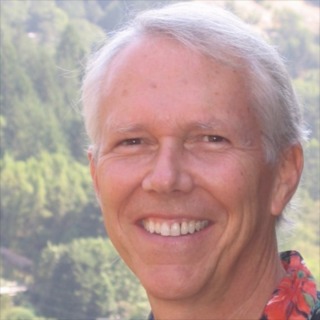
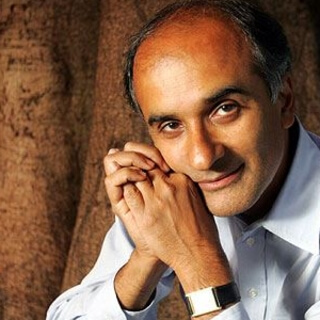
Hello and welcome to Tricycle Talks.
I'm James Shaheen,
Editor and publisher of Tricycle The Buddhist Review.
Over the past few years,
We've seen some shocking displays of racism and hate across the country,
From Charlottesville to Pittsburgh to El Paso.
Sometimes it feels like the bigotry of the past has returned,
But the truth is,
It never really went away.
It merely lay hidden.
Our guest this episode said that's because we've made a big mistake.
We've tried to chase racism from the public square without addressing its root cause,
Our own racial biases.
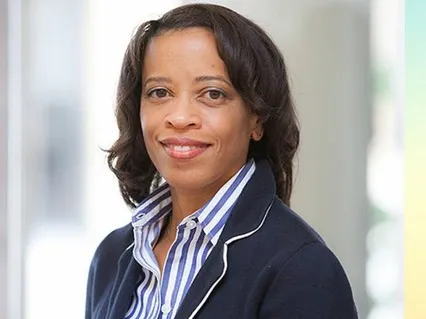
Rhonda McGee is a professor at the University of San Francisco School of Law,
Where she offers an unusual course.
She teaches about racial justice using mindfulness to help others surface their own prejudices.
She has written about her work in a new book,
The Inner Work of Racial Justice,
Healing ourselves and transforming our communities through mindfulness.
As much as it pains me to admit it,
I was hesitant to read the book.
I don't like to think of myself as having benefited from racism,
And it's never pleasant to be told that one harbors racist thoughts.
But I found Rhonda's writing to be incredibly inviting,
Making space for conversations that are otherwise difficult to have.
She challenged me to take a look at my own habits of thinking about race,
And I'm grateful for that because,
As history shows us,
Avoiding biases so fundamental to our thinking only deepens them.
Rhonda McGee,
Welcome to Tricycle Talks.
Thank you so much for having me.
I'd like to start by pointing out that while a lot of people are willing to address racism systemically or legislatively,
Not too many of us are willing to address it on a personal level.
But your book is the inner work of racial justice,
And why is it important to do inner work if racism is systemic and can be addressed systemically?
And why are so many of us so reluctant to do that inner work?
Well,
You know,
I see this inner work dimension,
I should say,
I think of all of these aspects as important.
You know,
In the book,
I focus in on the inner work because I felt it needed to be laid out,
Therefore delving a little bit more deeply into why I think it's important.
Just to say that I see the inner work as part of an ecology of justice,
Right?
That,
Yes,
There's a part that's for us to do the personal work that we need to do to disrupt the perceptual lenses and,
You know,
The kinds of conditionings that we've received growing up in a world where race has mattered a lot.
The very many different ways that are,
Frankly,
Our brains and our ways of being in the world and thinking about ourselves have been constructed somewhat consciously,
Somewhat unconsciously around this thing called race.
If we can't really work with it at that level,
We're going to be missing a lot,
I think.
We're going to be constantly looking outside and trying to use the tools of policy and lawmaking,
Which we need to also work with.
But if we rely too much on those things without doing our inner work,
I think our history has shown us.
We come back again to the temptations to once again turn toward othering,
Turn back toward policies that divide as opposed to bringing us together.
And so it's really from that place of realizing,
Look,
Let's look at what our history has shown us.
You know,
There is this exterior structural systemic work to be done.
But if we don't change our own hearts and ways of seeing each other,
We're going to keep revisiting and find ourselves right back where we started again.
In the book,
You bring up Brown versus the Board of Education.
And,
You know,
While it was a landmark decision and while it was a step in the right direction,
You point out that it doesn't ever mention white supremacy by name.
Can you say something about what that means to you?
Yeah,
You know,
I mean,
It's again,
It's such an important decision.
We're in the Supreme Court in 1954,
The mid fifties,
Comes out with this really powerful,
Concise opinion,
Taking the position that separate but equal violates the 14th Amendment of the Constitution is unconstitutional segregation in public school.
Therefore,
By that decision,
No longer socially culturally or legally sanctioned in America.
And so,
You know,
That opinion really set the stage for a lot of change,
Frankly.
Again,
I wouldn't be here without the Supreme Court's decision on that opinion.
But if you read it,
It turns its entire analysis on the articulation of this vision of the harm that segregation does to black racialized or people who are trained to see themselves through the language of race as black.
It says nothing at all about any harms that this entire kind of way of ordering our society actually does to whites,
Nor does it really name,
Again,
White supremacy as a philosophy,
A set of practices,
A cultural commitment that we're turning away from and that we have learned is really unconstitutional and wrong in and of itself.
So there's something very important,
I think,
About the fact that that opinion itself misses an opportunity,
You know,
Missed an opportunity to really set us on a better path for working together more effectively with these issues,
Naming more clearly what we're really up against.
You know,
That just tells us how in a way that we weren't,
Many of us,
Really aware our society transformed itself through the desegregation efforts that Brown ushered in.
But as a law professor whose name is Reva Siegel has been famous for coining this particular phrase,
She uses the phrase preservation through transformation,
This idea that we can appear to have transformed the society,
But by virtue of the way we implement the change,
We can manage actually to preserve some of the signal features of the society,
Even despite those changes.
So that's sort of what I wanted to allude to there.
Yeah,
I'm trying,
I don't remember exactly who it was.
I don't know if it was William Buckley.
It was someone who said,
Somebody conservative,
If we want to keep things the way they are,
We've got to change.
And so it's pretty much what you're saying.
Exactly.
You started your career as a lawyer and then a law professor.
How did you come to teach mindfulness as part of this work?
You know,
Most of my adult life and the work that I do as a law professor,
I've been teaching classes about race and justice in American legal history.
And in the course of that work,
I've been fortunate to have thousands of conversations that we have around race and racism.
And I've seen the many ways that we struggle to turn toward that aspect of our experience.
And so because I could see how much we were all struggling and struggling with a certain kind of set of delusions and preconceptions,
Prejudices,
But that we were trained and conditioned to see and believe and invest in,
I could see the way that the trainings and teachings of my Buddhist and mindfulness practices were really beautiful tools,
Invitations,
Doorways into really having a new way of experiencing and working with and understanding,
Frankly,
Race and racism.
And so I started bringing that into the work that I was doing at the university.
And I started bringing meditation practices and compassion practices directly to bear on the work I was doing in the classroom.
And,
You know,
I had been doing that for myself before,
And frankly,
It just felt like if I had to keep compartmentalizing it,
Practicing on my own,
Having my own commitments as a way of being able to continue to do this work,
But then going to work and then not being able to talk about the practices that I would be relying on in the classroom quietly to get through,
You know,
That compartmentalization started to wear thin.
And there was a point in my life where I sort of felt like,
You know,
If I can't help my students with a richer engagement with this,
Then maybe I shouldn't be in law.
A lot of people talk about white privilege and white fragility in a way that sends white people running,
You know,
They don't want to hear it.
It's a very sort of sensitive topic.
The topic of race is always a difficult one.
But in your book,
You managed to invite us to experience these things in ourselves in a non-threatening way.
You don't speak with a condemnatory voice.
It's more like look and see what you see.
So could you say something about white privilege and white fragility?
Sure.
Yeah.
I mean,
You know,
So yeah,
It's,
I guess,
Of a piece with the work that I am seeking to do within my own self,
You know,
This sense of creating the ability to enter into these conversations from a place of compassionate holding of the fact that we were thrown into,
This is the existentialist sociologist in me,
Frankly,
By the way,
I studied sociology before going to law school.
But you know,
We were thrown into a world,
All of us were born into these cultures,
Born into these embodiments.
So there's so much of what we experienced that we didn't choose.
And a lot of the business around making meaning around race,
Constructing a world based on race and racism,
This was all,
Let's say,
In progress when everyone who's within the hearing of this call was born on this planet.
And so,
You know,
When I think about privilege,
First of all,
Before going to white privilege,
You know,
As a concept that helps us think about a certain kind of experience,
The experience of a person who has been immersed so much in one aspect of a set of experiences in a social cultural context,
One range,
If you will,
One sort of aspect along the continuum of experience in finding oneself surrounded by others who are having that similar experience.
It's kind of hard to see what people who are having a different experience are going through.
And so the idea around privilege and certainly white privilege,
As many of our listeners may know,
Emerged out of a reflection that a woman who was thinking about feminism was doing,
Right?
This one,
Peggy McIntosh,
Who was still a teacher.
You know,
Peggy McIntosh wrote this piece,
She was really thinking about how can I help men see the way in which this world that they've been immersed in is constructed intentionally and unintentionally in ways that privilege male experience over others.
And she happened upon this idea of saying,
Well,
Men are experiencing a kind of privileged existence where they're getting kind of unearned benefits and access and opportunities that are just key to their own gender in ways that make it invisible for them.
They almost don't see the struggle that people who are not gendered male have to endure to have the same or some degree of similar access and opportunity.
She then went into an inquiry,
Well,
How is it that what might I be missing by my own acculturations?
And race became something that she could look at and see as a white racialized person,
Yes,
Female,
But white racialized.
She also had some blind spots,
Some difficulty seeing things that came from her experience of whiteness and white identity.
So that's what I try to help people see.
Right.
Then how does white fragility relate to that?
Yeah.
Well,
I think white fragility to me is a kind of stress response that comes from having been for so long and in so many ways protected against or even worse,
Maybe rewarded for not seeing these aspects of our experience.
So in my book,
I tell stories about what happens when people move outside of their lane with regard to race.
I open chapter one with a story about falling in love with a white racialized man and the real activity of his family.
That's exactly where I was going next.
So if you don't mind,
I'd just like to tell you,
There's something very interesting that your book does.
I mean,
Reading the book itself becomes a way to surface racism.
So as I'm reading it,
You introduce me to your first love and I have this picture in my mind of your first love.
And then you say his name is Jake and a few paragraphs or sentences later say,
Oh,
And by the way,
He's white.
In fact,
He's kicked out of his home because his father does not want him to date you.
So then you say pause.
What sort of man did you imagine?
And what were your assumptions?
You ask us to pause.
And so if I'm honest,
I mean,
The first thing I imagined was a black man and I figured this is where you live.
It's a segregated environment.
But oddly,
You say his name is Jake and I respond by thinking that sounds like a white guy,
Which brings up a whole other set of assumptions on my part about names.
That sounds like a white guy.
And then all of a sudden I'm wondering what is he?
And then you say,
Oh,
He's white.
And then you tell us to pause and consider what we were thinking.
And you know what I was thinking?
It was interesting.
First,
I thought he was black.
Then I thought,
Well,
That name sounds like a white guy.
And then I had to ask myself,
Why was I trying to figure out what he was?
So my own biases were surfaced.
And then you caught me.
You said,
Pause.
What did you think?
I felt entrapped,
You know.
But it was very clever because reading it made me see all of these things about myself that I really might not have considered in that moment.
It just would have been a thought process that was habitual.
And then I wake up to,
Oh,
I'm trying to figure this out.
Why?
Because it means something.
We're told it means something.
We're taught it means something.
So talk a little bit about that.
Yeah.
Thank you so much for highlighting that part right at the beginning of the book.
You know,
On the one hand,
Yeah,
It's a story,
Like so many stories.
I use the phrase race story to help us kind of have a name for the different moments and narratives we have that on reflection show us different aspects of how it is that we came to know something about race,
How it is that we have,
Quote unquote,
Participated in doing race or seeing it in action,
So to speak,
Race happening,
Race making.
And the way you just described it is kind of a new kind of race story now for you,
Right?
Just having read that and then looking,
Pausing and seeing what was coming up for you and then,
Right,
The association between this other experience around gender.
So yeah,
My effort there is really,
Just as you beautifully sort of reflected back,
To create support for all of us,
To really look at from the inside just how we are in this work,
If you will.
We are in these processes,
Subtle,
Nuanced processes that are often operating beyond our conscious awareness to categorize people,
To assign some meaning,
Right?
So if we think of a couple and we think of the presumptive partner for a black woman,
If in our mind that's another black person,
This is just something to see.
Like,
Again,
What is really there?
And for me,
I try to create as much spaciousness as possible around giving ourselves a deeper window into what our brains,
Our behaviors,
Our presumptions,
The neuroscientists are telling us that so much about the way we understand the world is dependent upon our expectations,
The perceptions that we,
How we perceive the world is dependent upon what we expect to see.
And so,
Yeah,
And then those expectations put so much in motion.
So to me,
The work of bringing mindfulness in and bringing it in with this commitment to a kind of compassionate holding of each of us as we turn toward these things that we,
Again,
I feel like we've been trained not to look at these things.
We've been,
As I said before,
Rewarded often for not seeing,
For being willing to not see,
Not name,
To do our part to maintain the status quo.
And so to me,
The only right response to seeing how we've all been caught up in this,
Again,
In ways that we didn't create,
But that yes,
We do have some agency around,
Compassion seems like the right thing to do there.
Right.
It just seems like,
Yeah,
We didn't create this,
But we have a responsibility to address it.
And I think the conversations that you invite us to have make us feel okay about all of a sudden we pause and we see these things.
It makes me think of Obama,
Obama once told a story about walking past a car and they locked the doors.
And here you have this well-educated or highly educated,
Well-dressed,
Like attractive man walking by and they locked the car doors.
And I thought for a moment that people say they're outraged about that,
But is it really so different from the knee-jerk responses we have?
Can we really claim that we've never felt that or thought that or anything?
Exactly.
It's all related.
And if we can slow things down and put ourselves in a place where our amygdala is not being so triggered into defendedness that we can't even admit that this has happened in our experience and that even though we'd like to say this isn't true for us,
Ah,
Yes,
We know something about this.
For me,
The practices of mindfulness and compassion do give enough of an invitation into a window of tolerance around looking at what we often haven't seen and really creating that spacious holding through which we can understand a little bit more of how we keep finding ourselves,
Recreating patterns of inclusion and exclusion,
Of people feeling welcome and people feeling not welcome,
Or recreating communities that seem persistently segregated.
And then when we want to have cross-cultural,
Cross-racial engagement is so hard because our networks are so separate.
How we're in this,
Despite our best intentions,
Is really been the project of my work to help us see that it takes more than the conscious intention to be a good person,
Which I think I'm just trusting that the listeners on this podcast,
We all share that in common.
We want to do as little harm as possible as we go in this world.
Well,
It takes more than that intention to really,
Really get at this.
And that's why I wrote the book.
Right.
You know,
It's interesting.
Yeah,
It does take more than that intention.
I think that,
You know,
You rarely would hear a person of color say,
Oh,
That we can get past this pretty quickly.
But you do hear Supreme Court Justice John Roberts say,
As you quote him,
The way to get beyond race is to get beyond race.
It reminded me of James Baldwin,
I think,
And Dick Cavett in I Am Not Your Negro says,
Why can't we,
Why do you keep talking about race?
And his response is really,
I'm not the one who chose to,
For this to be an issue for me every day of my life,
Everywhere I go.
So when John Roberts says something like that,
And then someone begins to do the inner work that you suggest,
You see how patterned and habitual and intransigent those habits can be.
Oh,
Yeah.
Right.
And yet,
I mean,
Let's just pause right,
Right here,
Create a little bit of space around just this,
That our Chief Justice of the Supreme Court,
One of the most powerful white racialized,
You know,
Gendered male,
Right,
Figures in our culture right now,
One of the best educated,
That the best he has to offer a nation in deep need,
Deep,
Long,
Historical,
Traumatic grief around race and racism,
The best he's been able to offer is the way to get beyond it is to kind of get beyond it.
It's like,
Wow,
Again,
A poverty of imagination,
A poverty of skill,
Frankly,
To face what we're up against.
And this is with,
I have great respect,
Obviously,
For,
You know,
The work,
What it means to become a,
You know,
A justice of the Supreme Court.
As a person in law,
I really,
Really,
You know,
Think that we,
The system that we have,
So depends on,
You know,
People wanting to go into law and trying to make the most of the independence of a judiciary that can be a check and a balance against these other branches.
Like,
I totally love our system and believe in it.
And,
You know,
I love it enough,
Like Kaepernick and others,
And Baldwin,
Right,
To bring that critical eye right to bear in these hard places and say,
How can we not do better as judges,
As thought leaders,
As teachers,
As parents?
To me,
Around race,
It's almost like there's an infantilization,
Like we're just,
You know,
We're rendered like made to feel we just can't do any better.
We can barely understand it or,
You know,
There's no fixing it.
Well,
I think there is.
I know,
I know from my experience of working with students from all backgrounds and walks of life for 20 some years at the University of San Francisco and other work that I've done in my own life and in my own being.
We can do better.
We can understand these things better.
We can help our children understand them better.
We can create ways of shifting our organizations and our networks for doing work in the world that create more opportunity for connection.
There's research that supports us.
So,
You know,
The book really was a little bit of like,
You know,
The ultimate effort to say enough.
The time is now.
We all deserve better than this.
Our children deserve better than this.
We've all suffered too,
You know,
Too much,
Frankly.
And I do mean all of us,
Not that our suffering has been the same,
But that,
You know,
This inability to meet this clear and present reality and frankly,
Danger,
This,
You know,
The danger of the misconceptions we have and the delusions we have around race and the temptation therefore for racism to constantly reassert itself,
Get in the way of sound immigration,
Health care,
Voting rights,
You name it,
The kind of work we might be able to do better if we had a better handle on this aspect of our experience.
I just feel like we deserve better.
And so,
Yeah,
When I hear and think about,
You know,
Our illustrious Chief Justice of the Supreme Court,
In my view,
Missing again an opportunity to help be teacher,
Consciousness raiser and chief,
Because by the way,
You know,
When I was in law school,
One of my teachers there,
G.
Edward White,
A kind of a historian,
Legal historian of great,
Of note at the University of Virginia,
He,
You know,
He didn't talk about this very much,
But I've read enough of his work to know that we are in agreement about how law and policy emerges out of consciousness.
If you're,
You know,
Right where your level of awareness is,
That's what the law and policy is going to reflect.
And if you aren't able to see how profoundly we as a society have been riven,
Disconnected,
Unnecessarily separated and harmed by race,
And also that we have not been trained skillfully in how to deal with it well,
And that it's therefore causing more problems still than it should,
Then,
You know,
We're missing opportunities for healing every day.
And I think we deserve more.
You know,
You talk about opportunities.
And from my perspective,
You seem like a bit of an optimist because you keep going and you keep trying and you see good in people.
But,
You know,
Right now we're living in a time when the racism has become once again so explicit.
And I don't know that anything has changed except these people,
White nationalists say,
Have been emboldened.
And you know,
As bad as that is,
You see there are opportunity to get it right this time.
What do you mean?
Because nobody else is seeing opportunity here so much or few people are.
And here you're saying,
Well,
Hey,
This is an opportunity.
How so?
Yes.
I just feel that you can't have the kind of hatred,
The kind of temptations toward violence.
Like you can't be in that place and be looking at each other from that place.
Unless again,
You have some woundedness,
Some suffering that is very,
Very deep.
In other words,
I know what it's like to feel afraid.
I know what it's like to feel groundless and to feel that there's so much change happening around me that I got to grasp or some,
You know,
Way of feeling at ease.
So I think that part of,
You know,
What I'm moved by is all the signs and experiences that I've seen in my own life around what happens when people start to heal those deep wounds that make them,
You know,
Feel that they can't love,
They can't care about other people.
So there are people who are,
You know,
Who have,
For example,
Come out of the white supremacist movement,
Come out of the white nationalist movement and have a story to tell about how they got there,
How disconnected they were or felt from a community that helped them see their worth and their value until they found white nationalists and how it helped them to get out of those communities,
To find people who they were taught to hate or people that they were taught,
You know,
Didn't matter,
Who actually helped them to find a sense of their own value again.
So this is what I mean by there's a poverty of imagination,
A poverty of skillfulness that some of us can see can be transformed.
And we know from experience we could do better around this.
And that's why I wrote the book to try to give some support to be a part of this conversation with you and with the listeners here,
Really to just support us in turning toward looking for the signs and the evidence that there are things we can do rather than being demoralized and afraid and going into this very polarized place of feeling like there is nothing we can do except to just pick one side or the other and go to war.
We've been there as a country who wants to go there again.
You're listening to Tricycle's editor and publisher,
James Shaheen,
In conversation with Rhonda McGee,
Author of the Inner Works of Racial Justice,
Healing Ourselves and Transforming Our Communities Through Mindfulness.
Healing and transformation does not happen overnight,
Which is why daily practice is at the very heart of the Buddhist path.
But sometimes our lives get busy and we struggle to work our spiritual practice into our routines.
That's why Tricycle is launching Dharma Wheel,
Our first ever email-based online course which makes it easier than ever to access and apply the Buddhist teachings every day of the year.
If you want help starting or supporting your daily practice,
Join Tricycle and Buddhist scholar Andrew Olensky for a program of daily study and practice delivered straight to your inbox each morning.
In these emails,
You'll find a brief study text,
Commentary and suggestions for daily practice.
Each daily teaching is centered around the theme that corresponds to the Buddha's Noble Eightfold Path.
The path to awakening is represented by the eight spokes of the Wheel of Dharma.
To learn more and to sign up,
Go to learn.
Tricycle.
Org.
Now let's return to James Shaheen in conversation with Rhonda McGee.
Rhonda,
Your book often draws on your own experience growing up in the South in the 70s and 80s.
Can you tell us a little bit about that period of your life and how it has informed your work?
Yeah,
I grew up in the South.
I was born in North Carolina and raised mostly in Virginia.
And in North Carolina,
I was living there in a neighborhood that was one of the many traditionally segregated neighborhoods,
Communities.
And yeah,
I think my journey to here,
Or living in San Francisco as a law professor,
Teaching and writing about mindfulness and as a support for social justice work,
Really was shaped in large part,
I think,
By some of the ways that growing up in the South during that time,
Sort of post Civil Rights era,
I was born in the last year of Dr.
King's life on the planet.
Just how what I saw during that period made very real for me the fact that race and racism are still very much with us and that we were being harmed in some ways as a result.
Right.
It's interesting.
You described the period following the Civil Rights movement.
I think you refer to it as an uneasy truce rather than a resolution in any sense of the word.
Can you say something about that?
Yeah,
Yeah.
And so I was part of what I call the integration generation,
Being bussed to elementary school and learning in communities with white students in great numbers.
Most of the schools I went to at that point were predominantly white.
And so there was some diversity in this majority white setting,
And yet we were getting along and learning with and from each other and developing connections that were meaningful.
And for that period,
I certainly felt the sense that we were moving forward away from this history of such great commitment,
Frankly,
To separation,
Segregation and hierarchy,
Which has been most of American history around race,
Frankly.
And yet,
Even as we were living actually this dream of desegregation,
I just came to see that really racism was still very much alive.
And our society's commitment to it,
Which had been demonstrated by Brown versus Board of Education in the effort to desegregate,
Was also undergoing a retrenchment.
So that by the time I graduated high school,
And certainly by the time I graduated college in 1989,
The Supreme Court had withdrawn support really for desegregation efforts in the way that they had been implemented that led me to this point in my life.
And we were kind of really in that sea of the kind of point of really pausing and maybe putting ourselves in the position for the backward movement that we feel,
Many of us feel we're in right now.
I just wanted to point out two things that you mentioned that you knew from early childhood.
The first is,
And I'll quote you,
You write,
I knew that despite the history that met me at every turn,
Life was meant to be lived joyfully.
And then you also write somewhere around there,
I saw how my grandmother's religious commitment steeped her in a larger,
More hopeful view of herself and of the world,
Even as her life options were mostly limited to the sort of labor,
Tobacco picking,
Housekeeping,
That would have been hers in a slave society.
The reason I picked those two is that there's a kind of optimism that drives your work.
I mean,
The attachment to outcome doesn't seem so strong as the sense that we must work at this.
Like,
Where does this optimism or this sense very early on that life is to be lived joyfully come from when you're living in circumstances that would so easily lead you elsewhere?
Well,
It's a really good question.
You know,
And I have an answer,
And I'm not entirely sure that it is the right answer.
But I'll say that,
You know,
I really,
As a very young girl,
I had a sense of the value of just being alive.
And some of this,
I have to say,
Feels like it was a little bit inborn,
But also just seeing as a way of being my grandmother's commitment to her own devotional life.
For her,
It was Christianity.
But she would get up before dawn every day,
Center herself in her own kind of commitments to purpose,
To a kind of way of being in the world that manifests a kind of gratitude and praise for being alive.
And so for me,
Seeing her be able to get up,
Prepare herself before dawn,
Really,
In most cases,
She had to get up quite early to do this.
She would take time for herself before coming out and then getting us off to where we needed to go,
Cooking for us,
Getting us out the door.
And then from there,
She would go on and take care of this other family,
Cleaning house and taking care of the children in that other family.
Seeing her do all of that in a way that started out with a commitment to self grounding and in a larger sense of purpose and being was something that really stayed with me and inspired me in a certain sense to kind of maintain an awareness that there was always again,
Something bigger and more going on and that our life circumstances themselves don't define who we are.
It's how we meet our life circumstances really that ultimately defines who we are.
Rhonda,
You know,
That's so true.
And it's such a wonderful way that you've put it.
You know,
Throughout your life,
You've experienced many different circumstances.
And we've been talking about racism in the South,
But now you live in San Francisco.
And while things are very different,
In other ways,
They're very much the same.
You tell an anecdote to this effect in the book.
Can you tell us a brief version of your Anita Hill story?
Oh,
Sure.
Yes,
This is a story of,
You know,
An incident that happened to me here in San Francisco many years ago.
The Bastion of Liberality,
Right?
Exactly,
The Bastion of Liberality,
Right?
Yeah,
Right here.
Well,
There were many stories like where I met some microaggression or racism right here in San Francisco that I tell in the book.
But this one about the Anita Hill incident was where I had gone to the theater here my first time going to the theater in San Francisco,
And I had come out and was,
You know,
And during an intermission,
Getting some gelato standing in line,
And a white,
Racialized,
You know,
White man,
If you will,
Came up and started a conversation with me,
This kind of lightly flirtatious little banter.
And at a certain point in the conversation,
It was revealed,
I revealed or said something to indicate,
You know,
Maybe he had asked why I was there.
I indicated I was here to interview for a position at a law firm,
And,
You know,
I was in law school.
And something sort of changed in his face.
And like,
Like,
He took a second look at me.
And then in there out popped this sort of,
You know,
Interesting next sentence,
Which was,
Oh,
You're a law student.
Well,
You might be the next Anita Hill.
Okay.
All right.
Thanks,
I guess.
I mean,
It was just one of those moments where kind of just like,
You know,
I invite people to do when they're reading and thinking along with me about who,
You know,
My partner Jake might be and who my boyfriend what his race might be,
Like a moment where a statement like that,
If you just pause and think about it,
Like,
Why would this me happen to be the next Anita Hill?
What does that say?
Wait,
What year is this?
It was right around the time.
So 1992,
Right when this was in the news,
Or right when it was right with us and very present in the cultural consciousness.
You know,
On the one hand,
You can see this almost being like a compliment,
Like maybe you're gonna rise up and become,
You know,
Like she was,
I'm a person who worked at the EEOC and you know,
All that.
But it's also an indication of like,
Wow,
I really don't you know,
Him struggling to see what do I know about when black women who are in law,
Not that much.
Well,
You know,
It's interesting because you like you do talk about microaggressions and and sometimes people are well intentioned and yet being in their bubble not pausing enough who knows,
They say things that are hurtful.
And,
You know,
A lot of people dismiss that but a lifetime of that affects a person and shapes a person's psychology.
Could you just tell us briefly about your work with the I think the three women whose husbands were in the KKK,
And they did not want their children to grow up and join the Klan.
They said some pretty strange things and yet you seem to kind of hold it together and,
And maybe pause and not become reactive.
Can you tell us about that?
Well,
I mean,
You know,
I just generally I've done a lot of work with people who's,
You know,
Who will tell me that their partners or somebody in their family has been drawn toward white nationalism and or some version of it.
So just to broaden this out just a little bit.
It's not uncommon for me these days to have people say,
Yeah,
You know,
My father,
My grandfather,
My son,
Even sometimes their daughter has been drawn toward these views of racism,
Or to say,
You know,
Is there a way that we can love the person because of their racism or is there a way we can have compassion towards people who don't want you in their neighborhood?
I mean,
You know,
When I roll out the door and say,
Let's talk about these things today,
The stuff comes right,
Because it's all there.
Right.
And it's in every neighborhood and,
You know,
All of our even our liberal bastions in our liberal communities.
So this is where I have to really draw on my practices,
Breathing and sensing into the ground and the way in which this moment that might seem quite charged and painful is just really part of,
You know,
What I call the long,
Broad and deep now.
You know,
It's the past coming into the present.
It's a moment in an experience that includes this and,
You know,
An awareness of my breathing in and breathing out on a planet where everything literally is connected in,
You know,
The heavens.
So it's like an opportunity to like not get too caught,
Right.
So to me is bringing mindfulness to the reactivity that would reduce everything to this moment of pain and us and them and me and this person and breathing and inviting some kind of spacious stepping back and seeing a bit more of what is here to be seen,
Which is that we all have been conditioned again into reinvigorating and,
You know,
Reengaging white supremacy in this country.
It's part of our DNA.
We who have not seen the way it recurs and have not become prepared to deal with it have again missed some opportunities,
But there,
You know,
We can start today.
The children who have needed to hear more from us from you all who on the call as parents,
As teachers,
As white racialized members of family who haven't been as able to skillfully share with the younger generation who are struggling today about what that history means and what,
You know,
What we might do differently going forward.
I mean,
This is all here.
And so I realize that it's a struggle for all of us and for myself.
And so again,
Relying on the practices to support me and tapping into this sense of our common,
What's common in common,
What we have in common around the struggle and what we have in common available to us to help us find a pathway home to our sense of belonging in this beautiful life,
Right?
Belonging on this planet,
Actually together.
And so that's to me what,
You know,
What I think is possible and what it feels like for me in those moments.
It's not always easy.
There have been many times,
And this is why I think of this as lifelong work.
I think of this as just another way of thinking about our mindfulness practice,
Not like a side addendum to it or an angle on it.
But really,
If we hold our practice commitments broadly enough,
We will see,
I think,
That this is suffering.
This is attachment,
Delusion,
Confusion,
Aversion.
This is unnecessary surplus suffering that comes from these attachments that we have not been willing to see and can be undone,
Can be lessened.
And we can help be a vehicle for that if we can,
You know,
As I do in those moments,
Pause,
Relax,
Open a bit more.
And now I'm bringing in some of the teaching of insight,
Dialogue and communication practices,
But really bringing these mindful practices right into those painful moments as best we can.
And resourcing ourselves to be able to kind of move through and,
You know,
Resolve ourselves to be able to stand together for the next opportunity on the journey,
You know,
The next day,
Because it will continue.
You know,
One last question,
I promise.
Did you by any chance read Loretta Ross's New York Times op-ed?
She writes,
I am a black feminist.
I think call out culture is toxic.
Did you by any chance come across that?
I haven't had it.
Unfortunately,
I haven't had a chance to actually read it.
One of the things about it is that call out culture allows us to call out or shame an individual when in fact the problem is collective and they're merely reflecting a more general consciousness.
Oh,
Yes.
I agree with that wholeheartedly,
Actually.
And yeah,
So this idea that there are more skillful means of redressing what it is that we see and that we are struggling against than what we've been trained recently to do in the way of calling people out around their biases,
Their microaggressions,
Their blind spots,
The things that they don't see.
Yeah,
It can contribute to this hyper individualizing,
This model of the heroic individual who if we can just call out enough people and have enough people see their own bias,
We'll fix this.
And actually,
We do,
I think again,
It's both and.
Yes,
We can do work ourselves to see things more rightly,
But I don't think we do that effectively from a place of shame.
I don't think we do that effectively from a place of humiliation.
This common desire that many of us who are anti-racist activists or who are in the work of trying to create more liberating spaces for all,
We have in common that we'd like our collective consciousness to be raised about the wounds that we are perpetrating on each other in these unconscious ways.
But I do think there's a lot of work to be done to move away from this shame based way of individualizing the prescription of the problem and the prognosis for how to fix it.
We need a continuum,
I think,
Of personal and interpersonal work done from a place of greater appreciation of what we're all up against and from that place,
A deeper commitment to changing the structures that got us here.
I think about this sometimes in the work that's being done and there are victories,
There are setbacks,
Certainly at a time when white nationalism has become so prevalent,
It's easy to despair.
But when all is said and done,
I can pretty much guess by the time I'm gone,
The struggle will be continuing.
So it's kind of hard sometimes to think,
I'm not going to see this,
You're not going to see this time when this is all behind us.
How like your grandmother,
Do we just go ahead and continue to live meaningful lives?
Yeah.
Well,
It's a really rich question,
You know.
I mean,
So I would say one thing is,
My own view is that what you just said is true and it's not the whole story.
In other words,
We can't miss the truth that through this work that we do,
We actually do have moments and experiences of deep liberation as we go.
And that future that we envision we're making together as we walk this path.
And that may be this very outcome oriented,
Thus we will create some new way and we will arrive at the promised land for once and for all.
I'm not sure that's what being alive in diverse,
Rich community of more than 7 billion people on the planet ever was going to look like,
That we will kind of reach that land once and forever and then can wash our hands of this work.
But in my own view,
What it can look like,
What justice,
What liberation,
What that promised land,
If you will,
Looks like is this work.
It's being in it together.
It's being connected in the struggle at that place of our vulnerability in a way that feels like abundant life,
Full stop.
So,
You know,
While I feel there's work to be done and things to worry about,
My mindfulness,
If you will,
Helps me to be able to see and feel the work that is being done,
The liberation that is happening right now.
And that would you say also available to us right now?
As always available to us right now.
Even as,
You know,
As it looks like trying to figure out how to create different policies so that more people can be free as they immigrate from south of the border.
Or even as it looks like,
You know,
Minimizing gun violence in the disproportionate way that that visits brown and indigenous communities,
Brown,
Black and indigenous communities in America.
You know,
This mindfulness,
Of course,
Helps us deal with the both and and the multifaceted nature of reality.
And so part of that for me is both realizing the pieces,
The aspects of our lives where we are feeling freer,
Feeling some sense of liberation,
And also linking arms and continuing to do the work and feeling joy as we do that together.
Well,
Thank you so much,
Rhonda.
It's been a great pleasure speaking with you.
I really appreciate your taking the time.
Thank you so much.
I appreciate it very much.
You've been listening to Rhonda McGee here on Tricycle Talks discussing her new book,
The Inner Work of Racial Justice,
Healing ourselves and transforming our communities through mindfulness.
If you'd like to hear more episodes of Tricycle Talks,
Visit us at tricycle.
Org slash podcast.
We'd love to hear your thoughts about the podcast.
Write us at feedback at tricycle.
Org or leave us a review on your podcast player.
Tricycle Talks is produced by Paul Ruest at Argo Studios in New York City.
I'm James Shaheen,
Editor and publisher of Tricycle the Buddhist Review.
Thank you for listening.