People who have suffered intense loss and grief have the power to change the world with all of that energy.
It's an energetic force.
Grief has a lot of energy.
It is very potent and it's not one monolithic emotional structure.
It contains many,
Many emotions.
It has so much energy and if we can harness that energy,
Be with it,
Treat it as holy and not rush to do,
But if we can harness it when we're ready,
It can be a force for change,
For peace,
For compassion in the world that's really unstoppable.
Hello,
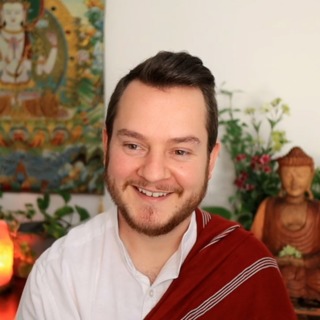
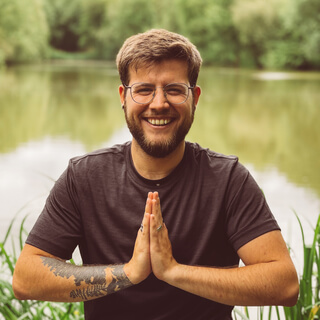
Hi and a warm welcome to the Samadhi podcast.
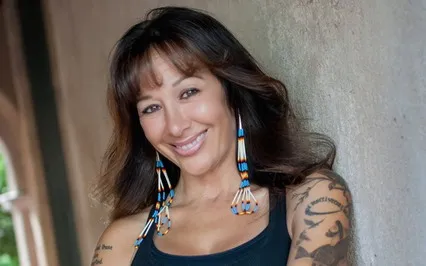
I am more than thrilled to say that today I have Dr.
Joanne Caccatori with me,
A really incredible person who is every day offering her very best to the world.
So Joanne,
Welcome.
Thank you,
Thank you so much for having me.
It's an honor to be here.
Thank you.
So just by way of introduction,
First of all,
If I may,
Dr.
Joanne Caccatori,
She's the founder of the Miss Foundation and the Cellar Care Farm.
She's a Zen priest,
A tenured professor and a researcher at Arizona State University and her area of expertise is grief,
Particularly traumatic death,
And she's an acclaimed public speaker on that topic.
She's the author of the best-selling book,
Bearing the Unbearable,
And its companion,
The more recently published Grieving is Loving,
And these books are offered as a support for life's most difficult times,
Showing how grief can open our hearts to connection,
Compassion,
The very essence of our shared humanity.
And so I'll ask her shortly to share her story of how she came into this work,
But Joanne has committed her life to the service of those who are affected by grief and traumatic deaths,
Which on a personal level,
Her work has inspired me in many ways.
I know for many connected to our community,
Her work has been of immense value and a source of comfort,
Insight,
A way ahead,
But it goes without saying that her work has touched the lives of so many,
Had such an impact that I'm sure it will continue to do so.
So such a wonderful service to the world and I'm really,
Really honored to be speaking with you.
Thank you,
Honored to be here.
Yeah,
And I saw from your bio on wisdom experience,
I think it said on a personal note,
You're an outspoken ethical vegan who hikes barefoot and is a voracious reader,
Which I just love that.
I love that so much.
Oh yes,
The reading thing.
Yes,
It goes on and on and on.
I'm not making this stuff up.
Yeah,
Yeah,
And I'm a huge animal lover and have been really concerned with animal welfare for 50 years.
So it's been a long time.
Yeah,
I remember the,
I've been reading your work for a while,
But my first time sort of seeing you on video was the course that you have on wisdom experience.
And the first thing that I saw that that told me this is a person I can get along with was your Darth vegan t-shirt.
Yeah,
I have,
I have a lot of t-shirts.
I actually right now,
See,
Look what I'm wearing.
It says the only thing we need from animals is forgiveness.
So I have a whole closet full of t-shirts.
I wear the message.
Yeah.
Yeah,
That's really great.
Yeah,
That's a topic close to my own heart.
So yeah,
Thank you for that.
So today we're going to be exploring about how we bear the unbearable.
I'd like to explore Joanne's work,
Her story,
Her approach to grief.
And then I have a couple of questions from our community who would really love to hear your thoughts on the situations they're going through and how they're feeling right now.
Absolutely.
So to begin,
Do you think you could please tell us a little bit about your background then and how you came to this work?
Of course.
Yeah.
So I was a mom and was raising my three children pregnant with my four.
My fourth child died at the hospital and it was devastating,
Is just not quite catastrophic.
I mean,
You know,
All of those very big words,
Those adjectives don't quite get to the heart of it.
It was an existential death for me.
And I was sort of catapulted into a world I never wanted to be a part of,
Period.
But what made it almost nearly unbearable,
More unbearable than it was on its own in its own purest form was sort of the lack of support and wisdom and compassion around grief in the world and in my circles.
And so I decided that if I ever lived through it,
I wasn't sure I was going to live through it.
It felt like,
You know,
It really feels like in acute grief when it's traumatic especially,
It feels like you're not going to live.
It just feels like your body can't possibly even physiologically endure the intensity of the emotion.
And so I thought if I lived through it,
I'm going to help people who are like me who are going through this because I couldn't find any help.
I called several disconnected phone numbers.
This is way back in the day when we had yellow pages and I called several disconnected phone numbers and I just couldn't find support.
I went to some therapists and the therapists I saw were,
You know,
Frankly grief incompetent,
Completely incompetent with grief.
As many experience today,
I still hear these stories about this today from people who come to the cello care farm.
So it's an avoidance thing.
You know,
We're built,
Our culture is built on the pursuit of happiness and I call it the happiness cult as you know in bearing the unbearable.
You know,
We always have to feel good and if we don't feel good then other people feel charged with making us feel better,
Feeling different than what we do instead of just validating and joining us.
So I was in a really dark,
Dark place which was where I found myself as John of the Cross,
San Juan de la Cruz says.
I weighed 88 pounds.
I wasn't,
I just couldn't eat.
I couldn't get food past the grapefruit in my throat all the time and you know and I just kept going day by day by day.
I found little things that helped.
Reading,
Bibliotherapy was really important to me.
Animals were probably the best source of support for me.
I had two dogs back then who would just sit next to me and let me cry.
My very young children at the time seemed to have a wisdom about emotions that adults around them did not have.
My three-year-old at the time said to me,
It's okay to cry mommy because babies aren't supposed to die.
I just,
Wow,
Right?
So I got through it doing the things that these little things that I could find some strength in,
Some trust in myself and some trust in the process.
It's very hard to trust in a process like that that's so wildly unpredictable and so wildly,
Unfathomably,
Bottomlessly painful.
But I did and then it was a few years after that that I founded the Miss Foundation which is our NGO,
Our international NGO that helps families who are enduring traumatic grief.
Initially,
The Miss Foundation started and we really only help parents whose children at any age and in any cause have died or are dying.
But we've recently expanded and so the Sella Care Farm really serves people who have experienced any kind of traumatic grief,
Suicide,
Homicide,
Mass disaster,
Mass shooting,
The deaths of children at all ages.
So we have people who come who lose partners and siblings and grandchildren and all of those important relationships.
Yeah,
It's amazing really where you've come to and I'm sure at that point you had no idea that you could ever come to where you have now.
There was just,
Like you said,
You just didn't even think you would survive it.
Yeah,
I mean I think if to be truthful,
I think at the moment if someone told me what it would grow into I would have been too frightened.
I mean it would have felt too overwhelming at the time.
I just really started it thinking,
We'll help a few people and at first it was seven or eight people in a little support group and then hospitals were asking me to come and speak and then our little seven-person support group turned into,
I remember one meeting we had 50 some-odd people and it was like a conference.
We were there till two in the morning and so we started breaking off and having multiple support groups and then eventually I said I'm going to need to go back to school for this and study this and that's when I went back to school and a 12-year academic career to get my PhD.
So I wanted to pick up on something that you sort of said there about when this happened to you that you were looking for that support,
Looking for that help and I thought it might be interesting to explore firstly is the crime really that it is,
Is how our society,
How our culture is towards people who are grieving but also just people who are suffering in general and so I hope that you could talk a little bit about this.
What do you see wrong with the way that our society,
The medical profession handles grief and how do you think that affects the individual?
Well I mean I think anytime we treat something as an aberrance,
Anytime we treat something as something that's not desired,
Then we create this sort of acrimony within ourselves and you know the thing about grieving people is we're often very vulnerable especially after acute loss and so we're looking to the experts to tell us what should I be feeling,
What should I be feeling and one of the worst places to get information on what we should be feeling is from the medical community in my opinion.
The medical community medicalizes grief routinely and treats grief enduring and intense grief symptoms as if they are pathological and certainly of course people experience deep despair when someone so beloved dies.
I really struggled to see from a philosophical and emotional psychological perspective how that could be pathology and yes of course functioning can be impaired at times.
In my work for more than a quarter of a century functioning is impaired at least in large part,
Maybe not a hundred percent,
But in large part by the way society treats grieving people.
Right so we have to look at social support around grieving people to understand why they might have quote functional impairment and I guess I'll even go a step further to say we also need to question what does impairment mean in our culture right if productivity is very important making sure you go to work and you're very very productive why is that more important than allowing people a respite to pull their energy inward to create space for grief and to allow whatever in their grief process experience is going to unfold allow that to unfold but we're you know we're in such a hurry we're in such a rush we don't want to give people the necessary time and so I mean that would be the first thing right let's question why quote impairment is so important and then secondly you know why are people impaired why is their functioning impaired and so I put a lot of the responsibility on our culture actually on society for the problems that grieving people have and over and over and over again you see this actually in the research Vanessa Juth has conducted research looking at something called social constraints around bereavement so pressure for grieving people to move on to feel better to go back to work you know to not talk about it especially sort of these explicit and implicit messages not to talk about grief and not to talk about the person who died and what they found in their research was that social constraints was the greatest predictor of poor psychological and physiological health outcomes in bereavement so that's everything why are we not talking about this why are we why are we not um foisting some of the responsibility on society then why are we so focused on individualism in this process because we don't grieve in a vacuum we grieve in the context of a family in the context of a community and then the context of a of a culture so I think we need to fix the culture before we start focusing on pathologizing individual people and that's been a real point of contention you might have seen my recent correspondence in the lancet psychiatry where Dr.
Alan Francis and I expressed our consternation with this new move to pathologize grief without consideration of context and circumstances and nature of the relationship you know six months 12 months I mean would anyone dare to tell to tell the families who lost their six-year-olds in a mass shooting would anyone dare to tell them six months or one year later that they're pathological because they're not over it I mean there are people who weren't even who didn't even live in Sandy Hook who don't have any anyone who died in that mass incredible mass tragedy who who have sort of emotional reactions 10 years after because we're coming up on the anniversary why in the world are we pathologizing a perfectly normal response to a perfectly abnormal and catastrophic tragedy so I've been pretty outspoken about it and I don't you know and I don't hide my feelings about it and I'm pretty passionate about it I have some fierceness around this because these are people I truly care about and I know how much harm the medical system can bring look at the mental health system we're working then we would not see the problems we're having today this is my big this is my big issue and this is about grief but it's also about suffering suffering human beings in general if if the system was working then because people are getting mental health care at at greater rates than they ever have in the past and so if the system was actually helping you would see a parallel relationship between a parallel relationship between improvements and care and what you see is care and declining mental health and so obviously we're not doing something right just generally speaking that's not my area so I tend to stay in my own lane my area is traumatic grief and I can tell you that we're definitely not doing right by grieving people I have seen it over and over and over again I have heard tens of thousands of stories in more than 25 years of doing this work and it just breaks my heart um you know grieving people come to the care farm at first because they don't trust therapists and they don't want counseling they just want to come and be with an animal they trust an animal they don't trust people because people have told them some horrible things and have treated them in in very dismissive ways um I can't tell you the number of people I've met who are on four five six seven eight nine medications you know we don't have enough research about it interactions and we don't have we certainly don't have enough research on medications and grief um so I question whether that's even evidence-based practice and and I think what it comes down to is this fear of pain that we have as a society we don't there's almost a contagion effect like like if if I acknowledge that this person's six-year-old can die randomly then I have to acknowledge that my own six-year-old can die and that's a terrifying thing if I acknowledge that this person's husband could suddenly abruptly end his life by suicide then I have to acknowledge that my partner could do the same and that's terrifying if I acknowledge yeah if I acknowledge that my sibling could be you know um kidnapped raped and murdered then I have to acknowledge that the same thing could happen in my family and that's terrifying and I think anytime we have terror our initial non-mindful non-present reaction is to withdraw and retract rather than to approach and open and I understand it but we have to override that if we're really going to help people who are suffering yeah absolutely and I think not only that I think like you just said that you have to acknowledge that this could happen in your life as well but I think people are profoundly uncomfortable being around people who are not fun right now or they're not pleasant to be around and there's just that natural aversion to oh you're not very pleasant right now and I don't know what to say and that's so I'm just gonna withdraw right yes that's the reason I'm not invited to a lot of parties you know unless people want some really deep and real conversations because it gets real it gets very authentic really fast when I'm around and there needs to be somebody out there doing it I mean the rigidity of these systems that that were in um I worked in mental health before um I ended up doing what I do now and um and I went in there because as a teenager I was always interested by that and I was looking for well you know people have got mental health problems why have we got it where where would I find an answer probably in psychiatry and sort of in mental health systems right right what I found was a lot of the opposite a lot of revolving door cases and and people telling me well this person has been in and out for the last 20 30 years and well why why are we why is why are we not questioning why is that happening um but these systems are so so rigid and so there's so many people on different levels that just seems impossible to change them doesn't it so there needs to be somebody banging the drum like you are yes it does seem impossible to change it but it's not impossible to change it because there are a lot of people who have a lot of power representing very powerful institutions and universities who could lobby insurance companies to change the system so that we would do better they don't because it's well I'm not going to assert I'm not going to guess as to why they don't but I would say that they don't because as to why they don't but I would like to see that happen more than anything I would like to see that happen yeah absolutely um so I want to um kind of you know let's look at the other side of this so so of course as a society we we do take this quite almost a confrontational approach to grief don't we it says let's get over it let's overcome or you know like you said it's been so many months I don't know how they can come up with a with a number like six months or one year and just and pluck that out of the air but you know people say it's been so many months or well let's do something to take your mind off it you just need to look on the bright side all of these sort of pathogens which don't really ever offer anything to the deeper being do they and so one of the things that really drew me to your work was that you look at this in a much more human spiritual existential realistic way really as instead instead of how do we overcome how do we be with grief and it wasn't looking at it like there's something to fix like what's the remedy because we're like that in society always progressing fixing problems we feel like life shouldn't be about problems like if you've got issues or difficulties in life there's something wrong with you or something wrong and you need to just sort of fix it so I found it really refreshing to hear you speak about this how to feel how to be with how to move with grief and so um although we talk about there's no remedy no fix there is this thing called the seller model right and I wondered if you could talk to us a bit about that approach yes absolutely I'd love to talk about it because it's so sort of centered on it so centers the greever right it just so centers the greever and so it's about really being with grief and learning how to fully inhabit grief learning how to pull your energy in tend to your broken heart acknowledge it learn to trust it it hurts it's hard to trust something that causes so much pain and and people think people often think like I talk about the the blessings of my grief and people often think what I'm saying is that I'm okay with the fact that my child died and that's not what I'm saying I am absolutely not okay that my child died I would give it all back in a moment's notice I just would I would to have her I would give all of this wisdom experience knowledge compassion back I don't have that choice so here I am but the blessings of grief grief is death is what took my child not grief death took my child grief is the understandable byproduct of that it's the understandable outcome of that and if I'm going to make grief my enemy I'm going to have a very very long and painful life with this it is going to be a struggle I am going to be exhausted I'm probably going to make myself sick trying to fight this so I learned very early in my grief that I was going despite the advice of many well-intentioned but unskilled therapists I learned that I needed to create space to be with grief kind of like a stretch in yoga so you get to a point in a new in a new asana or you you're stretching a different way or you've never stretched before and your muscle says okay that's enough that's far enough and it's very important to stop there and not push yourself too hard but if you never practice with the stretch you never get you can never get the stretch your muscles never trust the stretch and they will always defend against the stretch but if you every day slowly practice practice practice and lean into it and let your muscles trust the movement trust the stretch trust the point of pain then they release they surrender and they eventually soften and then you can eventually do the stretch right and that's what being with grief is and fully inhabiting grief I know no one wants to feel this of course no one wants I don't want to feel it either but just because you don't want something doesn't mean it isn't real and it isn't there right and so at this point in my grief it's it'll be 28 years and three weeks since my child died and at this point in my grief really if I woke up tomorrow and grief was completely gone and I didn't miss her at all I I don't want that like I I would be like what what's wrong I I because it's given me so much richness and depth and meaning in my life not again not that it's okay that she died yet here I am with this I I if I fully inhabit it can learn to be with it we do get to that point where grief is is sacred and holy and it is the mirror reflection as I say in my books of love there will never come a time what people who who are hesitant to be with grief struggle to understand is that is that if we don't make space for the grief and being with the grief and don't learn to trust it then remembering them will always be hard and so we end up having to fragment cut ourselves off from pieces of ourselves that are important to our identity and I don't know if you've ever met a fragmented human being but I've met lots of fragmented human beings in my day and I would rather be a whole broken hearted person than a fragmented protected person so it being with grief is pulling the energy in tending to our grief and it lasts you know there are there are moments even now because her anniversary is coming up when I'm feeling sad and I'm missing her and I'm like okay I need to go stand with my horse Chamaco or I need to go on a quiet contemplative barefoot hike or I need to go sit in in zazen and be and allow whatever I feel to come really in an engaged way not a disengaged way not in a detached way in a really engaged way and that's what being with grief is and that's a life-changing commitment and it is a commitment it's quite a commitment and then life does call us back so speaking of the Selim model life does call us back the mortgage has to be paid write Jack's book after the ecstasy the laundry right you know laundry has to be done the mortgage has to be paid life marches forward and we have to you know we have responsibilities and duties and so grief is here and all of these other life things overlay it takes intention consciousness wakefulness to take that grief and pull it out from under the pile and keep it here and be willing to surrender to it be willing to say I'm gonna make a defined space for grief in my life because that's how important this person is to me and will always be to me and it's not that I'm not tending to these things because I am obviously I'm a very busy productive person obviously I tend to the things that need to be tended to but I don't let them overlay my grief it is it is grief has a very defined space in my life it's constantly present and I and I focus on that intentionally every day I have my rituals I do every day I have a Bhutsudan where I burn incense for shy I have my my particular contemplative practices where I invite her into my mind and heart space into my cheetah space with me I I have those things that I do intentionally to remember her to again bring her back into my heart and that's what makes for me that's what like makes life bearable so it's so it's it's a matter of um I think being aware of heart turned inward tending to the inner self and heart turned outward and tending to the things that need to be tended to sometimes it's animals sometimes it's humans sometimes it's the mortgage you know and it's a fluctuation of of that and then the the last part of the model which again it's not a stepwise model it's it's an integrative model that flows and the last part is doing with grief and so you know sometimes I call it regrieving and so sometimes if I'm having an intense regrieving moment I create space and I intentionally you know sort of surrender and be with the grief fully inhabit the grief feel the feelings and then doing with grief might mean um that something that came out of that experience three days later is writing a thank you letter to one of my early caregivers who was compassionate or um or or or doing something creating a new project something creative expressing art writing um something that that that takes what I experienced in here and puts it out here into the world yeah and I have found and that's the model upon which our care farm is built I have found that that sort of doing grief that way is not an expeditious sort of movement of grief um but it's it's deeper and and wider it's got more breadth and depth than than anything and I think it it transforms our lives I really do believe that that people who have suffered intense loss and grief have the power to change the world with all of that energy it's an energetic force grief has a lot of energy it is very potent and it's not one monolithic emotional structure it contains many many emotions there's guilt and shame and rage and anger compassion and connection and gratitude sometimes and fear and there's so many emotions I call it the grief umbrella there's so many emotions underneath that that it has so much energy and if we can harness that energy be with it treat it as holy and not rush to do but if we can harness it when we're ready it could be a force for change for peace for compassion in the world that's really unstoppable because it's the energy of people we love so much that we're willing to bring their love forward into the world and and that is an unstoppable force yeah and you can feel it in the way that you describe that that you can you can tell that that's something that's carried you through your life and brought you to to where you are now isn't it's that that channeling that that emotional energy but not pushing it away not suppressing it being with it and just channeling it in in in the best way in the best way you know how yeah yeah thank you for for sharing that um yeah and I think uh so I am mindful of our time so I have some some questions from our community now that I would like to to share with you so the first is uh I find that when I speak to people about my partner they run the other way they get so uncomfortable I don't want to run away from my situation or be quiet about it I want to stand firm with it how do you share the grieving process with those around you without alienating everyone in the background context with individual you know pretty much what they've said there is um what they're going through right now they're finding that all friends and family are kind of dropping like flies and right and themselves guy selected yeah that's buttressing my initial point about social support right this is the problem um so first I'm profoundly sorry about the the death of your partner I mean that's an incredibly painful loss and I'm also very saddened to hear that people are it must maybe I assume it feels something like abandonment when you broach the subject when you try to remember your partner the way that I handle that and the way that I helped sort of guide many of the people with whom I work in handling that is usually with a written communication like an email very carefully crafted leading with sort of open-hearted I know how much you love me I know how much you care about me I know how much you want me to feel better and also I know that because you feel this way about me you'll be really receptive to this email and expressing what you really need from them from that person or people um sometimes people just aren't very clear sometimes people are just like I don't I don't really know what to say or do so you can help give them some guidelines uh you don't need to say anything but if you could ask me once in a while my favorite memory or if you could when I bring up my partner's name if you could ask me to say more about that or if you could just not check out or avoid and give them specific ways that ways in which you can help them in ways in accordance with the way that they're behaving that they could really help support you people really I find that family and friends really want to do the right thing they really do they're just so uncomfortable and I don't blame them this is a societal problem we don't teach about this we teach avoidance we actively we actively avoid we actively avoid by not talking about it in our culture and so we've learned that it's become ensconced in our world and so I don't necessarily blame people though I wish people would take the time to learn more and some of that responsibility really does fall on them if you have a copy of my book ask them if they'll read it I know that I've had people reach out to me who have said um you know I haven't been through a loss but my best friend you know lost her six-year-old daughter or my you know my brother's sister lost her partner and I read your book and it really helped me be a better person in grief because I was doing so many of the things that that were naughty in the book so or you can just send them to a website where they can get more information I actually have a lot of resources on my website which is just my name joanncatchertory.
Com lots of free resources there um there's even a children's book there that someone emailed me a couple of days ago it's a free downloadable children's book about about grief and someone emailed me and said I'm I don't have children I'm not a child um but my partner died and I was really avoiding and this book really helped me I mean it's a simple 12-page children's book so you know back to the basics I guess in just sort of helping people helping to teach people what what we need from them and being very clear in our communication now the reason I prefer an email is because conversations are easy to lose in the head in in the memory so that person upon receiving the email is probably going to get defensive I mean it's the sort of the normal response of the human oh I've been a good friend right I let you talk about that person or whatever but that lets them sit on it for a few days and revisit the email several times and gives them an opportunity to to hopefully craft a thoughtful response that is affirmative and that says you know what I'll do better I'll be more mindful I'll try to be more present and I'll try to be a better friend to you in your grief yeah thank you that's such such wonderful advice and have you ever had um I guess what I'm thinking about have you ever had a time where somebody has perhaps their response has not been that great or not very helpful or still quite avoidant and um that's a great question yeah I'm so glad you brought that up yes and so the things that's hard for grievers is that we need to be prepared that the person won't respond the way we want them to and my question to people with whom I work then is how important is this relationship to you if this if this is a very important relationship then maybe just put some boundaries around when you interact with that person and for how long if it's um semi-important relationship to you then maybe just hit pause until you feel strong enough to revisit the relationship and if it's just not an important relationship at all and it's causing you a lot of pain then maybe just give yourself permission to exit the relationship it's okay to end relationships with people when you're in grief and just say like I like I I need people around me I call it a circle of compassion I need people around me in my circle of compassion who are going to uphold me and I'm in a really vulnerable state right now just the same way you would if you were you know trying to protect something very very very valuable and someone was being careless with it right you would say I need to move away from that space because I have something really valuable and you're being reckless.
Yeah definitely thank you.
So the the second question is about emotional guilt and so this individual it's particularly actually related to anticipatory grief their partner is still with us but going through the dying process and it's dementia and it's been at the very late stages for a long time actually and of course it's very difficult to see very difficult to witness and so they're finding each day incredibly hard to be with them they're feeling the need in their body and their mind to also look after themselves you know they're feeling that it's really having that that effect but they feel such intense guilt about even thinking about taking a day off from visiting or visiting for less hours and taking some time for themselves but they know they need it and so the question was two parts they said why do I feel this and can you offer any insights that can ease that sort of guilt?
Well the first part of the question is you feel this because you're a good person and because you care.
I mean guilt is an absolutely fine the second part of the question is I wouldn't ease your guilt is I would just invite you to create space for the guilt and you know maybe do an exercise with the guilt where you say you know tell me about why you're here you're trying to protect this person you're trying to ensure that I behave in ways in accordance with my understanding of myself as a good person you're trying to make sure I don't do anything I don't that I end up regretting later right and have a conversation with guilt and just let it be what it is and that doesn't mean not take care of yourself sometimes we feel guilt and we have to do it anyway because it's the right thing to do sometimes the right thing to do is the hardest thing to do right and so it's it's not about making guilt something we want to go away it's about making space for for guilt understanding guilt understanding its purpose why it's there why it presents and represents itself acknowledging it treating it tenderly rather than averting and um and saying I know you're serving a function here and also I really need to take care of myself because if I don't take care of myself if I don't take time off for myself then I will be as present and then it creates other problems later and I I mean I think I think we often want to get rid of shame is another one that people want to get rid of and I go listen shame has a function is it is it a bad emotion I don't believe emotions are bad or good it's not an emotion that we desire but when we when we open our hearts to it and we work with it then it seems to lose its power over us right and so I would say just start working with the guilt and and giving it space and talking to it yeah really wonderful advice and um and and perfect advice for any sort of emotion that we're finding it difficult to be with isn't it is to actually sit down with it put down I often say put down the sword and shield stop fighting and sit down with it offer it a cup of tea and say what do you want what are we here for what you know what do you what do you want me to know and kind of peel back some of those layers yeah yeah I wrote a blog quite a long time ago probably 25 years ago about tea with grief right inviting grief in and have a seat and what do you want to tell me today what secrets do you have what you know what sort of intensity are you going to drop on me today so I could be ready for this right it's that idea of making emotions welcoming our emotions knowing that they they don't you know they're always moving they're always in motion right yeah thank you and so um another question here so this this next one um is an individual whose uh whose friend recently experienced a loss so the friend that the child died at birth and so um this friend the person asking um is spending time with her being with her um finding that incredibly difficult you know still very very recent there's a lot of emotion obviously understandably um yeah and so they're taking on this friend's emotion you know they're finding that that's impacting them and so the question um that they wanted to ask was um just saying as it is if you could ask her something about if there's any way to give life its color back after trauma on all helping someone through trauma when my 41 year old friend died I found a way to be pragmatic and learn from it and explore my spirituality but with the death of a baby I'm finding it hard to frame there doesn't seem to be a way to learn from it use it to look at the things I want in my life etc all the things that you normally say when an adult dies how can you learn something from it even the idea seems insulting yeah I agree the idea of it is insulting yeah um and I would say stops maybe uh I don't want to I don't like directives but if if I were in your position and struggling with that I would tell myself don't strive to learn just be and be with this intense pain whatever unfolds from there will unfold on its own accord it's it's senseless when when a newborn dies it's it's an incredible catastrophe I mean it's the beginning of life and it seems like such a contradiction of what should be you know death at the at the beginning of life when children die young children die it's it's an incredible tragedy I think how I think of how I think of how beautiful your heart must be to be feeling so deeply with your friend that's what I think I think I wish I had a friend with me during the time when my child died who felt that much with me and so I would say that you are doing a beautiful thing by allowing your heart to break with your friend always centering her grief of course as the primary greever but then also experiencing that deep sort of wellspring of emotion yourself and discerning what's hers and what's yours and then allowing whatever happens to unfold in its time it's not something that can be rushed I you know it's been 28 years for me and have I learned oh my god I've learned so much I will I my daughter is my greatest teacher and many of these parents say these things that their children are their greatest teachers but it's but it's not what we want we wanted to teach them right it's just out of order it's not in the natural progression of what life should be and so this idea of of of learning something it's almost like striving for meaning or striving for something rather than striving for something just allow it to be what it is and then you'll start to notice and at some point point your friends will start to notice too the gifts that they're that their baby left behind at always always always at too high a cost always the whatever for me whatever lessons whatever beauty whatever compassion whatever goodness whatever kindness has grown from this whatever wisdom has grown from this is at too high a cost and and I always keep that present in my mind um so so I think yeah how how how how meaningful for your friend to have someone with her who feels so deeply please don't stop.
Really well said yeah I love how you keep coming back to this um that that just because uh you know I'm by being with my grief and able to sort of channel it into something um doesn't mean that it was okay or that I'll ever say it was okay it's you know that's sort of just you know acceptance of what did happen is not is not permission or uh you know and it's not it's not a commitment is not is not permission or uh you know of saying it was great glad it happened but it right you know yeah right that doesn't have to negate at the same time that you yeah we will learn from from these things yeah yeah absolutely and so as a as a second part to that um not necessarily from the same person but but um if you're in that position where you um have a friend who's gone through that kind of traumatic loss and perhaps they're not really able to communicate what they do need at that time um how what sort of advice would you have for friends and family who want to help somebody after a traumatic loss?
Yeah well if you're not you know well educated about it I would just read good books and read good articles read first-hand experiences and and take it upon yourself to learn if you want to be a good grief support person you know similar to any people who are marginalized or oppressed or who go through catastrophic things if we don't know what their experience is from the outside the best thing that we can do is try to learn from a phenomenological from an experiential perspective what it's like for them and everyone's you specific needs are going to be unique you know some people will want meal trains and other people won't want meal trains um you know as a very long time vegan um when my daughter died people a couple of people dropped off meals but they dropped off animal products and I'm not going to eat those and I don't care how hungry I am I'm just not going to eat those and it was a lovely gesture but I would have rather not had anything and so that's why it's so important to know who the person is and what their specific needs are when they feel ready to communicate that to you so if the person wants a meal train make meals that make sense to them if the person wants um help with child care ask what times what dates do you prefer in home or out of home I mean offer some very practical ways to to help what most people want I did a study and it's an open access study so anyone can actually download and read it it was it's on a it's in a journal called plos one p-l-o-s one and I it our team looked at what people defined as good support for grief not what researchers defined not these sort of obscure intangible things but very tangible things that people really felt were supportive in their grief and we had quite a robust sample and we asked them about the quality of their support from different groups of people we asked about you know mental health providers doctors nurses hospice staff first responders friends family neighbors co-workers and colleagues we asked about just about every group who would come into contact with people and uh the results were unflattering for humans but quite flattering for animals because animals the category of animals outperformed every human groups by a long shot and what people said that they wanted and what the animals provided to them was a source of strong emotional support and what emotional support meant was some very specific behaviors that we actually outlined in the study so you could read the study and basically when it comes to good grief support be like a dog so um sitting with them while they're crying um one of the worst things that I one of the one of the participants in the study had written that that you know she had a best friend and every time she she called her crying saying can you come over best friend would come over and say let's go to the let's go get a drink and meaning a drink at the bar not a probably not a something you want to start with someone who's grieving right and she said her dog didn't do that when she was when she would cry her dog would just come get on the couch with her and lay his head on her lap and just stay with her no judging no trying to change what is just being with her and that's really powerful so there are some practical things that we can do but but more important than that is the emotional presence for most grieving people well yeah and that's and that's the simplest thing that we can offer isn't it is is is our our attention our connection uh not you know not running away not hesitating but just being there that's the simplest thing yes just to add to that um of course you know you mentioned resources that um I believe you've got resources on your website as well and of course there is your book um or both books which are you know very good for anybody who's looking to support somebody who is going through a loss so um not forgetting to mention those too and so um I just wanted to ask um very quickly actually first of all could you tell us a little bit about the Sella Care Farm and what it is that you're you're doing there of course I'm happy to so the Sella Care Farm came to be because I've been you know I've been working with grieving people for more than 20 years at the time and I work with a large population of native clients I'm in I'm located in Arizona and we have a lot of tribe tribal members here and I was working with a large native population and I had rescued this horse who was in very very very bad shape he was at death store about 600 pounds underweight his bone was actually exposed on his back his handler was hitting and kicking him trying to get him up his tongue had been torn nearly in nearly to the halfway mark from the bit um and he was actually being worked like that so he was packing like that and I have no experience with farm animals I rescued dogs I've always had dogs but and they were always rescue dogs but that's my only experience of animals and um I rescued this horse it took me a few days long story but rescued him and he changed my life and he changed the lives of lots of my clients in particular I started to realize when I had a native client who had a session with me and we had an intensive session it was about three hours it's not uncommon for some clients who are very emotionally guarded not to emote not to cry during session um and this particular client did not cry during session and never had expressed intense emotion but not expressively through tears and after our session she said Dr.
C is it okay if I go sit sit out with Chamaco is his name is it okay if I go sit out with Chamaco this was two weeks into the rescue and I said oh of course he was still very very fragile at the time we did not know for sure he was going to make it so I brought a bench out there I said would you like to be alone would you like me to stay with you would you like me to be with you and I said stay with you she said no I'd like to be alone I said okay so I went back to my office which was 100 feet or so away but I kept my door kind of open and I had a window where I could look out and all of a sudden I heard wailing just wailing she was just sobbing and I looked out the window and my horse was standing sort of with his head at her knees and just standing with her and she had her hand on his face just sobbing and I I just knew I knew something you know incredible was happening there and um it really moved me so deeply that these two really broken beings came together in this moment and were with each other and I said okay shoot he's better than I am at this job so I need to do something with this and so I started looking into sort of hippo therapy but it wasn't it wasn't equine therapy this wasn't what was happening this was a relationship between two equals two beings who both knew fear and grief and loneliness and terror and uh and so I found care farming and rich gorman in the uk my my colleague and co-co-researcher conspirator in this process um started having conversations and making plans but the one thing I knew because care farm traditional care farms of course are not egalitarian in their model and I knew that it would have to be based on what I saw which was happening which was mutuality symbiosis of compassion this mutuality of relationship and you know other care farms are just working farms and the animals are their fur is taken from them or their wool is taken from them their feathers are taken from them their babies are taken from them for dairy yeah not equal partners you know yeah they're definitely not equal partners um and so rich and I decided well we'll have a care farm that's based on the spiritual principle of ahimsa and um and it will be a vegan care farm with where we'll only rescue animals and we won't reproduce and we'll do this thing and we started it I don't know it's one of those things again if I had known what it was going to be I may not have done it because it's so big but we have 51 rescues now we have we rescued two recently two mother cows and both of their babies it'll be their the first babies they actually get to stay with who don't get taken away from them we we always rescue families together we never separate families they love their families just like we do we have a goat we rescued a pregnant goat luisa and her baby we didn't know she was pregnant all of a sudden babies um and brigitte was born here and brigitte is three years she was born in may june july so she's three years and two months of age and they still lay together they sleep together they eat together they play together they are a family system they love each other if one of the other goats starts picking on brigitte luisa gets in the way I mean they love each other the way we love our families and so we don't separate families and people come here and they get the sense of a bigger connection of oneness that is so profound and so existential slash spiritual that it it is life it's a life-changing experience for them and they have an opportunity to connect with other beings who have known the pain they've known the fear they've known and the grief that they've known and see them flourishing here and in some cases if a rescue has just happened participate in some acute care for the animals and love for the animal it's it's an incredible thing that has changed and shifted the way that many people view and treat animals and the earth too because the earth as a living organism is also quite respected and revered here as well we have a website sellacarefarm.
Com s-e-l-a-h carefarm.
Com you can meet our animals they're the best yeah I really recommend looking at that website I've been following your facebook and um I love seeing all the pictures of you know all the animals and what it is you're doing there and I just think it's wonderful and Manu and I we have a vision for setting up a retreat center here in in south wales and but both of us being vegan and very much of the belief that animals are not here for our consumption or for our use or you know in any any way shape or form and we've talked about how you know we could potentially rescue animals in that way but you know just what you're doing there I think is is just an example for for what we should all be doing all over the world.
I would be happy to help you make that happen I if you need any consulting if you need any advice or guidance I would love to help you make that happen.
Great I'll probably be in touch that'll be amazing yeah thank you um and I have I have one sort of final uh sort of quick question really which is something that I ask everybody um on the podcast and and so it's a hypothetical and it's it's um if you had for just a few short minutes the attention of every single human being on this planet and you could tell them just one thing you're sort of your one message the one thing you want everybody to know what would it be?
Well I think in this case it would be without compassion for all beings we will never have peace in our in ourselves in our families or in our societies.
Beautifully said almost like I'd prepared you for it but I didn't.
You did not know no but I think about it a lot.
Yeah yeah thank you um Joanne this is this has been an utterly fascinating and insightful conversation I'm really really grateful to you for your time speaking with me today and I know this session is going to be incredibly helpful to so many it's one that our community has been looking forward to for a while so um as a final note just um reminding everybody what you know where we can find more about your work where we can sort of get involved and so that's your website which is your name.
Com is it?
Yes joanncatatore.
Com and the care pharma is sellacarefarm.
Com S-E-L-A-H and then if you're a parent who has experienced the death of a child or if you know a parent who's experienced the death of a child it's miss M-I-S-S foundation.
Org.
Thank you so much for your time I really really appreciate it and please everybody remember to to look at um Joanne's two books as well um they're really really highly recommended um for anybody for for whether you are grieving or supporting somebody or even preparing because it's it's the common human experience that we will all go through at some point um so yeah thank you thank you so much thank you thank you thank you everyone much love to everybody.
I wanted to thank you for listening to this week's podcast and I hope it brings some benefit to you if you would like to learn more about meditation or join us for our free weekly online meditation sessions then please join our Samadhi community on facebook just go to our website samadhi.
Org.
Uk click on support and click on join our samadhi sangha and you can find out all the information there please don't forget to subscribe and share and I hope to see you again soon.