What's up,
My love,
And welcome back to the Spiritually Sassy show,
Where we are redefining what it means to be spiritual in the modern world.
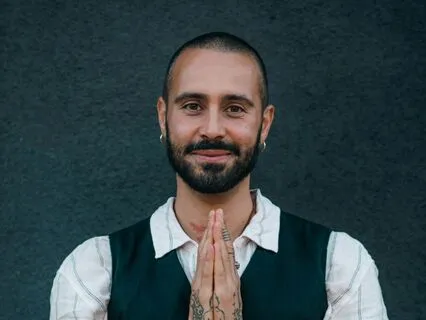
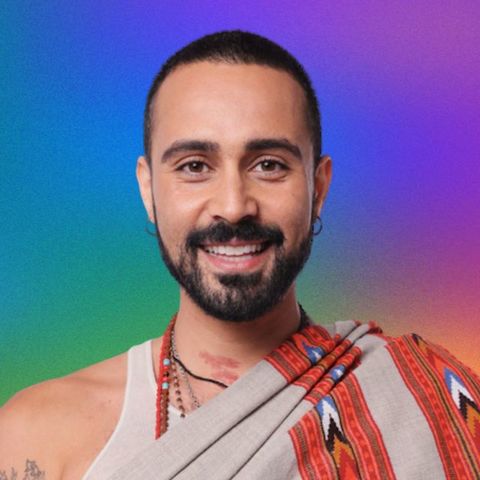
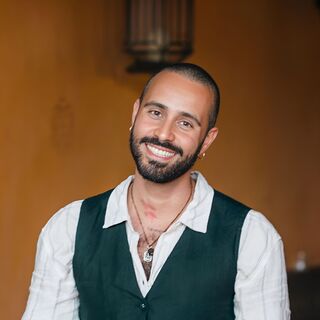
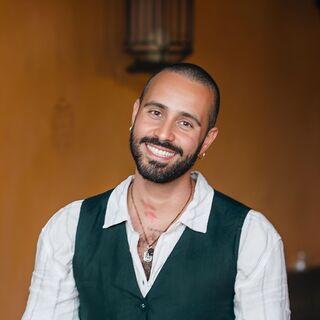
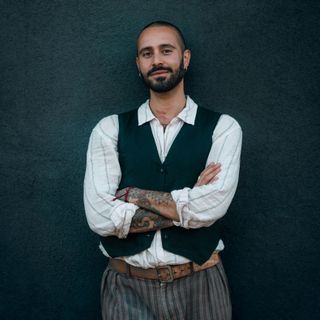
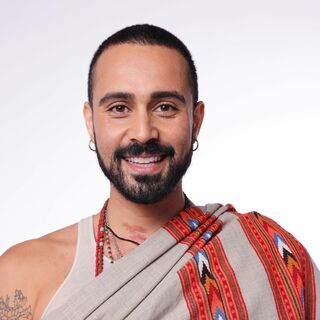
I'm your host,
Sade Simone,
And I cannot wait for you to get into this episode because today's guest,
One may say that she is the most famous psychologist in the world right now.
You probably have been deeply touched by her work.
You probably have been profoundly impacted by her words.
Dr.
Nicole LaPera,
My darling,
The holistic psychologist herself is in the house,
Honey.
She's trained at Cornell University,
Also the New School for Social Research and the Philadelphia School of Psychoanalysis.
She's the founder of the global community healing membership,
Self Healers Circle,
And the author of the number one New York Times bestseller,
How to Do the Work.
Also,
How to Meet Yourself and her new book,
How to Be the Love You Seek.
Get into this episode,
Get your mind blown,
Bring a pen and paper,
My darling,
And a box of tissues because it will literally light you up.
We've talked about things that most people are unwilling to speak about.
Most people are unwilling to say the things that we said on the record because they are afraid of risking what people might say,
Of being judged,
But we went there for the benefit of all beings.
Enjoy this episode.
What an honor,
What a joy.
I've been waiting for this moment for a long time.
Hello,
My sweet darling.
Welcome to the show.
Thanks for having me.
I too have been waiting for this moment for so long.
I'm such a fan of you.
Thank you,
My love.
Okay.
So let's jump right into it.
Why psychology?
What made you get into psychology and also created this movement?
Because I'm coming from a point where I'm like,
Some psychologists are harming people more than helping people,
And what you're doing is actually helping people.
And I'm like,
Excuse me,
Thank you.
On behalf of all traumatized people who are seeking help and all they have is a traumatized psychologist projecting and inflicting and harming.
And I say this with grace too,
And obviously my filter is sassy.
So thank you for getting into the field of psychology and doing work that's genuinely fucking helping people.
But why psychology?
What prompted you to get into it?
As long as I can remember,
I think probably when you start getting asked,
What are you going to do when you grow up?
I was probably around high school and I was so fascinated with understanding other people.
Obviously,
I think most of it is grounded in understanding ourself,
What makes people different than me,
What makes people similar to me.
So I think I was really interested in the human mind is what inspired me then to,
Okay,
Well,
The field that you go into to understand the human mind,
To help people understand and relieve their suffering as a psychologist.
So flash forward many years in schooling and opened my practice and started to feel very similar to what you're feeling in terms of the word that kept coming up for me is I felt so disempowered.
As a human who was struggling for similarly,
As long as I can remember,
With anxiety,
I'd spent time in and out of treatment rooms myself,
I thought,
Okay,
Well,
This is just something that I have to manage for a lifetime,
Live with,
And was continuing to see the clients that I was working with feeling really stuck,
Not able to translate the beautiful insights and awareness that we would come to in our sessions together and kept coming in reporting an inability to create the change that they were ultimately looking for.
So feeling pretty low at that point,
I sought to really understand what was going on.
What I saw and why I'm such a huge fan of your work that was glaringly missing in the conversation was the human body was really a true understanding of trauma and its impact on the human body and our physiological functioning and our nervous system and really everything in between and using that information and creating such incredible transformation in my own life is really what inspired me then to bring the message online,
Create the account,
And then lean more recently into community-type healing,
Really understanding the different access points.
I think many people were limited.
Many people weren't gaining benefit from certain therapeutic settings and beginning to explore ultimately,
Well,
How can I do this in a global community-driven way?
Can you say more?
Well,
First of all,
Thank you,
Goddess,
For this beautiful,
Deliberate,
Articulate,
Wise response.
Thank you.
Can you talk to us about where does talk therapy end and where does the somatic body-mind connection begin?
And I know it's not like a simple,
Oh,
This is where it ends.
This is where it begins.
I get it.
But just to simplify something that's not simple at all,
Just to bring language to something that doesn't have language because it's all interconnected,
Interdependent,
But just bring us into that space.
Because I think a lot of people,
They come into our work and they're like,
Okay,
Cool.
I get it.
But I really love talking about my problems.
I love talking about the drama.
I love sipping the tea.
I get so much out of it.
But do you really?
Have you been going to therapy for 10 years and have you been talking about the same things?
Okay.
So bring us into that point.
You actually very beautifully,
When you articulated the interconnectedness,
I would argue that there is no end,
No beginning.
I think that the mind and body,
Or I know that the mind and body are really in communication at all times.
So that which is in the body is reflected in the thoughts of our mind,
That which is thoughts in our mind or whatever thoughts that we're stuck at,
Whether it's continuing to relive our past problems,
Then becomes impacted or imprinted ultimately on the body.
So until I think we really understand that two-way communication,
And I'll be the first to admit,
I loved complaining.
I loved talking about the latest stress,
The latest issue.
And for me,
That really came from my earliest environment,
My childhood home,
Where there was a lot of stress,
There was a lot of health issues and constant things even happening in the city that I was living in.
And always something was my family motto.
And anytime there was something to worry about regarding anyone in the family home,
It would be a shared point of connection.
So for a long time,
Not only was I carrying all of the stress and trauma,
Because I didn't have that emotional attunement to embody my feelings and release my feelings,
I carried them with me.
So communicating to my mind all of the stress in my body continued to create racing concerns,
Worries,
Ruminating on the issues that I was having,
Coupled with this idea that that's what relationships are.
That's what they're for.
So I would go to,
And I had some really healing conversations with some long-term friends at this point,
Apologizing to them.
When I was with them,
I was so hyper-focused on talking about what it was that was going wrong in my life,
I couldn't unhook my attention and engage with any aspect of them or their experience or even be present to them in any way.
So I think the large majority of us are carrying the remnants of our childhood.
Some of us,
I do think,
Rely on that retelling,
Mainly because it's locked in our body.
Also,
It's a protection.
If I'm talking or thinking or trying to analyze,
And I think this is where it can get confusing for some people,
Especially really insightful people in therapy,
Perhaps,
Right,
Oh,
Well,
I'm self-analyzing.
I'm trying to understand myself.
So if we're doing that from the mental world only and not dropping into how I'm feeling in my body,
What the sensations are actually telling me in my body,
Then that's,
In my opinion,
At least a protection,
Right?
I'm in my mind because it's safer than being in my body.
The reality for the large majority of us is we don't know how to be present to our body.
We don't have the stress or the emotional resilience,
The ability to tolerate all of the overwhelming feelings that are there.
Okay,
Honey.
Damn!
Oh,
My God.
My producer is going to be mad at me for screaming into the mic,
But I can't help myself,
You know?
I'm going to do that Alanis Morissette thing where she steps back from the mic and she goes,
Damn!
Oh,
My God.
Yes,
Beautiful.
Okay,
So talk to us about being in the body,
Experiencing a difficult,
Going through a challenging experience in the present moment.
What is it like to be in your megaboss,
Prolific,
You know,
Really wise mind,
Really developed nervous system,
Really present,
You know,
Somatic understanding of being human?
What do you do when you are in conflict with a partner,
With a parent,
With a friend,
Or even at the grocery store,
Or whatever it may be?
We're constant,
You know,
Flooded,
Flooded I shouldn't say.
I feel like knocked at the,
As Rumi would say,
At the guest house of our life,
Of our body,
Of our mind with,
You know,
Challenging feelings,
Difficult feelings.
What is the process that you go through if someone could be,
Have a microscopic scientific lens to your inner world?
What does that look like sort of step by step?
And I know all of your work is about this in all of the books and people.
You don't need me to talk to her to talk to you about getting her fucking books,
But do it so you can learn.
So talk to us about what it means to be in your body and process the stuff as it's arising.
The first foundational step,
And this might sound really simplified for some of you listening,
Is to make sure that we're in our body,
Meaning our attention is,
You know,
Unhooked from whether it's the external world where we're constantly worrying about who needs what around us or waiting for the next shoe to drop.
In the internal world,
Like I was just sharing,
Of obsessive or ruminating,
Overwhelming thoughts or just that blankness.
I discovered nearing my 30s that I was so far away in what I call a spaceship.
I had become so distanced from my physical body and my emotional body because that lack of emotional safety in childhood with the consistent stress of what was going on in my childhood home and then general stress of life before long,
My nervous system shut down and I started to dissociate.
So I wasn't necessarily lost in thought.
I wasn't necessarily always worrying about what was going on around me.
I spent a lot of moments with just like a blankness in my mind,
Though I wasn't,
Again,
Paying attention to my body.
So I'm emphasizing this step because I think a lot of us aren't sure where our attention is and or we're unable,
Right,
To unhook it from wherever it is and to return to our body.
Because the second piece of this is we're not going to want to pay attention or be able to pay attention if our body is consistently overwhelmed.
So when we're attuning then to our body and we begin to maybe notice,
Well,
What are my muscles feeling like?
Are they at ease?
Are they carrying tension?
I mean,
For me,
I knew I carried tension in my jaw,
In my upper back,
So much so that my posture,
I mean,
To this day I'm still a work in progress trying to,
You know,
Tuck my shoulders back.
What about my breath?
Am I breathing calmly and evenly from my belly or is my breath so heavy and quickened from my chest?
Maybe I'm holding my breath.
I still drop into my body to this day and notice there's a lot of moments where I'm holding my breath.
What about my heart rate?
Is it more or less beating in its normal rhythm or does it feel like it's beating out of my chest?
Or,
Again,
Am I so disconnected that I can't feel my heart rate at all?
I notice that when I'm in that really calm,
Grounded state,
I'm able to pay attention to my body.
My muscles are reflecting that ease.
I'm present and available to move into action if I need to,
But I don't feel like I'm crawling out of my skin or I don't feel,
You know,
Tension.
I'm not sweating.
I'm grounded.
Again,
My heart rate is beating normally and my breath is coming from deep in my belly.
Once I have that kind of checkpoint,
And a lot of us it's a process to learn how to pay attention to the body.
It's a process to create that safety in our body through the somatic practices,
Through the breath work,
Through the movement,
Through the stretching for me has been incredibly helpful,
Stretching out all the tension in my muscles.
So now that I'm in that grounded presence and I have that point of comparison,
So to speak,
Now throughout the day I can start to notice as I'm going about my life and my loved one says the thing that makes my heart rate start to elevate,
Or the stranger on the street,
Right,
Does the thing,
And I begin to clench my fist.
Now I can start to notice my body in real time as it's starting to up its stress level because there is a point of no return.
And whatever that habitual thing we do,
Screaming and yelling when we're too stressed out,
When we're too upset or flooded with emotion,
Or distracting ourself,
Scrolling online,
Changing the subject around a difficult conversation,
Or like me,
Checking out.
I'm usually there,
But there were times in my early relationship with my partner Lolly,
She would put her hands in front of my face and say,
Are you listening?
Are you there?
And of course I was physically present,
Seeming to be listening,
But I had that far away look in my eyes.
So when that's happening and when we're paying attention to our body,
We can begin to intervene through conscious choices before we cross that point of no return and say and do the things that we want or disconnect from the people that we love and probably need in that moment to help us create the safety that we can't.
Beautiful.
Thank you.
Thank you.
So it really comes down to present moment awareness of the body.
But also what I'm hearing you say is train yourself throughout the day when you have moments of peace,
When you have moments of making conscious choice to be embodied,
Making conscious choice to track and trace and be in your body.
So then when the shit hits the fan,
In small ways or big ways,
Then you actually have some degree of what we would call in Buddhism equanimity or enough spacious awareness to trace the feelings in the body,
To be with it and be like,
Oh,
When this feeling comes up,
These are the stories that I tell myself and when I tell myself these stories,
I say these unkind things and I do these unkind things.
So before we set that chain of emotion,
That chain of reactivity where you say point of no return,
Tracing the feeling in the body,
Being with the heart rate,
Being with the sensations,
Stretching the muscles,
All this stuff is so,
I mean,
Massive.
And one thing that for me too that has helped me is giving language to the feeling.
Not thinking the feelings,
But describing what it feels like to feel that feeling.
Sometimes it may be like,
Hey,
This feeling feels like a heavy metal ball in my stomach.
And throughout,
By naming it,
We start to dissolve the tension around it and create a little bit of spaciousness.
And I also,
With this in mind,
I want to open the door for us to get to know you in a deeper level.
And I'll share first,
I used to have this feeling in my belly,
In left side of my belly,
And it was like a buzzing,
It felt like there was a bunch of bees,
It was like a beehive on the left side of my belly.
And when this feeling was alive in my belly,
This is like maybe like three,
Four years into my spiritual awakening.
And when that beehive feeling was in my belly,
The stories that would come up in my mind were,
There's no point of being here,
You should just unalive yourself.
There's no reason why to stay here,
You have done all these fucked up things,
You've hurt all these people,
You've hurt yourself,
It's all going to come crumble very soon,
There's no point.
And I did everything in my power to escape the narrative in my mind,
But never to be with the feeling in my body,
Until there was one day I was living in Brooklyn,
And I said,
Okay,
Time to drop the story and be with the feeling,
Time to drop the story and be with the feeling.
Let me apply the somatic wisdom that's been like the gateway of liberation for so many sentient beings,
Let me actually live this shit.
So I came into the body and I was able to experience the feeling for what it is,
A passing sensation that needed my loving and care.
And one thing that I've realized too,
Is if we have been neglected by our caretakers growing up,
We are neglecting the utmost intimate part of ourselves,
Which is our feelings.
We're just applying the same fucking bullshit,
They neglected us,
Now we neglect ourselves,
And by neglecting ourselves,
We're neglecting our feelings.
So now with this context,
I started to feel that feeling in my belly for being like a buzzing beehive,
Not that when this feeling was alive,
These were the stories,
And if those stories were here,
That meant that I should act on them.
Slowly,
Slowly,
The more I felt that feeling without the story,
There came a point that those stories in my mind no longer had that emotional charge in the body.
And now when I feel this feeling in my body now,
It's not that I am in danger,
It's not that I am a fuck up,
It's not that I am a bad person,
Or it's not that none of those suicidal ideation narratives,
They're no longer ingrained,
And married,
And twisted with that feeling in the body.
And it's so mind-blowing when we can actually have,
We can see the freedom of somatic liberation taking place when stories no longer have emotional charge in the body,
Because we're no longer choosing to engage with the story,
But to engage with the feeling.
Is there,
Do you have a similar example for you?
Absolutely.
Thank you,
Stav,
For sharing all of that with me.
And I think,
Again,
In that merger of story and a feeling,
For so many of us begins so early in childhood,
Where our mind is always trying to assign meaning and to make sense of the world around us.
And you're giving that beautiful example of why we can't separate mind work or psychological work and leave out the body,
And vice versa.
We can't leave out the mind and the stories that are so interconnected,
Because they are loaded with a charge.
And one of the earliest sensations I can remember,
I struggled to recall the story of my childhood.
And I've come to realize that it's not the brain defect that I thought for so long that it was.
I'm struggling to recall these memories that everyone else seemed to have.
I now understand it's really a function of that lack of emotional attunement,
And all of the overwhelming,
The stress chemical cortisol,
Actually having an impact on the developing part of my brain,
The hippocampus,
And my ability to recall those memories.
So what I did discover is I am the living memory.
I'm the embodiment in these narratives,
In the way,
Like I was even sharing,
My posture began to hunch forward.
And the sensation that I can remember,
As a very young child,
I can't give the exact age,
Though it was recurrent,
Because it would always coincide with a recurrent nightmare that I would have.
And the sensation would feel like I would wake up from a dream,
A scary dream,
And it would feel like there was a pressure on my chest,
And it was pushing into a hole on my chest.
And for me,
Looking back now,
What I really understand was happening was the pressure that I was feeling was all of these overwhelming emotions,
And the hole that it was pressing into on my chest was quite literally the absence of the loving connection.
That of no fault of my mom,
My primary caregiver,
She herself was so emotionally disconnected,
So emotionally shut down from her overwhelming and traumatic childhood,
From traumatic things that happened early in my family unit before I came along.
She had me when she was 42,
So I had a sister who was 15 years older than me,
And her brother was 18.
So they had a lot of life and a lot of health trauma that had happened.
So that sensation got,
Over time,
Coupled with the narrative being,
I am not considered.
And the consideration was,
For me,
Emotionally,
When there was always something happening in the family,
Like I was describing earlier,
All of the attention would go to,
And it usually wasn't me,
That was always something,
Because I,
At this point,
Was sensing the elevated stress in the home.
So I would try to minimize bringing anything possibly stressful.
If I wasn't bringing an achievement or a gold star or something to light the family up,
You wouldn't hear about,
Over time,
Things that could possibly add more stress into that mix.
So while all of this attentional focus was kind of ping-ponging around the latest issue in the other family member,
I was left to feel all of the overwhelming emotions.
None of it was really talked about directly.
I was in a family where the things would kind of happen behind closed doors,
And nothing was actively discussed.
So I was left alone with the pressure beginning to build up.
And then,
Over time,
I believe what happened,
Why my posture,
All of this tension leading to all of this kind of bracing as part of that shutdown,
That dissociated,
That freeze state,
My posture started to hunch forward,
Quite literally,
In protection of my heart.
And then,
Very interestingly,
As we're very contradictory creatures,
That which I needed the most,
I was starved of that emotional love and connection,
Became,
With this narrative of I'm not considered,
All I saw at every turn was how no one's considering me emotionally.
And in those moments,
The way that I would cope would be to push people away,
To make sure that I wasn't considered emotionally,
And to make sure that I wasn't available to receive,
Or I wasn't a person who was even seemingly needing,
Because nothing ever bothered me.
I shoved it all under the table,
The emotional support that I truly needed.
And this was the big realization I came to,
And a lot of it inspired this newest book,
How to Beat a Love You Seek,
Because working with couples,
When I was in my more traditional practice,
I did a lot of work with couples and families.
And I continued to see these cycles being repeated in these dynamics,
Where so many partners were left in partnership,
Feeling alone,
Feeling disconnected,
Erupting emotionally,
Even coming from childhoods where they swore,
I'm not going to repeat those patterns.
And yet we are all,
In some way,
In my opinion,
The living embodiment of those earliest woundings,
And our relationships is one of the primary places that those cycles play out.
Beautiful.
Wow.
So beautiful.
And thank you for sharing so intimately all of that.
Before we jump into the book,
I have a question that I love hearing experts in the field of trauma healing talk about.
And for me,
In the community on social media,
It's always like a very,
What can I say?
It's a very controversial topic.
I don't know why,
But forgiveness.
Have you forgiven those in the past?
Have you arrived at a change of perspective with them?
For me,
Forgiveness is so much of a gift,
An exercise for the individual self.
I think a lot of times we traditionally think,
Well,
I'm forgiving this person.
And in reality,
I believe forgiveness is actions,
Many actions,
A process that we undergo,
That we go through,
That allows us to release the,
Or first of all,
Be in presence with,
Let me not skip that very important step,
Of all of the feelings about what happened or what didn't happen.
And then ultimately,
As you beautifully teach,
To allow those feelings to come and go as they will,
To lessen the charge,
To remove or lessen the focus from those hotly narratives,
Those kind of activating narratives that we're repeating because of the wounding,
To allow ourself to let go in the sense of what it is that has happened.
So applying that definition to my process and having taken the moments,
And the reason why I go on and on about the physiology of trauma and try to give the underlying reasoning behind why some of these behaviors and even cycles and patterns are alive in us and in other people is because,
In my opinion at least,
When we have the awareness of where some of these very hurtful actions,
And I've seen myself in very hurtful actions,
Saying and doing things that I don't want to say or do,
Removing myself,
Removing love from people that I very much want to show up in connection to and support of and to give love for.
So in those moments when I have that operating awareness of,
Oh,
I'm doing this in protection,
I'm doing this because this is all my mind and body knows to do right now because I'm feeling fearful,
I'm feeling overwhelmed,
I'm feeling dysregulated with whatever's happening with me emotionally,
Now I can expand into a space of compassionate.
I can hold everything that's happening and also allow in a bit of compassion for why that it's happening.
As I've gone through the cycle and continue to this day,
Go through the cycle of that embodiment of,
Okay,
Here's what's happening,
I can understand why,
I can allow space for all of the different ways I'm feeling.
For me,
In terms of the unmet needs,
I can be with all of the grief of not having had that emotionally attuned caregiver,
Of having felt non-considered emotionally for the large majority of my life.
I can hold space for all of the wounding.
I've now created in my past relationships and sometimes in my current ones when I'm in those moments and I can wrap it all in compassion.
As we cycle,
I think,
Because it is very much a cycle of that journey of embodiment and presence and extending compassion,
Then I've been able to extend that outward to similarly see my mom and all of her intergenerational patterns and all of the why.
I needed to take that first journey of being with my pain,
Of actually allowing myself not just to say that it's okay,
I was fine,
I didn't need anything,
To say,
No,
I needed things and I didn't get them.
To be with my own grieving process so that I didn't just bypass over,
Because this was even going back to my desire to be a psychologist and understand people,
One of the things I noticed I did,
One of the patterns of avoiding how I felt about things was to over-explain away why someone was doing what they were doing.
Someone hurt me.
Oh,
Well,
It's because they're hurt.
They came from a hurt childhood.
Not allowing all of that presence to,
Well,
How I feel about the hurtful action or inaction that this person took.
Again,
As I've evolved and continued to evolve into that journey and allow myself to be with the grief of everything that wasn't the case for me,
I do believe that I've been able to forgive in sense of the word and to be more grounded in my presence about that which was.
Beautiful.
Wow.
Beautiful,
Beautiful,
Beautiful,
Beautiful,
Beautiful.
Thank you for sharing that.
That was really,
Really beautiful.
I'm like,
Ah.
You brought up the word grief,
And I think a lot of people only think about grief in the sense of like for us losing a parent,
Or I call it,
We are often using lowercase T for trauma and capital T trauma,
But there's also the capital G and the lowercase G for grief.
The capital G is for the death of a parent,
For big life events that are so that they really bring a sense of disenchantment about life.
They make life that already feels surreal,
More surreal.
Like how can I keep living without a mother?
It doesn't make sense,
But we have to continue living,
Right?
We have to continue creating a legacy of love that lives on,
That brings their love into the equation,
That does something for their legacy too.
Now you're speaking about the,
I'm not diminishing or being pejorative about it,
But it's the lowercase G,
Which is like all the ways that I didn't have the life,
That I didn't get the care.
Can you speak more about that grief?
Because what I've been realizing through the somatic presencing and understanding,
It's like this grief is always alive.
It's always here.
These two paradoxical feelings of like utter awe and gratitude for like,
Wow,
There's this beautiful tree in front of me.
There is like clouds in the mountains right now.
It just rained.
It's like beautiful.
And then also the grief that this moment that I'm talking to you and watching this beautiful scenery around will never happen again.
And there is a sense of the impermanence of life catapults a sense of like,
Oh,
Wow,
It's sad.
It will never happen like this again.
So can you speak about that and invite people when to bring this into their daily practice of letting go?
I appreciate you expanding grief and all of the different ways.
And in that kind of childhood of health related anxiety,
I had such a deep existential fear around any version of loss.
Of course,
It would always be mapped onto,
Well,
Who's going to get sick and what could happen?
Having parents like I shared of an older age,
My mom being 42 when she even had me,
I was very aware that my parents were older than my peers' parents,
Which meant that I could have a parent or not have a parent sooner than my peers would.
And so always on the mind and the small ways that that then would translate to,
I really struggled when I would get or have something that I really liked,
New shoes.
I wouldn't want to wear them in fear of beginning the process of them not being new,
Of them going through a death.
If I had a piece of food that I really liked,
I would save my favorite dish of my meal to the end because I didn't want to grieve.
It was like this anticipatory,
Oh,
I want this thing so bad.
And I would see this on vacations.
I would look forward to any time we had a family vacation plan,
I'd have the guidebook out.
I'd be planning all the things we do.
I'd be so excited.
The second we go on the vacation to drive off,
I'd be like,
Oh,
Now there's only six days left.
Now I would be mourning the loss of the vacation.
And in all of these small moments where for me I couldn't be with the impermanence,
I couldn't enjoy the food,
The sneakers,
The day to day,
I was out of presence because I was so in fear of the moment going away,
Not to realize that I wasn't even living in the moments because I was so consumed by the fear of them.
So I have and continue,
You know,
I think there's so many versions of grief.
And when we begin to heal and go into and really become present to all of the things that we didn't have for decades,
I would have never said that I had any unmet needs in childhood.
I didn't have a full awareness.
I didn't have a full awareness of the necessity even coming from the trained clinical system of emotions and this idea of emotional attunement and what presence could even look like.
So my grief journey in that sense started when I was entering in my 30s and I gave myself a new definition and I really understood the impact of not having and then giving all of the different versions of grief,
Even grief around my own behaviors of reaction,
As I was sharing earlier.
I spent a lot of time that,
Oh,
My gosh,
I can't remember my life.
How sad.
Look at all of this.
I've lived and I I'm now 30,
Right?
Oh,
My gosh.
Me now marching toward my existential death.
And now I can't even remember what it is that happened.
I mean,
Talk about grief upon grief upon grief.
And,
You know,
I think for most of us,
It is a a complicated bag in addition to like you're beautifully sharing.
And I'm kind of illustrating these in the moments.
The reality of life is it's very momentary,
Right?
It's impermanent.
Things shift,
Things change.
And I'm quite honestly still working on embracing,
Right,
Seeing we had a very hot summer here in Arizona.
And part of it is even the the desert life,
Plant life,
A lot of it didn't fare well.
And even in my back,
My own backyard,
There's a lot of death that over the past couple months I've been witness to and teaching myself in those moments to appreciate the life cycle and the fact that that ending will be the nutrient rich soil that will give to a new beginning.
And so I'm I'm have an ample opportunity,
I think,
In day to day life,
As we all do,
To embrace these moments of impermanence and learn to let go of all of the to be with the feelings of what is present and then to equally allow yourself to transition into what isn't present.
And a really big place I've had to get clear on that for me,
Too,
Is in terms of my own creative cycle and,
You know,
Coming from a I think,
Again,
A much more structured indoctrinated school system where papers were due on certain times and you didn't you weren't able to be in your own flow.
And what I've now come to realize is while I love creative projects and I love thinking about the next book I'm going to write,
What is equally important is the time off,
The time where I'm not doing or creating the winters,
If you will,
Right,
Where I'm turned inward in self-reflection,
Maybe not even consuming any information or content of any kind so that somewhere down the line I then can birth life.
And that for me is a continued journey in a sense of dealing with loss,
You know,
Stagnation,
What it can feel like for a lot of us that I think for many of us,
The fear comes up of what if I never am able to give life again to activate?
What if these feelings don't ever go away?
So can I be with all of it in each of these moments?
Oh,
I exhale for beauty and for gratitude for that.
Thank you for bringing all this into the forefront and explaining your own grief process.
And I felt that,
Too,
My dear,
I felt that,
Too,
Looking back at life and I I'm feeling emotional just thinking about it,
Like,
Where did my life go?
You know,
Like so many moments,
So many,
You know,
Experiences that I look at photos and I'm like,
Where was I?
You know,
I was so checked out because of all the ways I had to perform heteronormativeness for the world.
And I had to like push down my queerness,
Push down my gayness,
My flamboyantness,
My true self,
My authenticity.
And because I was shoving that down so much,
I was so hyper vigilant of like,
How are people perceiving me?
Am I being perceived as straight?
Am I being perceived as normal?
Big air quotes here for the listener,
Because if I'm not,
Then I'm in danger.
And because I was always in that in that back and forth in my world,
I wasn't alive to the moment,
To the beauty or to the sadness,
You know,
To the anger,
To the grief,
To all the layers of like a young little boy that was hurt by the world because the world couldn't handle this legend fucking bitch that I am,
You know?
Fuck.
But hey,
We needed to go through that process and I'm glad we're able to name that.
So thank you for bringing this into the mix,
Too.
I appreciate because what you're talking about is another added layer of grief,
Which is the shedding of identity.
All of the ways we thought we had to be and many of us did wear the masks and performance that got then embedded into our relationships.
And as we get clear on what's our conditioning and what's,
You know,
Kind of really us that that deeper self and begin to shift out of those habitual ways of being and create change and reconnect with this new identity and then walk through all the discomfort very bravely and express it to the world.
There's a lot of grieving for what once was.
There's a lot of fear of what will now be.
How will I be received?
What will this mean in my relationships?
Will they stay the same?
And again,
Just speaking from my own journey,
Very honestly.
And then there's a reality that for some of us,
The answer is no,
They won't be the same.
I mean,
Some of which because I've chosen to create separation or create change in the dynamic in other instances because others have chosen to create separation or create change in the dynamic.
So again,
When we're healing and coming into ourself,
We're we're shedding a lot.
We're losing a lot.
We're grieving a lot.
We're fearing a lot.
And then we need to navigate that reorganization because our relationships are,
Again,
Our lifeline.
So then how do I and one of the biggest inspirations of even creating that,
Which is the holistic psychologist on Instagram,
Was feeling another version of deep loneliness,
Though not that caved in chest pressure feeling I was describing earlier from a much more grounded place of authenticity,
Of seeing all of the moments that I watered down and censored myself and suppressed myself professionally,
Personally and in all of my relationships and of having had enough trust rebuilt in myself in terms of showing up as who I was and then desperately wanting and needing to connect with other people more authentically.
So the the account itself was a exercise in so many ways in my own healing.
Can I be me publicly and share my story and not worry too much,
Though I did worry a lot and I still continue to navigate disappointing people,
Upsetting people,
People having negative or misinterpreted opinions about me.
And in doing that,
In living in alignment,
Can I attract,
Which overwhelmingly the answer for me is yes,
The more authentically aligned relationships,
Though a lot of it came,
Again,
From loneliness born out of all of the separation that I had both directly and indirectly created or had been created in some of my longest relationships.
Fuck,
That's beautiful.
Yes,
Thank you.
Thank you for naming that,
Too.
OK,
Now speaking about relationships,
Let's shift focus and use the last part of the podcast to talk about your new book,
How to Be the Love You Seek.
Dive in,
Let us in.
What can we expect from reading this new book?
And does it mean one thing,
One thing real quick,
Does it mean that I have to have done the other books first?
Does it mean that I have to have done that to then arrive at this and be the fucking love?
Or can I just jump in to be the love?
I appreciate.
I think this question really comes.
It's a common question.
I'm seeing disgust and people sharing their different opinions on this kind of concept of can I heal in relationship?
Do I need to have this single individual experience of healing before I can enter or continue a relationship?
And my overwhelming,
My opinion on that one is we are all in relationship primarily with ourself,
First and foremost,
And then secondarily with the entire world around us,
Whether it's not with a romantic partner or not,
With family,
With friends,
With the community that we engage with outside of our home,
With our professional colleagues or whomever.
So the short answer is there is no sequence.
All of the work that I create,
I consider it and hope it is approached and experienced as standalone work.
And if anyone was wondering or is not in an active,
You know,
Committed quote unquote relationship per se,
This book,
Again,
Is for anyone in relationship primarily with themselves because all of the habits and patterns that we learned in childhood from simple self-care of our physical body,
Which houses our nervous system.
So,
Again,
This is my style of relationship book,
Which is going to talk about the holistic nature.
So it's a lot about the body and the nervous system and how I can actually create wellness and that flexibility,
The ability to remain,
You know,
Equanimous or grounded in my own presence.
There's so much practical tools in it,
As was the case in how to do the work.
Each chapter,
Whatever it is that we're talking about,
Ends with how to apply these concepts.
So there's nervous system checklists where you can begin to determine,
As we were talking about earlier,
Am I activated?
What's going on in my body?
What does it feel like to be in grounded presence?
There's a lot of somatic tools to get in grounded presence,
To rebuild,
Because many of us don't have that connection.
We were not modeled healthy self-care and we don't continue.
We're continuing to live in cycles of reactivity as a result of it.
Then,
Of course,
The conversation extends beyond that to give us the opportunity to witness all of those masks.
I call them conditioned selves in the book.
All of that,
What I believe to be neurobiological conditioning,
Like we were even saying that merger,
The neural pathways in my mind connected to the physiological states of reactivity in my body,
Communicating with each other and keeping me in this cycled way of being.
For me as the overachiever who never had anything wrong,
Who was just trying to check all the boxes of achievement,
Yet felt so deeply empty inside because I left out a whole part of who I was.
Or the caretaker,
All of you listening,
Who's always showing up endlessly in care of someone else,
Getting your sense of love through that idea of selfless service.
Again,
Probably on some level feeling exhausted and unfulfilled,
Maybe even feeling resentful because your needs are going unmet.
So all of these roles,
Again,
Exist in my opinion,
In my lived experience,
Even outside of my romantic partnerships and all of the ways I showed up in all of my points of relating to another individual.
And then,
Of course,
The tools to reconnect with what I believe and has scientifically been confirmed to be one of the most powerful places in our human physiological experience,
Which is our heart.
I'm fascinated with heart math and all of this new science and research in terms of heart-brain coherence,
The state of harmonious neural activity that we can self-generate when we are in those heart cohesive states,
When we are in those moments of compassion,
Of love,
Of empathy,
Of acceptance,
All of those heart-based emotions,
How it physiologically changes our experience.
And more fascinating,
I have chills saying it,
How it physiologically can change the experience of those around us.
So the book goes into,
I love science,
So throughout the book,
There's science that it's kind of wrapped around all of these concepts.
There's my own personal journey I talk a lot about.
I pass relationships with my family,
With partners,
My continued journey in terms of embodying all of these principles.
Several other stories I share within there as well.
And again,
A lot of practical application.
How do I embody heart coherence for myself?
Because my number one hope that people take away who do choose to read the book is first a bit of unlearning.
I think what a lot of us are calling love,
Right?
Even the title,
How to be the Love You Seek.
I think we're confused on what love is.
We're relating in familiar patterns.
We're trying to find love.
We're trying to seek it by finding this hypothetical perfect partner.
And we're not yet fully aware that love is that embodied state that comes from that connection to our heart.
And love in a relationship,
In my opinion,
Is being in that state of self-acceptance,
Seeing all of the great,
Seeing all of the dark in ourselves,
Allowing us to be present with all of us,
Simply being safe and secure to be who we are,
And then gifting that safety and that security.
Not trying to demand someone be different.
And I would see this as a theme in a lot of relational therapy.
Very well intended.
This idea that you have to show up some way differently to make me feel some different way.
And love,
I don't think,
Is any of that.
It's the safety and the security to allow your partner or your loved one to be who they are.
And then the ability to navigate those natural moments of disagreement,
Of conflict,
Of upset emotion,
And to still remain on that same team,
To learn how to negotiate where both person's needs can be heard and considered,
And to create,
Again,
That more heart cohesive,
Harmonious relationship.
And when we do that,
This is why I feel so hopeful when I see communities like your community,
When I see communities like my community really growing so globally.
When we do that and come together in community,
The science of it shows the incredible impact that that can have on others that are not even within our own communities,
On the state of that social coherence.
When people join together in this aligned state,
It quite literally extends outward.
I cite some fascinating research of individuals joining together,
Not even locally or in the same room,
Creating this state of heart coherence themselves.
And crime in the city in which they were performing this exercise was dropping.
One of the studies happened during wartime,
And deaths on that particular day,
In that particular time frame,
Even dropped a bit.
So my hope,
Again,
Is to relearn what this embodiment of love is,
To give every reader the tools to begin to practice and embody that in their own personal relationships with themselves,
And then,
Of course,
With everyone in their own communities.
And I truly believe this is the way we're going to reverse these dominoes into one that is more universally harmonious and cohesive and allows us to join together and appreciate the diversity that is in each and every one of us and not have to be so at odds or combative because we're just so fearful,
Scared and traumatized.
That's so beautiful.
And I'm glad you named the question.
We telepathically connected here,
Because I was going to be like,
What is your definition of love?
Because I think there is such a discombobulated,
Obsessive,
Compulsive sort of ownership of another.
When we say,
I love you,
That means you're mine and I'm yours,
And not taking into account that everything changes,
That I'm changing,
So are they.
The world is changing.
How we feel about someone,
How we think about someone,
All the ins and outs of all that is changing.
And this idea that this person has to be exactly how I want them to be in order for me to offer them love,
And I have to have done enough work on myself in order for me to give love,
There's all this like,
You know,
Misperceptions of what it means to be in a relational state.
And one thing that I notice very often is this recoil,
This punitive approach to relating,
Where if they don't do X,
Y,
And Z,
I will pull back my love.
It's not that you're going to go and toss a book across the room and hit them in the head,
Bitch,
If that's the case,
You fucking stop that shit right now,
Because you don't want the karmic consequence of that.
But in the simple ways that you just change the temperature of the room psychologically,
Because you are choosing to pull back your love,
The warmth of your heart is no longer shining upon them because they are not performing the ways that suit your vision of love.
Can you speak about this punitive aspect of it?
Because I find this,
This was alarming to me when I was like having this analysis of my own ways of how do I show up in romantic love and how do I show up in friendship?
Because I could do really well in professional relationships and I could do really well,
Although there isn't such a big change.
I'm like a wild freak in all relationships,
But there was something different about the way I showed up in romantic partnerships that I was like,
Oh,
Wow,
If they don't do X,
Y and Z in the exact ways that I want them to do,
I won't text back.
I won't say hello with a hug.
I will wave or I won't get up and greet you with a kiss.
Or like very like they seem small.
But when you add up all those actions that are small,
There is a big karmic momentum of hurt and violence that's taking place.
So in heart coherence is the polar opposite of punitive approach,
Which is the industrial prison complex of our country is seeped in and cooked in and indoctrinated into our own consciousness.
And therefore,
It unfortunately and unconsciously bleeds out into the ways we relate.
I think a lot of it goes back to,
And again,
Of no fault of parents' own,
Our earliest experiences with parenting even where,
I mean,
The thought in the field,
Behavioral experts,
Parenting experts,
Psychologists even who specialize in that,
Upwards until more recently would profess a punishment and reward based model,
A behavioral model of behavioral change.
When someone,
When the child is doing something you like,
You give them a positive reinforcement.
When they're doing something you dislike or disapprove of,
You give them a punishment.
And it is just taken our field to understand and to really look at that model.
And most of us,
Again,
Coming from past generations of parents who maybe even heard this information,
Tried to seek out parenting advice and were directly told this.
Parents who indirectly,
What they were modeled and what they experienced in their homes and what they thought often very well intentioned they were doing to protect the child,
To keep the child safe.
And I think that idea of what I would describe,
The word that popped into my head when I was hearing you talk,
So I was transactional,
Right?
I am looking at and assessing your behavior.
And if it's not to my liking,
I'm reacting in whatever way.
I'm trying to condition you directly through maybe demands,
Ultimatums,
Consequences,
Or indirectly.
And I would see a similar pattern,
It sounds like to you,
Where when I was hurt,
Right?
Always scanning whether or not someone was considering me as much as I'm considering them.
At any moment,
They didn't check the box that I was looking for in the particular way I was looking for consideration.
And I want to be clear on that too,
Because for me,
Really exploring how I was looking for these gestures of what I was defining love and coming to the awareness that the way I was looking for love was in the same way my mom was able to connect with me.
And in childhood,
That was putting dinner on the table every night,
Making me my favorite food or cookies,
Cleaning the house,
Making sure my laundry was done.
So now flash forward into my current relationship with Lolly.
We've been together for about 10 years.
So when we first got together,
I was seeing clients.
So I would work later than she.
She was always.
.
.
We lived together.
She was always in the home when I would arrive home.
I would arrive home to the dishes not done,
The laundry not done,
My dinner not on the table.
Didn't check any of my boxes of love or consideration.
And I would either become reactive,
Why is it so dirty in here,
Screaming and yelling.
Or I would pull one of those,
How was work?
Fine.
Are you okay?
Yep.
Right.
Removing myself emotionally.
Meanwhile,
She comes from a childhood I came to realize and discover through conversations where not only did her family not operate as this unit where they all ate dinner at the same time,
They all had their laundry done the same way.
They all did their own thing.
She actually carried a lot of trauma from very highly reactive moments when she wouldn't put the dish away where it needed to go and her mom would explode or things weren't done the way her mom had wished and she would explode and Lolly would be on the receiving end of that explosion.
So now what I've created,
Because I'm transactionally keeping my scorecard,
Not feeling considered right through that same lens,
My body agitated because it never released any of the stress or trauma or knew how to deal with it and now my eruption or withdraw,
Meanwhile,
In that same moment,
She's receiving me with curiosity.
She's wanting to have contact with me.
She wants to ask me about my day.
She wants to love me in a different way.
But I was too busy keeping score and feeling upset by how it didn't measure up,
Feeling not considered,
Outward came that wound,
And then I removed myself.
So again,
I think there's so many moments where after having,
Of course,
This realization and this insight,
I made the commitment logically,
Insightfully in my mind that I wanted to be someone who worked to embody love regardless of what was happening around me.
I want to show up in whatever way it is,
Grounded,
Compassionate,
Empathetic,
Understanding.
I want to give love to those around me,
Especially those I choose to live my life with regardless of what they're doing or not doing,
In the home or for me.
And so keeping that in top of mind,
Of course,
And then beginning the practice of being able to actually embody that in my action.
Now,
Of course,
That's not to say that some of us might come to the realization in a relationship that boundaries are being crossed or that we can't live and navigate life with someone in a certain way,
Though the more grounded I stay in this,
The more I realized how little the moments that I thought mattered so much because of all this definition I had applied to them.
And I was able to really expand my awareness to see how much love and connection and presence is available that I wasn't seeing when I was so limited,
That the reality of it was it was a equal exchange of energy,
Of love,
Of care,
Of support.
And there was a mutual meeting of needs in my relationships.
Wow,
That's so beautiful.
Thank you for inviting us into an intimate look.
And you brought something up,
Though,
Which I wish maybe you did it because we don't have a lot of time.
I mean,
I have time if you have time.
But listen,
The word mutual or equal,
Which I find so often to be something that hurts relationships where people want,
If I'm doing enough of this,
You better be doing enough of that.
And I've watched through,
You know,
I'm going to be very,
Very blunt and honest,
Like through the relationship of my parents and my mother's sickness through the last four years and seeing like my father coming,
Showing up in a whole new way.
And mom had nothing to offer besides love and care from the bed.
She wasn't the one that was like,
You know,
Tidying it up and doing all the beautiful things and loving us in all the ways that she has done throughout the years.
And even noticing in my past relationship,
Too,
After my mother died,
I was not this super,
You know,
Energized,
Animated,
Hyper productive person.
I was falling apart.
I was,
I had,
You know,
Spurts of depersonalization,
Of derealization,
Of disassociation.
My body was completely inflamed.
I was dizzy.
My sense of balance was off.
My voice sounded weird.
The sounds were muffled.
These were all things that if it wasn't by the grace of having my therapist that wasn't like pathologizing all of this,
I would have been going an entire new route with my grief.
And I wouldn't be here today lit and alive and in service and in kindness and being love through this horrific year that I've lived.
So I just want some,
Because what I've realized is that in my,
This past relationship,
I think this is my perception,
Right?
And seeing through my own relationship,
Seeing my own parents and other people,
There are times in life where we can't meet you halfway,
That we can only give you 10%.
I'm even feeling like we don't even have more than 10% to offer.
And this is the time that people need to show up for us and go 90% and go 99% while a death happens and awful things happen,
You know?
So I want to hear you speak about this because I think there's so much of this if they're not,
You know,
You get my point.
Again,
I appreciate you sharing so much of your personal journey and this question in general because I see a similar idea of what mutual means.
And I think that the definition that is applied and kind of looked for in relationships is an immediacy,
Like you're saying,
A tit for tat,
Right?
Exchange in real time.
And what I've come to understand,
And this goes back to even me embracing my own seasons of creativity,
Mutual,
If we take a more holistic definition of it,
The entirety of our relational experience,
Which then allows for natural life cycles,
For moments similar to you.
Several months after my mom died,
I could do little but cry for a long time and just so overwhelmed with grief,
You know,
Barreling and making it through the obligations that I didn't make a choice to cancel,
Mostly around my membership,
That I wanted to continue to have that running,
But everything else.
And in terms of caring for the home,
Showing up in support of someone else,
I mean,
That was the farthest thing from possibility.
I cannot support someone else if I can—I'm barely making it to support myself if I'm the one in need of that support.
And understanding,
Again,
That mutuality,
Right,
Exists in a much larger scale.
And really,
For me,
Understanding energy,
You know,
At its core and cycles of energy and being in a season of receiving,
You know,
Equally then translates at some point in the future to me feeling—I love it—lit again,
Like you're sharing,
More grounded,
More present,
And more desirous of giving support.
Because I truly believe,
And this could be a controversial statement,
I believe every human being at our core is a compassionate creature.
We want to be in connection to and service of someone outside of ourself,
Of something greater than ourself.
I believe we're wired for that.
So energetically,
That cycle will begin to shift,
That desire to be in service of,
Whether it's,
You know,
Your intimate partner,
Your loved one,
Or even the grand service,
Right,
That you and I do,
There will come a point where we'll become grounded again.
Our energy will begin to flow,
And our desire to be in that act of service will come back.
And then we'll be kind of writing,
If we want to think about it in terms of scales,
Though I think that can be dangerous,
Again,
If similar to you.
If we're thinking about it in the immediate,
The grand scale of the energetic exchange in a relationship does become more mutual,
Though we do have to welcome the seasonality of life,
Those periods where really difficult,
Traumatic things happen,
And where there isn't anything left to give.
Wow.
So beautiful.
I can tell you've really embodied this and lived through it,
Because the words you've used,
Mutuality isn't instantaneous.
I'm paraphrasing what you said,
But that was fucking brilliant.
Thank you.
I'm going to use that shit for myself,
Honey.
There you go.
Enjoy it.
Run.
Thank you so much.
Spread the wisdom.
Yes.
Thank you so much,
My darling.
What a joy.
What an honor.
What a delicious hour with you.
Thank you.
Thank you.
I could not agree more.
I feel like,
As is the case in most occasions,
Though this one in particular,
I've gained healing having this conversation,
Especially knowing that you and I connect around our loss.
We connect around the way we think about this human experience in the really grandest of scales.
Anytime I have the opportunity to be so synchronistic with someone,
It is such a,
Again,
That little lonely girl who feels not considered and unseen is still wrapped up deep inside.
I want to truly,
From the bottom of my heart,
Thank you for this truly healing experience that you've gifted me.
And of course,
To all you listening and your incredible community,
Thank you for welcoming me and my thoughts into your ear.
I hope this was of service.
100%.
And the feeling is mutual.
The little boy is happy.
Thank you so much.
What a joy.
Big love to you and to you,
My darling,
For talking to us and to everyone listening.
I love you all.
More soon.
Did you gag?
I know you gagged.
This episode was freaking lit.
Why did I say freaking?
It was fucking lit.
Oh my goodness.
Wow.
Wow,
Wow,
Wow,
Wow,
Wow.
I hope you feel energized and lit up by this amazing conversation that we just had.
Wow,
Wow,
Wow.
I hope it moved you and inspired you as it did for me.
Holy fucking shit.
Yes.
Okay.
Listen,
Don't forget,
If you want my free guide to help end imposter syndrome,
Leave the podcast a review and send us a screenshot to operations at sadisimone.
Com with the subject line podcast review operations at sadisimone.
Com.
All this in the show notes as well.
And you could also do it if you're listening on Spotify.
Make sure to give us a five-star review.
Send us a screenshot of that too.
And then you have access to my free guide to help you end imposter syndrome.
Okay.
Love you.
Bye.