Welcome to the Mindfulness Meditation Podcast.
I'm your host,
Dawn Eshelman.
Every Wednesday at the Rubin Museum of Art in Chelsea,
We present a meditation session led by a prominent meditation teacher in the New York area.
This podcast is a recording of our meeting booth.
If you would like to join us in person,
Please visit our website at rubinmuseum.
Org slash meditation.
We are proud to be partnering with Sharon Salzberg.
In the description for each episode,
You will find information about the theme for that week's session,
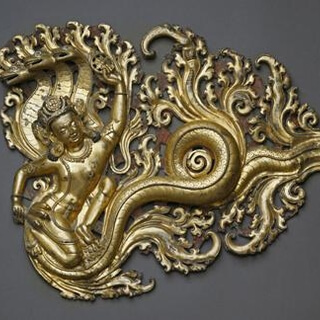
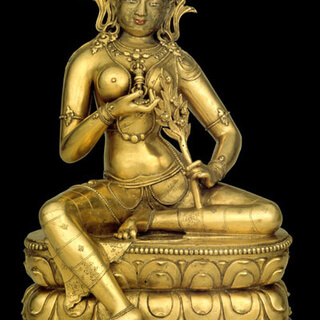
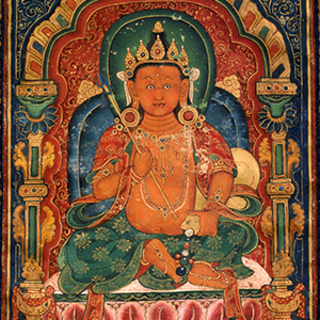
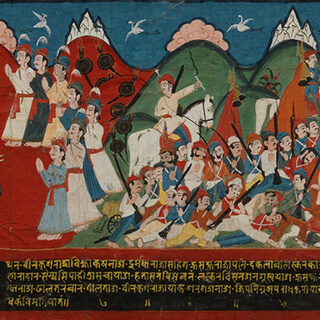
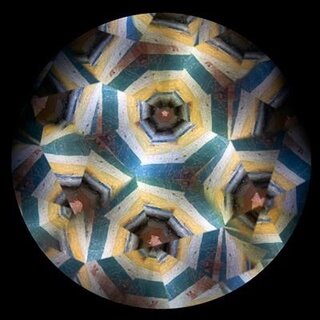
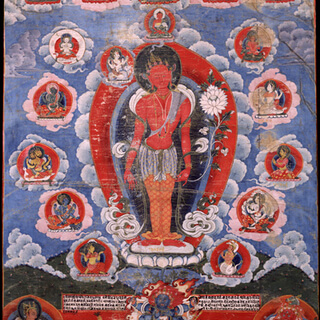
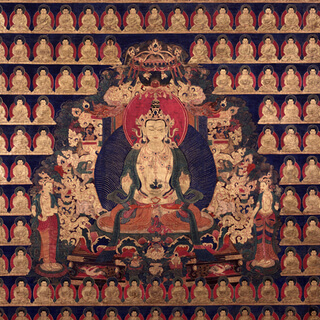
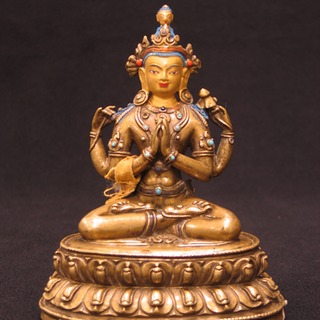
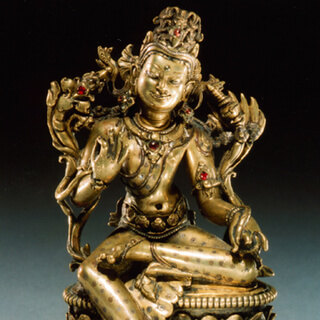
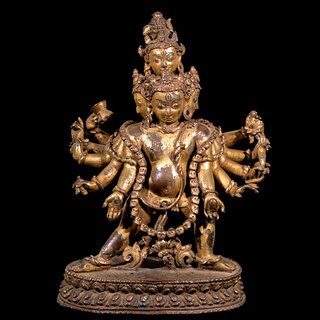
Including an image of a related artwork chosen from the Rubin Museum's permanent collection.
And now,
Please enjoy your practice.
On what are you focused?
This is an important question,
It turns out,
Because according to scientists and meditation researchers like Jon Kabat-Zinn and Richie Davidson and our guest teacher today,
Dr.
Dan Siegel,
What you focus on creates the physical structure of your brain.
So I'm feeling very powerful right now.
Focus is our theme this month in mindfulness meditation here at the Rubin Museum.
And I'm curious if there's anybody new here for the first time.
A few hands.
Great.
Welcome.
Great.
Welcome.
And welcome to those of you joining us online.
We are Facebooking live from Dr.
Siegel's Facebook page,
So you can actually go to his Facebook page and check out this talk again if you'd like to do that.
And I will just reiterate for those of you who know already and for our welcomed newcomers,
That this series runs every Wednesdays at one o'clock here at the Rubin Museum of Art in Chelsea,
New York City.
And we partner with Sharon Salzberg with the New York Insight Meditation Society and are really happy to have the support of the Hemera Foundation for this series.
So focus.
So focus is a nod to an exhibition that has just opened up on the fifth floor.
This is Henri Cartier-Bresson.
Beautiful photographs.
If you haven't seen them yet,
I encourage you to take a look later today.
So delighted to have Dr.
Dan Siegel here today,
And I will turn it over to him in just a moment.
He is the author of this new book,
Mind,
A Journey to the Heart of Being Human.
And I was joking with him earlier that this program is a little bit like the challenge of a haiku,
Writing a haiku,
Because we have a very focused amount of time together,
And we practice during that time.
So we're going to hear from Dr.
Siegel about a few of his thoughts.
I hope that you will enjoy just having a taste of being with him.
And of course he'll lead us in a meditation as well.
But then I really encourage you,
Especially if you're interested in the science perspective of mindfulness and how practicing can really change even more than the physicality of your brain,
You pick up his book.
So he'll be signing books afterwards at the base of the spiral staircase.
And we'll talk a little bit more about that in just a moment.
So this is Dr.
Siegel's first time at the Rubin Museum.
It's a delight to have you here,
And I hope we can have you many times again.
He's a clinical professor of psychiatry at the UCLA School of Medicine,
Founding co-director of the Mindful Awareness Research Center at UCLA,
Executive director of the Mindsight Institute,
Which teaches insight,
Empathy,
And integration in individuals,
Families,
And communities.
He has four New York Times bestsellers,
Including this one.
And Dr.
Siegel also serves as the founding editor for the Norton Professional Series on interpersonal neurobiology,
Which contains over 50 books.
You'll also learn from this book that he is an asker of questions.
And so we have one for him today,
Which is,
What is the mind?
Please welcome Dr.
Dan Siegel.
Thank you.
Thank you,
Don.
And thank you all for being here,
And I'd like to thank the Rubin Museum as well.
What would optimal self-organization be created from?
And there's a very simple answer from math,
And it's called integration.
Integration is when you honor differences and promote linkages,
Not just tolerating differences.
So I was working in Baltimore yesterday with all the violence going on there,
And we brought a very diverse group together,
And they heard a much longer three-hour talk about this,
Where we gathered together as a community and said,
How do you not just tolerate differences?
You actually thrive with differences,
Ethnic differences,
Racial differences,
Historical differences,
Where we've come from,
Religious differences,
Gender differences.
How do you actually enjoy those differences,
Honor those differences,
And then promote deep,
Respectful,
Compassionate,
Trust-creating communication?
So the way we did this the other night in Baltimore,
And the way we're going to do it right now,
Is with a practice called the wheel of awareness,
Which is a very simple practice that just says,
If consciousness is needed for change within,
Let's say,
Your personal life,
Or consciousness is needed for change within a family or a relationship you have with one-on-one with someone,
Or if consciousness is what a teacher uses in a classroom to change,
Or if you're working at the community level,
Like we're doing in Baltimore,
How do you actually change the consciousness of a community,
Maybe even of a country?
But let's just stick with your own personal life right now,
And really address this issue of if consciousness is needed for change,
And if,
In fact,
Integration is how you optimize self-organization and create basically harmony,
This fluid,
Flexible,
Adaptive,
Coherent,
Which is the math term for resilience,
Energized,
And stable state,
And all these things are in the book,
So you'll hear them,
But when you get this harmony from integration,
How do you create it?
We're going to do that right now.
So if you say,
Well,
Okay,
I'd like to integrate consciousness,
I'm at the Rubin Museum or watching from somewhere else,
And we're going to do an integration of consciousness practice,
Here's how it goes.
Picture a wheel with a center hub and a rim,
And whenever you hear the word integration,
It means you have to differentiate something from something else within that system,
And then after you differentiate,
You link.
So in consciousness,
One way of imagining what consciousness is,
Is it's a subjective experience of knowing,
Of being aware.
And let's put that in the hub,
But consciousness isn't just awareness itself,
It's the sound you hear,
It's the thing you're aware of,
And let's put that on the rim.
So at a very minimum,
The way you differentiate consciousness is to honor the differences between the experience of being aware,
Of knowing,
Versus,
And that's in the hub,
In a metaphoric wheel of awareness,
Versus the rim which represents that which you are aware of.
We'll call that the known.
So here's the way to picture it,
And I'll walk you through this whole practice.
If you take the rim and divide it into four segments,
The first segment represents our first five senses that bring in the outside world,
Sight,
Hearing,
Etc.
,
And I'll walk you through all of those.
Imagine a spoke coming from the hub to the rim,
A spoke of this wheel,
That you can move around,
And so we're going to link those to each other,
And then move over to the second segment of the rim,
Which is the interior sensations of the body,
Muscles and bones and organs,
I'll walk you through all of those.
Then we move the spoke over to the third segment of the rim,
Which is mental activities like thoughts and attitudes and tensions,
Hopes,
Dreams,
Longings,
Emotions,
Memories,
All that stuff of the mind,
We'll explore that,
And then we'll move the spoke over one more time to the fourth and final segment of the rim,
Which is our sense of connectedness to each other and our connectedness to the planet.
Now,
How many of you have a regular reflective practice that you do?
Just raise your hand so I can see.
Really,
Really high.
Okay,
So it looks like about a third,
A half.
Okay,
So to do this in the 20 minutes I have is super challenging,
And in the three-day thing at Garrison,
We would spend quite a bit of time doing a breath practice,
Strengthening attention,
And getting it to the wheel,
But we only have what we have.
We're going to dive in,
And I've had good experience,
Even if you've never done a reflective practice before,
Don't worry about it,
But if you find yourself getting frustrated,
This is something you can practice at another time too,
But it'll just give you a taste of it,
A haiku of it,
If you will,
Like Dawn is suggesting.
So let me just say a couple things.
Make sure your phones are off,
Even if you can turn off the vibrating thing.
When you do it in a group like this,
Or if you're out online doing it with other people,
If you do fall asleep,
No problem,
You can do this from my website,
Drdansiegel.
Com.
You won't understand the questions we're going to talk about,
But that's okay.
You can learn about it later.
But if you do start to snore,
It's hard to ignore,
So please just briefly turn to your neighbor and give your neighbor permission to lovingly and gently nod you awake if you start snoring.
Okay,
Now I say that because,
You know,
For some people,
Especially if you've never done a reflective practice,
Not having stuff come in from the outside world can be very understimulating,
And your brain may say time for a nap,
And naps are the most underrated human activity,
I think.
But here's the story.
If you do get sleepy and you're doing this with your eyes closed,
Open your eyes for the light.
You can do this entire practice standing up,
No problem.
Just stand up,
Hold the back of the chair,
Or come to the side,
Lean against the wall.
If you know you're sleepy right now,
I would suggest get on up and just stand by the wall because you can do it standing up.
It's no problem.
Okay,
So imagine the wheel of awareness with the center hub representing the experience of being aware,
Of knowing the rim represents the known.
And just with your eyes open,
Let your eyes first look at my hand over here,
And now let your visual attention go to the screen behind me.
And now bring your attention back to where my hand is in the middle of the room.
And now let attention come to book reading distance,
As if you had a book in your hands.
And just notice how you can determine where attention goes.
And what I'd like you to do now is let attention first just find the breath,
And let's just start with the breath as an initial practice,
And just see if you can sense the feeling of the breath,
Let's say,
At the nostrils,
The feeling of the air as it comes in and out of the nostrils.
Let that sensation fill awareness.
If you want,
You can let your eyes stay open or partially closed or go closed.
It doesn't matter.
Just sense the air in and out.
And now imagine,
Whether you can picture it or not,
Just having the idea of the wheel,
And imagine now letting the breath go as your focus of attention,
And imagine coming from the center of the wheel,
Being in this hub of the wheel,
This experience of being aware,
Of awareness,
Of knowing.
And imagine sending this metaphoric spoke out to the first segment of the rim,
And let's begin with the sensation of hearing,
And let sound fill awareness.
And now moving the spoke over to the sense of sight,
Letting light streaming through closed eyelids or opening eyelids for a gentle focus,
Let light fill awareness.
And now moving the spoke over to the sense of smell,
Letting aromas fill awareness.
And now moving the spoke over to the sense of taste,
Letting tastes fill awareness.
And now moving the spoke over one more time in this first segment to the sense of touch,
Where the skin is touching something.
Let that sense of touch fill awareness.
Now taking a bit of a deeper breath,
Imagine now moving the spoke of attention over to the second segment,
Which represents the sensations of the interior of the body.
Let's begin with the facial area,
And let the sensations of the muscles and bones of the face fill awareness.
And now to the top and side of the head where the ears are.
And then to the muscles and bones of the throat and neck.
The sensations of the shoulders.
And then streaming attention down both arms to the ends of the fingers.
And now bringing attention to the upper back and the chest.
And then to the sensations of the lower back and the muscles of the abdomen.
And now bringing the focus of attention to the hips.
And now streaming attention down both legs to the ends of the toes.
And now bringing attention to the pelvic region.
And opening awareness to the sensations of the genitals.
And now bringing attention to the intestines,
Starting with the lower intestines deep in the abdomen.
And then following those gut sensations upward to the stomach region in the middle.
And then see if you can open to the sensations of the esophagus,
The tube that's connecting the stomach through the center of the chest all the way to the interior of the mouth.
And now moving to the respiratory system,
Beginning with the sinuses behind the cheekbones.
And now following those respiratory sensations to the back of the nose,
Inside of the mouth.
And then down the front of the throat where the trachea is,
The tube that brings air,
Life-giving air from the outside world down into the center of the chest,
And then coming out to both sides as the lungs expand,
The lungs contract.
And now centering attention in the heart region.
And now letting the whole of the interior of the body,
Muscles and bones,
Organs,
Let all those sensations from head to toe,
Let them fill awareness.
And knowing that science has recently affirmed what wisdom traditions have shown for years and years,
That sensing the interior of the body is a deep source of intuition and wisdom.
Knowing you can always come back to this segment of the wheel practice.
I invite you now to take a bit of a deeper breath and imagine moving the spoke of attention over,
This time to mental activities like feelings and thoughts and memories.
In this practice,
We're simply going to open awareness in the hub to anything that might come in and just experience what it's like to invite any mental activity,
Any feeling,
Thought,
Memory,
Anything into awareness.
Maybe lots of stuff will come,
Maybe absolutely nothing will come.
Whatever happens,
Just let it happen.
A kind of bring it on attitude from the hub.
So let's invite anything into awareness from mental activities right now.
And now for the next part of our review of the wheel,
Let me ask you if you're up for maybe a little bit of an advanced step.
If you are,
Just nod your head so I can see.
Most people are nodding their heads.
If you're not up for it,
Just ride the wave of the breath.
But this step is challenging to do but can be very rewarding.
And if it doesn't go so easy this time in the future,
It can really be something worth exploring.
But it goes like this.
From the hub of the wheel of awareness,
This spaciousness of knowing,
Imagine sending the spoke of attention out.
But instead of going to the rim,
Imagine bending the spoke of attention around 180 degrees so it's coming out of the hub,
Coming back then into the hub so you're focusing attention on awareness itself.
Some people like that metaphor of bending the spoke.
Others prefer the idea of sending the spoke out and just pulling it back in or just leaving it in the hub.
Whichever metaphor works for you,
Whichever visual image works for you,
The idea is the same.
Let's experience what awareness of awareness feels like.
.
And now I invite you once again to find the breath and ride the wave of the breath in and out.
And now taking a bit of a deeper breath,
Imagining now straightening that spoke out and bending it out from the hub of awareness to our fourth and final segment of the rim,
The part of the rim that represents our sense of connection to people and things,
Nature outside of these bodies we're born into.
And so let's begin with a sense of connection to people who are closest to you in the room right now.
Let that sense of connection to people closest to you,
Physically closest to you,
Fill awareness.
And now let that sense of connection extend to all of us in this room right now,
All of us in the physical space in which you are right now.
And now let that sense of connection extend further to family and friends who are not physically close to you right now,
Family and friends.
And then opening to a sense of connection to people with whom you work,
To people who live in your community,
Opening to a connection to people who live in your city,
And opening to a sense of people who live in your state,
And then widening that sense of connection further still to people who live in your country,
And then opening to a sense of connection to all human beings,
All in our human family,
To everyone who lives on this precious planet we've named Earth.
And then widening that sense of connection further to include our connection to all living beings on Earth.
And then knowing that science again has affirmed what wisdom traditions have known,
Bringing intentions and wishes,
Kindness and care,
Compassion,
Out from the inside into the world brings positive changes inside and out.
I invite you,
If you're up for it,
To just repeat silently with your inner voice these very basic phrases.
We'll do three sets of them.
And if you're not up for this,
You can just ride the wave of the breath,
And we'll just do this brief set of compassion wishes.
They go like this,
Speaking about all living beings.
May all living beings be happy.
And silently in your inner voice,
May all living beings be happy.
May all living beings be healthy.
May all living beings be safe.
And may all living beings flourish and thrive.
And then taking a bit of a deeper breath,
We'll now send those same wishes to an internal sense of who we are,
Which is the word I.
May I be happy.
May I be healthy.
May I be safe.
And may I flourish and thrive.
And taking a bit of a deeper breath,
We're going to send one more set of wishes out.
Say,
Well,
What would an integrated identity be?
And integration,
Remember,
Is honoring differences,
Maintaining those differences,
But then establishing linkages.
So an integrated identity can be seen as both an internal sense of who you are,
The body you've lived in since you were conceived,
Really,
As a me.
This is my differentiated inner personal experience as a me.
But we also have an identity connected deeply to each other and the planet as a we.
So how do we reconcile that we're both a me and a we without losing either one?
So an integrated identity,
You would add me plus we into one thing and call it,
For example,
In English,
Mwe,
M-W-E.
So let's send these same wishes,
And we'll do just slightly elaborated,
So you can see how those can be,
To mwe,
To mwos.
And this is how it goes.
May mwe be happy and live with meaning,
Connection,
And equanimity and have a playful,
Grateful,
And joyful heart.
May mwe be healthy and have a body that gives energy and flexibility,
Strength and stability.
May mwe be safe and protected from all sorts of inner and outer harm.
And may mwe flourish and thrive and live with the ease of well-being.
Now once again,
I invite you to find the breath,
Ride the wave of the breath in and out.
And then when you're ready,
Taking a more intentional and perhaps deeper breath,
We'll bring this wheel of awareness practice to a close for now.
When you're ready,
You can let your eyes come open if they're closed.
Feel free to stretch around a little bit.
Thank you very much.
May mwe be well and go out and integrate.
That concludes this week's practice.
If you'd like to attend in person,
Please check out our website,
Rubinmuseum.
Org slash meditation to learn more.
Sessions are free to Rubin Museum members,
Just one of the many benefits of membership.
Thank you for listening.
Have a mindful day.