Welcome.
We'll begin shortly in about one minute.
Thank you for joining.
We're ready to begin.
If you're here on zoom with us,
I just ask that you mute and welcome everyone who's joining us live stream also from Facebook or LinkedIn or YouTube technology is amazing that it can bring all of us from all over the world together.
Even though I think,
You know,
Over 18 months of COVID-19 I think a lot of people are having fatigue from zoom and elsewhere,
But there's still quite a miracle about it.
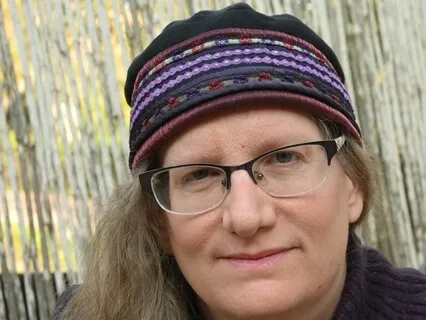
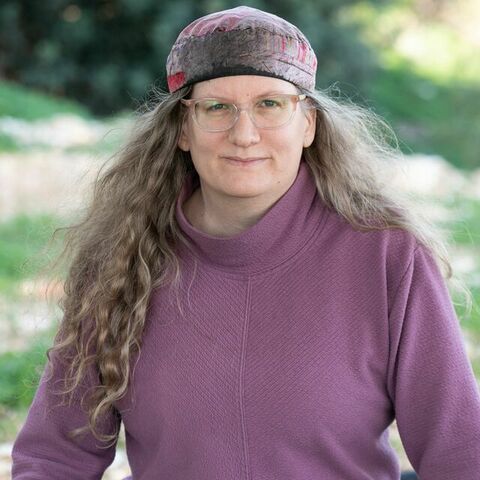
So I'm Rebecca Surya-Steinbauer,
The founding director of the Institute for Holiness,
Kedushah,
Kedushah,
Kehilat Musar.
We're here in the Galil in Israel and we offer Musar mindfulness deep steeped in the Jewish tradition of Tikkun Hamidot of repairing rectifying our unbalanced soul traits and using the tradition of insights,
Mindfulness,
Meditation,
To also assist us in our practice and our growth and wisdom and understanding and then compassion and kindness so that we can be of service to others and God.
I'm delighted that you joined us.
My apologies for yesterday.
Thank God everyone's healthy and well,
And I hope you are too and safe.
Yes,
Thank you.
I tried to do a last minute announcement.
So if you didn't get it,
I apologize if you went on zoom and we weren't there.
So thank you.
We are in the middle of the 40 days Elul practice.
And we are now on the 18th day of Elul.
I had to double check so I wouldn't say that incorrectly.
Which means for us that we're almost halfway through where we are going to practice.
We're practicing all the way through Yom Kippur,
The Day of Atonement.
Some people do a 30 day practice up to Rosh Hashanah,
But we continue on the classic practices 40 days within our tradition.
So this week,
We are concentrating on our neutral people in our lives,
People that we're not so invested in,
But that we run into or that we hire or that we see.
And it's important to really remember those relationships because we rely on them for a lot of things and we can often take them for granted.
So as much as this is a forgiveness practice leading to Yom Kippur and Rosh Hashanah,
It's all about long term honor.
And let's see here,
I'm going to make sure everyone's on mute.
Just give me one second.
I can hear ruffling.
Thank you.
If you haven't,
If you could mute yourself.
Thank you.
So just a small little introduction of this third week of practice,
Our neutral person that we lose sight when we take for granted and those quick relationships,
Those people that we might run into or even in a parking lot,
Wherever the case might be,
That we can often have tense interactions that either hurt us or we hurt others,
Depending for a short tempered or impatient,
Whatever it might be.
And this practice of honor is really if we don't honor ourselves and honor them,
Seeing them as created in the image of God,
That they too are a holy soul and really practicing around it to honor them in that way,
Then we get stuck in judgment.
And we can feel that in our own souls,
And our own light can't shine through.
So we're going to keep that in mind as we come through,
I'm going to assume that in this third week,
You have come to the point that if there is someone that is like a neutral person in your life,
That you actually have hurt this past year,
For whatever way or reason that you've already reached out to them,
If you're able to and apologize,
Because that is what we do in our Jewish practice is we take responsibility and apologize.
What we're going to work on today is any leftover residue that we haven't forgiven ourselves,
Either for behavior,
Or someone neutral has actually caused us to suffering the past year,
You know,
Maybe someone cut you off and screamed horrible things at you in the car,
Whatever it might be that we carry that tension,
And sometimes we don't let that go.
And it hurts us and it sits with us.
So really,
This practice today is letting go of any suffering and forgiving,
Forgiving that person,
Letting it go.
So with that,
We're going to move into our kavana,
Our intention for today,
And then I'm gonna share a short amount of words of why we even who we base this practice on who we're modeling ourselves after which I bet you could guess.
Okay,
First,
I'm going to pull up our intention as usual.
So here you have before you one of three cover notes that we do.
And we say before doing acts of caring for the self,
We say this,
This is something I am doing to strengthen my own soul in order to be of benefit to others in the future.
So we take that in and we really feel that because this half hour special you have dedicated to your self care.
And really,
This is going to strengthen you build your just love and let your nashama your soul to sign through shine through.
And so honor that you have dedicated this half hour that is your kavana for today.
Together.
Now,
I'm just going to share some short words,
I tried to find this text on safaria,
Which is a wonderful website,
If you don't know it yet,
It has lots of rabbinic texts.
But they didn't have the one I was looking for.
So I'm reading from Kitzur Shulchan Arokh,
It's basically an abbreviated version of the classic Jewish law book written by Rabbi Yosef Karo in the 16th century,
Sephardic rabbi,
He codified Jewish law sense,
Essentially.
And the whole section is in what's called my core chime right here.
And he has a little section called me dot tovot.
So the good soul traits,
The good pure ones that we are trying to really emulate and strengthen in our lives.
And so I'm just going to share some quick words before we move into our meditation.
So it is near Marba Torah,
And it says in the Torah,
A hare ha sham lf hai femtehlu.
After God,
Your God,
Hashem,
Your God,
You are to walk,
Meaning you're supposed to mimic your behavior after and they take this from Devarim from in the Torah.
And then it says,
Kids are like,
I am needs.
So how are we supposed to do this?
And then it says,
Hooray,
In a show route,
Like a record,
A hashan,
There's no there's no possibility to walk away,
Walk,
Basically in God's shoes.
There's no it's never ending.
There's there's so much right.
But it doesn't stop at that,
Right?
It says,
Hafamim he's be rule.
So our sages go ahead and explain she ha Kavanah hafasu he shein alecha haharei masava me doh tav shell card osh baruchu that the cover of this pursuit of this verse from Devarim is really that we are to walk after the deeds and the media,
The soul traits of God.
And so then they go on to list six classic ones.
But the one I want to focus on today for our covenant intention is number five.
And it says here,
To sham haka doh baru who who not home there are home in the name of God.
The me that the me though that we are really the emulates really is not home there are home to not home.
Not home comes from grace,
Being kind kindness,
And our home is mercy is compassion comes from a record,
Which means the uterus and really getting to you know,
An embodied sense of where we're really supposed to feel and hold people that we're like a mother,
Carrying a child.
And then we're really supposed to have that sense of compassion and mercy.
And so we want to think of these natural people,
Even them,
They're part of us,
We carry them,
We're all we're all one together with our God here.
So we say,
After that,
He a not home,
The rock home,
You two should be this way.
Okay,
So we're going to hold that in mind.
And as we did two days ago,
One of the key things they discuss is having the I until the good I remember we talked about developing that trying to see someone with a good eye.
And so it talks about that here.
And it's really part of the meter of simplicity of the contentment,
A he stopped a cult,
Okay,
This contentment that that people should be happy,
We should be wishing this for them,
Some air,
But all the good in people's lives,
And that we develop this good eye.
So that's what we're doing here today.
And really keeping in mind that we want to emulate that quality.
And we want that back to we want that from other people,
Right?
We want grace and mercy and kindness.
And we want then we can you can also give it more easily and open our hearts.
So we're going to move into practice,
Please come to a comfortable position.
If you need to stand,
Please do so have an anchor next to you like a chair to hold you in place.
Lie down if you need to keep your eyes open.
So you're awake and alert,
You don't fall asleep on us.
And,
Of course,
If you're sitting,
Come to an upright position,
One that you can really settle into where you feel in a dignified position,
Showing that you're created in the image of God.
And I want you to take three deep cleansing breaths,
Bring yourself to settle.
Yourself to really arrive.
Let anything go from this day,
Whatever might be trying to occupy your thoughts.
Allow the gift of breath,
This chef,
This abundance from God to really enter you.
And then with each exhale,
Allow yourself to come to comfort and ease,
Allowing yourself to smile inside and maybe even on your face.
So honored that you are taking care of yourself,
Really feel that and allow it to sink in.
I am dedicating this to myself so I can be a service to others later.
It's a beautiful thing to meet stuff.
Notice if there are any sensations in the body,
Calling for your attention.
Go ahead and recognize and accept those.
Honor them,
Gently tell whatever is coming up for you that you will visit it later that you're going to be present with my voice.
And with your breath.
Allow yourself to come to stillness shut your eyes if you feel safe,
Or lower your gaze.
Now in your hands to rest in your lap or on your heart.
Breathe gently into your heart space.
Allow yourself now to feel any barriers that you are erected this past year.
Any emotions that you have carried from interacting with all these kind of neutral acquaintance people that we run into day to day in life.
Perhaps you're not forgiving yourself or them.
Allow yourself to fully feel any of that closure,
Any of that trait,
The at the trait love that torn mind that torn heart.
We will breathe softly and begin asking and extending forgiveness reciting whatever we can allowing the images and feelings to come up and grow deeper.
As you repeat these following words with me.
There are many ways that I have hurts or harmed others have been impatient of the name somehow cause suffering knowingly or unknowingly out of my fear under my anger and confusion.
Let yourself remember and visualize the ways any interactions that were really unpleasant this past year.
Allow yourself to feel any sorrow or regret.
This is where we recognize and allow where we begin to investigate.
Of course,
The self compassion.
See if you have been holding on.
And since that right now in your practice,
You can release this burden.
You can release if you haven't forgiven yourself.
With each breath release that for all the neutral people that we will never see again,
That will never have the opportunity to either forgive or ask for forgiveness,
We say,
I asked for your forgiveness.
I asked for your forgiveness.
You take this opportunity right now to notice any areas where we feel stuck.
Any reoccurring thoughts or sensations in the body that keep visiting you this week during this practice.
You want to note those and investigate them with love.
Welcoming everything that comes are there to teach you something.
And now you will move to forgive yourself.
There are many ways that I have not let go of the hurt.
Many ways that I continue to hurt myself.
And they say to yourself,
I have abandoned myself.
I've held on to resentment,
To impatience,
To anger.
Many times through thoughts,
Word or deed,
Knowingly or unknowingly.
Feel your precious body,
Your holy soul.
Let yourself know that you have only hurt yourself by holding on to anger or resentment towards someone else towards this acquaintance neutral person that you may not even see again,
Ever again.
We build those all up,
We hold on throughout the day,
Picture them and remember those interactions.
Picture that not letting go and it's kind of like barriers building up over the heart.
Sense that you can release these burdens now.
And forgiveness for each of them one by one.
And repeat to yourself.
So the ways that I hurt myself and cause suffering through action or inaction,
Out of fear,
Out of pain or confusion.
I now extend a full and heartfelt forgiveness.
Hold yourself here when you say this.
I forgive myself.
I forgive myself.
Sit in a moment of silence and allow yourself to take that breath.
And finally,
In this last part of your practice today,
Know that we're moving towards forgiveness of those who have hurt or harmed you.
Knowing that there are many ways and all the ways that we can be in interactions with other people,
Sometimes even unknowingly.
Any last feelings of being hurt or stuck that we need to let go of even something that might have happened to you today?
It's amazing how easily we can be triggered by those who we don't really know.
Let's see,
Either on a daily basis or weekly or maybe just once.
So we release this,
We release this burden of any holding on.
This is the time now on the 18th of Elul.
You can let go.
Give yourself permission.
Your heart is ready.
Say to yourself now,
I now remember the many ways others have caused me suffering.
I know it is most likely caused from their own suffering.
I've carried this pain only that hurts myself.
And now I am ready.
I'm ready to let go of this.
I'm ready to offer them forgiveness.
To all you out there who I don't know,
Or maybe see once in a while and experience your suffering.
I offer my forgiveness,
I forgive you.
Over this next Friday and Saturday on Shabbat and before for you,
Allow yourself to repeat this meditation practice.
And these words.
Touch this softly.
Making this forgiveness over these 40 days,
A regular part of our lives.
We are letting go of the past to be here in the present moment,
Opening our heart with wise,
Chesed,
Loving kindness and metta.
We will now enter a few more minutes of silence to allow all this to sink in.
I will ring the bells when we are ready to join back together and I will go on mute now.
We will now enter a few more minutes of silence.
We will now enter a few more minutes of silence.
With deep,
Deep loving joy,
Picture right now somewhere,
Somewhere in the world.
Someone is actually doing this practice and thinking of you as their neutral person.
And they are forgiving you and forgiving themselves.
And this is going to make it a kinder,
More gentle world.
One person,
One practice,
One day at a time.
Thank you.
You may open your eyes slowly if you haven't yet.
Come back into our sacred space,
Our shared live stream,
Zoom room.
As always,
We will move into sharing our forgiveness prayer that we say each day,
Each night before.
So we can really let go of anything we held on to during the day,
Leaving all our junk,
All that hard stuff on our muzuzah,
If we have one.
And you'll say to yourself,
I hereby forgive anyone who has angered or provoked me,
Or sinned against me,
Physically or financially,
Or by failing to give me due respect,
Or in any other matter relating to me,
Involuntarily or willingly,
Inadvertently or deliberately,
Whether in word or deed,
Let no one incur punishment because of me.
May they forgive,
I forgive.
May we all be able to let go of carrying any of that burden inside and be able to have a healthy good night's sleep so that we can be of service the next day.
And be grateful that we've been given another day on Maina Maina.
So delightful to have you all.
And we will meet again.
Bismillah Hashem,
God willing on Sunday,
As long as everything is set.
I know I sometimes tell you I will be here and I have to change something.
So I'm just going to check.
Sunday,
The 29th.
Yes.
Yes.
So hopefully everyone will be healthy and well and we'll all work out.
So for those of you who are Ashkenazi,
This Saturday night is often a practice of slikut,
Of entering deeper prayers of really getting into the heart to ask for forgiveness and let go.
For us,
The Fardi,
We've been doing that daily since Eoluw began and beautiful,
Beautiful prayers.
And hearing the sound of the shofar also helps wake up some people.
For others,
It's a challenge in the practice.
Some of us want silence in a different way.
You know,
We all do what we can with what's given us.
So as I say,
Every time we love your donations,
Thank you for opening your hand as well as your heart to allow us to continue to offer these freewill offerings.
And we also welcome any sponsorship and honor a memory of someone.
And so with that,
I'm going to let you go.
And please continue the practice on Friday and Saturday if you're able to.
And I look forward to being with you on Sunday.
And I wish you all Shabbat Shalom.
Thank you so much.
Take care.