So thank you for joining.
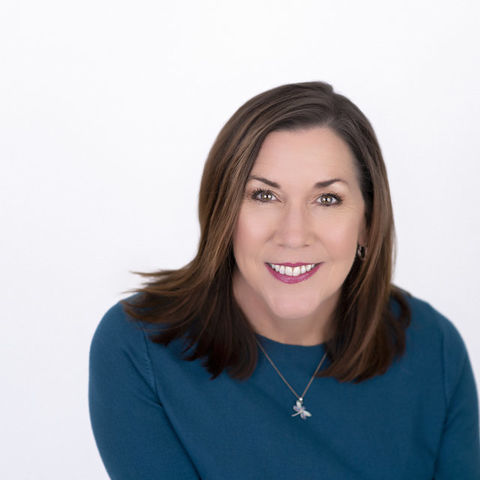
My name is Patricia Daker and I'm the owner and founder of a company called Better Diabetes Life.
And I do coaching services and online programs for people who live with diabetes.
Boiled down very succinctly,
It's all about burnout and the struggle and how to deal with it so that you can do what you need to do to live healthy and long and happy.
The topic for tonight is finding time for all you need and we'll get into that in just a little bit.
We'll do the talk first,
The meditation comes later.
If you know somebody that lives with diabetes that could use some goodness,
Shoot them an email,
Text them real quick and tell them to hop on.
This is much better I hope than going to a doctor's office because all you have to do is sit back and listen and you might have something that resonates with you.
And if nothing else you'll feel good and you'll have some relaxation when you're done.
I do have Q&A at the end so if you have questions,
Be more than happy to try to answer them.
The Insight Timer asks that I remind you of this little button and donations are greatly appreciated and they help us keep providing these services.
If you'd like to learn more about me and what I do,
My bio has a link to my website and it's all there so you can do that.
So other background about me if you haven't met me before,
I've been a nurse for 35 years.
My first half of my career was in high acuity nursing at a level 1 trauma center so ICU for about 3 years and the emergency department for 10 which is where I got diabetes.
So I was 26 years old,
We think I probably got a virus from a patient.
I had a weird,
Looking back they think it might have been a Coxsackie virus but I just came into work one day,
Didn't feel super great,
Had a little rash,
They sent me home,
Thought I had the chicken pox.
I've had the chicken pox before,
Been around hundreds of patients with it so I really didn't believe that's what it was but it was shortly thereafter and it never turned into chicken pox at all.
Kind of just went away and I was fine but I did feel bad,
Had a fever.
And so then shortly thereafter is when the diabetes showed up and it's weird,
I'm one of seven kids.
I have,
My daughter is the 19th grandchild on my side of the family,
There are 25 great grandchildren,
I have about 40 cousins and there is no diabetes anywhere,
Anywhere.
It's such a fluke,
So weird,
So nothing hereditary,
It was definitely something environmental.
Type 1 I got when I was 26 and I'm 56 now,
Yeah 30 years so this July will be my diversity.
So even though like when I was diagnosed I knew how to treat it hands down,
You didn't have to teach me about insulin or drawing it up or any of that business,
I knew it all.
Oh Sherry look at you,
Yeah type 1,
It's so common.
I think there's a lot of people that get misdiagnosed or diagnosed in their 20s and we just kind of get on with life and it's not the heartstrings that you see with a kid who can't tell you they're feeling low or those kind of things but there's a very very big number of people that have type 1.
I met a lady recently,
She was 60 when she was diagnosed so anyway.
So that was the first part of my career.
In 2000 I left the emergency department and I did healthcare IT,
I worked in software and I did emergency department software.
I did that for 17 years and I'm almost what 3 and a half years in now to better diabetes life and I really put this together because it was missing.
Nobody helped me through it,
I just struggled early on,
I didn't want it,
Didn't like it,
It wasn't fun and about 3 years in I ended up going to a counselor and man I just learned so much about myself and how I was approaching things and it was all wrong.
And so it was just I had really bad coping skills,
I wasn't dealing with it very well and I wasn't facing it and I had a lot of ideas in my head that were probably not true.
So working through a lot of that helped a great deal and then in corporate America,
It's amazing that we don't do this in healthcare,
In corporate America we learn how to work in groups and we learn why people make decisions,
I.
E.
Why people buy stuff.
So why do you do what you do,
Why do you choose what you choose?
We learn communication skills,
We learn how to present ourselves,
We learn how to state what we mean.
So there's just a lot of skills and things I was trained in in corporate America and I was like man that makes so much sense.
We need this in healthcare,
Right?
Because it's really all about these interpersonal skills and how you deal with relationships and tough things in life and making choices.
So that was a long introduction,
Sorry.
Yeah so that's what Better Diabetes Life is and I'm a board certified nurse coach and one of like 300 in the United States,
It's a new subspecialty of nursing and I specialize in diabetes for all the reasons I just told you.
So I am going to bring up the topic and we'll talk about it and then we'll kind of,
You know,
See what you think and like I said I have a really fun meditation tonight.
It's going to be different so I hope you like it.
Alright so talk tonight,
Finding time for all you need.
So I don't think there's a person on here that doesn't think or doesn't realize how much time diabetes takes,
Whether it's getting supplies,
Dealing with insurance,
Making doctor's appointments,
Fasting,
Getting labs drawn,
Just the extra time to check your blood sugar to stop what you're doing when you're low or when you're high or when you don't feel good or you know how tired you are when you didn't sleep well at night.
And so then when you're tired it feels like you don't have enough time because you're behind and you're trying to catch up and right it goes on and on and on and on.
Ridiculous time,
Yes right?
Like so much time,
So much time.
Sherry you're going to like some of the examples I give because it's kind of nurse-y stuff but anyway.
So it takes time,
It does.
It's like if this was your life and then you had diabetes you get this much extra work and it's like a job.
It's like an extra job you have.
And so it can take a lot of time.
It just is a fact,
Right?
It just is.
And at this point it's not good or bad,
It's just the truth,
Right?
So I try not to judge a lot of this stuff because I feel like that wastes my time frankly.
So that's true,
Diabetes happens,
We have more stuff to do.
We also have to make changes,
Right?
So changes take time.
So learning how to you know think differently about food,
Learning how to figure out how to organize your schedule to get all that stuff in there.
And it's true like old habits,
The stuff you do without thinking is so much easier,
Right?
There's very little effort.
You just do what you did and oh you know I'll get to it later.
Later never comes or you wish it didn't come,
Right?
So then there's time that you quote unquote wasted,
Right?
And it's because change is so hard.
So when it happens you have all these things going together and it feels like guess what?
There's no time for you,
Right?
So there's no time for the things that light you up,
That make you feel good,
That give you joy.
And if all you're doing every day is just,
Hi Robin,
Oh I do,
I'm not familiar with that one,
Interesting.
But if all you're doing all day is being diabetic and that's what your time is spent doing then yeah learning to be patient with change.
Yes,
Hi Joy.
So there's all this stuff,
Right,
And it takes time.
It just takes time.
So and then we feel like we're at the short end of the stick.
And what happens,
So again I'm going to maybe use the analogy of our cup gets empty.
So if some of your cup gets filled with you know doing stuff with friends,
Reading a book,
Doing a craft,
Doing art,
Whatever,
Going for a walk,
Working out,
Whatever your thing is.
I like to make candles,
You know like whatever your thing is.
If there's no time for you and all you're doing is being diabetes,
We get resentful,
Right.
And then it feels like it's even more time.
And then that time gets bigger,
Right.
So all this time and then it's like you still have to do all these things,
Right.
And then you start,
You start amping up,
Right.
We start getting,
Oh I got to do this,
I got to do this,
Oh my gosh before I leave I got to get my supplies.
I got to,
You know,
Mine's raisins.
I always have to leave with raisins.
That's my sugar thing.
But you know you have this thing that starts going in your head.
The time to leave may be a minute and a half,
But it can really feel bad if you're frustrated,
Right.
Like if you're,
If you're amping up.
Let's see what else I've got here.
So we have,
We have this idea that we must do these things,
Right.
Oh my gosh,
I have to do this,
I have to do this.
So your to-do list gets really long,
Right.
Are you vibing with me?
I'll get this.
It's like,
How am I going to do it all?
How do I,
Right.
So when you get in that,
We get exhausted,
Right.
Because now we're spinning.
We're in our head,
We're spinning.
There's too many things,
Too much stuff.
And that leads to frustration,
Give up,
Burnout.
We don't want to do it anymore.
It's just like,
They can't stand this,
Right?
No joy,
No fun.
It is not a recipe for anything good.
So why did we do this,
Right?
So what happens is we put others needs first.
And I'm going to use that word intentionally because diabetes is an other.
And yes,
We do have to attend to its needs.
If you've done my course or I think I talked last week about your roommate that you don't get to choose.
You have this person living with you that takes your time and stuff.
Others needs gets put first and we're at the end.
So I want to offer you these things which are true.
And so often when we get spinning,
When we get worried,
When we feel like I can't do it all,
We're juggling too many balls,
We got to move too fast,
Too much stuff,
Right?
It starts feeling too much and we start only thinking that's the only truth.
But I want to offer these truths to you.
So truth,
You will never get it all done ever,
Ever,
Ever,
Ever.
So I have a list.
I have a list every day.
I could probably show you a bazillion of them.
I am never done.
Never.
You will never get it all done.
There was always more.
That's a good thing.
Yeah,
Because that's how life works.
We like that.
If there was never any more,
That would not be good.
But just rest assured that you will never get it all done ever.
You know,
At night,
You go to bed and what's done got done.
At some point we stop.
So you can give yourself a little bit of relief if just thinking like I can't do all this,
Right?
We can never fully please others.
They will always take more.
Other people,
Including diabetes,
I'm going to put up that unintended unwelcome roommate,
They will always want more.
People like no matter what you give,
They're going to want more.
You know,
Can you do this?
Can you do that?
So that's just true.
No matter how much you give,
Others will want more.
We also have infinite choices.
There's so many things to consider,
Right?
Too many options.
Well,
That makes choices and decisions even harder because now you've got,
Instead of four balls in the air,
You've got 400 of which do I do?
What's the right answer?
How can I do this?
What food should I eat?
When should I test?
Should I do CGN?
Should I do a pump?
What's carbs?
You know,
There's too many choices,
Right?
So that makes the decision process and this change process even longer.
Another truth is we often find ourselves,
And I'm a recovering person,
I would say like this,
But if you're a pleaser,
Right,
If we're hustling to please,
How often do you do things that you really don't want to do,
That you would say no to,
That you didn't like to make other people think a certain way,
Feel a certain way,
Be a certain way,
Right?
So we're seeking this external validation often,
Doing stuff that really we don't really want to do,
Right,
At the end of the day.
In truth,
Life is always changing and evolving.
There is no constant.
I've said this before,
So if it's this,
That's not good.
Life is always up and down,
Up and down.
So our goal is to kind of learn how to ride the waves and accept these truths because as long as we're chasing and we're looking and we're trying to fit it all in and trying to do all the stuff,
We will never get all the stuff done,
Okay?
Here's a challenge for you too.
This is one of my nursing stories.
So you know,
No matter how busy you are at work,
Cleaning up the nurses here,
We're always busy,
Right?
Busy,
Busy,
Busy.
There's so much to do,
So much to do.
If a drug rep shows up with pizza or free cookies,
Somehow miraculously most of the people working with you will find five minutes to go get a snack,
Right?
So I often say too,
Like,
Time is kind of like a woman's purse.
It's always full,
Right?
There's always room to shove something else in there,
Right?
There's time if we want it.
We also have time for distractions,
Right?
We have time to futza futza on Facebook or we have time to scroll and look,
Watch a TV show.
There's a lot of things that we do that are kind of non-productive and sometimes we need that.
I'm not saying they're all bad,
But if you look at your whole day,
There is time if you wanted it,
Right?
So we do these things that are distractions.
So often the time wasters are distractions and they're distractions from our feelings.
I'm too stressed.
I can't do this.
I'm overwhelmed.
This is too hard.
I don't want to deal with it right now.
You know,
This isn't fair.
So what do we do?
We just go somewhere else.
We go in a book,
We go online,
We go in a movie,
A TV show,
Whatever,
Right?
And so we find these distractions from our feelings and that can draw out really,
Really long.
I would love to get back some of the time I think I've wasted avoiding feelings because at the end of the day,
What I'm learning is it's best to feel them and process through them and get rid of them,
Right?
So there's all this stuff,
Time that we lose,
Right?
So really the truth of it is there is time,
Just not priority,
Right?
Because we could find time.
You could do different things.
You could push stuff off your list.
But when it comes down to finding time,
It's about priority.
Actually I'll do another nurse story here.
So priority is like triage.
So when I worked in the emergency department,
I didn't take care of every patient that came in in the order and the time.
It wasn't a time base.
It was importance.
What was priority?
Who needed this?
Where did my attention need to go,
Right?
And so that's a skill,
Something that we can apply to change priority,
Right?
So one of the things is to help you do that is distance or perspective.
Sorry,
I'm getting a little clinical here,
But so when we talk about getting kind of amped up in our head,
Getting anxious,
Getting nervous,
It's our nervous system shifting into sympathetic nervous system,
Which is the 911 fight or flight.
And I've talked about this before,
When that happens,
Chemicals,
Endocrine system,
Hormones,
All kinds of stuff starts flooding through you.
And you actually have physiological changes that narrow your focus.
So now all your choices is like,
Oh my gosh,
This is all I can do,
Right?
So you get fearful.
There's probably more choices that you had,
But you feel compelled because I have this to do and this to do and this to do and this to do,
Right?
So you get kind of honed in on this situation that you're in.
And it really is this sympathetic nervous system thing.
So when you open the focus and you get out of the weeds and you back up,
Kind of like at triage,
Right?
I have to look at all the patients coming in and decide what's most important next.
Sometimes stuff has to wait.
Other things get prioritized over other ones.
So that's a tool that you can use when you feel like you don't have enough time.
Backing up,
Big picture.
So we talked about this before.
Is it a five minute,
Five hour,
Five week problem,
Five year problem?
You know,
If I don't deal with this in five minutes,
What's going to happen?
If it's a hypoglycemic episode,
It's important,
Right?
But if it's doing five more emails before you run off,
There's always going to be more emails,
Right?
Those are the kind of things.
So distance,
Right?
So backing up,
New perspective.
A new perspective,
Actually,
We're going to do something with this later,
But the ego is part of your mind that's in there chattering and making comments and really kind of being nasty towards you.
So if we can get out of the ego,
If we can get out of that chatty mind and move into kind of the,
Our spirit or our soul part of us,
That's the part that knows.
The mind is going to throw all the possible what if statue,
Which clutters things,
Makes it worse and time seems to shrink because,
Oh my gosh,
We have to do all of it.
But if you can shift away from that and breathing helps,
We get into this knowing part like,
You know what?
That's not really true for me.
That really isn't a priority.
That's their problem.
I'm fixing it for them.
But there's this knowing part of ourselves,
Trusting our gut,
Listening to our intuition,
Those kinds of things.
So that can be super helpful too.
Another thing with helping with priority is looking at the perceived effort.
So often what we do is there's something super important,
But it's too big.
I can't do all that.
So you put it away and you deal with a bunch of little tiny things that waste your time,
Don't accomplish a lot,
But they're busy.
Right?
But I can get them done.
These are fun.
I have 20 things on my list.
If I can get 15 knocked off,
I'll feel good.
I'll spend two hours on those 15 things,
Which will probably come back tomorrow.
But I really didn't make headway in these bigger things.
So perceived effort is what we're talking about with this one.
If something feels too big to get started,
Chunk it down.
So you don't have to do everything.
And especially when we're making changes,
Let's say you're going to change your diet in some aspect.
You're going to decide to do more of this or less of that.
If it's an absolute,
I'm never going to eat that again.
Like that's big.
That's really,
Really big.
And so it'll seem hard and I'm going to wait.
Tomorrow seems like a much better day to do that big thing than today.
But if it's just like,
I'm going to do a little bit of it,
Some little thing.
So you can come up with smaller goals and over time you get used to that thing and then you add a little bit more and it doesn't feel so bad.
So perceived effort,
If it feels too big,
Consider chunking it down.
So it still may be high in priority,
But what is the first thing you have to do?
How do you get started?
What is step one?
You go on a trip,
You don't just get in the car and head out.
You pack and you think about where you want to go.
There's a process.
So give yourself permission to do the same process.
And the third one,
I would say love yourself enough to put yourself at the top of the priority list.
We're all so bad at this,
But it feels good when you do it because diabetes takes so much away.
It feels like we get some of our life ripped away from us.
We're doing all this stuff we really don't want to do.
Although I can tell you when you start loving yourself,
You do want to do it.
It's a big mind shift.
It's a big,
Big mindset difference,
But it's a journey that I would help you through.
Like that's something we could really start working on if we want to go that path.
But self care is not selfish,
Right?
So if you want to do all the stuff,
So diabetes is here's life.
Now we have diabetes.
Now we got more stuff.
We feel like we have less time.
We still want to go do things that we enjoy that make life worthwhile.
Experiences with family and friends.
We got to fit it all in there,
Right?
Well,
You have to love yourself enough first to put you first,
Right?
So you know,
It's an oxygen mask.
It's not,
This isn't rocket science,
But it's just so hard to do.
So it all happens in here,
Right?
So taking the time to,
You know,
Maybe just have,
I don't know,
I'm just making something up,
But let's say one of your struggles is getting out in the morning and making sure you have all your stuff with you.
Well,
Maybe you do a ritual and you come up with this really cool bag that you love and it's decorated well and you get the yummy stuff in it.
Like you do it,
You indulge,
Right?
And I've used that word a lot with clients,
But indulge in yourself,
Indulge in something that makes it easier for you.
Does that make sense?
So I think that's the most important.
So I'm going to,
We're going to do a little exercise with this and then we'll do our meditation.
So I want to think about,
We're going to do this thing.
It's just thinking,
Right?
It's just,
There's no right or wrong way.
You can't mess it up.
You can't screw it up.
If it happens,
Great.
If it happens a little bit,
Great.
Whatever happens is good.
There's no right or wrong.
But I want you to think about what you might tell your younger self,
Right?
Don't we wish we could go back and tell our high school self like,
Oh my gosh,
Like don't worry about the high school drama.
It's not worth it.
You know,
Go back and tell yourself early in your career,
You know,
Go ahead and put the money in your retirement account.
You really don't need to spend it all.
There's all this stuff we wish we would have known way back when,
Right?
So you look back and it's like,
What beliefs,
Influence or advice would you give your younger self?
And I think that's hard to figure out,
Right?
We could think about things.
Gosh,
I wish I would have known that.
Would have saved some heartache.
We're going to take that and we're going to twist it up a little bit.
Before we do that,
We're going to,
I didn't do our breath before we got started,
But let's take a breath right now before we do this exercise.
Might take a couple.
I want to get out of your head a little bit.
Let's do some breathing.
Deep breath in.
Relax your shoulders.
Relax your neck.
Breathe in and just let go of busyness,
Of worry.
Be open to the wisdom inside of you.
Take a moment.
Okay.
So we've thought about ourselves 10 years in the past,
What would we say?
I want you to think of yourself 10 years in the future.
So whatever age you are now,
Plus 10.
And I want you to imagine yourself.
You're having coffee with your future self,
Right?
I want you to think about where you're at.
Just close your eyes a little bit.
Just imagine sitting there at a little table somewhere,
Having coffee,
Coke,
Beer,
Wine,
Water,
With your future self.
Just linger there for a moment and kind of think what they look like.
What are they doing?
What are they wearing?
How can you smell anything?
Where are you?
What's it look like?
What does it feel like to see your future self?
And this is your nicest,
Kindest,
Best version of yourself that got it all right.
Right?
They made all the right choices.
They're wise.
They've learned the lessons more so than you know now.
And you're really enjoying this experience.
So I want you to think about the current situation or idea where you feel like you don't have time.
Just kind of think about it.
I want you to tell your future self about this situation.
Just imagine having a conversation.
And then I want you just to be quiet for a little bit and see what comes up.
What's your future self want to tell you?
That wise and knowing part of yourself.
Relax your shoulders.
You don't have to resist.
Give yourself permission for that part of you to speak,
To give you advice.
Allow yourself to be open,
To be listening,
To be willing to hear.
And maybe you'll get an image.
Maybe you'll get a thought.
Maybe a feeling.
But just take a moment.
I'm going to be quiet for about a minute.
And I really want you just to think what your future self can offer you to deal with this situation where you don't have enough time.
So this is something you can do again in the future.
Take some deep breaths.
Relax.
Imagine your future self.
And just see what they might have to offer.
So they know that making yourself a priority and they know that taking care of yourself is worth it and it benefits you in the long run.
It will be interesting.
Hopefully that gave you some insight or a little bit of a nugget of something you might want to implement to consider,
Journal about,
Anything.
It's just always interesting.
And if nothing happened,
That's okay too.
Sometimes you might have a dream about it later.
You might have an idea.
Sometimes when you're not thinking about it,
Sometimes we try too hard and it won't come.
But just know that there's no right or wrong way to do this,
No right or wrong experience.
It happens or it doesn't and it's all good any other way.
Okay,
So those are kind of recapping on finding time.
So if we look at diabetes takes a lot of time.
It does require additional effort.
It requires change,
Which feels like it eats up a lot of your time.
But you are worth it,
Right?
The only way to get yourself time back is to make yourself a priority.
Higher priority happens when we can adjust the effort,
The perceived effort.
Higher priority can happen when we give ourselves distance and perspective to kind of back up and see the big picture,
Get out of that fight or flight mode and love yourself enough to make yourself a priority.
And then hopefully your future self gave you a little bit of advice on that one.
Okay.
All right,
So we're going to do a different kind of meditation.
We're still going to go through,
As we always do,
The parts of the body that are most impacted by diabetes.
And we're going to do a meditation and try something different.
So bear with me.
So if you are familiar with Ho'oponopono,
It is a Hawaiian healing kindness sort of meditation slash prayer.
And it's helpful for change.
It's very much about self love,
Self care,
Forgiveness.
And it's very simple.
So that's why I like it.
It consists of four phrases.
They are,
I am sorry,
Please forgive me,
Thank you,
And I love you.
And so it seems too easy almost,
But it's very powerful.
And so there's different ways that you could do this.
I've seen people do it with,
You know,
Every day as a daily meditation around a situation,
You can do it about a person,
You can do it about an event,
But we're going to do it today about our body.
So,
So we have quite a few additional people from where we started.
So let's gather.
Really,
Let's take a breath together.
Because we are all in this space with people who understand what it's like to have to think about blood sugar 24 seven,
To feel the judgment of other people.
We understand the difficulty and it's not as easy as just wanting to do it.
We get it.
So we're safe,
And we're with friends.
So I want to I want you to have that sort of intention and that feeling of togetherness.
And we're going to have an intention here.
The intention is that every day and every moment,
It is easier to receive and feel worthy and love myself.
We're going to talk through that.
So we're here together,
Let's do a few breaths.
Close your eyes.
Relax back.
There's nothing you need to do.
There's no way you need to be.
You can't do this wrong.
It just is.
Give yourself permission to indulge and relax.
Breathe deeply.
And as you exhale,
Let go and then clench your jaw.
Swallow and relax your throat.
Soften your shoulders.
Relax your forehead.
Soften the muscles around your eyes.
Breathe deeply in this space where we're connected together with a common understanding.
From this place of calm,
We shifted into a state of parasympathetic healing,
Restoration,
Restoring.
In your mind,
Repeat after me.
I am okay.
I am breathing.
I am calm.
I am able.
I have time.
I am a priority in my life.
I am worthy of self-care.
I am enough.
And all these are true.
So as we journey through the body,
I'll name different parts and we'll offer the hoʻoponopono prayer to each part.
I've got some words that I'll offer,
But if there's something that comes to your mind,
You can certainly say that to yourself.
One more deep breath and relax.
Completely open,
Soft,
Healing,
Hopeful,
Helpful.
Move your attention inward,
Inside your chest,
To where your heart beats.
We offer our heart these words.
I am sorry for anger,
For not always having love,
For holding things in my heart that don't serve my best and highest self.
Forgive me for holding these in this space,
This place which should be filled with love.
Thank you for your endless service,
For pumping blood,
For emanating love and peace,
For keeping me healthy and whole.
To my heart,
I love you.
Let that area soften and receive.
Move your attention to your liver.
It's in your right upper quadrant,
Below your ribs,
On the opposite side from your stomach.
To your liver,
We want to say I am sorry for the toxic ideas and substances that you must cleanse from my body.
Forgive me for these actions.
Forgive me for these guilty pleasures which you have to clean up.
Thank you for providing the body with healing and safety.
To my liver,
I love you.
Breathe and relax in this right upper quadrant area,
Allowing healing,
Wholeness and restoration to flood through your liver.
Next,
Move your attention to your kidneys.
They sit above your waistline,
Towards your back,
Underneath your ribs on both sides.
To your kidneys,
We say I'm sorry for the thoughts of worry and anxiety,
For I know in this area,
Blood pressure can be elevated when I worry.
Forgive me for not trusting the body more to do its work.
Thank you for continuously filtering,
Cleaning and purifying the blood,
For maintaining fluid balance and keeping me healthy.
To my kidneys,
I love you.
And again,
Breathe in and let this area relax and be filled with healing and restoration.
Now move your attention to your abdomen and your digestive organs.
These organs we say,
Forgive me for the stress I hold in my gut,
For the worry,
The anxiety,
The emotion that I hold in and don't release.
Forgive me for not knowing better.
Thank you for nourishment,
For the emotional hormones and immunity that grows within you.
To your digestive organs,
I love you.
Breathe in.
Allow waves to wash across your abdomen,
Flooding with healing and restoration.
Next,
Move your attention inside your abdomen,
Just behind the midpoint of your stomach above your belly button where our pancreas lives.
Take a breath and relax again.
To the pancreas we say,
I'm sorry for the feelings of failure and blame and disappointment.
Forgive me for my inward hate and resentment that aim towards you even though you're not able.
Thank you for doing your best despite the injury and harsh conditions you must endure.
To my pancreas,
I love you.
Relax,
Open and let healing and restoration flood this area.
Next,
Move your attention down both your legs inward.
Use the bones,
The muscles,
The fascia.
Down past your knees,
Your lower extremities,
Past your calves,
Your ankles,
Into your feet.
Into your lower extremities we say,
I'm sorry for the heavy weight you must carry,
Both emotional and possibly physical.
Forgive me for not using you to your best self.
Forgive me for not treating you kinder.
Thank you for taking me everywhere,
For guiding me on this journey through life.
Into our legs and our feet,
We say,
I love you,
And healing washes across this area.
Move to the upper extremities,
Past your shoulders,
Inside notice the muscles,
The bones,
The connective tissue.
Past your elbows,
Into your forearms,
And into your hands.
We take a breath into our upper extremities,
Our arms and our hands.
We say sorry for the finger pokes and blood draws and all the extra work that you must do to care for this body.
Forgive me for not using my arms and hands enough to hold others and care for myself.
Thank you for your caring touch.
And if this feels good,
You might want to put your hands on your face.
Just notice the care that naturally exists in your hands.
Into your hands and arms,
We say,
I love you,
And thank you.
Notice tingling and warmth as restoration and repair flood through your arms and hands.
Next,
Move your awareness inside your neck,
Inside your throat,
Where your voice lives.
We want to say sorry for suppressing what you want to say,
To not letting your truths be told.
Forgive me for not having more courage to speak what I need to.
Thank you for helping me to connect,
Express love,
And communicate my needs.
To your neck and your voice,
We say,
I love you.
And once again,
We flood this area with healing,
Kindness,
And restoration.
Move upward into your brain,
Inside your skull.
To the brain,
We say,
I'm sorry for the extra work of worry,
For the thoughts that flood through your organ,
Causing extra processing and work.
Forgive me for not allowing more rest.
Thank you for keeping my body running 24-7,
For having perfect function even when I'm not aware.
To the brain,
We say,
I love you.
And we feel a rush of warmth and healing and repair float across our brain.
Next we move to our eyes.
To our eyes,
We say,
I'm sorry for the sights I have used you that were violent,
Ugly,
Or hurtful,
For those things you had to help me see that weren't for my highest good.
Forgive me for the tension that I hold in your space.
Thank you for seeing this beautiful world,
Its magical colors and glory.
To our eyes,
We say,
I love you.
And again,
We feel that warmth,
Restoration,
And healing,
And relaxation wash over your eyes.
Next,
Move to the center of your brain,
Behind your eyes,
Between your ears,
Above your tongue,
To the center of yourself.
To ourself,
We say,
I'm sorry for angry and negative thoughts of myself.
Forgive me for what I didn't know.
Thank you for this journey and your ever-present guidance.
And we say to each of ourselves,
I love you.
And from this place of ourself,
We gift our entire body with peace,
Relaxation,
Repair,
Restoration,
Wholeness,
Healing,
Community,
Balance,
Hydration,
Glycemic control,
And self-love.
Linger in this place just a moment and allow your body to receive and absorb.
You're putting back what diabetes takes out.
It's a gift to yourself.
It's a grand gesture of your love for yourself to do this.
This is time well spent for your care.
Start to become more aware of your body.
Notice your hands and feet.
You notice some tingling.
Go ahead and move,
Feel what it feels like to move.
Feel the feeling that you feel.
Take a big breath.
Remember this gift of life we all have.
One more time,
Repeat after me in your mind or out loud if that would be good.
I am okay.
I am breathing.
I am calm.
I am willing.
I am able.
I have time.
I am a priority in my life.
I am worthy of self-care.
I am Enid.
So come back,
Be aware of the room,
When you're ready open your eyes.
Thank you for joining.
I appreciate all you being here.
It is special that we get to be together.
Take care and be well.