Hello,
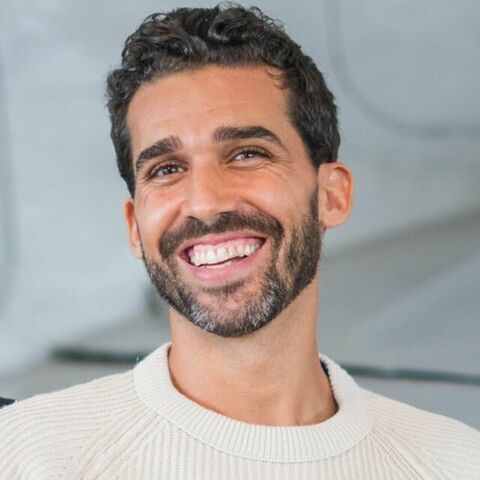
I'm Noah Elkrief and in this video I want to talk about how we lie to ourselves to protect ourselves.
I was just going on a walk in nature and this memory,
This image played back in my head of coming home from school and my parents asking me,
How was your day?
And I would tell them it was great,
It was fun,
It was cool,
It was,
I don't know,
Amazing,
Awesome,
Whatever word I said.
And I said this basically every day of my childhood.
And when I just,
I thought I was telling the truth at the time,
I thought that I had a really,
Really happy day.
Every day practically.
And when this image has showed up in my awareness now,
I feel the pain underneath it.
I feel some of those days I was so sad or I felt lonely or I felt rejected or I felt really so hurt.
But I lied to myself,
I pushed that down,
I buried it from myself because to acknowledge that pain,
I would have to feel it.
And I'll say that again slightly differently.
If we don't acknowledge a particular emotion,
We don't have to feel it nearly as intensely as if we acknowledge it.
So maybe if we bury an emotion,
We're feeling 2 or 3% of it,
Just making that number up,
While it's buried and it's impacting us behind the scenes.
But if we actually acknowledge the pain,
Even if we don't want to feel it,
But we acknowledge it's there,
All of a sudden maybe it goes up 70%.
So unconsciously we create this protective mechanism to just not acknowledge what we're really feeling.
We tell ourselves I'm happy,
We tell ourselves I'm confident,
We tell ourselves I'm great,
I'm funny,
I'm cool,
I'm handsome,
I'm whatever I am or I'm having a good time or I love my job or whatever.
And it's understandable.
We tell ourselves that because to acknowledge that we don't like ourselves or I'm sad or I feel really lonely,
We're going to have to feel some pain and maybe we're going to have to change something in our life which might lead to some short-term pain.
So when we see,
Or I guess maybe the point of why I'm sharing this is I understand why it's there or how do I say that differently?
I have really compassion for that.
I did it my whole life.
The pain that I've acknowledged in the last few years,
Even these days,
Still sometimes I'll feel a pain that was with me my whole life or for the last 30 years and I couldn't have felt it before.
It was too intense.
Maybe I would have killed myself if I had to feel this pain at a different stage in my life.
I wasn't ready.
Sorry for the wind.
I hope you can still hear me.
So the pain can sometimes be too intense for us to bear.
So we push it down and bury it until a time comes when we're ready to feel it.
And so if you're pushing down your pain,
If you can't acknowledge your pain,
If you can't acknowledge some of the truths of your present experience in your life,
That's okay.
It's understandable and be gentle with yourself.
But also there's an invitation,
An offering that when you acknowledge your pain,
When you acknowledge it,
Then you might feel it.
And when you feel it,
It can finally go.
Because what we don't feel stays with us.
And once we feel it,
It can express itself,
Come out of us,
And then we can move on.
Maybe move on to actually be happy,
Move on to actually like ourselves,
Or maybe move on in the sense that we can discover what our real truth is.
Like if the truth is that I don't like my job,
Or I don't like my relationship,
Or I don't like how I'm living my life,
Then to acknowledge that,
You might have to feel some pain.
But then we can acknowledge I don't want to be here,
Which means we can actually make changes in our life that help us to live and feel how we want to live and feel in our lives.
So there's this like combination invitation.
So one is to be gentle with yourself of what you can't acknowledge.
And then two is this invitation to ask ourselves the question,
Is there something I'm not acknowledging about how I'm feeling about myself or about something in my life right now?
That's all I have to say.
Thank you.