Mistakes,
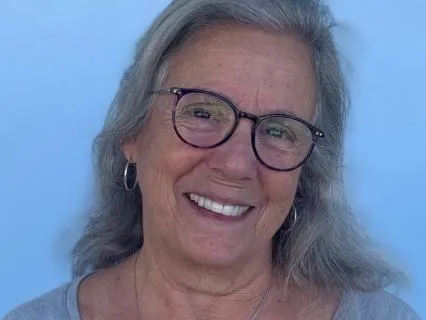
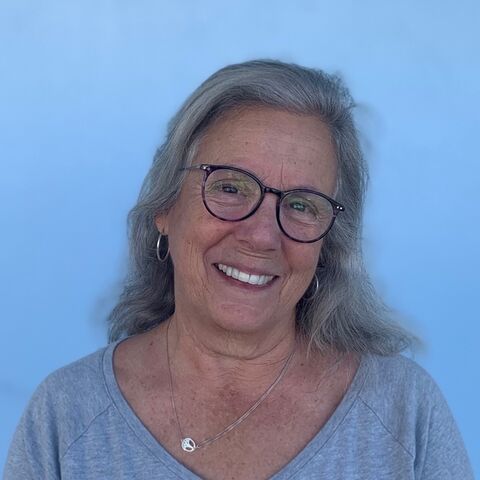
An essay by Maggie Stevens.
I've been thinking a lot about mistakes lately.
Isn't it strange how parts of our brain are primed to lurk and to pounce on every misstep,
Blunder,
And faux pas that we make?
This internal critic is quick to judge our actions and thoughts in very black and white terms.
We're bad,
Lazy,
Thoughtless,
Ignorant,
Less than.
The list gets very long.
The critic is constantly tallying the ways we fall short.
The critic's voice may actually be voices from our past or our culture.
In reality,
Shit happens.
I spilled my coffee or broke my mug.
I blurted out a harsh response.
What do all of these actions have in common?
Usually,
I was multitasking instead of being present.
Instead of immediately judging these moments of mindlessness,
I could use them as alarms to wake up.
I could instead respond with presence and compassion.
Darn,
I love that mug.
Let me clean this up without cutting myself.
Wow,
That was harsh.
Let me try again.
Sometimes we label outcomes as mistakes because we had expectations of how things are supposed to be.
When my grandson was young and encountered a setback,
He would look exasperated and say,
Well,
That's not supposed to happen.
I now use that phrase to poke fun at my futile efforts to control people,
Places,
And things.
Thomas Edison replaced his expectation of being right with curiosity as he worked on the filament for the light bulb.
I will not say that I failed a thousand times.
I will say that I discovered there are a thousand ways that won't work.
He would find a material that didn't work,
And then he'd move on.
A baby learning to walk will fall down hundreds,
Maybe thousands of times.
Those attempts aren't mistakes or failures,
They're practice.
Maya Angelou wisely counseled,
When we know better,
We do better.
Instead of reacting and criticizing,
We can take notice and pause.
We can think that's just a thought.
We can choose to observe and label our thinking.
For instance,
This is annoyance,
This is judgment,
Or this is anger arising.
We know that thoughts and emotions do arise.
And just like the setting sun,
They also pass away.
We can be curious about what arises and also our reaction to it.
For example,
When I get annoyed,
I feel tightness in my chest and my voice gets tight.
There are times when our words and actions,
Whether mindless or mindful,
Have unintended consequences.
We ignore someone or inadvertently hurt their feelings.
We can recognize those consequences and make amends for them.
We can admit we caused harm and we can apologize.
Taking responsibility for our actions can align with our intentions to be a good human.
Yes,
We human beings make mistakes,
But we also know how to correct them.
We recognize we don't live on an island,
But rather we are interconnected with other humans and the natural world.
As the Trappist monk and writer Thomas Merton wrote,
It's true that we make mistakes,
But the biggest mistake we make is to be surprised at them as if we had any hope of never making any.
So the next time we find ourselves making a gaffe,
We can pause and think like Thomas Edison.
Now we know another way not to be a good human.
Thank you for listening to this talk.
I wish you well as you walk your path.
May you be surrounded by Metta.
May you be safe.
May you be peaceful.
May you be healthy.
May you live with ease.