Hi,
Everybody,
And welcome back to the podcast.
This time,
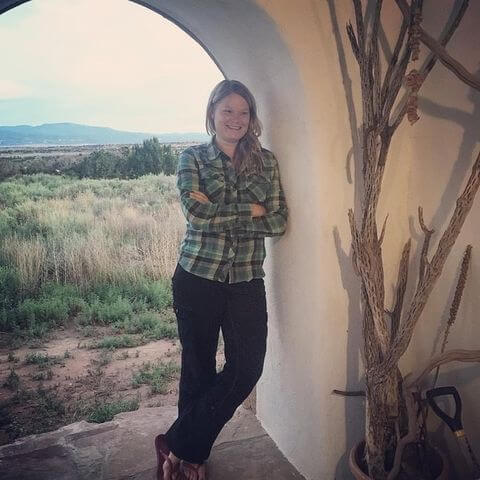
I'm introducing you to Michelle Lerner,
Who has had many lives,
Including a 20-year career as a public interest lawyer.
But now you ask?
Well,
Her critically acclaimed novel,
Ring,
Has been released,
And it's a powerful and lyrical exploration of complicated grief,
Resilience,
And the healing power of the human-animal bond.
I was lucky enough that Michelle shared a copy of her novel with me and I could not put it down once I stopped reading.
We talk about her novel in this conversation.
We talk about her long battle with illness and how challenging that has made life.
And then,
Of course,
She shares some miracle,
Magical moments near the end.
So let's get to it.
Here's my conversation with the creative Michelle Lerner.
The very first time it happened,
I had gone to a conference.
I was in college with a bunch of other women.
I was wearing a crystal for the first time.
I didn't know if it had anything to do with it,
But I was sleeping on the floor in the hotel.
And I had two disabled horses at home,
And my mom was taking care of them while I was away.
And I had these two very vivid dreams,
Like very real.
It.
My horse,
Pepsi,
Had thrown a shoe,
And the other was that my best friend who was there with me,
That her grandfather had died.
I would love for you to introduce yourself.
You know,
If you had to get up on stage and you had to introduce yourself to 500 people,
How would you do that?
Well,
Um.
.
.
Michelle Lerner I would currently introduce myself as a writer but I was a public interest lawyer for about 20 years.
I did legal aid work and some environmental and animal law work.
And.
.
.
I was a poet the whole time.
I got an MFA in poetry while I was working as a public interest lawyer.
I've been writing poetry since I was six,
I was sort of publishing poems on and off.
Really always seen myself as a writer from the time I was young and that's really what I wanted to do but I I went to law school because I felt the need to.
Do something that felt more practical or useful and I wanted to continue doing social justice work and law seemed like a good tool and from about maybe the second or third day of law school I was like trying to plan my escape from But I graduated and I worked for 20 years,
And every time I left a law job,
I ended up in another law job.
And that didn't change until I got really sick in 2016 and was bedridden for about a year and a half.
It took a very long time to get properly diagnosed.
I'm still disabled from it.
I had neurological Lyme disease that took a long,
And some co-infections took a long time to find.
And I could not practice law anymore.
And at the point where I got better enough that I could read and write and think straight,
I started writing a novel.
At this point I have a novel out,
I have a memoir coming out next year and while I'm not really able to work As such,
I.
Really am very immersed in the world of being a writer at this point.
And it's a little bit ironic because My illness has been very difficult and it's been,
You know,
10 years.
But I definitely feel like I'm supposed to be doing this with the writing and I never gave myself permission to do that before I got sick.
So.
.
.
Okay,
Yeah,
I'm really intrigued by this poetry piece.
While you were working,
You know,
In the law profession.
I mean,
Did you want to be a poet since you were a kid?
I don't feel like it was so much about wanting to be a poet.
I was a poet since I was a kid.
I mean,
I was writing poetry since I was.
.
.
Sex,
I.
.
.
I.
.
.
A poet who came into my school when I was 16 had an adult poetry magazine and published me and I worked with him.
Asked me if I wanted to be in her intern and I like she was my mentor for decades and I guess I didn't really think about working as a poet because there isn't a lot of working as a poet you either you teach or you do something else and you write poetry and so.
I think unlike a lot of other kinds of writing,
Most poets who are publishing poetry,
Have another job.
So I guess I saw myself as a poet and not as something that I had to,
You know,
Become as a person.
As a poet.
It's not.
The combination of law and poetry sounds unusual,
But it's not.
I was far from the only person.
I mean,
There've been a number of famous poets,
Very famous poets who were lawyers.
And over time,
I met a lot of other lawyer poets.
It's a hidden dimension of being in the law profession that I didn't know about,
But I love it.
Well,
It's not really a dimension of being in the legal profession,
But I guess there are some.
There are.
Funny,
Funny enough,
A lot of the lawyers that write poetry do not write poetry about law or law related things and I was in legal aid for a long time and the work I was doing was very intense with women and kids and who are living in shelters and on benefits and dealing with domestic violence and disability.
And I wasn't really able to write about it very much while I was doing the work,
But after I stopped doing that work,
I wrote a lot about it.
Okay.
This is one of my favorite questions to ask.
Life two favorite questions to ask poets.
One,
Do you in fact yourself have a favorite poet?
And then.
What form,
You know,
Do you write sonnets?
Do you write free verse?
What kind of poetry do you write?
Yeah,
So for favorite poet,
I mean.
.
.
I have so many favorite poets,
But I think the one that I I probably hold out as my favorite poet is Martín Espada because he was a legal aid lawyer.
And poet who wrote who writes about a lot about his legal aid work.
I mean now he hasn't he hasn't worked as a lawyer for years he teaches.
Um.
.
.
At a university in Massachusetts.
He has a lot of books out.
He's a great poet,
But he did the type of work that I did and did it in the same state that I was doing it in.
And when I found his poetry,
It was really amazing to me.
Um,
In terms of what I write,
I write generally something that's called narrative poetry.
It's definitely a type of,
Uh,
Free verse and it's more,
Um,
It's often more storytelling.
It's funny,
The MFA program that I went to was at the New School.
I applied to a few programs in New York City because I live right outside of New York City and well an hour outside and my spouse teaches in New York City and so I figured I could do it part time take a couple days off from work going to the city with him.
And I didn't really.
I didn't really research the programs very much in the new school.
Admitted me and gave me a fairly large merit scholarship,
So I ended up going there.
And it was largely experimental poets like very avant garde language poetry that.
You know,
The kind of poetry that is very often very difficult to decipher intellectually.
And I was 35 at the time,
And it was mostly these.
.
.
Poets in their early 20s right out of college writing this very avant garde stuff and I felt very much like a dinosaur I had difficulty understanding them,
Their poetry,
They found it really weird that I was trying to understand their poetry like they.
And but the funny thing is when I started writing fiction.
The kind of the,
The way that I wrote the novel that I wrote is considered experimental so I ended up being a bit of an experimental fiction writer after going.
You know,
Being a very non-experimental poet in an experimental poetry setting.
That's so interesting.
I have to say,
You know,
Just for your own edification,
As if you care,
But I have two favorite poets.
One is Robert Frost,
Because,
You know,
I grew up in the Midwest and we like our stories about fences and forests and working on the farm,
You know,
Salt of the earth,
Get to the earth,
Put your hands in the dirt.
And then I love Emily Dickinson because I mean,
I just love her line,
Tell the truth,
But tell it slant.
And I look at her life and her whole life was slant,
Which she was slant.
And I love that.
She's just so,
I don't know,
This quiet rebel,
Which I appreciate.
I like them both a lot.
Yeah.
Actually,
I think that before I discovered Martina Spada and maybe on like a deeper level,
Probably my favorite poet is Rainer Maria Rilke,
Who's a German poet.
I love him so much,
But I do not read German,
So.
.
.
And I have liked different translations better than other translations I really like Robert Bly's translations of Rilke even though I'm not very into Robert Bly's poetry and so I never really,
Although I feel like I love Rilke with the entirety of my soul.
I'm not sure I've ever actually really read Because I think reading something in translation is really reading a combination of the translator and the poet.
He wrote in form and rhyming,
But most of the translations that I like are in free verse and not rhyming.
So I don't even know if I really even have the sense of what he really wrote.
Yeah,
When I graduated from seminary I got to as a panentheist.
They let me.
They let me show up at the ceremony as a panentheist and I recited I got to recite something so I I recited his poem go to the limits of your longing.
For everybody,
For the audience that was all on Zoom because the pandemic had just started.
So,
You know,
The days of people walking across the stage and having your name read were over for the time being.
So I was on a screen reciting that poem and the number of people who said,
Oh my gosh,
That is the most beautiful thing I've ever heard in my entire life.
And where did that come from?
It's so beautiful.
And I was like,
I know,
But you're right,
I have read two different translations.
Of that poem.
And they're really different from each other,
Right?
Oh,
Yes.
Yeah.
Yeah,
It's hard to know what to do with that psychologically because.
.
.
Yeah.
Yeah.
I thought panentheist.
I'm sorry.
Oh,
No panentheist is someone who believes that I'm kind of more of an animist.
So I believe that everything is alive,
And that it's conscious,
And that it's holy,
And that it wants to be in communication with us like we can you know,
Enter into active relationship with it with respect,
And humility,
Humility is a big deal as well.
So,
So yeah,
That's me.
I mean,
I talked to plants,
I talked to birds,
I talked to just like always walking around talking to everything,
People probably think I'm crazy.
But I like it.
But I'm so curious about going to seminary as a panentheist.
But Oh,
Yeah,
It was.
Actually,
Interesting.
I went to a very liberal seminary in Denver called Iliff School of Theology and there were three undeclareds in my 33-member cohort.
And,
You know,
It was so interesting.
You know,
They started off as panentheists,
Then they joined the Unitarian Church and kind of went on that track.
One of them stayed in the Unitarian track.
The other one said,
No,
This isn't,
I'm just going to go back to being a panentheist and not being affiliated.
I came in,
You know,
Growing up overseas and I was like,
I'm nothing.
I'm nothing.
And I don't know why I'm here,
But I'm going.
And then I said,
What is a panentheist?
Because they were using these big words.
And they told me,
And I said,
Oh my gosh,
That's what I am.
And so I have continued.
There are no churches of the panentheists,
Just to let you know.
I don't think I'd want to serve in a traditional kind of system like that.
That's just not me.
But yeah,
Yes,
It has been an interesting road.
And yeah,
Everybody asked me why I went to seminary.
I'm still trying to figure that out.
But I learned a lot.
I made some great friends who've changed my life.
And it was,
I love learning.
And it was an interesting,
You know,
It was an interesting journey,
One that I really liked.
It was hard at times.
I'm sure for your MFA,
It was hard at times.
No,
Okay.
Well,
I mean,
After law school,
I mean,
MFA,
The MFA was sometimes difficult to get my mind around,
Because of the experimental poetry part of it.
But I mean.
.
.
After law school,
The MFA was like.
You know,
My birthday party or like it was something I got I got to do,
You know,
That was Yeah,
It didn't feel difficult in that way.
I don't mean to say that it's not challenging,
But it was just like,
I don't know,
It was kind of my reward.
Your reward.
Oh my God,
I love that.
I don't know what it was a reward for,
I guess,
Having already worked for a decade in a field that I hated.
So did you go get your MFA before you got diagnosed?
Yeah,
I went for my MFA between 2006 and 2008.
And I started.
I started feeling sick around 2013 and I got really sick and was diagnosed in 2016.
OK,
Do you live,
I'm just curious,
Or had you lived until that point on the East Coast?
Because I understand Lyme disease is a lot worse up there.
Yeah,
Yeah.
I live in Massachusetts,
And the only other place I've lived for any length of time was,
I mean,
I live in New Jersey,
But the only other place I've lived for any length of time was Massachusetts,
Where I lived for 11 years.
And both are completely,
I mean,
I grew up with ticks.
All over me.
I mean,
I was at you know,
Horse barns and I grew up in a house that was in the woods and I never thought When I was really young,
I mean,
Nobody even knew about Lyme disease really,
But I never thought anything of it.
I thought it was very funny that you know city people or people that weren't from around here would get a tick on them and I thought they were very squeamish that you know like I.
And I was very blasé about it and never wore a repellent or anything.
I just picked them off of me.
You know,
As a tomboy,
I felt like,
What is the big deal?
So it's a big deal.
Yeah,
I mean,
It was a big deal.
Yeah.
You know,
What I'm grateful for now is that so many more people are more aware.
Of Lyme disease.
Not just people,
But doctors as well.
I mean the medical system really failed me and I think it's really failing a lot of people with Lyme disease still because I didn't even know this until I was eventually diagnosed but there's there's two forms of Lyme disease there's the arthritic form and then their neurological form and sometimes people have.
Both sort of syndromes.
But I do think there's a lot more knowledge,
Like if I had shown up with knee pain or had a rash.
But I didn't,
I had fatigue,
I had vision problems,
I had problems with my heart.
I was having memory issues.
I mean,
The fatigue was the biggest thing.
I had a lot of things that are a syndrome with neurological line but a lot of the doctors don't actually mean maybe it's better now but I still I meet people that have not been properly diagnosed.
Probably 30 different specialists,
Like sort of a different specialist for each.
Um body system that I was having a problem with you know I wasn't sleeping like you know I was sent to a sleep doctor an ophthalmologist a cardiologist a rheumatologist you know endocrinologist like um and uh But meanwhile,
It was just these infections.
So how did they figure it out?
God,
I was really eventually lucky.
Um,
I couldn't even read,
Like my,
My vision was affected so much that I really couldn't read I couldn't use the computer.
I was,
I was listening to things on the computer.
A talk by a doctor that specialized in chronic fatigue and I found out he had a book.
And my spouse got the book out of the library.
And because I could barely read,
I would read like two pages a day.
And weeks into this,
I got to a page that said,
By the way,
If you've ever had water damage in your house and you have any of these symptoms,
You should get these tests to see if you have mold toxicity.
I was like,
I have all those symptoms.
And we had a roof leak,
You know,
Several years ago.
So I had my GP run those tests and they were like astronomically high and so she sent me to a biotoxin specialist,
We had hidden mold in the house but a lot of people have limed stop being able to process.
Mycotoxins or detoxify.
Anyway,
The biotoxin specialist happened to also be a Lyme specialist and I'd been tested but I'd been told I didn't have it because I didn't meet the CDC criteria for the number of antibody bars on the Western blot.
But my immune system was so knocked down that I just wasn't,
I was producing some of the antibodies,
But not all of them.
Like she had to do a PCR test and anyway,
Like I,
The CDC website for chronic fatigue syndrome at the time,
I don't know what it says now,
Said that only 6% of people ever get better.
And I think it's because if I hadn't randomly listened to that,
I don't know if the chain of events ever would have gotten me diagnosed and treated.
I mean,
I'm still disabled,
But I'm so much better than I was.
Yeah,
So I feel lucky that that happened.
Yeah,
I was going to ask,
Because at the beginning of this conversation,
Before we started recording,
I was mentioning to you that I'm reading your book,
Your book that's out,
Ring.
And.
You know,
I was,
You know,
Before I even cracked the book open or even knew what it was about,
Looked at the cover,
Anything,
Before I even looked at anything,
I thought,
Ring,
Okay,
So.
You know,
Is that a ring around the sun?
Is it a ring on someone's finger?
Is it a,
Is it a halo?
Is it,
You know,
My mind just kept going and going.
And then,
You know,
I,
I crack it open and I realized very soon that ring is a dog and I'm reading it.
And I think to myself,
Oh dear.
I will never forget reading Where the Red Fern Grows for the first time when I was a kid.
I cried for an hour after reading that book.
I mean,
I was,
I was destroyed.
So,
You know,
I'm always,
Then I read Old Yeller,
You know,
Which didn't help the situation.
But,
Um,
You know,
Books or the yearling.
I mean,
Come on.
Again,
Another tearjerker as a kid.
I'm realizing really quickly,
Especially with the subject matter of this book.
Anything with an animal always grabs my heart.
I'm always thinking to myself,
Okay,
All right,
I'm.
The animal is going to live,
You know.
The rest of the planet can,
I don't know,
Die in a snowstorm.
If the animal makes it through,
I'm happy.
When you got diagnosed and you finally figured out what it was and you could begin.
The protocols.
To start feeling better and healing.
Was right when did this book come apart you know when did this book come about what was the genesis Did it come in the time that you were healing?
Yeah,
You know,
It's crazy.
Yes,
I'm doing this interview,
Because of the book,
My publishers,
You know,
Setting up interviews,
And you asked me to introduce myself,
And I gave you probably a 10 minute introduction,
Did not mention my book.
Don't tell my publisher.
Um uh Yeah,
No,
I started writing.
.
.
Um.
.
.
I think I started writing the book in 2019,
Probably.
And interestingly,
I.
.
.
Before I was properly diagnosed,
I was getting treated online by an English chronic fatigue clinic,
The Optimum Health Clinic.
I did a bunch of different kinds of somatic therapies.
Some of them are talked about in the novel,
Actually.
That helped me even though I had all these infections that hadn't been treated.
And I started doing some other things like I started getting hypnotized every other week to sort of help me deal with my symptoms.
And the hypnosis practitioner.
Was trying to convince me that I should write every day and he meant that I should journal sort of about my illness,
But instead I started writing this novel,
Which I'd had the basic idea for in my mind for a long time,
But there's no way that I would have written the novel the way that it is,
Had I tried to write it before I got sick.
I mean,
It was extremely,
It's not,
I mean,
I was gonna say it's not about illness.
It's of course,
It takes place at a sanctuary that is largely for people with terminal illness who want to end their lives,
But the main character is not exactly as physically ill,
It's more dealing with grief,
But the content of the book,
Both thematically what it's about and a lot of the kind of therapies that are talked about in the book were very influenced by my illness and my attempts at healing and the degree of isolation that I felt from being sick also.
I mean,
Grief really comes with a a large amount of isolation,
Which is what the book is about in large ways.
And I had experienced that with grief,
But I also experienced a lot of isolation from being sick and being bedridden.
And then after I started writing it,
The pandemic hit and lockdown and so there was even more this isolation.
So yeah,
It definitely influenced the book.
Yeah.
Yeah.
I mean,
And the subject matter is not an easy one.
You know.
I'm halfway through.
And I think the conceit of the book is really interesting.
But it also made me think about the losses that I've had in my life.
And the sorrows and griefs that I've had in my life,
The wounds.
And.
You know,
The protagonist in the book.
Is,
You know,
She suffered very grievous.
Insane loss,
One that's broken her.
And so in essence,
You know,
She goes to this remote location.
Near the Arctic Circle,
I think,
If I'm understanding it.
Sub-Arctic Canada,
Yeah.
Okay.
Tundra,
Yeah.
To uh I guess you could say journey,
But she's there in one location,
But to journey.
For weeks,
Maybe months,
Because everybody's process is different.
To this space out on the tundra where she can basically commit suicide or let go because her pain is so great.
And so overwhelming and so all-encompassing that she can't see a way forward,
That she sees.
You know,
Not being here as the option of choice.
Um.
.
.
The main character,
Lee,
Is actually non-binary and it's.
.
.
It's not.
It's somewhat subtle in the book because it's in the first person but actually goes by they them.
Okay.
Yeah.
And so,
I want to ask,
How did you come up with the premise of this book?
How did you decide this was going to be your subject matter?
I wanted to,
Well,
I mean,
First of all.
I had at a point probably.
.
.
20 years earlier when I was commuting to my legal aid job,
I would sort of think of stories and this image had come to me of a person walking out into the snow someplace very remote.
Towards a pillar to try to take their own life and that they Find a dog.
And have to decide what to do,
Like what do you do when you're trying,
You're on your way to kill yourself and you find a dog.
And that was sort of the very bare bones of the story.
But when I started trying to write it,
What I really wanted to write about was not just grief,
But something that's called complicated grief.
I mean,
That's actually a diagnostic term.
For when somebody is grieving to the extent that it interferes with the ability to function on a daily basis and goes on for a long time.
And it has a diagnosis like it's something that's pathological,
But I think that I've experienced it probably at least twice in my life.
Millions of people experience it and I think there's a lot of people.
Grief in a way that has some of the symptoms at least of complicated grief,
Which often includes a feeling either passive or active,
And it's usually passive,
Sort of not wanting to go on,
That the person who died is gone,
That you want to be gone also.
And While this is experienced a lot,
I don't think it's talked about a lot,
And I wanted to write something about it.
When I was younger and going through it.
Had tried finding books that would help.
I didn't find self-help books very helpful.
There were two books written in the first person that I found very helpful.
One was a memoir by C.
S.
Lewis called A Grief Observed,
Which are his journals after his wife died.
And the other was a novella called Kitchen by a Japanese novelist,
Banana Yoshimoto,
Who writes a lot about grief.
And it really helped me to read these stories in the first person of somebody going through this.
It felt like having company in this very isolated state,
But also being seen like people generally At least,
I think in this country,
Maybe more than in other countries,
People don't really want to talk a lot about grief or face grief.
And when somebody is suffering for a long period of time,
It makes people uncomfortable to be around them,
To talk to them about it.
And people just expect that the person should be able to get over it.
I wanted to explore in the book the question of what happens if you can't get over it?
What happens if you can't ever get over it?
What does it mean?
To try to live anyway or to go on anyway?
And how does one do that?
And what makes it worth doing that?
Yeah.
And so the story with the dog.
I mean,
I really I should have introduced the book,
But.
The primary conflict in the book is that the main character does want to go through this sort of ritualized process of ending their life,
But also wants to take care of this dog who is brought to the sanctuary by a terminally ill man who's going to walk out in the snow and plans to take the dog with him,
Which would end the dog's life.
And this is very distressing to the main character.
And so the central conflict is what does it mean to want to save someone or to rescue someone when you're you don't want to save yourself you don't want to rescue yourself like what does it mean logistically how do you save somebody if you are trying to end your own life but also how do you how do you understand those two things together?
Like what makes somebody else's life worth saving when you don't feel like your own is?
Yeah,
It's beautifully written.
Your prose is exquisite.
So really gorgeous.
I'm experiencing some trepidation as I get halfway through the book because I'm an animal lover,
But it's utterly glorious.
It's just written so well.
I can tell you that everybody,
All of the reviews and people who've read it and talked to me,
Said that despite the subject matter that they've found it ultimately uplifting.
OK.
OK,
Good.
Good.
Thank you.
I appreciate that.
Thank you.
I'd love to ask you the second question,
Which is,
Did you grow up in a religious household?
If so.
.
.
What did that look like and how has that evolved for you over time if you believe in something outside yourself and energy?
Spirit,
Whatever that looks like.
If not,
Was your house a life of the mind,
You know,
And was there,
You know,
Talk about literature and philosophy and,
And other kind of,
I don't know.
I love that kind of stuff.
Science.
Did anybody throw some science in there?
Yeah,
No,
I don't think I've ever been asked about this in an interview context.
So I'm Jewish,
And I grew up in a Jewish household.
And I think my experience generationally is very typical of a lot of Jewish families and probably a lot of immigrant families that came from,
You know,
Religious backgrounds.
My grandparents were immigrated when they were children.
Of different ages and grew up in very religious households and they were less religious than their parents but still Um,
You know,
Celebrated all of the holidays,
Went to synagogue.
One side of the family was kosher.
And my parents were less religious than their parents.
I grew up,
I went to Hebrew school,
I got bat mitzvahed,
I went to synagogue,
I definitely felt very spiritual.
When I was in synagogue and chanting and singing.
In Hebrew,
It usually went away a lot if I glanced at the English translation of what I was actually singing.
It was sort of more the,
I think,
More the more the ritual of it that felt spiritual to me than the actual.
.
.
Dogma and I have,
Since I was a teenager,
I guess I have slowly gotten less and less observant.
My parents have too.
I mean,
I barely,
I light Hanukkah candles at this point.
It's been complicated for me also because I am anti-Zionist and I've worked with writers in Gaza.
I'm a mentor to writers in Gaza and it's made my interactions with a lot of Jewish institutions and synagogues difficult.
And not difficult if I lived in New York City,
But difficult living out in the country where there's not really a choice of congregations and things.
But it's really,
You know,
It's so wrapped up in ancestry and ethnicity and ritual for me and less about,
I think,
Actual beliefs.
I mean,
A very important.
What I feel like Jewish belief for me is tikkun olam,
Which is repair of the world.
And I definitely feel like I live that.
But you know,
When I was in college,
I was part of a,
Actually started after participating in one,
A women's circle,
Like a Wiccan women's circle.
I was involved in that for a while when I was younger.
I think I generally have a sense of there being sort of a force in the universe that ties,
That connects everything together.
And spirituality for me is sort of those moments of actually feeling connected to that.
And I think I've had moments where I've felt that connection through Judaism,
But I probably had more of them.
In the last decades of my life,
You know.
Being at the top of a mountain or some other experience like that.
Yes,
It's really remarkable with all the interviews I've done the amount of people who now find God out in the landscape and out in nature and they just experience this really deep commiseration or connection.
To the world around them.
The natural world,
I guess I should say.
Um,
But it's,
It's,
It is becoming,
That is becoming people's churches for lack of a better word.
And it's interesting just noting the change.
In general with the people that I'm interviewing over these years.
I think it always was for people in certain cultures,
It always was.
Absolutely.
Yeah,
You're totally right.
Yeah.
Well,
I'd love to ask you the main question of the podcast,
Which is,
I would so appreciate it if you would share,
You know,
Can be one story can be two stories.
Of a moment where you either witnessed or experienced something that you thought was magical,
Miraculous,
Or mysterious.
I mean.
.
.
Um,
I mean the first thing that comes to mind is that I've had periods in my life,
The first time was in college,
I've had periods of my life where I have these very realistic dreams that then happen.
But what I actually want to talk about is something that's less I guess,
Typically magical seeming than that.
But I think connected to the book,
To Ring,
Um,
I went when I was,
Um,
I guess I had just graduated from law school.
I went to Alaska with a friend of mine who was going there for a conference and had like frequent flyer miles and took me.
And we,
It was not a time when people normally go to visit Alaska.
It was like late October or something.
And it was like really snowy and cold and,
You know,
Getting dark early.
And,
Um,
You And we spent,
We.
.
.
We went out with a guide ice climbing and then the two of us went hiking sort of like a full day of hiking up on a I mean,
It wasn't a mountain like you'd go mountain climbing,
But it was just,
You know,
Steep walking and we were up fairly high and there was nobody else around and it was everything was snow covered.
And I just had this really.
Amazing,
Strong feeling being on this mountain in Alaska.
You know,
Maybe what I was talking about of just sort of being connect really in connection with whatever force there is in the universe but it also It also,
Even though I,
I'm not somebody who enjoys winter at all,
Like it's really cold right now in New Jersey and there's a lot of snow.
And,
Um,
But I,
Ever since that experience,
I've had a part of me that is just really drawn to much more Northern latitudes and really wanting to explore like very far North.
And I,
I think that's also part of why I set the novel ring where I did and,
And.
Part of the the draw I think I myself feel like if I was trying to go to a place where I was really trying to come to terms with the question of life and death and with myself and the universe.
That I'm drawn to doing that in a sort of isolated northern environment.
And it comes from the feeling I had on that mountain that's very difficult to really articulate.
It is,
It's practically impossible.
It's like.
.
.
I don't know it is it is literally impossible.
I think oh my gosh,
There's a special word for it.
Is it pneumos?
It's a moment in your life where It's almost like you get a glimpse behind the veil where there's deep connection and you recognize something,
There's recognition.
Incredibly potent,
Incredibly beautiful,
And kind of your life has changed forever.
Noetic,
I think it's noetic.
Have you heard that term?
Yeah,
That term.
You know,
I went,
I'm not somebody,
I'm somebody who really believes in meditation and intends to meditate all the time and hardly ever does I have trouble getting myself to do it.
But I went in November,
I went to a four day meditation retreat And I kept falling asleep the whole time.
I mean,
The whole thing was really difficult,
But it was sitting and walking meditation.
And out of the four days,
I mean,
We meditated maybe five or six hours a day.
There was a period I don't know how long it was because that's what happens when you get into this state but I think it was probably just a few seconds and one of the walking meditations,
Where I felt I think what people want to feel in meditation like where I was not in my thinking mind and I was just actually really existing in the space and experiencing it in like this,
Like you said,
Sort of going behind the veil.
And it was so brief out of,
You know,
Five,
Six hours a day for four days.
But it felt like it was worth the whole four days,
Like having those few seconds.
Yeah,
Yeah,
There it's it's people have asked me because I've had an experience.
I actually had a dream.
My noetic experience was a dream.
So when you brought up dreams,
I thought to myself,
I know what she's talking about.
But yeah,
There are experiences that are pretty much impossible to explain to other people so that they can actually understand what you're trying to say,
Because it's an experience that's outside of anything that we've actually truly experienced.
I mean,
The sense of connection is so vast and so deep and so beautiful.
I was just talking about this a couple of weeks ago.
Friend was talking about she she's Hindu but she's been and she was not very religious and recently she's been praying and feeling like she's sort of praying to a single.
God,
But she's not really sure what it is.
It was sort of torturing her that she couldn't really quite figure out what it was she thought she was praying to.
I think of this,
There's a,
I like the musician a lot,
Annie DeFranco,
I don't know if you know her,
But.
Yeah.
But there's a line in one of her songs that says,
Why do you try to hold on to what you'll never get a hold on?
You wouldn't try to put the ocean in a paper cup.
And I feel like our brains are sort of the paper cup and,
You know,
When we're trying to understand sort of this force or the idea of God or any of these things and talk about it that we're like literally trying to put an ocean in a paper cup and there's no.
.
.
It doesn't matter how you try to explain it.
There's just no way to do that.
And I'm kind of okay with that.
I'm okay with just experiencing it without understanding it in an intellectual way.
Okay,
So let me ask you because about this dream piece,
Because I had a dream when I was gosh,
13 or 14.
And,
You know,
Yes,
I'd grown up overseas,
But didn't have a lot of experience with boys.
They weren't really on my mind.
I didn't really think about them all that much.
But I had this dream one night that I was out on a lake somewhere on a houseboat.
And there were these three cute guys,
So cute.
And I remember waking up the next morning and thinking to myself,
Well,
That was weird.
I mean,
It just,
I wrote about it in my journal because it was such,
The dream was so vivid.
There was so much clarity.
And I remember thinking,
I'm never going to meet boys that are as cute as that ever.
And then a year later,
We were out in California.
I've forgotten the dream by now.
And we're visiting friends who own a houseboat on a lake.
And one of their daughters brought her friends,
These three boys.
And I remember the moment I was sitting at a table,
The dining room table,
And I looked across and I thought to myself,
Oh my God,
This is my dream.
I dreamt this a year ago.
And I thought to myself,
How is this possible?
My intellectual side,
You know,
That hamster started running as fast as a good.
Um I mean,
How did you reconcile those experiences that you had?
Like the dreams?
Yes.
Yeah.
I mean,
They were much more.
So they were much less,
I think,
The things that I dreamt happened almost immediately after,
Or they had been happening and I dreamt about it and I shouldn't have been aware of it.
I mean,
Things like,
The very first time it happened,
I had gone to a conference.
I was in college with a bunch of other women.
I was wearing a crystal for the first time,
And I didn't know if that had anything to do with it,
But I was sleeping on the floor in the hotel,
And I had two disabled horses at home,
And my mom was taking care of them while I was away.
And I had these two very vivid dreams,
Like very real,
And one of them was that My horse Pepsi had thrown a shoe.
And the other was that my best friend who was there with me that her grandfather had died.
And this was a time of pay phones.
And like the next day,
I called my mom to check and see how things were.
And she said,
Everything's okay.
But I just want to tell you Pepsi threw a shoe.
And I need to call the blacksmith and I was like.
Okay and I got off the phone and I turned around and I had told my friend about my dreams and I told her and she immediately got on the phone and called her family and her grandfather had just been put on morphine you know and he died like I think later that day or the next day and things like that like it they happened for a while and then it stopped for years and then I had another bout of things like that happening and I guess to me it felt less like I would have more trouble reconciling something that happened far in the future that felt like it was something predictive.
I guess I rationalized it or felt more like if there is this sort of connecting force around,
You know,
That connects everything.
And I think What's the term?
There's a type of physics that talks about this now.
I guess I felt more like I was just sort of tapping into that and sensing things that were happening outside of me rather than inside.
Predicting something that happened in the future,
If that makes sense,
That it's more that like,
I guess when I have those dreams,
It feels more like.
.
.
Another kind of tapping into that universal force that I don't understand.
Yeah,
I think you're talking about quantum physics.
Is that right?
Physics?
Yeah,
I just couldn't think of the word.
Yeah.
What's interesting,
I just heard something really interesting that maybe helped me to understand these experiences that I've had.
I was listening to a podcast and they've done a lot of studies now.
Of course,
They're trying to figure out what is consciousness.
That's such a big question.
But they are still doing a lot of and continue to do a lot of studies with people who are approaching death.
Especially the elderly and what are their experiences because they've discovered in the weeks and months before they pass away that they tend to start having these liminal experiences where they see people who have already passed on and they'll have conversations and and so.
I was listening to this podcast and this gentleman was saying.
That when his mother died,
It taught him a lot.
She knew nothing about quantum physics.
She knew nothing about anything.
And he said she would describe things that scientists are only starting to think now,
But she was seeing them.
And one of the things she said.
Was you know one night he went in and she was laughing and he said what are you what are you laughing about and she said oh well time is not what we think it is it is not a straight line it's i'm looking at it right now and i can see it and it's so beautiful but it's really choppy.
It's like three dimensional and it's choppy.
And I just thought,
Oh my God,
That's what happened.
You know,
Maybe one of the waves of the choppiness,
You know,
Kind of flicked over.
Into the past and I got to see it.
Anyway,
Those are the mysteries that I live for,
So.
Yeah,
There's a I don't know if you've ever seen it,
But there's a TED talk that was got sort of went viral maybe a decade ago,
Of a neurologist who had a stroke.
And because she was a neurologist,
She was sort of able to understand and pay attention to what was going on when she had the stroke.
And the whole talk is sort of about her experience of it taking,
I think,
Like three hours for her to be able to dial a phone number and tell somebody that,
You know,
Because she couldn't really communicate.
But that what it felt like was that Like the reason she had trouble doing things was that the boundary between herself and the rest of the universe mostly disappeared.
And so.
.
.
She couldn't make things work,
But that it was this very incredible experience.
And I read that.
I think part of what happens with that and with psychedelics is.
.
.
And I'm not a scientist,
But I guess there are parts of our brain that are sort of responsible for establishing these boundaries that we feel between ourselves and others and the universe and certain experiences like certain kinds of stroke or psychedelics can interfere with the working of that part of the brain that sets up these boundaries and they just,
You feel like they just disappear.
Yeah,
Maybe they do disappear.
Like maybe,
You know,
I think some people would probably say having this experience because of something that's malfunctioning your brain and what you're experiencing is not reality,
But maybe that is the larger reality.
And we're creating this sort of false separation in order to have these,
You know,
Experiences as an individual self that can actually move through the world because,
Because when you're fully connected to the rest of the universe,
You can't actually dial a phone.
Yeah.
They're called gating channels.
It's actually part of the brain.
Yes.
And It's a huge topic in consciousness research now,
Because of course,
It's almost like the deep ocean is a,
You know,
An amazing frontier.
Consciousness is a huge frontier in science.
It's fascinating.
But yes,
They do believe that there are these gating channels in the brain that,
You know,
As children,
As we're getting older.
We start to clamp things down so that there isn't so much chaotic input coming in.
And.
We use those gating channels to regulate our experience with the world.
And then they get,
Of course,
Static and calcified as adults.
But I don't know if this this might be an added incentive to start meditating more regularly.
They've shown that with regular meditation,
You can start to break those gates down and start having more liminal experiences,
Shall we say.
Maybe that's why children also often say they can see things that other people can't see if they have less of that vision.
Established in their brains.
Yeah,
Yeah,
That's why I aim to stay a child forever.
I'm just putting it out there.
Michelle,
Thank you so much for coming on the show.
I am.
Absolutely loving your book.
I am a big fan of writing reviews.
So wherever you want me to go,
I can go and write the review.
10 stars,
Five stars,
Whatever the max is.
But really a work of incredible beauty.
So thank you for.
For,
You know.
Having the epiphany,
The genesis,
Working with the muses and then putting the pedal to the metal and actually getting it out there.
Because a lot of people start things and they don't finish.
I had a lot of time and space.
Thank you for having me.
A very different interview experience than I've had talking about this book.
It's been really interesting.
And that's it.
That's a wrap on my conversation with Michelle.
I hope you not only enjoyed meeting her,
But the conversation that we had together.
There's no doubt in my mind that she's creating great beauty and bringing her whole authentic self to the world in the form of poetry,
In the form of the work she's done as a lawyer,
And just how she moves in the world.
We need more people like her.
I want to thank each and every one of you for listening to the podcast.
Podcast,
Please do consider writing a review or leaving a rating wherever you find the podcast.
I'd be ever so grateful if you'd take the time to do that.
Thank you for listening.
And here's my one request.
Be like Michelle.
Keep going.
Life is not easy and events that we cannot anticipate are going to be happening.
All the time.
And Michelle has not given up.
She's just kept going,
Knowing that there is more beauty out there for her,
Knowing that she can create beauty for others,
And knowing that she can use her voice in a way that is going to create meaning and goodness for others.
So when you suffer the slings and arrows of outrageous fortune,
Do not give up.
Be like Michelle,
But one foot in front of the other.
And just.
Keep going.