By allowing them to kind of be how they are and grow how they are in a way,
It has allowed me to learn how to show up myself as I am.
Okay,
Well the name part is really easy.
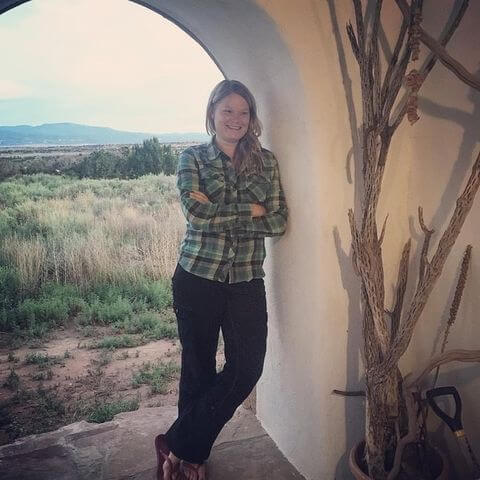
So I am Ellen Knight.
That's the easy part of that.
So the whole like who are you question,
That is always such a really difficult question for me to answer.
Just kind of basic demographics,
Like where I fall into demographic categories.
I am a white woman.
I'm 36 years old.
I am kind of solidly working middle class.
I'm a teacher.
I come from a really big extended family.
But probably the two kind of parts of me that are really,
Really defining are I'm gay or queer depending on the day.
Depends on how I,
What word I use,
What word I feel like using.
And I am Southern.
So very,
Very Southern.
Grew up in kind of the swamps of South Carolina.
And that,
So especially kind of what we're going to be talking about today,
That kind of like Southern identity is,
I think for people who don't live in sort of the Southeastern United States,
It can,
There's a lot of things that people wonder and people assume and things like that.
But in a really kind of significant way,
The landscape of this area really is a defining feature of who I am.
So I grew up in a,
In that very kind of even tempered Protestant United Methodist household.
Very,
Very respectable form of Christianity.
That very kind of mainstream form of Christianity.
You know,
I grew up kind of in a bubble.
I mean,
As a lot of folks did.
You know,
I grew up in a Christian household,
But it wasn't like a,
It wasn't,
I guess,
A strict Christian household.
It was more kind of working by the love your neighbor form of Christianity,
Recognizing that there were other religions,
Recognizing that different people did things different ways,
But at the same time being a little nervous about some of that.
So like,
I,
One of my,
One of my aunts,
My mom's,
One of my mom's brother's wives,
She was some kind of holiness,
Not really sure what like Pentecostal holiness may be.
I'm not sure.
But anyway,
My uncle would drop her off at church and he would like leave her to go do that.
And then he would come over and like visit with us.
But I do remember the,
The sort of idea that like really emotional worship wasn't something that could be trusted,
That it wasn't.
It was just kind of getting worked up into a frenzy.
So there was always a little bit while everybody was like,
You know,
Okay,
There are lots of different religions and we respect them all.
And but okay,
How we do things though is really the best way,
You know,
That kind of,
That kind of thing.
I guess I never thought of it that way.
Expansive is sort of the best way for me to describe my,
My religious inclinations and my kind of understanding of spirituality.
And yes,
One of the ways that I have been able to sort of experience the divine,
But also sort of allow myself to be permeated by the divine,
Has been in nature in a lot of different ways,
Right?
So there's,
For me,
It kind of,
It all takes on the tone of sort of where I am,
Like physically where I am.
So you know how when you meet somebody in particular,
Sometimes you meet a person and you immediately click,
Even though you don't know them really well and you can have some really meaningful conversations.
Other times you kind of meet someone and that sort of surface level appreciation.
And then there are people who,
You know,
Really,
Really well.
And you can really kind of dig into those deep truths and deep realities with them.
And sort of the way I experience nature,
Outdoors,
Plants,
Earth,
All of that is very much in like that.
So kind of different experiences,
Depending on where I am and what my relationship to that landscape is.
I'm really,
You know,
I love kind of vistas and I love,
You know,
Big geography and all that kind of stuff.
But really where I find my truths and my connections is in plants.
So I,
You follow me on Instagram,
So you know,
I'm like really obsessed with my backyard.
And like finding these tiny little areas of my backyard that are just special in whatever way.
They may be ridiculous to someone else,
But to me,
It just kind of speaks to me in that moment.
So I have learned just a ton just by kind of showing up in my backyard.
And by that,
I mean literally walking outside and just saying,
OK,
What am I going to see today?
And I don't have a huge backyard at all.
It's deep and it is,
It's very wild.
I have a lot of just things that grow wild back there.
So when I talk about spending time in my backyard,
I don't want you to imagine that I have this like landscaped area at all,
Because I do not.
It is,
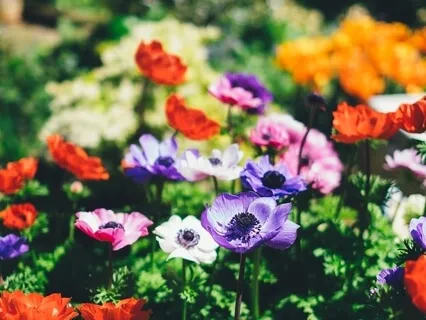
There is just there's betony everywhere.
There's wisteria that's kind of taken over.
Ivy,
Pokeweed growing crazy.
It is a really old backyard and it's a really wild backyard.
Well,
What is really beautiful about that is,
You know,
I am all for the wildness.
I love it because there are secrets inside that wildness,
You know,
And they're like pockets where God exists.
And I think what's really interesting about that is that the wildness is you,
Your generosity towards the plant and allowing it to be what it is.
You know,
You're allowing it to do what it will with freedom.
And that's a really beautiful,
There's a lot of grace in that,
I think.
Yes.
And so that is actually one of the things that has allowing that to happen in in my backyard.
So in this space that I kind of steward and take care of,
Allowing it to be what it is,
Even though,
You know,
Folks come over and they're like,
You need to like plow that under or you know,
You could get some weed killer.
Right.
And just spray it all over there.
And I like so adamantly resist that for for for many,
Many different reasons.
But but by allowing the plants to do what they want to do.
Right.
So by allowing them to kind of be how they are and grow how they are in a way,
It's it has allowed me to learn how to show up myself as I am.
So how to kind of show up as this sort of whole person,
Which is,
I said,
You know,
Kind of when I when I introduce myself,
I always do sort of a risk assessment of what parts of myself do I share?
What do I you know,
How what kind of tone do I use?
Do I use my educated voice here or do I just kind of come as I am and really experiencing this landscape out my back door and digging into the beauty of it and seeing,
For example,
After,
You know,
I let the the pokeweed get six feet tall,
Seeing the amazing,
Beautiful colors in the berries and the way that they flower before they bury.
Like all of those are just really incredible beauties and incredible,
Like just moments in time in that plant's life that I'm able to witness because I'm just letting it do what it what it does.
And so by giving that grace to something that most folks would say,
You need to dig that up,
That goes in the trash and looking at it and being able to like just kind of stop and see the beauty in that has allowed me to kind of stop and see sort of the beauty in my own mess.
It's actually helped me with this kind of kind of break out of that settler mentality.
Right.
So,
You know,
The settler mindset is come in,
Take a chunk of land,
Make it do what you want it to do.
Right.
Like force it into something that's predictable,
Force it into something that pays for you,
Force it into something that's productive.
And so the end result is what is valuable to you.
Right.
And the kind of your worth as as your settler is how well you're able to force something to to produce this end result.
To allow yourself to break out of that settler mentality is to allow yourself to experience things kind of as they are and in ways that you don't necessarily like and that other people may not necessarily like.
And also not to see something as the end result.
Right.
So like something is not worth what it can give you in the end.
And I think,
You know,
And kind of coming back to specifically Black Lives Matter movement,
There's,
You know,
Especially with white folks who are just kind of waking up,
I guess,
And coming to terms and sort of getting engaged in dialogue.
There,
You know,
Is this huge was this kind of huge push to read all the books,
Learn all the information,
Fix it.
Right.
So get to this end point,
This end result.
And I think what we're seeing now is like that realization that this is not a I do step X,
Y,
Z.
I am in charge of this of this kind of production.
Right.
Of dismantling racism.
And OK,
So I did what I was told to do.
And now we're where I think we need to be at the end.
And it's not the result that I want.
Right.
So there's this kind of diffusing,
I think,
Of of momentum because folks are white folks in particular are wanting this kind of end result.
Right.
They want the they want the they want to have taken the steps and have gotten to the product.
And to go against that,
I mean,
You got to like you got to honor the process and you got to honor working with everything and seeing the truth as they are in every single moment.
Right.
So kind of taking it back to the yard,
I have this blackberry wild blackberry bush and it grew its first blackberries this year.
And they were like five.
And I was so excited.
And I went out there this morning and I was like,
I'm going to eat that.
That one blackberry that I know that I know is is right now.
And like it was gone.
Right.
So a bird or something had come and eaten it.
Whatever to have that kind of like productivity mindset.
Right.
I would say,
OK,
I've had this blackberry bush for three years now.
This year it gave me five blackberries and I didn't even get to eat one because the ripe one got eaten by a bird.
So I'm going to throw that out because that's not worth it.
But to really dig into kind of the truth of nature and to learning those lessons of that exist in our natural world is to say,
OK,
Hey,
You know what,
This this blackberry bush,
This blackberry vines,
They are really valid and really beautiful and bring a lot to the space,
Even if they aren't bringing this kind of end result that we think a blackberry should bring.
So kind of getting out there and and getting familiar with the wilds of the yard and kind of how things grow has really helped me push against that idea of productivity and that idea of things in myself.
Right.
Only being as valuable as what we make and what we create and what we can what we can sort of build.
I always kind of and it's probably because I read too much,
You know,
So like that that kind of magical thinking has always been really infused in me.
And I actually remember being young and seeking out like like opening a garden gate and being like,
OK,
Looking for those liminal spaces,
Like truly looking for them,
Being really young.
Of course,
Not even knowing what I was like looking for,
But like,
OK,
I'm going to close my eyes and I'm going to walk through this gate.
And when I get to the when I when I cross through the threshold,
I'm going to be in a different world or looking for like fairy circles.
You know,
Fairy rings in the ground and like,
OK,
I'm going to step in and be transported now after I have read a good bit of like folklore and mythology.
I'm really glad that that never happened because like fairies are no one's friends.
Anyone ever.
But yeah,
I mean,
I was always very my mother was a gardener and still is a gardener.
And so just always very keenly aware that nature was something special and also aware of kind of the different fields of different landscapes.
We my mom grew up on a farm.
She was the youngest of 10 and they grew up in this farmhouse.
And my uncle,
The one with like the with the Holiness wife,
Grew up or not grew up,
But had a house on the other side of this farm.
So there was this huge kind of farmland area that was still in the family when I was young and we actually lived there for a while.
But when we didn't live there,
I would grow up on Saturdays.
I would go out to the farm.
So I became really aware of like,
OK,
This is what a garden feels like,
Like a flower garden feels like.
And this is what a field kind of how it feels.
And this is what sort of the the area where the forest meets the fields.
That's what that feels like.
And.
Also aware that there was kind of a special difference between eating a tomato that grew in a garden and then picking honeysuckle off of a vine,
Kind of back in the woods and in the swamp area and tasting that.
So all of these kind of subtle little like differences of feelings were with me.
I mean,
Just as long ago as I can remember.
So it's always been a place where I knew that I could find magic,
Where I knew that I could find divine,
Where I knew I could find God.
If I wanted to.
And that's that's kind of the thing,
Like if I wanted to write,
I go outside and just sort of be like whatever kind of going about my business.
But I'm also aware if I go outside with the intention and I go out there looking for a lesson or looking for an experience,
It will always be there.
I never know what it'll be,
But it will always be available to me.
It's this really kind of beautiful reality that,
Like,
You know,
My backyard doesn't care if I go.
A week without like intentionally going out there,
It doesn't care.
It's it's like,
Hey,
Welcome here.
You know,
Likewise,
If I go out every day and work and kind of cultivate a certain area.
You know,
We can work in relationship to,
You know,
Make some sugar snap peas grow well.
But it's not going to judge me if I don't show up.
You know,
I'll just have some weeds and some other new wild things grow into to greet me when I go there.
So in a very real way that you kind of keep bringing up luminous spaces,
But always sort of wherever you are,
That kind of liminal space between different types of landscapes.
Right.
So where you go from yard to overgrowth,
Where you go from field to forest,
Where you go from cultivated to not,
Where you go from water to bank.
That that space is always one of the most biodiverse spaces in any kind of given landscape.
So really leaning into that and saying,
OK,
This is this is where the good stuff is.
Right.
And these kind of places that are kind of worked on and then kind of allowed to to be natural.
That's where that's where most of the truths are.
That's where most of most things exist in a really right way.
I kind of like that.
I'm not sure of the origin,
But it's very much kind of a Gullah Geechee thing,
But trees where bottles,
Mainly blue bottles,
Are put in branches.
Right.
So they're just kind of put on the edge of the branches.
And the purpose of them is to sort of capture evil spirits.
So hate,
Evil spirits,
Things like that.
Yeah,
The blue glass is supposed to kind of capture them.
But it's a really you see them all over the south and they've kind of not so much on trees anymore.
Now they're like,
You know,
Wrought iron things that people put in their front yard and put the glass bottles on them as like yard decorations.
But it is very much so rooted in a way of kind of capturing evil spirits out in nature as they're sort of protecting things.
One thing that I have I have learned and I've thought is just really amazing.
And I've learned this from herbalist friends of mine and I've kind of seen it happen too is folks who work with like sourcing their own herbs and remedies and stuff like that.
They'll tell you that to really kind of pay attention and get familiar with the land around you or the spaces around you,
Whether that's like,
You know,
Ditch banks,
You know,
It doesn't necessarily mean your yard,
But places that you cross path every day,
Ditch banks,
Abandoned lots,
Things like that,
Because weeds,
You know,
For for lack of a better word for them,
Will sort of respond to what you need.
So weeds and plants and things like that will respond by providing you the very medicine that you need in that time.
I had a really challenging time a few years back and like there were violets growing everywhere,
Wild violets in my backyard.
And that's kind of like that's a sort of standard as wild violets pop up in the spring.
But they were like everywhere and they were I mean,
All over the grass,
All through the beds,
Everywhere.
And someone was asking me,
Someone,
A good friend of mine,
She was like,
What do you notice growing?
And I told her,
I was like,
Well,
There are violets everywhere.
And violets apparently are really good for your your heart,
Your emotional heart.
So we started talking and sort of I learned some ways to incorporate violet into my kind of everyday sort of rituals and things like that as a way of really using that to to kind of help soothe.
Right.
But there's also like not too long ago,
Somebody I know was commenting on how elderberry is just really like more abundant than normal in our area,
In the ditch banks,
In the roadsides and things like that.
And I mean,
As you know,
Folks have elderberry syrup is on every shelf,
Like because it is a known ally for lung health and immune systems.
So there's this really interesting thing that happens when you start paying attention is like that sort of reciprocity really kind of compounds and you see nature and you see the natural world giving you what you need and giving you the things that you need to take care of yourself.
It's a really like there's just this abundant generosity there that's really,
Really lovely.
And all this stuff is not not new,
But like I think that's important to to acknowledge,
Too.
So like for flower essences in particular,
I think,
You know,
Bach is sort of the person who's famous for for sort of I guess they're not really mainstream,
But bringing it into the main hernia.
But that's something people have been doing for a really long time.
You know,
Indigenous folks,
Of course,
Know the medicines,
You know,
And around here,
Enslaved folks.
Yeah,
They learned what plants over here could help like rural poor folks figured it out and passed it down.
Right.
As you pay attention and you learn to kind of depend on the land,
Then you get these gifts and you get this knowledge and you pass it down and it becomes it becomes it becomes an intuitive thing.
So I think for me,
Very much so is one of my things that I try to do is to sort of pull back all that like settler stuff so that I can kind of get back to that really basic knowledge of what's there and what is what am I being told?
What am I being taught through the land that I've ignored?
There's a real very real risk that we run as as we're leading our lives,
But also as I mean,
Just with development and not protecting the actual like ground that we miss those things.
You know,
These really amazing secrets and these amazing lessons and these amazing organisms that we don't see just because we are content to not.
You have to really make the choice.
You have to make the choice to go outside in your yard and see things and learn lessons.
You have to make the choice to say,
Just because I don't know what's there doesn't mean I'm not going to protect it.
And you have to be humble.
You know,
You have to say,
OK,
I am I am willing to be in relationship with you.
I'm willing to enter your space.
I think the biggest the biggest change for me is that sort of the universe or the divine or God is not a.
It's not a passive thing.
It's not something that like only exists when I want it to exist.
Does that make sense?
You know,
Like there's there's movement and there's it's always happening and there's always life within that.
And there's always power and there's always motion happening.
But my relationship to it will only exist insofar that I am willing and interested to be open to it.
You know,
So no amount of I mean,
I think ritual is important,
But no amount of ritual will walk you into that relationship.
If you don't also have that kind of willingness and intention to be in relationship and and as with anything else,
Especially kind of outside.
I mean,
The more you pay attention,
The further you dig,
The more you embrace,
The more you notice,
The more you witness,
The more you care,
The more the closer you get pulled into that relationship.
I hate to use the word rewarded because that's I hate that sort of,
You know,
We do things in order to get a reward.
But there's a beautiful reciprocity that happens in your ear cared for,
I think is maybe not rewarded,
But cared for.
This has been episode three of Bite Sized Blessings,
The podcast all about the magic and spirit that surrounds us.
If only we open our eyes to it and whether you choose to listen to our bite sized offerings for that five minutes of freedom in your day or the longer interviews,
We're grateful you're here.
I need to thank Ellen Knight for sharing her story and her garden with us today,
As well as the creators of the music used.
Raphael Crux,
Winnie the Moog,
Closs Appel,
Music Files,
Luca Fraula and Sasha End.
For complete attribution,
Please see the Bite Sized Blessings Web site at bite sized blessings dot com.
And remember,
That's bite spelled B Y T E.
On the Web site,
You can find links to other episodes as well as to books and music I think will inspire and lift you.
Thank you for listening.
And here's my one request.
Be like Ellen and live into the wildness in the world.