Welcome to the FlowState Performance Podcast.
This is your host,
Jiro Taylor.
So I'm the founder of FlowState and the host of FlowTribe,
The community,
The world-class community of flow pioneers that we've put together for FlowState,
For the FlowState community.
Check it out,
Flowtribe.
Co.
Yeah,
If you're a person who thrives on personal development and you understand that being surrounded by like-minded people who are sort of buzzing on the same frequency,
Who are all growth-minded,
All looking at ways where they can push the boundaries to experience greater flow,
Harmony,
Train ones,
Intuition,
Instincts,
Develop breath practices,
Meditation practices,
Just learn different ways to tap into our highest states of performance,
Then you're probably going to find your tribe in flowtribe.
Co.
Cool.
Today,
We've got an absolute treat for you.
This interview,
This is number 56 of the FlowState Performance Podcast and I'm so stoked to bring you this conversation with the one and only,
Laird Hamilton,
Who is an absolute icon.
If you're a surfer or you've been around the ocean or you've just watched Big Wave Surfing,
You'll understand how much of an icon Laird Hamilton is.
He's an absolute pioneer.
He's been at the forefront of Big Wave Surfing and innovation for many,
Many,
Many years now.
He's like 53 years old and he's charging.
He's got the energy of a little child in a good way in terms of his enthusiasm for life and his energy.
It was such an honor,
Such a privilege,
Such a joy to have this conversation with him and tap into some of his wisdom,
The sort of wisdom that you really only gain when you spend vast quantities of your life in wild situations confronting fear head on and really designing a life where flow is a natural emergence.
In this conversation with Laird,
We get into all kinds of interesting areas.
Just going with the flow,
We end up talking about how to condition oneself to deal with fear,
How humans have moved from hunter-gatherers to domesticated beings in such a short space of time and what we can actually do about it to stay wild,
What it means to be wild,
How we can express ourselves in a wild way which is also a healthy way,
How to make sure we are in a constant state of growth and evolution and how training our instincts and our intuition and how being in flow state actually ties in with this idea of being wild and ties in with the idea of ultimate performance.
We can only really know our highest states of performance when we have trained our intuition and our instincts to be just natural expressions in our daily life.
So yeah,
We're going to cover all that.
You're going to learn how to train your instincts.
You're going to learn how to express yourself,
How to deal with fear.
So please listen into this podcast with Laird Hamilton.
Let me know what you think in the comments.
See you.
Welcome to the Flow State Performance Podcast,
Laird.
Thank you so much for being here.
Thanks for having me.
I appreciate it.
I mean,
For many people,
You need no introduction,
But I'm going to give a little introduction to you anyway.
Please do.
Please don't blush.
So Laird Hamilton,
He's something of an icon,
A big way of surfing pioneer and an all-around water man,
I would say.
Certainly for any surf or any ocean lover,
Laird would have been a front and center of consciousness over the last 20 years for just the amazing feats that he has performed on various waves across the world and just the sort of spirit of innovation that Laird has brought to surfing and just connecting with the ocean in general.
I think what stands out for me about Laird is that he's never been one to just stick in the mold or the groove.
He's always been looking to break out and try new things,
Which has manifested in him co-inventing toe-in surfing,
Which I remember when we first saw footage of that was just like mind blowing.
It was just like a new level of awareness of what is possible on a wave.
And more recently,
Really like leading this new edge of innovation,
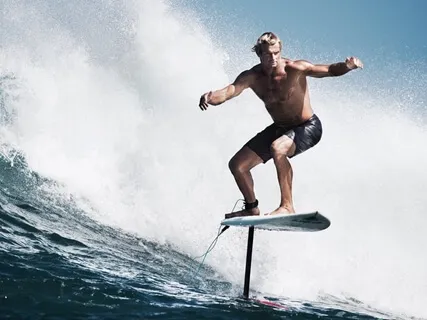
Which is kind of like riding the magic carpet of hydrofoiling,
Particularly on big waves.
And Laird is also a family man.
I've often noticed from the outside how solid his relationships seem to be.
He always seems to be surrounded by tribe,
By brothers,
By close people and also an entrepreneur with a training program,
XPT.
I'll put the links of the program in that and a range of products which are designed to help you become more awesome and also charity work.
And I'll put some links and we'll talk about some of the work that Laird is doing in that regard.
So welcome Laird.
Did I miss anything out that you feel is important to share?
No,
I appreciate it.
Thank you.
That was more than kind.
So awesome.
So the show is about flow states and looking at both that kind of like microcosm of being in the zone in the flow state,
Which you probably know more about than most humans,
But also looking at like living in flow,
Like what it means to have a life where we're flowing between different endeavors,
Whether it's in business,
Life,
Adventure,
Friendships and designing a beautiful life.
And that's one of the most awesome things about having you on this podcast is that I can clearly see that you understand both.
So let's start with that sort of microcosm because there's probably no other human on earth that I'd rather talk about breaking through fear and getting to that state of thoughtlessness and selflessness and timelessness.
Can you talk to me about some of your experiences or what flow state actually means to you?
Well,
I mean,
I think that's part of the reason why I'm a surfer is because the act of riding a wave really is something that you do in nature that's harmonious,
That you have a harmonious,
You know,
People will say,
Oh,
You conquered that way.
I go,
Well,
First of all,
You don't ever conquer a wave.
You you you're able to act harmoniously with a wave.
And I think,
You know,
That's why I love I love surfing for that reason that it puts you in in a place where,
You know,
I always say there is no beginning and there is no end.
You know,
It just is is and you are and it is and you become part of something,
You know,
It's a lot that's that's outside of you.
And so you don't really have a self.
You don't really have an identity.
You're not you the man or you the surfer or you're not you.
You're just you're just kind of,
You know,
There's almost like collective consciousness to it,
You know,
Where you become connect,
You know,
You're connected to the ocean and then you're doing this harmonious thing in a wave.
And that's I mean,
Of course,
Until you get put under the water and then,
You know,
And then you get reminded of how important areas and you're really not a sea creature.
But but yeah,
You know,
It's it's I mean,
It's it's it's something that I've experienced,
You know,
Throughout my career and and and and continue to seek out,
You know,
And I think that's part of the reason why I've been innovative.
Innovative is because I'm looking for ways to continue to find these kind of states of consciousness.
And it becomes more and more difficult,
I think,
When you really start to perfect something and you and you've had great experiences in it.
You know,
People say,
Oh,
You know,
It's easier to get into the state of mind when you're good at something.
But when you have expectations and you have a certain level of performance,
Then it's then it starts to demand more intense situations that,
You know,
That you would have gotten a lot easier at an earlier stage in your development.
So it's a little bit of a it's a little bit of a kind of a balance of,
You know,
Not becoming so good that you have expectations.
But,
You know,
I guess it goes on and on.
So one of the one of the things about flow state is obviously this mixture of challenge and skill level.
And that's obviously why you've been increasing challenge level throughout your life and career.
So what does it feel like for you to go out in Malibu on like a two foot day on a on a maybe on a stop?
Like,
Can you can you get into a flow state in those situations?
You know,
I can.
I'm able to.
But it becomes more about the connection with nature.
And so it becomes more about you're in the ocean and that you're and you become harmonious with,
You know,
And whether you have a,
You know,
An intimate moment with a dolphin or there's pelicans flying by and,
You know,
You're on a wave with one and it flies with you or,
You know,
You have these other kind of these other,
You know,
Somewhere in the spectrum of flow state.
There's another color.
It's another it's another variety of flow state that you get through connecting with nature.
And I think,
Again,
I can do it pretty well on a two foot day.
You know,
Again,
If I'm not going out with the expectations of that,
I got to get some special ride.
You know,
If I'm going out with him,
I'm going to be in the ocean.
I'm going to be out there and I'm going to just kind of,
You know,
The clouds and the wind and the and the and the birds and the fish and the dolphins and the whales,
All that kind of stuff.
And then and then you have that opportunity to to to feel to feel that,
You know,
And for me,
I think,
You know,
When I really think about flows,
The flow state itself,
It's really when we become what we are,
Which is we're part of nature,
That we're part of,
We're part of existence.
And I think it's more and more difficult for us to get into that state of mind as we become more disconnected.
And I think that when we were in hunter gatherer and those types of states of evolution,
I think that that was it was we were in it all the time.
I think flow state would have been tracking animal.
It would have been just you and you and nature.
You would be connected to the sunrise,
The sunset,
Just all of the things that were happening.
And I think we we we find ourselves kind of a little bit desperate to seek it out and really start to have to develop it through these other more skilled activities.
We have to get it through these activities that that and through this development of these skills that we would have naturally have had,
I think,
Had it been had we been just a little more wild.
You know,
Totally.
Let's talk about wildness.
Like you told me my language,
Bro,
It's like what I observe is the domestication of humanity,
You know,
Like in so many ways.
Right.
And so let's talk.
It is.
It really is.
It's sad.
It's like it's almost like over time since those hunter gatherer days.
And I don't know if you've read this amazing book called Sapiens,
But it's sort of like,
Cool.
And this is this kind of like shift into the agrarian revolution where all of a sudden hunter gatherers move from probably like working a couple of hours a day in terms of tracking animals and the rest of the time they're probably sharpening,
Innovating new tools,
Thinking about new ways to start fires.
Or maybe they were just like playing.
Maybe they were surfing some sort of super primitive craft that we don't know about.
And then we moved into like this 12 hour workday and going to plant crops and things like that.
And this domestication has become so entrenched in our mental patterns,
In our consciousness itself.
Almost to the point where the ego has become like this tool or this lens of domesticality.
And it feels like when you get into situations,
Particularly gnarly situations where you are humbled,
You know,
Where you're humbled by force and power and it's just like your ego is just like kind of bitch slapped out the way,
That's almost like an amazing gateway into the wildness,
Isn't it?
Absolutely.
I mean,
It puts you in the perspective that you should be in all the time.
Is that you should be,
We should be humbled by nature.
We should be,
We should walk cautiously and put pride and ego aside.
That's hard.
And it's hard,
You know,
When we've killed every single thing that's dangerous and we've dominated in a way,
You know,
We've kind of dominated our surroundings through all of our,
You know,
Through all of our kind of a lot of our things that we've created.
And,
You know,
I mean,
For me,
You know,
I always having humility probably is one of the most admirable traits for me.
I mean,
If you look at,
I don't know if it was in Sapiens or Natural Born Heroes,
I think Natural Born Heroes,
One of those ones that talks about,
You know,
The only way you can be heroic is to have compassion,
You know,
And to be compassionate,
It ultimately means humility like you got to have compassion and humility and being humble or,
You know,
Those are interrelated.
And I think,
Again,
It's,
That's a better state of consciousness to be in.
Where we are now,
This is a trickier game.
And it's such unfamiliar territory for us that we,
It's really causing a lot of,
You know,
It's causing a lot of undermining of our social structures and all of these other things because it's just so foreign.
It's not something,
It's not a place that we've been ever really.
And then,
And definitely not for any length of time.
So I think we're having to kind of scramble right now to figure out,
Hey,
You know,
Men be men and women be women and,
You know,
Everybody kind of,
You know,
Assume their positions,
But no one knows what positions we have because we've just,
It's all become like kind of homogenized almost and just,
You know,
And neutered.
Neutered,
Yeah,
Yeah,
Yeah.
And we're living in the age of androgyny.
That's right.
That's interesting,
Man.
It seems like we've been conditioned for so long to seek this thing called security and to seek this other thing called comfort.
And that these two things are kind of like antithetical to what it is to be a wild being roaming on this planet.
And talk to me about the balance there because obviously,
You know,
A little bit of certainty,
A little bit of comfort is kind of a requirement to grow and to thrive and certainly to raise children and to nourish ourselves in other ways.
But yet too much certainty and too much comfort seems to be the disease that's actually rotting away in the world.
Yeah.
Well,
And I guess there within lies the struggle too.
I mean,
That becomes the,
You know,
The difficulty of,
You know,
It's like,
Gabby and I talk about it,
You know,
With our children,
You know,
How do we kind of inflict the,
You know,
The difficulties that we went through and not that ours were any big deal,
But they were just more difficult than what they're going through.
And those are the things that kind of shape us.
And without having that,
You know,
You kind of,
You know,
It's like,
You don't want to,
You don't want to impose,
You know,
That kind of stuff on your kids because I think that,
I mean,
You just wouldn't do it.
You're not,
We're not capable of doing that.
But,
But in a way you want to,
It's like,
How do you make somebody tough?
You know,
How do you make somebody tough without making them,
You know,
Go through things that make them tough?
It's like,
It's a tricky thing to do,
You know?
And I think part of our,
You know,
Like you said,
That comfort and the safety and some of these other things that we're looking for,
You know,
We were talking about sugar,
For example,
The other day and,
And,
And just things that are sweet,
You know,
And how,
You know,
This,
The things that are sweet have,
Have,
You know,
In nature,
Those were safe and,
But we only had,
We didn't get them very often.
And when we did,
We had as much as we could get.
And so,
And that was great because it worked because we didn't get them that much.
And so when we had as much as we could get,
It didn't have a negative effect on us.
But now that we can get all we can get every day,
Every day,
All day long,
It's having a real issue on us.
And so it's a little bit like safety and,
And a little bit like comfort and a little bit like secure,
Like all these things.
I think these are things that we naturally seeked out and needed for our wellbeing because it wasn't just readily available and we didn't have it 24 hours a day,
Seven days a week.
And,
And,
And so,
But then when we,
When that changed and when all of a sudden we have it,
Then all of a sudden that becomes a,
You know,
And,
And,
And again,
You know,
It's hard to inflict that stuff on your children.
I mean,
I don't,
I think you really can't in all fairness,
I can continue to inflict certain aspects on myself,
You know,
Which,
Which,
Which,
Which I do,
You know,
Whether it's,
Whether,
Whether I do,
You know,
Whether you set yourself up through some endurance challenge or,
Or,
Or the difficulty of training or,
Or fasting,
You know,
Or,
Or,
Or doing some other kind of,
You know,
Doing something to your,
You know,
You know,
Getting in a sauna and making yourself nauseous or whatever it is,
Just whatever those challenges are that kind of inflict a certain amount of discomfort on us,
Which I think is where we excel and where all the transformations happen.
You know,
I think that's,
That's,
I think it's,
It's mandatory.
I think it's an essential part of existence that we need to continue to do that to,
To just for our own strength and our health and our wellness.
I mean,
It's just,
It is,
It is,
Before getting into a training session,
Like,
Because I know that you do with XBT,
I know that you're doing a lot of pool training and you're doing a lot of breath training and you're involving weights as well.
And from what I've heard,
There's,
There's pain and discomfort in quite high degrees and some of these more intense sessions,
But you actually,
You actually like go into it thinking I'm seeking out discomfort because this is part of like evolving of transformation.
I mean,
I,
Yeah,
I think I,
I,
Let's just,
Let's just say,
Let's say maybe not seeking out discomfort per se,
As much as this is going to be uncomfortable.
And,
And,
And,
And,
And the more effective it is,
The more uncomfortable it's going to be.
And it's just,
You know,
There's a,
The old saying,
No pain,
No gain,
No pain,
No gain.
I mean,
It's just,
It'd be,
It'd be great if it wasn't that way,
But it's,
It is that way.
And that's,
And that's just,
You know,
That's the fact.
And so,
You know,
The sooner you face it,
Then the less of a problem it is,
Right.
So the more you embrace it and then pretty soon you're kind of like,
Hey,
I kind of need this because this is,
You know,
And listen,
I use,
I use,
I always use,
You know,
I like to talk with parables,
But things that are really,
You know,
I always say there's a physical manifestation of a,
Of an emotional,
Uh,
You know,
Every emotional state,
There's a physical state that to represent,
Represent it so we can see it.
But,
You know,
It's like,
Hey,
You want to have something,
You know,
You want to treat a blossom or you want to do,
You got to prune it.
You got to,
It probably doesn't feel great to get your arms clipped off,
You know,
The tree,
You clip the tree,
You prune it back.
And then all of a sudden the new growth comes and it has flowers and fruit and all that kind of stuff.
And so in a way,
You know,
That's a little bit what we have to go through too.
I mean,
We have to go through a certain amount of pruning and a certain amount of clipping just,
You know,
And I,
And I,
And I don't think there is really any way around that.
I think,
I think that,
Uh,
Now there's different forms of it and some are less,
You know,
Difficult than others.
And,
You know,
The thing about XBT that's great for people to experience is that we're,
We're going to just bring you at your level.
So it's not like,
Hey,
You're going to come and do my training.
No,
Just like I wouldn't go someplace and think I can train at the level of somebody who's been training that way in the technique that I haven't done for 20 years.
I would,
I would come in there hoping that they would walk me through it and let him and let me experience it,
But not,
You know,
I mean,
You can always make things impossible,
You know,
And I tell people,
I go,
Listen,
You can take anybody.
I don't care who they are.
Put them in a situation where they,
They're,
I don't care.
And I don't care who you are.
Just there's,
There's,
They're going to be a spot where you're uncomfortable,
You're unfamiliar,
Whatever it is.
And it's not about that.
It's not about what you,
You know,
Showing people what they can do.
It's always about showing people what they can do.
And I think that just helps remind us,
You know,
That,
That what we're capable of too.
So,
You know,
It's,
We call it the selfish act of giving,
Which is,
You know,
Where you,
Where you're,
Where you're kind of sharing with people,
Some of these kinds of things that you've come to learn or been exposed to by other guys,
Whether it's Paul check or Wim Hoff or,
You know,
Whoever,
Whoever you've had some experiences with that you've learned stuff from and,
Uh,
You know,
And then you do that same thing,
You know,
You pass it down and,
But,
But listen,
I think that,
That being,
You know,
The sooner we can embrace discomfort as part of,
You know,
Whether you get a massage and you know,
The guys,
You know,
Somebody's got their elbow in you or,
Or,
Or you're in the heat or you're in the ice or you're on the hill climbing a thing or you're,
Whatever it is,
I think it's,
It just becomes something that,
Uh,
You know,
That you start to,
You know,
Live with you just appreciate it.
Yeah.
You want it.
Yeah.
The ability with the uncomfortability is exactly.
Absolutely.
It's getting comfortable with discomfort.
Can I ask you about your younger days?
Like I'm particularly interested in like the evolution of your psychology,
Um,
You know,
Around things like,
Um,
Ego and connection with nature and kind of like your,
Your,
Your why,
You know,
Like,
Uh,
When just casting your memory back to those early days,
Um,
Maybe like the teenage years where there's still hormones pumping around to the early twenties,
Um,
Where a lot of people go get loose and,
Um,
What,
What was,
What were you like back then?
Oh,
Obnoxious,
You know,
Completely obnoxious.
You know,
Uh,
Like most 20 year olds are,
Um,
That are full of testosterone.
Uh,
You know,
I mean,
Listen,
I think that first of all,
Um,
The environment that I was in and I was coming out of demanded,
Uh,
A certain level of,
Uh,
Uh,
A certain level of aggression,
Um,
A certain level of attitude.
Uh,
I think it was just part of what was,
It was going to take for me to do what I needed to do.
And I knew that,
Um,
You know,
But at the same time,
You know,
There's certain,
Uh,
Foundational things even then that I had,
Which there was a certain level of respect,
Um,
That I had and,
And a certain,
Uh,
There were certain things,
Um,
That,
That were foundational things that I learned from my mother or,
You know,
Growing up that,
That were still,
That were there then and they're still here now.
Um,
And so,
Uh,
You know,
Um,
I,
I tried not to be a liar,
You know,
Uh,
You know,
I tried not to,
To,
Uh,
You know,
I tried to treat people like they treated me kind of thing.
I mean,
I had certain things,
Um,
You know,
I wasn't ever scared of a good day's work.
Um,
You know,
I,
I maybe try to,
Uh,
Go surfing if I could,
But,
You know,
I,
I would definitely,
Uh,
You know,
What I,
What I,
I mean,
I would surf,
I would,
I would,
I would put the same amount of energy in my fun as I would in my work or vice versa.
And so,
But there's some things,
But yeah,
I,
I think,
You know,
When you're,
When you're young and,
And you're having to kind of fight your way,
Uh,
In,
Into,
Into certain,
Uh,
Places,
You know,
It's,
I mean,
It's just part of,
Part of,
Uh,
You know,
Part of what it takes.
It's part of it,
Right?
Yeah.
Part of it.
When you were surfing those,
When you were kind of like getting out there in Hawaii in the early days,
And I remember like following you and you always seem to be with Dave Kalama and a few of the other boys and,
And you were just like going to these outer reefs that,
And like doing what nobody had done before on those outer reefs.
Like can you talk to me a little bit about like fear and testosterone or the sense of like motivation there?
Like how much was it,
Was it bravado like versus something potentially a little bit deeper?
Well,
I mean,
Listen,
The bravado,
I don't know.
First of all,
Listen,
When I grew up,
I was a little daredevil and,
And,
And,
And I would say that,
You know,
With that daredevil comes a certain level of,
Of showing off,
Uh,
You know,
Just being a show off.
A lot of times that's just,
You know,
That's just a cover up for,
You know,
Maybe that you're sensitive or that you're insecure or whatever that is,
You know,
And part of it is that you're just born with that stuff.
And I think at a certain level,
Uh,
You know,
At a,
At a certain point now,
I would say it probably came pretty quickly.
You know,
I wasn't in positions to be seen a lot when I was,
You know,
The things that we were doing.
So it wasn't the bravado aspect,
I think was not a big part of it because we weren't,
We weren't really show,
We weren't in,
We weren't in front of a bunch of people.
It was just you and your buddy and,
And maybe you'd show off for your buddy,
But,
Um,
But just that is still is a different dynamic.
And it was more of like,
Kind of like,
Let's push each other and see where we can go kind of,
Uh,
You know,
That kind of concept,
But you know,
A lot of what we've done,
Uh,
And still do and,
And have done,
Um,
Is been out of sight,
You know?
Yeah.
I mean,
The fact is,
Is that,
You know,
We got to,
Some of the stuff we've got to try to capture and we got to kind of show some of the stuff that we're doing just to kind of,
You know,
So we can subsidize our work because otherwise we're,
You know,
We're digging ditches and,
And somehow that gets in a way with,
Uh,
You know,
The level of evolution as an athlete,
If you have to kind of subsidize your work.
Um,
And so,
You know,
Part of it's been like,
How do we figure out how to survive,
Uh,
From what we're doing so that we can continue to do what we're doing more and get better at it?
Uh,
You know,
But the,
But the,
You know,
The,
The,
The,
I mean,
I've had very little,
Uh,
Experience,
You know,
Kind of in front of audiences,
You know,
In front of,
In front of,
I mean,
I had,
Okay,
On the North shore in the early days,
I had people,
But you know,
Most of the stuff we were doing when I,
When we could,
Uh,
We were out,
We were gone,
We were,
We were,
We were out at sea and you wouldn't have known if we drowned or not.
And if we caught a hundred foot wave and wrote it,
You wouldn't have known if we did it or not.
And the only thing you'd know is if we had a pitch,
Somebody got a lucky pitcher or,
You know,
Or,
Or we were,
You know,
My friends and I were bragging about it or something like that.
But,
Um,
You know,
That,
That's,
That's,
You know,
That's just part of it.
That,
You know,
The other side of it is,
Yeah,
You got a model and you,
You're this and you're doing,
You know,
You're being in a film and you're going to do whatever you have to do to,
To,
To,
To,
To survive it.
But you know,
I,
I just think that,
I think that,
You know,
And I,
And I,
My friends that I kind of the people that I surround myself with are like-minded.
We're in,
We're doing it to do it.
I mean,
This is what we do.
This is who we are.
And this is,
This is,
I mean,
We don't get to hunt,
You know,
We don't get to hunt giant wild beasts anymore and go out and come back with a big thing.
We,
You know,
We,
We,
We go out into the,
Into the,
Into the wilderness and,
And do these things that,
That I think a lot of men,
Uh,
Like-minded can relate to.
They can relate to the need for that.
Um,
It gives you a sense of purpose.
It really defines,
Uh,
Who you are.
It makes you just a better person.
I'm a better dad.
I'm a better husband.
I'm a better boyfriend.
I'm a better,
You know,
Father.
I'm a better lover.
I'm just,
I'm just better person if,
If I'm able to,
To kind of,
Uh,
Fulfill that.
And I think,
Uh,
You know,
I would say I'm fortunate,
Fortunate enough to still be able to,
You know,
That I'm still doing this,
This,
These things and,
And that I've found that I can,
That I am in control of,
Of,
Of,
Of my kind of success,
Like how I feel about it,
Like what,
That I,
I control my success.
I go out,
I come back.
I tell you if I feel that like I've succeeded or if I've accomplished something and,
And,
And,
And,
And,
And I really like that.
I really like to be in control of my,
Of my success.
I don't,
I don't want to be at the mercy,
Uh,
Of a group of people,
Of,
Of,
Of,
You know,
Of the scrutiny of other men to tell me,
Yeah,
Yes or no,
Or whatever.
I really,
I really,
Uh,
You know,
I really,
You know,
Love the fact that,
That,
That I can go and,
And with a friend or two and go out and,
And spend the day on the ocean and come back and feel like I'm good.
Like I,
I,
I did,
I did it.
I did,
I did it.
And I don't care what anybody else is doing.
I'm not even going to compare myself with what they did.
I'm going to know,
I just know what I did.
I know what we did.
Um,
And,
And I'm good.
And so,
Uh,
You know,
And,
And,
And that's a beautiful thing.
And I think that,
You know,
The more that all of us can figure that out,
Can figure out how to take our kind of,
Uh,
Our contentment,
Our happiness,
Our fulfillment and kind of take hold of it and own it and have it be ours.
Um,
I think that,
That the,
You know,
The,
The more you're,
We're going to have happier people,
I just think that,
You know,
Part of it is that,
You know,
Everybody's looking for the likes and the,
You know,
And the,
And the,
And all these other,
Uh,
Kind of,
Um,
You know,
Kind of ways to be,
To,
To,
To,
To,
To get fulfillment.
And I,
And I'm like,
Okay,
I'll buy this,
I'll own that,
I'll have that,
I'll get this.
And then they're get there and they get all the stuff and you're like,
Holy Toledo,
Wow,
This isn't great.
I'm not,
You know,
I'm,
This isn't what I wanted.
And I think it's a lot simpler than that,
But I think you have to own it and you have to,
You know,
And,
And,
And you have to be,
You know,
And I'm say,
And I'm,
And I'm fortunate,
You know,
To be able to know,
Uh,
What it is that does that for me,
You know,
That I know like,
Hey,
This is what works for me.
I love it.
You know,
Like,
And so,
And I think for a lot of people,
They don't know,
You know,
They don't necessarily have that.
They don't have that.
And,
And I think part of it is to seek it out,
Find it out,
Find out what the thing is because you're,
We are,
We're all capable of it.
It's just,
What is that thing that does it for you?
How,
How seek it out,
Like,
Like experimentation and trying lots of new things.
Is that what you're talking about?
Because absolutely,
Absolutely.
Absolutely.
Get,
Get,
Go out there and find things that,
That,
That bring you like a feeling like that thing that you need that,
You know,
And I don't mean getting drunk and I don't mean having sex.
I'm talking about something that you do that you go and I mean,
Maybe it's muse,
You know,
Maybe somebody plays music.
Maybe they're,
Maybe they're like race cars,
But usually it's something to do for men,
Something to do that has some action.
It's just a little bit of,
You know,
You're not a hunter gatherer,
Uh,
Kind of hanging out,
You know what I mean?
And,
And,
And,
And,
You know,
I mean,
It's,
It's,
And I mean,
People get it through art and get it,
You know,
In art and music and all these other,
These other,
Uh,
You know,
There's a lot of ways to get it.
So you just have to find your,
You know,
I,
I quote the movie,
The jerk,
Cause I love that,
You know,
Find your special purpose,
You know,
Find that special purpose.
Find that thing that,
That brings you,
Um,
You know,
That feeling and,
And,
And,
Uh,
And then,
And then,
And then,
You know,
Then seek it out.
Yeah.
And then just commit to it.
I love that.
Can we talk about,
Uh,
Fear?
Um,
You've obviously faced your fair amount of fear.
And you talked about control before in this,
In,
And I know the type of control you mean,
You know,
The type of control where you have control over your mindset and your,
And your life.
It's like this sort of independent kind of,
Almost like a rebel control sort of thing,
But you actively seek out situations where you kind of like,
Don't have control.
Like if you,
If you take off on a 60 foot wave and,
You know,
Even though you've got your buddy there and you've got all your training,
There's a,
There's a,
There's a sort of like surrendering of control.
Absolutely.
And you,
And you seek that out.
Um,
Like that's,
That's kind of like what fear is.
What fear really is,
I guess,
Like the loss of the loss of control or the fear of loss of control.
Yeah,
Absolutely.
Absolutely.
I mean,
I mean,
Surrender,
You know,
I think again,
Back to humility,
Back to,
Back to,
Uh,
You know,
Back to being humble.
I think again,
You know,
Humility comes from submission.
I mean,
When you,
You,
Nothing's going to make you more humble than when you have to submit and then,
And then go,
Hey,
I'm not in control.
And I,
And in fact,
There's nothing I can do really right now,
Except maybe,
Uh,
Just retain,
Retain,
Uh,
My,
You know,
My stability,
Retain my,
My,
My,
Uh,
You know,
My,
My control,
Retain my control.
So when you're getting smashed,
Like what,
First of all,
What does it feel like?
And what kind of like,
Um,
Tricks or techniques are you using to,
To retain that stability in those knowledge?
Well,
I'm,
I'm,
I'm,
I'm submitting.
I'm,
I'm also,
First of all,
When you're getting hit or when you're getting held down,
I mean,
The force that has you,
You,
You know,
You know,
The level of,
Of,
Uh,
Uh,
Of,
Of intensity,
Right?
You can feel the power,
You can feel the power and you know,
This is far beyond your capacity to,
To do anything about.
And so right away that,
That forces you to kind of have to go,
Okay,
Well,
You know,
Okay,
This is far beyond my,
My means.
So what am I going to do?
I'm going to submit,
I'm going to let it,
I'm going to let it have me,
I'm going to let them do what it's going to do with me and I'm going to wait,
Wait it out.
And then,
And then I'm,
When I feel that I feel it let up,
I'm going to,
Then I'm going to make my move,
You know,
And you know,
It's a little bit like,
I,
I describe it like wrestling somebody who's far,
You know,
Far greater,
Uh,
Has far greater strength than you and you you're pinned and they have you and you can feel they're just their power that you're not going to go anywhere.
You have no,
So that's not the time to fight,
But after they hold you for a few minutes,
The chances are they're going to let up.
And when you feel that little bit of relief,
A little bit of release,
Then you make a move and then you make your move,
Uh,
Whatever move that is to,
You know,
And to get to,
You know,
To get out of the situation.
And,
And,
And I think that submission,
Uh,
You know,
That submitting to,
Uh,
To,
Uh,
You know,
To the power and then,
And then,
And then that retain,
You know,
That retaining kind of being,
Being good with that being like,
You know,
And you dig,
Listen,
You know,
You dig in your past,
You dig when,
Hey,
I've been here.
I've been in similar situations like this before I've survived it.
You know,
I,
I,
I said,
One of the things,
I think one of the unique things that I,
I,
I had,
Um,
Growing up was that I was scared so often so much at such a young age that I had,
I began to develop a really good relationship with it.
And I think what sort of stuff were you doing at a young age?
Uh,
Just being in the ocean,
Being,
You know,
Being sucked out to see,
You know,
Being in the rip currents,
I was in the rip currents a lot.
I was sucked out to see a lot.
I got rescued a lot,
Um,
As a young kid.
And,
And,
You know,
I mean,
I would say almost daily,
It was like a daily thing.
You know,
I had a daily drowning,
I called it,
You know,
Where,
Where,
You know,
You drown daily and then pretty soon you're like,
Hey,
I'm not,
You know,
This,
This,
This is not as scary as,
Um,
Probably,
I mean,
It's got the two edge sword,
Which is part of it is,
You know,
You get,
You know,
Confidence,
Right?
Cause you survive and then you,
And then you,
And then you have to be careful of complacency.
Right?
And the other thing about the wave or the ocean is,
Is that you,
It has a tendency to remind you real quickly about being complacent.
You don't want to get complacent.
So you always want to be,
You know,
There's a certain level of fear that you always want to retain.
Um,
I think it's mandatory to be scared because if you're not,
First of all,
You know,
Fear is,
Is really,
Uh,
Understanding.
So when you have good understanding and you,
And you understand what a wave is and the power of a wave,
Then you go,
Okay,
I should be scared.
And it,
Cause if you're not,
Then you're like,
Well,
Then that would be a lack of understanding because to think that a giant wave isn't,
Isn't,
Isn't capable of,
Uh,
You know,
Of,
Of smashing you on the ground.
That's,
That's a level of stupidity.
I'm like,
Yeah,
Okay.
Well,
I want to be scared.
I should be scared.
And then,
And then,
But what do I do when I am?
And,
And,
Uh,
And I think that relationship I developed,
You know,
Again,
At such a young age that,
Um,
You know,
It doesn't mean that I don't get it.
And it just means that I have a different relationship when I do,
Um,
And how I act,
How I respond to it and how I use it and how,
And actually how quickly I can come down from it too,
That I can come down from it pretty fast and not have it be something that's,
That kind of overwhelms you.
And then it has,
Uh,
Kind of a long-term taxation.
You know,
I was talking to a couple,
Uh,
A couple of the guys that were surfing over there at,
At,
On,
On,
Uh,
On Maui at this big wave event at Jaws the last few days.
And,
Uh,
And some of the guys were saying,
You know,
Hey,
I really,
You know,
We pull our air quick.
So we inflate and we come up and that way we don't get pounded too bad.
And then we're not exhausted from it.
And I go,
Yeah,
But I go,
But sometimes the psychologist,
The psychological exhaustion you get from being scared is something that,
That has,
Has a,
Uh,
A big taxation on your system and can exhaust you.
So you know,
You might go through a wipeout and,
And,
You know,
Maybe physically not really get hurt,
But mentally get completely freaked out.
And at that point you,
Uh,
You'll be exhausted and you'll,
And then your performance will,
You know,
Will,
Uh,
You know,
Kind of dwindle and then,
You know,
And then you'll have to,
And then,
And then,
And then,
And then it's,
And then,
You know,
It's,
It's,
There's a whole thing.
There's a lot of,
You know,
It's all,
And you know,
We talk about getting back on the horse because of that,
Like how important it is to get back after you've been in those intense situations.
And so you don't,
Uh,
Let that thing grow and become something greater than it,
Than it is.
And I mean,
There's just so much psychology to,
To all of the aspects of,
Of,
Of,
Uh,
You know,
Of being scared.
Do you have any rituals,
Um,
Or,
Or any ways to get into a particular state or is watching like a 60 foot wave break just enough to kind of like trigger you into this kind of like wildness?
Um,
Or is there anything that you consciously do?
No,
You know,
I,
I mean,
Honestly,
That that's what's so great for in my situation or in our,
Our situation is that,
That the ocean,
I mean,
Listen,
I can watch the movies of it and it just totally like just,
You know,
Everything turns on,
Uh,
Just seeing a film of it and,
You know,
And the film could be a wave I wrote 20 years ago and I'm sorry,
Ready?
This,
It just wires you.
So,
Um,
The real,
The real thing really does it.
And you know,
I find,
I think I find because of the relationship I have with the ocean and the years that I've spent,
You know,
Doing stuff in the water that my energy levels will actually are directly kind of connected to the what's happening in the ocean.
And as the surf gets bigger and there's,
You know,
That I get more energy from like I will,
I will,
My,
My energy will rev up,
Uh,
My endurance will rev up.
Everything will just go up to another level as the waves increase.
Um,
And that,
And it's a pretty interesting process to see that,
You know,
How,
How much energy,
Uh,
You know,
You can,
You can,
Um,
Kind of,
You know,
Start to command or not even,
I wouldn't say command it.
I just say how,
How your body,
Yeah,
Your body will just start to go,
Your body almost so unconsciously knows what it's,
What you're going to do to it.
It's like,
Oh yeah,
Here we go.
You know,
I know what this is,
This means,
Right?
And so,
And then,
And then energetically the oceans,
You know,
The energy of the ocean kind of kicks your system on and then your body just revs,
Start to rev up,
Uh,
Depending on,
You know,
What the level of the conditions are.
And so you'll,
You know,
As those conditions get more and more intense,
I mean,
You'll have,
You know,
You'll have,
You'll have an abundance of energy throughout the day that,
That,
Uh,
That you almost are incapable of tapping into consciously.
Yeah.
Well,
What about when the surf goes flat or what do you do for like the Hawaiian summertime?
Um,
You just cry,
You just cry.
You just cry.
You just go and you just soak underneath the tree and whimper and no,
No.
Just curl up into a ball and kind of do this reverse hibernation.
You whip yourself with a stick.
I am not worthy.
I am nothing.
I am worthless.
I am for nothing.
What,
Who am I?
What did I,
What do I do?
I have no energy.
I'm from my source.
Yeah,
Exactly.
But,
But yeah,
I mean,
Listen,
When the conditions go down,
You know,
It's just,
It's a shift.
You shift.
I mean,
We just had a week of big surf here and then now the surface is flat as it can be.
And,
Uh,
You know,
I mean,
We talk about post-traumatic,
You know,
We have post-traumatic big wave syndrome.
I mean,
We,
You know,
When you're out in those real intense situations,
Uh,
You're going to,
You know,
All that adrenaline,
You're going to come down off of that.
You're going to have a crash,
Um,
Being aware of that stuff,
Learning how to transition.
I mean,
That's just a big part of what we do.
Um,
You know,
Are what we've evolved,
Uh,
To be able to do is being conscious of it and then just be able to shift here and go,
Okay,
Now,
You know,
The surf down to,
Uh,
Nurture your body a little bit,
Do some breath work or,
You know,
We'll do some,
Some get worked on,
Do some yoga work on,
Work on all the other projects that,
You know,
That don't get done like everything.
This is like,
Yeah,
That's right.
Take down some mammoths and then that feeds the job for a while.
And then you go and sharpen your tools and for sure,
Like,
For sure,
For sure.
And then rest up and rest up and recover and,
And get ready for when,
When the next woolly comes through and,
Uh,
And be ready because you've got to be ready.
And then the thing is,
You know,
It's,
The fact is,
Is that,
Yeah,
You know,
Uh,
The more prepared you are,
The,
The,
The,
The,
You know,
The,
The more you can take advantage of what's coming.
And so that's a big part of it too.
You know,
You can't,
You just can't be,
Um,
You just can't kind of fly half cocked and,
And,
You know,
You,
You get away with that,
You know,
Here and there.
But when you start to really understand your level of performances and you have a,
You know,
Kind of a really solid measurement of,
You know,
Of your performances in your mind.
And,
You know,
You just know when you're on and the volume of rides and the kind of stuff that you're doing,
You know,
You just,
You don't want to compromise that.
And so you're going to,
You're going to,
You know,
You're going to,
You're going to drink your tumor shots and you know,
You're going to,
You're going to eat good and,
And,
And go to bed early and,
You know,
And just,
And nurture,
Nurture that,
Uh,
That weapon,
You know?
Awesome,
Man.
So we're going to talk about that in a second,
I hope.
But let's talk about foiling quickly because I remember you foiling,
Uh,
Years ago.
And then,
And then it kind of like faded from like the mass consciousness.
And then in the last couple of years,
There it is again,
Or at least that's what it seems like for me.
Maybe it's always been there for you.
Um,
Yeah,
I mean,
Has it,
Have you,
Have you been foiling like solidly?
I have.
Yeah.
Right.
I have.
We,
I mean,
Our focus has been on toe foiling in bigger conditions.
So,
But we've been,
Uh,
You know,
I mean,
I'd say for the last,
You know,
Eight to 10 winners,
I mean,
My whole focus has been strict,
Just completely on big wave foiling.
Um,
You know,
What's happened just as of recently is that we have this small,
Uh,
The small wave foils have gotten built.
And so now that's made it so we can go out in the little,
Little surf,
Um,
And,
And play with,
Play with,
Uh,
Play with the foils and kind of do,
Do some stuff from the others,
The other end.
Normally we've been waiting for,
You know,
Kind of bigger conditions and,
And,
And toe foiling,
But now we're doing it.
So now we're toe foiling and,
And,
And riding foils in smaller waves.
And is it the sensation?
Can you talk to me like why you go big wave foiling as opposed to big wave surfing?
Like what's,
What's kind of like the,
The really important kind of difference?
Well,
I mean,
You know,
First of all,
Just the sheer physics of it.
Uh,
The fact is,
Is that we,
We can probably go,
We're going at least 30% faster.
Um,
So 30%,
30% faster is,
Is substantial,
You know,
In,
In any,
You know,
3%,
5%,
Those are big numbers.
When you're talking about 30%,
Um,
That's a huge,
Uh,
Revolution.
And so,
Uh,
The,
You know,
And the,
And that we're,
We're the surface conditions really have less of effect,
Uh,
On us.
So now we're not,
Uh,
Kind of,
We're not being held back by surface texture.
Uh,
And so faster,
We're not being held back by a surf.
And then we can,
And then we can ride way,
We can catch the waves a lot earlier.
Um,
So we're able to get on the waves sooner,
Uh,
Go faster and ride further.
And so,
And then it just,
And then you,
You just work from there.
And it just,
It,
All of a sudden it opens up all these waves that,
You know,
Aren't really even rideable and,
And,
And,
Uh,
And,
And,
And as a,
As a surfer and as somebody who's dedicated their life to riding waves and riding boards and kind of,
You know,
Figuring out how to,
You know,
Make boards better.
This is something that really,
Uh,
Enthralls you,
You know,
You're,
You're completely captivated by it and our whole focus is,
Is,
Uh,
To learn how to ride them better,
Uh,
To,
To,
You know,
Get better ones made,
Um,
And then implement,
You know,
Our technique into,
Uh,
Into,
Into different waves.
You know,
I just got,
I had an incredible trip to,
Um,
Chacama,
Which is a,
Uh,
One of the longest waves in the world in Peru this summer.
And,
Uh,
And we rode some waves for almost six and a half minutes,
Two and a half miles,
Which is,
You know,
For me,
I think that was almost double the longest ride that I've ever had.
Uh,
And so that was,
You know,
And that's a pretty monumental thing at this point,
You know,
Kind of,
You've been surfing for 50 years and,
And you do something you've never done.
Um,
That's always nice.
So,
Uh,
You know,
Like one of the most beautiful things about turning on a surfboard is like the engagement of the fins and the,
And the feeling of like thrust that you can get from that.
Are you getting a similar kind of like cognitive stream of data,
Um,
Coming off that foil?
Even I would,
I would describe it as,
You know,
That normal,
Normal surfing is,
Is two dimensions and foiling is three dimensions.
Yeah.
Cause you're going up and down.
Up and down.
And so you can,
You can lift in a turn and you can decelerate in a turn.
Um,
And so,
And because of that,
Um,
You know,
The,
The,
The,
That,
That three dimensional aspect of it,
Um,
It's,
It's,
It's a lot more like flying.
So now you have all the things and the acceleration and the way,
The,
The way the foil rides through the water and how it feels when you're on it,
Uh,
It just,
It messes you up pretty.
I can see.
Yeah.
So is this,
Is this,
Is this going to take off like in your estimation?
Like is this,
Is this about to,
Is this,
Are we just in the calm before the storm?
Is this a national factor?
Yeah,
We are.
I mean,
What,
You know,
You,
Because there's all these different disciplines and you can do it,
You know,
We can prone paddle on small boards.
So you know,
Uh,
We can do stand up,
We can do toe in.
I mean,
The fact is,
Is that,
Uh,
It appeals to a variety of people.
Um,
It,
It appeals to a variety of conditions and,
Um,
As a surfer and as a good surfer,
It really kind of opens up,
Uh,
You know,
A world of possibilities,
Um,
To,
To you.
And then,
And then it,
Uh,
It gives you also a challenge.
And you know,
Uh,
I think,
I mean,
As anybody who's ever tried to surf,
I mean,
Surfing is a very difficult sport.
And,
Uh,
I think surfers are always up for a challenge.
So the fact is,
Is that,
Uh,
This is,
This is,
This is creating a challenge that I think a lot of people are not going to be able to,
Uh,
Ignore.
Yeah,
For sure,
Man,
For sure.
Um,
Yeah,
Me and a,
Me and a buddy are just talking about ordering our first foil.
I had,
I had one go on a foil,
Uh,
Surfing like on a shortboard,
Um,
On waves.
And apparently that's not the way to learn.
Like it helps to,
To maybe go on a sock or even go behind a boat,
Uh,
For a little bit.
Um,
But it was definitely towing,
Definitely riding behind a boat because of the consistency.
So the fact is,
Is that you can,
Uh,
You know,
That you can,
The volume of riding time that you get,
Uh,
You know,
Instead of just a second in a crash and then you catch another wave and then you get two seconds and you crash,
It takes a long time to kind of get the technique of flying the foil.
If you can fly behind a boat,
Then,
Uh,
Then,
Then all of a sudden when you catch a wave,
You'll have put all these,
You know,
These time,
All this time.
And I mean,
You know,
I tell people,
You know,
One of the reasons why we,
We kind of spent so much time using the tow surfing technique was because of the learning curve,
Because the volume of waves that we were riding,
The amount of riding time that we had,
Uh,
You know,
We were in Peru,
Uh,
Me and a friend,
My friend,
Uh,
Benny Ferris and Carrie Chung,
The three of us are,
Are foilers.
And so we went down to,
Down to Peru and we hired a Peruvian,
Uh,
Gentlemen to drive us back,
Um,
In a Zodiac because the rides were so far that it would take almost an hour to paddle back to the peak again.
And so,
Um,
We're like not too many rides in a day.
If you have,
It takes an hour to paddle back to the peak.
So we had a boat just taking us back and we,
For five days straight and we calculated something like that.
We were actually flying on the foil for nine hours,
Uh,
Worth of flying time.
And you know,
If you,
You know,
If any,
You know,
Anybody who knows surfing,
I mean,
The average rides 10 seconds and okay,
That takes,
You know,
Six rides is a minute.
And you know,
How long does it take to get nine hours of surfing?
I mean,
It might take you the entire year.
And so the fact is,
Is that,
Uh,
You know,
As,
As a,
As a,
You know,
As a learning tool and a way to learn,
Um,
You know,
It's for me,
That's what it's been about the whole time that,
You know,
And I,
I mean,
I,
I've kind of been under the scrutiny at times of being,
Okay,
This is a peer and this isn't this,
And this is not,
But you know,
I'm like,
Hey,
That's great that,
You know,
But I'm about,
I want to evolve and I want to learn.
And so I want to,
You know,
I'm going to take every opportunity I can to try to,
Um,
You know,
To,
To try to,
To get the most volume I can and to,
And to evolve as,
As,
As much as I can,
You know,
While I have a chance.
Have you been barreled on a foil?
Well let's just say,
Uh,
I've,
Uh,
Foil's been barreled or I've been barreled by a foil.
I've been hit by the wave.
You can get in the tube,
You can get inside the tube,
Uh,
With the foil.
It's just a matter of setting it up.
It's so fast that the timing,
The timing becomes something difficult.
What you,
What we're really finding is you can make waves that are unmakeable.
So the fact is,
Is that you can ride waves that are so fast that you normally couldn't make them.
And so can we get barreled?
You absolutely can get barreled.
Um,
Exactly.
Yeah,
Exactly.
But you're going to need,
But you're going to need a lot of,
You know,
You're going to need a lot of project.
You're going to need a lot of,
You're going to need,
It's going to take some technique to learn how to line yourself up and you need a wave that's long.
Yeah,
Yeah,
Yeah.
Of course,
Man.
So what,
Let's just change tack quickly,
Man.
So what,
Let's do it.
What sort of,
Um,
Let's talk a little bit about life design.
So like,
I'm like relationships,
You're,
You're obviously,
Um,
You're a family man.
You strike me as someone who's had long loyal friendships and brotherhoods and you've,
You know,
Can you talk to me about like some of the techniques or not techniques,
But some of the,
Some of the ways that have helped you be the sort of person that's got this longevity of relationships and this solid base that you,
That you seem to be like building from.
Well,
I mean,
You know,
I think,
I think one of the ways,
Uh,
One of the ways to,
You know,
Build a solid,
Uh,
Base and relationships is,
Is you have to be like-minded,
You know,
You gotta,
You gotta be around people.
Uh,
You know,
They,
They talk about equally yoked.
Um,
But you gotta be around people that,
Because,
You know,
Like any relationship,
You know,
It takes two people have to participate.
You gotta have,
You know,
And,
And I mean,
Listen,
I have,
I have relationships with guys like Dave Kalama who,
Who,
You know,
We don't need to talk to each other for three years and we can call each other up and not miss a beat.
And you know,
And he knows I got his back.
I know he's got my back.
If I called Dave up and said,
Hey,
I need your help right now.
I'm over here.
You gotta get here.
I know Dave would come and so,
And I know that and he knows I would come for him.
And so,
You know,
I have those kinds of,
Those kinds of,
Uh,
Relationships and listen,
I have plenty of relationships that haven't worked out just because,
You know,
Again,
Um,
You know,
Not equally yoked,
Not like-minded,
Not,
You know,
I mean,
It's about lifestyle too.
You have to find people that live,
That want to live a similar lifestyle to you.
I mean,
If,
You know,
If you don't drink and somebody else is a drinker and they're getting drunk and you're not,
It's kind of like,
It's going to be hard to have a relationship with those,
That person,
You know what I mean?
Uh,
And if you're,
And you know,
And if you're a drinker and they're sober and you're drunk and they're not,
It's going to be,
I mean,
You know,
There's somewhere in there,
You have to have,
Um,
Some common,
Common values,
You know,
And I think that,
Um,
That's a big part and I think seeking those people out,
Um,
You know,
And,
And,
And,
Um,
You know,
That old saying,
Don't cast pearl before twine,
But just,
You know,
You have to,
You have to,
Um,
You know,
I always told,
I talked to Gabby,
My wife about,
You know,
Uh,
The honey line.
And so if you find a bee,
If you follow a bee,
You'll find another bee and then you'll find many bees and pretty soon you'll find a hive and there'll be honey and the queen will be there.
And it's,
You know,
And it's,
And it's just like,
If you follow a wasp,
You know,
You're going to end up in a wasp nest.
So at a certain point,
You know,
You,
You find good people,
You meet other good people from good people and,
And,
And,
You know,
And,
And then,
And then,
You know,
You try to be the,
You know,
You try to be the,
The person,
Um,
That,
That you,
That you would like them to be to you,
You know,
You try to be the person that,
That,
Uh,
You know,
I think I had an amazing,
I had an amazing mom,
You know,
And it's,
It means,
Listen,
If you,
If you just follow some,
Some of the universal laws,
You know,
Treat people like how you want to be treated and,
And,
You know,
If somebody asks you for,
You know,
To walk a mile,
Walk two miles,
Uh,
You know,
It's like,
I mean,
There's just certain things that you,
That you,
That are universal laws that you live by that,
That those are the foundations,
Um,
That,
You know,
That,
That,
Uh,
That,
That allow you to be able to have the opportunity to be able to have meaningful relationships with people that,
You know,
And you're not going to have a ton of them.
There's only,
You're only going to have so,
So many.
So,
Uh,
I guess all my children,
How many children do you have by the way?
I have three daughters.
I'm surrounded by women.
Yeah.
There goes one right there.
Awesome.
Like we talked,
We touched a little bit on,
Um,
You know,
Like raising kids in this day and age.
Um,
Let's,
I understand that there's,
Uh,
From,
I think it was Brent,
Ben Greenfield talking to you about this,
But about homeschooling is,
Are you,
Is that actually what you guys are doing?
We have been,
Yeah.
It's,
I mean,
You know,
I think everything has each different system has its pros and cons.
I mean,
The fact is,
Is that the way we live and what we do,
Um,
We kind of need,
Uh,
To homeschool because we travel,
You know,
We live half the year in California,
Then we live half the year in Hawaii.
Um,
Both,
Uh,
Gabby and,
And,
And myself,
Uh,
You know,
Had kind of bad schooling when we were,
You know,
We went through kind of,
You know,
School was not great for us,
Um,
The environment.
And so we decided it'd be interesting to kind of give them an opportunity to have something different.
Um,
You know,
My 14 year old has,
Uh,
There's a program called Stanford online and it's a online,
Uh,
High school that Stanford,
Uh,
Puts on that you Skype in,
You know,
She,
She's,
I mean,
I,
It was,
It was her thing she wanted to do.
It has nothing to do with us and it's a brutal thing and I wouldn't even subject it to it,
But she would,
She's,
She's taken it upon herself.
Um,
You know,
My younger daughter,
Uh,
My older daughter's in USC right now.
My,
Uh,
Um,
My youngest daughter does homeschool and then,
And then,
And then some other type of schooling and then,
And then,
You know,
I mean,
The great thing is,
Is that you can have some real focused education.
You can have some intelligent teachers.
Um,
Uh,
You know,
There's,
There's a lot of opportunities to,
To,
To learn.
You can focus on subjects that,
You know,
That you're good at.
Um,
And,
And,
And,
And the fact is,
Is that the,
You know,
The internet,
Like what we're doing here right now allows you to kind of,
Uh,
Uh,
Access a lot of knowledge and a lot of,
You know,
And maybe avoid some of the social,
Um,
Issues that,
You know,
That normal conventional school,
But,
But you can't avoid it because,
You know,
You have all this Instagram and Snapchat and all this other terrible stuff,
Um,
As well.
So I mean,
You know,
Again,
Each,
You know,
Part of it is what you find when you do homeschool,
Uh,
Is that you're going to be with your children a lot more.
And some people aren't ready for that.
I mean,
I know it's not,
You know,
For us,
It's been,
It's been,
Uh,
A pretty heavy challenge,
Um,
At time because of the volume of time,
Uh,
That we're with them.
You know,
Normally you send your kids off,
It's eight,
Eight hours,
10 hours.
See you later.
So,
You know,
Leave at eight,
See you back here at,
You know,
Whatever for whatever that is and,
You know,
And,
And listen,
The fact is because of the way that both Gabby and I,
Um,
You know,
That,
That we,
Uh,
Are self-employed.
So you know,
We're not at jobs.
I mean,
Some people need conventional school to send their kids because the two parents are working and listen,
We're fortunate to be able to do it,
Um,
As well.
So we're,
We're,
We know that,
Um,
But it is,
But it is,
But I think it is a real opportunity and we're in a time now that there,
There is some,
Some,
Uh,
There's definitely some pros to being able to access,
Like I said,
You can,
You know,
I mean,
Reese has got some professors that she accesses,
Uh,
You know,
And she,
We can be in Hawaii and she's accessing a,
You know,
A Stanford,
Uh,
University professor,
Uh,
You know,
Which is,
Which is pretty,
Which is pretty amazing.
It's pretty amazing.
You seem to be someone,
It strikes me that the more time one spends in nature,
Um,
The more kind of like this,
This concept of wildness or rewilding becomes part of the psychology and philosophy of the way people live.
And it strikes me that,
That,
You know,
This homeschooling is,
Is just one element of an actual life design,
Which is,
Uh,
All about preparedness to look outside the box and to break out of culturally,
Culturally conditioned paradigms and to be like,
Let's look at this with fresh eyes.
What suits the way that we want to live our lives?
Um,
What,
What other aspects of your life would you say that is along those same lines of like,
Hey,
We're going to take this from first principles and do it our way and forget what mainstream culture is all about.
Well,
I mean,
I can tell you something as simple as the family bed,
You know,
I mean,
We have this,
We have a pediatrician that was talking to us about this thing,
This thing called the family bed,
Which is that the kids sleep in your room until they're decide that they don't want to anymore.
And uh,
You know,
And,
And it's a little bit like when we lived in a cave,
You didn't send your,
You know,
You didn't send your four month year old down the closet,
Down the hallway into a,
Into a,
Uh,
You know,
Another little cave with a crib in it.
I mean,
They were out there were next to you with you by you and,
And,
And,
Uh,
You know,
And,
And we,
We,
You know,
We've done that with my youngest one still,
You know,
I mean,
I,
I don't,
You know,
I haven't had a full night's sleep in about a year.
Um,
Cause she just,
You know,
Kicks me all night and makes me sleep on the lower bed next to the,
Our bed when she goes to sleep and then I go on the upper bed and then she comes and gets in the upper bed and I go back.
So it's,
But you know,
But,
But that's going to end because one day,
You know,
My middle daughter just,
You know,
She was,
We were all,
You know,
They were on the bed next to our bed in the room.
And then one day they,
She just got up and never came back.
And so,
Um,
You know,
And she sleeps in her own room and,
You know,
And it'll happen to my,
You know,
My,
My 10 year old is going to do that too.
I mean,
They're going to just,
So,
But you know,
That's just a little bit of a representation of,
Of,
Uh,
You know,
Of that,
Of that,
Uh,
You know,
That Beautiful.
That's where we do that.
Beautiful.
And I love that the family bed that's I've had several of my best friends have had children in the last couple of months,
So I'll be sharing that one with them.
Um,
Let's,
It's weird though,
But it's weird.
Like people,
You know,
It's a little bit counterintuitive,
But it's a little bit like this that,
And I,
And I use,
And I all use a couple of different parables about it,
But it's like when you allow them,
They get more secure by being close to you,
Which makes them more confident,
Which makes them more secure when they go out into the world,
You know,
It's,
And it's like,
You know,
I told somebody,
It's like,
If you want to lose fat,
Eat fat.
It makes no sense to go,
Well,
That doesn't make any sense.
It's like you,
People think,
Well,
I'll put them down the call,
Put the kids down the hallway and then they'll become more confident and more secure.
No,
They won't.
They'll become more insecure because they're scared.
And then you're going to spend the whole night walking down there to check on them.
Anyway,
You might as well just have them right next to you and then be like,
Yeah,
There they are.
You know,
They're safe.
And,
But it's just the irony of one of those things in life where,
You know,
The thing that the thing you think that make,
They'll make them more,
Will actually make some less.
The thing that thinks you think that would make them less,
Make some more.
And it's a little bit,
You know,
And it's a little bit,
Like I said,
You eat fat,
You want to lose fat.
You know what I mean?
It's like,
Like,
What do you mean you eat fat?
Don't you eat fat?
You get better?
No,
You eat fat,
You lose fat.
Oh,
Okay.
You know,
But I mean,
Good fat,
Of course,
But I'm just saying I'm using that as a thing where it's like,
I'm close to right next to you.
All of a sudden,
Man,
They become,
You know,
They become,
You know,
More,
More,
More confident,
More secure.
Beautiful.
Let's jump on that thread around good fats and being a caveman.
Like how much resemblance does your diet have to that of a caveman who had discovered turmeric and like high-end supplements?
Well,
I imagine a caveman was digging some turmeric out.
I mean,
I would have been.
Anything that color came out,
Got dug up,
I would have seen that thing and chewed on it.
But,
You know,
I mean,
Listen,
I mean,
It's not easy.
It's a full-time job.
If you want to be real,
Real disciplined about your eating,
I mean,
It's just obnoxious.
Every time you turn around,
There's a new book about how you can eat this and you can eat that.
And it's just,
It almost becomes an impossible thing.
And you know,
And unless you're out,
You know,
In your vegetable garden every day and you don't eat any lectins and you don't have legumes.
And then before you know it,
It's like,
I mean,
It's overwhelming,
But I'm always learning.
I'm always open.
I definitely like wild,
Whatever is wild and I can get it.
I always am open to,
You know,
The more wild it can be.
I mean,
My friends,
You know,
We fish here in Hawaii.
So my buddies are always out either bottom fishing or trolling.
And so we get a lot of killer seafood stuff and,
You know,
We get good game when we can.
You know,
I consume a lot of,
You know,
Of fats,
Coconut oils and raw butter and red palm oils and,
You know,
And avocados.
And,
You know,
Like I said,
I'm trying to,
You know,
I'm trying to be conscious of,
You know,
Making sure I have the minerals that I need.
You know,
Hydration is a big part of my nutrition.
I think being hydrated,
You know,
I love coffee.
So I'm a big coffee fan and I,
But I consume most of my fats with my coffee just because of the whole time release.
And I mean,
My whole Laird superfood product line is based around the whole,
You know,
Fat caffeine relationship and then,
And then trying to supplement,
You know,
The minerals and the,
You know,
And the antioxidants in the mushroom stuff and anything with any,
Any,
Listen,
We need some help.
I'm not a big fan of supplementation when you're,
When you're take extracting,
You know,
Different elements out of something and making it stronger.
I've gone away from that and gone more to whole food based ingredients as a concept.
You know,
Like if I am going to eat something,
I want it to have whole food based ingredients as best,
The best we can,
You know,
Given,
Given practicality and reality,
You know,
But you know,
And again,
The more local stuff there is,
I don't consume a lot of sugar,
Very little sugar.
In fact,
The most of the sugar I consume is,
Is in my,
In my creamer stuff.
That's coconut,
Coconut sugar that has a bunch of minerals in it anyway.
And it's pretty low,
Low on the glycemic index.
And it stopped drinking.
I haven't,
I haven't,
I haven't,
I haven't drank,
Which I,
Which,
Which I realized that the drinking was really a continuation of,
Of,
Of the sugar addiction that,
You know,
We start with mother's milk,
Which is very sweet.
And then we go to,
You know,
We go to cereals and sugar and so,
You know,
And,
And,
And,
And sodas and then,
And then alcohol is just the last stop on the sugar addiction.
And it's,
You know,
Then it's highly,
It's,
There's a lot of sugar in alcohol and you don't really know,
You don't notice until you stop.
But I consume very little wheat and hardly any grains.
I haven't been much on grains.
You know,
I,
I,
Paul Chek is a friend of mine and actually Ben Greenfield was just spoke to us recently that he's working with Paul a little bit.
And Paul is a,
You know,
I knew Paul,
I've known Paul for 20 years.
And when I first met Paul before Paleo was even Paleo and before all this stuff was even whatever it was and before there was a guy making,
You know,
Fat and coffee,
Paul was,
You know,
Put ghee and espresso and talk about the three white devils with your white flour,
White sugar and white milk.
And,
And,
You know,
I mean,
And so,
And I,
And I,
And I kind of went that way a long time ago,
You know,
Kind of naturally.
I think diversity is a great,
Well,
We put ghee and espresso.
Yeah,
Exactly.
So,
I mean,
That's why I said,
You know,
I mean,
You know,
Listen,
I've been involved in a lot of innovations and I don't like to,
One thing I will say about the,
About the bulletproof thing was just the,
You know,
That whole,
Because I've been around coconut oil,
But I hadn't been consuming it.
And I really liked the coconut oil.
I think bulletproof kind of brought coconut oil into my,
Into my consciousness.
But like I said,
I've been putting ghee and espresso 20 years ago and,
And,
And,
You know,
Yak butter teas were,
I mean,
There's,
We have a saying,
You know,
It's just a new application of an old idea.
Right.
So,
I mean,
Humans have been around a long time and to think that you're going to think up something unique and,
And it's more about what you do about it really that separates you from everybody else.
So which brings us beautifully to breathing.
So obviously,
So the,
So the cool thing about breathing is that we've obviously been doing it forever.
And there's loads of,
Absolutely.
Yeah.
I mean,
I've been breathing for 38 years.
Yeah,
Now,
But something's happened in the mainstream and probably we can,
We can,
We can talk about Wim Hof and people like Dan Brule and sort of like,
Kind of like modern day adapters of,
Of like age old traditions.
And I know that you guys,
You and Brian McKenzie with XPT have a protocol or a training philosophy,
Which is around immersion in water and there's breath work involved in that.
Can you talk to me a little bit about,
About the training philosophy and where breath comes into it in particular?
Well,
Yeah.
So first of all,
You know,
Listen,
I mean,
There's so,
You know,
Bringing consciousness to breath,
First of all,
Is,
Is,
Is,
I think the first priority,
Right?
So,
You know,
I think,
I mean,
Wim,
Wim,
When,
When I,
When I saw Wim Hof's original,
You know,
What brought attention to Wim and when I,
When I saw his,
What interested me originally was all were his feats,
Right?
So he did these feats and then it was like,
Hey,
He does all the,
You know,
He swims under the ice water,
Stuff that I was like,
I love that stuff.
I could just totally,
I'm into it.
And then,
And then he started talking about the breathing and I was like,
Oh yeah,
Okay.
Well,
I can,
I can,
I can,
You know,
I can definitely relate to,
To,
You know,
How important it is.
And then,
And then that just opened up kind of having a conscious,
You know,
Bringing consciousness to breath.
Like,
Okay,
Yeah,
Okay.
Now this is a technique.
Try this while these effects that it has,
All the stuff it does to you while,
Okay,
Well,
Let's look at this one.
Let's try Panayama.
Let's try apnea.
Let's try holotropic.
Let's try tummo.
Let's try,
Let's just,
You know,
Being,
That's just a little bit of how we go about things when we do whatever fitness,
Whatever nutrition,
Whatever it is we,
We get involved with.
It's always an exploration,
Right?
So XBT really just stands for Exploration and Performance Training,
Which is just,
Which really is a lifestyle.
It's a,
It's a,
It's a,
It's a lifestyle and it's,
And it's based around exploring exploration.
Like what's new,
You know,
Now the latest,
I mean,
Listen,
I did a bunch of breathing work and then all of a sudden,
You know,
Somebody comes out of the blue and goes,
Hey,
You know,
You're the oxygen in advantage.
I'm like,
Oh yeah,
The oxygen advantage.
Oh yeah.
All about nose breathing.
You should only be nose breathing.
Well,
Where'd everybody,
Where was everybody talking about this when we've been talking about all this other breathing?
So I'm knowing,
And then also,
You know,
As you,
And then it's,
And it's,
And it,
And it speaks really to knowledge,
Right?
It speaks back to knowledge,
Which is that,
You know,
The more you learn,
The more you realize you don't know,
But the more there also is available to learn.
So as you go,
You just seem like,
Wow,
There's this,
Oh,
And there,
Here's this new guy,
You know,
Here's this new situation.
Here's this new,
Hey,
Do you know about lectins?
Hey,
Legumes aren't so great.
Hey,
Do you know,
You probably weren't eating this for very long.
Probably not good.
You know,
Just,
Oh,
Try this training technique.
Try this breathing thing.
I mean,
So it's,
And we,
And I just like to get them and,
And,
And,
And,
And try them and then,
And then,
And then,
You know,
And then go from that and see the effects that,
You know,
Is it easily applicable?
Is it,
Is it something that's simple to do?
Can I let my friends,
You know,
Try it?
Do they like it?
How does it,
How do they feel?
You know,
And then we start reading through this stuff and kind of trying to kind of,
You know,
Emerge with something that is applicable,
Like something that you can actually implement and,
And,
And,
You know,
And,
And,
But yet still always evolving because it has to,
Because otherwise it would just become monotonous and you would plateau and then pretty soon you would regress because there's only two things happening.
You're either progressing or regressing.
It's just,
That's all that happens.
You don't really,
There's no just holding.
You don't hold.
You just,
You're either,
And so if you're not evolving,
You're devolving.
So,
So,
And,
And,
And to be evolving,
You always have to be learning because that's just how we evolve.
We always are,
Even if,
Even if you're learning something that isn't even better than what you already know,
It's still allowing you to learn,
Which is beneficial for the organism.
That's just,
That's what it likes.
Right.
And so,
And so we just play it.
So,
So,
So,
I mean,
When I,
When,
When you think about pool training,
Pool training really is our breathing rhythms.
You know,
I've been doing hypoxia training unbeknownst to me,
But it was just,
I was trying to simulate what I was going to go through in the big surf.
So I used to,
You know,
Either bike between telephone poles.
I'd hold my breath for one set of poles and then I'd breathe for another set of poles.
So,
You know,
I'd run down the beach and run between trash cans and,
Or between trees and the next set of trees,
I'd hold my breath and then I'd breathe and I'd hold my breath and I'd do these patterns.
Right.
And then I,
You know,
Then I learned later on through scientists and experts like,
Oh,
That's hypoxia and da da da.
And so I,
But intuitively,
You know,
A lot of this stuff,
Like a lot of this stuff is intuitively,
You know,
Like when you eat food,
That's good for you.
You intuitively know,
And the more in touch you are with yourself,
The more intuitively,
You know,
So,
You know,
It's like,
We go,
Hey,
Back to,
Hey,
You're your own greatest doctor,
Right?
You,
You,
You are your own greatest doctor.
You are your own greatest nutritionist.
You are your own greatest fitness coach.
You are your own greatest,
Whatever it is,
You are the one again,
Taking your own hand.
So let's go from there.
Yeah.
Yeah.
Let's go.
Let's,
Let's round up and complete on that point of you are your own greatest doctor.
And this,
What you're talking about is kind of like this connection with inner self,
Higher self,
Intuition,
Inner nature,
The wild man,
Whatever you want to call it.
What advice would you give to people out there?
You know,
Potentially people in cities who spend a lot of their time in cubicles and like,
How,
How can they develop that sense of self awareness,
That subtlety of self awareness?
Well,
One,
One,
One,
One real obvious ways is to start to listen to your,
Your intuition,
Start to develop your instincts.
When you,
When you,
If you see something going on and you instinctually have a feeling about it,
Like,
Hey,
You know,
I see that and the guy's up on the ladder and if he keeps going,
There's a hole and he's going to,
And,
And just say,
Hey,
You know,
You're on this ladder,
You're going to fall or Hey,
You know,
If you react,
Respond and,
And respect your,
Your,
Your intuition and your instincts,
And then you will,
You'll,
You'll gain,
You'll become more instinctual.
You will,
You will intuitively become more instinctual because you'll give credence to it.
It's like,
It's like your breath.
When you breathe consciously,
You become a better reader because you just bring awareness and you bring consciousness to it.
When you bring consciousness to your instincts,
When you bring consciousness to it,
You will become more instinctual.
It's just,
There will be no way that you can't because you will bring,
You'll bring consciousness and awareness to it and which will result in that you'll become more instinctual.
And then you,
And then,
And then you can develop that and who knows where,
Where,
Where it'll go.
I mean,
I don't care where you live and what you're doing.
You have it.
It's in you.
It's in all of us.
We just have to continue to develop it.
Maybe in a city in certain situations,
It's harder,
But maybe it's not because there's still the same situations that are occurring.
It's just not,
There's buildings,
Not trees and there's cars,
Not animals.
And,
But there's still,
Innately,
There's still the same physical things that are going to demand that kind of instinct.
Yeah,
That's beautiful,
Man.
When you bring consciousness to your instincts,
That's such an interesting point.
I also feel like- Because normally,
Because we have a tendency to ignore them and be like,
Oh yeah,
That's just,
That's weird.
Oh,
Let's like somehow that's just,
Oh,
Don't do that.
Don't put,
Don't,
That,
What is out of this?
And we,
They become fleeting thoughts that we quickly erase.
And so,
And we get good at that.
And basically,
We develop that skill to actually numb that.
And then when you get a,
You know,
You get a numb hypothalamus or whatever,
You know,
You calcify your pituitary and before you know it,
It's like,
You know,
You got,
You're just,
You're,
You're totally not even connecting to that.
You're a robot.
Yeah.
That's right.
That's right.
Which is a lot easier to control,
By the way.
Totally,
Totally.
Yeah.
I mean,
Like this,
This wildness,
Like,
Like my belief,
This based on reading lots of anthropology and also my own life experience spent talking to people like yourselves is that like the limits of intuition,
We don't even fully understand.
Like,
Like,
No,
We don't.
It can't be understood.
And there's tribes and there would have been that there's,
There's a tribe in Malaysia.
I think they kind of like all disbanded and urbanized now,
Sadly,
But they were called this,
The Singoi people,
The dream people.
And they would,
They,
They had this telekinesis ability,
This telepathic ability.
This and they lived,
The whole culture was beyond time and space.
They had no concepts of linear time.
Their dream world was weaved seamlessly into,
Into what we call our,
You know,
Our reality.
To them,
It was all reality.
And this helps me understand how when animals go to higher ground,
When a mother knows in her heart that her son has been in an accident on the other side of the world,
That these,
You know,
We're tapping into some sort of collective consciousness or something.
Have you had experience?
Farming killed that farming killed that.
So farming,
Farming,
Farming,
The beginning was,
That was the beginning of the end.
I think that the more,
The further back that you go,
The more we were connected to that because that was how we communicated and that was how we survived.
And so we had the ability to,
I mean,
They say your conscious mind moves 32,
000 times the speed of your conscious mind,
Which means that it moves beyond our comprehension,
Our ability to,
To,
To know things and feel things around the corner.
And,
You know,
I mean,
All this stuff is,
It's completely,
You know,
It's,
It's,
It's a real thing.
And so,
You know,
And it's,
You know,
And it's,
And it's,
And the more highly sensitive you are,
The more,
The more you,
You have that.
I mean,
There's a reason why,
There's a reason why,
You know,
This is called a woman's intuition,
But you know,
I know that Gabby at certain days will warn me,
You know,
She'll just be like,
Hey,
Just do me a favor and be careful today.
I had a feeling or something and I'm always hypersensitive to that because I know that she's has,
She's in touch with that,
That part,
You know,
A little bit more than,
Than I am.
And,
And so,
And so I'll,
I'll heed her words,
But you know,
That's something to,
That's,
That's a,
That's a real thing.
Love it.
But let's allow that sort of,
That,
That idea of wildness and moving towards this like full evolution,
This intuitive intelligence to be like the theme of this conversation and we'll,
We'll end it there.
I just thank you so much,
Leigh,
For sharing.
Thank you.
Oh,
It's been a real pleasure.
I,
I,
I appreciate it.
Cool.
If you ever find yourself coming to Australia,
Let me know.
We'll,
We'll show you around.
We'll take you to some cool spots.
We'll show you some Aboriginal spots where you'll,
You'll learn that the land is very powerful here.
Like,
I'm sure you understand this feeling that you get from the mana.
The mana,
The mana.
The power of the land is the mana.
The mana is the power of the land.
Yeah.
Yeah.
The Hawaiians were,
Were heavily in touch to the mana,
Which is the mana is the power of the earth.
Yeah.
Beautiful.
There's a lot of power out here.
There's a lot of power out there.
And yeah,
There is,
I love to show you around,
Man.
But thank you so much for sharing your time with us and take care.
All the best,
Led.
Aloha.
We'll see you later.
Aloha.
Take care.
Yeah.
Hey,
Hey,
Was that not the best chat ever?
I enjoy chatting with Led so much.
It was just a joy to be chatting with a kindred spirit,
Someone who spends so much of his life on the ocean,
Surrounded by inspiring people and just continuing to push limits in all areas of his life.
I really got the sense that he's just a rounded human who obviously puts a lot of thought and consideration into his relationships,
Into the way that he raises his children and just designs his life.
The overall sense I got,
The real,
The real vein of inspiration that I tapped into was around life design.
This is a guy that's very conscious about how he builds his life.
He figured out very early on what he loves doing,
What makes him feel alive and joyful and wild.
He decided he found a way to build his life around it.
I feel like it's just such simple wisdom,
But so undervalued in our day and age.
Just this idea of going out there,
Finding what you love to do,
Just try lots of different things.
When you find the thing that brings you joy,
That makes you smile inside,
Go after it.
Build your life around it.
Make it part of the fabric of your life.
That's the biggest takeaway I've got from that apart from the whole idea of hunting wild beasts and expressing our life force.
We haven't got wooly mamas to slay,
But let's find other ways to hunt wild beasts and express ourselves.
Okay,
Guys,
Thank you so much for listening.
Don't forget,
Flow Tribe is alive and kicking.
We're up to 104 members right now.
This thing is starting to build momentum and it's really helping people to design their lives in Flow just to have such high level conversation and just a network around the world of Flow pioneers.
It's such an inspirational thing to be a part of.
If you're looking for more community,
More conscious people around you,
Then please check out flowtribe.
Co and this might be the tribe that you're waiting for.
Until next time,
Guys,
Take it easy and stay in Flow.
See you.
Thanks for listening to the Flow State Performance Podcast.
Check us out at www.
Flowstateperformance.
Com for more inspiration to unleash your potential.