Hullness,
Welcome.
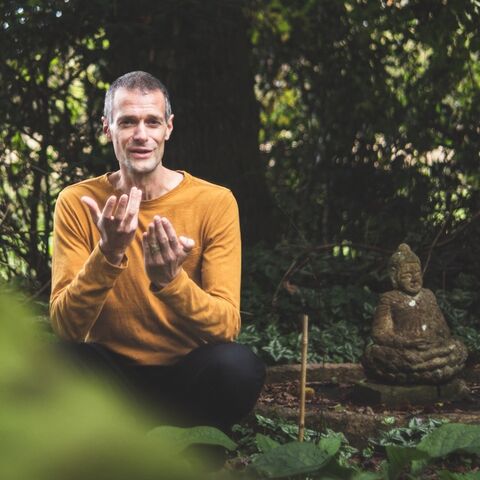
This is Josh of Interskilled,
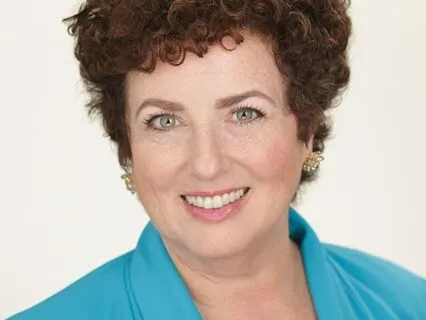
And today I have Jill Lublin with me.
Jill,
What's going on today?
How are you?
Hey,
I'm doing great,
Josh.
How about you?
Ah,
Okay.
Hey,
So I start people off usually with a question here,
Or two questions.
Who is Jill and what kind of work does she do?
Ah,
Who is Jill?
That's a multi-layered question.
From a business perspective,
I'm a publicity expert,
Four-time best-selling author,
And I've been helping people with publicity through my media mastery intensive programs.
And for my book,
The Profit of Kindness,
I run kindness circles every single month.
So that's super fun too.
And I think that's me in a nutshell.
Well,
Very cool.
I initially reached out to you some time ago,
And one thing happened.
We weren't able to connect right away.
It's been a while,
But I originally wanted you on for this profit of kindness you've talked about,
And these kindness circles.
Now,
I go in meditation groups and circles,
You might say,
But there's actually a formal process.
It's called a meditation circle or a dhamma circle.
But tell me more about the kindness circles.
What is that?
How does it work?
What's the benefit of that?
And then also this profit of kindness thing,
And how this all relates to the kind of work you do with publicity.
Sure.
Well,
One thing,
When I wrote my fourth book,
The Profit of Kindness,
What I realized is,
And I asked myself the same question,
How does this relate to publicity?
Because somehow it dropped in my lap as a publishing contract,
Which is a great thing.
And what I realized is that kind companies get better publicity.
Kind people have more clients,
Happier relationships,
Make more money typically,
Interestingly enough.
This is something that's just kind of our inbuilt human nature,
And it just gets clouded over from time to time,
Right?
And there's a practice in more traditional or contemporary Buddhist circles called loving kindness or metta.
And it's a practice that we can do to cultivate this quality and to make it even stronger,
Right?
But I feel,
Yeah,
This is our natural and inborn human tendency when things out of the way.
Of course,
When things get really rough,
We meet that with compassion.
If we're celebrating someone,
Then we can kind of meet this with this rejoicing quality.
And then if there's like nothing we can do,
And maybe we shouldn't be any particular way,
We can have equanimity.
And these are called the divine abidings or the Brahma viharas or the sublime abidings.
And so,
Yeah,
Loving kindness is the one that kind of,
It's near foundational because when that meets hardship,
Then it turns to compassion.
When it meets happiness,
Then it can turn to rejoicing,
Right?
So,
And then the one thing I have with this that I've kind of seen in the business world,
Gladly,
It's not as much as it was maybe 20 years ago.
And I've been out of the States for almost on and off for three years now.
But what I used to witness sometimes,
It probably had something to do with me too,
Is I witnessed this kind of inauthentic kindness,
Or I would say niceness.
Niceness is great,
But it's not kindness in the same way.
But then there's also kind of what I would call a malevolent niceness.
This fake,
Kind of almost passive aggressive,
Inauthentic.
You know what I'm talking about,
Right?
When somebody pretends to be nice,
But they're not actually nice.
They're kind of nasty in a way,
But it's kind of an inversion or flipped around trying to give an idea here.
Back before I started waking up,
I would give underhanded compliments when I didn't mean it.
I'd be like,
Oh,
Nice haircut,
Or nice.
I meant the exact opposite.
I meant,
Oh,
I hate that,
It sucks.
This is what I mean with inauthentic kindness or niceness.
But what I mean,
What I'm talking about here is genuinely being kind.
And unless someone's a complete fool,
They know this in their heart,
Right?
They can resonate with it.
They can feel it when someone's being authentic.
And so,
Have you ever run into problems like this or somebody's just doing it for maybe the wrong reasons or what?
If you encountered this,
How do you address that?
Because in loving kindness,
When this practice starts,
The exact opposite can come up.
And I tell people that's part of the process,
Right?
We come up,
Oh,
They should have done this.
Oh,
I can't believe they've done that.
And that's just natural to have some of these things come up to kind of,
I'd say,
To be seen and cleared.
And it's a process,
It's work.
And yeah,
Sometimes it doesn't come easy and sometimes it does flow easy.
So I think that's enough to chew on right there.
Well,
And I think it's a journey for many.
I know I had a chapter on patience in my book,
The Prophet of Kindness.
And I called the telephone company and I was on for an hour.
And I remember the woman came on the line.
She said,
Oh,
Thank you for your patience.
And I said,
Who said I was patient?
So that was the practice in that moment.
I know it wasn't her fault.
I know it's kind of like when you're on an airplane and they're three hours late and you're gonna be late for your meeting or whatever.
And they're always thanking you for your patience.
I sort of find that amusing because it is an assumption.
And kindness is a practice,
You have to practice it.
And especially when it's hard,
That's always the most interesting time to be kind.
Sometimes being kind means non-reactive when somebody is unkind to you,
Whether they won't let you in when you're trying to get in on the freeway or whatever people do,
Because they're doing because whatever they're in their own little worlds.
I think being kind is letting people have space to do what they do.
But also kindness is not weakness.
If somebody is being unkind to you,
You do have the right to say,
I don't like being talked to that way.
Or I remember being on a cruise and I was in the spa area and there's this woman in front of the counter being really unkind to the woman behind the counter about something that had happened.
I don't know,
I was trying to tune it out.
And the woman said,
Behind the counter,
She said,
You know,
I really don't appreciate your raised voice.
There are people in here trying to relax and in here for that purpose.
I'm really willing to listen to what you have to say,
But I'm gonna request that we go in the other room.
Can you do that?
And the woman immediately actually did calm down.
I think sometimes people lose it because maybe they really need to be listened to.
But I also think sometimes you just gotta say,
Whoa,
Nellie,
You know,
You're out of control.
Or I think that was inappropriate or whatever you need to say,
And you can do it kindly.
But again,
Sometimes I think the kindest reaction,
I call it,
You know,
I'm gonna back up.
I'm not gonna even tell you I'm doing that,
But I'm backing up and I'm walking away.
Because sometimes that's a kind too.
Yeah,
Absolutely.
Some of the kindest things we can do is set boundaries and enforce them and send kindness from afar,
Right?
And compassion.
So this is absolutely needed.
And some people kind of need that wake up call.
Some people are kind of like in a trance and running on habit patterns.
And it just takes that kind tone and that rational,
Logical reasoning,
And maybe some strong assertiveness too.
And to snap people out of how they are,
And maybe they're not even realizing it like you said in that example.
The patience too,
The patience it takes for this.
And sometimes some people need to be more assertive and sometimes less assertive,
Depending on the situation.
And this is why meditation practice I think helps too,
Because it gives us more space so where we can respond instead of react and be mindful of what's actually happening in the moment when we're just running on habit patterns and stressful.
Sure.
Yeah,
And I'm not saying this is easy.
I think two times in my life,
I have said to somebody that was not nice.
And one of them,
I said,
I don't feel like you're very nice.
And I told him why.
And he came to me later and he said,
You know,
You really kind of shocked me.
I've always thought I was a nice person and you did point out some behaviors that I wasn't being nice and you were right and thank you.
And I'm sorry.
And I thought,
Well,
Now that was cool.
But it was really hard for me.
I listen,
I am a nice person to the point that sometimes I avoid confrontation.
I think people,
Some people are confrontation avoidant.
And frankly,
I'd rather be that than the other way.
But there are times I've not said anything when I should have,
Including behaviors I saw from one person to another that maybe I wasn't directly involved in.
And,
You know,
You just got to accept how you are.
But I do think there are times that one has to speak up.
One has to speak up and that it isn't okay.
Absolutely.
It's a really good point too,
Because those of us that are more on the passive side,
I would say I don't fit on that.
And sometimes I need to be quiet a little bit more.
But for those of us that are a little bit more passive and,
You know,
Courage is another practice,
You know?
Not everybody has immediate courage because it's natural to want to feel safe,
You know?
And,
You know,
Yeah,
Not put ourselves out there if something's really,
You know,
Could have a lot negative consequences.
So being kind to ourselves too,
When,
You know,
And not be so regretful,
I guess,
As well,
But also at the same time,
When we don't speak up when we thought we should have,
But that courage is a practice as well.
And that it takes time and effort and training to be courageous too.
So yeah,
You know,
So much of this life is,
I think,
Training and practice and being kind to ourselves when we think we've fallen short too.
And again,
This is another reason- Friendships are so important too.
And wise people,
We can bounce things off,
Get their advice and feedback and teachers too,
Yeah.
Well,
I do think it's important,
And you brought it up,
It's self-kindness,
Right?
So what do you need?
And at times I just need to,
You know,
Get in bed and rest or take a bath or kind of withdraw from people or,
You know,
Not go to the whole conference.
I remember I was at a conference last week in Minnesota and I arrived tired,
You know?
It's like,
Okay,
So I'm just gonna sleep in.
I'm not gonna have to go at 9 a.
M.
In the morning and I'll,
You know,
Get there when I get there and just,
You know,
Give ourselves a break.
I do think self-kindness,
And particularly for those who are parents and in relationships,
And,
You know,
You have a lot of things pulling at you in this life,
And we are fast,
We are a fast-based society,
And especially with all the technology.
I don't know about you,
But sometimes I think we all need a bit of a moment of a break,
Whatever that looks like for you,
While still being kind,
While still keeping your responsibilities,
But maybe just backing out for a moment.
And sometimes that may mean you have to hide out in the bathroom,
You know,
Or wherever,
Wherever.
But I do think self-kindness is actually one of the very important tips.
And frankly,
How can you be kind to anyone else if you're not actually kind to you?
And that means self-talk too.
Totally,
Couldn't agree more.
And I would say,
Old-fashioned,
Especially for the feminine,
You know,
Women who have,
They always put like their loved ones,
Not always,
But a lot of times put their loved ones first before themselves,
And then they kind of run themselves ragged,
But the matter of the fact is when we're kind to ourselves,
Then we're even more available,
And it can help and serve in a better way too,
You know?
So yeah,
Absolutely.
And it's not selfish at all.
In fact,
When we can meet the world with this,
It's also known as unstoppable friendliness,
You know,
Then people pick up on that.
Not only that,
But they feel safe in our presence.
So it's offering them a gift of the safety because they can let their guard down and just be who they are when they feel this kindness coming,
That we're not a threat.
And in fact,
If we're available and have the resources,
We can help when we can,
Right?
So yeah,
I couldn't agree more.
Absolutely.
You know,
It's keys to kindness,
Right?
Find yours and then stick with them,
You know?
And I put myself in my calendar.
I put,
You know,
My dates in my calendar,
Meaning with my husband.
I put,
I have kitty hug time,
I call it.
I have four cats,
So I love to do kitty hug time.
And if I'm feeling like a little down,
Guess what I go do?
Kitty hug time,
Because they're always fun.
Yes,
I'm house sitting now and they've got three cats here and two dogs and they get along great,
Which is awesome.
And there's a golden retriever.
And of course they just love mode the entire time.
They exist to love and to give love and receive love.
So yeah,
As long as I can avoid the slobber in the dirt,
Then I engage in that when I have to take care of them here,
So yeah.
Well,
Jill,
I think this is a good place to start wrapping up.
Take people out on a final message,
If you'd like.
Well,
Thank you.
You know,
The message I want to leave you with,
Abraham Lincoln said it and I'll repeat it.
And that is,
Whatever you are,
Be a good one.
Well,
That's beautiful,
Jill.
Thanks for that.
And may all beings out there come to know their optimal kindness from themselves and to themselves.
And may all beings know the optimal publicity too.
Thanks again for joining and bye now.