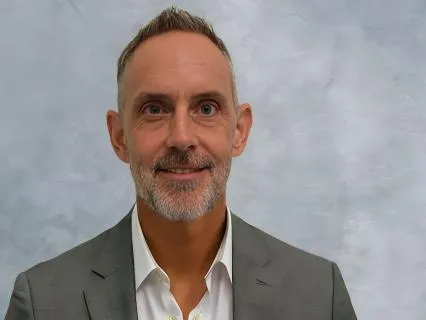
Welcome to Life,
Lessons & Laughter with your host,
Glenn Ambrose.
Hey,
Here I am.
What's happening,
People?
Welcome to the show.
So today I'm going to attempt to get into some parenting dynamics.
Um.
.
.
It's just been coming up a lot lately.
And,
You know,
As a parent,
Boy,
The amount we love our children.
Is mind boggling.
Which is good and bad.
You know,
It can blur our vision sometimes,
But.
You know,
What I wanted,
This has just been coming up a lot.
In general.
With a parenting slant on it,
Sometimes I see this type of stuff in other areas of our life.
We do it through our whole lives to some degree,
But I think it's just.
.
.
May be more important in the parenting scenario or causes more dysfunction in the parenting dynamic.
But anyway,
Um,
Yeah,
I'm going to,
Uh,
There was,
There was this post that actually blends into this.
That I just posted the other day.
It says,
The first half of life is about becoming who you needed to be to survive.
The second half is about unraveling everything that no longer aligns with your heart's purpose.
That's not a midlife crisis,
It's a rebirth.
And I think that there's truth to that.
So what I'm gonna focus on right now is,
It was basically that when we're trying to teach our children things,
The first thing that we do is we say it,
Right?
We tell them what we want from them and explain things and stuff like that.
And then often we expect them to do it.
What we don't do a lot of times is pay attention to see if our actions are supporting our words.
In all ways,
Not just the obvious way,
You know,
Like the obvious way is like lying,
You know,
Like,
Like most people think that.
They try to teach their children not to lie,
But they think lying is OK.
And that's not going to work very well.
You know,
And the reason I say that is because,
You know,
I haven't lied and.
You know,
Over 20 years.
I think I did twice and I made amounts for those two times in the last 20,
21 years or so,
22 years maybe now.
And people think that that's impossible.
They think I'm lying or they can't wrap their head around how I do it.
Which has amazed me for 20 years.
People like,
Well,
You know,
Glenn,
I mean,
Come on,
You know,
You must like,
You know,
Somebody invites you to a party and you're like,
Oh yeah,
I'll try to make it.
And you have no intention of making it.
That's just a little white lie,
But you do stuff like that.
Like,
No,
No,
I don't.
If I know I'm not making it,
I say,
I'm sorry,
I can't make it.
I mean,
You know,
If I if I'm attending to intending to make it and then something comes up,
Well,
That's a different story.
But that's not a lie.
I was intending to make it.
But most people think that everybody lies,
And then they try to teach your children not to lie,
Which is pretty comical,
I think.
Um,
That's,
That's kind of like the obvious thing,
You know,
Do as I say,
Not as I do.
Um,
But I think more often it's more insidious than that.
It's more under the radar than that.
It's,
It's,
Um,
It is actions,
You know,
That kids.
Pay attention to half of what we say,
But they pay attention to 100% of what we do.
They're like little sponges.
They understand dynamics at a very,
Very young age.
And because that's their whole life is dynamics.
Like a lot of times adults don't think kids understand dynamics.
They understand dynamics extremely well.
Because it's very dynamics are very simple.
It's basically cause and effect,
Cause and effect,
Cause and effect pattern.
That's what they pick up on.
Now they might not understand all your words.
They might not understand all your reasoning,
But they do understand cause and effect.
They understand the pattern.
They understand the dynamic of the situations.
That's how we all create our belief systems between the ages of four and eight or zero and seven or whatever age,
You know,
Whatever study shows,
At a young age,
We're creating these belief systems.
Our belief systems are basically ways we think that society works.
You know,
Foundational ways that we think society is.
How do I get love?
How do I give love?
How do I,
You know,
Do I lie?
Do I cheat?
Do I steal?
All these things are dynamics.
There's a dynamic to them.
And kids,
Are paying attention,
They're paying attention what happens to other kids when they do these things.
What happens to me when I do these things?
What happens to me when I don't?
What happens to me when other kids don't?
And we're absorbing all that information.
And then we figure out like,
Well,
You know,
That.
We figure out,
Well,
This works,
Like my life gets better if I do this.
So I'm going to do that.
And that's our so we lock that in as a belief system or a dynamic at very young ages.
You know,
Some kids are rule followers.
Most are not.
Um.
.
.
What I mean by that is strict rule followers.
I think strict,
Break it down generally.
We don't need to understand it specifically to carry on with this podcast,
But we do need to understand it generally.
So I would say probably generally there's about a third of maybe less,
Maybe 25%.
Heck,
Maybe it's 10%,
I don't know.
But let's just say there's a third of kids that are strict rule followers.
They drew a line from,
Following the rules that were laid out by adults and positive feedback.
They locked onto that very early on and they crave positive feedback.
And they just decided,
I am following the rule.
This is the golden rule in my life and everything else is underneath it.
This is how I'm behaving.
And they just do that.
Almost blindly.
And sometimes they have other experiences,
But it doesn't usually deter them from that.
They're just a rule follower.
You know,
But most kids aren't like that.
The two thirds,
You know,
And I,
I think I'm being generous saying a third,
But,
Um,
But I'm not a rule follower.
I never was.
So I want to,
You know,
I want to.
Since it's not my personal experience,
I want to assume more kids are rule followers.
Because from my perspective,
I would assume less.
I would assume 10,
15%,
Maybe 20 the most.
But I wasn't one,
So I'm not in that area.
So there was probably more rule followers that I didn't pick up on because that didn't really draw my attention that much,
Right?
So that's why I blow up the number to try to be fair about it.
Um,
But now you've got a third that are rule breakers.
And then you've got another third in the middle that are just somewhere in between that gray area,
Right?
Kind of oscillating in between.
Sometimes they do,
Sometimes they don't,
Depends on the situation.
If you have that scenario,
Two thirds of kids are going to,
They're paying attention to every,
To the dynamics of different things.
So lying,
Cheating,
Stealing,
For me it turned into fighting.
It was like,
What's the cause and effect?
If I do this,
What happens?
It's not what my parents said.
They taught me not to lie,
Not to cheat,
Not to steal,
Not to fight.
They taught me all these things consistently.
And I bought into what they were teaching at a young age and took it very seriously.
I was a good kid.
From good parents.
And I tried doing what they did,
But man,
My ADHD was off the wall.
So,
So,
You know,
This is,
That's my,
My particular experience,
I think is pretty extreme.
Compared to most and a lot had to do with that ADHD.
But it's not about my personal experience.
It's about you guys understanding the dynamic of it.
Right?
So I'm using my experience to explain this because hopefully you can see the dynamic clear because it's so extreme.
Understanding that most kids aren't going to be so extreme.
The reason I say this is,
One,
I don't want you tuning out because you're like,
Oh,
That's just Glenn.
That's just some extreme.
No,
This is affecting two-thirds to three-quarters of the children.
On the planet probably.
So,
So like it,
It does affect everybody and it doesn't have to look exactly like it looked for me.
Most often it doesn't.
But there's shades of it.
Most kids lie at some point and most parents freak out and can't believe why their children are lying.
And one,
There's a curiosity to it.
There's a curiosity to life,
Finding out what happens.
Plus this fear.
We are raised as a general rule with conditional love.
We get praise and love when we do what adults like and we get punished and disciplined when we don't.
So that's not unconditional love,
That's conditional love.
We have an approval rating when we do what we're told and disapproval rating when we don't.
So this fear,
That incites fear.
So.
You know,
And there are other ways to parent children.
Spiritually.
And I think that that.
Works.
And I think it's healthier and all that stuff.
But I'm not getting into that.
I'm talking to the average person here.
Sure,
Spiritual on the life path,
But a lot of your children are growing up in normal societies.
Right?
And so they're being exposed to different things and stuff like this.
So there's an aspect,
I mean,
I even had to raise my son with an aspect of that dynamic.
Like I didn't punish him.
But I did give them consequences to actions.
I think it's important to teach our children consequences for their actions.
But I just I explained it to him.
I'm like,
I'm not punishing you.
Like punishes,
You do something bad and now you're punished.
Like I'm just,
If you continue doing,
You know,
Every once in a while you make a mistake.
So whatever,
No big deal.
Live and learn from it.
But I pay attention to patterns.
If you keep doing the same thing over and over again,
That is negative.
Well,
Then your life is going to get negative.
That's a natural consequence.
That's not,
That's not punishment.
It's just,
If you do things that are against other people or against society,
Then your life gets harder.
That's a natural consequence.
It looks very much like punishment.
But it's not a lion doesn't go,
You know,
If a lion doesn't feel like hunting.
It starts getting hungry.
Now that's not a punishment,
That's a natural consequence.
And eventually,
If it doesn't go hunting after a while,
It will eventually die.
That's a natural consequence.
It's not a punishment.
If you don't do certain things,
If you don't go to school,
Then you're not going to be able to get a job most likely.
You know,
Unless there's some other situation put in place,
Of course.
But.
So,
You know,
I had to and plus his mom had sole custody until he was 12.
So I had to watch,
I had to try to teach him spiritual stuff,
But also get them to fit into society.
So I was constantly riding that fence going back and forth trying to figure out how to bring spiritual principles into a dysfunctional society.
You know,
And and and sometimes I was able to and sometimes it wasn't,
You know,
He had to learn how to fit into society.
To some degree too.
When it comes to the lying,
Cheating and stealing,
What we have to do is we have to pay attention to not only what we do in our own lives,
And what we're modeling,
But also We,
We have to pay attention to what the child is experiencing,
You know,
Because when I was a kid,
It was like,
Okay,
You know,
As I started getting older and stuff,
And it was.
Older,
You know,
And I mean still young,
I don't even know,
Maybe.
Maybe eight years old or something.
But I remember my parents going,
You know,
We're on your side.
We love you.
We're here for you.
We have your back,
All this,
You know,
And don't lie and don't cheat and don't steal and all this.
And then,
You know,
And me being really relieved that they said that they were on my side and I could depend on them and everything and then going to them.
And,
You know,
With my ADHD,
I was always getting.
Punished for something because I wasn't able to pay attention in school.
It really boils down to that.
I wasn't a bad kid.
I just couldn't pay attention.
So I was distracting myself or others or daydreaming or whatever.
What I wasn't doing,
I wasn't paying attention for six hours or eight hours a day in school.
I sure as heck wasn't doing that.
I was having a hard time paying attention for five or 10 minutes.
So I was getting in trouble regularly because I couldn't just sit there and pay attention.
So.
So,
You know,
Something happens and when you have a reputation for getting in trouble,
You get blamed for things that you didn't do.
Fairly regularly.
Which is another dynamic that I learned.
Um.
.
.
That life ain't fair.
You know,
Life was pretty fair at my house.
It wasn't fair at school.
I was getting blamed regularly for things that I didn't do.
Or,
You know,
The second man in rule.
It's like somebody instigates with you,
Then you retaliate back and you're the one that gets caught.
Like that happened quite a bit.
So like,
You know,
I learned pretty early that the system wasn't fair,
But my parents had my back supposedly.
So I go to them and I say,
Listen,
I didn't do anything in this situation,
You know,
And they're like,
Well,
You must have done something.
You know,
Teachers don't just pick you out of thin air and just accuse you of something when you haven't done anything,
You know,
Like,
Yeah,
That's exactly what they did.
You know,
Like.
So now I get punished twice.
So after this happens a few times,
I'm like,
Okay,
So they don't have my back.
And I need to depend on myself.
I can't depend on adults to tell the truth.
To have my back.
You know,
So now I'm picking up on patterns with them as well as the other teachers,
You know,
And teachers like,
You know,
Teachers will do the same thing.
Tell the truth and you won't get into trouble.
You tell the truth,
You get into trouble.
You're like,
Wait a minute.
Now you just lied.
About me lying.
What?
So you're manipulating me.
Into telling you the truth so you can punish me.
What like so they're not playing by the rules like this is what I started picking up on with the adults,
The adults didn't play by the rules and then they wanted me to respect them.
Even though they didn't deserve respect because they were just lying and manipulating to get what they wanted.
Which was the truth.
You know,
So they're lying and manipulating to get what they want.
And then like,
And then they're telling me not to lie and manipulate.
And then they're telling me I have to respect them,
Even though they're not showing me any respect.
I'm like,
There can't be two sets of rules.
Like one set of rule like because they didn't say kids can't lie but adults could maybe if they did that.
That's,
That's,
That's a rabbit hole.
I don't want to go down.
So,
Cause it ain't good.
But um.
.
.
If they were living and doing what they said they were living and doing.
And I wasn't,
Then I could understand that.
But that's not what I saw.
That's not what I consumed when I was watching what was transpiring.
It's like,
Wait a minute,
They constantly lie and manipulate and do whatever they want.
And I'm supposed to respect them.
And I don't think I should respect them because they lie and manipulate.
They don't have to respect me in any way,
Shape or form,
Even if I tell the truth.
And do everything right,
If I do what they tell me,
They still don't show me any respect.
So I'm like,
Okay,
I get,
Let me get this straight.
I get no respect at all from anybody ever because screw me,
I'm just a peon.
And the rules that they're giving,
They regularly break.
Huh?
I was overwhelmed.
So my point here is you have to pay attention to what you're telling your child to do and what happens to your child's life.
If you tell your child that if they tell you the truth,
That,
You know,
That that's the best thing that they can do.
Well,
Then they need to experience something good.
You know,
Like I was able to break this cycle with my son.
You know,
I mentioned this before.
It's like one of his he told me something.
I don't remember what it was.
It was years ago.
But he was a young adult,
You know,
I don't know,
18,
19,
20,
21,
Somewhere around there,
I think.
And he told me about it.
As he always does,
You know,
And one of his friends was,
I think,
Overheard him talking or something and was like,
Who are you telling that?
And he was like,
Oh,
My father.
It's like,
You told your father that?
And he's like,
Yeah,
I tell my father everything.
And they were like,
Are you insane?
Like what?
What are you doing?
Like that's like.
Most kids think telling your parents the truth is insanity.
Why?
It's because their life gets worse when they tell their parents the truth.
That's why.
But,
You know,
My son was like,
Yeah,
I tell him everything.
And narrow it.
They're like.
.
.
Like,
And.
You don't get into trouble.
He's like,
He's like,
No,
He's like,
It's like I with my father,
I could kill somebody.
And if I went and told him I killed somebody,
He would be like,
OK,
So.
Let's figure out what we're going to do about this.
Like that.
And he told me this after and I was like,
Oh my God,
That warms my heart.
That's what I was hoping to create when I was raising him.
When I raised him,
I made my mistakes for sure,
And I wasn't conscious in every area,
But the areas that I was conscious in,
I broke those patterns,
I broke those cycles.
So now my son tells me everything.
And some of that I don't like to hear,
But what I did is I noticed that if I wasn't focused,
Then sometimes he would catch me off guard and I would give him the wrong response.
I wouldn't be able to do what I'm discussing right now.
I wouldn't be able to give him a positive response for telling the truth because I'd get triggered because of what he just told me.
So at a young age,
I told him,
I said,
Listen,
I says,
If you're going to tell me something that I might not like,
You got to give me a heads up,
Like just warn me,
Tell me ahead of time.
Hey,
Dad,
I'm going to tell you something and it might upset you.
Like,
Because then I can just stop and center myself and get myself prepared.
And then I can behave consciously.
You know,
I explained that to him and he did it.
You know,
He used to come up to me.
He'd be like,
Dad,
I got to talk to you about something,
But you're not going to like it.
And I'd be like.
Oh,
Okay.
When I heard those words,
I was like,
Okay,
This is like,
Are you I started doing some self introspection,
You know,
Some some introspection going,
Glenn,
Are you capable of hearing this right now?
Do you need to center yourself?
Do you need like,
What?
Should you talk about it later?
What needs to happen so you can be in complete control and not freak out when he says something that you don't like?
And then I would do that,
You know,
So usually I just needed to center myself for a few seconds.
I'd be like,
Oh,
Oh,
All right,
Wait a minute.
And I'd like mentally disconnect from whatever I was doing.
And I'd like.
You know,
Just calm myself,
Take a couple deep breaths and just be like,
Okay.
Am I centered?
Am I calm?
You're about,
I'm about to hear something that I don't like.
Can I remain calm?
No fear is popping up.
No.
Okay.
And I'd look,
I'd be like,
Okay,
All right,
Go ahead.
You know,
And he'd tell me.
I'd be like,
Okay,
All right.
So?
What did you learn from this?
Um.
.
.
Have you figured out a way to not repeat this in the future?
What,
You know,
Start taking those approaches instead of,
Because everybody makes mistakes.
Kids don't have to be punished for everything that they do.
Or even face consequences.
You want them to learn from what they did wrong,
Right?
That's the whole point of it.
So teach them to learn without the negative consequences.
Otherwise,
When we get to adults,
This is how as adults,
We become our own jailers.
We punish ourselves because we're so used to our parents punishing us.
And we start thinking that that's how we learn.
That is not how we learn.
You know how we learn?
Learning is an intellectual exercise.
Now,
Learning spirituality and changing who you are as a person,
That goes deeper into the subconscious and the unconscious.
But we're just talking about learning right now intellectually,
Right?
Punishment has nothing to do with learning.
I mean it.
It can sometimes,
But it doesn't work very well.
I mean,
They've proven it scientifically.
Negative consequences for negative actions do not change negative behaviors.
It doesn't change it because it doesn't deal with the root issue of why the person did it.
Right.
So punishment really adjust behavior poorly.
It's not a good way to do it,
But that's how our society is run.
What we have to do is,
You know,
Like if my son comes to me and he's upset or scared about something that transpired in his life,
If he's upset or scared,
He already doesn't want it to repeat it.
That's why he's upset or scared,
Because he didn't enjoy the experience.
So now we just need to create a way for him to figure out how not to duplicate that experience.
We don't have to punish him.
What's the point?
So he'll.
.
.
So he he he starts so he doesn't want to repeat it.
He already doesn't want to repeat it.
That's why he's scared or upset.
So we just,
Half the time parents are punishing their kids for no reason.
It's just like,
Oh,
Well,
That's what you do.
You say with words,
Don't do that again because it's not good and it makes you a bad person.
And to prove it,
I'm gonna punish you.
So it's just pleasure,
Pain,
Pleasure,
Pain,
Pleasure,
Pain.
And then as they get older,
They punish themselves constantly.
They put themselves down,
They talk down to themselves.
And I'm telling you right now,
This is the number one thing that holds people back on becoming a better person.
I don't care if you're talking about the spiritual path,
Spiritual principles,
If you're talking about self-help,
If you're talking about psychology,
Whatever you're talking about,
The single thing that makes people stay stuck in negative patterns the most is how they beat themselves up.
And where do we learn it?
By punishing our kids over and over and over and over and over,
Because that's what we think that we're supposed to do.
To change their behavior.
And one,
It doesn't work very well because it doesn't address the root problem.
Let's be fair.
It can impede on negative behavior sometimes.
Sure.
But like,
Look,
Let's look at the percentages.
If punishment made people repent and change their ways,
Then we wouldn't have increasing prisons.
We would have less people going to prison instead of more.
Basically,
As a general rule,
I think it's like 80% of people that have been in prison return.
Maybe it's not that high,
Let's see.
What percentage of people that go to prison return to prison.
Oh,
This is comical.
Like I'm like,
Glenn,
Come on,
You're exaggerating.
Right.
And when I first look at it,
It says in the United States,
Approximately thirty nine percent of people released from state and federal prisons are reincarcerated within three years.
OK,
So that's thirty nine percent.
And I'm like,
See,
Glenn,
You are exaggerating.
But then I read on and it says,
However,
This number rises to nearly 70 percent over a longer five to seven year period.
Nearly 70%.
That's poor odds.
So according to this,
What do we got,
30%?
Of people after seven years,
30% of people that have been in prison don't go back.
And I mean,
Of course,
You got to say that over the next,
You know,
Maybe they just got became better criminals and it took longer to call or whatever like that,
Or maybe they don't get caught.
Right?
So,
So,
Like,
70%.
That's,
That's not actually accurate we could probably add another 10% on for people who go back to jail,
Even,
You know,
Beyond seven years,
Or who don't get caught.
Something like that,
Right?
So there's probably another 10%.
So now that's an 80%.
Now we're ballparking 80% of people that go to prison go back.
Punishment doesn't work.
But it makes a lot of money.
So.
This is what we have to pay attention to.
We have to pay attention to what actually works,
Not the conditioning way of thinking that we were made to believe is the way of doing things.
There's just so many things in society that are like this.
Anyway.
So when a child lies,
Do they experience support?
When they tell the truth,
Do they experience support?
Do they experience a helpful nature?
Do they experience their life getting better?
Do they experience understanding that children make mistakes sometimes?
Do they do they experience any of these things physically,
Emotionally,
Mentally experience these things?
Do they?
Most often the case is no.
When they tell the truth,
Then whoever is in power in that situation thinks that the punishment is the most important thing.
If you do this,
You must get punished because That's how you draw the line from doing this to punishment.
And that's what curtails behavior.
No,
It freaking doesn't.
It does not curtail behavior because it doesn't treat the main issue.
And learning not to do things is strictly intellectual.
Oh,
Okay,
Well.
.
.
Kids don't want to be bad.
Kids want to be good.
Kids want to get approval.
So why are so many kids turning bad?
It's because their life gets better.
When I lied,
My life got better.
When I told the truth,
My life got worse.
When I depended on adults to be on my side and or be fair and or to be understanding or any of those types of things,
My life got worse.
I got punished.
Whenever I didn't trust adults.
And I just went after what I wanted.
Oh,
Well,
You know why I.
Forgot to do my homework.
Well,
You tell the teacher you forgot to do your homework.
Well,
Now you're punished.
OK,
Well.
If you make up a good enough lie.
You get an extra day,
Somehow you get it done,
You turn it in,
Everything's cool.
So lying works.
Telling the truth doesn't.
This is what blind punishment does.
Think things through.
Think,
What is your child receiving?
Is their life getting better or is their life getting worse?
Are they experiencing understanding?
Are they experiencing compassion?
Are they experiencing somebody trying to help them prevent this type of behavior from happening again in the future?
Or are they just blindly getting punished?
Punish.
Punish.
Because if they're constantly getting punished.
For doing what you want them to do.
Like telling the truth,
They're going to start lying.
Because their life gets better,
You know?
And then,
You know,
Like cheating on a cheating on my schoolwork.
It was like,
You know,
That's the main dynamic I want to touch on.
It's like you got to be you got to pay attention to what child children are receiving as a consequence or feedback from what you're telling them to do.
You know,
I was told to not cheat.
OK,
No,
Don't cheat.
Don't cheat.
Don't cheat.
Don't cheat.
OK,
OK,
OK.
And then as I get older and I'm like and I find out that lying actually gets my life better.
And that adults.
Lie and manipulate and disrespect all the time.
But then they expect children to tell the truth and not manipulate and respect them blindly,
Even though they're doing all these bad things.
I'm like.
Huh?
So there's two sets of rules.
That's BS.
So I'm like,
OK,
So once I figure out that adults can't be trusted,
Now I start experimenting with other things,
Right?
OK,
They can't be trusted.
I can't depend on them.
And lying makes my life go more smoothly.
If I,
You know,
I was getting in trouble three,
Five times a week.
So if I start lying,
I'm getting in trouble maybe once a week.
Right?
And then all of a sudden,
Then you get caught lying,
Right?
If you lie,
You're going to get caught.
So like.
At some point,
You get caught.
So you get caught like maybe once a month,
Once every few months.
That's something,
You know,
And then you get an extra punishment on there.
So you went from three to five times a week down to maybe once a week.
So that's,
You know.
Three,
Six,
Nine,
12.
Maybe let's just average it 15 times a month I'm getting into trouble and then all of a sudden now I've got it down to four times a month.
And then one extra time because I get caught lying.
So I get punished for lying.
So it's five times a month down from 15.
My life is getting dramatically better through lying.
So I did it regularly.
And I didn't respect adults.
They told me I was supposed to,
But their behavior didn't warrant it.
I couldn't trust them with anything.
So.
Whatever.
So I stopped playing around with other things.
So I stopped playing around with cheating.
Oh,
What about cheating?
Well,
If I do my own work,
I'm doing all this work that I don't like,
I'm not interested in,
And I don't care about.
And.
I can't have fun.
I was good at having fun.
As long as I had the free time to do it.
So if I cheated,
I had more time for fun.
So my life got better.
And I didn't care about the work anyway.
And I,
Fortunately I was smart enough that,
That like,
If I never,
If I ever needed to ace a test,
I could just ace one.
Because I mean,
Like,
You know,
I just,
I didn't do homework in high school.
Like as a general rule,
I think I did some freshman year,
But I don't think I really did any sophomore year.
Junior year and senior year,
I didn't do any.
I took books home one time in junior year with the intention of doing homework,
And I just didn't do any.
So I was like,
OK.
Carrying all those books is a waste of time,
So I just never took books home again.
Um.
.
.
But I was able to ace a test or two whenever I needed to.
It was easy.
So it was like,
Whatever,
You know?
So like,
Oh,
You're failing.
Oh,
You need to ace two tests.
Okay.
You know,
So I go ace to test and then they'd really get pissed because they knew I was capable of doing that,
You know,
But whatever.
But cheating became.
I didn't really think of it.
It was just like,
I have more fun when I don't focus on this stupid work.
Okay,
Well then I'll do more fun.
Is my life getting better focusing on this work?
I hate it,
I'm not interested in it.
I'm never going to use it or most of it.
And I mean,
Let's be fair.
I mean,
Some stuff we do use later in life that we thought we'd never use,
But I believe they just came out with a study that says like 80% of it we don't.
So I was right.
We'll be back.
But.
.
.
So cheating came in.
Stealing.
Ooh,
Stealing.
You know,
I think that's either a curiosity thing or just this egoic,
I want,
I want,
I want,
Until one day we experiment with it.
Or one day,
Sometimes,
Like I even did it accidentally.
Wow,
I'm just remembering this.
Maybe that's where it started.
Where I was just walking around trying to carry too many things or something and I put something in my pocket.
And then I paid for everything else.
And then I forgot that thing was in my pocket.
And I was like,
Oh my God,
I felt so bad.
And then I'm like,
Well,
What do I do?
Do I go back in and pay for it?
And then I was like,
Well,
No,
Because then they're going to think I stole it and then I'll get punished.
Oh,
Okay.
So don't tell anybody.
So lie,
Hide it.
And then all of a sudden I have this neat thing that I didn't have to pay for.
Then you get curious.
I wonder if I could do it again.
Then you do it.
And you get away with it,
Then you start getting this adrenaline rush.
Right.
So eventually I started stealing everything.
I was just like,
You know,
My locker was like candy.
Pencils,
Pens,
Erasers that were all different colors and cool looking and out of the ordinary and anything kids could use.
In elementary school and junior high,
My locker was like a little store,
Man.
I used to sell stuff all the time.
And I always had money too.
You know,
I was stealing stuff and then selling it.
And I always had a pocket full of money.
I was walking around with twenties in elementary school.
Like that was a lot of money back then.
So my life was getting better.
You know,
And then I go to him,
You know,
I'm getting picked on and they're like,
Well,
You got to use your words.
Okay.
I try that.
I get picked on worse.
You know,
I'm getting bullied.
It's like,
Well,
You gotta,
You gotta tell the principal and you gotta tell the teachers.
You gotta do that,
Man.
Okay,
So I go tell the teachers and the principal,
And then all that happens is the kid has to stay after school or something,
And now he's more pissed off at me.
So the bullying doubles or triples.
And now,
Not only am I getting bullied by him,
I'm getting bullied by all his friends for being a rat,
For ratting him out.
And half the other kids in the schoolyard don't trust me or respect me because I'm a rat.
Like,
So.
.
.
So I'm like,
Okay,
So when I do what the adults tell me,
My life gets worse.
You know,
And then other kids are like just.
You got to fight them.
Well,
I don't want to fight him.
I'm scared.
Then you're going to get picked on.
You know,
Well,
Okay.
So after a while I finally decide.
To stand up for myself and I start swinging back and now all of a sudden I'm getting respect and I'm not getting bullied and not getting picked on.
Oh,
There you go.
See,
This is the thing.
Kids are just trying to get their lives to go the way that we want them to.
We're trying to stop suffering.
Was trying to stop getting picked on.
And the adults,
The stuff you tell us to do,
It doesn't work.
And then when we do this,
The opposite of what you tell us to do,
Our life gets better.
And then you wonder why we're doing it.
That's why.
We're doing it because our life gets better.
If we do the opposite of what you say,
Our life gets better.
If we do what you say,
Our life gets worse.
This is my point,
Like it's not,
You know,
People think that like it's all about.
You know,
Modeling behavior.
And that's a big deal.
That's a huge deal.
And I think parents as a general rule need to look at that too.
And actually,
You know what,
I think I made my point with the other stuff.
I'm going to touch on that briefly.
I started during COVID.
It was so bad.
And it's huge right now with the character assassination.
And lying.
You know,
So I think those are the biggest three.
It's the lying people think adults as a general rule,
From my experience in the last 20 years of not lying,
The reactions I get from most adults.
That I would consider good people.
Think that everybody lies.
So therefore they lie.
So therefore their children are catching them lying.
Not good.
Character assassination.
Huge problem in society right now,
Huge problem on social media.
Do you see,
You know,
When people get caught,
You know,
Two married people get caught kissing at a concert or something,
You know,
Or some lady takes a baseball out of a kid's hand or something at a game,
This stuff goes viral,
Man,
And everybody is going,
What a horrible person this is.
Oh,
My God.
But we're just judging and assassinating them for one one event.
Our kids see this.
We're creating a bunch of judgmental assholes.
Why?
Because we are judgmental assholes.
That's why.
It's my generation's fault.
We're the worst at it.
We care to assassinate and bully and talk about our neighbors and our friends behind their back constantly.
And then we wonder why our children are doing it.
We're modeling it for them,
You know,
And then when COVID was going out,
You know,
Like this is COVID is just the best example.
I see it all the time.
We're a,
We're a society of victims,
Right?
So what COVID is happening and these kids can't go to,
These kids can't go to their senior prom.
Now,
When my son was young and he was experiencing things,
I didn't do it perfectly,
But as a general rule,
I was trying to,
I was always looking at what,
What can he get out of this situation?
Situation that he can use later on in life.
That's the type of question I would ask myself.
Like,
How can I handle this where this becomes an asset for him in his life?
Right?
So when difficult things happen to him,
Sometimes I stood up and I had his back if I felt that he was being wronged because I didn't have that.
So I tried doing that.
And,
You know,
Some of the time I was right.
Some of the time I wasn't.
I'm not perfect,
Right.
But as a general rule,
I would look and be like,
You know,
How can I make I was trying to create an adult that could interact in society and live a happy,
Healthy life.
You have to be conscious of that.
So,
So like when COVID hit,
You know,
Like if he experienced,
I'm sorry,
I bounced around there.
If he experienced something negative in high school,
It was like,
Okay,
How can you learn and grow from this?
It wasn't you poor victim.
Right?
So COVID hits and these kids,
Hey,
I felt bad for them.
They're missing their senior prom.
They're missing some of their senior experiences and all this stuff.
And that was a big,
The social aspect was the only thing I cared about in school,
That and sports.
So like,
I get it.
I mean,
I feel bad for these kids that they didn't get to experience some of this stuff,
But I sure as hell am not going to give them that message.
I mean,
Except maybe to say that,
Hey,
You know what,
I'm really sorry you didn't get to experience this,
But.
And then gives them.
Like with COVID,
We had an opportunity to take these children that were around this age.
And teach them that sometimes things happen in life that are unexpected and that we don't like.
And we have to try to figure out how to make some lemonade out of some damn lemons.
We need to teach them this,
Not freaking say it.
My generation knows all these sayings and we don't live 90% of them.
We're hypocrites because we say it and we don't live it.
We model something else.
So like we say,
Oh,
Kids need to be,
They have no consequences.
Like these kids need to be taught consequences.
Yeah,
They do.
You're the one that's not teaching it to them.
You're the boss.
You're the adult.
You're the parent.
And you're blaming the kids?
You're the one that's modeling this for them.
You're not giving them consequences half the time.
Like I said,
We're not supposed to be punishing kids,
But you know,
Because that doesn't work,
But they're understanding what consequences are does work.
No,
I did this other podcast before,
So I don't know if I said this already,
But with my son,
I taught him like,
You know,
If a lion doesn't go hunting,
Then or a tiger doesn't go hunting,
And he doesn't eat,
Then he starts experiencing hunger.
And then eventually it'll die.
Those aren't punishments.
Those are natural consequences for your actions.
Very important for children to learn those.
There needs to be consequences.
Not always a physical consequence,
Especially if they're learning their lesson,
You don't need to give them a negative consequence.
Maybe you need to give them,
You know what you could do?
If your kid comes and tells you the truth about something sensitive,
You could be like,
Wow,
That took a lot of courage for you to tell the truth,
Even though you thought you might get into trouble.
Let's go get some ice cream.
Instead of punishing them,
Give them a reward for doing what they're supposed to do.
You know,
This is the,
You gotta understand what you're feeding them.
It's not what you say,
It's what happens to their life when they do what you tell them to do.
What happens to their life if they don't do what you tell them to do?
That's what's going to determine what they do.
That's going to determine their behaviors.
So like I was saying in COVID,
You know,
All these parents like,
Oh,
My God,
My poor child,
They're missing their,
Their,
Their senior reception is just not fair.
Oh,
My poor child,
They're missing this thing.
It's,
It's just not fair.
It's not fair.
It's not fair.
It's like,
Oh,
Good.
So what you're teaching your children is that when something happens in life that is unfair,
Or that that like,
They don't like,
Then they just fall into victim mode and feel bad for themselves.
That's what you're doing.
That's what you're saying.
That's what you're modeling.
That's what they're getting out of this situation.
We could have used COVID,
That five-year span,
To create an incredible group of resilient,
Strong youth.
Bye going.
Yup.
COVID shut everything down.
Sucks.
I know.
Feel for ya.
Not good,
Not ideal.
Unfortunate.
I understand.
So what are you going to do about it?
Figure out a way.
Can you do an online?
Senior reception.
Can you do a.
.
.
Multi-unit Zoom call,
Can you,
What can you do?
What can you do?
That's how we teach resiliency.
We talk about this stuff constantly.
And then when it comes to real life situations,
We model the exact opposite.
And then we wonder what's happening to the kids today.
They're following us.
All their negative behaviors are from us.
Where do you think they're getting it?
It's just them.
They're just,
They're just.
Kids today are just.
If there's a problem with kids today,
There's a problem with adults today because adults today are in charge.
You know,
That's another parenting rule that I found.
Whenever I was trying to figure out how to control my son or to stop him from doing something I didn't like,
Or why,
Why,
Why isn't he listening to me?
Whenever my focus was on my son,
I never solved the damn thing.
Never came to a positive conclusion.
Never,
Never solved a damn thing.
When I took my attention off of him and what I used to do is I used to say,
Okay,
Like,
Who like who's in our world.
It's like,
Well,
It's me and my son.
That was it in my house.
It was me and him.
What transpired in my house and in our lives was me and him.
It's like,
Okay,
So who's supposed to be running things?
Well,
Me,
I'm the adult.
Oh,
Okay.
So if there's something transpiring in our lives,
In our world,
In our household that I'm not liking,
Then that's my fault.
100% of the time.
You want to know why?
Because I'm the adult in this situation.
That's why.
I'm not supposed to if.
If the kid is running the roost.
No wonder why there's problems.
Don't let the chickens run the roost.
Don't let the kids.
If kids are in control of what transpires in your house,
Then there's a there's a structure problem.
There's a hierarchy problem.
You're the adult.
You've been here longer.
You're supposed to be in control of what happens in your house.
So once I,
I,
I grasped that and I'd be like,
Oh yeah,
I'm in control.
So if there's something wrong,
That's in my household,
Then that means there's something wrong with me and how I'm managing my household.
Cause I am the manager of my household.
So then once I started looking at that,
Then I started looking at how I was managing things.
That's where I found all my solutions.
That's where I found,
That's where I came to all my positive conclusions and found answers is when I started looking at my management skills.
Instead of his behavior.
His behavior is a reflection of my management skills.
And it's the same thing in the workplaces.
Everybody's running around complaining,
These kids don't want to work.
That's your management skills suck.
That's just a fact.
Now,
We've created a bunch of kids that are going to create a much healthier work system because they believe that if they work hard,
They actually should be rewarded as opposed to scraping by and not being able to afford a place to live,
Even though they're working 40,
50 hours a week at a professional job,
Which is ridiculous.
But so eventually we'll create,
You know,
They'll create actually a better system in the future,
But there is a consequence thing that they're lacking,
No doubt.
This is why some of their actual negative behavior,
Standing up for your rights,
I think is a positive behavior.
And that's what a lot of people call like,
Oh,
They're,
You know.
I can't think of the word.
They think they're.
.
.
They're supposed to get something without working for it.
No,
Most of them will work,
But they want what they deserve if they work.
If they're going to bust their ass and they can't afford anything,
Then why do it?
And I understand that and they're going to change society because of that.
And that's a good thing.
I've done,
I think I've done other podcasts on that.
That's a whole nother can of worms.
We do need to teach them consequences,
You know,
Like if.
If workers are taking.
You know.
10 vacation days in the first month.
And you're wondering,
As a boss,
Why they think they can do that.
They think they can do it because they can.
That's why.
Like you can't like if somebody isn't just doing what they're supposed to do at the work,
You got to fire them.
And fire them and fire them and fire them and fire them and eventually you'll get one and then fire them and fire and then what will happen is eventually the the in their peer group.
The only kids that have their own car or their own place are the ones that are working and everybody else doesn't have anything.
Some of the ones that don't have anything are going to stop becoming responsible and showing up at work because they want to have things.
It's just consequence.
It's action consequence.
That's all.
So,
Yes,
So so,
You know,
We have to understand this this character assassination that we're doing online and with our friends about everybody else.
It's teaching.
It's bullying.
That's what it is.
And backstabbing.
And this is what we're teaching our children.
Lying.
If you're lying,
You're teaching your children to lie.
And and being a victim like the covid situation.
Oh,
You poor thing.
It's cool to commiserate for a moment and say,
You know what?
I get it.
I get it.
That sucks.
And it hurts.
I understand.
And you're not crazy for feeling that way.
If I had to miss it,
I would have been disappointed too.
So it's natural that you feel disappointed Okay,
But reality is is we need to learn You need to learn how to handle life That's my job as your parent teaching you how to handle life and you want to know what?
You're going to be disappointed again in life and again in life and again in life It's going to happen things are going to happen to you that you're not expecting and that you don't like and what you do in those Situations is going to change the tide of your entire existence here on this earth you And that's a fact.
So let's sit down and figure out what to do in this situation.
No,
It won't be the same.
No,
It won't be as good.
Probably.
Maybe we can find a way to make it better.
If we can't,
So be it.
But we're going to try to make the best of it in some sort of way,
Because you're not going to be a victim every time things don't go the way you like it.
These are the things that we need to start modeling.
It's all model.
The two words is modeling and action.
Words don't mean crap.
We've been teaching the same stuff for years and it doesn't work.
It didn't work when I was a kid and it didn't work,
Doesn't work now.
Because we're busy taking action and modeling things different than the words that we're saying.
And we don't even realize it.
We're just like,
We rationalize our behavior and just,
Yeah,
Part of life.
No,
It's not.
It doesn't have to be.
You can live your own life with integrity and you can teach your children to do it as well.
All right,
That's going to do it,
Peeps.
Thanks for listening.
Good luck.
Let me know if you need anything.