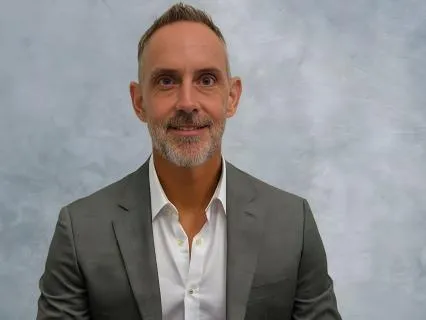
Welcome to Life,
Lessons & Laughter with your host,
Glenn Ambrose.
Hello.
Welcome to the show,
Everybody.
Welcome.
So today.
Today,
What will I talk about?
What will it be?
Today,
I'm going to talk about what I've seen to be as the biggest block.
In life.
It's the biggest block in spiritual progress.
It's the biggest block that I've seen in people's happiness.
The biggest block that I see.
Holding people back from progress that they could be making.
What is that biggest block,
You ask?
I make myself laugh sometimes.
The biggest block that I see.
Is beating ourselves up.
Which really,
If you think about it,
It's not that surprising.
The relationship we have with ourselves is primary.
You know,
You've heard these things like,
You know,
You can't love anybody else until you love yourself.
And,
Um.
.
.
Some people understand that,
Some people disagree with it.
And I believe it's the way they're looking at it.
Because I mean,
I,
You know,
Like in a way.
My first love,
I loved her more than myself in what I'll call external ways.
Right,
Like.
I was young.
I was battling depression,
Alcoholism.
I didn't like myself.
I didn't love myself.
And to focus my attention on her was helpful.
It distracted me from me.
I couldn't figure out my life,
But I could figure out how to support her.
You know,
And that kind of gave me a sense of purpose and connection to her.
And it was,
You know,
And I mean,
Yeah,
I still had many problems.
And the relationship.
As good as it was,
I mean,
As dysfunctional as I was,
Very rarely did we argue.
Very well and it was probably healthier than a lot of other people's relationships,
Even considering how unhealthy I was.
That being said.
So,
You know,
From that perspective,
Do I look at it and I go,
Oh,
I loved her,
But I didn't love myself.
So that's possible.
It's like,
Yeah,
In a way,
But the relationship also ended.
Right.
So so if I really was capable of loving her in a healthy way.
And that's all I needed,
Then we should have been good.
But I didn't love her in a healthy way.
I loved her in a needy way.
I loved her in a way where as long as I could focus on her and she was my crutch,
I could kind of dismiss how miserable I was in my life.
Right?
So,
So,
So like it kept me going for a little while.
But then when the relationship ended,
Which it kind of needed to because it wasn't healthy,
Like it wasn't sustainable.
It wasn't a matter of a lack of me loving her.
It was a matter that I didn't love myself.
So therefore,
I was battling depression and and I was doing self-destructive behaviors.
And so how could she be in a healthy relationship with somebody that was you like that.
You know,
She couldn't.
I mean,
You know,
That wears on you after years and years.
It was like.
It was miserable being in a relationship with somebody that was miserable.
And that person was me.
So it kind of had to end,
You know,
So so it depends on how you look at it.
Did I love her even though I didn't love myself?
Yeah.
In a way,
I did.
But not in a long-term healthy way.
She was,
I did love her,
But she was also a distraction keeping me from working on myself.
And that wasn't her fault,
That was my choice.
But like,
This is what I mean,
Unless you have a good relationship with yourself,
Foundationally,
It's going to cause problems in every other relationship,
Your relationship with other people,
Your relationship,
You know,
Romantic relationships,
Friendships,
Family relationships,
Your interaction with life itself,
It's going to affect that.
So this is,
So I guess if we go deeper,
Then you start understanding if you don't love yourself,
Maybe technically you can love other people or other things,
But it's not going to be enough.
It's not going to be enough to be able to be sustainable.
You know,
So we have to really.
Work on our relationship with ourselves.
And a foundational piece of that is we beat the crap out of ourselves all the time.
We beat the crap out of ourselves constantly.
We talk negatively to ourselves constantly.
We tear ourselves down constantly and then we're wondering why we're not doing better.
If you know,
Like one of the.
If you just slow down for a minute and think about how you talk to yourself,
How that inner voice talks to yourself.
Most people,
When I say,
If anybody talked to you the way that you talk to you in your own head,
You would kick their ass.
And most people go,
Yes,
Absolutely.
I'm hardest on myself.
You know,
And we have to change that because it's holding us back in every single area of our lives.
It holds us back from getting into healthy relationships.
Why?
Because we don't deeply feel we deserve them.
If you don't love yourself,
You can't feel like you deserve something better.
That was one of the things that I remember when I was in that relationship with my first love.
I remember having moments thinking that once,
You know,
We're together for years,
I don't know,
Five,
Six years,
Maybe longer.
Yeah,
Including when we had broken up at one point,
Got back together.
It was probably like six and a half year span or something maybe.
So like.
But,
And most of that time we're together,
I think we're only apart for.
I don't,
I don't know,
Maybe.
A month or two?
Um.
.
.
So we're together for a while.
And I remember thinking at different times,
Especially when I dropped into my depression.
If she finds out who I really am,
She just likes me because.
.
.
You know she was younger than I was and and and she chased me for a little while so there was some sort of.
Aspect of infatuation or something like that,
Some version of that in the beginning.
And,
You know,
I was a little older cooking around in my Jeep being cool and all this stuff.
But I,
So I was good on the outside,
But Like what a young girl would think is cool today.
I had that.
But I had no substance behind it.
I didn't love myself.
I couldn't hold a job for that long.
I had no skills to live a decent life.
I might have looked good on the outside to somebody younger.
You know,
So I was like,
As soon as she figures out who I really am and how messed up I really am,
She's gone.
So like I would like I actually believe that.
So I kind of.
Manifested that over the years.
You know,
There were times when,
You know,
I knew I should be choosing something different.
And I'd be like,
You know what?
She's going to leave me anyway.
Like there's no who could love me.
For a long time.
Like nobody,
Nobody could,
You know,
That's how I felt inside.
So so I made bad choices sometimes,
You know,
And the alcoholism sure as heck didn't help,
Nor did the depression,
You know.
But I really truly felt,
You know,
I've talked about this before and I've gotten more clarity on it as of late that like when I was in seventh grade,
I decided I was so exhausted from trying to be good and never being good enough and constantly being punished that I was just I made a conscious choice to try just not fitting into society,
Not being who whatever,
Not being who everybody was trying to make me and just give up and just do whatever the heck I wanted.
I think my life's going to stay the same.
I'll be punished all the time anyway.
And nobody will,
You know,
I'll be,
I'll still be the bad kid,
But I'll take all this pressure that I have on myself off.
Trying to live up to something that I obviously can't be.
So but along with that is I had this like every all the adults,
Teachers,
Principals,
Parents,
Other adults,
Everybody in my life was trying to get me to fit into the box,
Fit into society,
Sit at a desk and be still,
Not disrupt classes,
Not do this.
And I was incapable of doing it because of ADHD and spontaneity.
I didn't have control.
I would try to control myself and I'd be like,
Focus,
Glenn,
Focus,
Focus.
And then next thing you know,
I'm talking to somebody and the teacher's and I don't know how I got there.
Last I knew,
I was really focused on what the teacher was saying.
Then my mind went off on some other tangent about what the teacher said and how that applies to what I'm gonna do after school.
And then I'm wondering if I can bring somebody after school with me to experiment with this.
And I'm talking to them and I'm asking them if they wanna hang out after school.
And the teacher's catching me and yelling at me.
Last I knew,
I was focused.
So I just stopped trying to do that stuff.
But to me,
To me,
The adults were trying.
They kept telling me that the rest of my life was going to be horrible if I didn't do this.
I wasn't going to fit into society if I didn't learn how to do this.
I was going to live a crappy life if I didn't learn how to do this.
So not only did I accept that I didn't I couldn't fit into society,
But I also I mean that I couldn't be who they wanted me to be.
But I also accepted that I couldn't fit into society.
So what does that look like?
Well,
I decided that fitting into society,
Like society has this whole system that like,
If you participate in it,
Then you get to live a good life.
Like this is the unconscious conditioning that society teaches us as children.
You know,
Way.
It's not just about fitting into school.
It's that your life is going to suck if you don't fit into school.
Because you're never going to be able to do anything.
If you can't do this,
You sure as heck can't do that.
If you can't pay attention at school,
You'll never be able to hold a consistent job like nobody like you're never going to be like.
And and you're you know,
The other aspect of it was that I was unlovable.
I was I didn't fit in.
I wasn't good enough as I was.
I,
I was a bad person.
Who's going to love a bad person?
Nobody,
So I'm not going to have love.
Right?
So on an unconscious level,
I accepted these consequences as well.
And I didn't,
You know,
I didn't feel like I had a choice.
I had tried for seven years to fit in and it was really clear that I couldn't.
So I had no other choice in my mind,
But to give up.
And then when I gave up,
I gave up on all the things that was wrapped into that message that had been given to me by the adults in society.
Oh,
OK,
Well,
I guess I'll never have any money because like I'm not I'm bad and I won't be able to hold the job.
So I'm going to probably live broke for the rest of my life.
Oh,
OK,
Well,
There's nothing that I can do to change it.
So I might as well just accept it.
I'm a bad person.
Nobody is going to be there for me and accept me as a bad person.
OK,
Well,
I have to give up.
The hope that I can have people that are there for me or that are going to love me forever because I'm a bad person.
So I gave up on all that stuff.
So then you go out into life and like,
I don't have any of these skills.
I don't have.
I don't think anybody can love me.
Long term,
I think it's a matter of time until they figure out how bad of a person I am and then they leave.
Okay,
You know.
And,
You know,
My,
I don't blame,
You know,
I want to be clear.
I don't blame my parents.
I think I had really good parents,
Like really good parents,
Like above and beyond better than most parents.
But they didn't know what they didn't know either.
So,
So like,
You know,
It was just,
They were trying,
They didn't want to see me suffering and in trouble all the time.
So they tried to curtail my behavior the best way they knew how the same way society teaches all of us punishment,
Right?
Why?
Because they were mad at me and they didn't like me and they didn't love me.
No,
It was because they were trying to get me to fit in.
So I would stop suffering because I was suffering a lot because I didn't fit in.
You know,
So I don't blame them.
But it gave me this message where they're like,
We love you.
We're here for you.
And then I'd get in trouble and then they'd yell at me.
And I'm like,
Well,
Wait a minute.
You said you were here for me and you love me,
But this doesn't feel like love.
And you sure as heck aren't here for me.
Now I'm getting punished twice instead of once.
So I can't count on you.
If I have trouble.
The one thing I know not to do is to go to my parents for it.
Because if I go to my parents,
Then I'm going to have double trouble.
Like,
So.
You know,
So this all builds and this is just my version of it.
We all have our version of it.
And if you're honest with yourself,
You're going to see aspects of this.
This is why if you beat yourself up,
It's from childhood.
You learned it somewhere.
Right?
So our system is designed.
For punishment.
And I've talked about this a lot.
It's designed and we've proven that negative reinforcement does not change negative behavior because it does not deal with the cause.
So they were trying to punish me enough so I would stay focused.
Well,
I wasn't not staying focused because I didn't want to stay focused.
I wanted to stay focused.
I was just incapable of it because of ADHD.
But I got the punishment.
So to try to curtail the behavior,
To try to stop disrupting the class.
So it's the punishment and we are in this system,
The school system is like this,
The parental system is generally like this,
The prison system is like this,
Society is like this,
Workplaces are even like this.
We try to curtail negative behavior through punishment.
So what does that do to us?
It makes us believe that the way to curtail negative behavior is through punishment.
So as we become an adult and we have less us people overseeing us,
We become our own jailer.
We become our own punisher.
We become the one that punishes ourselves to try to curtail our behavior.
If we don't like what if we don't like something we did,
We we beat ourselves up and we're like,
You're bad.
That was stupid.
That was wrong.
Why?
Because we're trying to punish ourselves to get us to behave differently.
Unfortunately,
It doesn't work.
It never has.
It never will.
It's been proven through psychological studies that it doesn't because it doesn't deal with the issue.
Right.
So like if you take so that's our basis mindset that we're trying to get out of.
So now look at how it doesn't work.
I'll use the gym example,
Because a lot of people have tried to either diet or go to the gym.
And if they haven't,
They've thought about it.
So that's why,
To me,
It's a good example.
If you say,
Okay,
I'm gonna eat better next week,
Or I'm gonna go to the gym three times next week.
And for some reason you don't.
Maybe you're too busy.
Maybe you give yourself permission to be.
Not do it.
Even though you want to,
When the time hits,
Whatever.
For some reason,
You don't do it.
What's the self-talk that comes from that?
It's usually something like,
You're such a loser.
You can't even make this simple change.
I can't even believe this.
I don't even know why I try.
You're such a loser.
You know,
This is ridiculous.
You should be able to do this and you can't and you're,
You know,
It's,
It's beating ourselves down.
Right.
And when you do that,
What does that do to your energy?
Do you feel empowered?
Do you feel more capable of accomplishing that task next week?
Or do you feel less capable?
Beating yourself up lowers your energy.
It makes you feel less capable.
Why?
Because you just told yourself you were less capable.
You can't even.
That makes you feel less capable.
Now let's look at the opposite.
Where you go,
Okay,
Like,
So I didn't do what I said I wanted to do next week.
Or last week.
Why?
Walk it in my way.
Well,
I.
.
.
I made a plan,
But then when it came time to implement that plan,
I said I was going to go to the gym Monday,
Wednesday and Friday,
But then Monday after work when I was supposed to go.
I got into a conversation in my head and I was like,
Oh,
Yeah,
But I didn't take into consideration that I might be tired after work on Monday.
So I'm just not going to go today.
So.
I got into a conversation and talked myself out of it when the time came.
Oh,
Okay.
So what could I do differently?
Next week.
Well,
I could make the plan and then when it comes time to go,
I don't get into that conversation.
I just go no matter what my mind says.
Because it's probably gonna talk me out of it because it's done that before or try to.
So I'm just not going to listen.
I'm gonna make a commitment to go and I'm gonna go.
And I can do that.
I'm in control of myself.
I mean,
I'm me.
Who else is in control of me?
Of course I can do this.
So I'm just going to make myself go no matter what my head is saying.
Cause that's just my ego.
Oh,
Okay.
All right,
Cool.
Well,
I look,
I had a problem.
I wasn't aware of this last week and that's why I failed,
But now I am aware of it.
So now that I am aware of that,
I'm much more likely to succeed.
So I think I can do this.
I'm going to do this,
Man.
I got a better plan.
Now I can do this.
Now you talk to yourself like that.
Do you feel empowered?
To do better.
Yeah.
Not only that,
But you figured out an actual practical solution that might help you.
Like,
So if you're not,
You can learn from your past,
But you shouldn't be beating yourself up for it.
See,
This is what we do is we combine two things together and then it's very difficult to,
To navigate and figure out because we're so conditioned to beat ourselves up.
It's just,
That's the only thing we do.
And if anybody says,
Well,
Did you know,
Like if the thought happens to pop into our head.
Like,
Well,
Did we learn from our past?
We will probably be like,
Yeah,
You know,
I looked at it and I realized I screwed up.
So I yelled at myself.
So.
So I learned from it.
It's like,
No,
That's not how you learn.
Do you see how on an unconscious level,
Our brain thinks that beating ourselves up is going to teach us to do better?
Because that's how we're conditioned.
That's what our brain thinks.
And it's not true.
It disempowers us and we don't even look for the lesson.
We don't even look anymore how to do better.
That's learning from your past.
Learning to do something better than what failed is learning from your past.
That is beneficial.
Looking at your past and using it to beat yourself up and disempower yourself,
It doesn't help you.
And it isn't learning from your past.
Beating yourself up does not help you learn.
If you do it enough,
It might curtail a behavior or two,
But it doesn't even do that consistently well.
And it sure as heck doesn't last because it never dealt with the problem.
It is.
Yelled at yourself long enough until you just feel horrible about enough about yourself that you're like,
Oh my God,
I just,
I hate myself so much.
I can't take it anymore.
So I'm going to try to be somebody that I'm not because I hate me.
Like that's a horrible way to go through life.
In a horrible way to think you're going to love yourself at some point.
Get yourself to hate yourself so much that you can't do anything but change.
This is what drives people to really extreme negative consequences.
And giving up.
Because they can't see anything better.
They just beat themselves up until they think that they're a piece of crap,
Which if you look at my story in seventh grade,
That's where I reached.
When I decided that I had been beaten down so much for so many years,
In the attempt to curtail my behavior and make me a better person,
Did it turn me into a better person?
No,
It made me give up trying to be a better person.
And accept that I was a piece of crap.
This is what usually happens when we beat ourselves up over years and years and years.
This is why a lot of adults,
They just don't even have any hope for change.
You know,
And they say stupid things to keep themselves stuck.
Like,
You know,
Oh,
I always dreamed of being a therapist.
You know,
I always dreamed of being a therapist.
You know,
But now I'm 30 and it's too late and I could never be one now.
Like,
It's just,
I missed that boat.
It would take too long to catch up and it's just.
And then you go,
Well,
No,
You can do it.
You could still become a therapist.
Why don't you,
You know,
Like who cares if it takes five years or 10 years to go through the school?
In five or 10 years,
You'll be 40 years old.
You'll have another 25,
35 years of working,
Doing something you enjoy.
Why not?
And they go,
Nah,
It'd be hard.
Be hard.
It'd be hard.
Everything's hard.
But that's a good enough reason.
Why?
Why is something as silly as,
Well,
That'd be hard.
Why do people accept that?
As a good enough reason.
When it shouldn't be.
They do because they're defeated.
They're beaten down by who?
Well,
Originally society.
Later on,
Themselves.
We use the same techniques we were conditioned to use to beat ourselves up as they did when we were children.
You know,
And again,
No blame to anybody's children.
They didn't know what they didn't know.
But as we learn this as adults and young adults,
We can learn this stuff and do different.
And little by little,
When more of us do this,
Society will change and we'll start doing things differently.
It's already starting to happen.
I mean,
We have pretty good evidence that our school system does not serve society very well.
It serves the people who fit into the school system well.
If you happen to be,
You know,
That's one of the things that I've noticed about the school system.
It's like if you happen to be one of the ones that fit into it.
You know,
You just happen to be one that fits into it,
Which is probably a good,
You know,
Who knows,
Maybe 33 to 50% of society really fits well into the school system.
Because they're naturally kind of good at everything.
And with a little application,
They can put in a little effort and then just be good at the things that they're not super good at and just be pull that up and they get a lot of positive reinforcement because they're doing,
Because they fit in and they're like,
They don't really see a problem with the school system because it worked for them.
They have no idea of the severe damage it does to the people it doesn't work for.
And if you try to explain it to them,
A lot of times they just think you're bitter or something.
I don't really agree with what he's saying.
It just seemed to work fine for me.
It's like,
Yeah,
It's not about you.
You know,
Everything that worked well for,
Sports worked well for me.
I learned more from sports and team play and how to give my all and how to get along with other people and all this.
I learned more from sports than I did from school,
Right?
Now,
So that's like me saying that there are people,
Some people just don't like sports,
Right?
They're more,
Let's say they're more intellectual.
They like that stuff or they like music or they like art or whatever,
And they just don't really like sports and they're not really good at sports.
And that's like saying like,
Well,
Sports worked well for me.
So like sports are great and everybody should play sports.
And if you don't,
It's really not that big of a deal.
Like,
I mean,
You know,
Like.
And,
You know,
Assuming there's no school system.
Like if you were mandated to play sports,
I think everybody would benefit from that.
Why?
Because I benefited from it.
It's like,
Well,
That's not true.
If somebody doesn't fit into the sports system,
They shouldn't be made to do it six hours a day,
Every day for 12 years.
Like,
How would you feel if that was the system?
Oh,
That would have been horrible.
Yeah.
And do you think you would have a self-esteem issue when you were done?
Because no matter how hard you tried,
You couldn't fit in.
You couldn't do well.
You were always yelled at.
You were always picked last.
You were always embarrassed because you didn't fit into the sports system.
Try experiencing that for six hours a day for 12 years and see what that does to your self-esteem.
Or made to play music even though you're not interested in it.
Right?
So this is what I'm talking about.
Like,
It takes a toll on our self-esteem,
Especially if you don't fit in.
To a particular system.
And even if you do fit into a particular system,
Let's say you weren't punished much in school,
Right?
A lot of high achievers in the educational system,
We see this when they go off to college,
They experience severe depression and overwhelm because they're putting pressure on themselves to match up.
Even the star students a lot of times are putting too much pressure on themselves and or their teachers or their parents are putting too much pressure on them.
And they start suffering from depression and,
You know.
Bad things can happen.
So.
My point here is,
You know,
I'm using the school system to show this,
But it's rampant all across society.
And even if you fit into the society and or school system fairly well,
You've been exposed to punishment as a way of curtailing negative behavior your entire life.
And we've just explained how that doesn't work.
So that's why you beat yourself up in your own head.
This is the main problem.
This is where it comes from.
This is where it stems from.
This is why we're all like this,
Okay?
So what we need to do is stop beating ourselves up.
And we need to build ourselves up.
We need to celebrate little victories.
You know,
I've done podcasts on all different aspects of this.
Celebrating the little victories,
You know,
And you can do keyword searches and stuff.
So celebrating the little victories,
When you do something right,
You got to really feed that.
Oh,
Yes,
Yes,
I'm doing it.
Yes,
I'm doing it.
Way to go.
We have to understand that change takes place over time.
You know,
One of the most common things I see people do when they're trying to shift their behavior and their mindsets.
Which is how we interact,
Which determines how we interact with life,
Is what they do is they go,
OK,
I'm not going to.
Lose my temper.
Because I'm gonna pause first and catch myself.
Or I'm not going to get overwhelmed because I'm going to pause and I'm going to catch myself or something.
And then they do it and they get,
They get off the call with me,
You know,
And they're all hyped up and they're amped up because I'm amping them up.
I'm giving them clarity on what they need to do,
Why they need to do it,
And they're excited.
Because they can see how it's going to work out well for them and they can see how it's going to benefit them and they can see how it's going to bring a happier,
Healthier life for them.
So they're all excited and they start doing it and they do really well,
You know,
And then after a week,
All of a sudden they're busy and something captures them and they forget to pause and they're off doing what they said they weren't going to do.
And now they start beating themselves up.
Oh,
There we go.
I could only do it for a week.
And then I screwed up.
I'm such a moron.
I can't believe this.
It's not even two weeks.
I didn't even make it to the second call with Glenn and I'm doing this again already.
This is horrible.
Now I'm back to square one and I'm such a moron.
And it's like,
Whoa,
Whoa,
Whoa,
That is not what change looks like.
It's unrealistic.
We have to have realistic expectations,
Or no expectations is better,
But at least have them realistic.
Is that what change look like?
You know,
I mean,
That didn't.
You know,
Who was amazing.
Of course,
When I think of basketball,
I think about Jordan,
Right?
Did he ever miss a shot?
Of course he missed a shot.
Like.
In baseball,
They strike out,
You know,
And a phenomenal batting average is 400.
Like,
I don't even know if anybody has ever sustained a 400 throughout their career.
I don't think so,
But I could be mistaken.
But but like 400 is unheard of just about right.
That means you strike.
That means you don't get a hit six out of 10 times.
Like,
And if you look at change,
Change is,
We are very habitual beings.
So change 99% of the time looks like from going from point A to point B and there's space in between.
So what happens is a more realistic outlook on what change looks like.
And a better way to keep track of your progress in any area is understanding this change looks like when you do something.
10 times a month.
And then that you don't want to do.
And then the next month you do it seven times a month.
And then the next month you do it four times a month.
And then the next month you do it two times a month.
And then the next month you make it the whole month without even doing it once.
And then you make it another month and you don't even do it once.
And then you do it once.
And then you correct,
And then you don't do it again for another month.
Like this is,
You know,
And.
And the numbers fluctuate,
Of course,
Obviously.
Right.
So but that is what change looks like.
So when you screw up once,
It doesn't mean you're back to square one.
It doesn't mean you erased all the times you did it.
Right.
I mean,
Think about what we're doing.
A lot of people understand that we're building new neural pathways in our brain from a scientific perspective,
Right?
So the way that works,
And there are other ways to make changes,
And a lot of times going emotional is even quicker.
Than changing the neural pathways.
The neural pathways will change afterwards.
But you can make the adjustments quicker through deeper work.
But I digress.
That's another podcast.
So when you're the way that you create neural pathways.
Is when you reinforce a way of thinking or a way of behaving in a particular scenario,
Right?
So you have a stimuli happens and then you go to this negative neighborhood of neural pathways that you've built up in your past.
So it's like somebody yells at you,
You yell back.
Let's just say that,
Right?
And that's just,
And it bounces around in these neural pathways about.
You know,
Attack back,
You know,
And then you're going to change that.
So then you go,
OK,
So the stimuli comes in and you go,
You pause and you go,
No,
I'm going to.
Uh,
I'm,
I'm gonna just get myself out of a situation or I'm going to verbally tell them to stop or,
You know,
Whatever.
So that's your new neural pathway neighborhood that you're building,
Right?
Every time you do that,
You build,
You make that new neural pathway stronger.
Every time you do the old behavior,
You reinforce the old neural pathways,
Right?
So if you're doing it 10 times a month,
Then that neighborhood is really strong.
But if you do it.
Six times a month.
Then it's not getting as much food.
It's not as strong as it would be as if you were to do it 10 times a month.
And then at the same time,
Four times a month,
You just sent it to your new neuropathway neighborhood that you're building.
So four times a month,
You sent energy into that new new area.
So it's creating it starts creating new neural pathways.
And then the next month,
You know,
You do it only four times and it only gets four times the,
The food.
And then the,
The new way gets six times the food.
And then the next month it only gets two.
Feedings of food and the new one gets eight feedings of food.
Then the next month it only,
It gets zero and then you give the new one 10.
This is,
And then,
So when,
When it doesn't get much reinforcement,
The old neighborhood starts to disintegrate and the one that's getting this,
The attention,
The sustenance that starts expanding and becoming your new norm.
That's how it works.
It works over time.
And now sure,
If you could snap your fingers and just do zero and 10,
You'd build new neural pathways quicker,
But that's not realistic.
It doesn't happen that way.
That's not what change looks like.
Change is progression.
It's not snapping our fingers.
We don't leap to the top of a mountain.
We walk up it step by step by step by step.
And then we get there.
You know,
So we have to understand these things.
So we stop beating ourselves up because I mean,
This isn't theory.
Like,
You know,
I think when I first say like,
You know,
I can feel people's energy.
So when I first say stuff like this,
When I go,
You got to beat yourself up,
You know what they do?
You know what the ego does?
I can feel it.
What the ego does is it says something like,
Yeah,
I really am hard on myself.
I should stop doing that.
But hey,
What can you do?
That's life.
I'm just hard on myself.
Like we've accepted it so much that when somebody says,
Hey,
You got to stop beating yourself up.
We come up with this thing like,
Yeah,
That'd be nice.
I wish I could.
You know,
That's another thing I hear.
Oh,
I wish I could.
Oh my God.
Oh,
I'll tell you.
Uh,
My life would be great if I could do that.
And they act like they can't.
You know,
This is.
My personal responsibility podcast,
Two Power Series,
I got all jacked up on that,
I think,
Because something that goes up my ass sideways.
Is how people think that they are not in control of themselves.
Like then who's in control of you?
But by the same token,
If you go to people and you say,
You know what,
You don't even know why you're doing what you're doing.
You're just walking around unconsciously.
They get very defensive.
They're like,
The hell I,
Of course I know why I'm doing what I'm doing.
I know what I'm doing and why I'm doing it.
What do you think,
I'm stupid?
They get very defensive,
Right?
And they don't.
They don't know what they're doing or why they're doing it as a general rule.
But they've accepted it really good.
Yeah,
You know,
It's just how I am.
It's like,
What do you mean?
That's how you think God made you that way?
You think God created these creatures that he loves and then put this thing inside of them to hate themselves and to beat themselves down on a daily basis?
Why?
Like.
Whenever I think about what God would do,
I think about what I would do for my son,
Because God is a creator.
I am a creator.
That's how I am made in the image and likeness of God.
So the love that I feel for my son is similar to the love that God feels for me.
So if God loves us,
Why the hell would he create a system where we just beat ourselves up?
I wouldn't do that to my son.
Humans created that system out of their ignorance.
And we've accepted that that's part of it.
It's not.
This is not naturally how we are.
So.
We have to stop beating ourselves up.
We have to celebrate the small victories.
We have to understand what change looks like.
We have to give ourselves positive reinforcement.
And part of that is when we're doing work on ourselves.
We have to,
You know,
This is kind of celebrating the victories,
But.
We have to keep our eyes on the prize,
Because if we don't,
Every time we screw up,
We beat ourselves up over it.
And every time we recognize a flaw in how we are interacting with life,
We beat ourselves up.
So when you're first leaning into self-work,
Working on yourself,
Whether you call it the spiritual path or whether you call it self-help or whatever,
I don't care,
Whatever.
When you start trying,
Putting in effort to become a better version of yourself,
Do you want to know the first thing that happens is you start seeing problems and you start gaining clarity on the problems.
And you know what most people do?
Beat themselves up over it.
Like you just this is how ironic and built in it is and how.
Confused we are,
We go,
I want to be a better version of myself.
I want to start working on myself.
So the universe or God or whatever says,
Great,
Let me support you in that.
And we automatically start looking for ways to enhance our lives and to live happier.
Right.
And then so what do we see?
Do we do it?
It cracks me up.
It's almost like we don't think it through,
Right?
Because it's almost like we're expecting to find good things.
How would that help us?
If I want to better my life.
And I see all the things that I'm doing right.
How would that make me a better person?
I'm already doing them right.
So generally what we see is what we're doing wrong.
And instead of getting excited that,
Oh good,
I have clarity on what I'm doing wrong,
So now I can fix it.
Let's move towards the solution.
Now I see the problem.
This is wonderful.
Now let's work towards the solution.
Instead of doing that,
We beat ourselves up over the problem.
Oh my God,
Look.
I'm a control freak.
I thought I was a loving person.
I thought everybody else was control freaks.
But I find out that I have control issues.
Oh,
No.
Oh,
No.
I have control issues.
I'm a bad person.
This is horrible news.
I just found out something bad about myself.
Oh no.
Like this is what we do.
And I'm sitting here going,
Are you fricking serious?
Like.
You asked to see it.
And then you were shown it,
And now you're upset.
I understand that,
You know,
I understand why we do it.
And I understand that it's social conditioning and I understand that it's unconscious.
So I'm not saying that you're stupid for beating yourself up for you were conditioned to beat yourself up when you see something wrong.
So I get it.
No judgment.
But we have to see how ridiculous that is.
If you want to be a better person,
Like if your car breaks down.
Do you want to go underneath your hood and find all the things that are working correctly?
So that you can get your car running again?
No,
You look for the part that's running incorrectly.
And then you correct it and then your car runs well.
It's the same with us.
And there's not a hell of a lot of ways that we are similar with cars,
But this is one.
When you're looking for a problem,
When you want something better,
You have to look for what's preventing you from being better and then put energy towards that.
That's called progress.
It's how progress happens.
When you find a problem,
You fix the problem and then you do better.
And we are so conditioned to beat ourselves up over it.
That's not how we interpret it.
A lot of times when I'm working with clients,
I'm bringing their brain.
It's not even about the things that they're working on half the time in the beginning.
A lot of times it's about stopping them from focusing on the negative.
We're problem-oriented in our brain.
We need to be solution-oriented.
So when we see a problem,
We're like,
Oh,
No,
There's a problem.
Oh,
No.
Oh,
No.
I'm so stupid.
I'm so bad.
I'm not even good enough to not have this problem within me.
I'm so stupid.
It's like,
No,
No,
No,
No.
That's where your work is.
This is a good thing.
You know,
Think of it as like a puzzle.
You're building the puzzle of you,
Right?
And I'm sitting there and I go,
You know what,
I created my whole face in a puzzle.
But there's one problem.
I'm missing the piece for my nose.
This puzzle would look a lot better if I had that final piece for my nose.
Then it would look more like me.
And then I find the piece and I'm like,
Oh no,
Look,
Look at the piece.
It's not in the puzzle.
It's not,
I didn't even put this piece in the puzzle.
I'm such a moron.
What a loser I am.
Oh my God.
This piece isn't in the puzzle.
Oh no.
Woe is me.
It's like,
Well,
Why don't you just put it in the puzzle?
You found the problem.
Use it.
To solve the problem.
When,
And you know people,
It might sound silly,
And unless you've experienced it,
But once you get this.
Your path to becoming a better version of you goes a million times more smoothly.
And it's actually enjoyable.
Do you want to know why people get frustrated and with the self-help work and all this stuff?
It's because of this.
It's because they beat themselves up instead of lift themselves up.
So what,
You know,
They're like,
Oh no,
Another thing to work on.
Oh no,
Woe is me.
I found another problem.
Oh,
This sucks.
I have something else to work on.
Oh no.
And like,
That's why it sucks because everything feels like work and it's miserable.
You.
But if you start celebrating finding these things.
And you're like,
Oh,
Sweet.
I identified the problem.
Now I can fix it.
Because really,
That's like 75 to 90% of self-work is identifying the problem.
The reason I say that is because you have zero chance of solving the problem until you identify what it is.
Zero.
If you don't know what your problem is,
You can't fix it.
So we can go five years,
10 years,
20 years,
40 years,
Sometimes living dysfunctionally because we don't know what the problem is.
As soon as we find out what that problem is,
We can start shifting it no matter what it is.
If it's a little problem,
We can fix it.
Instantly.
If it's a larger problem,
It might take weeks or months or maybe even a year or two.
But we're going to fix it up until that point,
You had zero chance of fixing it.
So that's why I say it's depending on the problem,
It's 75 to 90% of the journey is just to find out what the problem is.
Because once you do,
You can start working towards a solution.
That's the fun part.
You just become better.
Oh,
I know what the problem is.
Now I'm going to put the energy towards becoming a better version of myself.
Sweet.
I've been hoping I could fix this.
Now I can.
This is the energy in which we need to be in.
We need to get excited that we found a problem.
And it's really not that hard.
Once you start doing this,
Once you do it a couple of times,
You're like,
Oh my God.
Yeah.
Like why would I possibly get upset?
Because I found out something that wasn't working.
Because now I get to.
Fix it and have it work well.
Sweet!
That's when the work is enjoyable.
It's fun.
You get excited when you find a problem.
Sweet.
Now I get to be a better version of myself and I don't have to live like that anymore.
It's like walking into a pitch black house and banging your shins on the coffee table and the side of the couch and the chair and you're stumbling around and it sucks and you're getting hurt and you finally find a light switch and you switch it and now you see everything.
Like,
What are you going to do?
Curse the darkness and get all pissed off and go,
Oh,
This sucks.
That coffee table was,
I hit my leg on that.
And look at the couch over there.
And I wailed into that thing too.
And the chair,
This is so stupid.
This sucks.
Oh my God,
This is horrible.
Like,
I should pull all the furniture out of this room.
This is ridiculous.
Or are you gonna just go like,
Thank God I don't have to slam into anything anymore.
The lights are on.
Praise the light or curse the darkness.
Cursing the darkness does nothing.
Praising the light.
Does everything.
Oh,
It's enjoyable.
Oh,
Yay,
The lights are on.
I don't have to suffer anymore.
I can see what I couldn't see before.
This is wonderful.
I love seeing what I couldn't see before because now I can avoid the pitfalls of not seeing it.
Woo!
This is what we need to do.
It makes perfect sense in every single area.
This is how we know it's in spiritual alignment.
This is a truth.
This is a truth.
Why?
Because it works with cars.
It works with dark rooms.
It works with human beings.
It works with creating new neural pathways.
It makes us feel good instead of feel like crap.
These are all signs that it's correct.
It's the right thing to do.
So we got to get out of this habit of stop beating ourselves up.
It makes our journey much longer.
It stalls our progress.
It makes us dislike ourselves and feel bad about ourselves.
It disempowers us.
It's one of the main things about spirituality and self-help.
It always must empower you.
You must.
That's the whole point of being a better version of yourself,
Being more empowered to be able to do more,
To be able to handle more,
To be able to,
You know,
Without getting knocked around like that's empowerment.
So if it doesn't feel empowering,
If it feels disempowering,
Then you shouldn't be doing it.
Beating yourself up is disempowering.
There is no positive benefit.
The only thing it can do is temporarily.
Herb negative behaviors temporarily,
Never permanently,
Because it doesn't deal with the cause.
And even if it were,
Even if you curtail some negative behavior,
You feel like crap about yourself for years.
You know,
We're carrying around things that we did.
40 years ago that we don't do anymore because of that,
The punishment we experienced.
But there's that little kid inside of us that experienced the punishment.
That still thinks they're a bad person because of it.
And it's buried way deep down inside.
So there's negative repercussions from this stuff.
Even when it works seemingly positively.
So,
Yeah.
I feel complete.
I think that was everything.
All right.
Thank you,
People.
Thanks for listening.
Let me know if I can be of service.
And I've got some single sessions available for discovery sessions for people that are interested in,
In,
You know,
Trying one out.
So let me know if that,
If,
Um,
I can be of service.
All right.
Um,
Thanks for listening.
Talk with you soon.
Peace.