
The world’s largest free audio library for everyday wellbeing
Real people. Real life. Real time.
Retreat categories
All RetreatsYoga RetreatsWellness RetreatsMeditation RetreatsYoga Teacher TrainingWomen's RetreatsYoga Retreats in BaliYoga Retreats in United KingdomYoga Retreats in AustraliaYoga Retreats in ItalyFind Your Perfect Retreat
Discover transformative Retreats led by Insight Timer's best teachers.Reconnect, recharge, and return renewed.
The world’s largest free audio library for everyday wellbeing
Blog categories
Mental Health and WellbeingTips and GuidesScience and ResearchTraditionSpiritualityAt WorkTop Articles
How to Meditate
Meditation is something everyone can do. Practicing can help improve your health and wellbeing.
Explore MeditationMeditation Timer
Free meditation timer with customizable intervals, bells, and ambient sounds.
Meditation Timer Online
COURSE
Living In Our Body: Somatic Mindfulness
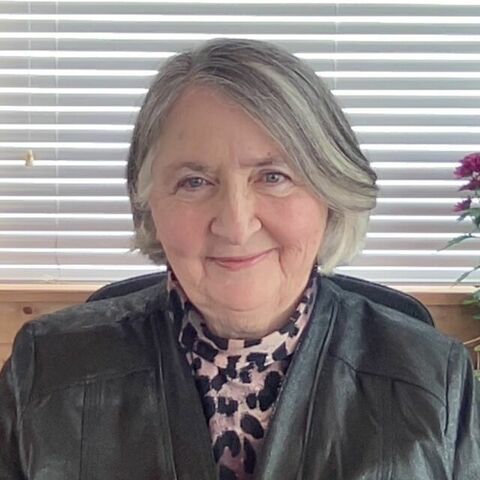
With Lynn Fraser
This series of lessons contains reflection questions and guided practices as a way to support yourself in ongoing somatic mindfulness inquiry. The course is organized into educational components followed by somatic inquiry. Ordinary trauma and crisis trauma are both stored in our body as sensations and energy with associated memories and thoughts. Somatic inquiry is when we tune in and listen to the sensations and energy in our body. Most of the disturbing thoughts in our mind are generated by hypervigilance in our nervous system which generates catastrophic thinking. In this course we practice powerful tools like tapping, frame/tracing, and taking a different perspective with thoughts and sensations. We lessen the intensity of compulsive thoughts and begin to rewire our neural networks for connection and safety. The first ten lessons work with building a strong, resilient, well-regulated nervous system. The last six work with common daily life issues like setting boundaries, the anxious eagerness of a parentified child, and forming adult low-vigilance relationships. As you complete the course, you will be more present in your own body, and familiar with its energies and feelings. As we have the experience of being grounded in the safety of the present moment, we develop confidence we can bring ourselves back into steadiness and self-regulation. We realize we are not helpless in the face of compelling thoughts generated by hypervigilance in our nervous system. We cultivate being open hearted with ourselves with compassion as an ongoing practice of connection. We experience greater agency and enjoyment in life.
Meet your Teacher
read more
16 Days
4.3k students
4.8 stars
9 min / day
Grounded
English
4.8 (93)
Recent Reviews
Debbie

June 20, 2026
This was so brilliant. I felt such connection to the content and it brought so much awareness, I was seen. Thank you.
Shannon
March 31, 2026
Great course
Debbie
March 28, 2026
Outstanding. Thank you. 🦋💖
Marvel
November 18, 2025
Really informative and helpful. Lynn offers solutions when we become disregulated.
Louise
October 26, 2025
This was a very informative and helpful course! It has opened the door to looking for more of this kind of work. Thankyou 🙏
Evan
September 29, 2025
The course offered rich insight to somatic mindfulness — specifically helping me to connect with my body & its hidden messages. With a soothing voice & simple, yet eloquent language, it was easy to settle in. It didn’t sound like I was in an echo chamber on the topic. The course lacked some structure, containment & direction in my opinion, but overall a very good experience.
M
September 22, 2025
The content was fantastic and the order of material was helpful, but the quality of the editing of the recording felt abrupt and confusing sometimes. I am not sure the pieces stand alone, but as a whole, the material was really supportive t
Karey
August 16, 2025
So much wisdom shared with a calm gentle kind voice. Thank you.
Denise
July 29, 2025
Excellent course on being in the present and what are bodies do when we react to stress and how to let it go. Thank you 🙏
Sarah
July 25, 2025
This has been such a beautifully simple course with truly seismic shifts for me. Many moments of “oooohhhh THATS what that is/was” , each of them accompanied with a real tool to use/step to take. Thank you thank you thank you. 🙏
Stacy
July 18, 2025
This course is such a generous gift! I am so grateful. 🙏
Heidi
July 1, 2025
The content in this course is amazing for someone who would like to practice regulating themselves, finding their inner balance in challenging situations or emotions and understanding their own process. I love the down to earth approach and the ample pauses giving space for self reflection, it is very calming. As other people have mentioned, the structure of the lessons is a bit crude (a sense of a long talk simply cut into bits without intro or outro), which leaves the user experience sometimes slightly confusing, otherwise it would be five stars! Thank you for helping people.
Jen
May 30, 2025
This course is brilliant! As a person who has studied the neuroscience of behavior change, I have a lot of knowledge and experience in this area already, but my mind my blown by what I learned from Lynn and how she puts the pieces together. Thank you for sharing your gifts and knowledge with the world!
Sheilagh
April 24, 2025
I found this difficult to follow. There was terminology that I am not familiar with that were referred to quickly as something to try using but there wasn't an explanation or opportunity to try them. It refers to nervous system regulation often but I don't really know what that is or how to achieve it. I think this course could be useful but I need go back to earlier tracks and see if there are explanations and opportunities to practice techniques
Mary
March 28, 2025
Practical methods for me to love myself again
Nicholas
February 3, 2025
This course was absolutely amazing. I had no idea that a course like this could exist on Insight Timer, and I'm so glad it does. As someone who came from an emotionally abusive household, this course touched on so many things that my therapist and I have discussed before, and things we haven't! I felt seen while taking this course and it reinvigorated me to keep at my emotional healing. I greatly look forward to taking other courses from this teacher. Thank you for the skills this course has taught me :)
Charlene
February 2, 2025
The course was a beginning. A great introduction.
LorieAnn
October 24, 2024
Exceptionally helpful! Thank you ! 🙏
Claudia
September 11, 2024
Thank you 🤩
Alyson
September 2, 2024
Yes the abrupt starts and stops between the lessons are hard for me. I am always wondering what came before. And I wait at the end for more. So I recommend re-recording with more definite transitions between. I like the short less than 10min. lessons. The content is excellent and I understand the examples. Thank you for sharing.
More from Lynn Fraser

Trusted by 37 million people. It's free.

Get the app


