memberplus
Calming Anxiety: Develop A Strong Resilient Mind
4.8
16 jours de cours

Calming Anxiety: Develop A Strong Resilient Mind

Par Lynn Fraser

Commencer Jour 1
Ce que vous apprendrez
Learn tools to develop a healthy, strong, resilient mind and body. Topics include: the root causes of anxiety; how anxiety shows up in our body, breath and thoughts; tools to let your past be in the past; develop a more accurate perception of threat, coming down from hypervigilance and red alert; two simple ways to stop catastrophic and compulsive thinking; social anxiety; fear of flying; how to leave panic attacks behind

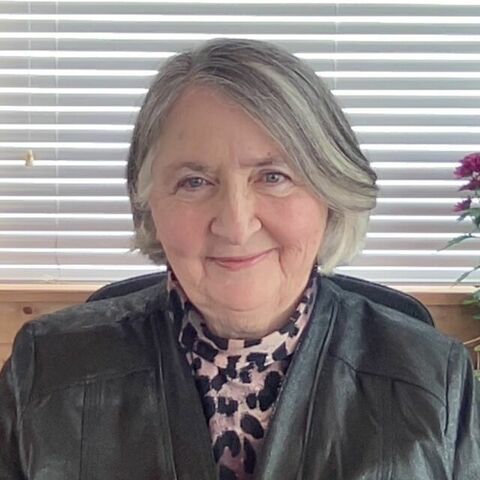
Lynn Fraser

Halifax Canada

Lynn is an anchor to support your journey in living from your own innate wisdom and goodness. She is a senior teacher in the Himalayan Yoga Meditation tradition, and founder of the Stillpoint Method of Healing Trauma. Lynn supports people to safely reconnect with themselves through knowledge, regulating the nervous system, and compassion. "Lynn's...

Leçon 1
Kindness and Compassion
Our nervous system developed based on our experiences and tries to protect us by alerting us to danger. We all try to avoid pain and fear, and escape when we can through disconnecting, screens, and addictions. We turn against ourselves. We wouldn't talk to someone we care about the way we can be pushy and critical with ourselves. Instead, we could cultivate patience and kindness. We can welcome all of ourselves with compassion. At 2:45 minutes, we move into a guided practice on kindness and compassion.
Leçon 2
We Feel Anxiety In Our Body
We store trauma in our body as sensations and energy along with associated thoughts and memories. This makes us reluctant to "be in" our body. We might have an uneasiness in our chest or stomach or a clenched jaw. In order to heal through our body, we need to feel in our body. This lesson includes a 5 minute guided practice of relaxation in our body.
Leçon 3
Root Causes of Anxiety
Human life is by its nature uncertain. Our brain evolved to pay more attention to possible danger, has a negativity bias, and forms beliefs based on experiences. Until a hundred years ago, our brain only saw images of immediate danger but now we are bombarded with images of trauma around the world. We can build resilience by learning about the brain, and also focusing on connection and safety.
Leçon 4
Breath as a Cue and to Soothe
Mindfulness of changes in our breath gives us time to intervene before we get panicky. Holding our breath signals danger to our nervous system. A continuous smooth diaphragmatic breath signals safety. Practices like box breathing reset our system, or we can practice extended exhaling with the syllable Vooo or like I'm breathing out through a thin straw. A six second exhale activates the relaxation response in our body.
Leçon 5
Ruminating and Catastrophic Thinking
Our brain developed to respond to first hand immediate threat. When we are bombarded with thousands of images of danger happening around the world, we get anxious and don't read the our personal situation accurately. We've all experienced ruminating about an interaction with someone and it's only later that we think of the perfect response. Catastrophic thinking is where we alarm ourselves with worst-case scenarios. This creates deep grooves of habit and alarm in our mind.
Leçon 6
Fear of Trauma Stored in Our Body
Trauma is stored in our body with associated thoughts and memories. We didn't have the support and nervous system resilience and strength to face it and heal at the time it happened. Using these tools, we reach a tipping point where we are able to tolerate and even welcome the sensations and energies and what they mean. This frees us from stored trauma and offers deep healing and a feeling of safety.
Leçon 7
Working With Thoughts Energies and Sensations
Thoughts are words we can hear or see, and images we can see, and they are often associated with uncomfortable or scary sensations and energy in our body. In this practice, we learn powerful tools to see that our thoughts can't actually hurt us. This releases the stickiness with sensation in our body, and we can widen our window of tolerance. We then mine the sensations for their meaning. We experience they are not here to hurt us. We are able to stay present with the stored trauma as it releases.
Leçon 8
Overwhelm and Unhealthy Coping
We often turn to what helps get us through the day, even when it is not in our long term best interest. This can be more socially approved of coping mechanisms like shoe shopping, perfectionism, or overwork, or addictions like opioids and gambling. We are trying to get away from experiences of feeling overwhelmed and gain a sense of control. We might be depressed or numb in a freeze response, lash out in anger and righteous indignation, or daydream and dissociate. We can take inventory and use effective tools to improve our situation.
Leçon 9
Regulating Our Nervous System When Threatened
Our nervous system is always scanning for danger, is evidence based from our past, and has a negativity bias. It alerts us through hypervigilance we feel in our body: we tighten up our shoulders; we find ourselves holding our breath. Relaxing our body and establishing a smooth, even diaphragmatic breath signals the opposite to our nervous system. We catch anxiety or calm from other people and we co-regulate with others.
Leçon 10
What To Do When You're Having a Panic Attack
Panic attacks are a sign of a nervous system that is so overwhelmed it can no longer handle what comes up. They are hard to hide and have negative social consequences. Once we've had one, we then also fear having another. This lesson is filled with emergency measures to increase resilience and stop panic attacks.
Leçon 11
The World and Our Nervous System
We are alarmed by what is happening in our world. Through 24 hour news and social media, we are bombarded with images of people in trouble, injustice, climate change, and childhood trauma. We can shift our focus so we're not held in a trance of despair, and increase taking in good. What do you care about? Volunteer with others to take action, overcome feelings of powerlessness, and live with an open heart.
Leçon 12
Shame, Peer Pressure, and Social Anxiety
We need to be connected with other people to survive and be happy. Shame and peer pressure are meant to help us change our behavior to fit in with our family and community. Toxic shame makes us feel like WE are broken. We can change the false core deficiency beliefs we formed from our past experiences. This lesson offers tools to reduce social anxiety and take small risks to increase connection.
Leçon 13
Fear of Flying
It is limiting to be afraid of flying. We might see images of the plane going down or a fiery crash. We know in our conscious mind that flying is the safest form of transportation, but our nervous system is panicking. If we've ever had a panic attack, we also fear we're going to have another one. This lesson walks you through a plan and practices. You may not ever enjoy flying, but with support and these tools you can get through it.
Leçon 14
Build a Strong Healthy Mind
A result of traumatic events is that we disconnect from ourselves and our sense of value. We can connect again, and improve our health by good sleep, nutrition, nourishing relationships, relaxation, reducing stress, and working more effectively with thoughts. We can repair weakness and build a strong mind that is flexible and resilient.
Leçon 15
We Need Each Other: Practicing Co-Regulation
Safety is an absence of threat plus a feeling of connection. We make bids for connection, and when our parents or others don't pick up on them, it is a high level threat. We need someone who's eyes light up when we come into the room. We also get this through other mammals, like a dog, cat or horse. We practice boundaries with some people and being around safe-enough people. We finish with a positive visualization to feel connection that in our body.
Leçon 16
Accepting and Welcoming Myself
True self-acceptance can feel out of reach. It involves becoming friends with our mind and nurturing kindness, acceptance and authenticity. This lesson includes a guided somatic welcoming practice and a reminder of the powerful practices we have at our fingertips. We can pay attention to what is causing us suffering, like comparing ourselves to others, and work with the grief and loss we feel because of childhood trauma.

Avis récents

4.8
157
Patricia BELUCKY
Patricia
February 9, 2026
This course has been and will continue to be a great help in helping me move forward from trauma and anxiety. Throughly recommended. Thank you 🙏
Aleta
Aleta
September 25, 2025
This course is very thorough and offers so many different ways to learn and practice being more resilient. I’m keeping this one handy to come back to many times. It’s a healing journey.
Patricia
Patricia
November 2, 2024
Superb! I started this course thinking If it was what I wanted to spend my time in as anxiety is not something I thought was a part of my life journey. I thought was laid back and had a way of stopping anxiety whenever it came up. I am retrospectively, glad I did this course because it gave me a glimpse of what I might have suppressed as a child...
Jenny
Jenny
July 7, 2024
This course was insightful and helpful. I don’t yet understand the framing method of self regulation.
Ron
Ron
May 28, 2024
Great advice and practices to help with nervous system be more resilient! The idea of just sighing when feeling anxious is just one of many but instantly effective! Grateful 😇!
Odalys Ruiz
Odalys
August 15, 2023
Great! Thank you. This really cleared my mind, and helped me in a big way.🙏🏻🙋🏼‍♀️💖✨️
Lynsey Wellington
Lynsey
June 29, 2023
Thank you for this course. Extremely helpful. I am most grateful 🙏

Lynn Fraser's Collection

Trusted by 35 million people. It's free.

Insight Timer

Get the app