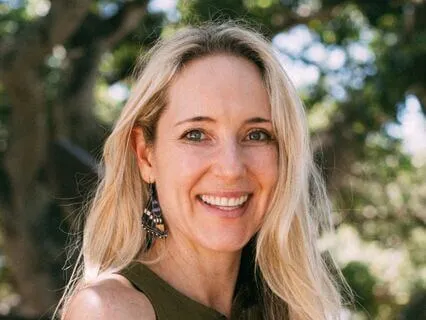
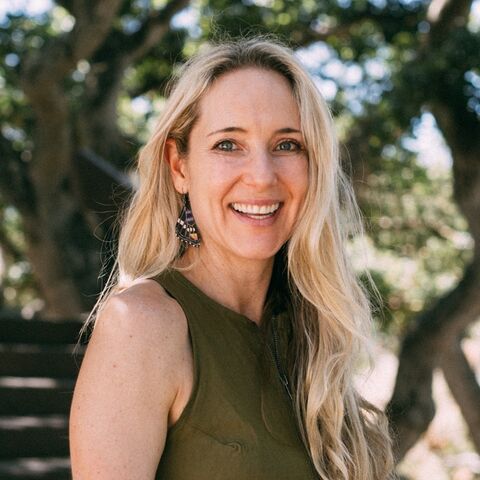
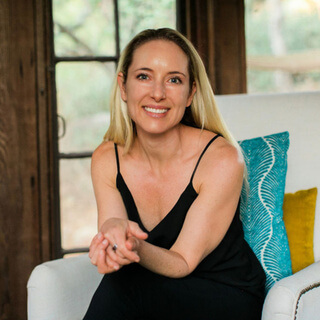
How can you love somebody that is going through something extremely difficult?
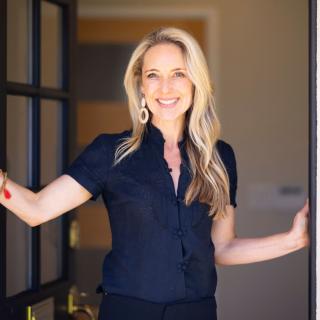
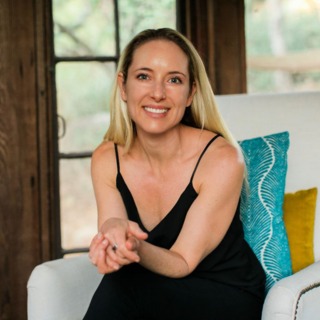
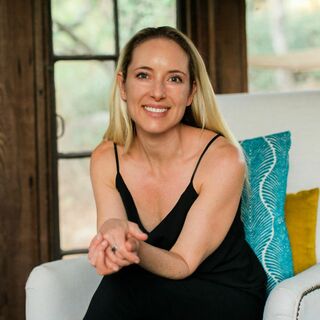
That's what we're going to explore today with Dr.
Jennifer Gregg on The Wise Effort Show.
Welcome back.
I'm Dr.
Diana Hill,
Clinical psychologist and the host of this show,
Wise Effort.
This whole month,
We are focusing on wise effort in relationships,
And if anybody knows about wise effort in relationships,
Big love in relationships,
It is Dr.
Jennifer Gregg.
She has spent her career working with cancer patients in the arena of psycho-oncology.
Her training is in behavioral medicine,
In ACT.
She was a student of Stephen Hayes,
And she's authored a number of books in the area.
She is a psycho-oncologist,
And her husband was diagnosed with cancer,
And then her son at the age of 14 was diagnosed with cancer.
So we're going to hear from Jennifer about how she navigated that on a personal level,
And then at the end,
She's going to put on her professional hat,
And she's going to give us some ideas from psychological science and her deep experience in working with patients.
It's a true honor to have her on the show.
I really appreciated how real and raw she was with me,
How willing she was to go there,
And a true living example of wise effort in relationships.
So buckle up for a conversation about love and pain and vulnerability and showing up with Dr.
Jennifer Gregg.
So welcome,
Jennifer.
You have this interesting combination of both having studied the psychology of cancer,
So you are a psycho-oncologist.
Is that how you say psycho-oncologist,
Or you study psycho-oncology?
And then at the same time,
You've had your own personal experience of your son having cancer,
Which I think came after.
So tell us just a little bit about that experience,
Like how those two worlds collided for you.
Yeah.
So,
Yeah.
As you said,
I'm a psychologist,
And I'm a psychologist that specializes in helping people with cancer.
And most of my career,
I'm a long-time ACT therapist.
I've been an ACT therapist since,
I don't know,
I was born that way.
Most people aren't.
Most people kind of come to that.
Yeah,
I was born that way,
Too.
I was like native.
Native therapy language.
It's an unusual.
.
.
Yeah.
So I studied with Steve Hayes from childhood,
Practically,
And then really was drawn to medically sick people,
And really kind of wandered into cancer and never left.
Just loved that work,
That it felt so rich and so meaningful.
And I just felt like I could,
You know,
What I had to offer was really helpful in that space,
And worked in oncology forever.
And then,
Actually,
While I was working in oncology,
My husband first got cancer.
As happens,
If we live long enough,
Everybody runs into tough stuff,
And my husband was diagnosed with a really rough kind of cancer.
And it's actually a little bit funny.
I mean,
It's not something I should be laughing about,
But I went to my manager in the clinic I was working in.
I was working in an oncology clinic when my husband was first diagnosed.
And I said,
My husband was just diagnosed.
I don't think I'm going to be able to talk about cancer while my husband is kind of going through this.
And she was like,
Of course,
Like,
Just can you see your patients today,
And then we'll,
You know,
Kind of sort it out.
I saw my patients,
And it turned out it was fine.
Like,
There was something about it that I felt so helpless about his cancer,
And so stuck and afraid about what was going on with him.
We had little kids at the time.
Our kids were 9 and 11 when my husband was diagnosed.
And I had so much helplessness and fear and uncertainty about what was going on with him that going to work and like being able to be helpful with somebody else felt good.
And so I went back to my manager and said,
Actually,
I think I'm going to be okay.
And I kept seeing patients throughout his treatment and beyond.
And his whole process was many years ago now,
And he's fine and is doing well.
What kind of treatment did he receive?
He had a type of head and neck cancer,
So he had tonsil cancer.
And that treatment is radiation with chemo at the same time,
Which increases kind of the painfulness of radiation,
And in his kind of tonsil area,
Of course.
And so it was extremely rough treatment.
It's a really hard treatment for people to do.
Yeah.
You have two little ones at home,
And then you're going into the office.
Yeah.
Nobody was giving me any prizes for handling it very well.
Even just that word,
Handling it,
As if you're supposed to handle the immensity of something like this and put it in some box in some perfect way.
There was no handling of that.
So I'm going to slow you down.
You learned from Steve Hayes.
I learned from Kelly Wilson.
They're a good balance.
So Steve Hayes gets into the head,
But I think Kelly Wilson reminds us to slow down.
Because what you said there,
And we're going to talk about your child too,
But what you said there feels really important,
Foundationally important,
Is that we come up against something like this that's so big,
So massive,
And our first instinct is,
I can't,
Quote,
Handle it.
And you go to your supervisor,
And you're like,
This is too much.
But then watch what you did as you showed up.
What happened for you during that time as a young mom?
What truths did you learn for yourself?
I think I learned a lot in that process.
And it's tough,
Because on one hand,
What I know about working with people with cancer,
It was a little bit interfering in the beginning for me.
My knowledge of what to do or what might help was a little bit interfering for us in the beginning.
For you personally?
For me personally.
You knew all this psychology,
And now you're in it,
And you're like,
Ugh.
Well,
It was tempting in the very beginning for me to go to a pretty intellectual space.
And my husband,
In some ways,
Wanted that.
He wanted concrete,
As we do when we're really terrified.
We want,
He's a smart man.
He wanted some things to do.
And I think what very quickly became apparent within hours or days was we just had to be the couple that we are.
It was really important that I be a wife and not try to help him,
Which was really tough in the beginning for me.
I was so afraid and so uncertain and felt so helpless that the repertoire of,
Let me do something,
Felt really loud at first for me.
And pretty quickly,
We got to a space where we found a balance of that I could be a wife and sometimes just,
This might sound strange,
But literally lay on the top of him,
Clothed,
So that it was 100% clear how present we were with each other.
But without me,
My wanting to help getting in the way of that or creating something that was more intellectual for us.
Increase your surface area.
Yeah.
It's like skin to skin,
But like adult style,
Right?
That that's the,
Is the thing.
I mean,
Like we know this with our babies.
When we're uncertain,
We grasp for the bullet points and we want the path and we want to know what to do.
And because you're a psychologist,
You had all those and you're an ACT psychologist on top of it.
So you could say all the metaphors and all the talk,
But this feels much more experiential.
Yeah.
I just needed to shut up a little bit.
Yeah.
I mean,
Be the wife.
That has a little bit of what is a wife.
I mean,
That puts in my head goes there,
Like,
What do you mean by be the wife?
You know?
But,
But maybe there's a definition in there for you of what that means.
Yeah.
For me,
That means like,
Like my husband and I have been together for a long time.
There is something that is nonverbal that happens with us.
That is about an incredibly long,
Deep connection that that was,
I just needed to shut up,
Lay down on him and kind of,
You know,
Go into this much more,
I've got you space that we are with each other.
That is not,
You know,
Me providing coping strategies,
Which was really tempting at first.
Yeah.
Yeah.
It is.
So it is so tempting.
And,
And I think what if,
You know,
Sort of what process you're alluding to is really the process of the,
They would say transcendent self.
But I think it's from other traditions or other perspectives,
It's the process of stepping into the great mystery,
Believing in the loving awareness,
Letting the,
The love that holds both of you,
You know,
So it's like you're lying on top of your husband,
But then you're also in a field,
An energetic field.
And it's hard to be in that energetic field when you're in your head or when you're fighting it.
And probably for your husband,
The thing that he craved most was just your,
That presence,
That loving presence,
Which is an act,
But it's in so many of our wisdom traditions.
Yeah.
This bigger self,
This wiser self that kind of knows what to do.
Yeah.
That's your wife self.
You could call her.
Yeah.
That's the wife.
Yeah.
And he is for me in a million different ways.
Yeah.
Yeah.
Yeah.
And that self shows up in the therapy space so much for us as therapists.
It's like you can,
And then you can get pulled into the problem solving self,
Right.
But,
And both are needed,
Right.
There's a tremendous amount of problem solving and task completing when you're going through something like this.
Okay.
So we slowed it down.
And then let's,
And then let's move forward.
So you continue on.
He gets- So he recovered and yeah,
We,
You know,
Very tentatively as you do after cancer,
Kind of went back to our life with,
You know,
A lot of extra stuff added in for our family.
Some of it,
Most of it's amazing and wonderful about kind of knowing how we're loved and knowing what we can get through and some hard stuff too.
And then- Are you worried about your kids and their,
Like their fear of their dad being sick or that,
Like how did you navigate that?
Like telling them that he had cancer.
Cancer is such a loaded word.
Cancer is such a loaded word.
It's like,
It's like the word fat.
It's like- You can't,
Yeah.
This actual definition of fat and then there's the stigma of fat,
Right?
So there's actually a definition of cancer,
Which can mean many things,
But you know,
The multiplication of cells.
And then there's the load that you fear our kids would have or the stigma that we have.
It's even used in the vernacular.
Yeah.
And luckily,
You know,
They were young enough that a lot of the stigma of that word didn't have the same punch for them.
Yeah.
Some of it did.
I mean,
They knew what it was,
But they didn't have the history with the word that adults have.
And,
And because,
You know,
That was one advantage to the job that I have is that I knew kind of what the best,
The best outcomes generally for kids generally is kind of honest information that's developmentally appropriate.
And so that's what we encourage people who come into our clinic to do when they have kids is kind of talk about it in ways that are developmentally appropriate for kids that dad was gonna,
You know,
Have to get some medicine and that,
That was going to have some effects on him and,
And,
And so they,
I was very worried about my kids.
You know,
I think that's a standard state a little bit for me.
I like to worry about my kids.
It's my hobby is worrying about my kids.
If you're not worried about your kids,
You don't love your kids.
Let's just say that.
Right.
There's some degree of healthy worry.
Yeah.
Is there like the most important thing on the planet?
Yeah.
Yeah.
So.
And they did great.
I mean,
They were,
We,
We,
You know,
Had a lot of things in place to keep their lives pretty normal as he went through that,
As we went through that and they,
You know,
We gave them opportunities to talk about what was going on for them when they wanted them.
Mostly they didn't want them.
And mostly they,
As kids do,
They were extremely resilient.
I will say they handled it differently.
I have two kids.
I have a daughter who's two years older than her brother.
And you know,
My daughter needed really different things than my son needed.
And there's a fabulous camp.
It's a camp for kids who've had a parent who've had cancer.
And the camp is basically just like a week of,
You know,
The way they describe it is like it's a week of saying yes to kids who are going through that and beyond.
So the wonderful thing about the camp is that the kids,
Once you've had that experience,
You get to go to this camp for the rest of your childhood for a week every summer.
And my daughter loved it.
Like,
Just really.
She the nine year old?
She was 11.
She was the 11 year old?
Okay.
Yeah.
And that's an awkward age.
And so I don't know that she loved every moment of it in the beginning,
But she kept going and loved it.
And my son really did not love it.
He was like very,
Very upset about having to go.
And you know,
It ended up working out for both of them.
My daughter's still very involved.
She's a college student now.
She's very involved in the chapter at her college.
And she is a counselor that like kind of brings a lot of love and joy to kids that are sort of there for the camp.
So she's a counselor now at the very camp that she,
Wow,
That's just phenomenal.
Yeah.
Yeah.
And loves it and is just very fed by it.
And,
You know,
We,
We tried hard to kind of pay attention to what each of them needed.
And,
You know,
Who knows,
Like,
I think you do your best you can as a parent and kind of cross your fingers a little bit.
And they both kind of recovered.
Our whole family sort of got back to normal,
I guess,
Sort of eventually within,
I don't know,
A few years.
And then five years after that,
My son was diagnosed with B-cell acute lymphoblastic leukemia,
Which is a very treatable type of childhood cancer.
And he was diagnosed when he was 14.
And his treatment was quite a bit more extensive than my husband's.
And so it was a much bigger kind of lift for our family.
And interestingly,
I went back on the day we found out about my son's cancer.
And I went back to my manager and said,
You know,
I don't know.
I'm in this situation again.
And don't know what's going to happen,
But we'll see how it goes.
And I saw one patient and canceled the rest of the day and went to my manager and said,
I can't do it.
Yeah,
It's a whole different animal.
So I think that's sort of the metaphor for what the kind of difference between the two cancers in our family were for me.
To have very different experiences,
But have it be the same content,
Right,
That it's so idiographic and so contextual and so unique to this relationship and this time in your life.
And you'd already I mean,
There's also another layer of you already been through this.
So you kind of knew how gnarly it was going to be.
And now it's your kid.
Yeah,
It was crazy,
Though,
Because I went to him and I was like,
OK,
So we went through this with dad.
We sort of know what to expect.
And,
You know,
They treat pediatric cancers and particularly blood cancers very differently than what my husband had.
And so all of our expectations of what it would look like were just so different.
And,
You know,
It's a little bit like what I said with my two kids,
Like you don't step in the same stream twice.
We've already been through this.
And also,
They're different people.
The relationship is very different between spouse and mom and very much,
Much,
Much more difficult to hear that about your child.
And that just that drive to protect them from any kind of pain,
Any kind of suffering that they're in it.
So tell me a little bit about your process through that,
Your different version of lying flat next to them.
You know,
I imagine you because you kind of found the thing with your husband.
But I imagine you found some things with your son that were unhelpful and things that you found with him that were helpful both for him and for you.
Yeah.
Well,
He was 14 when he was diagnosed and went from the beginning like he hadn't been feeling well.
His pediatrician,
Who I will love until my dying day,
Said like a couple days into an intermittent fever and they had tried antibiotics and the fever had come back.
And this man,
This pediatrician,
Just like just was like,
You know what,
Let's just get a blood draw.
And my son was afraid of needles,
Definitely afraid of needles,
Really just did not love needles.
And and 14,
So he's trying to be tough,
But he was like super frightened.
And we had gone to get his blood draw.
And I saw the results in his chart.
I think they accidentally released them into his chart.
And I because I had worked in cancer for so long,
I saw the blood results and realized what could be happening.
I'm not a doctor,
So I knew that there was lots of things that I didn't know what else could be happening.
But I knew one of the things that could be happening.
And so I called and asked to talk to the pediatrician on call.
And they immediately said,
You know,
You need to come in the hospital and pack a bag.
And my son,
When we got there,
The pediatrician pulled me into the hallway and said,
You know,
One of the things that this could be is leukemia.
And here's the other things that it could be.
And my son,
I came back into his room and he said,
No more hallway conversations.
Hmm.
If this is going to be about me,
Then I want to be in the conversations.
And so then I had this tummy drop moment of like,
I don't want to tell my 14 year old son.
Because now he knows what cancer is,
Unlike when he was nine.
Now he knows.
And so,
You know,
It was so I think he and I sort of learned right away how we were going to do this together in not together in the sense that any of the awful stuff that was happening to him was happening to me,
But that I was I was going to be right next to him.
I guess that's the metaphorical laying on top of it that I did with my husband.
Like,
I just my thought was,
You know,
This is an overwhelming amount of things to cope with.
And I can't imagine having to cope with it by myself.
And so I will be lockstep with him as much as I can.
And he had chemo for two and a half years.
He had,
I think we counted,
He and I counted once and I think it was like 115 infusions of chemo.
And or infusions of some sort.
And yeah,
I think the big principle for us was like,
You know,
As much as you can be supported from the outside for this,
Then we're going to do this as a family and we're going to do this together.
And for me,
Individually,
For me,
It was a lot of present moment.
Mm hmm.
Like just literally checking,
Where is he right now?
In fact,
We're going through a scare of something right now.
And literally today I had the thought like,
OK,
Right now he's in first period and he's fine and he's probably not paying close enough attention.
And he's like that,
You know,
Sometimes a hundred times a day.
Like,
Where is he right now?
What is actually here for me to be coping with?
What do I need to,
You know,
What do I need to show up for really versus what is my mind telling me I need to show up for?
They're very different things.
Yeah,
That X marks the spot of now can be super helpful because there's so much outside of now that's really scary.
Yeah.
And like conceptual.
Yeah.
And because everything that was happening,
You know,
I have every day was like,
Well,
Right now he's upstairs playing video games,
Which I have my own different reaction to.
Or he's,
You know,
Doing his homework or he's sitting on the sofa.
Yeah.
And that's and there's also more to him than cancer,
Right?
Yeah.
He's a kid.
He's a teenager now.
He's going to school.
He's got all the things.
Yeah.
So not letting that dominate his whole experience either,
I imagine.
But that was,
I mean,
Such a brave thing for him to ask for that he really wanted in on it,
Like he really wanted to know.
And I imagine that's very idiographic,
Too.
Like everyone may have a different need around that.
Like,
I don't I kind of don't want to know,
You know,
Tell me what to do in terms of the treatment and keep me.
So he was he was directly asking you to do something that was really hard to do as a parent.
And then you had to muster up the motivation,
The love for him to do the hard thing,
Like do endure what's hard to endure.
We talk about this as kind of a continuum of kind of what helps you cope with things like a medical illness and the range.
I don't know who to attribute these words to,
But the range of what we call them is people who monitor or high monitors are people who cope best with lots of information and blunters are people who cope best with,
You know,
Kind of trusting their doctor and not immersing themselves in the details.
And he was definitely a monitor and he wanted in on those conversations.
And there were some times in the course of the treatment where things were really not looking great and we had scary information that came in and it was really tough to bring that information to him.
And we had promised.
Yeah.
So what did you do internally when you're doing that?
Like when you're bringing the information to him,
What's going on inside of you?
How are you using all the skills that you've got to do it?
Well,
I mean,
I think,
Again,
It is like in this moment,
The sum total of what is happening is that I am feeling a level of terror and helplessness and uncertainty and despair.
And,
You know,
Knowing what is showing up for me,
Mostly in my body for me,
But like what is present and really knowing who I want to be as a mom.
Like this,
There's very little that helps clarify how you want to show up to hard things with your kids,
Like going through something like this.
And for me,
Like he asked me to be honest with him.
And to not protect him from the information.
And even though that was much more difficult for me,
I think when those really tough moments showed up,
Like we for us to be in this together,
We had to be genuine with him.
There's something about there's something about what we want to do,
How we want to give how we want to take care of someone.
And it sometimes isn't actually what they need from you.
And so we have to listen.
Like,
What is it that he's saying he actually needs?
And it may be different from what you want to give.
And it would have been different if he had been eight.
Like he was he was making decisions.
And I knew know him well and knew at the moment what how I could talk about it in a way that was developmentally appropriate for him,
But also like that he could be trusted.
I think if he had been a different kid or a different age or a different stage,
Like maybe it would have been different.
But like,
You know,
You know,
Your kids,
You connect to them as who they are over and over and over.
And that process kind of breeds a level of trust,
I think,
Or did for us.
And he and I,
You know,
When they say there's upsides,
I don't know that,
You know,
He spent way more time with his mom than a 14 year old normally spends with his mom.
Sure.
Yeah.
Actually,
I mean,
I'm super close to my mom now.
And it's because of having spent a lot of time with her when I was 14 and having my own experience of not being well.
And like my mom had to be by my side for like two years straight.
So it's I but now we're so close because of it.
Right.
So I but tell me about the unwise efforts.
Right.
So I don't want to paint the picture that you're like this perfect psychologist that had all this hard stuff and you just,
You know,
Rose to the occasion like that would be very inaccurate.
And then there's also got to be I also want to talk about right now how you like how you work with what's happening right now.
But unwise efforts.
What does that look like?
Or what did it look like for you?
You know,
It's interesting because I think for me,
Maybe because I specialize in cancer and particularly in helping people really at the end of their lives,
I have,
You know,
When you work with grief and dying and very like brainstem level fear that is not a distortion,
But is genuine,
Like you're going to die soon.
You know,
I work with people a lot to kind of intentionally increase their flexibility around when they're focused on kind of being present to that and when they're taking a break from it.
I think that's maybe just one of the things that's part of working with this population is that,
You know,
You don't necessarily some people probably can face the end of their life and meditate all day and stay open and present to all of that.
But it's really rare.
And so most people kind of need to kind of come in and out of it a little bit.
You need to play some video games if you're a four-year-old boy.
Yeah,
Exactly.
And so I think a lot of the unwise effort,
I mean,
There's plenty of moments.
My kids can tell lots of funny stories about,
Especially when their dad had cancer,
About me like completely losing it in the car when somebody wouldn't put their seatbelt on.
They have lots of very funny stories about kind of what it looks like when like my top blows off.
But I think mostly,
Especially through my sons,
Because it was so long and a lot of it was in the hospital.
And so you're not sleeping.
And a lot of the unwise,
I don't even know,
Like a lot of it for me was actually just like doing things that I,
You know,
Reading a romance novel or like watching bad TV with my daughter or like so much of like very intentionally doing something that was kind of what we call in psycho-oncology,
Like low cognitive load coping,
Like so much.
That's wise effort you're saying.
That's not unwise effort.
You need the low cognitive load.
You need the romance novel.
You do,
You do.
But I mean,
Like,
I think that's,
You know,
I would say that every single day I have a very long meditation practice and every single day for,
I don't even know how long,
More years than he was in treatment,
My morning sit involved tears,
Like just the terror of that bubbling up as soon as I'm quiet.
So I imagine a lot of what was going on underneath the surface of that.
And,
You know,
You,
You,
As we do,
Moms push through and handle and worry.
And then I would sit down every morning and just like,
Like not even cope,
Just cry.
It's good.
Yeah.
So,
So this is where ACT goes wrong is when we start to believe that it's,
That it's experiential avoidance.
If we're like checking out and,
You know,
Watching a show when we need,
And that we need to be in these like meaningful,
Meditative,
Open,
Expansive states all the time,
That's actually a regulation,
An important regulation to just let yourself go a little bit,
Let yourself be experiential avoidance is when you're doing that at a cost,
You know,
You're not looking at the stuff or it's harming you or your family in some way,
But it seems like that,
That is part of the coping of it all.
It's very messy.
Like,
You know,
That's not that I'm describing it now,
Couple of years later,
Like,
But in the,
In the moments of it,
It was a lot of like,
You know,
My husband and I,
Because he had had cancer and I had like,
You know,
As a mom,
You have a lot on your to-do list anyways,
As a working mom,
You have a lot on your to-do list.
As a working mom with cancer,
My to-do list was ridiculous.
And so,
I mean,
Working mom with a kid with cancer,
Like we were scheduling long hospitalizations all the time.
And my daughter was still in high school and needed a lot,
Like this was happening for the second time in her family.
And while she was going through her own difficult phase of existence,
And her mom was at the hospital all the time.
And like,
My husband wanted to cope with it,
In some ways,
The way we had coped with his,
Which was that we go into our couple bubble and talk about the scariest thing that could happen.
And like,
You know,
Kind of get psychologically,
Mentally ready for that.
And I was like,
I gotta,
I can't do that.
You didn't get it done,
Maud.
You were like.
I had a lot.
Yeah.
I was like,
I gotta go back to the hospital.
I can't.
Yeah.
Yeah.
Be there.
And so,
We had a lot of like,
Okay,
You need to get help for this part from this person,
And I need to get help from this part for this person.
Because like,
The way we needed to support,
Wanted to support each other was like,
I was like,
No,
No,
No.
Could you just help me stay afloat?
It's like,
But what about what's happening?
I was like.
Well,
This is important because this is an important,
Another thing that we may wake up to when something big happens to our family is that it can't just be our family.
That we need to find lots of supporters,
That the network has to get bigger,
And we can't get everything from our spouse,
We can't get everything from our kid,
We can't get everything from our parent.
Like,
That these networks and the community aspect needs to get boosted.
Yeah.
Sometimes we don't know that until something like this happens.
Yeah.
And I will say,
We,
At the hospital I was at,
I very quickly found some moms and would not have made it.
I don't know,
I just don't even know what it would have looked like if I hadn't found some moms.
And to this day,
Those moms are,
You know,
Like,
For me,
I don't,
I know from working in cancer that this isn't the case for everybody.
But for me,
It really needed to be kind of shared experience with people that were going through it and who were coping in the same way that I was,
Or needed to cope in the same way that I was,
Which my husband was 100% going through it and coped with it beautifully,
But had a different way of coping with it than I did.
What did he find for his support?
He has a couple of good friends who just were willing.
I mean,
It's hard because when your kid has cancer,
People don't want to upset you.
They don't want to talk about it.
They don't want,
And you know,
It's a heavy subject.
They're uncomfortable.
And so he was blessed with a couple of buddies who could do it,
Who could,
What he really wanted to do.
My husband and I call it spelunking.
He really wanted to go down to the deepest,
Darkest corners.
Oh,
I like your husband.
He's great.
I want to go down there.
Yeah.
But not if I'm trying to get the dishes done and my kid's at the door.
He really wanted to do some spelunking.
And he found,
He had some great friends to spelunk with.
And what we know from,
You know,
The world of coping with cancer literature is that it's never one thing.
Like you're the,
You're so dependent on the context.
You're so dependent on what phase of treatment you're in and what the coping tasks are so specific to the part of cancer and treatment that you're in that,
That what you have to do to cope while you're waiting to start treatment,
For instance,
Is very different than what you have to do to cope with side effects of treatment or waiting for a scan or finishing treatment and then being afraid it's going to come back or finding out that you don't get to finish treatment and that this is a lifelong condition for you.
And we know that the sort of how we support people in those various stages is really different.
And,
And that certainly was the case in our family too.
Yeah.
So thank goodness you were born into psychological flexibility from the beginning with your training,
Because that's the,
All of that is like,
How are we flexible enough to change and change again and change again,
Over and over again,
Lose our footing so many times.
Yeah.
Find our footing,
Lose our footing.
Yeah.
I've had the chance lately to tell Steve Hayes a couple of times,
Like,
I just don't,
I'm so grateful that whatever weird set of things happened,
Happened that like,
Not in,
I mean,
Not just in terms of my career and my professional development,
But like in terms of my life,
I'm so glad that I got to,
I got to face these things in the way that I was able to face them,
Not because I did it well,
Necessarily,
But because I had,
I knew kind of where my compass was as I went through it.
I knew what I,
What was available.
Again,
I took breaks from it all the time,
But I knew kind of how to,
How I wanted to show up on my best day because whatever weird set of circumstances made me meet Steve Hayes.
Yeah.
Well,
I believe that we're just in training,
You know,
We're just in constant training for life and we can rely on all of the training that we've received.
Sometimes it's academic training,
But sometimes it's life experience training.
I mean,
My son had a very early training with his dad,
You know,
And,
And I wouldn't wish that on any kid to go through cancer twice the way that he did.
But,
And I do want to,
I want to ask you two more as we're starting to wrap up,
Two more,
Two more questions.
One is,
One is related to you and your,
And your psychologist hat,
Because we've been on,
You've been in such a personal hat and I don't want to lose the chance to hear from your academic wise self.
And you've written papers on this.
You've written books on psychological flexibility.
You've done lots of workshops and trainings.
And when you put your cancer psychologist hat on,
What are the big main messages that you're working with people on to help them move through this as flexibly as possible?
Yeah,
I would say like my top three things,
Like I want people to get from working with me or coming in contact with my work.
One is values is in the day that you're in.
Like when we talk about values in ACT,
We tend to kind of,
It can be a little bit broad in how we think and talk about it for very good reasons.
But a lot of times the people that I work with get trapped into a state of,
It must be very meaningful because I'm about to die,
Or I must do this before I die,
Or I must be this,
Have this outcome before I die.
And that shows up even with pretty treatable forms of cancer,
Because people,
As we've been talking about the word cancer,
It makes people feel like they're going to die.
And so like really helping people shift to showing up in the day that they're in,
In a way that they feel proud about,
Or will be kind of moving towards something that feels meaningful for them.
I've literally seen people like purposefully do something connected to their values on the last day of their life.
There's something so powerful about that not needing to be a big project for people that are in this process.
So that's one.
The second,
Kind of what I said with my son,
Back to this moment that you're actually in,
Because the way that we develop language and kind of use our brains involves the properties of dying to be here in the present when we are thinking about dying.
And so we want to help people really see what is in the present,
Really coming back and seeing what is conceptual.
And,
You know,
Because I could be busy like coping with my son having cancer while he's upstairs playing video games,
And I'm not,
I don't need to cope with my son possibly dying or any such thing outside of the fear I have about it,
Which is what is actually here.
And then I think the third thing is being able to kind of come in and out as I need to.
That intentional coming in and out is this really rich,
Beautiful way to be able to do the work when the context is there to do the work,
To show up to what's here,
And to do some exposure around that when we need to.
And then also be able to,
You know,
And so use them.
We talk about this in grief all the time of,
You know,
There's sort of loss-oriented coping where you're thinking about the other person,
I mean,
The person you've lost,
And you're really feeling the feelings.
And then there's what's called restoration-focused coping,
Where you're kind of learning to pay the bills because your partner always paid the bills.
And so kind of making that a little bit more intentional is something that we really want people who are facing something brainstem-level scary,
I am going to die or I could die to be able to do.
That's beautiful.
And then now back with your personal hat back on right before we got on,
You mentioned,
And you mentioned even as we were talking,
There's some additional uncertainty that you're facing now.
Yeah.
So how do you want to step into that?
Um,
I think that the reality for most people who go through something like this,
And certainly for myself,
With both my husband and my son,
Although my son more acutely in some days,
These days,
I think you're always in this process.
Like you don't finish cancer treatment and stop being terrified or helpless or uncertain.
But those feelings,
Like small things pop up from time to time that will pull you into that terror again.
And,
You know,
My son is graduating from high school in three weeks and just accepted to go away to college a week ago,
Two weeks ago.
And so all of it is here for me and always will be because the vulnerability that I feel about him being out in the world and him,
You know,
He,
Pediatric cancer has a long window before they stop being worried about you medically.
And so as he goes out into the world,
Like I have to have that vulnerability.
Oh,
Are you having a feeling?
Yeah.
The size of your love is the size of your vulnerability.
Yeah.
And so it's big.
Yeah.
Yeah.
Thank you,
Jennifer,
For sharing all of that,
All of it today.
So open.
And there's so much in there that we could bullet point out,
But just the experience of hearing you talk about your story,
But then the wisdom underneath your story,
All rooted in like a deep academic understanding of the processes underneath this.
And for those that,
As I mentioned before,
For those of you that want to learn from Jennifer,
She has a lot of resources and it's just been an honor and delight to spend the hour with you.
Thank you.
Oh,
Thank you so much.
This has just been a delightful space to talk about all this stuff.
And I'm so grateful.
Thank you so much for listening to this episode of the Wise Effort Podcast.
Wise Effort is about you taking your energy and putting it in places that matter most to you.
And when you do so,
You'll get to savor the good of your life along the way.