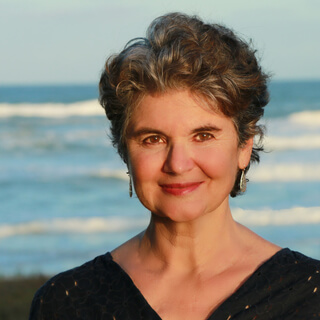
Welcome to In the Deep.
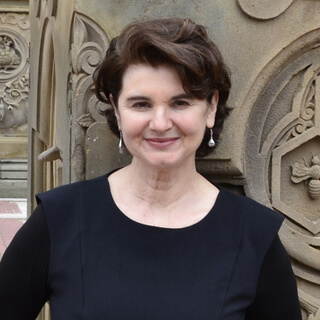
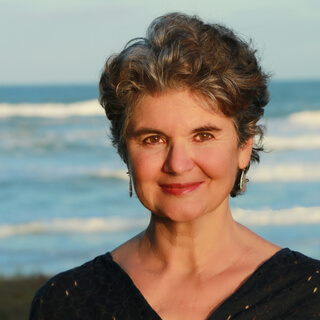
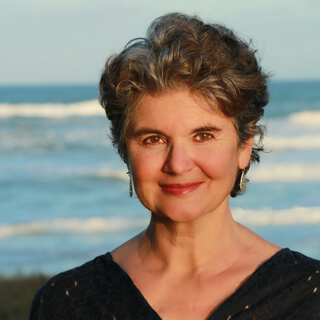
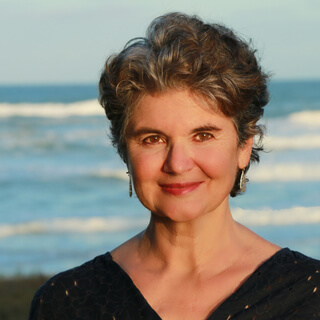
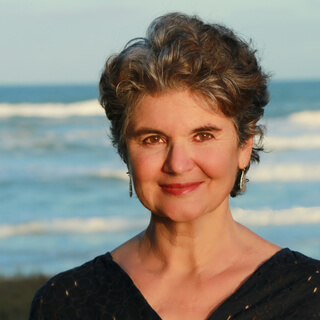
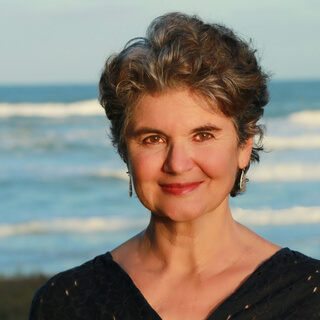
I'm your host,
Katherine Ingram.
The following is excerpted from a session of Dharma Dialogues held in Lenox Head,
Australia in February of 2018.
It's called On Shame.
If we were made the offer that you could have inner freedom or a million dollars,
Probably most people would pick the money,
Right?
Because the money might represent freedom of some sort.
That's often how it's associated.
Money in and of itself doesn't do much.
It's either some digital numbers flashing on a screen or it's some paper or some coin,
But you can't do much with it until you exchange it for something.
So it's only a representation.
And why people crave it is that in many cases it represents the idea of freedom.
If I have that money then,
Now it doesn't always work out that way for them either,
Does it?
Even if you have the money,
Even if you have a million dollars.
Sometimes people get killed for their million dollars or people become jealous or people cheat them or any number of things or even just managing it sometimes for people is a great burden.
But one hopes that it's going to be this experience of freedom.
But the offer is inner freedom or the money.
Now the truth is we don't have that offer.
But the good news is you can actually just choose freedom.
You can actually just go directly to that.
Nothing stops you.
And what I mean by that is that it's all about how you use your attention at any given moment.
You can just choose freedom.
It's a habit.
It's something that can become much more conditioned.
It doesn't mean that it has to be every single second.
It can be sometimes you are crazy.
Sometimes you're in fury.
Sometimes you're in fear.
But the experience of freedom is the knowing that you're going to be able to return to that experience.
And the more that you do,
The more that you do,
The more easy that becomes.
And even in the most difficult moments especially then.
Right now one of my friends is dying in Melbourne.
She doesn't have much longer,
A week or two.
And I've been in touch with the family every day.
And they happen to be Dharma people.
So I'm experiencing and privileged to witness the way that they're choosing freedom through this process as the support team for their beloved,
Their very,
Very wonderful beloved.
It's an incredible thing to witness,
Right?
It's a wonderful privilege to witness it.
That even in that experience where it's really,
Really,
Really hard and where the mind can jump into fear,
Jump into future,
Jump into intense burning horrible grief.
And of course it visits all those places.
But then it defaults back to this radiance of presence,
Of feeling one's own aliveness,
Of falling into gratitude.
Choose freedom.
Then if you do get a million dollars you'll know how to use it well.
That was interesting.
I don't know if I heard you right but it's as though you were saying if you were offered a million dollars or a choice of freedom.
Just as a kind of mental exercise.
Yeah I understand.
But when I thought about that I thought well actually you can choose freedom anyway.
You could accept the million dollars or you can lose the million dollars.
But it's nothing to do with whether you accept freedom or not.
Yes,
Right.
That's what occurred to me.
Yes.
Otherwise it could be a bit confusing that one might think that you either choose the material world or the spiritual world or something like that.
But I think that my point was that I think most people in the world would choose the money.
I think almost everyone on earth would do that except the Dharma crowd who might know better but I mean if they were offered one or the other.
I'm saying though that you don't have to and as you're seconding it you don't have to only make that,
It's like it doesn't have to be that obviously.
You can just choose freedom.
And that's what in fact the money would have perhaps given you if you're lucky.
Right?
That's what people hope that the money will give them is some kind of freedom.
Either freedom from the worry of not having money or freedom to go travel or to do whatever they want on the material realm and have a lot of things.
That's what people sometimes associate with freedom.
I'm talking about of course a different kind of freedom that is fundamental and much more steady because money comes and goes especially if you're spending it,
It's just going.
Yes,
Yes I see your point because some people will confuse freedom with obtaining something wonderfully material and then they'll be free.
Yes.
Whereas the other freedom is just that freedom that whatever situation the freedom is there if you just go for that.
Yes,
Absolutely.
Because there are many things which we could interpret as freedom somehow,
You know,
But mistakenly different pursuits or projects or something.
Sure,
Yeah.
And I think we can't help but do that actually.
I find that,
You know,
I do associate that with certain things.
What do you mean?
Well,
That it's kind of a way to choose freedom through some practice or something in order to that perhaps all the right situation,
The right setting,
The right meeting or something like that.
Sure,
Yes.
There's always,
I mean that's the false carrot that sits in front of us all on any kind of quest,
Right?
Whereas at any second it's just how you're using your attention.
That's the only thing that's going to give you a sense of freedom or not.
There's lots of people who are very,
Very rich who are in a total prison in their minds,
Right?
Their minds are a torture chamber,
Right?
So it's not inherent in anything else.
It's only about how you're using your attention.
That's always what it's about.
And so I used to actually title my events,
Choose Freedom.
That was the title of the,
It would be underneath Dharma Dialogues,
Choose Freedom,
For many,
Many,
Many years.
Because it became clear to me very early on in sharing this that really it's just a choice.
Now not everybody,
I often make this point,
Not everybody has the mental wherewithal to direct their own attention.
Some people just don't have that,
Unfortunately,
But most people do.
They just don't use it.
They don't really use the facility.
So in this understanding and in this direct experience you start to realize that you can habituate your attention.
And it's not about,
It's not about any kind of philosophy or belief or anything like that.
That's not what a spiritual life is about.
It's about your use of attention in presence.
You actually don't have to believe anything.
In fact I recommend that.
What do you mean by choosing freedom?
So what do you,
How does that?
Okay,
Great question.
So it could be on two levels.
One is that as a life choice that you have an intention and you have it,
You do have it already,
That you have as a life choice an intentionality that basically understands that that's how you want to direct how you're going to play this journey we call life.
It's sort of like the big meta view of what am I doing here?
What am I doing with this life?
You know,
We have a few more minutes left in it.
How am I going to play it?
Then there's the,
In a way,
The micro level,
Which is moment by moment,
Right?
So you don't have to sort of be sitting like a cat pouncing on a mouse or anything,
But just that there's this general intentionality that I'd like to live my life more in open space,
More in a free flow,
More in a kind of brightness of being,
More in love,
Which comes in a way as a byproduct.
And there's then this specific whereby there is a kind of vigil that happens,
A light vigil that happens with what's going on with my mental state throughout the day.
And it's not that,
Like for instance,
In my own case,
If I happen to be daydreaming about something or lost in thought about this or that for a little while,
I don't care about that.
I'm not bothered whatsoever.
Where there's a little intervention is when my mind starts going down a track that becomes very,
Very problematic.
What I mean by that is that it's starting to,
I'm just starting to spook myself about something,
Right?
Usually a worry,
A future picture,
Piece of news I read,
Then I extrapolate how horrible it's going to be.
So it's like that,
That it's on two levels,
You could say,
The macro and the micro.
So as I'm hearing that,
Like a determination,
Some determination not to go too far.
Yes.
Yeah.
Not to travel off to,
Into disaster sarinaras.
Yes,
That's it.
Right.
A little dip into it that you can't help now and again.
But to not make it,
Not to catastrophize unnecessarily.
Sometimes catastrophes are happening and you have to notice it,
But to also,
In a way,
It's,
You know,
I use the word steeping a lot,
Right?
It's like a kind of steeping that you're constantly returning to.
So that mostly you're just floating along in an open awareness.
And due to mind conditioning,
Due to personality conditioning,
Sometimes you get caught here and there.
And that's not a problem.
It's just that you reset as quickly as possible.
Because the overall intention is to live in this brightness of being,
Knowing that that's really the best use of your life,
Of your precious human life.
That's the best use.
And that's the most beautiful gift you give to others.
You give it to yourself and to others.
And so that intention actually gets stronger as you go.
So I'm watching that,
For instance,
With my friends,
My friends in Melbourne.
I'm watching how strong their Dharma intention is right now.
It's very beautiful.
And that they're surrounding their loved one in that kind of clarity.
Yeah.
It's not really fully formed,
But just something that's really,
Really important.
Could you talk a little bit about shame?
Shame.
It's something that grips me,
Or when I'm in the grip of it.
It's something I get really stuck,
Carried away in.
Yeah.
I mean,
Of course,
It's very common.
And with all of these kinds of mind states that are troublesome and that hurt,
The main recommendation I have is,
Well,
There's two actually.
One is to ask yourself a little bit about the story of it and ask,
Is it really,
Really,
Really true?
Is there any other frame you can put on it?
That's number one.
But number two is to really,
In a way,
Forgive yourself everything.
You know,
That whatever the thing that was causing the shame,
If it was a valid thing,
To just forgive yourself that.
It's like I feel like my experience of it recently,
It's like my mind can totally do that,
But it's like this fully programmed cellular thing that grips me.
And it's not even necessarily about something I've done,
But it's about who I am.
The shame is around unworthiness around.
And it's like that intellectual or that conceptual kind of understanding that I'm okay.
It doesn't even like touch down on any of that body stuff that's so like,
Yeah.
Yeah.
And I think it's actually ever present always in me and I just don't know how to shake it or what to even,
You know,
It's like I don't even know any other way of being almost.
Maybe little gusts of air where I'm not as immersed in it,
But it's always here.
And so if I ever have an experience where someone does point out a wrong I've done,
It's like it almost just instantly triggers into that full-fledged feeling that's,
You know.
Yeah,
Wow.
That is definitely a challenge.
I mean,
What it comes to me to say is it's like to offer some reflections to yourself that counter whatever the blame and shame that's going on.
So start reflecting on the ways that you have been being good,
Right?
That you do have love and that you have shown mercy to others and that you have,
You know,
Gone the extra distance even when you were tired and that you have tried and tried in many ways that no one ever noticed,
Right?
So start,
It's my recommendation to counter this story that's so deeply lodged that you can't even access it hardly.
Start countering with just other kinds of reflections.
We're all very complicated beings,
Right?
And we've all screwed up a lot,
Right?
You're not the only one who ever screwed up,
If that's the story.
Sometimes people inherit unworthiness from things their parents told them.
One of my best friends deals with this and she's so good and she's so successful and she's,
You know,
And tries and helps and does everything.
But her father indoctrinated her with a belief that she was never good enough.
So even now she still struggles with that story and she's very self-aware about it.
She has enough distance from it that she can see it for the madness that it is and yet it does arise for her as well,
Just as you're describing.
It's just kind of like cellular,
Like you said.
But and you don't have to actually eradicate that entirely because if you thought that you did,
That would be yet another battle you set up,
Right?
So what I would recommend is that you work with it in terms of challenging it and countering it with another narrative that's probably equally true or more true,
Right?
And that's what I mean when I say forgive yourself everything.
It's sort of like you didn't really do you,
By the way.
You grew.
Some people fed you food when you were little and you grew.
And,
You know,
A personality formed due to all kinds of conditioning and genetics and all kinds of things like that,
One of my friends has a great line,
I am not my fault.
And so to really understand that truth as well,
That you're just at the effect,
You're just experiencing this creature.
And you're doing your best with managing your attention in the experience,
Right?
But in a way it's like this package came delivered and now you're working with it,
You know,
You're managing it.
I often speak of basically taking care of the Catherine creature who's a very demanding animal,
Right?
And that's the experience of it,
You know.
And even as demanding as it is,
It used to be far,
Far worse because the mind was crazy,
Right?
So that part has gotten a lot,
Lot better.
And so what I'm suggesting to you is to find a new narrative that you can start running,
Streaming along,
Right?
That,
You know,
When these feelings of unworth and collapse and shame and all of that arise,
Allow yourself to say something that is true.
You don't have to make it up,
Something that is true,
You know?
Well,
What about the tender moment I just had with my friend or my lover or my child or my parent,
Right?
What about the little sacrifice that I did in that circumstance,
Right?
What about any number of things,
You know,
No doubt that you can find?
Yeah.
And just allow just to kind of,
Just to kind of warmth to your own dear self because only you know what you've suffered,
Right?
Only you know how many times you had to be brave despite what you were dealing with,
Right?
Only you know all of that.
So only you can really reflect on it.
And another little trick I would offer in terms of a reflection is if you were a parent to yourself,
And let's say you adopted you as a parent who adopted you,
Right?
How would you be then to this young woman?
How would you treat her?
I had a friend from overseas for one month and she left yesterday.
And then I drove the car home and then I was really like crying and feeling so sad because he's,
You know,
Is my home who goes away in a way,
You know,
Somebody,
A very deep connection.
And then I was really feeling sad and crying.
And then there somehow the dilemma starts in my mind.
I was then thinking,
Okay,
I'm crying,
I'm sad.
Okay,
See the bigger picture,
See the bigger picture of it.
And there was okay,
There was really the scene like,
Okay,
Scenes come up,
Scenes come up from Friday,
From the session.
And then I was thinking,
Should I now shift my attention or just let it be,
This sadness?
Because also then I was thinking,
You know,
Things that come up,
Things that come up and if I just shift my attention,
It's very difficult.
Yes,
No,
Let me jump in here and be clear on this.
Let's say you're feeling sad about something that has provoked sadness for a good reason.
There was a separation,
A loss,
A change that is,
Was,
You know,
You can be fully experiencing the sadness and the tears in freedom.
You can,
In a way,
You can be refusing to let yourself have that experience while in freedom.
When I say shifting the attention,
I'm basically referring to situations where you're just unnecessarily suffering about just nonsense,
Right?
Of course,
In times of real grief and of loss and of,
You know,
Of course,
Tears are the appropriate response and sadness is the appropriate response.
But even then,
As you're experiencing it,
You can feel,
It's almost like a cleansing of sorts.
You can feel experiencing it in a clean,
Clear way,
Right?
It's just,
It's like the psyche and the body are going through a process that they need to go through.
I'm only suggesting the interruptions and the,
You know,
The intervention in situations where there's a kind of madness,
A neurotic suffering going on that's just extra and not necessary.
And even then,
You might let yourself indulge it.
You can even do that in freedom.
You can even say,
I'm a little crazy right now.
Right?
But then after a point,
That gets enough of this,
Right?
And so,
All of which can be happening in this kind of ground of,
Like,
This diamond clarity that knows the process and that knows you're not going to overindulge it.
Yeah,
I know in a way,
I know in a way,
It will go.
It will go.
Yeah.
Yes,
Exactly.
But then I was not sure,
Should I,
You know,
Should I now shift?
But sometimes things are so strong,
You just can't.
Of course,
And you shouldn't in that case.
You don't want to be repressing anything,
Especially with some sort of spiritual idea,
But rather in this relaxed way,
You kind of just intuitively know when,
Okay,
This is enough already.
Since the retreat,
The New Year's,
I've just found there's more and more ways to just soften to things that were a little bit prickly before.
Nothing's really changed in life.
It's busier than ever.
Everything sorted itself out with work.
A new one came up.
Excellent.
I found with the,
I've tried to keep up there,
But I found with things like shame that were talked about,
Whenever I've experienced a strong shame with a friend or with a situation,
There's definitely a judgment attached to it.
So I felt like there was a bit of space for the shame there.
It doesn't need to be blocked away.
And that's a sort of forgiving yourself at the same time.
Yeah,
It is.
And then once that happened,
I found myself less judgmental to others.
I didn't think I was a judgmental person,
But it was under there.
It's just simple things.
It's like everything just worked its way out and then it can fall away.
That's beautiful.
Very good.
So things are just falling away.
I know it's like that actually.
A lot of stuff that used to be really hard and becomes less problematic over time,
Even though a little bit here and there.
And you point to the shame as one thing,
The judgment about the shame is yet another.
It's like being twice bitten.
Feels like a softening around things.
My son,
He's three,
He's this big,
But sometimes I forget he's only that big.
He's got such a big personality and he's very strong and demanding.
That reminds me that I can soften even around that without being a pushover because he needs a little bit of direction.
I can walk with him.
His frustration,
Because he gets very frustrated with things,
He's still learning.
I can come and walk beside him in that frustration and there's less judgment and less,
Why are you crying again?
I can see why you're crying.
It's frustrating.
There's a lot of frustrating things in the world.
That's great.
We can walk together like that instead of butting heads.
Yeah,
Beautiful.
As I was saying,
This commitment to or a soft intention to live your own life in that kind of presence is a gift to everyone around you and especially a child who's under your care.
I find with a lot of freedom,
Perhaps more in a material sense,
Comes a lot of doubt.
I'm just wondering how you deal with doubt.
Freedom in the material sense.
Yeah.
When things are kind of going well or there's a lot of space for things in life,
There's not much kind of.
.
.
I've recently been in a situation where there's not much kind of tying me down.
Yeah.
So there's a lot of time,
A lot of freedom for things.
Sometimes making that first step into something new or.
.
.
There's a lot of choice and a lot of.
.
.
And then doubt starts to creep in anytime that a step is made because that framework,
That tight framework is not there.
Right.
And sometimes if you have many choices,
There can be a doubt of like,
Is this the best one?
It's like a tyranny of choice.
Correct.
Yeah.
I mean,
I always allow myself to change my mind if I want.
If I take a step into something and with all the best information at hand and think,
Okay,
Let's try this.
This feels good.
I'll try.
There's a pull to it.
I'll try it.
But if it doesn't,
If it doesn't feel good and if there is some reason to change course,
Then I just will.
I will just change course.
And a lot of times people don't give themselves permission to do that.
Now,
Obviously if you've made a commitment to a bunch of other people and you are changing course is going to be either inconvenient or even hurtful to other people,
Then that has to be really considered.
But if it's just you on the line and you're not obliged to.
.
.
It's like Gandhi said,
My commitment is to truth,
Not to consistency.
Right?
My commitment is to the truth of it and not having to be constantly consistent with what went before or what I said before or what I chose before.
Yeah.
So it's also another aspect of this kind of attunement to a quieter,
Deeper frequency is that it also gives you a lot more information as you're going along.
You're just so much more intuitive and sensitive to what's feeling right and what's feeling like it's your path,
Whether in the world or in relationship or going on a trip,
Whatever it is.
And you're not so much being dictated to by mental ideas,
But rather your heart calling.
It's like you're much more attuned to your heart's calling rather than some picture of how you think it should look.
Right?
I should get this type of job.
Long ago,
I arranged for myself a job.
I raised the money for it.
And it was this.
.
.
It was to found this big organization called Unrepresented Nations and Peoples Organization,
UNPO,
Which was for the people who are not recognized,
The nations and peoples not recognized by the UN.
And we founded this in The Hague.
We did two major general assemblies in The Hague.
And we found ourselves representing 20 million people.
We got leaders from many different tribes and nations in exile and got them all there and put together this organization.
So on the face of it,
It was pretty cool.
It sounds good,
Right?
It sounds prestigious and it sounds like a fabulous thing.
But in the doing of it,
I was not happy.
It wasn't lighting me up.
It was a kind of drudgery really.
And it took time for me to recognize how really miserable I was in it and that I was being driven really frankly by ego material to be doing it.
It never was my calling or my heart calling.
I'm not saying that it's not laudable work for someone,
Of course,
But it just wasn't true for me.
And yet I was putting a lot of effort and energy into it based on this idea,
This mental idea,
Until I could no longer do it.
I just couldn't do it.
And I quit.
And when I started doing Dharma dialogues,
When I started holding Dharma dialogues,
It looked like the craziest possible career path ever.
I mean,
Really,
Still sort of does.
But I loved doing it and I felt this was a good use of me.
It's a good use of my compost.
So that kept me going with it,
Right?
Even in very hard times or times when it really looked like this is silly to be doing in terms of hoping to make a living this way and all of those kinds of reflections.
But it just felt right and I kept going.
So like that,
You become very attuned to your own,
You know,
The whispers of your heart.
You hear them very clearly.
And especially when this sort of bypassing of the mental needs of the ego is strong,
Right?
Like when the ego material,
Even if it's still there,
You see it for what it is.
You don't let it rule.
You just become more attuned to the pull rather than the push.
That whole thing that I did with that organization was a push.
Every minute of it was a push.
There was never any point at which I was thinking,
Oh,
This is wonderful.
This is great.
This feels aligned.
I feel my heart is open in this.
It didn't ever feel like that.
It felt glamorous in a way that didn't touch my heart.
It was just sort of like this is,
You know,
This is,
It was really an homage to my own sense of somebody.
Right?
And that was very empty calories.
So when I started having Dharma dialogues,
It was rather a humble affair,
Very humble affair.
My first night was in Boston and I had had,
The reason I even got this idea was that Ram Dass had asked me to teach and I had co-led some retreats with him and I had really loved doing that.
So I thought,
Oh,
I'll try this on my own.
And I had gotten an old friend of mine to walk around Boston with me and put up flyers.
On one winter day in Boston,
We put up a whole lot of flyers and I rented a little church hall for $25.
And I think five people came and I had a donation box in the back that no one was sitting at the table and I think we maybe got $7 or something.
So I was operating at a loss.
Then I had to drive back where I was staying was about an hour and a half or two hours away.
Had to drive back in the night.
You know,
That was,
Those were the beginning days and that went on.
It didn't change very much for quite some time.
And yet,
You know,
Somehow it was just,
It just sort of felt right.
And I could see there was like a community coming back and back,
You know,
Same people,
Kind of like it is here again.
And yeah,
That was actually it was 1993 or 4,
93 maybe.
You know,
So it's all about,
I mean,
In those days what I was doing,
That wasn't,
You know,
That was nothing compared to that other thing that I had just done,
Right?
That was a big world stage thing where the international press is having,
You know,
Trying to interview us and it was a whole other animal,
Right?
And now I'm just in these little church halls,
You know,
With a few people having,
But having what I like to call,
You know,
Deathbed conversations,
You know,
The,
You know,
Deep,
Deep conversation,
Which is always what I loved,
You know?
So I was just right in my seat then,
You know,
When I had bypassed my ego needs,
Even though they had,
You know,
Lurked about and they still do,
But I have learned to bypass a lot of that.
Do you understand what I'm saying?
Yeah,
Yeah.
Thank you.
Yeah.
Thank you.
Is it on still?
Yeah.
Catherine,
I'm just curious to hear you share more about,
Because you mentioned the push and the pull.
Yes.
I just,
I would love to tune into your experience of the pull,
If you could share how that feels,
What that is for you.
Yeah.
Okay,
What's coming to say,
It's not perfectly accurate,
But it's like,
You know,
When you fall in love and you're helpless in it,
Right?
You know that feeling.
It's kind of like that.
It's sort of like something catches your imagination or your attention,
Right?
And you notice that your engagement with it continues to light you up,
Even with the idea of it,
Right?
And so,
You know,
My moving to Australia,
It was a pull.
It was a pull that began years and years before I got to enact it,
But it never left.
It was always there.
And even in circumstances when I was still in the States and hadn't come over here,
Hadn't moved over here yet,
And I might be in very perfectly nice circumstances,
But I always had this pull.
A friend of mine,
William Merwin,
W.
S.
Merwin,
He's a poet.
He was being interviewed on National Public Radio in the States,
And he was from,
I think he was from New York City,
But he'd been living in Maui for 30 plus years and putting together this many acres of palm trees,
Like getting rare palm trees and growing little crops of them to save all of the different species of palm trees.
So he has this beautiful scene going.
He's very old now.
Anyway,
That's another story,
But he was being interviewed and the interviewer said,
Do you ever miss the city?
Because he was in the city being interviewed at the time just as a visitor.
And he said,
Yes,
Sometimes when I'm on Maui,
I miss the city.
And he said,
But when I'm in the city,
I always miss Maui.
And in a way it was like that.
For me,
The pull to come here was like that.
It was like,
It was just,
There was just this sense,
Like a calling,
Something calling.
So that's what I mean by the pull,
That you might have an idea that is out of the box.
It doesn't make any sense.
But every time you think of that idea,
There's a flutter inside of your being.
There's a light,
There's bubbles that bubble up.
And then you find perhaps that the attention then notices ways that that might get enacted.
And every time you step toward one of those ways that it could happen,
The flutter comes up,
You know,
The bubbles emerge.
You could keep getting affirmed.
Right?
So that each step has that sense of,
Ah,
Yeah.
And even with all that,
Even with,
You might enact something fully.
But there may come a time when it no longer feels that way.
And that too,
You have to bow to,
Like Gandhi said,
You know,
My commitment is to truth,
Not to consistency.
There may come a time then even your beloved,
As we all know,
When we've fallen in love and then love leaves or,
You know,
Somehow it changes or,
You know,
Then you bow to that.
Yeah,
Thank you.
This last conversation with the push in the pull stood out for me.
And I think I have,
I really know what it feels like to be in the pull.
And I also know what it feels like to be in the push.
And I'm aware that just in my life,
I have a curiosity going on,
You know,
Yeah,
I'm just having this open curiosity to just really being present to listen.
Is it when there's push,
Is it what I'm doing or the way that I'm doing it,
You know?
So it's like this lengthy unfolding awareness process that's happening.
Yeah,
That makes perfect sense.
Of course.
Yes.
Sometimes we can have the pull,
But then the enactment of it might get a little muddied.
And that's so then you're listening to the specific in the moment.
Like I said to Michael earlier,
It's both the meta vision,
The macro vision and the micro vision together.
Thank you.
And I also propose that when one is living at that frequency,
You rely on it for your ethics of the heart.
In other words,
You know that if you take a step that isn't fully in your own heart ethics,
That it won't feel right and you'll step back.
Right?
So another aspect of this is that the pulls that you start to feel are pretty wholesome.
You know,
They usually have to do with a kind of offering of yourself,
A giving away the store.
Yeah.
Those are the ones that feel good.
Right?
I really love everything you say,
Of course.
I'm interested in cultivating that inner freedom.
So when something happens,
Particularly a bit what you were saying with the shame,
But when you have these more body-based feelings that even you can see through,
Like sometimes I'm like,
I know there's no basis for this.
I'm not even engaging with it,
But yet it's there grinding away.
And then I lose my ground.
I lose that sense of that ground in a feeling of inner freedom.
And it feels really hard to even to meditate.
It feels false.
It feels like you're trying to get back to some other stage.
How do you not get hijacked by that?
And then it becomes a reality,
Those strong feelings.
I mean,
In my own case,
I use anything at hand that I can in terms of,
You know,
If it's,
I might go take a walk on the beach.
I might call a friend.
I might turn on something I want to watch that is going to captivate my mind momentarily.
I might make myself a cup of tea or a bowl of pasta,
You know.
I basically allow,
You know,
I don't force any kind of like having to be spiritual in the moment.
I allow myself to use whatever I can to just move the attention sort of,
Because sometimes when it is stuck,
You know,
On a very powerful thing that then is lodged in the body,
Right?
It's almost like you need to digest it somehow.
Yeah.
And also I'm aware that the neurochemistry is kicking up a lot of chemicals that are causing the continuation of it.
So that's what I want to interrupt.
I want to just stop the neurochemistry from continuing its toxic brew.
And so I basically kind of give it,
You know,
A different,
Even a distraction,
Right?
And it's all fair play as far as I'm concerned.
It's just.
.
.
Yeah,
Create another noise inside or create another thing.
That's right.
And then as soon as,
You know,
And then you break it up and you get out of that mood and now you're in a different mood and then you can kind of go back to just being regular and cruising along.
Right.
Yeah.
That's how I do it anyway.
Yeah,
I can relate to that.
Yeah.
Yeah.
Right.
And also just on the cultivating freedom,
Is there anything that you suggest to just strengthen that as a ground of practice,
You know,
Like as a meta vision?
What I really suggest is to really notice how much you love it when you're in it.
Like when you're in it,
Right?
Just allow yourself a little note to self.
This sure feels better than being in the neurotic mind and,
You know,
Right?
Just that.
Yeah.
And it's just kind of a little tiny signal,
You know,
It's a little affirming signal when you're in it,
Not to kind of pretend or anything like that.
I'm not talking about doing affirmations or anything like that.
But just while you're experiencing like you're in a kind of sense of ease,
You know,
Just as with any number of situations,
Right,
That we might find ourselves in noticing how nicely pleasant they are and thinking,
Oh,
I want to do this again.
Right.
Whatever it might be.
It's just like that.
It's kind of noticing that you're falling in love with feeling free.
And that caused the attention.
Yeah.
And conversely,
When you're when you're in the neurotic mess,
Right?
And kind of going on some old stories that are just making you crazy.
Notice what that feels like.
Yeah.
This has been In the Deep.
You can find the entire list of In the Deep podcasts at katherineingram.
Com,
Where you can also book a private session by phone or Skype and see my schedule of upcoming events such as our spectacular retreats in October of 2018 in Italy,
Or in New Zealand in May of 2019.
If you're a regular listener,
Please consider making either a one time or recurring tax deductible donation in any amount that is comfortable for you.
Till next time.