Hi there,
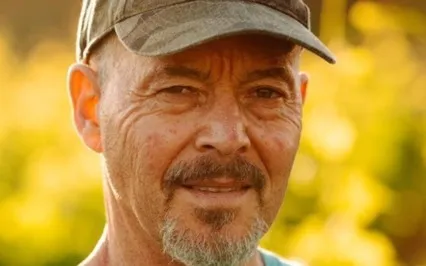
My name is Barry Zwaristine and you are listening to the Post-Military Transitioning Challenges talks.
I am a combat veteran,
Psychologist and author with over 20 years of sitting with veterans and current serving.
The PMTC talks can support you to achieve a successful navigation into civilian territory.
The core mission of my talks is that no veteran should ever have to come home to die.
Hi thanks for taking time to connect with me.
Wherever you currently are,
I hope that life is treating you all well and that these talks are in some way contributing positively to how you are managing your transition process.
Just a reminder that if you feel these talks are benefiting you,
Please follow my profile.
You'll then be notified as I complete ongoing talks and meditations.
At the end of the talk,
Please take time to rate and comment as this supports me to move forward with my vision and service to veterans.
Also remember that Insight Timer is a free app to download.
In the last episode,
I created a breathing mindfulness experience to support you to manage your stress.
I'm looking forward to sharing more tools,
Strategies and processes that can support you forwards.
Everything I share,
I have tried and used over many years.
In today's talk,
I thought that we could explore the beginning processes in forming your map from the point of identifying the strengths and challenges you may face with your own internal territory.
This talk will invite you to become self-reflective and scan your internal map.
Today's talk is really going to invite you to do a lot more work than I do the talking.
As I say,
There can be no progress without any effort,
So here's a good opportunity to put in some effort if it fits.
If it doesn't,
Just skip through it or just do it piecemeal and come back to it as needed.
I'd invite you to take time to pause each question to allow you to reflect.
You may want to use a journal to document your own journey over the course of these talks.
If you have the book,
There are spaces for you to reflect and document your thoughts and observations.
See how you go and it'd be great if you'd choose to keep me updated.
Remember that how you navigate forward will be supported by the time you are willing to give to understand your territory.
Feel free to step away from this talk as needed.
It does demand time to self-reflect and map out your responses.
It can feel like work,
But remember that,
As I said,
A successful transition really does require a strong foundation to rest on.
So let's begin with a self-reflective exercise as this will form the foundational awareness and your internal and relational map for you to navigate forward with.
I'd like you to join me in reflecting on what I created,
Which I call the warrior acronym.
So the first one is W,
Which is I label,
What is your will to change?
Now I'm going to move into a series of self-reflective questions.
So as I finish each question,
You're free just to continue listening and see what comes up as you process through listening or what you can do is just pause this,
Take out your journal,
Write some responses.
That I'm going to leave up to you to see what works.
I'll pause for three seconds after each question.
So it just gives you time to switch off and then come back on.
Okay,
First question,
Number one is how serious are you about wanting to create change?
Number two,
What can you identify inside yourself that could impact on your progress forward?
Number three,
What are the external factors around you that could impact your progress forward?
Number four,
In what way is your goal aligned with your core values?
Are there any tensions or contradictions that you need to be aware of?
Number five,
What are the costs to yourself and others around you in creating this change?
Number six,
What are you willing to do to deal with the costs and how would this look?
Number seven,
What are you currently tolerating that requires changing for you to progress forward?
Number eight,
What is the strength of your intent to create this change?
And number nine,
How has the strength of your will endured in the face of adversity in the past?
Next letter in the acronym is A and this I call what is your ability to adjust and adapt?
And the questions following invite you to explore what your ability is like,
What your internal territory is like to adjust and adapt to challenges.
Question one,
What factors,
Challenges and situations may you need to adjust and adapt to as you begin this journey?
Number two,
What are your strengths and habits that you can draw on from where you currently are and who you are?
Number three,
In what ways could this impact on you?
Number four,
What would you need to put in place to ensure effective adaptation?
Number five,
What would be the first three challenges facing you?
Number six,
What would you do as the first step in progressing towards and meeting your goal?
Number seven,
How do you plan on sustaining a positive and constructive forward momentum?
Number eight,
How do you cope when frustrated or angry with others and situations?
Number nine,
What would you need to work on that could negatively impact your transition to civilian life?
And number 10,
What can you identify within yourself that can impede your ability to progress forward effectively and flexibly?
Next letter,
Are we going to explore,
Are you going to self-reflect on what your respect for others and yourself is like?
Okay,
Let's go.
Number one,
Identify your core strengths.
Number two,
What could impact you adjusting to civilian mindsets both personally and professionally?
Number three,
What may your challenges be in adapting to others who do not hold the same or conflicting values?
Number four,
List qualities you value in civilians.
Number five,
List qualities that frustrate you with civilians.
Number six,
What do you feel you would be losing in your transition from warrior to civilian?
Number seven,
Why would you be losing these?
Number eight,
In what ways could you reclaim these?
Number nine,
List your personal qualities that could negatively impact others in the process,
Things like impatience,
Intolerance,
Et cetera.
Number 10,
What are you willing to do to understand and resolve these issues?
Okay,
Next acronym letter,
We're going to explore what is your responsibility to yourself like?
Number one,
What can you identify that will support you to self-care and effectively pace yourself?
Number two,
What are you currently tending to neglect regarding self-care and wellbeing?
Number three,
What can you put in place to resolve this?
Number four,
What aspects of your warrior may impact your ability to pace yourself?
Remember,
Transitioning to civilian life,
Although sharing many qualities of the challenges you have faced in the military,
Certainly does not need to become a personal hell-wick.
And number five,
How may external challenges impact your being able to remain coherent and motivated?
And here I want you to remember that civilian life and those in it are not necessarily going to treat you any differently because of your status and skill when you were in the military.
Okay,
Next acronym letter and warrior is what is your integrity like?
So let's go through these.
Number one,
What are your core values and habits?
Number two,
What are the core values and habits that you expect from civilians and are these realistic?
Number three,
What are you currently not respecting about yourself right now?
Number four,
How do you cope with those that hold values that conflict with yours?
Number five,
What do you need to identify within yourself and learn from to adjust your behaviours towards others?
Number six,
What comes up for you when you think about being just another person in the job competition line-up?
And number seven,
What thoughts and feelings come up about the possibility that your background,
Skill set and experience may not be sufficient to define who you are now and need to be and adjust to as you transition into civilian life?
Next acronym letter,
O,
And we're going to look at how observant rather than reactive are you,
Which for me is quite a critical one in my experience of working with veterans.
So question number one,
How do you react to situations that do not meet your expectations?
Number two,
How do you react to others that do not meet your expectations?
Number three,
What do you need to identify to manage these situations and others more effectively?
Number four,
In the past,
How have you behaved in non-military environments?
Number five,
Can you list any behaviours that have negatively impacted your non-military relationships?
And these relationships I refer to could be friends,
Wife,
Siblings or children.
And number six,
What do you plan to do to resolve these issues to ensure your ability to observe and communicate rather than react?
And finally,
We have R and here we're going to look at how willing you are to repair negative relationships with others and yourself.
So number one,
In your transition to civilian life,
What are possible factors that could trigger you?
Number two,
How have you reacted in the past when in similar territory?
Number three,
What will be challenging for you to adjust and adapt to?
Number four,
What do you feel you can do to manage this?
Number five,
What might you require support and mentoring for?
Number six,
Whom can you identify that can support you with this?
Number seven,
If necessary,
Are you willing to get support and if not,
Why not?
Number eight,
What current relationships do you need to repair?
And number nine,
Can you identify your 50% that maintains the issue and can you list these?
Okay,
That was a bit,
That was a lot.
Big call on you guys to do a bit of work here,
But it's great and at the moment,
If you need to take a bit of a break,
Just stop the recording,
Take a break,
Don't sweat it,
Come back,
I'll be here on your return.
Okay,
What may help you to begin this journey is to really work on creating a map of your territory.
This is something that I've used a lot and it does help a great deal within the transitioning process.
So what I'd like you to do is get a page and you divide that page into three columns.
The first column is going to represent territory you are very familiar with and resolved about working on.
So effectively these are areas that you have targeted,
Managed and dealt with.
So no issues there at all.
In the second column,
You could label this one work in progress and this column would identify things that you are currently working on that are still on the way to being resolved.
So these could be things like personal fitness and lifestyle balance,
Stress or relationships.
You may be dealing with these alone or with appropriate support.
You could keep track of your consistency,
Commitment and effort and note what is working and getting in the way.
Now hopefully in time as you begin to progress through your transitional territory,
You're going to move some of these column two items to column one once you've resolved them.
Finally,
Column three contains what I call the big ones,
The things you don't want to approach for whatever reason.
Now examples of these could be alcohol use or traumatic memories.
This bit of territory is really unlikely to be resolved by your effort alone or even for that matter these talks.
You are more than likely to require professional support with this one.
As I noted earlier,
Avoidance is often a vital issue here.
The challenge is that these areas are not just going to go away independently.
They can have a profound effect on your healing and on your progress.
I believe and consistent with a lot of the skill sets in military territory and adjusting and in your training is that creating your map,
Identifying your map,
Orientating your map and ensuring that your map is consistent with the terrain on the ground,
That this map can help direct you forward as you progress through these talks.
Before undertaking change or transitioning to new territory,
As I said,
The core challenge and requirement is to map out your journey and ensure that your internal compass is in good working order.
Again,
I want to put it out there to you that I really encourage you to take time to think about these reflective questions.
Be honest with yourself and if it helps,
As I said,
Make a few notes.
You may choose to skip over this talk,
But at the end of the day,
You know,
Reading a book or listening to some talks is simply not enough.
It's like saying that if you just read your driver's license book,
You're going to be able to drive a vehicle.
At some point,
You've got to be able to put your feet on the ground.
You've got to be willing to get down there,
Dusty and dirty.
And as I said,
This translates into using this talk to map out your territory.
I really hope this helps you guys and that it provides some support for navigating forward.
Please remember,
Send me some questions if you wish to,
I'll always get back to you.
So thank you and goodbye.
Wish you an amazing and a good day ahead of you and hope that you're all keeping well.
Take care.
Go you