Music Hello and welcome to Amanda's Wellbeing Podcast five minute food facts series.
A series where I bring you short podcast episodes about nutrition related topics.
I'm Amanda Hayes your host,
A lawyer turned nutritionist with a passion for well-being.
I decided to do this five minute food facts series because there is so much conflicting information available about food and various diets.
Some of it is credible and some of it is not.
It can be time-consuming not to mention confusing to try and sift through the noise and get to the heart of the matter.
In this series I will do all of that for you and present factual reliable information in a concise and easy to understand way.
The content of my five minute food facts series is for information purposes only.
And it's not intended to be a substitute for advice from your own health professional.
Today I will be talking about protein for vegetarians and vegans.
It is the third in my four part series all about protein.
In the first episode I did an overview of protein.
In the second I looked at protein intake for athletes.
And in the next episode after this one I'll look at protein intake and people over 40 plus the role of protein in healing from injury and trauma.
Just a very brief recap.
In episode one I looked at what protein is.
So it's made up of chains of amino acids.
There are 20 amino acids,
Nine of which are considered essential.
This means that we need to consume them in our diet because the human body can't synthesize those essential amino acids itself.
I also looked at the numerous roles of protein in the body,
Protein turnover and how proteins are synthesized and how much protein we need.
So I won't go over any of that again here.
However I will recap what protein quality means because it's very important for vegetarians and vegans to appreciate that.
Protein is often referred to according to its quality or biological value.
This relates to its amino acid composition and digestibility.
Digestibility means the amount of protein absorbed from a given intake.
And for animal protein that's 90 to 99 percent.
Whereas for plant protein it's more like 70 to 90 percent.
A high quality protein refers to a dietary protein containing all the essential amino acids in relatively the same amounts as humans require them.
Animal foods are high quality proteins and this is not a moral descriptor at all.
Plant proteins by contrast tend to lack one or more of the essential amino acids.
And remember that if one essential amino acid is lacking protein synthesis is impaired.
However what I do want to emphasize in this episode is that you can get all the essential amino acids you need.
In other words all the protein you need on a plant based diet.
The American Dietetic Association says,
It is the position of the American Dietetic Association that appropriately planned vegetarian diets including total vegetarian or vegan diets are healthful,
Nutritionally adequate and may provide health benefits in the prevention and treatment of certain diseases.
Similarly Dietitians Australia agrees and says on their website,
Vegetarian diets can be really healthy but they need to be carefully planned to make sure all the nutrients you need to be healthy are included.
We have some good examples of plant based athletes out there who demonstrate that well planned vegetarian or vegan diets support their performance.
And Scott Durek and Rich Roll are the ones that come to my mind.
It used to be believed that vegetarians needed to combine various plant sourced proteins in such a way as to cover all the essential amino acids at every meal.
An example of this is grains are low in the essential amino acid lysine but legumes are high in lysine so combining them would provide you with all the amino acids you would need.
As our understanding of protein metabolism has improved,
The accepted position now is that plant sources of protein spread throughout the day will ensure that all essential amino acids are covered.
The key really is to include a variety of sources of protein.
So then what are the sources of protein for vegetarians and vegans?
For lacto-ovo vegetarians,
Cheese,
Greek yogurt and egg are all excellent sources of complete protein.
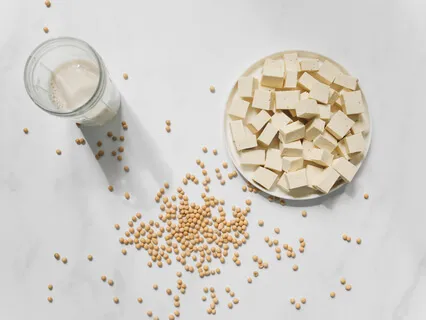
Some good plant based sources of protein include soy products like tofu,
Temper and endomame,
Quinoa and chia seeds.
And all of those that I just mentioned are complete sources of protein.
But because as I previously mentioned they are plant sources not animal sources they are not as bioavailable.
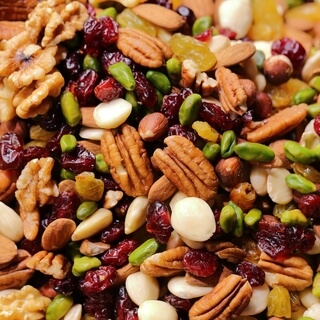
Other good sources are nuts and seeds like almonds and sunflower seeds,
Lentils,
Beans like kidney beans,
Black beans and chickpeas.
So there are numerous reasons why people choose to follow a plant based diet and one of those might be for the health benefits.
A well balanced vegetarian or vegan diet is generally rich in dietary fibre,
Antioxidants,
Vitamins and minerals all of which have associated health benefits.
To find out more about those things check out my 5 minute food fact podcast on those topics.
A well balanced vegetarian or vegan diet is also associated with a reduced risk of some chronic diseases including obesity,
Coronary heart disease,
High blood pressure,
Diabetes and some types of cancer.
It is also important to note here that in general vegetarians tend to exhibit other healthy lifestyle choices such as not smoking and being physically active.
All of which together contribute to the lower risk of chronic disease.
It is of course entirely possible to eat a very unhealthy vegetarian or vegan diet full of high sugar,
Low fibre processed foods.
It's also worth noting that there are some nutrients to which vegetarians and vegans need to pay particular attention to ensure that they obtain enough of them.
I'll only touch very briefly on this because this episode is about protein and I'll do separate episodes on the following.
They include iron.
The type of iron contained in plant foods is known as non-heme iron.
It is less easily absorbed and utilised by the body.
So plant sources of protein are best consumed together with vitamin C rich foods like capsicum because the vitamin C aids the absorption of iron.
B12 is another one because this is available from animal sources only.
So vegans in particular need to eat foods that are fortified with B12 or consult with a health professional about taking B12 supplements.
Calcium,
The main source of which is from dairy foods.
So again for vegans who do not eat dairy,
Calcium rich foods like fortified tofu and almonds are important.
Another one is long chain omega 3 fats which come from marine sources like oily fish.
These are important for our brain health.
Vegetable sources of omega 3 like flax seed and walnuts have slightly shorter chains and the body does not convert these well to the longer chain omega 3s we need.
I mention this because it's something to be aware of and to speak with a qualified dietician or clinical nutritionist about.
And just to sum up,
No matter what dietary pattern you choose to follow,
The best,
Healthiest way to approach protein consumption is to spread it out over the day.
I would also say that for plant based eaters,
Including a variety of sources is vital to ensure you're consuming all the essential amino acids.
And do your homework.
Understand the different sources of plant based proteins.
Thank you for listening.
Although that was brief,
I hope there was something useful for you in that podcast.
Eat well,
Move well,
Think well and have a wonderful day.