So,
I thought to myself,
Okay,
I'm going to give up pleasure.
And then I thought to myself,
How can I give up pleasure?
I'm not in charge of it.
Sometimes pleasure just happens,
Whether I want it to or not.
How can I give something like that up?
And then I read another book and the book said,
No,
You don't give up pleasure,
You give up your attachment to pleasure and your aversion to pain.
You figure out how to do that,
Then you can go into the deeper level.
Hey everybody,
Welcome to episode 24 of Contemplate This.
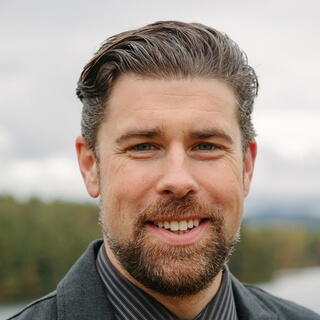
I'm your host,
Tom Buschlach,
Thanks for tuning in.
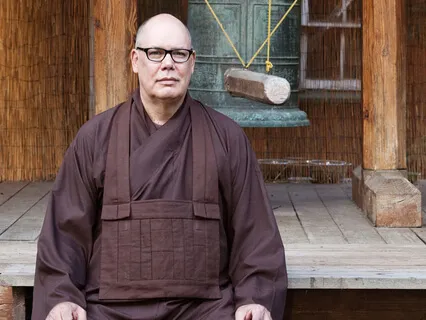
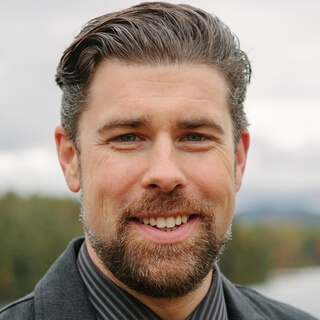
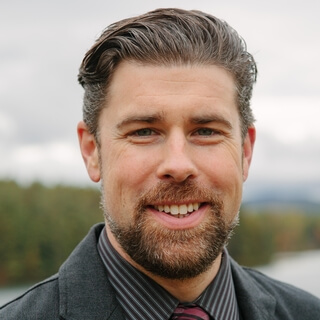
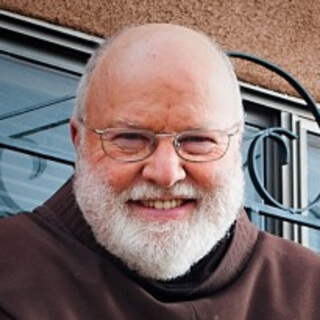
This interview is with the Venerable Kussula Bhikshu,
An American-born monk ordained in the Zen tradition of Vietnam and head monk at the International Buddhist Meditation Center in the Koreatown section in Los Angeles.
Kussula is a member of the Buddhist-Roman Catholic Dialogue of Los Angeles and MID,
Or Monastic Interreligious Dialogue,
A national organization of Buddhists and Catholics.
I was introduced to Kussula through Father William Skudlarek,
Who is a Benedictine monk at St.
John's Abbey and has been very active in interreligious and intermonastic dialogue.
Now if you listen all the way to the end,
You will hear that I did something I've never quite done before.
After we recorded the interview,
I went back to Kussula and asked him to clarify something that he mentions about the spiritual significance of relationships during our interview.
With his permission,
I've added our brief email exchange at the end of the show.
You can find the show notes page along with links to Kussula's website and more information about Buddhist-Catholic monastic dialogue at thomasjbushlack.
Com forward slash episode 24.
That's episode 2-4 with no spaces.
I'm always grateful if you can leave a written review on Apple Podcasts or wherever you download or stream Contemplate This,
And you can make a free will donation to support the show right at the bottom of the show notes page.
Finally,
As I've mentioned in recent shows,
There is a brand new site at centeringforwisdom.
Com it's all one word with no spaces centeringforwisdom.
Com where you can sign up and download my free ebook on how to start practicing centering for wisdom along with another free bonus gift.
Centering for wisdom is all about learning how to harness the power of your daily contemplative practice in order to stay in tune with your inner core of goodness and wisdom and then to channel that energy into wise decision making.
The full website will be coming soon and it will also feature the centering for wisdom assessment and more resources to help you deepen your contemplative practice and apply it in your work and professional life and relationships and everyday life.
Okay,
With that intro,
Let's get right into my interview with Koussoula Bikchou.
Welcome everybody.
I'm here with Koussoula Bikchou who has agreed to be on the show very kindly.
Thanks for being here.
You're welcome.
And why don't you start just by introducing listeners out there to yourself and where you are in the world and how we came to connect.
Okay.
Yeah,
I'm an American Buddhist monk,
Which is sort of an oddity,
Ordained in 1994 in the Vietnamese Zen tradition.
And I found myself wanting to follow the Theravada tradition of achieving nirvana in the beginning because my primary Dharma teacher was a Theravada monk,
An elder.
And yet somehow the phone kept ringing asking me to be of service in the community.
Can you do this?
Can you do that?
And so for the past 20 years,
I've been very involved in community service and trying to be useful to reduce suffering in the world.
I live in a small meditation center in the Koreatown section of Los Angeles and started coming here in 1978 to meditate,
Never thinking I would in 1993 move in and 1994 get ordained and then 2020 get old.
But there you go.
Sometimes life has charted your course already.
You just don't know it.
And we just show up and say yes,
Ideally.
We just show up and say yes.
Although many of us have to say no a lot before we finally say yes.
It takes a while.
True.
True.
So for the listeners who might not be familiar with some of these traditions,
Can you say a little bit about when you talk about Vietnamese Zen monastery,
Theravada versus Mahayana.
Thank you.
I blanked for a second.
Yeah.
Kind of explain that difference a little bit.
Sure.
Sure.
There are three main schools of Buddhism in the world today.
Theravada,
Doctrine of the elders,
Mahayana,
The great vehicle,
Vajrayana,
Which is thought of as being Tibetan Buddhism,
And that's the diamond vehicle.
So I've come to understand that the early Buddhist tradition reminds me of the Catholics,
That they,
The more orthodox approach to liberation in the end of suffering.
And then around the first century,
The Mahayana arose in the world.
I think of them as the Protestants and the Mahayana said,
All you guys do is think about yourself.
You know,
The idea is to think about everybody else first.
So they went from being wanting to be an arhant to wanting to be a bodhisattva,
One who postpones their own liberation until all others have achieved theirs.
And then in the Vajrayana,
The Tibetan tradition,
They've integrated early Buddhism,
Later Buddhism,
Nirvana,
And a little mystical,
Schmistical with the bond religion and come up with a very unique way of approaching enlightenment,
Nirvana and liberation.
So my main Dharma teacher came from the Theravada tradition,
Even though I'm ordained in the Mahayana tradition.
So I think of myself as dressing like a Protestant and thinking like a Catholic.
Wow.
And it confuses everybody.
Yeah.
But that seems to work for me.
And I think in America,
You know,
It's a melting pot.
We just sort of,
You know,
Find out what works for us.
And ironically,
The thing that works for us keeps changing because we are and the situations are.
And so I now have a stronger feeling for the Mahayana tradition and the idea of compassionate activity.
You know,
Loving kindness and compassionate activity is a way of working in the world.
So being of service,
I spent a year at Central Juvenile Hall for men,
Five years at Central,
Pardon me,
One year California State Prison for men,
Five years Central Juvenile Hall,
Downtown Los Angeles,
Seven years with the police department in Garden Grove,
And over 10 years at UCLA on the spiritual care committee and getting a chance to see all the different ways people suffer.
And so my job was really,
At first I thought it was,
Well,
I'm going to help everybody and I'm going to make a difference.
And then after a few years,
It was,
I'm going to show up and see what happens because I realized that going in thinking you're going to save the world,
You're opening yourself up for defeat.
The world can't be saved,
But the people in it can and you can.
And so it's a real shift of focus and understanding occurred as I continued to fail at helping everybody in the world,
Including myself.
So it was challenging,
But in Buddhism,
You know,
It's okay to fail because that's how eventually you succeed.
If you fail enough times,
You figure out what doesn't work and then all that's left is what does.
And so that's what I've been working on for 25 years.
Wow.
Yeah.
Yeah.
So the Vietnamese Zen tradition,
I'm sorry if I missed that.
Does that fall under Mahayana?
Okay.
It does fall into Mahayana.
There's Japanese Zen,
There's Chinese Chan,
There's Korean Song,
And there's Vietnamese Tien.
And the word Tien and Zen and Song,
That means meditation.
So this is the meditation school of Mahayana Buddhism in Vietnam.
The person that founded this center that I live in was ordained in came to the States in around 1966 to teach at UCLA.
And his students were so interested in what he had to say that they encouraged him to open up a center.
So the center where I live now,
International Buddhist Meditation Center,
Was founded in 1970 and it was celebrating 50 years this year.
And we're really excited about that fact.
Because it's hard for Buddhist centers to succeed in any way because we don't generally have the support.
And there are a lot of Dharma teachers,
The secular Buddhists out there teaching the Dharma.
So there has to be a reason for people to come to a religious center to hear the Dharma rather than a secular center.
But somehow we figured it out.
And what our founders said,
I'm thinking,
I never heard him say it,
I never actually met him.
He died in 1980 from cancer.
But he decided it was best to have a residential program here because he realized Americans might not donate to the center,
But they would pay rent.
And so we've been alive and well and meeting all our bills because we have a little over 20 people right now living here and paying rent.
And then the next question is,
Are they all Buddhist?
And none of them are Buddhist.
But our prices are good.
They get a backyard,
They get cats,
They share a bathroom and a kitchen.
And when they close their door on their room,
That's their space,
So they're not interrupted.
And that seems to be a good working model in Los Angeles where $1500 to $2000 is the cost of a one bedroom apartment.
It's just incredible how expensive it is.
And we're like this little oasis in the middle of urban plight.
Here we are meditating and we have a bell tower and we're quiet.
We don't shoot guns.
There's parking available.
So it's an interesting dichotomy.
Just leaving the center and going out into Los Angeles.
Because after a while,
Los Angeles is chaos and we're sanity.
And I never realized that until I lived here because when I used to visit here as a student,
I always thought it's pretty odd place for people to live.
They didn't talk very much and they never wore good clothes.
And I'm thinking,
What's wrong with them?
And now I realized that they were on the right path and I was a bit confused.
I love that awakening that can happen.
If I had encountered something like that in my 20s,
I probably would have rented a room from you.
I would have loved it.
Yeah.
Now see,
I wasn't ready in my 20s.
I came to religion at the age of 28.
I woke up one day and realized I was going to die.
Now I don't know why that epiphany occurred that day and what triggered it.
But I had been a Lutheran when I lived at home as a child.
And when I went to high school,
I became an agnostic because it was cool to question authority and not trust anyone over 30.
And so I just followed that.
I think,
Yeah,
It makes perfect sense to me.
So I sort of became an agnostic that didn't really have to defend or describe a religious path.
And then at 28,
It all collapsed because I realized I only had two years to go until I was 30 and I was on the other side and I'd be dead soon because people over 30 die quickly.
So I said I should get a religion because people with a religion seem to die better than people who don't have one.
And I bought a book by Houston Smith called Religions of the World.
And I read that chapter on Buddhism twice and said I'm going to be a Buddhist because that makes the most sense intellectually.
And I found this meditation center in the phone book in the yellow pages when we had phones and had yellow pages and just started coming here and realized the Dharma spoke loudly to me.
But the practice of meditation was just a big pain in the butt because you sit quietly for hours and do nothing.
And I wasn't used to that and I didn't know how to do it.
And it was really little instruction at the time on what I was supposed to do.
And so but I continued to come because we had a wonderful Dharma teacher called Shinzen Young who was an American who went to going to UCLA.
He went to Japan to study Japanese and became ordained as a Shingon monk.
So his whole world just turned upside down.
And when he came back to the States he moved in here as a resident monk and eventually became the vice abbot of the place.
And that's where I met him.
And he was my introduction to Buddhism.
And I have to say that that was probably what can help me continue to be a Buddhist is he understood the culture of America.
He was an English as a first language speaker.
And the subtle questions could be answered with subtle answers.
I could ask him all these things.
And if he had been a non-English speaker I wouldn't have gotten the quality of the answer I don't think.
So I think in America there's a great need for American Buddhist monks and nuns because it's where they live.
It's where they were brought up.
And the Asians over here are fantastic missionary monks.
They're bringing the religion to us.
But we're never going to be a Vietnamese Buddhist or Sri Lankan Buddhist or Chinese Buddhist.
We're going to have to be an American Buddhist.
Some of the American Buddhists like Christmas trees.
So we just went through Christmas and they had the Christmas trees and little presents.
And I'm thinking are you a Buddhist?
They go yeah.
What's wrong with having a Christmas tree?
It's not necessarily religious anymore.
It's a very secular experience of giving and sharing and enjoying the holiday.
And so those things make more and more sense now.
The sort of integration of our cultural norms and our religious practice and finding a way to make it all work and feel comfortable because ultimately in Buddhism you're going to have to leave even Buddhism behind if you truly want liberation.
And so until you're ready you know you're going to have to it's going to be paradoxical.
And I find the greatest truth is always paradoxical.
I posted something on Facebook today about not being anybody because as soon as you identify yourself as someone then you suffer.
And then I posted something I'm already against the war.
And so interesting dichotomy there.
And a woman said well how can you post both those things because they seem opposed.
How can you post one thing this way and one thing the other way and expect us to think that they're both truth.
And the only answer I could come up with was I'm not a Buddha yet.
So you know so to me it made perfect sense not to have the war,
Not to be somebody.
And those two things can work together I suppose.
But so it took me a long time to let go of that rigid idea of what I was supposed to be,
What I was supposed to do.
Took a long time to sort of relax into the process of my religious path,
My moral practice,
My meditation practice,
And my wisdom practice.
So I'm curious to unpack that last piece you just said.
It kind of ties to another question I've been thinking about.
You talk about the moral practice,
The meditation practice.
Was that what was the three again and was the last one?
And the wisdom practice.
Oh yeah.
Yeah.
And I was also thinking that you mentioned early on that you were drawn to the like Buddhism made sense to you as a system of thought and that the meditation was a little more difficult.
So what yeah can you remember what it was that really captured you about Buddhist teaching and then that might lead into those three practices?
Oh absolutely.
I think the thing that I found so fascinating about the Dharma,
The teachings of the Buddha,
Was that it was applicable to everyday life.
It was simply how to be a better human being.
And when you figure out how to live better,
You can figure out how to die well.
So those two things are connected in a very unusual way,
But in obvious way after a few years of meditation.
So I couldn't start,
I didn't understand the Dharma right off the bat,
But I understood the essence of the Dharma.
And I bought some books,
Not the direct teachings of the Buddha,
But about people that went to meditation centers and how they experienced it.
Because I couldn't read like for instance the Dhammapada,
Which is a very famous Buddhist text and understand that right off the bat it was just a little too complex.
So in reading about how other people understood the Dhammapada or the teachings of the Buddha,
That gave me a little more insight into the teachings of the Buddha.
And then I decided to buy some commentaries,
Commentaries on what the Buddha talked about.
So I went to the commentaries and found those to be very useful because there was a lot of explanations and a lot of stories that went into explaining what the Buddha meant.
And then eventually I actually read some of the Buddhist suttas translated in English and found that yeah,
They do make sense.
And I needed all that preparatory work in order to get to the place where I could read the sutras.
And then I found something so significant it changed the direction of my practice that in all the Buddha's teachings there is a thread that goes through every sutra.
And if you can find the thread you can understand the sutras.
And I found the thread.
But I can't tell you what the thread is.
I knew you were going to say that.
And that would ruin it for everybody.
But it's there and they often talk about it and it becomes it's well hidden but it's there.
And the word sutra is taken from or the word sutra,
The teachings of the Buddha,
Sutra and suture.
Suture comes from the word sutra.
So the thread.
And then I just went,
Wow,
How cool is that?
But basically if you want to just a quick sound by what the Dharma is,
The Dharma is only about two things.
Number one,
Why do we suffer?
Number two,
How to end our suffering.
That's it.
There are sutras like how the world started but they're not really important Buddhist sutras.
How the world's going to end and not really important Buddhist sutras.
How we suffer,
The most important aspect of Buddhism.
That's took me a such a long time because when I came to Buddhism I thought my life was great.
And after staying in Buddhism for a year or so I realized my life sucked.
So they had to convince me that it wasn't as good as I thought it was because I was deluded and ignorant and misinterpreting the world.
But once I started to work on how to end suffering then the suffering part was even made more sense,
Was even clearer.
And so why we suffer,
How to end our suffering.
That's what it's all about.
Yeah and I have to say as a non-Buddhist myself who has done some reading and dialogue with Buddhists,
That's one of the things I appreciate most about the Dharma is the,
I don't know it's scientific but not in the word we typically use the word scientific,
Understanding of how we create our own suffering and coming to see that clearly and allowing that illusion to fall away.
That's been very helpful.
Yeah absolutely.
It's an analysis of the human condition and people say well what is Buddhism,
Who is Buddhism designed to help?
And I say humans.
It won't help your dog and it won't help your cat but it will help you,
The humans because the humans have a significant problem.
They're not born in original sin like some traditions talk about.
They're born in original ignorance and so what we need to do is change the ignorance into wisdom and that's the process that starts to occur and you get deeper and deeper insights into the true nature of what it means to be human and unfortunately it doesn't turn out to be a party.
It doesn't turn out to be oh I feel so good about seeing all this for the first time.
It's a little depressing and a little disconcerting that we keep doing it to ourselves over and over and over again and people say what have we learned from our past mistakes?
I'm of the opinion that we can't,
That we keep repeating them over and over and over again for some odd reason and so some of the wisest people I've ever seen and had a chance to look into their eyes,
There's a certain underlying sadness because they've seen the true nature of human life but as a Buddhist we realize we can't change the world.
It's just far too complicated and we don't live long enough to do that but we can change the way we experience the world and I think that's the most important aspect of it.
I'm trying to change the way I experience the world and that makes the world a better place for me and if I can help others change the way they experience the world it can be a better place for them.
I don't know where I heard this but I've heard the phrase when you see pictures of the Buddha kind of sitting with this half smile of contentedness.
I've heard that called the smile of unbearable compassion.
Yeah.
Which is kind of speaks to what you're saying.
It's a compassion and a smile that's born not of hey everything's great but a total acceptance of all of it,
Warts and all,
And an openness and a willingness to remain present to that.
Yeah,
Yeah and the meditation practice helps us remain present in that moment of great suffering that we can come to a place of profound acceptance of the way things are and rather than cry out in pain and suffering we can be of service.
We can help others suffer less.
So you know oftentimes Buddhists get a bad rap because we don't look like we're engaged in the world.
We look like we're just sort of sitting quietly and disconnected and everything's great but the thing that happens,
The remarkable thing that happens in Mahayana Buddhism which I call enlightenment experience is that at some moment in our practice we become aware of the fact that we are interconnected and interdependent with all phenomena and that doesn't give us any place to go.
We can't hide from it any longer and so our response would be compassion and activity and our intention would be loving kindness and that reduces the suffering in ourselves and others as well.
So it's a remarkable change of perspective that occurs given enough time in practice that you start to see it that way but you can't run away and you can't hide and that's when the smile,
That little half smile comes.
It's your snook and there's nothing you can do except make everybody else a little bit better.
Yeah,
Yeah.
Oh,
I lost my thought.
I had a good one too.
Oh,
You were listening carefully then.
I actually was,
Yeah.
Oh,
I know what it was.
You talked earlier about how the meditation practice itself was very difficult but that so what changed or what switched that enabled you to embrace the practice itself?
Yeah,
Let me explain a little bit about my practice and how it started and where I am now.
So I started with breath counting.
They said,
Okay,
All you got to do is sit on the floor and count your breath,
One to ten,
Ten to one.
Don't count it out loud,
Just count it to yourself,
One to ten,
Ten to one.
That means you're meditating.
If you lose your place,
You got to go back to one.
If you have a thought,
You got to go back to one.
So in the first year of practice,
It was going back to one.
That's what I called my practice.
I'm going back to one.
And so for a half hour,
I just kept losing it.
I didn't have enough strength of focus to stay on my breath on the meditation object.
And also I had great physical pain because I had been working out in the gym and I was a little stiff and the muscles were a little tense and to sit quietly on the floor in a gym,
I thought the idea was to tough it out,
That I've been to the gym,
I can do this.
It's just sitting quietly,
No problem.
And it was the biggest problem that I ever had because I couldn't do it.
It was just too much.
And at some point I realized what I needed to do was surrender.
I needed to physically surrender to the process of sitting.
I said,
Okay.
And when that occurred,
It really set me free from a lot of pain,
But the pain was still there.
It just wasn't as severe as it was before.
Breath counting.
I breath counted for two years.
Now that sounds like an awfully long time to count your breath,
But it took me about two years to be able to do it flawlessly without being distracted or disgusted with myself for not doing it.
So after two years,
I decided I'm going to go to the advanced practice of just the sensation of breath without counting because counting is a concept.
Counting stimulates the mind to think even more.
If I can simply be with a sensation of breath and not count,
Then I should be more peaceful theoretically.
Well,
It works for a while,
But you know,
After a while,
Just a sensation of breath doesn't really keep your attention because it's so subtle and it's always changing and sometimes it feels like it's going to go away and then sometimes it feels like you have asthma and can't breathe at all.
And so I would struggle,
But then something happened.
I read something somewhere and that's what usually happens in my practice is I don't go out seeking things,
But things just become known to me.
So I was reading a book and it said,
You know,
When you're concentrating on the sensation of breath,
You're concentrating on a present moment experience that's only happening now.
And if you want a doorway into the present moment experience of your life,
Just stick with a sensation.
So I said,
Yeah,
That's it.
The sensation is the doorway to my life and it's always right now.
And then I thought about in the old days when they say,
If you don't think it's true,
Just pinch yourself.
And if you feel the pinch,
Then you know it's happening.
And that's what the sensation of breath was sort of like for me.
But there was another level.
I read some more books and there was another level.
And the next level is the representation of breath,
Which is beyond the sensation of breath.
And so there's an internal representation of breath.
And I thought,
Wow,
That is so cool.
I had no idea.
And there was a book that,
Download for free from my website called the Vasudha Magga,
The Path of Purification.
It's 900 pages and it's a fifth century meditation manual.
It's really boring to read,
But there are certain little chapters and paragraphs that can be very helpful.
So one of the things was to try to see the representation of breath.
Try to see the internal representation of breath.
And I thought to myself,
How am I going to see it?
My eyes only look out.
How can I see something that's happening on the inside?
And then I read something else and it was about flash photography.
And in the old days,
When you had flash photography and flash bulbs,
They would take your picture.
You could close your eyes and you could still see the flash.
And that image,
That after image floated in there for a little while and then finally went away.
And I thought to myself,
Maybe that's how it is.
Maybe if I squeeze my eyelids really tightly and create those little points of light,
Those little firefly things,
And I'll just focus on those and I'll just watch those until they go away and that'll give me a doorway into my internal vision.
And so I did that.
I would sit and I'd squeeze my eyelids and I'd wait for something to happen.
After a while you start to see stuff.
And so in the Vasudha Magga,
They say sometimes the representation of breath looks like balls of cotton.
Sometimes it looks like points of light.
Sometimes it looks like lava flows with different colors.
But there's always something going on.
And then I found out about the four jhanas.
Okay.
And the jhanas are these deep states of tranquility that you can achieve through meditation.
And the first jhana has five characteristics,
Applied thought,
Sustained thought,
Happiness,
Bliss,
And equanimity.
So I said,
Okay,
I'm going to go for the jhanas now.
I've started to see what it's like to look at the jhanas.
Now I want to go deep into jhanic meditation.
So the first jhana was applied thought,
Sustained thought,
Happiness,
Bliss,
And equanimity.
The second jhana,
You got rid of applied thought and sustained thought because your mind simply rested on the object of meditation.
You had a greater sense of pleasure,
A greater sense of happiness,
And a greater sense of equanimity.
And then I said to myself,
If I'm going to go deeper,
I'm going to have to give something up because Buddhism is a path of renunciation.
And you don't gain anything in Buddhism.
You lose all the stuff that prevents you from already seeing your perfection.
So I thought to myself,
Okay,
I'm going to give up pleasure.
And then I thought to myself,
How can I give up pleasure?
I'm not in charge of it.
Sometimes pleasure just happens whether I wanted to or not.
How can I give something like that up?
And then I read another book and the book said,
No,
You don't give up pleasure.
You give up your attachment to pleasure and your aversion to pain.
You figure out how to do that,
Then you can go into the deeper level.
So I'm thinking about,
Okay,
Attachment to pleasure,
Aversion to pain.
Okay.
Now,
In meditation,
I hardly had any pleasure at all,
But I sure had a lot of pain.
So I said to myself,
Okay,
How can I give up my aversion to pain?
And then I thought,
Well,
Maybe I need to understand what pain is.
And pain is just a really strong sensation.
So if I label it sensation rather than pain,
I might have be able to work with it a little more intelligently.
So I have strong sensation and then the sensation goes away and then it gets a little weaker and sometimes it gets a little stronger and everything's changing,
Everything's vibratory.
So I was sort of able after a period of time to not have it affect me in a negative or positive way.
It was just a sensation that would arise,
Exist and pass away.
So I had another level to go.
I had to give up happiness now.
My attachment to happiness,
My aversion to sadness.
So I went through all those trials and tribulations and finally got to the place where that wasn't a problem any longer.
And then I had one characteristic left and that one characteristic left was equanimity,
Perfect balance of mind,
Neither right nor left.
And when you get to that place,
Nothing's a problem.
Everything is just the way it's supposed to be.
You add a super normal level of acceptance and it'd be nice to stay there all the time.
But as soon as the gong rings and you got to get off the cushion,
Get into your car,
Go on the 405 freeway,
Start yelling at people for cutting you off,
All of that really good stuff that you became aware of is just out the window and it's back to relative reality rather than ultimate reality.
So I did that for a couple of years.
It's very difficult.
I integrated some breathing practices in there as well to sort of stimulate the internal visions and I made great progress,
But it's a really difficult practice to continue for a long,
Long time.
So I said,
You know,
There must be another way to practice as I get older.
And then I found it.
I found it in my own Zen tradition and it's called Shikentaza,
Just sitting.
So now I just sit and stuff comes up and stuff goes away and stuff comes up and stuff goes away and I feel sort of like a pane of glass,
Sort of transparent and all this stuff just sort of goes right through me.
And it's rare now that I attach to any of this stuff and intellectualize it and sort of cluster thoughts around it.
It just arises,
Exists and pass away.
And in my neighborhood,
We have sirens and we have helicopters and we have gunshots and we have plenty of noise.
And so now it's just my eardrum vibrating.
And the associated concepts that come with that would be,
I wonder if that's a police helicopter or I wonder if the sirens are ambulance or fire engine and I wonder where they're going and all that,
Those little cluster of thoughts generally don't arise much.
It's just the eardrum vibrating.
Now I just sit quietly,
But it took me like years and years and years to go through all these exercises and investigations to just sit.
And it's probably one of the hardest things in beginning to do,
But one of the most pleasant things as your practice matures.
I like that your mind being sort of like a pane of glass.
One of the images that one of my teachers in the centering prayer world,
Thomas Keating,
Talks about,
And you maybe heard this in your Buddhist Catholic dialogue,
But he talks about like sitting on the edge of a river and watching the thoughts come by like little boats drifting on the river.
And if you're just watching them,
That's fine.
It's when you notice that you're starting to analyze them or wonder where they are,
Where they came from,
Or get in the boat and try to drive that it becomes,
That's when you're engaging your thoughts and engaging that rational mind as opposed to just the observer.
Yeah.
Yeah.
All of a sudden you see yourself in the boat and you go,
No,
No.
Yeah.
Yeah.
But I like that image of the pane of glass is sort of like the field of dependent arising out of which everything we experience externally or internally manifests,
But that doesn't mean it's real.
And it doesn't mean it's ours.
And that's one of the things that came through years of meditation was the fact that the mind is a wonderful tool,
But it's not a very good master.
It has too many priorities and too many preferences.
And so to make that mind a tool is a wonderful practice.
And the idea I found later was that you don't go beyond the mind.
You don't say,
I wish I didn't have a mind.
If I didn't think at all,
Then I would be just the perfect human being,
But you'd also need 24 hour care.
Yeah.
So you need to think.
I actually,
In some of my,
I talk about that when I do some workshops and I talk about how the brain is one of the most complex things on the planet,
Probably the most actually.
And it evolved to think.
And so if you totally are no longer thinking or engaging your mind,
You're probably dead at that point.
Probably dead.
Absolutely.
You know,
That's right.
So it's a funny joke that gives people permission to be like,
Well,
Okay,
I'm going to think a while,
But I don't have to engage that in the same way.
Yeah.
And I don't have to be the thoughts.
I can observe the thoughts,
You know,
And then if I have a good thought,
I can choose to act on it.
And if I have an unskillful thought,
I can choose not to act on it.
Yeah.
That's a very mature practice when you get there.
Yeah.
So one of the things that I'm very interested in is how that practice of just observing the thoughts and that bringing of equanimity into that experience unfolds into wisdom.
And you mentioned this before,
The moral,
The meditation and the wisdom practices or traditions.
So can you say a little bit about that experience?
Sure,
Let me start with the moral practice where people don't know that Buddhists are moral.
We have,
I'm quite familiar with Buddhist ethics,
But yes.
Exactly.
But we have something called the five precepts and the five precepts are given to you when you become an official Buddhist.
So we actually have a ceremony in which we become an official Buddhist.
We get a certificate for framing,
Which has our Buddhist name on it.
So we're given a Buddhist name.
I was given kuṣla and I thought,
What a wonderful compliment to get the name kuṣla because it's skillful and wholesome.
Wow.
They really recognize my strong points.
And they said,
Well,
You don't have any strong points,
Kuṣla.
That's why we gave you the name.
So every time somebody calls you,
You're supposed to remind you what direction you need to go in.
And then I was given the five precepts and the five precepts,
As you know,
Are,
I will practice not to take life.
I will practice not to take what is not given.
I will practice not to indulge in sexual misconduct.
I will practice not to speak unskillfully.
I will practice not to consume intoxicants,
Which always makes me smile when I see the Catholic monks.
But Well,
I don't know that they take that vow,
Right?
They don't take that precept.
In fact,
Some of the monasteries make beer.
And I think that's a cool way to make a living,
You know,
To be a brewer.
As a Buddhist,
We look at things just a smidge differently.
So not to take life,
That means any life.
And it's almost impossible not to take life because it's the easiest solution in most cases.
If you have a thousand ants,
Just kill the ants,
You won't have to catch them individually and take them outside.
So there's a lot of thought that goes into it.
And there's a lot of workarounds of how not to kill.
And what I have found in not killing is it takes a long time.
Because you've got to,
For instance,
The mosquito is buzzing you at night,
You got to get a get up,
You got to get a jar,
You get to catch the mosquito,
It could take 20 minutes,
A half hour,
You take it outside,
And you know,
It's going to come back into the hole in the screen.
So it seems to be just a fruitless,
You know,
Object of meditation.
And of course,
It is a meditation.
But at some point,
You get to the place where all life becomes precious,
You know,
From the smallest to the biggest.
Now I have a colony of cats that I feed twice a day.
We have nine to 12 cats depending on what's served.
And I have people on Facebook who actually,
You know,
Offer donations through amazon.
Com.
So all of a sudden a box of cat food will show up at the front door of this endo.
And it's wonderful.
But I have learned so much from feeding those cats.
Number one,
They never say thank you.
They expect it every day.
You know,
And I thought to myself,
You know,
Once I started feeding him,
I'm gonna have to feed them until they die.
And I'm gonna have to feed them at least once a day and sometimes twice because they're going to be hungry.
You can't feed them enough.
So they'll never be hungry again.
And the humans are the exact same way.
And we're getting into,
You know,
Problems now of overpopulation,
Which we've had for a long time,
And just good water,
Bad water and not enough food.
And there's all sorts of things going on.
And the basis of our life is,
You know,
Food and water when it comes to sustenance.
And so I look at that as I now I don't kill cats.
Now I feed them.
Now I don't kill mice.
Now I feed them.
We have a possum that visits us a couple times a week.
And he's the coolest looking guy.
And he goes out and eats the cat food.
And I'm thinking how lucky we are to have a possum eating cat food in our backyard in downtown Los Angeles.
Probably not many people having that reaction.
So the second precept is not to take what is not given.
It's a little bit more than not stealing.
It has to be offered to you.
Great example is I was at a monastic retreat up in Northern California and somebody came by a monk's table as they were eating,
Admired the apple and picked it up that they were about to eat and said,
You're lucky to get this apple because the one I got isn't very good at all.
And then they placed the apple down.
But by touching the apple,
It transferred ownership to the person who was admiring it.
So another monk had to come and we offer the apple to the monk who lost it because of the person looking at it.
And I thought to myself,
This is like the best lesson.
Never touch a monk's food.
Let him eat.
Third one is no sexual misconduct.
And this one is really,
Really difficult for a lot of people because it's so confusing.
But in Buddhism,
It's not so much.
A book written by B.
Koo Bodhi called The Noble Eightfold Path sort of laid it out.
He said the first thing is don't have sex with people who are married.
Don't have sex with people who are engaged.
Don't have sex with people against the will.
That's pretty much it.
And you would think we could all follow that.
But all you got to do is watch one episode of TMZ and you realize everybody's messing around.
It's too bad.
And then they come to monks and they say,
Well,
Why can't monks have sex?
What's wrong with sex?
There's really nothing wrong with sex at all.
But the problem for a monk is,
Number one,
It's really expensive to have sex because when you have sex enough,
Then you have children.
And when you have children,
You need a house.
And then you have to send them to school and you have to buy a car to get them to school.
And then when they get old enough,
You want to send them to college.
And it's going to cost you a fortune.
And number two,
Which is the most important,
Is that when you are in relationship,
Intimate or otherwise,
You are not free.
And the whole idea in Buddhism is to be free.
And it costs that false and deaf ears and everybody has relationships and kids and everybody's really happy.
But if you're going in the other direction of freedom,
Then those two ideas are really strong.
Number four,
Don't speak unskillfully.
No harsh speech,
Malicious speech,
Gossip or idle chatter.
And you go,
Okay.
And you don't want to speak falsely either.
So you keep those in mind as you're speaking and what you'll find is you have less and less stuff to say.
Pretty soon you're just sitting there silently.
And the fifth one,
Not to consume intoxicants.
The problem with intoxicants,
Now the Germans say beer is good.
France says you'll live longer if you drink wine.
But the problem with intoxicants for a Buddhist is it steals your wisdom and you end up being stupid,
Do a lot of dumb things that increase your suffering rather than decrease your suffering.
So we try to avoid intoxicants as best we can.
So we can have clarity of mind.
And all the hours spent sitting on the cushion goes right out the window with that first six pack of beer.
Or if you even get that far.
If you even get that far,
Exactly.
So now we come to meditation.
Meditation there,
According to the Vasudha Magga,
There are 44 kinds of meditation that a Buddhist can do.
There are 40,
Four zero kinds of tranquility meditation and four kinds of insight meditation.
Now the idea is the insight meditation allows you to look at body,
Sensations,
Mind and mental objects.
And then the tranquility meditation is designed to bring you to a place of peace and equanimity,
But not nirvana.
So when the Buddha was practicing the tranquility meditation of India at the time,
He realized it was always temporary.
You'd have moments of great insight moments.
You'd have epiphany after epiphany,
But it didn't last.
And so the Buddha said,
I got to find something that's going to last.
That's going to change the person while they're on earth.
And he came up with insight meditation,
Which had been lost because the previous Buddhas had let it die out and the previous Buddha died out.
And so when this Buddha was born,
He's the 28th Buddha,
According to Theravada tradition,
He rediscovered the path and he rediscovered insight meditation and taught insight meditation,
Which will take you to nirvana.
Yeah.
Do you want to go talk to her?
You're going to stay here with me?
You enjoying this?
Very good.
Yeah.
So,
I started out doing insight meditation and found it didn't work for me at all because I became overly critical and felt really uncomfortable.
I just started to see too much.
Was it too analytical perhaps?
Was that?
Too analytical in practice?
Well,
It's too,
Not so much analytical,
But it's just never made me feel good.
I just kept seeing things that could be different and could be better.
And I had no power to change them.
And I didn't have the level of acceptance necessary to just sit with it.
So I'm going to,
I said to myself,
I'm going to tranquility meditation.
I want to be peaceful.
I want to be serene.
I want to feel good.
So the breath meditation can take you either one way or the other,
Insight or tranquility.
And what I found about tranquility meditation was it sort of made a cocoon around me,
A cocoon of,
That prevented me from experiencing all the negative stuff too quickly.
That it would get caught in the cocoon and slow down.
And I was able to process it at a much better level.
So it wasn't as much of a problem.
You still had insight,
But you had the tranquility to balance it.
And so I'm,
To this day,
Just sitting now is probably neither insight or tranquility.
It's just being,
B-E-I-N-G.
And that seems to be good.
So those 44 kinds of meditation lead to three aspects of Buddhist wisdom that have the ability to liberate you.
And it's called Anicca Dukkha Anatta.
So Anicca is impermanence.
Everything changes.
And you can see that immediately in your meditation practice,
And then you apply it to the world around you.
And you notice that,
Yeah,
Everything changes.
And sometimes it changes for the better and sometimes not.
And I have lost so many good restaurants over the years because they changed and went out of business.
And I'm going,
Wow,
I got to find some new ones.
And then that pair of shoes that you really liked is no longer made any longer.
And then people aren't wearing the same kind of caps that they used to.
So it takes longer.
You have to go on Amazon and find the old dad caps instead of the new ones.
And you go,
Man,
It's just a constant effort necessary to keep up with all the change and stay comfortable.
Number two is life is filled with suffering.
Ultimately,
It's all suffering,
But not all the time suffering.
So you can go to Disneyland,
You can have a good time.
You can buy a new car and it's really fun for a while until the first ding or it breaks down.
And all the things that you think are never going to be bad and cause you suffering ultimately do if you keep them long enough because of impermanence,
Because you don't want them to change in the way they are.
And the third aspect of Buddhist wisdom,
The most difficult of all would be anatta,
Not self.
I'm sure you're familiar with that,
But that just drove me nuts.
And I found myself at the Bodhi Tree bookstore on Melrose years ago.
And I was in the used book section and I picked up this book by Ken Wilber called Spectrum of Consciousness.
And I knew nothing about Ken Wilber.
I knew nothing about the book,
But I noticed the book was overly highlighted and it had bent edges.
So I thought to myself,
This must be a good one.
And I read the back cover and I thought,
Yeah,
This might be helpful.
And I bought it.
And that changed my whole view of what self is and what it isn't.
And that allowed me to embrace the concept of not self,
That nothing stands alone.
We're not independent.
When you look carefully,
There's no one there.
But that was tough.
Now,
I rode a motorcycle for over 20 years.
And I thought to myself,
Zen and the Oda Motorcycle Maintenance was one of my favorite books.
I've read it a couple times.
And I pictured him,
Robert Pirzy,
Going out into a giant Walmart parking lot and taking his motorcycle apart into its 10,
000 pieces,
And then getting a magnifying glass and trying to find out which piece held the essence of the motorcycle,
Which piece held the soul of the motorcycle.
And after looking at all 10,
000 pieces,
He couldn't find it.
And yet somehow when the 10,
000 pieces came together and formed a motorcycle,
It was there.
And somehow when we're all together,
That essence is there.
But if you would get that x-ray machine or whatever you wanted to use to find out where it lives,
You'd be so disappointed.
And that allowed me to feel comfortable with the idea is that I'm not who I think I am.
And there's really no one there to suffer.
It's just an illusion.
Now,
Intellectually,
Cool.
To put it into practice,
It takes a long time.
I'm still working on that.
Yeah,
I find myself reading texts that speak about no self and other concepts.
And I find myself nodding my head vigorously.
But then as soon as I'm not sitting on my couch reading about it,
It's a little more difficult to feel like I don't have a self.
Yeah.
And actually having a self is,
I think,
The greatest gift we've ever been given as a human being.
Because we're the only animal that has a self in our way,
A human self.
Some animals have a little smidge of self-awareness,
But most are just instinctual or just living in the moment.
But we can create past and we can create future and we can create right and wrong and we have all these kind of things.
So what I came to understand was,
I didn't have to feel that I'm not a self.
What I had to realize was there was no self there to feel the suffering.
There was no self there until I wanted it to be there,
Until I accepted it as who I am.
And there are times when you need to be that self.
And the thought that came to mind was on the freeway going 80 miles an hour.
And the highway patrol pulls you over and,
Sir,
Let me see your driver's license,
Please.
And you pull it out and you say to the officer,
Well,
You know,
Officer,
This really isn't me.
This is just a representation of all that people,
All I've become.
And then they take you in for observation.
Here's a guy,
He doesn't think he's his driver's license.
So sometimes we have to be who people think we are or they freak out.
And sometimes in those moments on the couch,
We can reflect on,
You know,
I don't really have to be anybody because circumstances help to create me every moment of the day.
You know,
Sometimes I need to willfully be a person,
You know,
Going into getting a refund or exchange at Kmart.
You have to willfully be an unsatisfied customer.
But generally speaking,
I find the circumstances I find myself in help to create me.
And ultimately I'm able to respond hopefully in a skillful way because of that without a predetermined idea or without preferences in the situation.
You know,
Well,
Sir,
We don't have any apple pie or we only have cherry pie.
Cherry pie would be fine.
Thank you.
Because the self that wanted apple pie just died.
Now the self that wanted cherry pie arose.
I sometimes think of it as,
Because I think that teaching can be very confusing to a lot of people.
And some people hear that and think,
So you're saying that nothing's real,
That suffering isn't real,
You know,
Which I don't think is what the teaching of Anatta means.
But it's always helpful for me to think of,
I am not a separate self.
What I experience as my consciousness and awareness is part of a broader spectrum,
To use Ken Wilber's word.
And it's not separate from everything else around it in the way that I think it is.
That to me is a helpful kind of way to meditate or live that out.
Yes.
And that's the beginning of any kind of community worth living in,
Is to realize we're interconnected and interdependent,
Whether we want to be or not.
And those people in our community are helping to create us every day.
And the situations of apple pie or cherry pie,
That helps to create us too.
And at some point,
We may have some say in it,
But we're one of only 10,
000 factors that help make us who we are today.
10,
000 is a very conservative estimate.
Yeah,
Very exactly.
Keeping it understandable terms.
So we have a say in everything,
But it's a very small one.
Yeah.
I'm loving this.
I want to switch gears a little bit and ask you a little bit about your experience with Buddhist Catholic and monastic dialogue and how you got involved in that.
Yeah,
My primary Dharma teacher,
Dr.
Havanpola Ratnasara and Monsignor Royal Vatican,
I love his name,
Started- His name is actually Vatican?
It is.
Yeah.
That's amazing.
Monsignor Royal Vatican.
And he and Dr.
Ratnasara started the Los Angeles Buddhist Catholic Dialogue.
And if I'm not mistaken,
I think it was 89,
But it could have been earlier.
I have it on my website,
If you're curious,
You can look that up.
And so he started taking me to the Buddhist Catholic dialogues,
And I got a kick out of it because I saw that we had some things in common,
But we had a lot of things that didn't make sense.
For instance,
One of the topics was the Holy Spirit.
And so the Catholics have a lot to say about the Holy Spirit.
And so Dr.
Ratnasara,
It was his turn to speak.
And he said,
Well,
In Buddhism,
We don't really have a Holy Spirit.
All our spirits are sort of rascals.
And so that's when the conversation just sort of stopped because we didn't have too much to say about good spirits,
But we did have a lot to say about spirits because they do exist.
Then I remember one time I was speaking at the Los Angeles Archdiocese and I was speaking to a Catholic monk.
And he looked at me and he said,
You know,
Kuzla,
I see the spark of God in you.
And I said,
Well,
Father,
I see Buddha nature in you.
And that sort of took us to a real interesting place that we can experience the same thing in a different way.
And it's neither right nor wrong.
It's just simply our experience.
And both traditions have a lot to say.
And I think the thing that really ties us together with the Catholics is the fact that we have a similar lifestyle.
You know,
We're celibate,
Though not for the same reasons.
We oftentimes live in community.
The meditation center where I live is more like a city parish than a monastery.
Because we're in the street and people lock on the door and all that kind of stuff.
So we have very similar lifestyles.
And then we have a practice that will take us to different places.
But we have a practice that we do every day.
And when I spoke to one of the monks at Gethsemane and I asked about the prayer schedule,
Blew me away,
You know,
Five times a day.
They start like three,
Four in the morning,
They start praying.
And I had to ask him,
I said,
You know,
I'm sort of dumb when it comes to this stuff,
But why do you guys pray so often?
And why do you guys get up so early?
And they said,
Well,
You know,
All over the world,
People are praying at various times.
And we want them to know that we're praying with them.
What a cruel thing that is.
So it wasn't just for them.
It was for the whole world.
And making company.
So,
So I and then the other thing about Gethsemane is they've been vegetarian for years now.
And I'm going,
Wow,
Catholic vegetarians.
How cruel is that?
And then the last Gethsemane conference I went to,
I couldn't find any water bottles.
And I said,
Where do you have water bottles?
We don't have water bottles here.
So I said,
Well,
How do you drink water?
They said,
We use glasses.
Remember the old days when we use glasses?
Yeah,
What a concept,
You know.
So it's like,
You know,
It's funny how we have certain things in common.
And I wrote just a couple paragraphs on my first monks in the West Conference where 15 Catholic monks and 15 Buddhist monks got together at a Buddhist monastery up in Northern California.
And it was time to eat.
And there was a line at the table.
And I'm looking at the,
And we had the food table,
But then we had another sort of side table with some stuff on it.
And I couldn't figure out why everybody was lined up at that sort of side table.
What were they getting?
And so I lined up and then it made perfect sense.
There was bread and peanut butter.
So all monks like peanut butter.
They have it with every meal,
You know.
World peace is all if we just have more peanut butter.
Exactly,
Exactly.
So we have a lot in common.
Sometimes intellectually,
We have to,
We find the fork in the road and we have to take our own path.
But it's just a different path.
It's not the right path.
And oftentimes we have similar experiences,
But they're interpreted differently.
You know,
I was giving a talk at UCLA with a,
I think she was a Carmelite,
Carmelite nun.
And we're talking about meditation and she says,
You know,
At some point,
At some point we get so deep in the meditation,
It's like being in an empty room.
And then we happen to notice over in the corner,
There's somebody with us.
Jesus.
And I'm going,
Well,
You know,
Buddhists have the similar,
We get into an empty room,
But there's never anybody with us.
And if there was,
It would freak us out.
So I just love the play and the exchange of concepts and the camaraderie and the happiness that comes with sharing your ideas and ideals with other people.
Are you familiar with the term inter-spirituality?
Has that come up as opposed to.
.
.
Inter-spirituality,
No,
I'm not.
That means.
.
.
Well,
It's,
I think Wayne Teasdale was the first one to sort of coin the term,
But he looked at interreligious dialogue and obviously thought that was very important.
And also noted that sometimes you,
When you are engaged at the level of interreligious dialogue tends to be about theology and ideas and doctrine and teaching,
And that you can really come to a point where you just have to look at your brother in Buddhist robes or in Catholic monk robes and say,
We just disagree.
And that's okay.
But what Teasdale was interested in was inter-spirituality being less about comparing doctrine and about having shared experiences of practice,
Of contemplative practice together and finding common ground in there as well.
Even when it sort of takes us to a place beyond the rational and the dialectic and the argumentative.
Yeah.
I think the Buddha called it empirical,
An empirical perspective,
Where it's what am I experiencing and how do I understand it?
And if we don't get into the understanding part,
I think we all have very similar experiences.
Yeah.
It's just the interpretation is different because of our education and our practice.
But to experience peanut butter,
How else it couldn't be different.
There we are.
I saw on your website and you did a retreat with Sister Margaret Mary Fung on a book called Benedict's Dharma.
And I was curious,
It made me want to read it.
I haven't read it yet.
But it was a Buddhist commenting on the rule of St.
Benedict.
So as a Benedict in oblate,
I found that very interesting.
Is there anything that you remember from that book or from that retreat that stood out as some interesting points of convergence between when Buddhists sort of read the rule and reflected upon it?
You know,
It's been a long time.
What comes to mind is some things that I experienced.
Number one,
I was in New Harmony,
Indiana,
Which used to be a religious community.
Number two,
We were giving the retreat to 50 Episcopalians.
So we had the Catholic nun and the Buddhist monk and 50 Episcopalians.
Perfect.
And just that whole thing was just,
Wow,
This is cruel.
Because would they understand either one of us as we talked about it?
And so,
Of course,
Sister Meg,
Sister Mary Margaret Funk had a lot to say because it was her tradition.
And I had a little bit to say,
But I tried to tie it into the human experience.
And you know,
One of the things I've read the rule of St.
Benedict a couple of times.
And one of the things that stands out was the fact that it was designed to keep the teachings alive,
No matter what was occurring on the outside,
Whether it was war or whatever it was.
And it worked.
It's there.
And it's useful today.
It's the thing that I see is the discipline required to live that life that most people probably don't have unless they have a connection to the religious aspects.
And then after being there for like,
I think it was almost a week we were there,
And it was a wonderful experience.
And then I play harmonica.
So they asked me,
Could they film me playing harmonica on a porch of a house?
I said,
Sure,
No problem.
So I ended up on the film that they did for the retreat.
And most of my time was playing harmonica.
So no matter what I said,
How I dressed,
You know,
What insights I come to understand,
Playing harmonica seemed to be the most important part of me being there.
And I realized,
Yeah,
Well,
You know,
It's fun.
And everybody can relate to that.
So I'm not,
I was disappointed.
But now I just have taken it on as well.
I give a half hour talk,
I play the harmonica with three minutes,
And they say,
You play good harmonica.
And in those three minutes,
They see something that I don't see.
But in a half hour,
They may have,
They might remember 25%.
If I'm lucky,
25%.
Yeah,
That would be pretty good.
I'd say as a teacher.
Yeah,
Exactly.
So sometimes you have to take what you get,
You know.
But all in all,
It was a wonderful experience.
And the Episcopalians were just so kind and gracious.
And the food was good.
And I lived in a house that was built in 1848.
There was that you could see through the walls,
You know,
Thankfully,
It wasn't winter.
And,
And it was a good experience.
And Sister Meg and I,
To this day,
Email each other and share and she plays the flute and does a great job.
So she'll send me the audio clips of playing at the morning service,
Evening service.
The liturgy of the hours that they do.
Yeah.
Yeah,
Really fun.
Neat.
So I'm sorry,
I don't have more intellectual stuff to say.
No,
It's okay.
I was curious your thoughts on that Benedictine oblate myself.
And that's on my website,
All the transcripts from our talks and plus 50 pictures of New Harmony.
Cool.
They give you a really good idea of what it looks like and how it is to be there.
And I will put a link to that in the show notes so people can find that as well.
Oh,
Good.
Okay.
Thank you.
Okay,
I have a few questions I like to ask everybody at the end.
These are kind of rapid fire.
Just how would you respond?
Fill in the blank.
And I use the word contemplation.
You might maybe,
That doesn't seem to be the word that you gravitate towards,
But maybe meditation.
Meditation.
Yeah.
Okay,
So I'll put meditation in.
Okay.
All right.
So meditation is.
Meditation in a group is sitting alone together.
Meditation on a daily basis is the cultivation of mind.
The purpose of meditation is all about.
The purpose of meditation,
As far as I can tell,
Is to let go.
Is there a word or a phrase that captures the heart of your meditation experience?
I think the Dalai Lama said it best,
And I'm going to paraphrase what the Dalai Lama said.
He said,
If all you are is kind,
That's good enough.
So not to put words in your mouth,
But if you gave it one word,
Kindness.
Kindness would be good.
Yeah.
Yes,
It would.
It's very hard to be kind 24-7.
Yeah.
The Pope the other day had a lack of kindness in one moment.
Oh,
Did he?
I missed it.
It was at the Vatican and somebody grabbed his hand and wanted to talk to him.
And he sort of like,
You know,
Tapped her on the hand and said,
No,
No,
No.
Interesting.
The next day as he was giving his talk,
He said,
I have to apologize.
I wasn't kind.
That's how important kindness is.
I hadn't heard that story.
That's interesting.
Well,
You can see the clip.
It's on CNN.
They have it all over the place.
And I thought,
You know,
It's hard to be in the public eye all the time.
Oh yeah.
Especially when they start pulling at you and grabbing you.
And I can't think of a time where I ever saw anybody grab the Pope,
Hold them towards them,
You know.
But she was a,
She was,
I guess,
A pilgrim and she had great energy.
But his response to after that,
The self-awareness of,
Yeah,
You know,
I'm not Jesus yet.
A Buddhist would say I'm not the Buddha yet.
You know,
There's a little more work to do,
But I want to apologize that woman because I made her feel bad.
Yeah,
That's the piece that I find really powerful in that story,
The humility to be able to say that.
Yeah.
The humility.
And this is the only Pope I can think of that would have said that.
Yeah.
He embodies something special.
Yeah.
But something like that,
He's so humanistic at a certain level as well as spiritual.
Yeah.
Yeah.
Okay,
I got two more for you.
Okay.
All right.
So what is your hope for the next generation of meditators?
Ah,
Good question.
I have no hope.
Hope takes you out of the present moment and makes the future seem better than what you're doing now.
So I would say as a Buddhist,
There is no hope.
Just keep meditating.
Well,
You answered the next question by answering that.
Oh,
Did I?
Well,
It was going to be what is your hope for the future,
The next generation of Buddhist meditators in particular,
The Buddhist tradition?
Yeah.
Just keep practicing.
You know,
It works.
Maybe not this lifetime.
Yeah.
Take the long view,
Right?
Take the long view.
Yeah.
You know,
Just,
You know,
Go to the Zen Dao,
Do a little meditation and get a cup of coffee.
Continue with your life.
Wonderful.
Yeah.
Well,
Thank you so much for being on the podcast.
It's been a pleasure talking with you.
Hey,
Thank you.
Thanks for the invitation.
It's been fun.
Okay.
As I mentioned in the intro,
There is a line from our conversation that stuck with me after we finished the interview.
And at one point,
Kuzula says,
Quote,
When you are in relationship,
Intimate or otherwise,
You are not free,
End quote.
So to be totally honest,
This seemed somehow not quite right to me,
At least in my experience.
As a married person,
I find that intimate relationships can be a path to freedom and spiritual growth.
And I've also heard monks from other traditions talk about the beauty of relationships.
So I went back and asked Kuzula for his thoughts about this and with his permission,
Here's what he wrote in his email back to me.
Quote from Kuzula,
I've not been married and when asked to explain why celibacy was important in Buddhist monastic life,
I came up with a simple life that can be supported by donations and a single life lived with no mortgage,
Car payments,
College tuition,
Etc.
A Buddhist monk's life and focus could be freedom,
Ultimately free from Buddhism and suffering,
Family life and work life,
A normal approach to life and happiness.
A monastic could be viewed as swimming against the stream,
Not looking for happiness,
But for peace,
End quote.
So the way I took this response is that Kuzula's point is more about financial and time independence that is available to those who are celibate rather than a criticism of the spiritual significance of relationships themselves.
He also sent me a link to a talk he gave on Buddhist monastic celibacy,
Which I've posted in the show notes page if you want to check that out.
I wanted to share our exchange with you,
Especially as I think it's a good example of inter-spiritual or inter-religious dialogue,
And maybe it sparks some thoughts for you about the place of relationships on the spiritual journey.
Then you can find the show notes,
Along with links to Kuzula's website,
Information about Catholic-Buddhist dialogue,
And the book that we discussed in the interview,
Benedict's Dharma,
Buddhist Reflect on the Rule of St.
Benedict.
All of this is at thomasjbushlack.
Com forward slash episode 24.
That's the word episode 2-4 with no spaces.
Also,
Don't forget to head over to centeringforwisdom.
Com and get your free ebook and another free bonus gift.
One of the really cool things about an interview like this one with Kuzula is that we can note and respect our differences across traditions while sharing the fruits of our meditation practice,
And we can agree that the whole reason we do our practice is so that we can be more available to those whom we love and maybe even to those we find more challenging.
May you continue to find whatever opens your heart to the world and keep sharing the light that comes shining out with the rest of us.
Until next time,
Keep up your contemplative practice,
And may you be well.
Peace and thanks again for listening.