The world’s largest free audio library for everyday wellbeing
Breathwork
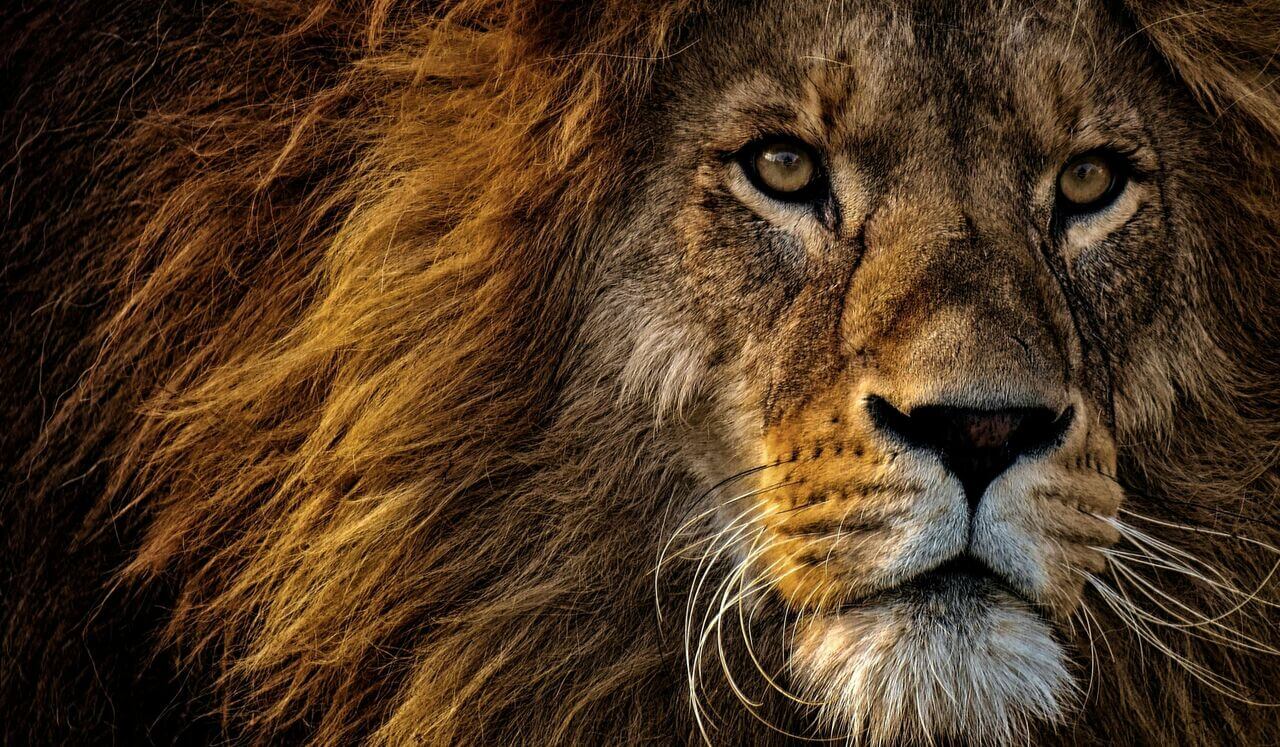
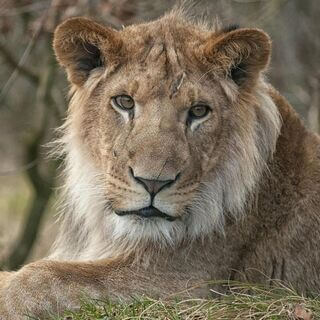
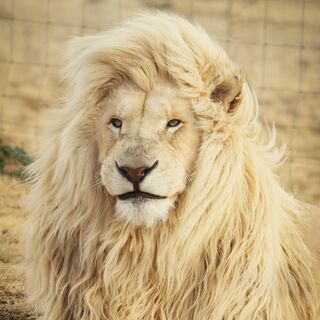
Lion's Breath, or Simhasana, is a pranayama practice that pairs a forceful open-mouthed exhale with an extended tongue and a fierce roaring-lion facial expression to release tension held in the face, jaw, and throat (Gulati et al., 2020).
Last Updated
3 Jul 2026
We are still reviewing this page. Our research team checks every technique page for accuracy and evidence quality before final release. Details may change as that review completes. The evidence badge shows our current reading of the published research.
RECOMMENDED DOSE
Lion's Breath is a brief exercise done in a few rounds, and no study reports an ideal session length for the technique on its own, so the duration here is an editorial synthesis. The starting frequency is extrapolated from related yoga programs that used twice-weekly sessions (multisensory and Mandala yoga studies).
No direct dose evidence exists for Lion's Breath duration, so this session length is an editorial synthesis reflecting a modest step up from the introductory range. The practice frequency is extrapolated from related yoga programs that ranged from twice-weekly to daily sessions over multi-week periods.
The session length for sustained practice is an editorial synthesis, since no study reports an optimal duration for Lion's Breath itself. The daily frequency is extrapolated from a related school-based yoga program delivered daily for 16 weeks.
Session length
Session length: 1–3 minutes (2–4 rounds)
1
MIN
How long each individual practice session should last from start to finish.
Frequency
Frequency: 2–3 days
2
DAYS
The number of days per week to fit a session into your routine.
Session length
Session length: 3–5 minutes (4–6 rounds)
3
MIN
How long each individual practice session should last from start to finish.
Frequency
Frequency: 3–5 days
3
DAYS
The number of days per week to fit a session into your routine.
Session length
Session length: 5–10 minutes (6–10 rounds)
5
MIN
How long each individual practice session should last from start to finish.
Frequency
Frequency: 6–7 days
6
DAYS
The number of days per week to fit a session into your routine.
About this card. Session durations are editorial estimates because no study reports an ideal length for Lion's Breath alone, and practice-frequency guidance is extrapolated from broader yoga programs rather than tested for this specific technique. These recommendations are not a substitute for personalised guidance from a qualified practitioner.
Quick answers to what people most often ask. Each card links to the deeper section below.
evidence
Direct research on Lion's Breath is limited to a single case report of a child who used it to calm and self-regulate; no controlled trials exist. Broader breathwork reviews link controlled breathing with better stress management, attention, and emotional regulation, but none isolate Lion's Breath, so its specific effects remain untested.
Read moregood for
Lion's Breath may suit people carrying tension in the jaw, throat, or face, anyone wanting a quick physical reset from stress, and group settings where a playful, expressive practice helps people loosen up. It offers a felt sense of release and reset, not treatment for any diagnosed condition such as anxiety or trauma.
Read moresafety
Most healthy adults can practise Lion's Breath at low risk, since the forceful exhale briefly lifts alertness and heart rate before easing into calm. People prone to panic, hyperventilation, dizziness, or those working through trauma or grief should ease in slowly, stop if lightheaded, and consider practising with a teacher or therapist present.
Read morehow it works
Lion's Breath works by giving attention one vivid, hard-to-ignore target—the forceful 'ha,' the stretched tongue, the pull across the face—so the mind settles onto physical sensation instead of looping worries. The big exhale briefly raises alertness and heart rate, then the body's rest-and-recovery system takes over, releasing held tension from the jaw, throat, and face.
Read moreLion's Breath is a yoga breathing practice combining a forceful "ha" exhale, an extended tongue, and a roaring-lion facial expression to release tension in the jaw, throat, and face.
The practitioner kneels with hands on the knees and fingers spread wide, inhales through the nose, then exhales forcefully with an audible "ha," tongue reaching toward the chin, eyes wide or rolled upward, and the face stretched into a fierce expression. This is usually repeated several times. It is widely used in yoga therapy for jaw and throat tension and as an emotional-release or group ice-breaker practice.
Do not confuse Lion's Breath with slow, calming pranayama such as extended-exhale or alternate-nostril breathing: its forceful, loud, expressive exhale briefly raises arousal before the body settles, rather than easing you down from the start. It is also distinct from the seated Simhasana posture used in some lineages; here the term refers specifically to the breath and facial expression. It is a traditional practice with little direct research of its own.
Not to be confused with
Simhasana (Lion Pose, the seated posture)
Simhasana names both a seated yoga posture and the breath done within it. Lion's Breath refers specifically to the breathing technique, the forceful tongue-out roaring exhale, which can be practiced with or without the full kneeling Lion Pose.
TRE (Tension and Trauma Release Exercises)
TRE evokes spontaneous muscle tremoring to discharge stored tension and shares the idea of autonomic release, but it works through physical shaking rather than a patterned breath, and involves no vocalization or facial expression. Lion's Breath pursues a similar felt release through a single forceful, expressive exhale.
Cathartic venting or 'letting it all out' emotional release
Lion's Breath can feel emotionally releasing, but it is a structured pranayama practice, not unrestrained venting. The roar is a contained, repeatable form the yoga tradition frames as symbolic release, not an invitation to escalate or discharge anger at another person.
Lion's Breath appears to work by giving attention one vivid, hard-to-ignore target: the forceful "ha," the stretch of the tongue, or the pull across the face. Resting focus on that strong sensation is a form of attentional anchoring, the mind settling onto a single point so it stops looping back to worries and lands instead on the physical act of breathing. The big expressive exhale also acts as an outlet for stored tension, releasing held arousal from the jaw, throat, and face and leaving a sense of settling behind it. These pathways come from studies of breathwork broadly rather than Simhasana specifically (Mitsea et al., 2024), (Mitsea et al., 2022), alongside evidence that emotional state and the shape of the exhale are physically linked (Cohen et al., 1975).
When thoughts keep looping and are hard to interrupt, the strong, deliberate breath of Lion's Breath gives attention one vivid target to rest on: the forceful exhale, the reach of the tongue, and the stretch across the face. Resting focus there is attentional anchoring, settling the mind on a single point so it stops jumping back to worries and lands instead on the physical act of breathing. Broader breathwork research links this kind of focus training with steadier attention and emotional regulation (Mitsea et al., 2024), (Mitsea et al., 2022), though Lion's Breath itself has not been studied directly for this.
The forceful "ha" exhale and wide-mouthed roar give held tension a physical way out, so the jaw, throat, and face can let go in one deliberate release. This is described as autonomic discharge, the body clearing stored stress arousal; broader breathwork research links this kind of expressive breathing with better stress management and emotional regulation (Mitsea et al., 2024), and many practitioners notice a wave of relief that settles into lightness.
A forceful exhale like this briefly lifts arousal, a short rise in alertness and heart rate, before the body eases back toward rest. That transient sympathetic surge followed by a parasympathetic settling is how the practice is thought to work, not something measured for Lion's Breath itself. What has been measured, in adults watching stressful films, is that emotional stress lengthens the exhale and shortens the pause after it while overall breathing rate stays the same (Cohen et al., 1975). In the body, this coupling can make a long, deliberate "ha" feel like a way to let a feeling or held tension leave on the out-breath, followed by a quieter, steadier state.
When the mind keeps scattering to worries, Lion's Breath gives it one clear job to return to: the forceful 'ha' exhale. That steadying is thought to come from the brain's attentional control networks, the systems that hold focus and pull it back when it drifts, though they haven't been measured directly during the practice and their role is inferred from broader breath-training research (Mitsea et al., 2022).
When attention keeps sliding off to worries mid-practice, the focused effort of Lion's Breath is thought to draw on the cognitive control network, the prefrontal systems that hold attention on a chosen task. This hasn't been measured directly during Lion's Breath and is inferred from broader breathwork studies of attention (Mitsea et al., 2024). Many people notice it as a steadier focus, with fewer thoughts pulling them away.
Catching a thought spiral as it starts, or noticing tension rise in your jaw or chest before it takes over, is what stronger metacognitive monitoring feels like, the sense of tracking your own mind and body in real time. Breath-control training has been linked with this kind of self-tracking (Mitsea et al., 2022), though it hasn't been measured for Lion's Breath itself, so the gain is inferred from breathwork more broadly rather than shown for this practice.
Noticing your own thoughts and feelings as they rise, rather than being swept along by them, is metacognitive processing, the ability to observe your own inner states while they happen. This hasn't been measured during Lion's Breath itself; it's inferred from broader breath-control training, which has been linked with better self-monitoring and self-management (Mitsea et al., 2022), so a forceful, wide-mouthed exhale can become something you notice yourself doing rather than just doing.

A long, strong exhale can feel like letting a feeling or held tension leave the body on the out-breath. Emotion and breathing really are linked: when adults felt stress in one study, their exhales measurably lengthened while overall breathing rate stayed the same (Cohen et al., 1975), and Lion's Breath works along this same channel by deliberately drawing out a forceful "ha."
The evidence here sits at an emerging tier, not an established one. The single direct source is a case report in which a 7-year-old boy with Apert and Asperger syndrome used Lion's Breath to help calm and self-regulate during a multisensory yoga camp (Scroggins et al., 2016). Beyond that, the support is indirect: research on breathwork in general, not this technique, links controlled breathing with better stress management and emotional regulation (Mitsea et al., 2024), and breath-control training with gains in attention and behavioral self-management in people with learning and behavioral disorders (Mitsea et al., 2022). Not yet supported are any controlled trial of Lion's Breath itself, effect-size estimates, long-term follow-up, or any claim that it treats a diagnosed condition.
Direct research on Lion's Breath is thin: the only study of the technique itself is a case report describing a child who used it to calm and self-regulate (Scroggins et al., 2016). The more reliable findings come from breathwork broadly, where reviews link controlled breathing with better stress management, attention, and emotional regulation (Mitsea et al., 2024), (Mitsea et al., 2022), and where controlled work shows emotional stress reshapes the exhale without changing overall breath rate (Cohen et al., 1975). The main limit is scope: none of this isolates Simhasana, so its specific effects and their size remain untested, and it is best seen as a plausible tool for release rather than a proven treatment.
0
Meta-analyses
0
RCTs
1
Systematic reviews
0
Observational
4
Pilot
Studied populations
Effects of multisensory yoga on behavior in a male child with Apert and Asperger syndrome
2016
Finding: In a single case report, a 7-year-old boy with Apert and Asperger syndrome attended a four-week multisensory yoga camp where Lion's Breath was one of the tools he learned, and his parents and a school behavioral specialist described him becoming better able to calm and self-regulate, alongside broader gains in his behavior and emotional expression. For someone curious about the practice, this offers an encouraging real-world glimpse of a child using the breath to steady himself in moments of stress. It is worth remembering, though, that this is a single child within a wider yoga program, so Lion's Breath cannot be separated out as the cause, and the improvements were observations by family and staff rather than an isolated measured effect of the technique itself.
See full citation in referencesThe Effects of Stress on Components of the Respiration Cycle
1975
Finding: In this study, researchers showed people stressful films to stir up anxiety and hostility, then tracked their breathing. The stress lengthened the exhale and shortened the natural pause after it, even though how many breaths people took per minute stayed the same, a shift thought to reflect tension building in the breathing muscles. This is a useful reminder that emotional state and breathing pattern are tightly linked, but it is worth knowing this study looked at how stress changes breathing, not at Lion's Breath or any breathing technique, so it can't tell us what practising this method does for you.
See full citation in referencesLion's Breath comes from the yoga tradition of pranayama, the family of breath practices that treat the breath as a lever on body and mind, and it takes its name and character from the lion, or simha, as an image of fierce, embodied energy (Gulati et al., 2020). Mimicking a roaring lion makes an otherwise awkward act, sticking out the tongue and making noise, feel sanctioned and even playful. These roots help explain the practice's form, the extended tongue, wide eyes, and forceful roar, not its clinical effects.
For most healthy adults, Lion's Breath is a low-risk practice. The forceful exhale briefly lifts alertness and quickens the heartbeat, and that surge usually eases back into calm within a few moments. A few situations still warrant care. Because that quick rise in fight-or-flight arousal, the body's alert-and-activate response, can leave some people feeling lightheaded or more keyed-up, the practice may fit poorly during acute panic or when you already feel dizzy or overheated; this caution is inferred from how the breath works, not drawn from safety trials. The wide-mouthed, expressive release can also let strong emotion surface, which is usually welcome but occasionally feels intense, a practice-informed rather than evidence-tested precaution (Mitsea et al., 2024).
People prone to panic, hyperventilation, or acute agitation may find the rise in alertness and the faster breathing unsettling, so easing in slowly and stopping if dizzy is sensible; this reflects how the breath works rather than a measured risk. People actively working through trauma or grief may prefer to practise with a teacher or therapist present, since the expressive facial and vocal release can bring feelings to the surface; this is practice-informed guidance, as no trials have tested Lion's Breath in these groups (Scroggins et al., 2016).
The forceful "ha" briefly raises fight-or-flight arousal and quickens the heartbeat before the body settles, which can feel unsettling or dizzying if you are prone to panic, hyperventilation, or lightheadedness. Ease in with just two or three rounds, breathe normally between them, and stop if you feel faint or overly keyed-up. This caution reflects how the breath works rather than a measured safety finding.
| Technique | Best for | Use with care | Evidence strength | Distinction |
|---|---|---|---|---|
| Kapalabhati (Skull-Shining Breath) | A steady lift in alertness and energy through repeated, rhythmic breathing rather than a one-off expressive release. | Rapid repeated breathing can bring on lightheadedness; ease off if you feel dizzy or already overstimulated. | emerging EVIDENCE | Both are forceful, energizing pranayama built around a sharp exhale, but Kapalabhati uses rapid, rhythmic pumping exhales through the nose for a sustained wave of alertness, while Lion's Breath is a single big-mouthed, tongue-out roar aimed as much at releasing jaw and facial tension as at raising energy. Direct study of either technique on its own is thin; both draw on the broader breathwork research base rather than trials of the specific practice. |
| Bhastrika (Bellows Breath) | Deliberately raising energy and physical activation through vigorous in-and-out breathing. | The strong two-way pumping can feel intense or dizzying; not ideal in acute anxiety or when overheated. |
Lion's Breath (Simhasana) is a yoga breathing practice, or pranayama, that pairs a forceful open-mouthed exhale with an extended tongue and a fierce roaring-lion face. To do it, kneel or sit, inhale through the nose, then exhale strongly with a 'ha,' tongue reaching toward the chin and eyes wide, repeating a few times (Gulati et al., 2020).
+
Lion's Breath is a pranayama, a yoga breath practice, that pairs a strong exhale with an extended tongue and a wide-eyed, roaring-lion expression to release tension held in the face, jaw, and throat (Gulati et al., 2020). To do it, settle into a stable kneeling or seated position with your hands on your knees, breathe in through the nose, then let a forceful 'ha' out with the tongue stretched down and the face open, repeating several rounds with normal breathing in between. It grows out of the yoga tradition of pranayama, which borrows the lion (simha) as an image of bold, embodied energy; that describes the practice's form and lineage, not a clinical effect.
The tongue-out, wide-eyed roar comes from yoga's pranayama (breath) tradition, which borrows the image of a roaring lion (simha) to sanction an otherwise awkward, uninhibited movement and frame the forceful exhale as a release of jaw, throat, and facial tension (Gulati et al., 2020).
+
The exaggerated face is the whole point of the practice's form. Lion's Breath pairs a forceful open-mouthed exhale with an extended tongue and a fierce roaring-lion expression, and it takes its name and character from the lion (simha) as an image of bold, embodied energy (Gulati et al., 2020). Casting the movement as a lion's roar makes sticking out the tongue and making noise feel sanctioned and even playful, which can lower self-consciousness and help people actually attempt and repeat it. That is a traditional and engagement rationale for the form, not proof that the roar itself produces specific therapeutic effects.
The yoga tradition of breath practices, where deliberately shaping the breath is used to influence mind and body. Lion's Breath is one such practice within this family.
Yogic breath-regulation practices that use voluntary control of respiratory rate, depth, and pattern to influence autonomic and cognitive states.
The Sanskrit name meaning 'lion's pose' or 'lion's breath,' from simha (lion). It refers to the kneeling posture and the fierce, tongue-out roaring exhale that give the practice its name.
A rise in the body's fight-or-flight branch, which mobilizes energy and alertness. In Lion's Breath it shows up as a quick surge of arousal, a faster heartbeat, and a feeling of being more awake right after the forceful exhale.
Increased activity of the sympathetic branch of the autonomic nervous system, mediated by adrenergic and adrenal pathways, producing heightened arousal and energy mobilization.
The settling that follows a burst of arousal, as the rest-and-recovery branch of the nervous system takes over. It is often felt as the body easing and quieting once the roar is done.
A compensatory increase in parasympathetic (vagal) tone following sympathetic arousal, associated with slowed heart rate and restorative physiological states.
The release of stored stress arousal through a physical outlet, sometimes felt as a wave of heat, tingling, or shaking followed by a sense of settling. The forceful exhale of Lion's Breath is thought to offer one such outlet.
Release of stored autonomic arousal through involuntary physical expression, allowing completion of an incomplete stress response.
The ability to sense and read internal body signals such as breath movement, tension, or temperature. Building it tends to feel like being more in tune with your body and noticing stress signals earlier.
Michaela L Scroggins, L. Litchke, Ting Liu (2016). Effects of multisensory yoga on behavior in a male child with Apert and Asperger syndrome. https://doi.org/10.4103/0973-6131.171716
Cited in: Benefits, Faq, How it works, Research, Use with care, Who should use care
Harvey D. Cohen, Donald R. Goodenough, Herman A. Witkin, Philip K. Oltman, Harry J. Gould, Ernest Shulman (1975). The Effects of Stress on Components of the Respiration Cycle. https://doi.org/10.1111/j.1469-8986.1975.tb00005.x
Explore guided sessions to deepen your Simhasana (Lion's Breath) technique.
On the forceful "ha" exhale, many people feel a burst of release, then the body settling. That points to state regulation capacity, how readily your nervous system moves between activation and rest. Breathing and emotional state are physically linked: in one study, stress lengthened people's exhale and shortened the pause after it while total breath rate stayed the same (Cohen et al., 1975). Because Lion's Breath deliberately shapes a long exhale, any gain in shifting states is inferred from that breath-emotion link rather than measured directly.
Outcomes measured
The research has no controlled trials of Lion's Breath, no effect-size estimates, and no long-term follow-up; the only direct source is a single-child case report, and the rest is indirect breathwork and yoga research across varied populations (Scroggins et al., 2016), (Mitsea et al., 2024), (Mitsea et al., 2022). Study methods and samples differ widely, so the findings are better read as general guidance than as proof of what this specific practice does.
Artificial Intelligence, Immersive Technologies, and Neurotechnologies in Breathing Interventions for Mental and Emotional Health: A Systematic Review
2024
Finding: This systematic review gathered studies on breath-control practices across a range of people, including employees, students, and people with disabilities, and found that regular breathing work is linked to better attentional control, steadier emotional regulation, greater mental flexibility, and improved stress management and self-regulation. In practical terms, learning to consciously steer your breath appears to give you a usable handle on your own stress and focus, though the review notes this takes consistent practice rather than a one-off try. Importantly, these results describe breathwork as a broad family of techniques, not Lion's Breath specifically, so treat them as encouraging context for the parent practice rather than proof for this particular exercise. The review also drew together studies of differing designs and did not report a single pooled effect size, so the size of the benefit is best read as promising rather than precisely measured.
See full citation in referencesCutting-Edge Technologies in Breathwork for Learning Disabilities in Special Education
2022
Finding: This review looked at breathing-focused training among people with learning, mental, or behavioral difficulties and found that regular breath-control practice was linked to better attention and thinking skills, along with steadier management of emotions and behavior. For someone drawn to Lion's Breath, that's an encouraging sign for breathwork as a broad family of practices, since learning to control the breath appears to carry over into how well the mind focuses and settles. Keep in mind this review covered breathwork in general, not Lion's Breath specifically, and it centered on people with particular learning or behavioral challenges, so it can't tell us how this one technique performs on its own.
See full citation in referencesThe expressive facial and vocal release can bring strong feelings to the surface, which is usually welcome but can occasionally feel intense. If you are actively processing trauma or grief, practise with a qualified teacher or therapist present and keep sessions short. No trials have tested Lion's Breath in these groups, so this is practice-informed guidance rather than an evidence-tested precaution, and the practice is not a treatment for grief or trauma.
Lion's Breath is best approached gently and in small amounts, from a stable seated or kneeling position where you feel supported if a brief wave of lightheadedness arrives. A sensible starting format is just a couple of forceful exhales at a time, with easy natural breathing in between so the quick lift in alertness has room to settle. Because the expressive release can sometimes bring feeling to the surface, it helps to go slowly and pause any time you feel dizzy or more than you want to hold alone.
Take a stable kneeling or seated position with your hands on your knees and fingers spread, so that if a brief wave of lightheadedness arrives you are already supported and steady.
Begin with two or three forceful "ha" exhales rather than many, inhaling through the nose and letting the breath out with the tongue reaching toward the chin. Notice how your body responds before adding more.
Return to easy, natural breathing between each lion's breath, giving the quick rise in alertness room to settle before the next round.
If you feel dizzy, faint, or overly keyed-up, pause and let your breathing return to its normal rhythm before continuing or ending the session.
If the expressive release brings up feeling, allow it to pass with slow, easy breaths, and reach out to a teacher or therapist for support if it feels like more than you want to hold alone.
If you live with a condition affected by intense or rapid breathing, or you are working through trauma or grief, speak with a qualified teacher or clinician before making Lion's Breath a regular practice.
This information is educational and is not medical advice. This practice is not a substitute for professional care and should not replace prescribed medication or treatment for any medical or mental-health condition. If you are managing a health condition or taking medication, talk with a qualified health professional before changing your practice. If you are in distress or crisis, seek professional support.
| emerging EVIDENCE |
| Bhastrika forces both the inhale and the exhale in a strong bellows rhythm to mobilize energy, whereas Lion's Breath keeps a normal nasal inhale and concentrates all the force into one theatrical, tongue-extended out-breath. Bhastrika is built for repeated energetic activation; Lion's Breath pairs its single surge with a facial and vocal release that many practitioners feel as letting go of held tension. |
| Bhramari (Humming Bee Breath) | Quietly calming and settling through a soft, sustained humming exhale. | emerging EVIDENCE | Bhramari and Lion's Breath both add sound to the exhale, but they pull in opposite directions: Bhramari uses a soft, sustained hum with the mouth closed to quiet and settle the nervous system, while Lion's Breath uses a loud, open-mouthed roar to discharge tension and briefly energize before settling. Choose Bhramari when the goal is to wind down, and Lion's Breath when you want an expressive release first. |
| Ujjayi (Ocean Breath) | Sustaining calm, even attention across a longer practice or movement sequence. | emerging EVIDENCE | Ujjayi keeps a slow, smooth, gently throat-constricted breath sustained over many cycles to steady attention and calm the body, in contrast to Lion's Breath, which is brief, forceful, and expressive. Ujjayi is a companion breath held throughout a movement or seated practice; Lion's Breath is a short, deliberate release you do a handful of times. |
Partly, but the evidence is early rather than established. No controlled trials of Lion's Breath exist; the only direct study is a single case report of a child using it to self-regulate, while broader breathwork research links controlled breathing with better stress management (Scroggins et al., 2016), (Mitsea et al., 2024).
+
Partly. Direct research on Lion's Breath is thin: the only study of the technique itself is a single case report describing a 7-year-old boy who used it to help calm and self-regulate (Scroggins et al., 2016). The rest is indirect, drawn from breathwork broadly rather than this practice, where reviews link controlled breathing with better stress management and emotional regulation (Mitsea et al., 2024) and breath-control training with gains in attention and self-management (Mitsea et al., 2022). So the picture is suggestive but not yet confirmed: there are no controlled trials, effect-size estimates, or long-term follow-up of Lion's Breath, so treat it as a plausible, low-risk tool for release and reset rather than a proven treatment for any diagnosed condition.
Plausibly, though it hasn't been tested directly. Lion's Breath pairs a forceful open-mouthed exhale with a wide tongue-out, roaring-lion stretch that gives jaw, throat, and facial tension a clear physical outlet (Gulati et al., 2020). Treat this as a felt release, not a proven treatment for TMJ or any diagnosed jaw condition.
+
Plausibly. The practice is built around a big expressive exhale and a full stretch across the mouth and face, and yoga tradition describes it as a way to loosen jaw, throat, and facial tension (Gulati et al., 2020). That release is inferred from how the practice works rather than measured: research links controlled breathing broadly with better stress management and emotional regulation, but no trial has tested Lion's Breath itself for jaw or facial tension (Mitsea et al., 2024). So it may offer a genuine felt reset, but it is not a treatment for TMJ or any diagnosed condition.
Both, in sequence. The forceful exhale briefly energizes you with a short rise in alertness and heart rate, then eases into a calmer, settled state. This surge-then-settle pattern is inferred from breathwork generally, not measured for Lion's Breath itself (Mitsea et al., 2024).
+
Both, in order. A forceful exhale like this briefly raises sympathetic arousal, the body's fight-or-flight branch, producing a short burst of alertness and a quicker heartbeat, before a parasympathetic settling, the rest-and-recover branch, brings a calmer state. This surge-then-settle pattern is plausible from breathwork broadly rather than a measured effect of Lion's Breath (Mitsea et al., 2024). What has been measured in adults is that emotional stress reshapes the exhale, lengthening it, which is part of why a long, deliberate 'ha' can feel like letting tension leave on the out-breath (Cohen et al., 1975).
Use care. For most healthy adults Lion's Breath is low-risk, but its forceful exhale briefly lifts fight-or-flight arousal, the body's alert-and-activate response, so if you are prone to panic or dizziness you may feel keyed-up or lightheaded. Ease in slowly, breathe normally between rounds, and stop if you feel faint. This caution comes from how the breath works, not from safety trials.
+
Use care. The practice is generally low-risk, but the big forceful 'ha' produces a short surge of sympathetic, fight-or-flight, arousal before the body settles, which can feel unsettling if you are panic- or dizziness-prone. Emotional state and the shape of the breath are physically linked (Cohen et al., 1975), so start with just two or three rounds, breathe normally in between, and stop if you feel lightheaded. No trials have tested Lion's Breath in these groups, so this guidance comes from how the breath works rather than a measured safety finding, and it is not a substitute for care when panic or anxiety symptoms are severe.
Yes, it can. The expressive, tongue-out roar sometimes lets strong feeling surface, which is usually welcome but can occasionally feel intense. If it does, pause, let it pass with easy natural breathing, and ease in slowly; if you are working through trauma or grief, practice with a teacher or therapist. This caution is practice-informed, not evidence-tested.
+
Yes, it can. The forceful, uninhibited exhale gives held tension an outlet, and that release can sometimes bring feeling to the surface. No trial has tested Lion's Breath for emotional surfacing, and the only direct study of the technique is a single case report of a child using it to help self-regulate, so this caution rests on how the practice works and on teaching experience rather than measured safety data (Scroggins et al., 2016), (Mitsea et al., 2024), (Mitsea et al., 2022). If it happens, stop, let the feeling move through with slow easy breaths, keep sessions short and ease in gradually, and work with a qualified teacher or therapist if you are processing trauma or grief. Lion's Breath is not a treatment for grief or trauma.
Start with just two or three forceful exhales, breathing normally between each roar, and add more only after noticing how your body responds. This is a conventional teaching-based starting point, not an evidence-tested dose, so stop if you feel lightheaded.
+
Start small. About two or three forceful 'ha' exhales is a sensible beginner dose, with easy, natural breathing between each roar so the brief lift in alertness has room to settle before the next round. Add more rounds only once you have noticed how your body responds, and pause if you feel dizzy, faint, or overly keyed-up. This is guidance drawn from how the technique is conventionally taught, not a clinically validated number, since no trials or dosing studies of Lion's Breath exist.
Mainly the form and goal. Both are forceful, energizing pranayama built on a sharp exhale, but Kapalabhati uses rapid, rhythmic nasal pumping for a sustained lift in alertness, while Lion's Breath is a single tongue-out roar aimed at releasing jaw, throat, and facial tension as much as raising energy.
+
Mainly the form and what each aims at, not proven differences in effect. Kapalabhati pumps quick, repeated exhales through the nose for a steady wave of alertness, whereas Lion's Breath concentrates the force into one big-mouthed, tongue-extended 'ha' that also discharges facial and jaw tension. Direct study of either technique is thin, so both rest on broader breathwork research linking controlled breathing with better stress management, attention, and self-regulation rather than head-to-head trials (Mitsea et al., 2024), (Mitsea et al., 2022), (Scroggins et al., 2016). One shared caution: rapid or forceful breathing can bring on lightheadedness, so ease off if you feel dizzy or overstimulated.
The perception and interpretation of visceral afferent signals, supported by insular and somatosensory processing.
Resting attention on one clear target so it stops jumping back to worries. In Lion's Breath the vivid sensations of the exhale, tongue, and facial stretch act as that anchor, which can feel like a steadier, quieter mind.
Stabilization of attention on a selected target through focused-attention and attentional-selection processes to reduce mind-wandering.
Cited in: Faq, How it works, Research, Use with care, What happens in the body
Eleni Mitsea, Athanasios Drigas, Charalabos Skianis (2024). Artificial Intelligence, Immersive Technologies, and Neurotechnologies in Breathing Interventions for Mental and Emotional Health: A Systematic Review. https://doi.org/10.3390/electronics13122253
Cited in: Benefits, Faq, How it works, Research, Use with care, What happens in the body
Kankan Gulati, Praerna Hemant Bhargav, Shalu Elizabeth Abraham, Hemant Bhargav (2020). Yoga. https://doi.org/10.4018/978-1-7998-3254-6.ch021
Cited in: Faq, Roots and tradition, What it is
Eleni Mitsea, Athanasios Drigas, Charalampos Skianis (2022). Cutting-Edge Technologies in Breathwork for Learning Disabilities in Special Education. https://doi.org/10.47577/tssj.v34i1.7102
Cited in: Benefits, Faq, How it works, Research, What happens in the body
Editorially curated. Tracks are not themselves clinically studied; evidence on the page applies to Simhasana (Lion's Breath) as a technique.
Beginner content for Simhasana (Lion's Breath)

★ 4.7
·
Guided
·
9 min
Liz Carlile
How hard is Simhasana (Lion's Breath)?
Simhasana sits above the gentlest pranayama rows because the roaring exhale is active and somewhat exposing, but it remains a short-burst technique rather than a sustained high-intensity drill.
3
Mental Effort
2 / 4
▾Emotional Depth
2 / 4
▾Physical Intensity
3 / 4
▾Prior Knowledge
2 / 4
▾