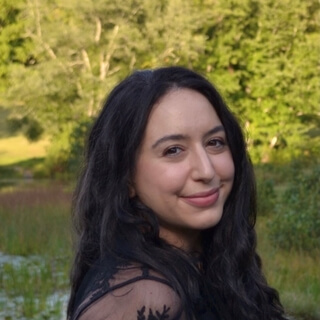
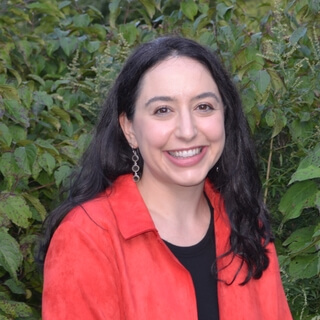
Welcome to the Shifting with Marlee podcast.
I'm Marlee.
Thank you for joining me wherever you are.
All that I ask of you,
The listener,
Is to have an open mind and an open heart.
And in return,
I offer you myself.
On this podcast,
We talk a lot about the paradigm shifts that are happening in the world and the aspects of the world that are crumbling and about our dreams for the future.
But we are currently living in the transition time when one world is ending and another world is still forming.
So today we're going to focus on the transition and the skills we can build today that we will need in order to have a better future.
And we're going to talk about how we can change the way we live and work and organize ourselves to be more in alignment and move away from hierarchy.
And since we often hear that community is the future,
We're going to talk about how we can start to learn to exist in a harmonious community.
We're also going to talk about the book Reinventing Organizations by Frederick Lelux,
Which offers a beautiful framework for the transition and guide with specific examples and tools that can be implemented right away.
Because if we want to see a different world and a better reality,
If we want to live in the new earth that everyone's always talking about,
We need to start building it and making changes.
So let's talk about how we can do that and what that actually looks like during this time of transition.
Here to help us unpack all of this and share her wisdom and experience is Rachel Butt.
Rachel is a sound healer,
Artist,
Musician,
And meditator and founder of Wondrous Sound.
You may remember Rachel from back in episode 47 from 2024,
How to Change the World,
Where we talked about embodiment and how to change the world without burning out.
Welcome back,
Rachel.
Thank you so much,
Molly.
Great to be back.
You're one of my favorite people,
One of my favorite musicians.
I love you so much.
Thank you for coming back on the pod and thank you as well for recommending the book to me,
Reinventing Organizations,
Because it has definitely changed my life.
Amazing.
Well,
I love your vision and enthusiasm and I did as I was reading that and connecting the dots.
I just thought of you.
I love that.
So,
Rachel,
Let's dive in.
Let's go,
Baby.
To start off today,
I'd love to chat about the new consciousness that's emerging around how we live and work.
In the book,
Reinventing Organizations,
It's called the Teal worldview or the Teal consciousness or the Teal perspective,
But it's often also called interbeing or unity consciousness.
So,
Can you please share with us a bit about this from your perspective?
Yes.
Well,
Yeah,
As I was reading the book and reading about Teal consciousness,
It was like,
Yeah,
I felt like a Christmas tree with all the lights going off,
You know,
Because it's just that resonance with that.
I think it's a collective vision that many of us feel inside and share that everything and everyone is sacred,
Part of this interconnected web of life.
And it feels like the current society we've organized doesn't quite align with that worldview,
Should we say,
That perspective.
But that's what I have always felt inside.
And the Teal consciousness,
Exactly as you've said,
It's this unity consciousness flowering in diversity.
And therefore,
It's honoring that in ourselves,
In others,
And then seeing how we can work together in a more horizontal,
Collaborative way,
Instead of just this externalizing our power and following,
Often off a cliff at the moment,
As we've seen with leaders that,
You know,
Perhaps are showing us that it's no longer the paradigm to be led,
But to be able to learn to lead ourselves together.
Yes,
I love this.
And I'm so excited for this kind of shift in consciousness,
I'll call it.
And I see it happening in the collective and in my personal life.
It's really exciting.
It's definitely happening.
It's happening.
I think I feel it.
Yeah.
I also want to highlight some of the other aspects of the Teal worldview from the book that really spoke to me,
That really resonated to me.
And really,
You know,
This new consciousness,
It's about unlearning what society told us success was,
Right?
And just to give you a quote from the book that really highlights this,
In an age that tells us we should strive to succeed,
That we can become anything we want,
If we only put our mind to it,
People who embrace a Teal perspective,
Learn to let go of preconceived ideas of what they should be,
And learn to listen within to where life calls them.
And I love that.
And Rachel,
To me,
If I could say,
I feel like you are actually a really great embodiment of that.
And a really great look of that principle.
I feel like that's the way you live your life.
Yeah,
I do.
I do feel called to live with that wisdom.
We've got some training that I practice with the mindfulness trainings in the Plum Village tradition,
Which is a Zen,
Engaged Buddhist tradition.
And in those trainings,
There's one line that always jumps out at me,
And it says truth is found in life.
And so we can have all these frameworks and we can have this guidance,
But essentially,
It's always coming back to this lived,
Somatic,
Present moment experience of what is life telling me,
You know,
And aligning with that within ourselves and expressing it and again,
Honoring it and others as well,
That everybody can be guided by this wisdom that lives within us and around us.
Yeah,
I love that.
And thank you for modeling that for me and everyone.
My pleasure.
And I also want to share as well some more about the teal worldview.
It's also living from our intuition instead of our egos,
Right?
And move from fear and scarcity to trust and abundance.
Yes,
Please.
Give me those words.
It's also shifting to listen to our inner compass and our hearts.
And just to give you some great internal inquiry questions from the book around all of this,
Am I being true to myself?
Is this in line with who I sense I'm called to become?
Am I being of service to the world?
Like,
These are kind of that teal worldview questions,
Just to give you an example.
And finally,
It's yearning for wholeness.
And this really struck a chord with me.
It's wanting to move away from separation and disconnection that we are seeing so much of in the world and moving to wholeness.
And that really,
Really resonated with me.
And I have this quote from the book that really basically just is the all encompassing model of what we're talking about here.
So it says,
Many people who shift to a teal perspective start to keenly sense the pain and emptiness in modern life,
Where we have separated from much of our true nature.
We have let our busy egos trump the quiet voice of our soul.
We are part of a culture that celebrates the mind and neglects the body.
We so value the masculine that we neglect in us the feminine.
We have lost community in our innate connection with nature.
This realization often triggers a deep yearning for wholeness,
For reuniting with all of who we are,
With others around us in all forms of life and nature.
It's not driven by a moral imperative,
But by a deep realization that we are all deeply interconnected,
Deeply one.
Wow.
Full body chills.
I mean,
To be honest,
Rachel,
That basically describes my own personal spiritual awakening and life journey and my mission in that lifetime.
Like that arc in that quote I just read is basically it.
Like I'm so here for it.
Yeah.
Yeah.
This is also my kind of,
It's like this slow burn realization that there's no one to blame as such.
I don't think it's helpful to blame,
But the cultures,
The conditioning,
The paradigm that we were raised in has been one of separation and competition,
Divide and conquer,
Obviously,
Which is very harmful at worst.
And at best it does keep us separated from our divinity,
From each other,
From the earth.
And I think it's very simple things.
Even if you smile at someone,
Or if you help someone across the street,
These little connections that we have with one another,
There's a spark that lights up inside your heart.
When you do these things,
When we serve,
Not at the detriment to ourself,
But just when we live in this like weaving together.
And to me,
That just shows myself that is our true nature.
That is our direction.
But it's no,
It's no kind of surprise that we don't actually dwell in that many of us all the time,
Because we've been raised to compete against each other,
To strive to never feel content or get the kind of juice out of life.
You know,
The simplicity that is all around us,
But we're always looking for the next goal.
You're so right.
From our conditioning,
From what society has told us is quote unquote,
Normal,
All the things,
The collective consciousness.
Yes.
So let's get into some specific examples of this Teal worldview and new consciousness in action.
And I first just want to bring up because the book Reinventing Organizations primarily focuses on one expression of this through how we can work differently and structure organizations and companies differently based on this Teal worldview.
And so I'm just curious what resonated for you in this,
And especially with your background in working in charity,
Charities and advocacy in your former life,
I'll call it.
Yeah.
Yeah,
No,
It's,
It's a good question.
And I need to sit with it myself.
Why am I drawn to applying this wisdom to the workplace,
For example?
I mean,
I think that one reason is that we have sacred retreat centers and practice centers and meditation,
And we're becoming more and more aware of how we take care of ourselves,
How we touch the deeper nature of perhaps.
But what I'm really excited about is how do we apply that practically in day-to-day life and specifically in the way that we work and then in a deeper layer,
How we work in service of the whole.
You see,
Because I think that in my experience with the charity sector,
In a way,
We have some awareness and drive of this wholeness because we care about people we want to serve,
But we often lose ourselves in that.
And so what I'm really interested in,
What if we see ourselves as sacred and the other,
And we create this right relationship.
That's,
That's a real lens that I'm working with right relationship so that the work that we do is not separate from our own kind of self-care and our own vision for our life.
And the other is not separate from the self.
It's more of a,
Yeah,
It's bringing the spiritual and material as one.
And I'm also interested in going into the shadow,
If I'm honest,
You know,
A lot of places,
They don't want to talk about money.
They don't want to talk about power because that's not holy.
Well,
We got to make it holy.
Let's do it.
I love that answer so much.
I just value your perspective so much.
And I think it's really helpful.
And you touched on some really important points.
And I also want to bring this in around,
You know,
Bringing this,
This teal consciousness into the,
Into specifically the work setting.
From my perspective,
As someone who has worked in a corporate job for almost 14 years,
If you can believe it,
I have a lot of criticism about the current corporate culture and structure.
And what really resonated with me is bringing this teal worldview and mindset into the workplace in this corporate setting,
Which can feel right now,
They feel really far apart,
Right?
But that really resonated with me.
How can we bring that more together?
Because for me,
It's really felt like,
Rachel,
That I live two lives and exist in two different worlds.
It's corporate Marlee and my life and my job Monday through Friday.
And then there's my personal life outside of work.
And it's like,
It's like I have two different personalities almost and have to put on a mask in order to survive in the,
In the corporate world and then take that mask off every night.
And it's only really outside of work that I'm the real me and it can express my true self.
And just to give you Rachel,
One example of this,
No one that I work with in my corporate job knows about this podcast.
And I've done it for what?
Almost six years now.
And this podcast is almost six years old.
No one knows.
And no one knows that I'm an energy healer.
No one knows.
I mean,
No one I work with knows that I'm an energy healer and offer energy healing sessions just to bring that home.
Yeah,
I can imagine.
Yeah,
I can imagine that divide though.
That that's what our society has created.
Yes.
And it's like compartmentalizing our lives and it is exhausting,
Truly exhausting.
I honestly hate it.
I don't like to use the word hate.
I hate it.
And I'm over it.
And I think a lot of people are feeling this way.
So what the book basically says is it doesn't have to be this way,
That there's a different way that we can work that invites all of ourselves in so that we can take off the mask.
And again,
That's that wholeness that we're talking about.
It's inviting all of ourselves into every aspect of our lives,
Including our jobs,
Right?
That's wholeness.
That's the teal worldview in action.
And in a work setting,
In a corporate setting,
For example,
That means creating a culture where it's safe to do that.
And everyone is encouraged and supported to do that,
Which is definitely very different than I think how a lot of places,
A lot of the culture of places are now in terms of work settings.
And to give some further specific examples from the book,
That means removing top down hierarchy structure from a company,
Which might sound crazy,
Right?
But removing that top down hierarchy structure and removing a lot of the top down management and instead shifting to a team based structure,
Which the book calls self management.
So it's small groups,
Team based and collective decision making and team building.
Exactly.
And the book also suggests this means getting rid of a lot of the specific job titles,
Which are part of that hierarchical structure to focus instead on each individual person's strengths.
Exactly.
And when each person is,
You know,
Engaged and part of the group and feels that recognition and that value and that their strengths are recognized,
Then each person has accountability and responsibility just naturally.
Right.
You don't need that top down structure.
And it's also about fostering more trust and mutual support in,
You know,
This new structure and in this work environment where each person's strengths are fostered.
There's no hierarchy.
And it also welcomes when you have that when you have that culture and that structure,
It welcomes ideas and innovation from everyone.
So we're talking less levels,
Less division in a work setting,
Less like silos almost and less of a focus on metrics and budgets.
And there's less negative reinforcement,
Which is so pervasive in the corporate setting.
So less negative reinforcement,
More positive reinforcement and more teamwork,
More creativity,
More innovation,
More recognizing everyone's contributions.
Oh,
Just preach,
Mate.
The thing is,
If you think about it,
Though,
It makes perfect sense.
If you're not living in harmony with who you are and the energy of the universe moving through you,
Then you're going to need to be dragged through tasks,
You know,
From the top down to get anything done.
But if you are just literally operating like a cell,
We say like a cell in the sangha body,
Like how the body actually functions.
I mean,
Teal is very much just looking at and a lot of wisdom keepers do this.
How does nature operate?
It's an ecosystem.
It's a functional harmonious ecosystem that serves,
You know,
It's reciprocity.
So it's much more aligned with our true nature,
The nature of reality.
Whereas,
Of course,
In the corporations,
If you're being forced to fit in a tiny box and produce X,
Y,
Z,
It's not coming from your gifts.
It's not coming from your vision.
It's not coming from that natural energy.
And then the impact of that is,
And I can say it for myself,
Not that I worked in corporate,
But even just the mainstream rhythm of life,
The pace of life,
The consumption,
The distraction that we have to go through,
Which is hurting the earth,
As well as our own bodies,
To get to kind of eke this productivity out of us is just a big harm fest.
You know,
Whereas if you actually,
What I find is,
Because I have different work commitments,
Should we say,
But I bring my full self to them and I live and work in such a rhythm that,
I mean,
I haven't actually had a holiday for years.
I don't need a holiday.
My life's like a working holiday.
I work part time.
So I make sure I get good sleep.
I make sure I do my practices.
I've got nature,
I've got my friends and,
You know,
I'll play my guitar.
And so,
And then there's just a natural output that wants to come out.
And I want to be responsible because I care about what I'm doing.
I care about the output.
It's just much more open and fluid rather than separating.
This is my life.
This is work.
And this is this external benefit at the cost of our bodies,
Our earth,
Our life.
You honestly,
You hit the nail on the head.
That's it in a nutshell,
Rachel.
And that's why I'm just so grateful.
I feel like your perspective combined with my perspective is beautiful with that.
And I also just want to say,
If this all sounds crazy and out there,
First of all,
It's not.
And it's not.
And especially if you're someone that works in a corporate environment and you're like,
That's totally unachievable.
I highly recommend you read the book we're talking about,
Reinventing Organizations,
Because it actually gives a ton of case studies from companies all over the world that are already,
Yeah,
From multiple industries that are already doing this and modeling this.
And I promise you'll be convinced because I am convinced.
And I've even said to Rachel after I read the book,
I said to Rachel,
I'm going to anonymously send this book to all the people who run my company.
I love it.
Yeah,
Really beautiful.
I'm just grateful to be having this conversation,
Rachel.
I think it's really important.
And,
You know,
Rachel,
One major component of the Teal worldview and of this new consciousness that I find really intriguing that we already touched on is this moving away from hierarchy and away from this top down hierarchical model,
Which is very much a control based novel.
And it's very much this pyramid structure of control.
Right.
And in every area of our lives,
We're basically talking about moving away from hierarchy in every area of our lives and society.
So I'm very curious your thoughts on this and also from your perspective and experience,
Why do you think hierarchy and I'll also throw in their patriarchy and these these domination based systems,
How do you think they became so pervasive in our society in the first place?
Yeah,
Well,
That's a good question to ask.
I don't know the answer,
But I have some thoughts.
I think that it seems to me that this historical dimension moves in cycles.
And I'm not an astrologer and I don't I don't follow it like a student,
But I like to see the wisdom,
The universal wisdom across so many cultures and,
As I say,
Wisdom keepers and I have deep respect for different perspectives and trying to stay open to that.
And what I've learned from from that world is that,
Sure enough,
We've been in a cycle.
I think they call it the Piscean Age and the Hindu culture calls it the Kali Yuga,
This sort of collective consciousness,
Which is about,
As I said before,
Separation consciousness.
We've forgotten that we're interconnected,
Sacred parts of life.
So,
Whoopsie,
We forgot almost like the clouds coming down,
You know,
And you can't see the wood from the trees.
It's almost like this is what one view is that is presented,
That it's been this cycle of almost like the dark ages,
The ignorance.
And interestingly,
What I find interesting is from that perspective,
A lot of the religions which arose during this thousands of years period,
Again,
We might say that the original teachings of Jesus,
Buddha,
Allah have been potentially manipulated.
OK,
So that's another story.
But the essence that they were pointing to,
The mysticism,
The nature of reality,
That they were shining a light.
A lot of people say that those deep teachings have been like a candle in this dark era.
And obviously,
People have found a different way to see the world and also a different way to operate.
But I think that,
Yeah,
This energy and this cycle has put us in a kind of fear-based,
Control-based,
Trauma reaction almost.
There's another point of view that says that we're so traumatized that we really are reacting in that space.
So,
Of course,
The default is to dominate,
Is to control.
And even in myself,
I mean,
I do a lot of meditation.
I don't do it for fun.
I do it because I am full of fire.
And if I didn't take care of myself and my thoughts and my speech and action,
I'd be a tyrant as well.
Do you see what I mean?
It's healthy,
I think,
To see in ourselves that these aren't problems outside of ourselves.
We might see them blown up outside of ourselves.
We all know the figures that we could point to.
But these energies live within us,
Within us all.
But the beauty of that is we also have access to them to transform them from within and then to model something else.
And I feel that this energy of healing and transformation and also this vision is coming through many of us now of like,
No,
We want to live differently and I'm going to be part of that difference.
Yes,
I love that answer.
And I also just want to point out with the current world we live in,
When you look at the world through the lens of hierarchy,
You'll start to see it everywhere,
Even in your own thoughts,
Like you mentioned,
Even within yourself.
When you bring your awareness to these control-based systems,
Domination-based systems,
To hierarchy,
You will see it everywhere.
Yes.
And as we collectively shift out of this paradigm of control,
Which I promise you is what we've been moving through and confronting as a society lately,
We're moving through and reckoning with this paradigm of control.
Yes.
That also means shifting away from hierarchy and getting rid of those pyramid structures.
And you already mentioned this briefly about looking to nature,
And I just want to highlight that because,
You know,
An alternative that's presented in the book,
For example,
Is what the author calls natural hierarchy,
Which is what's found in nature in the animal kingdom,
Right?
So this natural ecosystem,
This natural hierarchy,
Which is an alternative model,
Is more fluid.
It makes everyone fully powerful in their roles,
And it's more community-based and purpose-driven and allows everyone to grow into the strongest and healthiest versions of themselves.
And just to give you an example from nature of this,
A fern or a mushroom growing next to a tree might not reach as high as the tree,
But they aren't meant to.
Through collaboration and exchanging resources and reciprocity,
The mushroom,
Fern,
And tree don't compete as much as they cooperate to grow into the biggest and healthiest versions of themselves.
Exactly.
Oh,
That is such a beautiful point.
And I think because it's not to say,
You know,
Someone might run faster than you,
Someone might do maths better than you,
Someone might paint beautiful pictures,
Someone might speak French,
But it's just that switch of like,
Yeah,
And we can all work together.
We can celebrate ourselves exactly as we are.
We're all born with gifts.
We're all born with talents.
What if we actually tuned into them?
What if we honored them?
What if we centered them?
And then also in doing so within ourselves,
We give that grace to others,
And then we find ways to collaborate.
And so that it just takes away this,
The hierarchy of value.
No,
We're all valuable,
But we're not the same.
And we don't need to be.
This is it.
This is it.
So we're shifting from this power over dynamic into collaboration and cooperation and community and sharing and reciprocity and also recognition,
Like you mentioned,
That each person is valuable.
And each person has gifts.
And each person is an integral part of the whole and an important member of their community.
And so it's making each person fully powerful themselves.
Not that we're all the same.
We're making each person fully powerful within themselves.
And like in that nature example,
I just want to point out,
The tree cannot grow alone.
Exactly.
All those root systems are nourishing it.
And they work together.
I mean,
Have you ever read that book about the light?
Is it called The Life of Trees?
Oh,
Yes.
I know what you're talking about.
Yeah,
It's a very famous book.
But again,
It's something worth meditating on and celebrating because,
Again,
It's not only our gifts and talents,
But it's also recognizing we have needs and limits.
It's natural as well that we're not just here to perform.
You know,
We move like the seasons.
There is a spring,
There is a blooming,
Then there is a winter in our lives.
And again,
Our society isn't set up at the moment,
As I see it,
To kind of hold us through those chapters,
Whether it's a day,
A week,
A year,
A decade.
But in the forest,
You know,
This tree might need some nourishment,
So the other trees send it.
It's intuitive.
And then maybe this tree has got some strength and it sends it here.
And,
You know,
And even when a tree dies,
I think there's been some beautiful examples where the tree,
I think even it's been cut,
But the stump is still alive because they're sending it.
And I just think,
Again,
It's a worldview flip,
But it's much closer to the nature of reality,
The nature to the rhythms of life that we have to live in.
And because we've been expected to sort of perform 100% all the time,
It creates this culture of fear because it's not natural.
Whereas if we're allowed to break,
We're allowed to fall,
We're still held,
We're still valuable.
We actually can come back stronger and give back to the whole.
Exactly.
So really we're coming back to our true nature.
That is the shift that we're talking about.
So Rachel,
To make this vision a reality,
It requires skill building.
This shift isn't going to happen just on its own.
So what inner skill sets do you think are essential for this shift to really take hold and be real?
And what do people actually need to practice?
Good question.
Well,
Yeah,
These are things that I've been working on myself.
I think that a foundational layer for my own practice has been mindfulness.
So I will mention that as a layer.
And this is also a root system for me,
My community,
And also the ethics around it.
Because the ethics,
Again,
Point us back to this wholeness about recognizing our interconnected nature with all life and therefore respect for all life.
Not as a moral code,
But as an insight that we then want to live.
It brings us joy to choose things that actually serve not just me,
But the people around me,
The earth.
So I think that is a very foundational basis.
And we might say mindfulness is basically dwelling in the present moment.
So learning how to come back to this moment,
Be it your breath,
Just feeling the breath,
Rooting in the body.
We always start with the body.
And this is like an anchor in this crazy world we live in.
And also this crazy time of transition,
Of collective fear,
Of oppression,
Of control.
And it's almost like a liberation within that as well.
We're not escaping it.
It's getting free within it first.
Okay.
So we need to learn.
I think it's helped me to come back to this moment here and now,
And to come back into the body because this is our vessel to change,
To create,
To build this vision that we might see and feel.
And we're not going to see and feel it unless we're in the body,
You see.
I feel like life moves through us.
It calls us,
But we might not hear it if we're,
You know,
Just at the bar having a drink and a bitch about work.
You need to kind of get quiet,
Come back,
And then you'll start to hear these guidance and these messages,
Perhaps in your own way.
We call it insight.
And that can then help you to move forward.
So I think first of all,
Mindfulness,
Self-awareness,
We it's not always peaceful and nice inside.
Okay.
It doesn't need to be,
But we kind of become one with that.
So we don't fight.
We start to embrace what's inside.
We start to notice what's inside and we take care of it.
And once we do that,
As I say,
I feel like we do get some messages.
We do get some guidance.
Like we feel like,
Oh,
Actually that doesn't feel right.
I think we do have intuition.
And once you've got that quietness and that care for what's within and respect as well,
Because we've been so taught to respect external power and,
And,
And,
You know,
You must do that and following.
We need to start to honor ourselves and these messages so that then we can live in alignment with them.
And that's where I think the self-advocacy or authentic expression comes in.
We have to then put the insights into action.
And where do we put them into action?
We put them into action first in our relationship with ourselves,
The choices we make,
You know,
Simple things like what time I go into bed,
What am I going to eat?
What am I consuming?
These all create the environment that we live in,
The possibilities that emerge in front of us.
Then we need to show up authentically in our relationships with our families,
With our friends,
Even with our so-called enemies.
We have the power to co-create the outcome of every interaction,
Not alone.
It's a collective process,
But we are part of that process.
So it's then showing it fully in those processes.
Yeah.
I think that that step,
The inner and then the outer,
And that's just the beginning,
I think,
But those two are essential.
Yes,
I totally agree.
And I'll also add,
I think in terms of these inner skills we need to build,
Personal skills,
It also requires taking ownership and self-awareness.
Yes.
And being willing to look in the mirror at our own conditioning and wounds and triggers and show up differently.
Exactly.
And it takes commitment and work and healing and deconditioning and continued presence,
Like you mentioned,
For sure.
It's a continual practice.
I think that is the other paradigm shift,
That there is no beginning and there is no end,
Right?
There's nowhere to get to.
It's just how we're meeting the moment,
Every moment.
And the other element of this is because we're in such a strong kind of collective field,
We need to be with other people.
Like we are being together here,
Resonating,
Inspiring,
Energizing each other,
Encouraging each other to perhaps go against the grain because that's so wired in.
It's not just wired into our relationships out there,
It's wired into the brain.
It's the neurotransmitters,
It's their create these well-trodden paths.
And that's why it's a deep practice when you're kind of going against perhaps urges or habit energies that we've been embedded in from our programming from childhood and then school and then the society and work.
Like you say,
This corporate,
It's literally the opposite of that.
And so it's kind of a never-ending process,
But it's not.
It doesn't need to be drudgery,
It should be joyful because the more that we become in touch with the nature of life,
We see the beauty,
We see the wonder,
And that's going to give us nourishment.
And then it also encourages us to protect life because it's so bloody beautiful.
Yes,
Yes.
So it is a continual process and it's never-ending,
But it's joyful.
And this is the journey on earth.
You've got to enjoy the process.
Enjoy the process.
Enjoy the journey.
Exactly.
And similarly,
Rachel,
We've talked a lot about collaboration and community and this new consciousness and way of being very community focused and relational and team focused,
Right?
Team building,
Community building.
And I know you have a lot of experience being in community spaces and you spend a lot of the year at Plum Tree Village,
Which is a community living environment.
So can you please share with us what relational skills we need in order for community to really thrive and evolve?
And also,
Can you share with us some of the common pitfalls in community spaces that people don't talk enough about?
Oh,
I'd love to.
Yeah.
I mean,
Yeah,
It's a great question because I think this is the next layer almost.
So the skill set for me is this coming back to the breath,
Coming back to the body,
Self-awareness,
Self-agency,
Integrity,
Accountability,
All these qualities that we really don't see in our leaders now,
Perhaps,
And that we're being called to create and embody them ourselves.
Okay.
This is the emergence,
I think.
And we can.
So we've got that as a layer.
Then it's the speaking,
Speaking your truth,
Being authentic.
But it's not all about self.
It's about through that honest process,
Which can be vulnerable and hard at times.
We're doing it for the purpose of collective well-being.
Again,
Which goes against our society.
If it's all about you,
You've got to get to the top.
No,
No,
No.
The joy,
As I've felt it in my body,
Comes when we get there together.
But again,
It can be messy.
We're learning this in real time because it is perhaps not a new way of living.
I think we used to live much more in cultures collectively,
And different parts of the world,
Of course,
Still do.
But even there,
I think I would like to think,
And I imagine we've always been in this state of evolution,
Okay,
Of harmonizing.
I see it like that.
So I think that the qualities are this honoring of self and honoring of other.
So being able to listen deeply to yourself,
Being able to express your truth.
And that might be difficult.
For example,
There's definitely a part of the training I've gone through with mindfulness,
Which is showing up to a schedule,
Okay.
And that becomes like a mirror.
Because you're not just doing what you want when you want to.
You're seeing what's arising in you when I've got to go up at five and sit on the mat.
Maybe I don't want to do that.
I want to stay in bed.
Why not get up,
Sit there?
Okay.
So you start to see your habit energies,
We call it like that.
And this is a very important stage.
And also,
Of course,
We have these undercurrents,
We have this beautiful teaching around true love,
What is true love,
And what is invited for us to contemplate is it's this compassion,
Loving kindness,
Joy,
And equanimity.
And I mean,
That's a podcast in itself.
But I think the pitfalls are that many people come to this work,
Whether it be spiritual community,
Or the charity sector,
Or building new earth.
And many of us are givers,
Right?
And so sometimes the medicine of being compassionate,
For example,
We already project that outside to others,
Don't we often,
We can really lose ourselves and lose that agency and lose that honesty of actually like,
I'm tired.
I'm sorry,
I can't help you today on that thing,
Because I'm tired.
Or,
You know,
It's being able to say no,
It's knowing that,
Actually,
I want to serve and we're all in this,
And we want to create this beautiful new world.
But today,
I just need to play my guitar,
Or go and play with the neighbor's dog.
And actually honoring that,
You know,
This is so important.
And also in these communities,
Of course,
It's very natural that power dynamics play out.
So we can talk about loving kindness,
And we can talk about compassion.
But we've got to get to the shadow as well.
We've got to have protective mechanisms in place,
Like safeguarding and clear communication.
Because of course,
Shadow will emerge wherever we are,
The human nature,
And there's nothing wrong with that,
In a way,
As long as we're honest about it.
And we've got a way to meet it,
To keep,
Perhaps we might say,
Vulnerable people safe.
But I would say anyone who's kind of doing this self-inquiry is vulnerable,
Because it's a vulnerable state to be in.
So we really need those frameworks.
And then also money,
That's another thing.
I think that in my own journey,
I mean,
I left the UK in 2017.
And I've never pursued,
I've never been a sort of for-profit path,
Which is,
You know,
It would have been nice,
Actually,
If I could have done it in a few years.
But I've always,
You know,
I was a musician,
Then I worked in the charity sector,
Did social justice work.
And so I never had really more money than this hand-to-mouse thing.
I could take care of myself,
But I couldn't really save.
I couldn't do the whole buy the house,
Have the pension.
And I think that that was my conscious choice at the time,
Because I was more interested in following this thread that I felt alive in me,
Following my heart.
And I was always interested in how can we live in harmony together.
That's always been my interest.
And I knew,
I don't think this is it,
This structure we've been offered,
Having the job,
Having the house,
Having the pension.
I just think we're better than that.
And I think we can include,
It can be more inclusive and more creative and more collaborative.
But I think where we need to evolve as well in our spiritual community is looking at the shadow of power within us all.
And also looking at,
Again,
We need to look at money and make it holy.
We need to know,
Just like I said,
With our needs and limits as a human being,
As an organisation,
We have needs and we have limits.
So we might want to help everyone,
But actually we need to balance the books,
You know,
And we might want to make things freely available.
And they should always be access.
Like I've said,
For you,
I do it through my insight timer.
I'm always looking at ways where there's a way to reach this wisdom.
There's always a way.
There's no money kind of threshold.
But what I see is,
Well,
We need to be able to find a middle way where we can actually sustain living in harmony,
Living with less,
Not working to burn out,
To have all the things,
But we do need a place to live.
You know,
For example,
I live in a tiny house.
I've got an electric scooter,
Which I use.
So we still need things like homes,
Transport.
We need food.
But it's just like,
How can we actually apply the wisdom so that we are still active and engaged in society,
But we're not just doing it in an exploitative,
Extractive way?
Does that make sense?
Makes so much sense.
Yes.
Great.
Thank you so much for that answer.
This is such an important topic.
This is actually something I've been wanting to talk about on the podcast for years because,
You know,
How to have a thriving community is not something that we've been taught.
No.
And I thought a lot about this as well.
And I also want to highlight,
In order for community to thrive,
And you touched on a lot of this,
This is kind of just a summary of what you've already shared,
But it requires vulnerability and honesty.
And like you mentioned,
Speaking the truth and being willing to do that over and over and over again.
And so we're also talking here about conflict resolution.
Oh,
Yeah.
There's a lot of conflict in community.
And that's okay,
As long as we meet it with love and we move through it,
We'll then integrate and evolve together.
Exactly.
And so the reason I think that I've wanted to talk about this for so long is because all of these things that we're talking about,
Vulnerability,
Honesty,
Speaking our truth,
You know,
Over and over and over again,
Conflict resolution,
These have not been our strong suits up until this point,
Right?
Didn't learn it in school.
We didn't learn it in school.
We haven't been taught it.
We haven't been encouraged to be vulnerable and honest with each other.
And it's often not even been safe to do that in many cases.
So these are all really important aspects of building,
Of being aware,
Bringing the awareness to this for this next stage of community that we're moving into collectively.
And it also requires trust as well.
And I just want to highlight one thing you said,
It requires deep listening for all parties,
You and the other person.
Everyone needs those deep listening ears as well.
And like you mentioned,
Compassion and understanding.
And I also just want to throw in non-judgment as well.
Oh,
Yeah,
Definitely.
But also because our judgments trap us in a very limited prison,
In a very limited perspective.
And I say,
I think a lot of the practice of mindfulness in the Plum Village tradition that I still take,
Of course,
Refuge in,
Is the humility to see that,
Okay,
I'm looking through the world from one perspective with my education,
With my traumas,
With my gifts,
Right?
But there is,
It's expansive.
And there's information in the field that I am not separate from.
And I need to continually,
Yes,
Feel what I feel,
Express it,
But also have the humility to put it down,
To be open,
To be open to be changed,
And to also be able to sit in that conflict with someone and still respect their humanity.
We don't need to be the same.
And I also think this is a big thing for me.
You don't have to like everyone,
But we must love everyone.
And they're big skills.
It takes a lot of maturity to not fall into hate,
To not fall into fear,
To not have the insecurity we have to work through,
To really sit in your truth and honor it in yourself,
But also give that grace to others,
As I've said.
Like,
It's amazing,
Actually,
That one of the reasons I love living here is because we've got,
It's intergenerational,
It's cross-cultural,
And people often think,
Oh,
It's this place and you're all compassionate.
No,
It's like you've got the left,
You've got the right,
And everything in between.
It's a petri dish of society,
But so it should be,
Because how can we learn to live in harmony if we're all the same?
That's easy.
You know,
You need your people,
You need the resonance,
You need that energy,
But you also need to be confronted with people that you still don't understand,
Or they have a different view.
And then how do we work together?
That is the question.
It's not the answer.
I'm not giving you answers.
It's a process that we need to discover together.
Yes.
Oh,
I have full-body chills.
Yes,
Yes,
Yes,
Yes,
Yes.
And I also,
The last thing I just want to bring up is,
And you kind of touched on this,
But I think every community needs to also have shared values as the foundation of the community as well.
Yes.
I think that does help,
But then we also shouldn't assume that just because we share values that we'll all see it the same way.
This is what's been my learning,
But,
You know,
Because we have this kind of mothership of Plum Village France and other centers across the world,
And then many of us in our very joyful and often naive ways,
We know we're going to,
We're going to live,
We'll live together and we'll practice meditation together.
And we'll,
We'll just live like this,
But in a house,
You know,
In Brighton or whatever.
And I did that actually a few years ago,
And I've lived in other retreat centers.
And in a way,
What I learned from that was again,
Yes,
We come together with these values and these ethics,
But until you really drill down in what that means for you and have these very,
I mean,
It's,
It can be tiring,
But these deep and continuing conversations of understanding,
You're going to have a lot of conflict because it can almost create a problem as well.
If you assume,
Or we're all in it together,
And then you have an expectation that we're all looking at this from the same vantage point.
No,
We're not.
Yeah,
I think it's a mix of sharing the values,
But then still doing the inner and outer work to align.
And if you don't align,
How can you coexist in peace together?
You know,
Maybe you're not going to live together,
Or maybe,
You know,
Maybe you,
You know what I mean?
It's,
It's being okay with all the outcomes.
Oh yeah.
Such good points,
Honestly.
And,
You know,
I think one thing you're also touching on is that harmonious community takes work.
Oh yeah.
It can be hard,
But what I want to highlight,
The good news is.
What's the good news?
This is all stuff we can start prioritizing and working on today.
Oh yeah.
In our relationships,
In our local communities,
In our virtual communities,
We don't have to wait for anything to change in the external world in order to start building these skills and learning how to exist in community.
We can incorporate all of this into our daily lives today.
Exactly.
And I would like to add,
That is the only way it's going to come into the world.
It has to come through us.
Exactly.
Yes.
And Rachel,
I think another really great example of the TEAL world view,
TEAL consciousness,
TEAL perspective in action,
And a great representation of this new consciousness is the well-being economy.
And I know this is something you are really passionate about.
So can you please share with us,
What is the well-being economy and what does it require?
Yes.
Well,
Yeah,
I can share my understanding,
Which again,
I think,
You know,
Many people have their own interpretation of this,
But in essence,
What I've understood is that it's about creating an economy that serves people and planet instead of extracting from people and planet to serve the economy.
It's that flip.
And I mean,
It sounds radical,
But the fact that that's radical is insane,
Isn't it?
I sit with it.
I sit with it.
I think about money more and more actually,
Maybe it's my age,
But working in social justice,
I think I realized that,
Don't get me wrong,
It's important work.
And I'm so glad that there's people out there still doing this work.
It's hard work.
It's humanitarian work and it's important.
But in a way,
Even though you might be able to meet someone and their journey,
You know,
With compassion and care,
Which is very meaningful and make changes with them in their life or make policy changes until we make this fundamental shift,
It's almost like we're just moving furniture around in a burning building.
It's like,
Oh,
Let's put it there.
No,
No,
Let's move it downstairs.
And it's so,
It's not the answer.
You've got to get to the root,
I think.
And in our practice of meditation,
We are encouraged in our own practice,
In our own bodies and our own experience to get to the root of suffering.
And the more I've sat with it is the root of suffering on our planet,
On our current trajectory is the economy,
Actually.
It's fueling the wars,
It's fueling the leadership,
It's fueling all of the extraction and this idea that we should be harming people and the planet for profit.
I mean,
It's insane that we've allowed that.
That's the dominant culture,
That's normalized.
And if I bring it into the kind of day-to-day stuff,
You know,
I think a lot about investments as well now.
And again,
It's this lack of agency and autonomy and responsibility in a way that normal people have been kind of lulled into this kind of trance,
I think,
Where we might go and blame these big leaders for making decisions that harm.
But I think a lot of the harm just comes from this lack of awareness and conscious choices about where we put our money,
For example.
And you've got all of these banks,
For example,
Say,
Oh,
You know,
You can get 1% more interest in this savings account if you put it there.
Well,
Where's that money going?
What's it funding?
Is it funding weapons?
What's it funding?
And actually,
If we took ownership of our money,
Every penny,
And started to think and know where is it,
What's it fueling,
That would change the economy.
So we have so much power,
And I think we should start using it.
Preach.
I love it.
And so can you just share a little bit more about what the well-being economy is?
Well,
Yes.
So this idea of creating an economy that serves people and planet.
So there's something called the well-being economy alliance.
I'm a member of,
And you can be too,
If you like.
And what I like about this is it's really,
Again,
This embodiment,
Really,
Of what the well-being economy is.
It's collaborative.
It's across industry.
So it's,
You've got governments,
You've got academics,
You've got business,
You've got people like me.
And it's really just a way of,
Just like we're saying today,
Of trialing new ways of working and new forms of business.
So you might have things,
You've got,
For example,
Wales.
Wales are leading a lot of the policy.
There's the Future Generations Act,
Where they look now,
Just like in England,
You'd have the Human Rights Act,
Where every law that comes into power needs to be read in alignment with the Human Rights Act.
It can't breach the Human Rights Act.
So in the sense that this Future Generations Act,
As I've understood it,
It's about protecting,
You know,
The land,
The ecosystem and the well-being of the population for this whole seven generations wisdom that we have from our indigenous friends.
So that anytime,
You know,
We're going to do this,
Okay,
Well,
Let's look at the impact of this decision,
For example.
Okay.
And then I would say you've also got these amazing organisations like,
Have you heard of Client Earth?
So Client Earth,
They're a legal organisation and their client is the earth.
So maybe I'm talking around what the well-being economy is,
But it's this change of worldview and therefore behaviour,
Where we actually start to honour people and planet and we live in that way.
And you may be a micro enterprise,
Okay,
It could be something as small as,
Like I do,
I get my vegetables from local organic farmers in the market.
Now that is a privilege that I have access to that and it's one reason I choose to live here,
But that is fueling a well-being economy.
That is fueling a business that is saying,
I produce goods,
But the way I do it,
I take radical care of the earth,
I hope they take care of themselves and then I can pay them for that food and I get the food,
It nourishes my body and it's this beautiful cycle and I'll see you next Thursday.
Thank you very much.
And it continues,
That's a very microcosm of the well-being economy.
And then on the macro,
You've got people like Client Earth who are starting to take big,
Say industrial,
Harmful mechanisms,
Corporations that just destroy the earth to get that lettuce,
Which is going to destroy your ecosystem and they'll squeeze,
You know,
A margin of profit out of it.
So it's kind of trying to stop those practices and also create conditions for new practices to emerge and then share that learning in this alliance and see how we can support it to flower all over the earth.
So that's just the way I've interpreted it,
But I find it very inspiring,
Very practical.
Yeah,
It is.
It's inspiring and practical.
I love that and it brings the power back into the people and it's just another great example of creating new systems that aren't based on hierarchy as well.
And it's like,
More of this please,
Right?
And it's like,
Let's use our money and resources more intentionally and support this well-being economy and let's stop giving our money to the big corporations that are harming the planet and instead fuel the well-being economy,
Right?
It's making money wholly,
Like you mentioned.
It's being a steward of money and bringing more awareness and intentionality to how we spread the resources that we do have.
And that's part of the Teal model that we've been talking about today as well because the Teal model is none of these big,
Big corporations,
Big businesses,
Right?
It's smaller.
It's bringing it back to local community.
It's bringing it back to smaller teams,
Smaller organizations,
Local community,
Local small businesses,
Less giant organizations,
And also bringing spirituality and our values and morals into commerce and business.
That's what we're talking about when we say wholeness.
It's inviting all of you into every aspect of your life.
That's what we're talking about.
That is what we're talking about.
And it's possible.
That's what's so exciting.
You know,
There's a lot of movement as well.
Tech for good,
Business for good,
Big corporations.
It is a movement,
An emerging movement.
And it just came to me as well as you were speaking.
I know the well-being economy,
It does have some principles and one of them is participation.
So again,
It comes back to this Teal consciousness and we can't participate if we don't know who we are or what we want to say or what we believe in or what we stand for.
And if we give ourselves this time to get to know the inner world,
To show up authentically,
Then we can actually be part of this emergence.
Yes,
Exactly.
And Rachel,
How does your work with music and sound fit into all of this that we've been talking about today and support this shift?
Well,
The first thing is I enjoy it.
Again,
It sounds radical,
But we've associated work with drudgery often,
Haven't we?
And perhaps we've neglected our own gifts or the things that come to us easily,
The things that bring us joy,
The things that make us feel calm,
Content enough.
So I also think that in order to offer to this movement,
I have to embody it.
I have to start with myself.
So the first thing for me I've always seen is music has been the thread of my whole life,
Whether from being in a band,
In the music industry,
Which again is an extractive,
Capitalist,
Harmful,
No offense,
Space that we're waking up to now.
We're waking up to that shadow.
And I myself,
I can't live in that way.
I will die if I'm out clubbing or playing at midnight.
My biological system isn't designed for that.
And so I came back,
Okay,
No,
I'm not going to be in that system.
And then for me,
I let go of music for a bit and I kind of have to laugh at myself because I was like,
No,
No,
I need to serve society.
So I'm going to study law.
I'm going to do something that's actually useful.
Forget music.
Music's just,
What's music?
No,
No.
I'm going to do something that's important and I'm going to use the law.
Now,
Don't get me wrong.
It's a great tool.
Still love it.
Still use it.
But I think I've now come back to,
From that process and experiencing burnout,
Of course,
Because I was in this yang fighting against the system with my law degree,
God bless me,
Energy that led me into meditation,
Holistic practices,
And then eventually back to music.
Because like I said,
The first of all thing is it makes me feel good.
It brings me into harmony,
Just doing it.
It's something I've always done.
So I'd like to ask anyone listening,
What is something you've always done?
What do you do that nourishes you?
What do you turn to?
What were you doing when you were a child?
And then just value that,
Honor that in your life,
In your practice and in your purpose in some way.
And so that's the first kind of foundation.
And the second thing is that I found that when I started reading about Zen,
It was a penny drop moment of like,
This is what I do with sound.
There's no self,
There's no thinking.
I'm just in the moment.
I'm relaxed.
I'm open.
And so the beauty of mindfulness is we then apply that to every moment of our lives.
But I could see that I do that very easily in sound,
In music.
I am just present,
Open,
Relaxed.
And also it feels like to me that there's something moving through me.
Like when I write songs,
I'm not writing the songs.
It's just,
I open up myself in this relaxed space that the sound helps to facilitate.
And then ideas will come through,
You see.
So then I allow myself more and more to create music like that,
That I find then heals me in the sense of naming things that need to be named,
Also putting out aspirations into the world.
Like we talked about this earlier,
The spells,
You know,
The vision that actually seeds the material world.
And then going deeper with that,
I started to study gong and yoga and sound as a deep healing tool.
And I found that looking at the nature of reality,
That yes,
We talk about this interconnected nature.
We are,
In essence,
When we look,
We zoom,
Zoom in,
We are these kind of wave forms,
These wiggles,
Okay,
That don't have this boundary that we feel we do of body.
And then this is the table.
And in sound and in the gong,
You actually start to experience that expansiveness.
So I started to then work with sound.
So it don't only brings me joy and presence and healing,
But I can invite people into that space with me.
So that's the first thing that I offer.
And I do that in different forms.
We've talked about some of them today.
And then the next thing is this more of a applied workshop where I call it awakening harmony.
And it's this very process of using sound to come into presence,
Releasing tension,
Resistance,
Conditioning,
Limitations,
And then creating that space that inside us where we can listen and honor ourselves.
And then we use our own sound,
Our own voice to bring that into the world.
And then I trust and hope that we'll offer that grace to others.
Really beautiful answer.
And just honestly,
Thank you for all that you create and give to the world.
I personally love,
Love,
Love,
Love,
Love your music.
And I'll also add as well,
Music and song and sound are also prayer and ceremony.
They are energy.
They activate and heal our mind,
Body,
And spirit and invite in our most healed selves.
Music transcends and brings us together,
Honestly,
More than anything else.
It does bring us together.
It's a universal language.
It really is.
And so I just agree that music and song are integral parts of the transition to this new world and to help us with all of this.
So thank you for all that you do.
My pleasure.
Thank you for seeing me.
And Rachel,
Would you be open to sharing a song with us,
Maybe,
Pretty please?
Yes,
I would.
Yay.
Well,
This song is a new one,
And it's really speaking to these themes.
So,
Yeah,
I hope that people can relax into the sweet sounds and receive the invitation,
If it resonates.
I can be myself.
Wow.
There you go.
It's a bit scratchy,
But you get the vibe.
Wow.
Thank you so much,
Rachel.
I feel like that just took me on a journey,
And it was like perfectly in alignment with everything we just talked about.
Yeah.
Funny that.
Rachel,
Thank you so much for being here today and sharing so much beautiful wisdom with us and sharing that song with us.
I love you,
And I'm grateful for you,
And I'm grateful to know you.
Thanks so much,
Marley.
I love resonating with you on these topics.
I have one final question for you.
What is your vision for the future of humanity and the Earth?
Yeah,
This is a good one.
I've been sitting with this.
I think there's a phrase that I've been working with,
And it's,
I vow to bloom for the benefit of all.
And I see us as flowers.
Our teacher,
Zen Master Thich Nhat Hanh,
Speaks of unique flowers in the garden of humanity.
And I also have this phrase,
Unity,
Consciousness,
Flowering,
And diversity that I used at the beginning.
And I feel like this really aligns with the teal consciousness,
This understanding that we are these flowers in this magnificent garden and that we all belong and that we should all have space to bloom.
And we bloom not just for ourselves,
But for the world.
My wish and hope is that you'll take everything you've heard and learned today out into your lives and into your workplaces and into your communities and into the world.
Let's start building the skills we'll need for the new Earth today.
Let's start building harmonious communities today.
Let's support each other and work together in this time of transition and be more intentional and purposeful with our actions and time and resources.
I'll end today with a quote from Frederick Leloux.
These are extraordinary times to be alive.
Often confusing,
But full of possibilities.
It's up to us to invent a new path.
We are the people we've been waiting for.