Welcome,
Welcome to Awakening Torah,
Mussar,
Mindfulness.
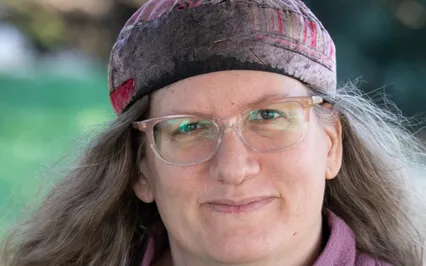
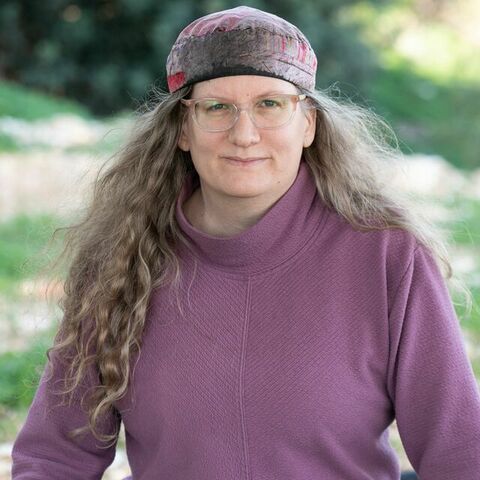
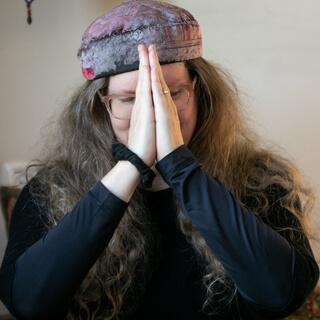
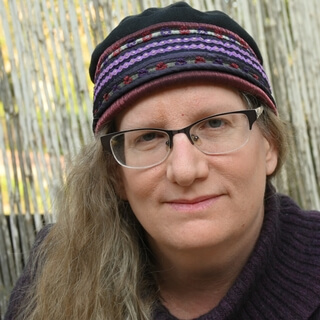
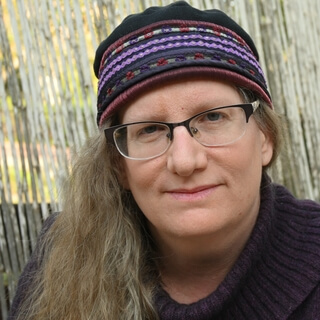
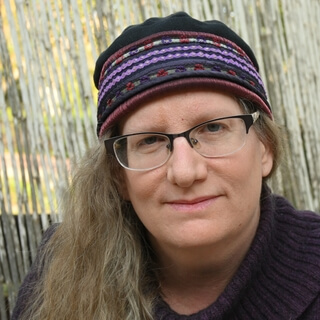
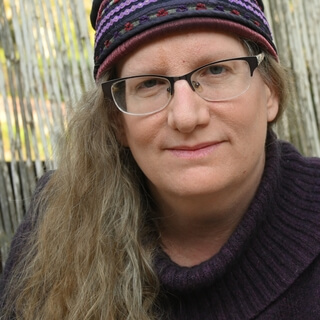
I'm Rabbi Chassi Uriel Steinbauer,
The founder and director of Hamchon L'Kedushah,
The Institute for Holiness,
Kehillat Mussar,
The Mussar Mindfulness Community,
Where we offer our three tracks of mindfulness and the Dharma tradition of Theravada Buddhism,
Mussar track only and Judaism,
The practice and spiritual discipline of Tikkun Hamidot,
Of repairing our soul traits,
And the beautiful synergy of the two of Mussar Mindfulness,
The gift of this being the only center in the world that offers this combination to learn Torah and to practice and to grow together.
Delighted to have you here with us today.
It is Sunday,
June 22nd,
2023,
7.
30pm here in Israel.
Delighted to have you.
We meet at 12.
30 Eastern Standard Time.
For those of you who are joining us on the East Coast in the United States and along that coastal area there.
So we,
Before we move in,
We always address our Kavanot,
Our intentions for the practice.
Before we do,
I just want to say this will be covering a Parsha Vayera,
Which is found in the second book of the Hebrew Bible,
Known as Shemot or Exodus.
It's chapter 6,
Verse 2 through chapter 7,
Verse 13.
One of the shorter Parshiot,
Shorter Torah portions.
We read this portion in synagogues across the world yesterday on the Jewish Sabbath,
On Shabbat,
On January 21st,
2023,
Which was Kafet,
28th of the Hebrew month of Tevit,
During Tovshin Pei Gimel,
The Hebrew year 5783.
So,
Delighted to have you and to be here to move into us looking at this weekly Torah portion from the lenses of Moussa,
Our mindfulness,
For us to get what we can to use what our ancestors are teaching and God is through the text,
To apply it to our own practice,
Our own daily practice,
To be on this,
The potential of the path,
Taking refuge in community in this path,
In this Vod and Sanga,
To have us be on this path towards holiness.
So I'm grateful to have you here today.
Let's move into our intentions,
Our Kavanot,
Which are the same every week.
B'ezrat Hashem,
God willing.
I'm going to share this for those of you who have vision or are watching by video.
Up on the screen,
You have our Kavanot.
For those of you listening by podcast or audio,
I will read these for us to move in together.
So we say before doing acts of caring for the self,
Which we see this practice is radical self-care,
This 45 minutes together,
We say this is something I'm doing to strengthen my own soul in order to be of benefit to others in the future.
And then we say we're also doing this practice right now together because we're doing it on behalf of others.
We say this is something I'm doing to strengthen my relationship to others so I can be a better conduit of God's good to others when they need me.
Being this vessel.
Right.
And finally,
We say we're also doing this practice to strengthen our relationship with the divine.
So we say this is something I'm doing to strengthen my relationship with the creator so that I can be a better conduit of that creator's good to others when they need me.
Being in service of God and service to others on this path of being upright,
Living with this insight and wise discernment,
This gift that we are given to be able to do this together in community.
So delighted to have you.
As always,
We cannot cover everything in the Torah portion just to allow that disclaimer for those of you who are new to joining us this week.
So it's very important that you attempt to read the Parsha before we get together.
Next week,
We will be moving into Bo.
And so go ahead and you know,
Take the week before we get together to do that reading so that you come in with that background knowledge to be able to jump in together.
All right.
So I think the first thing that's very important to say is that we've moved now.
We had all of the first book of Torah to really meet our ancestors meet humanity at its best at its worst.
And to really become intimate with our ancestors,
Particularly our patriarchs and matriarchs,
Avraham,
Yitzhak,
And Yaakov,
Sarah,
Rivka,
Rachel,
Lea,
Bilha,
Zilpah,
Hagar,
Among others.
So it's important for that to have that foundation and that relationship.
And then we moved into Shmult,
Into Exodus and all of a sudden we're really dealing with our people.
The B'nai Yisrael,
The Hebrews on a national scale.
Obviously with the,
You know,
Particular individuals in there that we can learn from and build this relationship with.
But this is very key for us to notice this shift and what happens when a people is enslaved and that collective and intergenerational trauma,
The effect that it has on the community,
And particularly with the effect that it has on the leadership who wants to move that community into a different direction,
A different path,
Including its God.
Right?
Hashem here in the Torah with Moshe and Aharon want to move our people away from slavery,
The actual physical enslavement,
But also the slavery here.
Right?
That's going to take years later on in the desert to move through,
To move from the trauma to resilience.
And we shouldn't expect that to happen overnight.
If anything,
We should be watching what happens.
What can we learn?
What happens to the middot,
The soul traits of people who are traumatized?
And what happens with those who try to lead them?
And what the effect on them is,
Particularly because they didn't live through that themselves.
Moshe never lived through slavery.
Right?
He is someone that was privileged,
Raised in the palace,
Obviously ran away,
Comes back.
So let's hold that in mind.
This is very important.
We move into Vayera,
Elivim,
Shemot,
And we move into pervasive demoralization.
The children of Israel,
Bnei Israel,
The Hebrews,
Just can't take it anymore.
The introduction of this God by Moshe has just caused them more work,
More problems,
Because paro is being triggered and is reacting and is causing more harm and suffering to the people.
And so,
In a way,
This is what we're moving into.
So in order to combat this kind of despondent mood,
God obviously reacts,
Amplifies his response for response to the complaint.
Moshe has his own reactivity.
Moshe Rabbeinu,
Moses the leader,
He laments over the deterioration of these people's situation.
He has to move through his own kind of response and reactivity to this.
So this is very,
Very strong and with us and it's what we're going to concentrate on.
So I think the key point that I want to point out is coming through verse 9,
If you're following in chapter 6,
Is verse 9.
Is that when Moshe tells Bnei Israel that the God of their ancestors,
So God is evoking this historical relationship,
The knowledge that these people will have this internalized strength and knowledge from their ancestors,
That God is the God of the ancestors,
Is coming to take you out of bondage with all the key strong verbs.
God will take you out,
Will deliver you,
All the very important key strong verbs that God is showing that God is a promise keeper and remembers them and that God will free them,
Redeem them outstretched arm.
And it's also that you shall know God.
Yeda,
Yod,
Daled,
Ayin.
Yeda.
The sense of to know God doesn't mean you just happen to know that there's a divine source somewhere.
To know God is this internal moral compass,
Is knowing right from wrong,
Is expectations of deeds that are upright,
Ethical,
Moral,
And alignment.
That is to know God.
And this is what the goal of taking Bnei Israel out of Egypt and also the punishments,
The responses to Egypt is also so that they will know God.
This whole project of God's is this plan so everyone will know.
Now,
What happens in verse nine is really powerful.
See,
Moshe tells this to Bnei Israel,
That our God of their ancestors has come and they don't listen.
They don't listen.
He was not successful in strengthening their morale.
And if anything,
It's the opposite.
They have reactivity to hearing this and their spirits are crushed.
Okay,
What's the actual language?
It's very important to look at this.
It's really actually sad.
So it's,
V'lo sham'u el-moshe,
They don't listen to Moshe,
They don't obey Moshe,
Depends how you translate it.
Mi kotser ruach,
U'mei avoda chasha.
Right?
Literally from shortness of spirit,
Almost maybe shortness of breath.
Right?
What happens with trauma,
Enslavement?
Here,
The shortness of spirit,
Ruach,
The spiritual psychic energy that motivates action,
Right?
It's crushed.
Right?
Its absence signifies an atrophy of will.
Ratson is almost gone.
This is what happens in trauma.
Okay,
Our answers is our people are at the,
There's a betuwe,
There's an idiom said in English,
They've hit rock bottom.
This is it.
Because there's obviously the physical slavery,
But then there's the internal one.
And you allow through the second arrow,
And maybe even a judgment of yourself,
The third,
Right?
There's the dukkha,
There's slavery,
There's the second of,
I can no longer go on,
I'm crushed.
That might even be part of the dukkha.
And then who knows that there's even more judgment of judging oneself for having that,
For reacting that way.
So all we can do right now,
And as part of our practice is to practice compassion,
Loving kindness towards our ancestors,
Towards these people,
The Israelites,
The Hebrews,
And what they're going through.
It's so key here.
And then you have to realize,
So much,
Particularly the mida of calmness,
Is particularly even as discussed by Rabbi Leffen of Cheshbon Hanafesh,
The Accounting of the Soul book published in 1812,
Is this concept of what gentleness and kindness can you bring,
And that will affect the whole energy of everyone else you interact with.
And so Moshe already is agitated.
We know from Shemot,
He did not want to do this.
He did not want to be in the position of the leader to lead the people out.
Okay,
He only was strengthened by his relationship with his brother who was going to assist him.
And then you have it again,
Which we will see soon in a dialogue,
He doesn't want to do this.
So he's not coming with calmness.
He's not coming ready with the compassion that he needs to carry these people through this,
Right?
So then Bnei Israel have this reaction,
They don't listen to him,
They wouldn't listen to him,
He can't succeed in trying to strengthen the morale.
They have the shortness of spirit,
And then that affects him.
So it's like we have to be aware in our practice of how much,
Either who we surround ourselves with,
Or if we don't have control of that,
Our reactivity to who's around us and how they're behaving.
So if people are coming to us,
And they're not listening to us,
They have a shortness of spirit,
Either from their own trauma or just reactivity in life,
We have to be aware that that's going to affect us,
Right?
That's going to come as stimuli,
Right?
So then we have to decide,
Are we going to respond with space between the match and the fuse with this wise discernment?
Or are we going to react?
Are we going to perpetuate that cycle of not listening and shortness of spirit,
Shortness of breath?
Breath is so key here in our practice,
Allowing that space between the match and the fuse.
Okay?
So this is what happens.
Moshe's failure to energize the people,
One,
If he even could have done that,
Right?
It deters him.
It deters him in chapter 5,
Pesach 21,
And also in 6.
9,
As we just read.
He cannot.
He's done.
So God comes to him,
Right?
Tells him,
Go speak to Paro,
And Moshe appeals.
Moshe is just like,
No.
He says,
They won't listen to me.
They would not listen to me.
How is Paro going to listen to me?
Not understanding that Paro is not a slave in trauma and not realizing that the people are not listening to him because of the conditions in which they're in,
The dukkha,
The suffering.
They're in deep suffering.
Okay?
So Moshe can't even discern right now.
There's no wise discernment.
And then he makes it about himself.
People wouldn't listen to me.
How is Paro ever going to listen to me?
A man of impeded speech.
This is how he sees himself.
So it's almost like,
Here's the dukkha,
Okay?
If you want to understand dukkha and Theravada Buddhism,
This concept that it's everything that we all experience that most people see as the bad or unpleasant,
The difficulties of life,
It's breast-translated as vulnerability.
We're all exposed to vulnerability in life.
For some of us,
Well,
No,
All of us will experience illness,
Death,
And all the myriad of things of life,
Right?
So here the dukkha comes,
Is obviously the slavery itself.
And then the reactivity of not listening.
And here's Moshe,
Right?
They won't listen to him.
And so he immediately has the storytelling,
That then Paro is not going to listen to me,
The Pharaoh.
And then the next arrow.
I am inadequate.
I am not enough.
I have impeded speech.
The actual language is here is,
The best way to translate this in the Hebrew,
It's very important,
Is I have uncircumcised lips.
You should know in our ancestors' tradition how important circumcision is.
Obviously both for the males,
But also of the heart,
Right?
Metaphorically.
So here to have uncircumcised lips means someone who is not in alignment with what God wants,
Cannot speak properly,
Cannot use the gift and tool of speech the way it's supposed to be.
You know,
You can understand it as physically a slow of tongue or slow speech and slow of tongue,
But it's so much more of that,
Right?
It's that you are saying,
I cannot function properly.
There's something inadequate in me.
There's something wrong with me.
And this is the third arrow,
Right?
Maybe even the second.
And this is so important because let us have compassion for Moshe also.
Because we're now witnessing,
It's almost like the circle with the arrows,
Right?
You know,
He went to their slavery,
Went to the people to speak to them and they didn't react the way he wanted them to.
And they had their shortness of spirit and then that affected Moshe and he's reacting.
And God,
This whole time,
Has his or her visors on.
God has a plan and agenda for the Egyptians and the Israelites to know God.
We're not seeing more of a nuanced response to the individual experience.
There's a larger agenda going on here,
Right?
So what happens?
God immediately goes,
God learned from the previous conversation and Shemot that after they went back and forth,
I can't do the job,
But don't pick me.
And God tried to show miracles and,
You know,
Said,
I'm with you and I will be what I will be and provided the special new name and everything.
It wasn't until he says,
Look,
Aharon,
Your older brother is coming right now.
It was that connection to another soul that strengthened Moshe to be able to do the job.
And so God learned from that experience.
God knows that.
So that's immediately God's response.
If you look here,
Chapter six,
Verse 13,
So God spoke to both Moshe and Aharon,
Instructed them to deliver the Israelites from the land of Egypt,
Realizing my selection here,
Moshe cannot do this job by himself.
OK,
Probably no person can or should,
But it's waking up.
The divine is waking up to this.
Right.
So God has this new renewed call to action that they are to engage in.
And that basically it's just important for us to realize whatever Moshe brings or the people that there is,
There is a symbiotic relationship.
There will be an effect of how each mirror is each other,
How each other can either strengthen each other or is this going to weaken each other on the path.
So the people's lack of faith in the relationship with the divine is reflected and also shown through Moshe's lack of faith in not necessarily God,
Although there is that back and forth.
Lack of faith in himself,
Lack of faith in this idea,
This mission,
Mission impossible.
So this is this is what we're this is the foundation here.
Right.
And and in a sense,
This is maybe not being like fully awake to the suffering to the dukkha,
To having that awareness and acceptance to be able then to investigate what's going on and meet it with nurturing,
Meet it with compassion.
Instead,
There's almost like especially on the divine part,
A stuffing of like,
OK,
Here's our own.
Like,
Stop talking,
Stop complaining.
Get to work.
That's going to have these are the seeds that's going to have severe ramifications,
This kind of stuffing to Moshe in the sense of his fears and concerns not being addressed.
And it's going to get mirrored.
OK.
And is there a tolerance,
If not compassion for the people will also then be mirrored and sent back by the divine to Moshe and the people.
OK,
And I think that's what I want to share with you from this section here,
But there is something more that I want to bring with you.
I just want to make sure that I have it before we move on.
Yeah,
I'm going to go ahead and move into my next text sharing from you from Nakama Lebowitz and her new studies in Shemot.
Yeah,
So in her commentary on Vayera and page 114,
Moshe,
She was really concerned with Moshe's dialogue with God,
Where God says,
Why have you brought this?
No,
Moshe says to God,
Why have you brought this misfortune to the people?
Like,
Why have you even come to do this?
Because you now just cause Pharaoh to make their labor that much more difficult,
More intensive,
Involved.
Why,
Why have you,
Why have you done that?
Right.
Besides the personal question of why you're sending me,
I'm inadequate.
So it's almost in that process that we see God in attempting to cause the people to know God.
It causes pain,
Harm and suffering,
Perhaps temporary for a more long term goal of relieving that pain and suffering.
And that's important thing to,
To,
It's also very complicated and nuanced to face and accept that sometimes we have to go or hit rock bottom before we can come out.
Right.
So Hashem,
Maybe not even having a Kavanaugh intention to cause more harm and suffering in the short term,
Temporarily,
Is something that they have to go through to eventually get out of that trauma.
And we want to hold that,
We want to hold that even personally in our own lives and practice.
Okay.
And yes,
So they,
You know,
I've already pointed out most of these things right here about,
We will notice when we're having our own pain and suffering and harm,
Particularly if we have any trauma,
Which a lot of us do in today's society,
Maybe not from slavery,
But from other forms,
That what people try to do when they think that they're comforting us or responding to us.
So one of the classics is referencing our,
Who is there to care for us or our ancestors or our past resilience,
Things that they think that are being helpful in reminding us of,
Although good intentions,
That often doesn't have that impact.
So we want to remember that with our own,
Own practice of wise speech,
That when we are comforting or attempting to comfort someone who has having their own harm and suffering,
Or maybe their own trauma,
That we don't necessarily try to fix it,
Or try to remind them of their resilience in that moment.
We have to use wise speech and part of that is knowing when something should be said,
If we're the right person to say it.
Is this the right time?
Is it kind?
You know,
Besides being honest and truthful,
There's lots of gates,
We say in our tradition that our speech has to pass through.
That's why the rabbis say that we have a tongue and teeth and lips,
Many gates,
Before we should let speech come out.
So we have to think about in our practice,
What we offer to others.
So,
The final thing I will share with you,
We have to be aware of that what we're working against,
Even our own reactivity and what we feed.
Okay,
This is so important.
We have to be aware of what we bring,
Because what we bring to a situation is going to be reflected back to us,
They will end up having probably their own reactivity back to us and vice versa.
It's very important that we try to hold that awareness of how we affect the situation.
So,
We have to respond and have this space between the stimuli and the response to move away from reactivity.
And I will say I'm going to bring this quote here,
Which will tie into a story that I'll share from the Cherokee First Nation Native tribe tradition but I've been told by a fellow student that it's also in many other First Nation tribes of North America have the similar story of the two wolves,
Which we'll talk about in a minute,
Which is,
We have to be careful here,
What's going on.
So,
Nahama brings a quote on page 160,
Where she talks about Shakespeare,
Where she brings D Cunningham who has a commentary on Shakespeare,
Macbeth,
Where he talks about the tragedy of the hardened hearts,
Right,
Because we have Paro here who ends up with a very hardened heart.
And it says the things bad begun make strong themselves by ill.
That's the quote from Act Three of Macbeth.
And so he says that gradually,
What happens is that the person hardens themselves in reactivity,
In unwise behavior and someone would call even evil behavior,
Definitely not full of life and well being.
And that eventually,
The person becomes incapable of altering the pattern in which they become habituated,
Right?
The heart becomes really fully under the weight of the burden of desire and reactivity,
Attachment,
Diversion,
And it can't be turned away from here,
Right?
So we have to be very clear that we are not habituating ourselves in the greed,
The hatred,
The delusion,
The fear of reactivity,
Because it not only has an effect on us,
And we know this at this whole level,
It affects everyone around us and what they end up coming back to us with,
Right?
And so this is the story and why I bring this because you're going to see this dance with Moshe and the people and then God and the people and then Moshe and God and the people as we move through the book of Shemot,
The book of Exodus,
Because there's lots of failure,
Right?
Just like us,
All of us all the time,
Right?
Lots of failing to not cause harm and suffering.
And so the beautiful story of the wolf,
Let me briefly share that before we move into practice together,
Is this,
Essentially,
It's this old Cherokee is teaching his grandson,
You can change it to a grandmother,
Granddaughter,
Also about life,
And says,
A fight is going on inside me,
He says to the boy.
It's a terrible fight.
It's between two wolves.
One is evil,
He's angry,
Envy,
Sorrow,
Regret,
Greed,
Arrogance,
Self-pity,
Guilt,
Resentment,
Inferiority,
Lies,
False pride,
Superiority,
And ego.
And then he continues.
And the other is good.
He has joy,
Peace,
Love,
Hope,
Sincerity,
Serenity,
Humility,
Kindness,
Benevolence,
Empathy,
Generosity,
Truth,
Compassion,
And faith.
And the same fight is also going on inside of you,
And inside every other person too.
The grandson thought about it for a minute,
And then asked his grandfather,
Which wolf will win?
And the old Cherokee simply replied,
The one you feed.
So let's,
Let's us observe as loving,
Compassionate,
Kind witnesses to our ancestors in our Torah,
To which wolf is being fed.
With Moshe,
With the people,
With God,
In our own lives,
How can we learn not to follow the same path that causes so much reactivity and harm and suffering?
We know this.
We know this.
Let's move into our posture.
I invite you now to assume one of the four classic postures in mindfulness meditation.
They are walking meditation,
Not walking anywhere in particular,
But back and forth,
Sitting either on the zafu,
A sitting cushion,
Or on the chair,
Like I am sitting.
You can lie down,
Or you can stand,
Strong mountain pose to hold yourself essentially if that works for you.
The idea is that it's an internal uprightness.
It doesn't mean if you have any disabilities or chronic pain,
That you can't sit actually upright,
It's more of an internal one.
That you're bringing this sense of dignity that you were created in the image and likeness of the divine,
And you sit with that dignity,
With that self love and self care,
And you'll want to firmly plant your feet on the ground if your feet are on the ground so that you feel held by Mother Earth.
And put your hands wherever it is comfortable for you.
Some people like to hold their heart on their chest so that they know they're there,
You can even rub yourself in need of compassion.
Others hold one of the poses with their hands.
And I invite you to close your eyes if you have vision you feel safe and comfortable or lower your gaze and internally and quietly to yourself invite presence,
Invite awareness,
Inhalation ease,
Exhalation arriving,
Inhalation ease,
Exhalation,
Kindness,
Inhalation ease,
Coming to stillness,
You are coming fully to arrive here,
Letting go of any tension that is present for you,
Letting your breath fall to its own natural rhythm.
We're using our mindful attention to directly experience the aliveness of genuine well being and body,
Mind and heart as we connect with the goodness around us.
It's so good to be here and practicing together,
To be able to learn from our ancestors,
Our tradition,
Our sacred holy texts,
Allow yourself to feel that good.
You simply invite well being and joy,
Simply incline yourself in that direction.
Allow any delight and appreciation to move through you,
Your well being and joy are a gift not only to you but to others as it awakens that quality in all of us,
Allowing a smile to emerge as this affects your mind and your presence,
Bringing to mind something that brings you joy,
Perhaps as being out in nature,
Perhaps it's being here and our moose our mindfulness practice together.
Perhaps it is dancing or listening to music you love or a beloved,
Beloved pet who loves to come and lie with you.
Allow yourself to experience this well being.
Notice if you feel it in your heart.
No need for judgment if you don't just allowing yourself to rest in this awareness of feeling well being.
Bring to mind some blessing in your life,
Someone or something you're grateful to or for.
Bring the image to mind of this person,
The circumstance,
Allow a simple internal bow a simple thank you from your heart to that being or life.
Allow yourself to relax and the joyful feeling of gratitude as it pervades your body.
Take a deep breath.
Inhalation ease,
Exhalation joy.
Bring to mind another blessing,
Someone or something you are grateful to or for.
Bring the image fully into your heart or your mind's eye or feel it pervasive through your body.
Give that internal bow that silent thank you to that.
Relax,
Let yourself feel the joy in the body,
Opening to this fact that you are alive,
The energy that you have is what you bring what you offer is your offering.
Feel it as it moves through you.
No need to cause anything to happen or to make something different,
Or to make something happen.
Be aware of this breath sustaining you and keeping you alive,
Aware of the blood flowing through the body,
Nourishing every cell,
Your senses and taking in all that is around you.
Colors,
Sounds,
Fragrances,
Tastes,
Being aware of this miraculous body process,
Keeping you alive right here and right now.
Allow yourself to tap into your soul,
Your conscious awareness,
Your inner moral compass.
As you receive the gifts of life that move through you,
Your offering as you give that back,
Nothing needed to do,
Let yourself simply enjoy the fact that you are enough.
You are alive.
You are loved.
Allow yourself to take in the full appreciation and joy,
Taking refuge in this community together and the practice and your teachers to God.
If you are ready you can gently and slowly open your eyes.
Welcome us back into this sacred zoom space live streaming on our YouTube channel,
Please subscribe live on Facebook and LinkedIn and Twitter wherever we are on our website of Kihilat Moussar and on Insight Timer.
I'm Rabbi Chassi Oriel Steinbauer,
The founder and director of the Institute for Holiness Kihilat Moussar and I'm so grateful to you for your practice and this calmness,
This peace,
This wise path that you bring to ultimately affect everyone,
To bring God's good to others when they need us.
We offer your sponsorships and donations,
Your Dana,
Your Truma,
By being in touch with us on our website.
We thank you for any amount that you give to enable us to continue these awakening offerings every Sunday,
1230 Eastern Standard Time.
We look forward to seeing you practicing and being with you next week.
Take care,
Be at peace.
Shalom.
Namaste.