Welcome.
Allow yourselves to settle and arrive.
We will begin in one minute.
Welcome to Awakening.
Allow yourselves to settle and arrive.
We will begin shortly.
Welcome to Awakening,
Torah,
Musar,
Mindfulness.
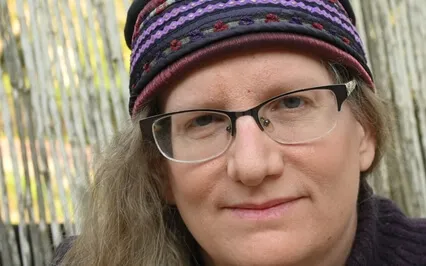
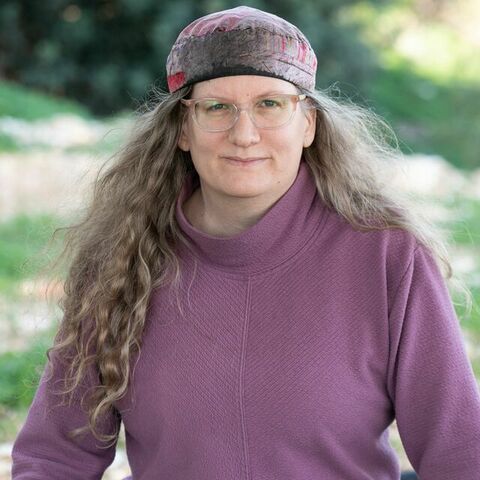
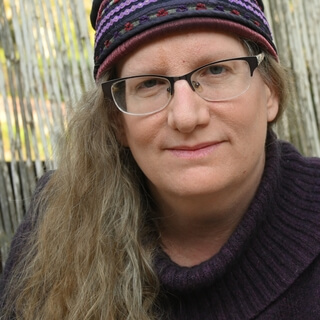
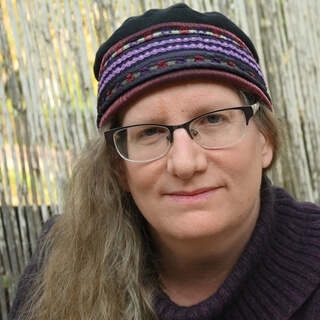
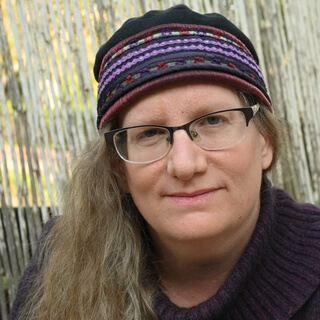
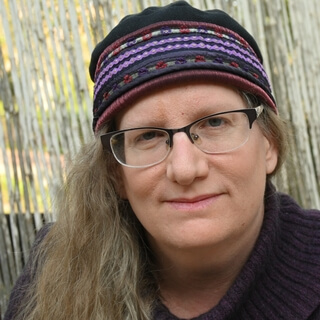
I'm Rabbi Chassi Uriel Steinbauer,
The Director of HaMachon DeKedusha Kehilat Musar,
The Institute for Holiness.
I'm delighted that you have joined us.
We are live streaming on YouTube channel,
Facebook,
Twitter,
And LinkedIn,
And of course live on our Zoom link.
Welcome to all who have arrived.
I will be able to say hello to you personally at the end of our session.
We have a slight change in our schedule,
Which I sent out an announcement,
Which is because of the festival of Passover,
And it ending sooner in Israel,
We went on with the regular cycle of the Torah reading.
Basically,
We went on to Kedushim this past Shabbat,
Whereas outside of Israel was at Acharei Mot,
Which we had done two weeks ago.
So what it's going to look like now,
Because as you're aware,
Up until now,
I had everyone basically learning the Torah portion,
However they were going to,
Listening to it in the Beit Keneset in the synagogue,
And then we would meet on Sundays to kind of look at it through the lens of Musar,
Mindfulness.
And so now we will still continue with that pattern here in Israel,
But outside we will now go back to kind of the way traditional Judaism does it,
Which is that you actually prepare for the portion that you're going to come up with on Shabbat.
So basically for all of you coming,
This coverage of the Kedushim,
Which is Awakening Kedushim,
Which we're going to be delving into together now,
Encountering this,
You will encounter outside of Israel this coming Shabbat,
Bezrat Hashem,
God willing.
So I hope that makes sense,
And we'll adjust as it goes,
Because this is new for us based on how we've been behaving before.
So we always begin with our Kavanot,
Our intentions for today's practice,
As you are aware if you've been following or coming along and joining.
So I'm going to go ahead and share screen for those of you joining by video.
For those of you joining by audio or other means,
I will speak out the two Kavanot,
The two intentions for today's session,
And you will be able to listen to what we will focus on.
The first one is,
Before doing acts of caring for the self,
We say,
This is something I am doing to strengthen my own soul in order to be a benefit to others in the future.
So we see this practice together,
This half hour to 45 minutes as a radical act and practice of self-care so that we can be ready to serve others through this nurturing that we do.
And the third Kavanot listed here,
Which will be our second one,
Is before doing acts to strengthen your relationship with the divine,
This,
We say this,
This is something I'm doing to strengthen my relationship with the creator so that I can be a better conduit of God's good to others when they need me.
So we'll hold that in.
May we merit fulfilling these Kavanot,
These intentions today together.
So let's slowly,
Slowly jump in.
So for all of you who experience Ahare Mot after the deaths of Nadav and Avihu,
Which was a very tragic,
Sad story,
That we noticed that in Ahare Mot,
All these rituals in Leviticus and Vayikra that basically have become obsolete once the temple was destroyed.
And I would even venture to say that how they were practiced in the Mishkan in the desert was most likely a little bit different than how it was in the temple with things changing,
Location,
The centralization of the temple and the power.
So basically over time,
Judaism and our ancestors' relationship with God and understanding with God changes and becomes different.
And God's presence doesn't have to solely reside in the holy of holies once there is no more temple,
Okay?
It begins to shift to the whole world.
And we notice this tension.
If we pay close attention to the text,
We already notice that we're told that God will reside among the people,
Meaning in the camp.
And then it gets shifted into the Mishkan,
Into the holy of holies.
And there's this tension.
Well,
Where is God?
Is God's presence,
The Kavod of Adonai in the Mishkan,
In the holy of holies,
Or is God in the camp?
And we're holding both.
We're holding this tension,
And we can feel it in the text.
And so we no longer have the,
Without the temple,
Without the Mishkan,
We no longer have these like priesthood to maintain the standards of taharut,
Of holiness,
Of purity.
And rather,
Holiness becomes the task of all Jews.
And we'll notice this also in the text as we move into Kedushim,
Okay?
It's present there.
The tension is there.
It's there for us to pick up as a gift.
So these large-scale changes in understanding God and enacting the Torah's rituals,
These get worked over over centuries from our ancestors.
Okay?
And so without the temple,
Without sacrifice,
Without the scapegoats that we found in Ahuraimot,
Like the Yom Kippur ritual,
Still will be about ridding ourselves of impurity and sin through confession and striving for holiness to keep God in our lives.
And that's where we find now the shift in Kedushim.
So let's take a look.
And essentially,
We start off with Kedushim,
That chapter 19,
If you're following along,
It can be characterized basically as a brief Torah.
And it basically brings duties and behavior that is incumbent on all the people.
So all of a sudden,
We move from this Yom Kippur ritual,
Which is really,
To be honest with you,
An act of atonement and purity for Aharon after the death of his sons.
It only later,
Scholars believe,
Turns into more of a Yom Kippur ritual.
But that essentially,
That these wide range of laws and commandments that we face in Kedushim are basic teachings of Torah.
And we learn from our rabbinic texts,
For instance,
In Leviticus Rabbah,
That you shall be holy and forms us,
Assembly,
That it's read to the whole people.
It brings it back to the people,
Where is God residing?
And that it's read before the whole assembly.
And all the essential laws of Torah,
Essentially,
But most of them can be derived from it.
And even the 10 utterances,
Which we know in modern culture as the 10 commandments,
Are embodied in it.
So the Midrash then presents to list a series of parallels to the 10 utterances.
So just to give you that background in Kedushim,
We had Ahuraimot,
And we had in Leviticus this,
And I brought this up last week with Ahuraimot,
That this real feeling of,
Essentially,
Everything's being centralized among the Kohen Gadol,
Among the high priests and the Kohenim,
And it's moving into the temple.
It's not a temple yet,
But moving into the Mishkan,
Into the sanctuary.
And I had shared that I had felt a sense of loss,
That the relationship,
The intimacy that we had had with God,
And it moving to this location with its really strict prescription of purity and impurity,
Who can participate,
Who can approach,
How they can approach,
It's extremely prescribed.
Gone are the days of the intimacy,
The friendship,
Like between Moshe and Hashem,
Between Avraham and Hashem.
We don't see this or feel this in Leviticus and Vayikra,
Okay,
And the Sefer so far,
Right,
And the whole Sidra.
So this,
All of a sudden,
We bump into Kedushim,
And it's almost like God sending a message to us.
I'm still here,
And I'm here in the relationships between you and your fellow human being.
And now I give you a reason for the first utterance,
I am the Lord,
Your God,
I am holy,
You shall be holy.
It's the first time we're given a reason why we are to follow these laws,
Why are we to do what we do,
You shall be holy.
So immediately you should think like most of us,
Jump in and think,
Okay,
I like that.
I think I like the sounds of that,
But what does it mean that you shall be holy?
So then we're given a whole set of prescriptions and laws of how to treat each other,
What's expected of our behavior,
Ranging from how we deal with money,
How we deal with our business,
Being honest in our weights and measurements,
With our speech,
With our sexual morality,
With just what we wear,
What we consume,
What we do with our animals,
What we do with our grains,
Every aspect of life among our ancient Israel and our ancestors begins to lay out a picture of what it means to be holy.
And I'll just briefly say that it no longer remains in the Holy of Holies,
No longer remains in the Mishkan,
In that central place with the high priests,
Who were brought back to the Kahal,
To Adat Yisrael,
The language is used,
To the whole assembly.
It's as if God is saying,
You thought it was just going to be about purity and impurity and approaching this sanctuary and how to function for atonement,
Kapara,
And for purity,
Being tahor,
Tameh,
And pure.
I'm going to remind you that actually there is a path to life,
A life towards Kaddushah,
Towards holiness,
And it's going to be found in how you behave day to day,
How you treat others.
And this is profound,
Okay?
If you thought,
If you felt like me,
That there was maybe this sense of,
With us,
Especially with Ahuraimot,
That,
Whew,
Like,
Where did God go?
And what happened to our personal relationship?
There's going to be a shift in attempting to balance this a tiny bit,
Okay?
So let's cover this a little bit more so that we can move into some of the teachings of how our ancestors essentially work out,
What does this mean that you should be holy?
And of course,
Our rabbinic exegesis through the past 2000 years,
Take examples from the Torah of how God treated our ancestors.
And what you're going to notice if you pay very close attention is that all of these examples are rooted,
Are rooted in Bereshit,
Okay?
They're very strong there.
Bereshit and Asan Shemot,
They are in the personal relationships with our ancestors.
We go back to Avraham,
We go back to Yitzhak,
We go back to those relationships because we all sense and feel that intimacy with God there.
None of the examples of how God behaved,
That God was acting holy and that we are to emulate come from Vayikra,
All right?
So the first is that comes,
That you shall clothe the naked.
This comes from the Talmud Bav Lisota,
The whole discussion on 14a,
But it basically takes from the Pesuk and the idea that God made for Adam and Havah garments of skin and clothed them before they were to go out of the garden of Eden,
Gan Eden,
All right?
And so because God clothed them and even God clothed them in the moment where God disagreed with them most,
And not right now,
I'll share the sheet later.
Someone's asking for a source sheet and it'll get posted on the website later.
So essentially at that deepest moment where there might've been what you would think is a rift and maybe God would punish and not be kind and offer clothing,
It's offered and they are clothed,
Okay?
Then next,
God appears to Avraham in the Torah after he's recovering from his Brit Nila,
His circumcision.
And so it's God modeling that you shall visit the sick and we are to visit the sick.
Then later on,
After Avraham passes away,
God goes ahead and blesses Yitzhak,
His son,
Visits him.
And we see that as consoling him,
Comforting him as a mourner,
That he's an Avelut.
And so we too should,
If we are emulating God,
If we shall be holy like God behaves,
Then we shall comfort and console mourners.
These are these classic examples brought to us within the rabbinic tradition.
The last one is the Holy One,
Hashem,
God buries the dead.
So what's the example here?
When Moshe passes away,
Moshe,
He buries Moshe in the valley.
And so we too are to bury the dead.
And so you may be thinking,
Oh,
These are,
I can do these,
Or I don't have much opportunity to do these.
But if we're really looking at a daily practice of Mufsar mindfulness,
We should begin to ask,
Do I do these things?
And if I don't,
Why don't I?
Can I seek out opportunities to do this?
Some of these are not so difficult.
We know,
There's actually just a recent New York Times article that the average human being in the West owns so much clothing that they don't even know what's in the closet.
And they can't find things that they want to wear.
If you think back to our ancestors,
Classic examples,
They only had one piece of clothing to wear that was theirs.
There's all this discussion in the Talmud Bavli about stains on clothing,
And if it's a live blood,
Or if it's a stain,
And you may be wondering as a modern reading this,
What's going on?
Why are they so consumed with if something's a real blood or a stain?
And it's because there was only one piece of clothing.
And so that showed up everywhere and everything.
But for us,
Where we have so much clothing,
We could as a daily,
Or even a weekly,
Or even a monthly practice,
Go through our clothing and give it to people in need.
Here on the kibbutz where I live,
We have what's called the Yad Shlishit.
It is an actual location where we can drop off food for that,
Excuse me,
Not food,
Clothing for that purpose.
So that's something that we can do.
The other thing,
When people are sick,
If we're not in touch with who's in our community and who's in sick and need,
And maybe not even sickness,
Who's recently given birth,
Who's recently in need,
Maybe just psychologically or in their own soul,
That we could provide meals to,
Or given the constraints of COVID,
We could call on the phone,
Or we could send a card to.
All these things could be a part of our practice that we be mindful of and attempt to do,
At least on a weekly basis.
The same with consoling a mourner.
People die in our community all the time.
And so we trench ourselves in community in order to know and be aware of who is in need of being comforted.
And I will really stress here,
One of the key things that comes from the Jewish Publications Society,
Talk about a text,
I will provide this in the source sheet.
So in the Jewish Publications Society on Leviticus,
On page 256,
It says basically that,
Basic to our ancestors in biblical religion,
That holiness cannot be achieved by individuals alone,
No matter how elevated,
Pure,
Or righteous.
It can be realized only through the life of community acting together.
We have shifted so much in our modern culture,
If we're gonna have a pendulum,
Towards individualism,
That it's actually a daily practice to wake up and choose to be in community.
We're no longer forced into communities like we used to be in a ghetto or elsewhere.
So now we must make an effort.
And that's where that work is.
That's where that holiness is.
That's where that emulation is.
So it's the same thing with burying the dead.
We can be a part of the community to be a part of that.
There are whole societies and sections of synagogues that where people can volunteer to do this type of work.
But where I wanna get really personal,
Just for a minute,
Is in this section,
Chapter 19.
Oh,
The title of the book that I just said was the Jewish Publications Society Torah Commentary.
It's called Leviticus and Vayikra.
And it'll be up on the website as a source sheet.
And it's written by Dr.
Levine.
And in chapter 19,
The verses nine and 10,
It goes on to discuss how certain crops that a farmer should leave in the field for people in need.
And immediately people might think,
I'm not a farmer.
I don't have a field to leave to anyone in need.
But let's just look at these,
Okay?
This plays a very important role in making sure that everyone had access to food,
Even if they were experiencing hard times.
So the first is Peah.
Peah is essentially where the farmer would leave a corner of their field unharvested.
And so this is an obligation,
Meaning the farmer from our ancestors,
They had to leave those corners.
And if you were gonna follow the community and the laws and the norms and act out this holiness,
You were obligated to leave that.
It's not something if you felt like it or not.
And we have that in our tradition today.
We have tzedakah.
Tzedakah is obligated.
We give a certain amount of our income and that is what we share.
So that's one example of how we can act out our holiness.
The other is Lekit.
The sheaves that were dropped while the farmer was harvesting.
Now,
This might've been done with kavanah,
With intention,
Or it could have been just forgotten,
Done by accident.
They were dropped.
They were so busy doing so much work that they dropped it.
And so the example of this that always comes to mind to me is you're out having food out to eat.
You have leftovers.
You take the leftovers with you.
You pass by a homeless person and you greet them.
You say,
Hello.
You treat them with honor,
With kavod.
You see them,
You look them in the eyes and you drop this food in the sense you give it to them.
You ask if they want it and you give it to them.
The same thing is a tradition that when you go grocery shopping,
You buy an extra amount that you're doing on purpose so that you can give it to someone in need.
Now,
Obviously we're so segregated as a society from people who are poor and in need.
We don't often see the poor.
That's not as if the poor necessarily live right next to us unless we're poor ourselves and then located in a segregated,
Poor neighborhood.
We don't have people in middle-class or higher neighborhoods sleeping on benches in our neighborhoods unless you live perhaps in a very urban environment,
In a city.
And even then,
I don't even think there's many benches around to allow poor people to rest and sleep.
And so to encounter and run into the poor is difficult.
So we think,
How do we do this?
How do we practice this Musa mindfulness of being holy?
And so we give today,
We give to nonprofit organizations.
We give to organizations that guide their whole principle in life towards caring for the hungry,
Caring for the poor.
The other example is Olelit.
Olelit is a cluster of grapes that didn't grow properly.
So I think of this,
If you're someone who gets your food from a farmer or is in a co-op and gets the big box of fruit and vegetables,
B'srat Hashem,
God willing,
Or even if you go to the market and you buy a bunch of things and all of a sudden you get home and you realize something is either rotten or too ripe or not to your liking.
So of course you're going to take off that which is rotten or even if it's too ripe,
But that which you don't want can be given to the poor and can be done with covenant and intention.
So I was thinking on our refrigerator,
We always have food that we don't eat.
We consume too much.
It's something we're trying to work on in our practice.
We consume too much.
So essentially there's always food that we're about to throw out.
And I make sure to get it before it spoils.
I don't want that to spoil.
And then we make sandwiches,
We make what's needed.
And there's always an opportunity to give at least where we live.
Whenever we're driving and we go to the corner,
There are always Druze children or Arab children who are being forced out into labor,
Into the corner to work.
And we give them food,
We give them water,
And we give them money.
And so this is olelet,
You can do this.
And this is the final one,
Which reminds me of these children I just mentioned,
Which is called shicha,
The sheaves a farmer forgot.
Now,
Again,
Is this done with covenant and intention that they purposely forgot them to leave for the poor and those in need?
Or was it just,
You know,
They're so busy collecting all the sheaves that they forgot to do this,
Right?
They just left it.
So my Abba,
May his memory be for a blessing,
My father always had a practice of shicha.
He did this with covenant with intention that he would essentially,
Whenever he spent money,
If there was any change that came back to him,
He collected it and put it in the shicha pile.
And then in our car,
It was usually in that central location where you dumped all the change and he purposely left it there.
And then anytime we came up to a child like that,
Or anyone,
Any person that was homeless or in need on the corner,
That shicha,
That money would go to them.
So this is how daily small acts of holiness happen.
And as I said,
They have to happen in community because one individual shicha,
You know,
Pocket change is not going to help.
It's not gonna change also society.
It has to be done in community.
And there you can have a larger force,
A larger force of change,
A larger effect of holiness in the world.
So that's what I want to bring here about our Torah portion.
And I want to tie it into where we are in the third week now.
We've just entered the third week of the Omer.
For those of you who don't know what Sefirat HaOmer is,
Counting the Omer,
It is in the Jewish tradition between the second day of Passover,
Of Pesach,
To the festival of weeks called Shavuot that we count each day.
Used to be that our ancestors were farmers,
Counted the Omer,
The barley offering to bring to the temple on Shavuot.
But for today,
We just count each day as a spiritual practice,
And we tie it into our middot,
To our soul traits,
To what we're practicing.
Gets tied into the Sefirot and the Kabbalistic tradition.
But here at Musar Mindfulness,
We just look at the middot.
And in particular,
This week,
We move into the quality of tiferet,
Of beauty and balance.
And it ties to the middot of anava,
Of humility,
Which we know from the Musar perspective is how much space you take up.
And is it appropriate to you?
And I mean,
Psychic space,
Physical space,
Verbal space,
All the type of spaces that we can take up as human beings.
How much space are we taking up?
And is it for the benefit of others?
Our whole moral compass is other oriented,
Which is God oriented.
Bringing God's good into this world means to care for the other.
Service of God,
Avodah is,
Are you caring for the other?
That is where you are holy,
You must be holy.
So that's the beautiful thing in our Pesuch and our Torah portion of Kedoshim in chapter 19,
Where it actually says,
And you shall be holy for I,
The Lord,
Your God,
I'm holy.
So it actually says right here,
Ve'amata elechem,
Kedoshim to you.
That means not you shall be holy.
It means you must be holy.
It's incredible.
And there's something quite beautiful about that,
Okay?
And Israel now,
The B'nai Israel and our ancestors must be holy because God is.
So it's an internal,
Like talk about beauty coming in for the week of Tiferet.
And then we always start with chesed,
Of loving kindness,
Of this beauty,
Of this beauty of when we all take up our proper amount of space and leave room for others.
There is a beauty to that.
There is a balance to that.
There's room to breathe.
It's profound.
And then we really do internalize and outcomes from within us,
This sense of,
Yes,
I must be holy.
I feel it when we're in that alignment,
Which is beautiful and profound.
So we're gonna move into our sitting now.
And what I want us to have in mind through this sitting,
And before we even enter is to think to yourself,
What today do you also think is holy,
That you are emulating God?
Okay,
What expressions of kindness,
Of compassion that are life-affirming?
And we do this by taking refuge in community,
Refuge in the teachings and most of our mindfulness in the Dharma,
Refuge in doing this practice and working together,
Refuge in God.
And so with that,
I invite you,
If you are able to sit to go ahead and come to an upright seated position.
And if you are in chronic pain,
Or it's just,
You're not able to be present with sitting,
Then of course,
Please stand or lie down with your eyes open.
So you remain awake and alert.
You can also just make sure there's a chair next to you if you need to stand so that you feel held and supported.
For the rest of us,
You want to plan your feet firmly in the ground.
If you're in on a zafu and a seated cushion,
Then you'll want to just feel that weight necessarily on your knees or on your sit bones to feel really held.
And you want to close your eyes if you feel safe and ready to do so.
And you really want to begin with three deep cleansing breaths.
So I'm going to lead us in that now.
Upright and dignified,
Letting your hands rest where it feels comfortable or putting a hand on your chest.
In-breath,
Out-breath,
In-breath,
Out-breath,
In-breath.
We've really entered a holy moment together on this Rosh Chodesh,
The new moon of Iyar,
The 30th of Nisan.
We are in our 31st sitting together.
It's a beautiful thing.
And today is my Hebrew birthday.
And so we dedicate this practice and sponsorship today in honor of my birthday,
Where we are having a fundraiser and a membership drive where you are all welcome to take refuge in our community and in this practice.
If we think about what led us to this moment in Vayikra,
Of ridding ourselves of impurity,
Of where we've gone off the path verbally,
Striving for holiness to keep God in our lives,
It is not so different today how we practice our Musa mindfulness,
Being on that noble eightfold path that is wholesome,
Wise living,
Being fully aware of the consequences when we act out harm and suffering towards ourselves and others,
When we act with greed,
Hatred,
Or delusion that is the farthest from holiness,
From emulating the divine.
Whereas we might in Theravada Vipassana practice be heading towards freedom or liberation,
We are fully aware of the deep beauty,
The chesed,
The loving-kindness that comes down to us like shefa,
Like chen,
Like grace,
Connecting us to the divine source.
Allow yourselves to settle and arrive,
Being awake as we move and experience the beauty and the loving-kindness as we enter this third week of the Omer.
And as with beauty,
We are aware of the sorrow of life and we receive it with all with kindness,
With compassion,
With a non-judgmentalness.
And we gently ask ourselves,
Can I bear this moment?
Can I hold all that is life,
That is holy,
The beauty and the sorrow?
From time to time,
You hear me go silent.
You're welcome to use your breath as your anchor to remain in the present moment in our practice of mindfulness meditation.
You can use the sounds around you,
Whatever thoughts may emerge.
Notice if you are present now,
If you've been able to settle and arrive,
Is there any sensation in the body calling for your attention,
For your loving-kindness,
For you to honor it?
Simply recognize it,
You may even whisper,
Which is a form of mental noting,
That I will visit you later.
The same may be said for any thoughts that are coming and going.
To be human is to have hundreds and thousands of thoughts come and go.
They arise,
They have a certain shelf life,
And then they leave.
They only really become an issue when we attach ourselves to them,
When we identify with them,
Or when we push them away,
We practice aversion.
If we could just attempt with curiosity,
With the beginner's mind,
Simply look at them as they pass,
Knowing that if we are caught up in thoughts of the past,
Or planning for the future,
That we can bring our practice back to the present moment.
Simply begin again.
No need to judge what's happening with your thoughts.
And then for some of us,
There might be strong emotions that arise from time to time.
We talk about the monkey mind in our practice,
Where so many thoughts come and go.
There can also be monkey emotions,
Even monkey sensations in the body,
Where they kind of just pop up,
Knowing in this holy moment that you are sitting among community,
And that we are all breathing and practicing,
Sharing this practice of tiferet,
Of beauty,
Of chesed,
Of loving kindness,
Of anava,
Each of us taking up the space that we need to,
To breathe,
To be in community.
There's something very beautiful and profound about sitting together in practice,
That you feel the balance.
No more than my place,
No less than my space.
Our practice of Musa mindfulness speaks the harmony of the infinite design,
Calls forth our heart's yearning to live in balance and truth and holiness.
We shine the light on our web of connection.
This interconnectedness brings amazement,
Delight,
Wonder,
And joy.
In other times,
Our practice of awareness opens us to tremendous grief,
As we face and feel the pain and suffering of each other and the earth.
This practice calls on us to expand,
To be spacious enough to hold all,
To be in the truth of what is,
Here and now in the present moment,
Present to joy,
Amazement,
Present with pain,
Hardship,
And suffering.
To be spacious enough,
Even in our own practice of unabove humility within our own body and soul,
That we can be expansive enough and spacious enough to hold all,
To be spacious enough so pain does not deny joy and joy does not dismiss suffering.
Join me as we move into silent practice,
Breaking open our hearts with our expansive awareness,
Letting the light heal and compassion shine through.
You may use these guided questions in your silent meditation practice of what inspires your practice of holiness?
What helps return you to balance?
What helps you serve others?
How can you bring compassion to the pain and suffering and sadness that you witness and experience?
And what does being with Teferet,
With beauty and chesed feel like in your body right now?
We move into silence.
Gently and slowly open your eyes when you're ready to come back into this sacred circle,
Sacred Zoom space,
Sacred live streaming.
Thank you for your practice.
Thank you for being with us here at the Institute for Holiness,
Kihilat Musa and the Musa community.
Delighted to be doing Awakening Kedushim,
Torah Musa Mindfulness.
We so look forward to you joining us with your comments,
Your questions.
We always allow for questions and answers after if you join us on Zoom.
And just to honor that this is a daily practice,
It's lifelong and we do little acts one day at a time as part of community.
And so this is a holy month,
ER.
Why?
Many reasons,
But one in particular is,
For instance,
We're given a second chance.
We're given Pesach Sheni,
The second Pesach.
Why a second Passover?
In the Torah,
There were people who were in touch with a dead body at the coming of Passover of Pesach and wanted,
Of course,
To be in community and to celebrate and be a part of Passover.
And they couldn't because they were tameh,
They were impure due to being in touch with the dead body.
And God at his mercy and also Moshe and everyone involved,
Of course,
Wanted these people to be able to be present and participate.
And so the creation of a month later and the full moon coming up at the 15th of this month,
The Erech around,
Will be that second opportunity.
Now,
Very few of us modern people practice or participate in that,
But you can always see it as this whole practice of renewal.
As I said,
During the practice of Passover,
Of Pesach,
It is to simply begin again.
It is to face our inner Egypt.
Where are we stuck?
Where are we caught up in the unpleasant or attachment to the pleasant?
Where are we in our greed,
Hatred,
Or delusion?
Where are we reacting and doing aversion,
Pushing away or attaching?
That is our inner Egypt.
And each day with each breath,
With each sitting,
With each act of holiness of Kedusha,
Is this breaking free?
Is this simply beginning again?
Is towards freedom,
Liberation,
Which in our tradition is always tied to responsibility,
Obligation toward the other,
Bearing the burden of the other,
Bringing God's good to the world and others.
Thank you for your practice today.
Thank you for joining.
I look forward to being with you next week,
Which we will cover Parashat Emor.
And so you are welcome to study it the week before.
If you're outside of Israel,
To be ready for the city,
Or you're also welcome in Israel,
Of course,
To have experienced it the whole past week and listen to it in synagogue,
If you do participate in that,
And then come for this encounter with it,
Where we practice this beautiful lens of Musa mindfulness on it,
As active interpreters of these ancient traditions to lead us on the wise path and wise living that's life affirming and holy.
Take care of yourselves.
Thank you so much.
And thank you for your birthday donations in honor of my birthday and for our membership drive.
I look forward to being with you and learning with you and practicing.
I'm Rabbi Chassi Orel Steinbauer,
Founder and director of the Institute for Holiness,
Kikilat Musa.