Welcome to the Explorers Mine.
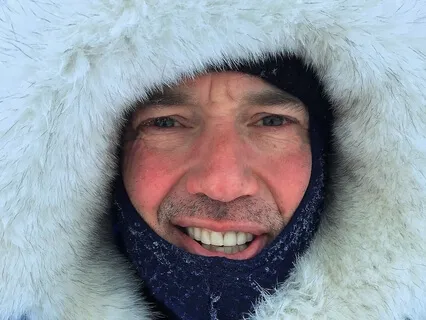
Today's guest is Justin Paksho,
An entrepreneur,
Philanthropist,
Adventurer,
And a co-founder and CEO of the award-winning British luxury brand De Roma and chairman of the travel company Joro Experiences.
Justin has achieved some incredible feats,
Such as winning around the world yacht race,
Riding across Mongolia on horseback in search of the Zatan reindeer tribes,
Leading an expedition across East Africa on motorbikes,
Taking part in winning a 450-mile man-hauling race to the magnetic North Pole,
Helping guide the youngest British girl to ski to the geographic North Pole,
As well as summiting Mount Everest along the Northeast Ridge,
And co-leading an expedition,
Taking three wounded soldiers from the British army to the South Pole.
Justin is a strong advocate for raising awareness and money for important causes,
From empowering people to reach their potential to looking after and protecting our environment.
And he has raised millions for charity and has been awarded with an MBE in 2015 for services to expeditions,
Youth development,
And charity.
And when he is not plotting a new adventure or actively working on his two companies,
Justin is also a highly sought-after international speaker,
Giving talks to audiences worldwide.
Justin,
Welcome to the show.
It's so great to have you here with us today.
Thank you,
Parma,
Very much.
What a joy.
What a privilege.
Thank you.
Justin,
I'm always really curious about why people do the things they do.
And I've heard you say previously that you're not really an adventurer.
You're just someone who followed his dream.
So I'm really curious about the early days and what set you off on your journey.
I think it's a great question.
I was very lucky,
Parma.
I grew up in a little island in the Mediterranean called Malta.
And I'm the youngest of four children.
My parents were quite adventurous.
They were very curious,
Really.
And they kind of wanted their children to be interested in life and to be interested as people.
And that concept is very intriguing,
Really,
Because if you are given opportunity to really search what makes you tick and what makes you happy,
I suppose,
And you can do that in an environment where you've got lots of opportunity.
And in my case,
It was sort of the outdoors,
Really.
I have a great love of the sea.
And it's amazing how,
If you follow that through,
It can take you to where I am now.
I mean,
Even with you reading that bio,
I was sort of,
I don't really think it's me.
I mean,
All I do is I go from one exciting thing to another.
And I've been lucky to have done it for so long now that I've got traction.
And we can start doing some really powerful and good things.
Yeah,
I think it started very young for me.
I mean,
Great parents.
I was very lucky,
A very happy upbringing.
And I sailed.
And I sailed from when I was almost before I could walk.
So it gave me a great understanding that sea and sailing is a very good way to understand and respect nature.
Because a lot of the things I've done is taking on Mother Nature.
And if she decides,
You know,
She's a dangerous adversary.
Because if she decides to clench her muscles,
Then,
You know,
It's a pretty powerful thing.
I imagine an adversary that can't be controlled.
Totally can't be controlled.
So you have to roll with her and understand.
And if you just take some of the building blocks and the concepts that happen around understanding that,
That can be replicated in all walks of life,
In your emotional life,
In your business life,
With your friends.
And I think that that's something that I've really liked harnessing and learning from.
And I'm still learning.
It is a never-ending process.
But I think where you're going with that question is when you have that curious spirit at an early age,
Which everyone has.
I mean,
It's not unique to someone like me who's been lucky enough to go to the four corners of the world.
It's in everyone.
And if we can fuel it and we can allow an element of possibility around it,
It's amazing what people will do and do at a young age.
And then hopefully that manifests itself into other really super cool and conscientious,
Empathetical things,
Which I think we're all looking to try and do more of.
So curiosity is very,
Very powerful.
And as you just pointed out,
We all come here curious and we come creative.
On the other hand,
It feels,
At the age of maybe 15 or 20,
For a lot of people,
That has been broken or inhibited in some ways.
Why do you think that is?
Well,
I think systems,
I mean,
Look,
The privileged few who sort of break away from what is normality,
It's a tricky one because our society deems that you are a certain person when you're young on learning information and retaining it and then putting it to good use somewhere.
And I think that one area which we don't do enough of is that follow your dreams.
What is it if you look at everyone internally will have something which is very important to them?
And a lot of times that gets buried.
And it's not allowed to come to the surface really.
And you can see it in lots of things,
From music,
From the arts,
Creativity,
But then also in the commercial world.
And I mean,
We must never forget that humans are meant to excel.
We are an amazingly versatile and brilliant machine.
And if you're given the right help,
You can really go and expand yourself to do anything.
And listen,
There are many,
Many brilliant stories that happen.
I mean,
One of my,
As you said,
I have always on the back of my expeditions tried to do something to help other people from either fundraising or telling a story.
And I'm pretty passionate about youth really and the next generation and certainly individuals who haven't been given a very good start in life through whatever circumstances.
And there are many stories.
And there are brilliant organizations who are helping,
The Prince's Trust,
The Duke of Edinburgh's Award.
Well,
There's masses.
There's a plethora of them.
And I think that if we can start looking at trying to really assist that.
And it's funny how an area of my life,
Which is very important,
Which is human endeavor really,
Is looking at what you can do and how far you can push yourself.
And I'm sort of finding as I get older that that story is very captivating.
It was very captivating for me when I was a young boy.
I was fascinated by the old school explorers.
And I think you were even like when you were 12,
You listened to a talk of an explorer.
And that really ignited your vision in some ways.
There's a very famous man called Ronald Fiennes.
Oh,
Yeah.
He's really fascinating and a brilliant speaker.
Brilliant speaker.
And he was at my prep school,
Obviously a bit older than me.
And he came and talked to us when I was about nine.
And he'd just done this really mad trip where he'd gone from the North Pole through the South Pole.
So he'd gone around the world the wrong way,
Basically.
And it was mesmerizing,
All of us,
Me and all my mates.
We were all like,
My God.
And there is something about human endeavor which,
As I said,
Is very captivating.
And it's very captivating for young minds.
I mean,
Everyone talked to kids about an ocean or a mountain or this or hardship.
You know,
I think if you can,
My thing is if just one person at some stage in their life says what I've just said about Ronald Fiennes,
And he did,
Actually.
I mean,
And my folks,
We were lucky.
But he really did make me think that anything was possible.
And then when you start doing these things,
It's always an uphill struggle.
And that's almost more fun in a strange way,
Finding a way to make something happen.
At my stage now,
It's much easier because,
Obviously,
I've got a bit of traction.
And so I can do different things and get different players involved.
But I think one life,
We have one life,
And it's important that you really pack it in.
And as you said before,
Pummel,
Which is so true,
That you don't get to a stage in your life and go,
Oh,
My God,
I sort of regret that I didn't do this.
Regret is so pointless because it's here and now.
And I think,
Yeah,
There's lots of hurdles on that journey.
You're going to fail a lot.
I mean,
I failed at so many things.
But only once,
Really.
I mean,
Failure is not a bad thing.
It's just part of the journey.
And you learn,
And it's actually an important part of the journey.
As Winston Churchill said,
Success is going from failure to failure without loss of enthusiasm.
And I also always found this famous commencement speech of Steve Jobs at Stanford University really inspiring,
Where he said,
We cannot connect the dots looking forward,
Only backwards.
And if I look at my life,
For example,
The things that I considered as a failure or as a challenge at the time were the more meaningful moments rather than those quick wins where I was really happy about something where I succeeded and they really altered my course inevitably for the better.
And made your soul sing,
No doubt.
Absolutely.
Very often,
It's those struggling moments also that can point you to what it is actually that your soul desires.
I agree with you.
Steve Jobs,
Interestingly,
He said something else which I've always held at high esteem,
Which is always be a yardstick of quality.
Just always saying to yourself,
I'm going to be the very best person I can be in everything you do,
Whether it's making your bed in the morning,
Whether it's cooking a lovely lunch,
Whatever.
And again,
I think that's great.
And as you say,
Change is inevitable for all of us.
You can't keep going in a straight line,
In a harmonious straight line.
It won't happen.
And again,
It's how you deal with that change.
And sometimes it's painful.
Sometimes it's difficult.
But as you say,
When you look back and you're reflective about it,
You'll go,
It was really good for me and it sent me in another direction.
And I used sailing a lot in my life as a sort of backdrop of analogies.
And I was lucky enough to sail around the world many years ago.
And we were on a big fast boat and a crew of about 14.
And just nothing ever works as you want it to.
The wind doesn't let you always go in the right direction.
And you're always making a massive decisions,
Which we were racing,
Which have a consequence.
And some of them you get right.
And you learn.
And sometimes you push too hard and something will break.
And then it sets you all the way back again.
So it's learning that there is this sort of gentle equilibrium that is ever moving.
And it's how clever you are at just gently moving with it.
Some people are wonderfully fluid.
And they're adaptive.
And they're receptive.
And they sort of overcome stuff.
And other people fight.
And they achieve great things.
And then they get knocked.
So it's a wonderful orchestrated piece of music,
Really.
That's how I feel what life is all about.
It's really a wonderfully orchestrated piece of music.
And you either can play in harmony with it or in disharmony,
Depending on your role.
And both are quite important,
Actually,
Aren't they?
Sometimes you need to play in disharmony.
Yes.
Go against it for a bit.
And I think it's all very interesting.
But coming back to your original question of if we can ignite people to realize that stepping into the unknown is not a bad thing.
It's frightening,
Definitely.
But you just have to do it.
Because we're much more adaptive than you think,
Actually.
And around all of that,
You have to work hard.
You won't get anywhere unless you're prepared to put the hours in.
And I think the discipline and that hard work,
Setting goals for yourself which stretch you,
You will always come out a much bigger and better person.
I think that is a really important lesson,
Too.
And could we play this through a little bit more practically?
Let's say there's the element of stepping out of your comfort zone or stepping into the unknown.
But there's also the element that you just mentioned of picking,
I guess,
A bold challenge or a big goal.
Could you maybe walk us through on,
Let's say,
One example,
Maybe the Mount Everest or any other of your,
Let's say,
One of your favorite expeditions of where does the bold goal come from?
And then how do you start moving in that direction?
Well,
For me,
I was very interested by old school explorers.
And if you think it's only really over just 100 years ago,
No one had been to the North Pole,
No one had been to the South Pole,
No one had been up Mount Everest.
I mean,
That didn't happen until the 50s.
And a lot of those people have died recently.
So my grandmother died at 103,
And she was born before all of that.
So that's one generation.
And they were amazingly,
Ridiculously brave,
Really,
Because nowadays,
All of these trips,
You have so much technology which can help you on sort of being forewarned.
They had nothing.
They had no knowledge at all.
They really were stepping into the unknown.
And the logistics,
And Ron Amundson is a great hero of mine,
Ernest Shackleton,
I mean,
The staggeringly courageous,
Visionary individuals.
And with epic stories of bravery and fearless courage about tackling mother nature and going into.
But driven by,
A lot of it driven by ego and ambition.
And all of those things are important.
And I,
As I sort of followed all of this,
And then tying in Rand Fiennes,
Who obviously became a bit of a mentor of mine,
You start thinking,
Well,
Maybe I could go and replicate that.
And I went into the British Army for a while.
And in my regiment,
A very famous guy called Lawrence Oates,
Who was part of Scott's trip when he was racing Amundson in 1911 to the South Pole.
And he was a very extraordinary man,
Very brave man.
And he very infamously,
Scott,
Obviously Scott got to the pole after Ron Amundson in the Norwegian by a handful of days after an enormously hard journey.
And anyway,
Sadly,
They all died on their way back.
And Lawrence Oates got very bad,
Had very bad frostbite,
But they all did.
And he was holding up the team a bit.
So he very bravely,
One night walked out of his tent and he said,
I'm just going outside and I might be some time.
He basically walked to his death.
So we celebrate that obviously quite highly with my old regiment.
And what many people didn't know is that Lawrence Oates had been shot in the Boer War by a musket ball and it shattered his right femur.
So he was an injured man doing this huge trick.
So on the 100th anniversary,
We took three wounded soldiers from his old regiment,
My old regiment,
And we replicated that trick.
And I think that when you come up with an idea and you think,
You know,
It would be great to try and do something.
Can I interrupt you there for a moment?
Because there is this also already that coming up with an idea is a challenge for many.
And I imagine there is these two ways of coming up with an idea.
One is to,
I guess,
Sit at your desk like I'm sitting now and thinking very hard about what's going to be my next move.
And then the idea is where you may be on a sailboat or you're on a run or somewhere and all of a sudden something pops up in your mind.
How did your idea come about?
I think a combination of them both.
I mean,
I think all my trips,
The seed will always start with a selfish desire for me to go and do something and see something.
I wouldn't necessarily call it selfish.
Well,
I think it was very selfish when I started because I wanted to go and do whatever it was that I was doing.
I mean,
I was lucky because I grew up sailing.
And so without even trying,
I was quite a good sailor because I just had done it all my life and I had older siblings who would bash me about.
So I suppose I had some of the ingredients raw.
They were terribly raw to start.
But I think that what we're trying to do is to make people understand that something that is inherently germinating deep inside them,
They can actually go and do.
And from my side,
It kind of does start with a sort of a selfish ambition to go somewhere.
But then very quickly for me,
As I've got older,
I like teams,
I like people,
I like seeing youngsters grow and get better.
And it's amazing how quickly that can happen in these.
And so it's kind of fueled me in a slightly different way.
I've slightly moved my,
I suppose,
Self-centered ego has moved a little bit more into incorporating a much bigger story.
And- Which is also what I've seen so many times.
If people follow a passion for themselves and in your words,
Their soul gets fueled and they're really the best version of themselves because they're so alive,
There's usually also a feeling of a connection to something bigger and wanting to give back or empowering others.
That's why I wouldn't necessarily call it selfish because it's almost like once you attend to your own desires then you can give back and embrace everyone else.
Yeah,
I would completely agree with that.
I think millenniums,
I think this new generation coming through are very,
Very different to say my lot when I was.
They are full of mindfulness.
They're very keen to work towards a bigger picture of whatever it might be,
Whether it's around the environment,
Whether it's around how they work and their colleagues.
And I think that's very,
Very encouraging.
And I think also they've been given lots more lateral freedom to find themselves and work as themselves.
Whereas before there was much more of a drive of you get onto a conveyor belt and on that conveyor belt this is how you have to be.
And I think we're getting better at that.
And I think all the trips I've done,
As an example I'm sort of,
I'm embedded in three new expeditions that I'm doing which are all around the spot.
But they're all,
My trips in the past have all been around doing something which is challenging but then also trying to raise money for important causes.
And that's been very,
Very fulfilling because it's lovely to see that happen and see it happen at the scale it has which has been phenomenal.
And I'm now wanting to shift a bit and look at the sustainability aspect of what we do and how we do things.
And the world is changing and all these big corporations now are really growing quite a healthy conscious about protecting and looking at what we do.
And we hear so much negative stuff and it really,
It doesn't really help anything.
What you've got to do is start looking at the positive stories.
And there are wonderful stories.
Big companies which have been a huge part of the problem are now putting billions and billions of dollars into trying to rectify the problem.
And we must always realise that change is inevitable and to be retrospective and keep pointing the finger at people for something which happened before doesn't help anything today.
And that definitely I found on my fundraising aspect.
I stopped going to friends of mine when I was about 15 on raising money.
I've raised money since I was tiny.
It's funny that you say you stopped going to friends at 15 because I read that you started very early on I think to fundraise for a dog or something.
Yeah,
I know,
I'm my little,
Yeah,
But funny enough in Malta,
We had lots of dogs and cats and stuff.
And I had a lovely dog called Max and he got a horrible disease called lascinolitis,
Which is tastes like AIDS.
And this is in the 70s.
And my mum bless her would fly the special drug out of England,
Which kept him alive.
And eventually,
He was dying and he was young.
And she said to me,
Sat me down and said,
Look,
We can't keep doing it.
It's very expensive.
And then,
So I said,
Well,
What's the issue?
And she said,
Well,
It's expensive.
So I said,
Right,
And I got in a little boat and sailed around Malta.
I was quite small,
I was about 11 or 12.
And I raised quite a lot of money.
And yeah,
That sort of start,
I realised that you can run two very separate things together and it works.
And so with 15,
You stopped going to friends and that's where I interjected.
No,
Maybe a bit later,
But I just realised that we get bombarded by there are so many stories and they're all relevant.
And I started looking at this or thinking about the aspect of businesses.
And if you can tie something which has human endeavour in it,
But also has a story which is going to resonate with that said entity.
And it can be anything,
If it's something to do with youth development,
If it's something to do with poverty,
If it's something,
And then you start intertwining them.
And anyway,
And that's what I started doing.
And then instead of getting five pounds,
50 pounds,
We were getting a thousand pounds or 50,
000 pounds or sometimes more.
And so that was effective.
And so when you look at that,
And with these new trips,
What I'm trying to do is to try and not do so much about the raising money,
But raising awareness.
So telling a story around some really fun,
Quite sexy trips,
Which are a bit bonkers,
But they will resonate with people and they'll go,
Wow,
That's so cool.
And so that's what we're trying to do with these next three.
But still on the same remit of highlighting an issue and then getting people to say,
Actually,
You know,
That's great.
And we know a little bit about it,
Let's learn a little bit more.
And a lot of it is around the companies which we've got involved because they're all part of the problem.
You know,
One of our sponsors is HP.
And you know,
Everyone gets super pissed off when they buy a printer,
They don't buy it for very much money.
And then the first time they fill it up with ink,
It costs them five times what the printer costs.
But what you don't know is that HP are the first brand which have started using recycled plastic from three villages in Haiti.
And so the cartridges that you buy are made from recycled plastic from the ocean that goes into that cartridge.
And 100% of the cartridge is going to be recycled.
And one of my trips is we're trying to kitesurf,
Be the first people to kitesurf across the Atlantic.
There's two of us doing it.
And we're building this sort of amazing hydrofoil,
Super space,
The America's Cup technology.
And it's been made out of recycled ink cartridges.
There's a fantastic story.
And it's a very simple story,
But it's complicated.
You know,
How we do it with the design.
And so hopefully we'll showcase a lot of those sort of aspects.
And also we're doing lots of science and research on our physiology and the sort of psychology of,
You know,
How you operate.
One of the other trips is I'm doing a full traverse of Antarctica,
Which is 2,
200 miles.
And it's an 80 day expedition.
And again,
Very few people do trips of that length.
I mean,
People have obviously,
You know,
The amazing Mike Horn's recently just done something,
Went across the North Pole,
But you know,
It's rare.
And what's interesting is there's masses of data you can get from it.
You know,
I'm in my 50s now.
So obviously,
You know,
Not quite the same person that I was when I started doing all this.
So we're hooked into NASA and the European Space Agency at a huge level and Stanford University,
Looking at some of these aspects with the prospect that the next frontier for us is space.
And that is a real reality.
So all of that,
Again,
It's a very palatable story and people will look at that and go,
Yeah,
That's really cool.
So it's sort of us looking at how you can multi-layer this and then we'll do a great educational program on it.
And we're using cutting edge technology so we can talk to people.
And so that dream,
That little dream that started way back when has now manifested itself into something which is really productive,
It's useful.
It still ticks all the boxes for me from being that little boy doing something.
I still get super excited,
My poor wife,
Not so.
But you know,
On the aspect of,
You know,
How you follow a dream and it gets some momentum and then you bolt onto it,
A lifestyle really.
And then hopefully a inspirational story of igniting,
Inspiring people to say,
Yeah,
I'd like some of that.
I'd like to go and do,
Look,
If you can,
Then that's,
It would make me enormously happy if that is the end result of what we do.
As I get older,
As I said,
I'm pushing much harder to try and do that,
Much more inclusive.
So yeah,
So it's very,
Very exciting is the truth.
It's obvious,
I can feel the excitement as you're speaking.
And for me,
That's always the best part to speak to a human being who is fully ignited about what they do and about their life.
And it also sounds to me listening to you when you describe these bold challenges that your mind sees possibilities and opportunities rather than problems.
Yeah,
Again,
You know,
Using some of these big players,
You know,
Jeff Bezos says,
I'm not really interested in why.
What I'm interested in is why not.
So when someone comes to me with a problem or I come up with an idea and someone says,
You can't do that,
That's when I get interested.
What do you mean we can't do that?
Why?
Tell me.
And I think that's a really,
That's again,
A super attitude for people to take on from people who've gone and really showcased a new way of thinking.
I always say,
You know,
One of my sort of strap lines is make the invisible visible.
You know,
What you feel inside,
It might burn with you,
But you just cannot implicate.
You can't find a way to build that vision.
There is a way.
And sometimes,
And certainly with youngsters,
It's tools,
It's helping them,
It's supporting them.
And as I said,
You know,
I'm heavily involved with the Prince's Trust,
Which is the most staggeringly brilliant entity set up by one man,
One vision.
And the same with the Duke of Edinburgh Awards.
You know,
It's about take people out of their comfort zone,
Give them some confidence.
Some people have a little voice outside,
But a huge voice inside,
And you just start fueling that.
And then you watch these people blossom.
It's incredible.
It's not difficult.
Could you give some practical examples for,
Let's say some people,
I always call this a little bit,
Living with,
As if you were driving a car with still the handbrake on,
To how they can get out of their comfort zone?
Or how can they get started?
Let's say they might have an idea where they feel like,
Wow,
That's amazing,
But I could not possibly do this.
What would be your advice for getting them started?
I think it's all about baby steps.
I think we all have to be very careful that you sort of think,
This is the person I want to be,
Or this is what I'd like to do.
And it's a long way away.
But all of that is a long way away.
And you just have to start the journey.
And as I said to you before,
I never thought I would be this person.
I mean,
I wanted to be,
But I've done it for so long now.
I'm not really very good at anything,
But I've just tooled away at what I do.
And I've sort of become quite good at it because I've just done so much of it.
And I think you must never be afraid of not knowing.
So I absolutely love learning new things.
I'm learning to fly at the moment,
Lots of stuff,
Learning to kite,
Obviously.
And I have no problem about putting my hand up and going,
I am really pants at this.
I've never done it.
I just have that confidence to say,
Teach me.
And I think that that's very important because a lot of the time,
I certainly with all this social media now,
I think people are so preoccupied with always presenting their best self.
And that best self is polished and lovely and shiny.
But sometimes you've got to get dirty.
You've got to graze your knees and you've got to cry and you've got to really expose yourself and be vulnerable.
And so,
Right.
And then they're mortified that someone will find out that what they believe is their real self is not that shiny.
Yeah,
Yeah.
So I think that that is a very important part.
I think there is an ingredient that we all have and it's underrated and it's brilliant and it's called resilience and it's called grit.
And it's like,
I'm going to get there.
And as soon as you turn that on,
As soon as you say,
I'm going to do that,
I'm going to do that.
I'm not going to make an excuse about not doing it.
You will find that it's amazing what you can then go and achieve.
We talked a little bit about failure and not being afraid of failure.
Failure is just a part of the journey.
It's a fantastic part of the journey actually.
And I think that's very important.
And I think there are two other things which I would say are quite important.
I think you have to be brave and I think you have to have fun.
May I ask you,
Let's say brave also relates to what you said about not being afraid of not knowing.
What is fear to you and how do you overcome or challenge your fears?
Fear.
Look,
Fear is in us all.
I mean,
You look at people and you think they're fearless,
These amazing climbers.
And I mean,
There are people doing such phenomenally brave things.
And the reality is they have stepped into a big bolt of fear.
But what they've done is they've honed it and they've fine tuned it and they've worked out how to accommodate it,
I suppose,
In their journey.
Fear is a really important part of lots of the stuff I do.
Because what it actually does is it makes you myopically very focused on attention to detail and being very,
Very exact and articulate in what you are trying to do.
And it's also a language which you learn,
You can get better at,
You can master it.
And I think that that,
Again,
Comes back into this aspect of fear of stepping into that unknown because it is just that,
It's unknown and I'm in my comfort zone and this is all secure.
Once you do a little bit of it,
You will get a bit of confidence and confidence is self perpetuating.
Once you start,
You get a little bit more and then you,
I mean,
I've had so much fear in my life now that I would never say I was blase about it,
But I have a much better understanding of it,
Of sometimes controlling it if it's very raw,
To coming back to the aspect of when you have an idea about something,
A couple of things come in,
Your mind logically will come into,
Is it feasible,
Is it all this,
And then what can happen is you get this huge aspect of,
Oh my God,
Actually it's gonna be quite frightening.
And I implore anyone who looks at these things is step into it gently,
Don't be reckless,
Never ever be reckless,
I mean,
That's the most foolhardy thing.
But gently sort of start picking it apart a bit and looking and stretching and then that ties in with one's ability and you will get better at it,
That sort of understanding the complexities of it really.
But it's actually of an interesting adversary fear and it's very important to have it as part of the cocktail,
The ingredients of whatever you're doing.
And also the other thing which is terribly important is once you go and do something and you come out the other side,
You're like 10 feet tall,
You've gone,
You've looked at this thing,
It's really scared you shitless and then suddenly you've gone through it,
You come out and my God,
The sense of exhilaration and joy really is fantastic.
And again,
It's a well worth sort of aspect of starting to try and harness it.
May I ask,
Let's say if you take a journey like the Mount Everest,
What is the better feeling while you're actually on your quest or afterwards knowing that you did it?
That's a great question.
I think there's two really.
I mean,
The Everest expedition was a phenomenon for me.
We were a team of 10,
We were all good mates and it was very,
As I said,
I love that aspect of teams and actually a funny story with that.
I climbed Everest from Tibet from the North side and the first time we saw that mighty mountain,
We'd been in Nepal training for about three weeks before and then we drove up through and into Tibet.
And we were in this little town and we were climbing every mountain.
Whenever we stopped,
We were trying to keep on acclimatising and we climbed this mountain and we were all full of excitement really about the project.
And we climbed this little mountain.
When we got to the top of it,
Suddenly about a hundred kilometres away was this very austere,
Frightening piece of black rock,
Which just stretched into the sky.
And we all got to the top and looked at this and every one of us,
There were six of us on that particular day,
We all had the same reaction,
Which was my view,
Not being very bright and a bit of a dreamer,
Had always been,
I would bounce up that mountain,
I'd get to the top and the Royal Philharmonic Orchestra would be playing and my parents would be in a Royal box and all my friends and they'd all be going fantastic.
I'd have a big flag and I'd put it on the top and suddenly all that just evaporated.
And the cold reality of this enormous,
Big,
I mean,
It was just a slab of straight,
Ugly,
Frightening rock came at us.
And we were like,
Oh,
One in 12 people who climb that mountain don't come home.
And we had that and we all had it.
And it was very,
Actually,
One,
It's very important you have that,
The reality aspect of what you're doing.
And it sort of galvanised the dreaming aspect of your question,
Which is super important,
To be excited,
To be ignited,
To hold on,
There's bricks and mortar here,
That there are elements that we have to really carefully kind of work at.
And then if you are lucky enough to achieve that aim,
Which some of us were on that trip,
And then the aftermath of that is as exhilarating as well and rewarding.
Yeah,
So both of them are super important.
And in that particular occasion,
It was amazing.
And I think actually another sort of,
I suppose,
Tangible story from that expedition was we were a team of 10.
And everyone wanted to get to the top of the mountain.
I mean,
It's a sacrifice,
It's expensive.
I had young children at the time and our businesses.
And when you say selfish,
There is an element of being selfish on these things.
Even if we were raising money,
Which I was,
But it is ever since full of dead bodies.
And you are reminded every day of someone who has left a family.
And as you're going along,
You have to work out who's the strongest aspect of trying to get that team to the top.
And we were a team of 10 and four of us got to the top and six didn't.
But our ultimate goal throughout the whole trip was to get 10 people off the mountain safely.
And it wasn't about getting to the top,
Although we all wanted to hugely.
And from a personal point of view and from a team perspective but it was important from our perspective that it was about getting 10 people home.
So you kind of have to sort of work.
And again,
Coming back to fear and then throwing in the aspect of failure.
And I mean,
I find lots of mountains and not go to the top.
And even as a metaphor for life,
That is the same thing.
And I think it's very important that that is always marginalized around the bigger picture.
And however you look at it,
You will come back,
Even if I hadn't got to the top,
I would have had an amazing experience and come back elated and having learnt a huge amount of stuff.
Thank you for sharing all of that.
It's really fascinating.
I also listened to another interview where you described what happened when you came across the first dead body and that your reaction surprised you somewhat.
Could you share that with us?
Yeah,
I mean,
We had one of my climbing pals works at the BBC at the time.
He's a very nice guy,
Very good climber.
And he was supposed to go and climb Everest the year before with a chum of his.
And something happened at work and he couldn't go on that trip.
And his friend,
He was a good friend of his,
His friend was married and had two young kids.
And sadly he died quite high up on the mountain.
And his wife asked this friend of mine to put a note in his suit if he thought it right to cut him off the mountain so he wasn't hanging on the mountain.
So again,
It's sort of,
You know,
As a reality check,
As I said,
There are quite a lot of bodies on and they're all reference points.
No nose,
Green boots,
Pink sleeve,
You know,
I'm at.
And when I saw my first one,
I was slightly worried because of my family.
And I was quite surprised really because it's very beautiful.
It's an austere and frightening mountain,
But it's a very beautiful,
Very,
Very beautiful part of the world.
And I was surprised with my initial thought because I sort of felt we come and we go.
And if you're going to go and you're doing something which really does free you,
Which sets your soul on fire,
That's brave.
It's a brave thing to do.
And yes,
There's pain and there's sadness on the back end,
But rather that than live a life where you're not.
And that's what I thought.
And it was funny because I was sort of thinking,
Christ,
I might,
And then when we happened to get to this charm of the guy I was climbing with,
I happened to be with him.
And he was on a very precarious ledge and he'd fallen down a bit.
So we would have had to climb down to him.
It was quite tricky.
And we both looked at each other and it just thought he's all right.
I mean,
He's halfway upstairs anyway,
And he's got the best view that anyone could ever have.
And it's all right.
And Rob went back and said that to his wife.
It's like,
He's in a really super great place,
And he can check on everyone going.
And it's how you sort of look at these things.
And it's look,
It's very macabre and it's a very delicate line this.
But I suppose the essence is you live.
And if you live full on and that lovely adage,
When I die,
I hope I fly into my grave,
My grave covered in nuts and bruises with a martini in my hand going,
Woo-ha!
So it was interesting.
It's an interesting one.
Yeah,
Difficult.
We all have to work.
You have to work out that story yourself.
Everyone has to sort of come to terms with that.
And as I said,
I've been a soldier for quite a long time.
So I have unfortunately seen a bit of that.
You mentioned very early on in our conversation that there are so many lessons nature teaches us,
And also your adventures have taught you for life.
What are some of the lessons you've learned from nature that are really relevant for leaders or for good leadership?
I think nature for me has taught me about a kind of higher purpose.
I've been to the four corners of the world.
I've seen nature at its absolute most beautiful and harshest actually in a funny way.
And I think the values that you learn are about investing and inspiring and engaging and energising people to really look at working in a way which brings people the best out in every way.
And if you look at the foundations of capitalism,
That's not really going to always be the guiding light.
And I think there's a movement now where that is changing.
And I think that companies have gone from traditionally sort of vertical to horizontal,
Where everyone is kind of given enough wriggle room to feel important and that their view is listened to.
I think we're getting much better with our corporate social responsibilities.
I think everyone understands that everyone wants to,
Not everyone,
But there's a huge sway of people now who want to move towards obviously furthering their career and having their ambition fueled,
But also helping out on other aspects which before might have been overlooked.
If you go on some of the trips that I've been lucky enough to do,
You will always come back with a lot of empathy.
And also with my rather strange background of understanding how to get the best out in people from being a soldier,
From having been a professional sailor,
Which boats are small places,
Very uncomfortable,
You're always tired,
You're having to work very hard.
The good leaders are the ones who really understand how you do get the best out.
And I think that we need to follow that model as much as we can.
It's not always easy,
But it definitely is a very constructive and you'll get great results.
And I suppose the other obvious thing is,
The more people go and do things outside,
It's amazing how much better they feel when they go back to doing whatever they're doing.
And some of those jobs are very mundane,
Monotonous,
And the more we can encourage people to understand that that is good.
And same with exercise.
An endorphin rush is a really brilliant cocktail.
Throw in a bit of scared yourself shitless and done something which is new and you're a different person.
I mean,
What you're describing is some of the ingredients for flow where McKinsey even has this study that our productivity goes up 500%,
But this combination of getting out of your comfort zone,
Challenging your skills a bit,
All the neurotransmitters that you're experiencing in your brain,
The rush that you're describing,
But also the clarity that you're experiencing as the inner critic goes away on silent.
And I think what you do,
The whole aspect of mindfulness and having a growth mindset rather than a sort of static one.
Again,
That ties in very well with encouraging yourself to be more centered and more balanced.
If you could give one last piece of advice to encourage people to follow their dreams or live a life as fully as you are,
What would that be?
I think,
You know,
You have one life and that cycle is really up to you and you want to learn as much as you can.
You want to grow as much as you can.
You want to push yourself as hard as you can and you want to experience everything you can.
Hopefully with lots of compassion and fun,
You have to have fun and bring as many people along as you can.
Then you're going to be a happy soul.
You can't really not,
You know,
Those ingredients will really,
It's not easy,
But I think that if you can work along what Steve Jobs said,
Just be a yardstick of quality,
All of that will tie into you pushing yourself somewhere,
Which will hopefully hit all of those pointers.
And yeah,
As I said,
Try and enjoy that journey as much as you can and lots of love.
Thank you so much,
Justin.