Hello,
Everyone.
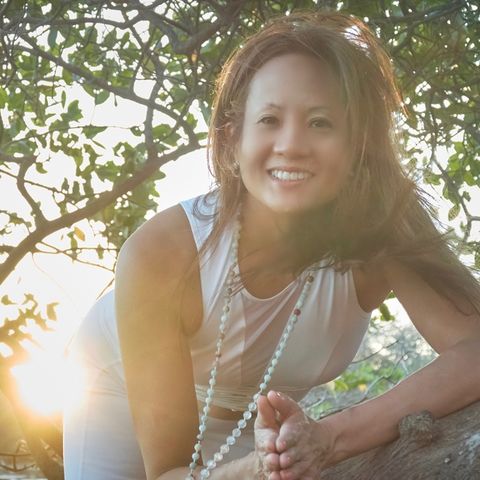
Welcome back to the Dismantling U podcast.
I'm your host,
Lisa Pineda.
I'm an international yoga and meditation instructor and a two-time TEDx speaker.
In this episode of the Dismantling U podcast,
I'm talking with Dr.
Pat Balone.
She is a certified chiropractic sports physician,
Acupuncture physician,
Number one bestselling author of Why Are You Sick,
Fat,
And Tired?
Find Out Now,
Speaker,
Coach mentor,
Certified functional medicine practitioner,
Doctor of chiropractic,
And lifestyle medicine coach.
Dr.
Pat helps people break free of what is holding them back and have that breakthrough they desire so they can implement their plan to live longer,
Better,
And healthier.
So before we get started,
If you are new to the podcast,
Be sure to subscribe to be notified when new episodes release,
And don't forget to leave a review.
The more reviews and shares that we get,
The more people we can reach,
And you never know when an episode can impact someone's life.
Stay tuned now for my conversation with Dr.
Pat Balone.
Welcome to the show,
Dr.
Pat.
I'm delighted to have you here with me today on my podcast.
You hit us straight in the face with that book title,
Why Are You Sick,
Fat,
And Tired?
You are onto something here.
Before we discuss more on that,
Let's just take a little step back.
Tell us how you got to be a physician,
Chiropractor,
And functional medicine professional.
Well,
It's my father's fault.
And my father always had this idea that I was going to be a perpetual student,
And he wanted me to be an electrical engineer.
So when I was in college and I was working at a restaurant,
People would ask me what I was going to do,
And I said,
I haven't decided yet.
And then I hurt my shoulder,
And I went to a chiropractor in town.
I lived in Ann Arbor at the time in Michigan.
And I looked at this chiropractor,
Because a friend of mine was a chiropractor,
And he goes,
You should do this.
You have all the prerequisites.
You have all premed,
Blah,
Blah,
Blah.
And I just went,
Oh,
Chiropractors,
They're quacks.
Because my father said that.
We repeat,
We're parents.
We repeat what our parents say,
Right?
And so,
Anyway,
I looked at this chiropractor.
I couldn't stand him.
And I figured if he could do this,
I could do it better.
And so I left there.
My friend came back from school,
Fixed my shoulder.
I went back to work,
And I applied to chiropractic school.
And that's how I ended up going to chiropractic school in a nutshell.
And then when I went to chiropractic school,
I used to have these migraine,
Sinus headaches all the time that were debilitating.
I would see halos,
The whole thing I'd throw up.
And the only way that I could work with them is to sleep them off.
So one of the first benefits I found from being at chiropractic school and getting adjusted was that when I had a headache or if I ate certain foods,
It would set off the headache.
And when I got adjusted sometimes,
If I was in full swing of it,
It would make the headache worse.
But I would wake up.
And I wouldn't have this headache for months.
And so as I learned to clean my diet,
Learned to get better sleep,
Go out and get better exercise,
Think more positive thoughts because the school was very huge on that mental mindset,
And getting structurally functioned,
I was in super great shape for so many years.
And when I had my practice,
I had my practice on Cape Cod,
And people used to ask me all the time,
How do you do it?
How do you start at eight o'clock in the morning?
I see you at six o'clock.
I see you at eight o'clock in the morning.
For me,
I bring my kids in to see you at six.
And you're the same level of energy.
How do you do it?
And I said,
You have to eat well.
You have to think well.
You have to move well.
And if you want to live longer,
Better,
And healthier,
You've got to have those components that are there.
And they fell into me kind of quite naturally.
So stepping into chiropractic was a huge shift for my mindset for how I eat and getting all those pieces of the puzzle together.
Plus I loved learning.
And so it was so fascinating.
And it was such a fascinating ton of information.
Some of it was like way up here,
And as it sifted down the funnel,
I'm going,
Oh,
That's how that works,
That kind of thing.
So it's been really a big blessing for me and my own health.
Plus it's been a big blessing for all the thousands of people that I've helped.
So that's a great segue for me to ask you my next question.
With people staying at home more and overeating and the overall health has deteriorated for most people,
And it's even affected businesses,
What's going to get people well these days?
Well,
You first have to know where your weakest link is.
And that's always been the mystery question.
And when you know where your weakest link is,
Then you can look at fortifying it.
So one of my mentors in chiropractic,
Dr.
Victor Frank,
Who's no longer alive,
But he always said,
He was real basic guy,
Worked cowboy boots.
He always said,
What you got isn't necessarily what you got.
So you can be given a diagnosis,
But you don't necessarily know if that really is the root problem or what caused that problem in the first place.
So knowing where your health snapshot is right now,
Today,
Given time,
You can see where your weakest link,
That's in the book that I wrote that you like the title of so much.
And you can assess for that.
It's this very simplistic book,
It's written in street language,
An 11 year old edited by book so that it would stay on it with words that people could understand.
And it's important to have that.
You got to know where to start.
You've got to go back to basics when crap hits the fan in any industry,
Whether it's your health,
Whether it's your business,
Whether it is,
Whatever it is,
You get a flat tire,
You got to go back to basics.
You got to go back and everyone opens the owner's manual.
How do you use this jack anyway?
And they've got to have an understanding that and looking at the big picture and then but looking at the portion of where the crack in the foundation is and then be willing to do whatever it takes to fix that crack.
Exactly.
And so what I loved about your book is that you broke down the systems of the body and you were very descriptive about each and every system so that people got some context.
What was the catalyst to write the book?
Well,
That's a story in and of itself.
I had somebody who was a seer back when I sold my practice and I moved to Boston and then I had some private clients there.
And when I did that,
I ran into a friend of mine who's at a conference and she said,
Oh,
You got to go see this guy.
And he said to me,
You're going to write a book and it's going to be able to help.
He goes to hundreds of thousands of people.
And I said,
I don't think so.
And but what ended up,
You know,
I kind of he planted the seed.
So I,
You know,
Every time that I had my original survey and I gave it to people,
People with parts of it blank and I asked them why.
They go,
I don't understand what it's asking.
And so,
You know,
When I was thinking about like,
You know,
OK,
I'm going to write a book.
What am I going to write about?
You know,
And,
You know,
What can I do to offer give something back so people have a better opportunity to know where their health is so they can make better decisions?
Because if they have better knowledge,
You know,
Then they would be able to stack that information correctly so that when someone presents them,
Here's your choice,
You can do this,
This or this.
You can say,
Well,
What about this?
You can ask real questions,
Because if you don't ask the right question,
You don't get the right answer.
And so it gives you that parameter of like,
You know,
Being able to advocate for yourself besides being a workbook and a guidebook.
And so,
You know,
Understanding that the each of the systems of the body are interconnected and the brain controls and coordinates all functions of the body,
Then those systems in there are like a Swiss watch.
And so each of the components have got to work.
So when the cardiovascular system seems to be,
Or the circulatory system seems to be sluggish,
You're going to see a pattern,
You know,
And that pattern might go back to the liver,
The pattern might go back to,
You know,
Like,
You know,
From like,
My biochemistry teacher,
Who had this really great Southern draw,
Always said from the muscle to the liver from the liver to the muscle.
So you got to look at like,
What's going on in the body,
You know,
And it's just like,
This is what's presenting,
But what's really lurking below the surface.
And so it can be seemingly appear that a lot of people are healthy,
But in really essence,
They are brewing,
You know,
A bad soup,
You know,
For themselves at some point in time that will manifest,
It doesn't take COVID to manifest it,
It will eventually manifest in some form of a chronic illness or disease.
I mean,
The statistic on chronic illness and disease just for cardiovascular is one,
It's one third of the population,
You know,
Has that.
So out of that one third of the population,
Cardiovascular disease is directly related to diabetes and diabetes 40%,
It's estimated,
Will have Alzheimer's,
I don't know anybody who wants to lose their mind,
It doesn't make sense to me.
So it's so much easier to go,
Well,
Let's keep an eye on those things.
And let's find out what's happening now.
And let's see what I can do to improve that organ system.
You know,
That's making my Swiss watch kind of,
You know,
My very precious Swiss watch,
Because you're one of your greatest assets is your health,
You know,
Let's fix that so that that has you have an opportunity to express that better health,
You know,
And go into your whole life with the joy to be mean,
There's,
I mean,
I don't know,
To me,
I'm thinking that's a no brainer.
Right?
Exactly.
I love it,
You basically break it down for us,
Everything happens on a cellular level.
So who are your clients?
My clients are executives and entrepreneurs,
They're busy professionals who want to get more out of their day.
And one of the you know,
And primarily looking,
You know,
This year,
I am really outreaching more to women.
And the reason for that is because women don't take care of themselves,
They take care of everybody else,
Their mother,
Their father,
Their mother in law,
Their father in law,
The dog,
The cat,
Their girlfriends,
You know,
They're,
You know,
If they have male friends,
They take care of everybody else.
And at the end of the day,
After they go out and tackle it,
They're depleted,
They're exhausted at noontime,
Because they eating the wrong foods,
Which will make them really tired.
Or at the end of the day,
They're thinking like,
Oh,
When I get home today,
I'm just gonna have a nice glass of wine,
And I'm gonna hang out in the bathtub.
And it never happens.
And then I was at a woman's conference in 2019,
In October,
500,
Four or 500 women.
And I started noticing it was a mindset retreat,
I started noticing all these women getting up and saying how sick they were,
And that they had to stop whatever they were doing.
They couldn't in their family,
They became a burden to their family,
And a burden to themselves,
And they had to put all their energy into healing themselves,
Instead of,
You know,
Doing this all along.
I mean,
I can't tell you how many women I hear,
I always say,
My husband needs this more than I do.
And I'm thinking,
Wait a minute,
If you don't heal yourself,
Or when you do heal yourself,
You heal those behind you,
You heal those in front of you,
And you heal those around you.
So that creates your community.
And women are so good in community.
I mean,
We're,
We're stellar.
It's where we,
You know,
A lot of,
You know,
Big things those big,
We have a lot of connection.
And so I feel,
If we can heal our community,
Then we can heal the community that that community is connected to.
And that one and that one,
That's like,
What an ultimate,
Like great idea that is to me,
It's a task.
See,
So many people do the self care that they need,
So that they have the energy,
The sustained energy to go through their day.
And they do it,
You know,
Because we see people who are 80 years old,
That are like that 90 years old.
And some people who are 40 can't make it to two o'clock in the afternoon.
It's amazing to me.
So in the pandemic,
It's like,
You know,
When you had people who,
You know,
Were suddenly at home,
You know,
You got to really take a look at like,
Well,
What's happening then?
Because there's three reasons,
Basically,
Why people get sick.
So the reason why one first reason is the trauma and trauma creates inflammation.
And then the second part reason are toxins.
So trauma also includes like overuse syndrome,
Car accidents,
Slips and falls,
Doing something over and over and over again,
Like carrying your groceries always on the right side,
And you wonder why you have the right neck problem and shoulder problem.
You know,
So going into the toxins,
It goes from the air that you breathe,
You see the chem trails,
The water you drink,
Stuff that comes out of the tap is toxic.
It has neurotoxins in it,
Like flooring,
For instance.
And then it comes from the foods that you eat.
And if you don't pay attention to what the ingredients of the food,
If you look at a label,
And you can't pronounce something that's in your food,
You shouldn't put it in your mouth.
And likewise,
You couldn't shouldn't put cosmetics on your face that you would need,
Because those have chemicals in it too.
So if you look up the not that what the chemical is,
But the side effects,
Some of those,
Well,
I looked that up,
It doesn't seem to be a problem.
We'll look at the side effects of it.
I mean,
Asperitin,
Which is NutraSweet,
You know,
People have issues with muscle problems with that and MS has been directly related to I've read that more than once.
And there's other issues with it's easy,
Easy Google search.
But why do they still put it in food?
I don't understand that,
You know,
It's a known problem.
And then the key thing that happened in pandemic is the thoughts.
So when somebody has thoughts that they keep on ruminating about,
You know,
It affects how you digest your food,
We all know that,
You know,
We have girlfriends that we've talked to our male friends,
Even,
You know,
When you're talking to them,
And they like,
You know,
Telling you the same story over and over and over again,
You're in five minutes on a telephone conversation,
And you think you've heard something 30 times,
You know,
And you're thinking like,
Okay,
They're friends,
So I want to give them the space to vent.
But the problem is,
Is that you're internalizing that because it's no longer,
You know,
It's something that they're reactive to as opposed to being a memory,
But something's a memory,
It's like a non event for you.
So it's like,
Okay,
That happened,
I put it in the safe place,
I can move on.
But when you don't,
You store that someplace in your body,
You know,
And whatever organ system that you store it in,
Is the one that is your weakest link,
Generally speaking.
And so you have to like,
Take a look at your thoughts.
I mean,
People who can't sleep,
Sleep is a third pillar of health.
The first is food and diet,
Exercise,
You know,
Then exercise,
Then proper sleep,
Positive mental attitude,
And then a proper structurally functioning nervous system,
Which requires a good posture and structure is function.
So when you have five components are together,
And everything's working together,
Your odds are way up there.
They're not against you,
They're for you.
And if you use those components correctly,
And I taught these components in a course that I recently talked about stronger than medicine.
And I'll be repeat that course.
In approximately April,
I don't have dates for it yet.
But the idea was like,
You know,
If you've got your health,
And you get it under a nutshell and contain,
You don't have to worry about the fact when you have that thought you either say especially with keeping you up,
Like,
Is there anything I can do about that?
And if there's something you can do about it,
You go do it.
If there's not,
Then you just write the thought down,
You give yourself permission to go to sleep,
You turn off your cell phone,
You turn off the lights,
And you put your cell phone on the other side of the room,
You know,
And you sleep,
You know,
And you can go to sleep,
You can listen to white noise,
Binaural beats,
Things like that,
That make your body happy.
And also that you get because the interesting thing about sleep,
And I bet you don't know this,
Maybe you do,
If you do,
I'd be so I would want to give you a hug virtually virtual.
But when you the highest level of melatonin is between one and four o'clock in the morning.
So most people wake up between one and four o'clock in the morning to take a bio break.
And so when they go in to take a bio break,
A lot of times they can't go back to sleep,
Because what they do is they pick their cell phone up in the light in nights,
The limbic system.
So you're shutting down and decreasing melatonin levels.
So taking melatonin earlier in the day,
Isn't necessarily increasing your melatonin levels at night.
So,
You know,
And when you take something for a purpose,
You're going to have to offset it with another one.
So when you're taking water,
And you're thinking,
I have a glass of water in pouring a full glass of water and a half a glass,
It's going to disperse the rest of that water has got to go someplace.
So you changes the chemicals in your body that are supposed to naturally work together.
So in the sleep cycle,
You know,
When you're doing that,
The best way to get a better way of sleep is,
You know,
In for anything is just to be simply hydrated.
But the thing that those three things that T's have in common,
You know,
Which is interesting,
Which goes back to an article in Time magazine,
In 2000,
February 23,
2004,
Or maybe it was 10.
Could be 2010.
The on the front cover was the word inflammation.
And it was the surprising link to chronic illness and disease.
So every chronic illness and disease that you have in your body has inflammation.
And then jumping back to the you know,
The trauma part,
Nine out of 10 children who are born have some type of cervical damage from the birthing process.
That's why you go to a chiropractor when you're kept in bringing your kids to the chiropractor when they're born is to make sure that alignment is straight.
So it offsets that.
So you don't have inflammation starting in your body from day one.
So if you can,
You know,
You've got to call the inflammation,
You got to know where the inflammation is hiding,
Especially when it's in the gut.
So if it's somewhere in the gut,
You got to know if it's upper lower,
You know,
Middle,
And you got to know what happens in that part of the gut,
Like when you're talking about leaky gut syndrome,
Or people who have gluten sensitivities,
Or lectin sensitivities,
You know,
The magic in the gut that importantly,
Be super healthy is the small intestine,
Because that's where everything gets absorbed.
And when it doesn't get absorbed correctly,
Then whole chunks of food,
You know,
Go out and enter the bloodstream,
Then they have to go to the liver.
Remember the story from the liver to the muscle,
Kind of thing,
The liver to be processed,
And when it can't process that toxin,
You know,
When the liver gets overwhelmed,
It stores it in blood,
Brain,
Bone,
And fat.
And every fat cell in your body is an endocrine organ.
So you have to like,
Like,
Like how,
Like,
There's so many components of how things fit together,
You know,
So it's so important to know where to start your health journey and where your weakest link is.
So you know where to pay attention to it.
You know,
There's so many people who say to me,
And it's like,
Oh,
It's a,
You know,
A family problem.
It's a family health problem.
Because cardiovascular is even someone through my family,
So I'm probably going to have it too.
Well,
If you keep on eating the way your parents ate,
You go have it.
It's their gift to you.
You know,
You might not want to take that gift on because it changes your constitution.
So if you can,
You know,
In constitution,
Something you can change by diet,
Exercise,
Sleep,
Positive mental attitude,
And also from,
You know,
Being adjusted.
That's a lot in a nutshell.
What is the magic sauce for making lasting lifestyle changes?
Oh,
You first,
My first question I ask somebody is how,
You know,
What their health has been like in the last few years.
And then I don't say anything.
So it makes people really kind of dive deep into their own,
Like,
Let me think,
You know,
What I go,
What do you have that's reoccurring?
And then my second question is,
Are you willing to do what it takes to be healthy?
I mean,
Really healthy,
You know,
Are you willing to give up some foods that might be toxic for you?
You know,
There's,
You know,
And also,
You know,
Just because foods are considered good foods and healthy foods doesn't mean they're healthy for you.
So knowing what you have as a,
And what you're working with gives you a huge parameter.
So when I know that for me,
Like if,
You know,
I,
You know,
The beans we talked about that at the very beginning,
That ever since I had a second colonoscopy,
I've had issues with the back good and back bacteria in my gut,
That I started having similar symptomatology of somebody who has gluten sensitivity from eating a specific food,
I don't eat that food anymore.
It's not it's a non brainer,
If I know it's in something,
I don't eat it.
And so,
But a lot of people don't want to give up,
You know,
Their sweets,
You know,
And,
You know,
Another thing other foods that they're somewhat addicted to,
Because of maybe a connection they had in their childhood to like that comfort food,
You know,
Type thing.
So what it's going to take is somebody who,
You know,
Sometimes people don't do that until they're in crisis.
And then sometimes that's too late.
And so,
If you know that,
You know,
If you wanted to explore that possibility of here's where I'm at right now,
Here's my health snapshot,
You know,
I know,
And when you're going to get into diving deeper,
You know,
You kind of like,
Oh,
You know what,
I had this stuff.
I mean,
People tell me things,
You know,
When I was chiropractor,
Oh,
By the way,
Dr.
Pat,
I forgot to tell you,
I broke my leg when I was 13.
It's like two months after like in treatment,
It's not that I'm adjusting your leg,
But it,
You know,
Fracturing your leg is a big thing,
You know,
Or,
You know,
Some other type of surgery is kind of escape it because your body look at if women,
You know,
Remember every childbirth,
You know,
We wouldn't have the billions of people who live in the world right now,
Because if you did,
You know,
You wouldn't,
You're not going to step back in that level of pain.
And so,
You know,
You ask a question about,
You know,
What it's going to take for somebody,
They have to,
It's got to come from within,
You have to want to have,
You want to,
You know,
Not miss those special moments,
You want to be with people who you love,
You know,
And you want to have that,
You know,
You want to have that component so that,
You know,
You're living your life as opposed to life living you,
To the best of your ability,
Because we're all going to age.
The idea is to age gracefully and as healthy as possible.
Exactly.
So if people are sick and don't know it,
How do they know they have something going on?
Well,
One of the things that is always the first clue that makes me laugh is when patients have come back to me and clients have come back to me and said,
My doctor told me it's because of age.
Now,
You know,
It's just like if you have,
Because,
Well,
If that's the case,
Then everybody at the age of 40 would,
You know,
Have floaters in their eyes,
But they don't,
You know,
So,
You know,
Floaters are either clear or they're dark,
You know,
In Chinese medicine,
I'm also a Chinese medicine physician,
But the,
You know,
They say that the dark ones relate to kidney function,
You know,
And so you're looking at kidney meridian type symptomatology,
Or you're looking at the clear ones,
Which are more upper body,
Which is more like the liver and liver meridian type things.
And so there has to be other components along with that to make sense of where to needle in the,
In the diagnosis of the tongue and the pulses and things like that.
But the,
The,
The big thing is,
Is,
You know,
Like being able to take a look at the whole picture,
You know,
And seeing what piece of the puzzle is missing,
You know,
And then say,
And then identifying that piece of the puzzle,
You know,
And then creating,
It's like,
What can I do to get that piece of the puzzle back into the correct position the first time,
Not working on it a second time.
And some things just take longer.
I mean,
There's so much information,
You know,
When I work with somebody,
I rarely work with anybody less than three months.
I never actually do that.
I won't take a client on for less than three months.
There's just so much information to go through and,
And there's so many layers.
I mean,
A lot of times I focus,
You know,
A whole month just on looking at mindset,
You know,
Like where did you get that idea from anyway?
And then like,
How do you correct that mindset?
You know,
And it's like,
You know,
And having that paradigm shift almost as profound as like figuring out like the world isn't flat and it's round.
You know,
Some people go like,
Wow,
You know,
And then,
Cause some things that happen when you're in the healing process are very subtle,
So you don't realize them.
And so a lot of times my,
You know,
I don't guess,
I test and my first test is my questionnaire that's in my book.
And so that gives me more of a focus idea of like what kind of blood work to order or it or to order it period.
And the lifestyle medicine definition and the strategy is to look at diet first,
Then exercise,
Then targeted supplementation.
And then if you have to adjust that,
Then you go into taking,
You know,
Meds and if you can't get that adjusted,
But the idea isn't to do it forever.
Some people there,
They take one prescription drug and then they've given another one for a symptom that the first one created and five,
You know,
Pills down the road,
You don't know why you're taking any of those pills.
It doesn't make sense,
You know?
So,
You know,
Really funneling and finding out what the root of the problem is huge.
It's a huge thing and being able to live a life of freedom and health.
So what are some lifestyle solutions anyone can do to improve their health immediately?
Hydrate,
You know,
And like one thing is hydrate,
Don't eat sugar,
Don't eat foods that you can't pronounce.
You know,
I mean,
When you're looking at the ingredient list,
You know,
And,
You know,
In taking a look at a lifestyle meal plan as opposed to a diet,
You know,
I'm really a big proponent of the Mediterranean diet.
The reason for it is,
Is because you're always eating fresh foods.
I rarely buy frozen,
You know,
Foods.
I buy frozen beans for my dog and then I'll use those if I'm making soup and I'm like,
Oh,
I should throw some beans in there.
It's like a handful of beans,
You know,
That kind of thing.
But I'm buying frozen organic foods,
Which allegedly are handled in a particular way.
So eating as clean as possible.
Because a lot of times,
You know,
We do a lot of meals out of convenience as opposed to being having them any well thought out.
And what I like about the Mediterranean diet is that you can create your vegetables very easily,
You know,
And then you have your protein.
And then all you have to do is just weigh out protein,
You know,
To fats,
To carbohydrates to really intricately make it work even at a higher level.
Because when you're feeding that balance,
Then what you're doing is you're creating anti-inflammatory situation in your body.
What are some tips that you give to other practitioners to have better compliance and results?
Well,
I don't ask,
I tell.
You know,
And,
You know,
I had a situation where,
You know,
And I'm very observant,
And I have a very keen,
I've been blessed with a very keen sense of intuitiveness.
And so when,
You know,
I'm,
You know,
Talk to people about that,
You know,
You know,
Like,
It's,
You know,
I give you a just a structural example is that I was in an office filling in for a doctor.
And this woman was there.
And I looked at her and I said,
How long do you get shoulder problems?
And I'm a shoulder pain,
I fix shoulders.
And so if I can't fix a shoulder,
I usually say you need surgery,
You need more,
You need to up your PT.
There's other things to do in order to try to get that back to so it's functional,
But you can't get shoulders functional unless you take a look at the neck.
And but anyway,
I looked at her and I said,
I go,
You have a frozen shoulder,
You know,
And she said,
But she was so indignant about it.
I just had to laugh.
I said to her,
Well,
If you don't,
I and I touched it,
She was off the table.
And just in specific points that relate to that.
So I said to her,
Do you want me to work on this?
Because this is somebody else's office.
And then she wasn't allegedly there for that.
And then she said,
No.
And I said,
Well,
I'll tell you something about two or three months,
Your other side is going to be frozen.
Also.
So if you think that really painful,
Wait till you have both sides,
And you can't lift your arms up over your head,
Right?
And she just said,
Martin,
You were bearer of good news.
And I just said to her,
You know,
I go you either I go I can use and I just her demeanor,
I just went,
You know what,
I said,
I'm going to use an activator on you,
Which is an adjusting instrument.
And I'm going to set it really low.
And even that,
Just to look at her neck,
She was so hyper painful from that.
I said,
I think it's best that you come back and see the doctor when he comes back from vacation.
And,
You know,
I said,
I don't have enough time to,
Like,
You know,
Like,
You know,
Like,
Layer this out so that it would be benefit for you.
And I don't want to create a situation for you that you're in so much more pain.
Because sometimes you have to have that happen when you're breaking that muscle up.
And the garbage from that muscle goes to the liver,
And then comes back to the muscle.
And,
You know,
You know,
For that,
You know,
When you're looking at like,
You know,
Diet,
You know,
They tell somebody,
Hey,
If you keep on eating sugar,
You know,
Your body's going to be overwhelmed,
It's not going to be able to handle it anymore.
And you're either going to become insulin resistant,
Or you're going to become diabetic.
And most of those,
Like chronic diseases that we have heart disease,
Diabetes,
You know,
And perhaps even Alzheimer's,
You know,
They have a base that is,
You know,
Based upon your constitution,
And how you're feeding it from your environment.
It's your how your genes are,
You know,
Interacting with your environment,
Because not everybody in a household who has a known familial,
Genetic type of thing going on,
Has,
You know,
They all have the same thing,
They might have a different component of it,
You know,
So,
You know,
That,
You know,
Diabetes can be reversed,
Too,
If you've got all the right pieces together,
And you have somebody willing to work with a program that can do that I sit on a board for a company called fruit street.
And fruit street has a complimentary program for pre diabetes,
One through a population,
You know,
Of some numbers,
I don't remember what those exact numbers relate to are walking around pre diabetic because they choose to eat sugar.
And I'm thinking,
You know,
And sugar is more addictive than cocaine,
Right?
So if you have,
You know,
And we all know that to be true,
But people like,
You know,
They look at something,
I need something sweet,
You know,
And I say,
I want you to digest your food,
Don't eat something sweet after you just ate a meal,
Wait two hours,
Donate bananas,
Donate pineapples.
And if you have a chronic illness or disease,
Stay away from fruit,
You know,
And have it sparingly,
Focus more on green leafy vegetables,
You know,
And things that are anti inflammatory type vegetables,
So that your body can get under control.
As if you don't,
It's like taking kerosene and pouring it on a fire.
It's scary,
I mean,
Like,
Wow,
You know,
That's a lot of like,
That's a lot of information.
But it's good information.
Because if you just take,
You know,
The way the basics of when I used to teach in my in my office,
When I have my office,
People would be smiling.
And as soon as I got in talking about diet,
Nutrition,
My first pillar of health,
Their faces would be doom and gloom,
Like,
Well,
What do you eat?
You know,
And I said,
You think outside the box,
Your solution is not in your box that you know,
Your solutions outside the box.
And so you've got to take a look at and that's why the Mediterranean diet is such an easy diet to implement as a lifestyle change.
You know,
It's just like your and it isn't like you can't eat the foods that you like,
It's just can't like your proportions are different.
And if you understand that proportion size,
Because you look at people who,
You know,
Gained weight during COVID,
You know,
A lot of people were eating just the way that they normally ate,
But their activity level went down.
So their body started thinking that it was starving.
So it was trying all those things in their fat cells,
And they that's how they wound up.
It happened to all of us.
So Dr.
Pat,
What are your self care routines like nowadays?
Well,
I first you know,
This month,
I am,
You know,
The other white a week ago,
I realized that I'm feeling really,
You know,
Like more tired.
And I was trying to figure out like,
Why am I more tired,
I shouldn't be more tired.
I've got this like,
This ton of energy,
People still think I'm really quite energetic.
But for me,
It's just like,
I usually I like to wake up,
I like to go out and take a walk.
I like to do things like that on a regular basis.
So after doing two launches in January,
That's stronger than medicine and biohacking your ballet,
You know,
I went,
Gosh,
No wonder I'm tired.
I wrote,
I,
You know,
I wrote almost every night till 11 o'clock for like three,
Four weeks,
Five weeks.
And you know,
When one course finished,
I was like,
Oh,
My God,
I have a whole afternoon,
I can go get my nails done.
Something fun and doing something that's like a self care thing.
So I always look at self care is,
You know,
Like,
What is the thing that I missed during a whole time?
And that one thing is,
You know,
It's just like,
I love manicures,
I love pedicures,
You know,
So,
You know,
Going and having that done,
For me is,
You know,
Usually a very peaceful experience,
I can bring a book,
You know,
I can watch HGTV,
I can do something that doesn't relate to that.
So that's like one of the things that I do for self care.
The other thing is,
I always make sure I have enough water with me while I'm on my computer.
And then I set my alarm clock for times that,
You know,
I needed to take my dog out,
You know,
And then I go out and just like,
You know,
Sort of hugging a tree,
I hug my dog.
You know,
And also after I eat lunch,
If I don't have a podcast to do afterwards,
Or if I,
You know,
Don't have a call that I have to get on,
I will lay down for 30 minutes minimum and listen to binaural beats.
And I listen to binaural beats specifically to synchronize my brain,
Right side,
Left side.
And,
You know,
Napping,
Like it creates more of a situation that you have,
You know,
Higher level of concentration,
It re-energizes you,
You know,
And it's almost like a mini sleep.
But the thing about naps is that people have to be really careful of is not get past that 30 minute mark,
You know,
Because that's when you're going into that third and fourth stage of sleep,
Which is deeper.
And that's when you wake up and you don't know where you're at.
You know,
We all had that,
Like,
We've gone back to sleep and we wake up,
We're going,
Oh my God,
You know,
Like,
It's like,
The fog is coming up here.
And it's because you're waking,
You're not getting that sleep that you need to get past that fourth stage mark,
And then to the dream mode,
Which is where some of the magic happens too.
So,
There's a lot of things,
You know,
That,
And one of the things is I don't hold grudges.
I mean,
And that is,
You know,
It's like,
If something happens,
I'm out,
I'm,
You know,
Someone told me this,
That you're incredibly resourceful and you're incredibly persistent,
Which could really make me a pain in the you know what.
And so,
They,
But the thing is,
Is that I don't hold grudges.
If something happens,
You know,
I just like,
It happened,
Keep moving forward.
You know,
And I keep on,
The universe keeps on,
I always think the universe doesn't give you anything you can't handle.
You know,
I'm going,
I just like,
For the rest of this month,
Because I'm on a little bit of a hiatus,
Could you think you could be nice to me and work this one out,
You know,
Be more mindful,
You know?
And I ask for,
You know,
Anybody whose life I have an opportunity to touch,
I'm always hoping and pouring love and goodness on them,
You know?
And,
And I want,
Because I want them to have,
I love to see people excel.
I love to see women,
I love supporting women in business.
And you know,
I love to see women go like,
Oh,
I had a win,
You know,
Or I had a client recently tell me that,
You know,
She goes,
This is the first time she felt like herself in many,
Many years.
And she said,
And the bizarre thing is,
You didn't adjust me,
But I don't give me pain.
And I love the pain that I had before.
So we now know that her pain was metabolic base.
So it's just like,
So it's just like,
Great,
You know,
And I said,
Spread the word.
You know,
It's just like,
You know,
Like,
Spread goodness,
You know,
And I don't like the gossip,
You know,
And I have my new rule.
About three years ago,
I implemented this rule when I was talking to friends,
I let them have one minute events,
Maybe two.
And then when they get started to go over the two minutes,
I actually looked at a clock.
And when I go through it,
I go,
Okay,
So listen,
Let's change the subject.
I've got to get off the telephone soon.
And I want to make sure we have enough time to connect.
You know,
And so tell me something good,
Tell me something funny.
And I always start out my conversations with clients with that one thing.
Tell me something good.
Tell me something funny that happened to you.
And since the last session,
You know,
And when people first start,
Sometimes they have a hard time finding that goodness or that thing that happened.
But as I work with somebody,
And we go on,
We can sometimes spend 30 minutes talking about,
You know,
Really positive things.
So you've got to think energetically and physiologically what happens in the body when you're thinking those good thoughts.
You know,
It's improving your health,
It's improving your outcome,
You know,
And it's so much more fun to hang up a telephone with somebody that you ended on a good note,
As opposed to ending in on a poor note.
And people who like to end things on poor notes,
You really should stop talking to them,
You know,
And give that space,
You know,
And just like keep those conversations to a minimum,
As they suck your good energy out mentally,
Physically,
Emotionally,
Socially,
And spiritually.
And I don't have that kind of energy to give up to anybody.
And nobody has,
Nobody has the right to live in anybody's brain,
You know,
And make it havoc for them or chaotic,
You know,
So,
You know,
That not,
You know,
It and then the other thing,
Another thing that I do,
I learned from Tony Robbins,
And what I do is when I walk is I do a sequence of breathing.
And so when I first start walking,
I breathe in while I'm touching the tips of my fingers know in Chinese medicine,
These are all gene wall points,
And they're very important to simulate those organ systems.
So those organ systems are the lung,
The large intestine,
The middle one is,
You know,
For like circulation in your body,
And you know,
In bathing your body and having it with fluid is called the Sanjao or the triple warmer.
And then you have small intestine,
You know,
In heart,
And small intestines,
Your hearts here,
Hearts always here.
So they always say never wear rings on other fingers to suffer your heart.
Oh,
No,
I know.
Because it blocks your energy.
And so that's what my teachers have always said,
And I've seen people who had rings for years on and they have Parkinson's.
And I've seen,
You know,
Or have tremors of some sort,
And taking the ring out and giving them some supplementation to support them stops it.
I've seen physically have seen that happen in front of me,
Like within five minutes.
And you know,
And then being able to get up and be more stable.
So I always tell people that rings are not on your face,
Those ring fingers,
Don't wear them around your neck,
Wear them someplace else,
But don't wear them on your fingers.
But the breathing technique is to breathe in and touch your fingers with intention,
The tips,
And then breathe out and go the opposite way.
So it's like,
I love that.
And so what it does is it makes you focus on your breath.
And then that part,
Then right after that,
You know,
If I made a 15 minute walk,
The all you need is 15 minutes a day to really move,
You know,
And to get your metabolism going.
Then I spend the next five minutes thinking about what I'm grateful for,
You know,
And who is this like,
And if I'm specifically grateful for a person,
When I get back from my walk,
I text them,
Call them,
Email them.
And just I was thinking about you on my walk today.
And that's why I let you know,
I was thinking about how grateful I am that you are in my life because of blah,
Blah,
Blah,
They give them a reason,
You know,
And they're going like,
Wow,
I just like,
You know,
It's it makes their day and then they pass on that good energy to somebody else,
You know,
Hopefully.
And so I like to create,
You know,
The base for things like that.
So those are things that I do a couple things I do,
Like to put things together and you know,
And I eat I lastly,
The thing that I did is I really cleaned up my food about three years ago.
And if I have a choice of buying organic,
Something like organic spinach,
As opposed to buying,
You know,
Store spinach,
I'll spend the extra bucks and then do it on the spinach that's organic.
And the reason for that is,
Is because so many things are sprayed with glycol phosphates,
Which we now know are carcinogenic,
But there's still in the market,
Something else baffles me about that.
And so it's just like,
I upped my game on the quality of food that I eat,
You know,
And you know,
And I gave up things that make me feel anything when I eat,
I always pay attention to what I'm blown if I get bloated,
Or if I didn't sleep well,
For some reason.
And if I do,
I asked myself,
What's the food?
What is the food that caused that?
And I always get a picture of that food,
And then I take it out of my diet.
It's gone.
You just don't buy it,
You know,
And so the and so my grocery bill certainly has gone up.
But,
You know,
But you know,
It's just like,
If you you either pay now or you pay later,
All those things that you know,
Those symptoms that you're if you're,
You know,
Your,
Your bowel movements have changed,
Or if you're,
You know,
Over like,
You know,
If you're going,
You're urinating too much,
Or you're really tired at four o'clock,
Or at 10 o'clock in the morning,
Or two o'clock,
Or if you got to go to bed at seven o'clock,
Those are all signs and symptoms of what I ultimately call grim reaper syndrome.
Because those are things that you kind of say,
Nah,
You know,
Like,
I'm sure this is going to go away.
And then you realize that three months later,
You still have it.
So then you ask your friend,
Not your doctor,
You know,
Or somebody who's qualified to really answer that kind of question with a functional medicine doctor,
Or someone who practices lifestyle medicine.
And you have,
And then you have that question,
The answer is like,
Oh,
I had that before it goes away.
Well,
The thing about it is that because it goes away,
It's because they made it into a new normal.
And I don't know about you,
But for when I have that,
You know,
If when I'm looking at what a new normal would be,
You know,
It's just like,
I look at what the repercussions of that new normal,
What that looks like five years or 10 years down the road,
And I rather invest in because our best investment is ourselves,
You know,
So I look at ways.
That I can better invest in myself,
You know,
Learning more,
Sharing more knowledge,
You know,
And doing some pro bono work with people who like,
You know,
Really need to have that information who are truly interested in being better.
And so that all that stuff,
You know,
Coming together for me is like,
You know,
What,
Why I check and why I do what I do.
I love it,
Pat,
You gave us so many powerful tips on ways we can be the best versions of ourselves.
So if people are listening to this,
Tell us more about how they can connect with you and where they can find you online.
Well,
They can find me on my website.
It's called healthteamnetwork.
Com.
And on my website page is interesting fact is on it.
The first page is a microphone like yours,
You know,
That we're seeing right now.
And on that microphone,
You can tap on it and you can send me a message.
So that's a very cool thing that's on my website.
That's my favorite thing on my website.
People can also connect with me,
I have a Facebook page.
And I have a significant presence on LinkedIn.
And that's how we met with,
You know,
In our original conversation.
And you know,
And I like,
You know,
Talking with like minded people and making up another way there's Instagram,
I'm on Instagram also.
So those I'm sure will be in the show notes.
And if anyone's interested about the Stronger Than Medicine course,
They can reach out to me by my email,
Which is simple.
It's the webpage healthteamnetwork.
And if you just put in front of it,
Ask Dr.
Pat or Dr.
Pat,
That email will be sent to me.
And you can if the in the subject matter,
If they just get stronger than medicine question mark,
You know,
I can,
You know,
Send them information in regards to that.
Perfect,
Dr.
Pat,
I'll be sure to include all the information in the show notes so that they can reach out to you.
I loved having you.
Thank you so much for all the good work that you're doing and helping people to lead healthier lives.
I wish you much continued success.
Thank you so much.
Thank you so much for listening.
Dr.
Papalone is such a witty and remarkable person.
You know,
It's these mindset shifts that truly make a difference.
If you like this podcast,
Share it with someone and be sure to leave a review.
Until next time,
Here's to dismantling you.