If I was starting Run Them Crew now,
It probably wouldn't be a running crew.
It would be an organization that did lots of different things that were good for you.
When I started Run Them,
I was just so blown away by the impact that running had on me that I thought that was all you needed.
The more you start getting into wellness and wellbeing,
You suddenly realize that running is just one very small component of all this other stuff that you could be doing.
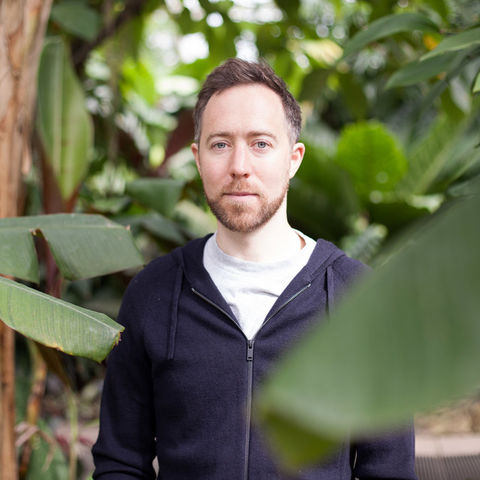
Hello and welcome to Levitate with Ryan Nell.
The show where we talk to people who are changing the world for good.
In today's episode,
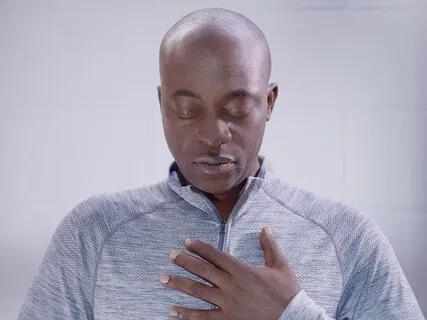
We're talking to Charlie Dark.
Charlie's had an incredible career as an international DJ and signed musician,
As the founder of Run Them Crew,
An international phenomenon in the world of running,
As a brand ambassador,
As a proud father,
And Charlie is now shaking up the world of yoga.
In our super wide ranging conversation,
We talk about how vulnerability can be a superpower,
The pressure of starting something at your kitchen table and sticking with it as it grows beyond your wildest imaginings,
Some of the challenges and benefits around building a community and why drawing a one mile circle around your house might be the best thing you could do.
Charlie is incredibly honest during this conversation and that's something that I really,
Really love about him.
It comes across in everything he does and I'm particularly excited for you to hear this episode because Charlie is a huge part of the Levitate story.
I met with him really early on to get inspiration and advice about how to start a community and I constantly turn to him for inspiration when the going gets tough.
So without further ado,
Introducing the one and only Charlie Dark.
I'm absolutely thrilled to be here with you today,
Charlie.
It's been a little while in the coming and yeah,
You've been on my radar for quite a long time actually.
So I've been a bit of a fan from afar.
You're very,
Very kind to meet me for,
I think,
A coffee and a sandwich a couple of years ago.
Yeah,
When you were just getting started.
Yeah,
Yeah,
Yeah.
And I was sort of furiously noting down all the advice on how to start a community.
Yeah.
Get on going.
It's not easy.
Yeah.
It's not easy at all.
It's not.
It takes a lot of hard work.
So before we get into that,
I want to ask you about where you came up.
I know you started in East Dulwich.
Yeah.
I grew up in East Dulwich in school in South London.
Yeah.
Spent a large amount of my time kind of in South London and then I would say probably around 1985 started exploring.
Exploring.
Exploring via music.
Yeah.
So my love of music basically introduced me to areas that I didn't really know about or didn't know existed.
Yeah.
Didn't know if I was welcome.
And it just started,
You know,
I kind of got this real first for traveling around London and discovering new places,
You know,
And that was kind of really important.
And I think it's a really important thing where you live anywhere is just kind of really try and discover your city.
Yeah.
Yeah,
Yeah,
Yeah.
And explore it.
Because you were a jungle DJ.
I started off as a hip hop DJ.
Oh,
You did?
Actually.
Yeah.
And then got into playing all different types of music,
But I was signed to a label called XO-Axe in the nineties and so kind of got into a lot into electronic music heavily around that period of time playing all forms of music.
And it obviously was like,
You know,
Jungle kind of descended on London in the early nineties.
I was definitely fully into that.
There was quite a big rave scene in London.
Yeah,
There was a really big rave scene and prior to the rave scene,
There was like a warehouse party scene that was really interesting.
And again,
That introduced me to different areas of London.
Like I'd never been to East London before until I went to a warehouse party.
It was like a no go area.
I'd never been to Brit Lane until I went to a warehouse party.
And invariably what would happen is you'd go to these kind of events,
Stay until the sun came up because it was really hard to get home if you weren't driving.
And then you would kind of explore the area that you had ended up in or the person's house that you ended up in.
I can remember ending up in Old Street for the very first time and just thinking this place is like surreal.
It was so weird.
It's back in the early nineties.
It was so barren.
Yeah,
Yeah,
Yeah.
Yeah.
So I kind of,
I remember it,
I suppose I moved to London in 2005.
Yeah.
Where were you before then?
A little bit later.
Living out in Taiwan for a couple of years.
As one does.
As one does.
Same Chinese,
That's the story for another podcast.
And yeah,
And then before that,
Hampshire.
Okay.
Yeah,
Which I feel like an adoptive Londoner,
But 2005 Old Street,
Shoreditch,
They were already becoming very cool.
They were definitely on their way.
Unaffordable and full of bankers.
Yeah.
I mean,
I had this warehouse and it's so stupid now,
But I had this warehouse in Old Street from about 95 to 98.
And then,
And the guy who owned it was like,
Okay,
I'm going to sell this place.
You can have it for 85,
000 pounds.
It was like a thousand square feet.
We were like,
Oh,
You know,
It's a bit expensive.
You know,
Cause it was still a whole,
It was still a whole massive warehouse.
I dread to think how much that place is worth now.
But hindsight is a wonderful thing.
It's 2020.
Yeah.
Keep moving forward.
You too,
You too.
You had a whole music career.
Yep.
Aska blues and Sonya Mo Wax.
And are you still,
You still DJing now?
You still making music?
Yeah,
I'm still,
I took some time off.
I started getting anxiety attacks,
Looking panic attacks when I was DJing.
So and this is probably about,
I don't know,
About 12,
13 years ago.
So I kind of had to just take some time out.
Yeah.
And I kind of started getting back into it maybe about three years ago,
Three,
Four years ago,
First of all,
Start getting into making,
You know,
Back into making music again,
Because I completely stopped really falling out of love of it.
And then,
And then kind of got stuck,
Getting back into DJing and buying records and now I've got a radio show and yeah,
Back in the music mix,
Which is quite interesting,
But it's back in the music mix on my own terms,
Which is a much nicer place to be.
Yeah.
The whole musical landscape has changed now.
So the way you make music,
The way you release music,
The way you collaborate is completely different.
Yeah.
And that's really refreshing.
Yeah.
And the labels are,
They're pretty incidental for a lot of musicians.
Yeah.
You know,
I think people are very unconcerned about how a song was made,
Where in the world it was made,
What it was mixed on,
What label released it.
It's really very much kind of,
If it's good,
We like it.
And if it's not,
Then it's kind of just goes into the heap of the other numerous tracks that are coming out.
Yeah.
And so are you writing anything at the moment?
Yeah.
I'm kind of working on a new project,
Which is kind of,
Because time is limited and I'm getting on in age,
You know,
I'm very,
Very conscious of the fact that whatever I do has to kind of have some purpose of some sort and kind of consolidating ideas and also trying to,
You know,
Not expend energy in areas which are not going to serve me.
This is the wisest growing up.
So yeah,
So making this,
Which is a long way of saying that I'm making this project,
Which has got lots of different strands and at the moment we're just kind of boiling them down into a thing that we can take around the world.
Oh man,
Amazing.
That's the idea is to kind of take this thing that kind of brings in all my different influences.
Really what I should be doing is making an album about running.
Yeah.
But that's the last thing I want to do.
I just really don't want to do that.
Everyone keeps saying to me,
Yeah,
You need to write a book about running and you need to kind of make an album about running.
I'm just like,
Ah,
I don't know.
It feels like a job.
Yeah.
Yeah.
Well when,
When did Random Crew get started?
2000,
End of 2006,
Early 2007 is when it began.
And um,
I just kind of,
I never thought it was going to grow into what it has grown into.
Yeah.
That was never the aim.
It wasn't this aim to grow this organization.
I really was just like,
You know,
My friends keep dying.
They keep getting sick,
Ending up in hospital.
Our lifestyles that we're leading are really unhealthy.
We need an intervention.
We need to do something.
And then also,
You know,
As of is well documented,
I kind of started to miss people because what happens when you are successful at what you do is then you then start making more money and then you also start traveling a lot.
Yeah.
So then you're just chasing your friends around the world,
You know,
Never in the same place at the same time.
And so it was just an attempt to kind of bring people together and I've always liked being bringing people together.
And I think,
I guess that's the skill that I've learned from DJing.
And um,
I was just like,
Okay,
Cool.
And I'm,
You know,
Every day I wake up,
I feel very,
Very blessed that Random Crew has grown into the kind of institution that it has.
Yeah.
Yeah.
But um,
You know,
As you know,
When you have a thing that you've grown,
It does become a bit of an albatross at times.
It's just like,
We're multi-dimensional.
That's it.
Yeah.
Yeah.
I do have days when it gets to Tuesday and I'm like,
Oh God,
It's Random Crew.
Yeah.
Cause you guys,
I mean,
It seems like,
You know,
You're obviously an incredibly creative guy.
You can just keep on evolving it.
Right.
So it seems like it's had all sorts of different shapes and sizes and um,
You're in Brixton street gym.
Yeah.
We're in Brixton street gym now,
Kind of back in the community phase.
Yeah.
Which is a really good place to be.
And um,
It's been really interesting moving back to Brixton and seeing the different types of people who are coming down.
That's really interesting as well.
And um,
You know,
I'm really excited by the collaboration that we have going down with Brixton street gym.
It kind of makes a lot of sense for us and it's good to be out of shortage.
Yeah.
You know,
It's good to be tucked away where,
You know,
There's not really too much attention on what we're doing.
We can kind of just go on with it.
Yeah.
Yeah.
Yeah.
I think that's,
I think that's,
I think that's,
I think that's,
I think that's the sense that Brixton street gym is going to become something quite,
I mean,
Brixton street gym already is something big,
But I think the concept of what they have,
Cause it's so brilliant.
I think that's something that's going to spread globally.
Definitely.
Yeah.
You know?
Yeah.
Definitely.
That'd be lovely to see.
Yeah.
I love it down there.
It's good.
Then we need to get you down there.
Yeah.
They could do,
They need some meditation in the place.
Yeah.
Well,
Yeah,
No,
I'd love to.
Um,
I in a very light,
Yeah,
Kind of wearing a different hat.
I used to work in a creative agency called champion in Brixton.
Okay.
And um,
We did a,
Uh,
We did this whole like series of kind of like branding for them.
It's kind of pre Brixton street gym.
Oh nice,
Wicked.
You've had various associations with very large sporting labels.
I like the way you diplomatically put that.
That's really cool.
That's clever.
How is that?
How does that work?
Is it a,
I imagine it's a bit of a double-edged sword,
Maybe not speaking about the current one,
But um.
The current one that I'm with is lovely.
Yeah.
Um,
They're really lovely,
Really,
Really lovely.
And I think what happens is it takes you a bit of time to find your tribe.
Yeah.
You know,
Um,
But definitely working with major sports brands or major brands in general can have some amazing plus factors and then some also really frustrating lows.
Yeah.
Cause they are like,
Like large cruise ships.
They take an incredibly long time to turn.
And um,
You know,
So I've worked with sports brands since 2007.
Some of it has been lovely and amazing and some of it has been quite,
You know,
Quite hair pulling at times,
But I'm in a good place at the moment.
I like,
I like,
I like the brands that I'm working with at the moment.
They really,
They're really cool.
Yeah.
So it's taken a while to kind of weed out the bad ones from the good ones.
It's a process.
Yeah.
I suppose one that the things going on there is they'll,
They'll want a certain version of you,
Which isn't necessarily the you of a particular day.
Yeah.
It's not really,
I don't know if it's even that.
I just think the ideas that get talked around,
Around the board table often sound really great around the boardroom table,
But in reality of life,
They just don't work.
And that's really hard,
You know,
To get people to understand that.
And then also I think ultimately ended the day.
They ultimately,
They want to,
They want to make money.
That's the ultimate thing.
Yeah.
And I like making money,
But I also like helping people.
Yeah.
And I like building communities.
I like maintaining them.
And so at some point you always come to a log head,
You know,
You start putting in different directions and it's cool with if you're working with people who understand and also come down and get involved.
Yeah.
But when you're working with people who kind of almost like you're working with remotely,
So they're kind of judging everything you do for the Instagram lens because they're actually too scared to actually come down and participate.
The life just gets really hard.
Yeah.
And that's the thing I like about,
You know,
The brands that I get to work with now,
Because you know,
We just bought this ruling is kind of,
We will not have a conversation with you.
We will not do any work with you unless you come down.
If you don't come down,
Then we can't do it.
You know?
And I think that's because I don't think that brands realize the impact both positive and negative on communities that they can have,
You know,
And a lot of the problems that we have in the world right now,
Particularly in London are caused by brands.
You know,
And unfortunately,
You know,
Lots of them won't take responsibility for their actions.
So I have a love hate relationship with the whole kind of brand,
You know,
Brand thing.
But you know,
Obviously it's kind of,
You know,
It's great when you first starting out,
When you start an idea and then you get recognized by,
You know,
A major corporation is kind of,
That's quite exciting.
So,
Um,
My advice to anyone,
It's good for the ego,
You know,
It definitely is great for the ego.
And particularly if you've grown up in kind of inner cities,
You know,
And you get to work with like the luxury bands that you've aspired and have been told by society that,
You know,
Those are the brands that give you kudos by wearing them,
By being associated with them.
When you then enter into relationships with them,
It's kind of mind blowing for the ego.
It's like,
I've made it,
You know?
But it is really hard and somewhat easier to work with than others.
My advice I would say to everyone is,
You know,
Write down what your own personal brand values are.
That will give you an idea of whether you really want to go and work with XYZ.
Yeah.
Yeah.
Yeah.
Yeah.
And,
But at the same time,
Sometimes you have to do a Robin hood,
You know,
You have to kind of work with the devil so that you can basically,
You know,
Feed the poor.
You have to do it.
Exactly.
You know,
You're kind of,
You're cleaning the money as it comes through.
Yeah.
Yeah.
Yeah.
Yeah.
Definitely.
Yeah.
Yeah.
Did,
Um,
I was thinking about the kind of that,
That ego thing and the,
And the confidence boost of,
Um,
You know,
Working with someone massive and the implied what they're saying about you when they,
When they get into that relationship,
You're born to Ghanaian parents.
Yeah.
I have got Ghanaian parents.
Yes.
Yeah.
They're also blessing and the curse.
It's a blessing and a curse,
Depending what day and week it is.
Most of the time it's a blessing,
But sometimes it can definitely be,
Yeah.
Yeah,
Definitely.
I think culturally being brought up in some situations can be really hard when you're trying to kind of push the boundaries of what you can and can't do.
Definitely when I was younger,
It was really hard.
But in some ways,
It was a blessing because it meant that you worked twice as hard to prove that this crazy idea,
This out of the norm idea that you wanted to do would actually work.
Yeah.
Yeah.
And were your parents kind of encouraging of you pushing boundaries?
Or was there a sense that kind of,
Why can't you just.
.
.
Yeah.
I mean,
My mum's always been quite rebellious.
She's the rebellious one of the family.
So she's always,
She pushed her own boundaries to get where she got to.
I think with me,
I think after she actually realized that this guy is really serious about this and this is what he wants to do,
Then,
You know,
The encouragement always came.
Definitely when I was at school,
It was about academia.
You know,
As many A's as possible,
B's are not allowed.
You might as well leave the country if you've got a C.
Right,
Right,
Right.
C's a serious conversation.
C's was a serious conversation.
But yeah,
You know,
It's come back to your original point,
You know,
About the brands.
It is really,
You know,
It's,
It's kind of amazing when you go home and you're like,
You know,
I'm working with the BBC or I'm working with British council or I'm working with,
You know,
This sports brand or that TV station and so on and so forth.
You know,
There is a,
You know,
You can see this kind of flicker in their eyes of,
Okay,
There's no,
This is something we can call home and boast about.
You know,
It's cool.
I think ultimately at the end of the day,
I think parents just wouldn't need to do well.
And I think one of the things I didn't realize when I was growing up is the amount of trauma that your parents have gone through,
Particularly if they've come from another country and resettled and they've come with these hopes and these dreams and then they have children and they're raising children in a world that is ever changing.
And I think it's actually quite hard for them to basically accept the fact that this dream,
This path that they've been working to lay out for you is not the path that you're going to take.
Yeah.
And it's,
And it's not your dream.
And it's not.
Yeah.
And I think that's,
There's a real kind of like shock along with like,
Wow.
You know?
So,
And I think,
You know,
Again,
These are lessons that I've learned from becoming a parent myself where my children do things and I'm just like,
Why are they doing that?
Yeah.
And I'm like,
Ah,
Because you did that as well.
Okay.
Yeah.
The common element is rebellion.
The common element is rebellion,
You know,
Rebellion all the way.
I was definitely rebellious child.
Definitely.
Definitely.
I'm still rebellious now.
Yeah.
Um,
Yeah.
I'm the son of immigrants,
A little bit less exotic,
But dad came over from South Africa,
Germany to South Africa to here and mum came from Ireland.
So yeah,
Pretty,
Pretty short journey.
Um,
It was amazing seeing that different styles of parenting,
You know,
He'd say himself,
He wouldn't call himself a strict authoritarian guy,
But that sort of style.
And then,
Um,
Mum was all nurturing,
Caring,
You know,
All about the storytelling and the rest of it.
Um,
But,
Um,
You know,
The more I learn,
The more I realized they were massively rebelling against what their parents kind of did for them.
Exactly.
Exactly.
But you never think about that actually.
So it's like when I hang out with my,
You know,
Hang out with my kids and there's always a comment about what I'm wearing.
There's always like,
What are you wearing dad?
That's always one thing.
And then the second thing is kind of,
What's they want you in like a,
Well,
They just want me in the kind of,
You know,
Yeah,
They want me in a gray track suit,
You know,
V-neck very plain,
You know,
But there is definitely this thing where they're just like,
They don't believe I was ever a teenager and that's really funny.
Yeah.
When they do things and you're like,
Well,
I know what you're doing.
I was a teenager.
It's exactly the same thing and they just can't imagine you not being their dad.
That's really funny.
Yeah.
So it's funny when you meet people who know me from,
You know,
Either music days or running and they're kind of talking to me and they're not talking to me like a dad,
You kind of look down and your kids are looking at you like,
What is like,
These two are really weird.
Oh man.
Actually,
It's gotta be good for them to see that though.
I think they're just immensely embarrassed.
You know,
Immensely embarrassed by it.
There's this thing,
It's this guy,
He's just like,
Well,
I can't just have a normal dad.
Sorry.
You won't understand now,
But you will understand soon.
Hopefully.
Yeah.
And what's their mum do?
Their mum works,
Teaches design and technology in school.
She's a big graphic head.
She's like the big kind of,
I'm the music guy.
They're the kind of like the graphic people,
Both of them play music,
Both of them play instruments.
One of them is really into photography.
One of them wants to be a pro gamer.
And yeah,
You know,
I've got pretty cool kids.
They turned out pretty,
Pretty well.
I'm quite happy with them.
Really happy.
I'm very,
You know,
Really proud of them and they they're doing well.
They don't give me any trouble at all.
You know?
So,
But again,
You know,
It's,
It's difficult because you are trying to kind of nurture them.
I was at the same time,
Introducing them to the world at the same time,
Keeping them safe and at the same time,
Allowing them freedom and allowing them to make their own decisions.
And no one gives you a blueprint for being a father is kind of,
That's really weird.
I just thought that it would be like the movies and it's so not like the movies at all.
Really not really,
Really.
Really,
Really like those edited highlights.
Yeah.
The dad said just the right thing.
Just the right time.
Yeah.
Yeah.
It's really weird.
Yeah.
Um,
What do you wish that you knew then that you know now,
You know,
Kind of when you were starting out as a father?
Wow.
That's a good question.
I wish that I had done my yoga teacher training before I became a father.
Yeah.
One,
I would have had something to help me cope with the change.
Secondly,
I think doing my yoga teacher training just changed my mind state completely.
Yeah.
And I just wish I had that mind state coming into,
Because when you're having kids,
You know,
And you are involved in the creative industries,
You see your friends and they're coming down to the events and the gallery openings and they've got the kids and all dressed up in all the cool gear and they're like sleeping and you think,
Oh man,
It's going to be really cool.
I'm going to get these two little mates that's going to walk around town and be really cool.
And then they arrive and it's kind of not like that.
And you just realize the sleep deprivation,
No matter how many midnight or late night or all night DJ sets you've ever done in your life,
Nothing prepares you.
The sleep deprivation is so unreal.
It's crazy.
And also just this idea of responsibility that comes when you have children.
And there's a really weird day where you suddenly realize that these small people who you helped mate actually think that you know what you're doing and they're looking for you for guidance and you've got no idea.
Yeah.
So classic,
If I,
You know,
A classic,
Classic thing,
The first time you have mice,
Kids were running around the house,
Mrs.
Is running around the house and was running around and then was looking at you like Batman superhero.
He's going to come and save the day.
Come on,
Daddy.
You're going to take care of the man.
You're going to get rid of the mice.
You're going to do the thing.
You're just sitting there like,
Oh my God,
I'm terrified of mice.
And I don't know.
And I actually don't know what to do.
And everyone here thinks I know what to do.
And that's kind of,
You know,
It's a series of these things that happen where kind of tire breaks down on the car and then everyone's like,
It's okay.
Because daddy's going to go sort it out and you're just like,
I don't know how to change the car tire.
I can know how to program a drum machine.
I don't know how to,
You know,
So I wish I was more practical.
Yeah.
There's loads of things,
You know,
That I wish that I knew.
Yeah.
You get a bit of practice looking after younger folk doing run them crew and kind of building that.
Yeah.
But it's,
It's,
It's different.
It's really,
Really different growing,
You know,
Your kids from they've just arrived through kind of toddler years.
Yeah.
School,
You know,
Too much run them,
But it's something to get to run them,
You know,
In has its different challenges.
It's kind of weird because I think when people arrive at run them,
When young people arrive at run them,
They're looking for help.
You know,
They've arrived at that point where they're like,
I need some help in my life and I've heard that you or this organization can help me.
So I'm going to be open when it's your own kids.
It's just a natural thing to rebel against what your dad is telling you you should be doing this kind of why am I going to do that?
And so I've just really just come to the thing now where it used to really kind of worry me.
And now I just kind of,
I just relax.
I'm just like,
Cool,
Great,
Brilliant.
You don't do your homework.
All right.
Amazing.
Cool.
Let's see how that goes for you.
Yeah.
Then two days later you get the call like dad,
I got detention.
Like,
Oh really?
Okay,
Cool.
We'll see how that goes for you.
Let's join the dots.
Yeah.
You know?
Yeah.
It's kind of like one of those things where it's like anything like having to be angry with a situation where you're actually kind of like,
I can understand why you did that.
So I'm actually not that angry,
But society is telling me that I kind of have to be firm with you right now.
Right.
But really I'd just be like,
Okay,
You know,
Don't do it again.
So there's always this push and pull.
Yeah.
Because I always remember kids at school who had those super relaxed parents.
You go around there and it's like they could come in and out whenever they wanted to.
You walk into their bedroom and they kind of graffitied the whole room.
It was like,
You know,
What are they like?
They would never eat what their parents were eating.
It was always people sleeping over or living there.
I just always wondered like,
What are they doing now?
Yeah,
Right.
Actually probably kind of married and you know,
Got 2.
5 children and they've kind of gone really corporate.
In fact,
Most of the ones I know who were super rebellious,
That is actually what they did.
Yeah.
Yeah.
It's weird that.
Looking for more boundaries than they had.
Exactly.
Yeah.
Yeah.
Well,
I think the truth,
As far as I've been able to work out,
You can't get it right.
Yeah.
So yeah,
That's it.
And I think one thing that yoga has taught me is not to focus so much on things that haven't happened.
Yeah.
Not to worry myself about things in the past that I cannot change and just to enjoy the now.
Yeah.
And that's been a real mental shift in my whole being.
Yeah.
And really cool.
And that's one of the things I say to people who come down to the yoga studio is kind of like,
It isn't really about the shapes that you make with your body.
It is about how it makes you feel.
Like there's this thing,
If you can capture this thing of kind of just taking these days,
It comes and enjoying the day for what it is and joining me,
Then you know,
Then some magic can happen.
Yeah.
It's beautiful.
Yeah.
That's kind of my thing,
But you know,
It's hard.
I know how you find,
Do you find it easy to get people into the meditation studio?
Yes and no.
Okay.
You know,
They,
They,
They kind of,
They come in their hundreds.
Yep.
That's been nice.
Yeah.
There you go.
Yeah.
But obviously trying to get the ego out of the way.
Yep.
And then there's all kinds of resistance to getting through the door in the first place.
Yep.
Sometimes I feel like a Catholic priest,
So there's this whole confessional we all have to go through first,
You know,
People telling me about,
You know,
So where they've got a label for it.
I'm depressed,
I'm anxious,
I'm on these pills or those pills or whatever,
Lost someone,
Broke up someone,
Something's going on.
Yep.
Then,
Then there's another subset who are just curious explorers,
Like honestly doing it.
It's a bit of almost entertainment.
Yeah.
The,
The people kind of really need it,
The ones who stick around and that's amazing.
Cause then I get to see them go on a bit of a journey.
Yep.
And so it's a bit like you,
I'm always trying to get across that I'm not living like a totally mindful existence.
Yeah,
No,
That's really funny.
I'm not meditating my way through the days.
Mostly I'm running around like a blue ass fly.
It's amazing isn't it?
You know,
Just going,
How am I going to get it all done?
Just buy more beads.
Yeah.
And,
And incense and stuff like that kind of.
Well all of that stuff helps.
Yeah.
Yeah,
Definitely.
And it kind of gets you in the mood,
But.
Have you heard the RZA's meditation album?
No.
Okay.
So this is,
That's my tip for you to check out.
Yeah.
So RZA from Wu-Tang Clan.
Ah,
Nice.
Has done an album about meditation.
No way.
You know,
Listen to it on your streaming service.
Yeah.
I will too.
Streaming service of choice.
Yeah,
But it's,
It's,
It's actually,
And it's really,
I've been talking to a few meditation teachers about it.
I'm really interested to know what they think.
Yeah.
And,
You know,
As an entry level,
I've never meditated before.
It's kind of really interesting that there are these people who are kind of really unlikely people who are getting into meditation now.
That's why we like,
Yeah,
Yeah,
Yeah.
You know,
Really,
Really like,
I'd love to be become a meditation teacher.
I'd love to.
Yeah.
I'll talk to you about that later.
Oh man,
I get a lot out of it.
And I'm always saying to people,
Like,
I don't have anything to teach you.
I mean,
I do,
I do have something to teach,
But we're trying to unlearn a lifetime of bad habits.
Yeah.
You know,
So if it's,
There are new arrivals,
Right?
Like there's always new,
You know,
Netflix wasn't around.
Now it is.
Now it takes so much of my time.
Yeah.
I shouldn't say that.
But it's true.
Can you imagine?
It's funny actually.
Cause I,
Cause I was thinking about that actually.
Cause I've just binge watched Hunters.
Yeah.
And,
Um,
I was just thinking to myself,
Like back in the day,
There is no way that you would just sit down and watch like 25 episodes of EastEnders back to back to back to back to back to back to back.
Impossible.
You just wouldn't do it.
Yeah.
Yeah.
It's just really weird now.
It was sandwiched by something less good.
I think it's really interesting how time has become such a precious commodity now and how it's taken up by so much stuff that wasn't there before.
Like I took myself to the theater this week in the afternoon and that was a real like thing.
I kind of felt really rebellious doing that.
And it was just kind of,
You know,
I just think I really wish I remembered like pre Netflix,
Pre MySpace,
Pre internet,
Just like what were people doing?
Pre mobile phones?
Like what were people doing?
Yeah.
I guess you don't remember,
You know,
I kind of will have times where I go and spend like an hour deep dive in YouTube kind of getting really obscure.
And I just think to myself,
Like what was my equivalent of that before?
Yeah,
Probably actually I was just spending large amount of times in the studio.
Yeah.
Right.
Now you can kind of like do your pre pre studio before you're in the studio.
It's kind of weird.
Yeah.
I mean,
I used to,
I used to read a lot,
A lot of books here,
But now they're just,
They're like the decorations,
You know?
Yeah.
I keep on acquiring them cause I'm a bit of a hoarder.
But yeah,
The time for readings seems like it's so precious.
Yeah.
It's weird.
It's weird with books actually.
Cause even I always feel like if I'm,
If I read the book,
If I,
If I listened to an audio book,
I feel that I don't absorb it as much as reading it.
But then there's always this thing of like,
Where am I going to put the book?
Now I just buy books and read them and give them away.
That's the thing.
Yeah.
That's nice man.
Yeah.
I'm trying to,
Well I've got,
You know,
My,
My Mrs is kind of real like,
Okay,
So you've got seven copies of Ian Fleming Moonraker first edition to the latest.
You don't need all of them.
You need to get rid of them.
That's probably good for you.
That's probably good.
Yeah.
But I do like a first edition book.
It's funny actually.
I think once you start getting rid of things,
Once the floodgates open,
It's quite easy.
I think it's quite easy.
Yeah.
I did a massive clear out a couple of years ago,
Kind of a lot of bags,
Bin bags to charity.
It's very tidy in here.
I mean,
As a meditation teacher,
I suppose it has to be Zen.
Yeah.
Do you find though when you're,
When the space that you're in is crowded,
That your head feels crowded?
Yeah.
Right.
My head has no problems like crowning itself.
Yeah.
You put me in a cave and it'd be complicated somehow.
Have you found this stuff with mindfulness,
With yoga?
Has that been helpful for your own sanity?
It's been the best thing I've ever introduced to my life.
And I can't believe that it took me so long to actually find out about it and then to accept it into my life.
Obviously when you do yoga teacher training,
It's kind of,
You know,
It starts with the hardcore meditation.
They've got you in there.
It's like half six in the morning,
It's freezing in the studio and you're meditating.
It's like they,
You know,
They deep dive you in.
But I just found for me,
I just had this really weird epiphany one day.
I was just like,
Dude,
This is like the best drugs in the world ever.
And it's free.
No come down.
And it's no come down and I can access it at any time.
And it's inside my body.
How do I not know about this?
It was like a real thing where I was just like,
Oh man.
Yeah.
It's amazing.
I just,
It's amazing.
And I,
And I,
And again,
I feel quite empowered by taking time out of the day to go and meditate.
I feel really kind of like,
I still haven't learned how to take a good meditation picture though.
Can't be done.
I've had a few,
Yeah,
Kind of photographers.
Someone wants to like film me,
Film me teaching and I'm like,
You do understand I'm going to be sitting still with my eyes closed.
Close your eyes.
Make love to the camera.
You can do it.
Yeah.
That's it's funny.
Yeah.
Meditation is like,
How long,
How did you get into meditation?
Like,
Yeah,
So,
Um,
Pretty poor mental health.
Okay.
Yeah.
I was doing all right.
You know,
I had a successful advertising career.
Yeah.
Battling anxiety.
Yeah.
Yeah.
Yeah.
Yeah.
So it's sort of like hiding in the,
Hiding in the loo at work.
Right.
You got like a thousand people on the floor.
Yeah.
They're all super kind of,
Um,
Alpha types.
Yeah.
Very,
Very extroverted.
Yeah.
I'm very extroverted,
But then I've got this shy aside as well.
I know that manifested in me.
Yeah.
Literally kind of like runs the loo,
Chill out in there until I kind of felt like I could face the world again.
And uh,
You know,
So I was doing all the wrong things actually.
Yeah.
Sort of escaping it rather than dealing with it.
But,
Um,
Yeah,
So I started,
Uh,
Doing a bit of mindfulness and meditation,
CDT and of all the things that was the one that I loved,
I felt like I could do on my own.
And um,
Yeah,
It's more like not meditating than meditating,
I've got to say.
Like,
You know,
I kept going back to that career and,
Um,
Yeah,
It took a while before I was going to like,
I'm going to start my own thing and it's going to be a meditation studio and I'm going to try and kind of democratize it.
But it's always in the way that Headspace democratized it.
But,
Um,
But like in the real,
Because there's something kind of qualitatively different about it.
I mean,
I think it's amazing,
You know,
Sitting on a cushion and meditating,
Your eyes closed.
But I think the point of it is to connect.
My little working theory,
Not original,
Just stolen from other people really,
Is that,
You know,
What we think of as spirituality,
Well,
Everyone's going to have a different answer for that one,
But we want it to be really complicated.
It's going to involve slaying some dragons and covering some serious ground before you get there.
I kind of had this hunch that cats,
Animals are just,
They are spiritual.
They've got what we want.
And it's not more complicated.
It's simpler.
They're actually in touch with their bodies and their emotions.
And you know,
If they're hungry,
They're hungry.
If they're tired,
They're tired.
So that's what I mean by trying to kind of unteach people and connect to our bodies,
But I think also connect to the people around us.
Yeah.
Yeah,
Definitely.
So the more I did it,
The more kind of connected I felt and specifically doing it with people,
How we ended up here.
Yeah.
Yeah,
It's cool man.
Yeah,
Really cool.
You talk a lot about a kind of like a one mile circle,
Like drawing a one mile circle around your house.
Yes.
What's that about?
Where's that come from?
It's just this idea that if you draw one mile circle around your house and you then you kind of have a look into that circle and see what within that circle you can serve and help.
Yeah.
I think interesting things start to happen.
So I think it's really interesting,
Like particularly one of the classic things we get with people who,
You know,
They move into an area that's been gentrified.
Yeah.
They don't realize that they're part of the problem or the gentrification and then don't know any of their neighbors or any of the people who are displaced by the fact that,
You know,
They've moved into the area.
Yeah.
And then there's this weird kind of like thing where they live in the area,
But don't really,
They live in a house in the area.
They don't live in the area.
Yeah.
It's kind of island.
Yeah.
They've made.
Yeah.
And I,
My thing is always just kind of,
You know,
Draw a circle around your house a mile,
You know,
Find out where the nearest school is.
Yeah.
You know,
Get your check,
Your,
You know,
Your CRB checks,
Go down off for some time and help.
You know,
If you've got kids who are hanging about in the neighborhood,
Make them some cakes.
Yeah.
They're probably hungry.
Yeah.
You know,
You've got some old ladies in the,
In,
You know,
In,
In your roads,
You know,
Go and buy some flowers.
I just think,
I just think that lots of people were living in,
Say that they feel lonely and they feel displaced and they,
You know,
And they,
They feel disconnected,
But actually not doing any of the things that you need to do to connect with your neighborhood.
So really simple thing.
Next time you go into the shop to pay for your stuff,
Yeah.
Put the money in the person's hand and see the reaction.
See what happens.
That really small things like that.
Yeah.
A smile.
How are you opening door for someone as they come into the corner shop?
You know,
It's just kind of,
I just think they're really small things that you can do and if one did this small little things,
Then,
You know,
So my thing is if everyone did a mile then that scene kind of grows into like a bigger kind of circle of influence and yeah,
Yeah,
Yeah.
That's,
That's beautiful.
I'm just old school.
Like I just,
I guess again,
It's because it is old school,
But it's,
Um,
Yeah,
We need to bring it back.
We do need to bring it back.
But I think when I was growing up in South London and I was land,
I'd say I was landlocked to a mile area.
And,
You know,
The boundary was my school and then,
You know,
The other boundary was the market and those were the two.
So I just had to explore everything in between those boundaries because I wasn't allowed to stray beyond them.
So that's,
I guess where it came from.
Yeah.
Know your area inside out.
Yeah.
Yeah.
We had a,
We had like a street party here.
Um,
Like last summer.
Amazing.
And it was,
It was amazing,
But it was terrible as well.
It was like some kind of apartheid.
Yeah.
Yeah.
And then there was like a street over,
Like,
You know,
The end of the street,
Like kind of swung into all the bunting up and,
Um,
And the stalls and people are like,
You know,
It was very sweet.
They'd grown pot plants and they kind of,
You know,
Like come and get a pot plant and games for kids and whatever.
And then there was like a barbecue up at the end.
Yeah.
Yeah.
Yeah.
Yeah.
No bunting.
But I'm like,
Well,
What's with the bunting?
And they say,
Oh,
Well we told them it was going to be down this end of the road.
I like the message.
Yeah.
Yeah.
Yeah.
Yeah.
Yeah.
And I think as well,
You know,
I think the thing about gentrification is like,
It's coming,
It's here,
It's coming to,
You know,
It's sweeping for the world.
And I think that actually people almost need to be taught how to interact with each other again,
You know,
Because it's kind of what's really,
I think is really interesting is like,
Whenever you go into a place where you feel like you're intimidated by being in that place,
What you have to understand is that those people are intimidated by your presence as well.
Yeah.
And so at some point you have to find a middle ground and some discussion,
You know,
And then it's kind of,
You know,
And then I think it's really amazing what happens as a result of that.
But I think one of the problems that's happened is there were no longer these spaces where people can come together to do something.
Right.
And so,
You know,
I grew up in warehouse party rave culture,
Which was all about,
You know,
We all love music.
So we're going to find this big space,
The biggest space we can find and about as many people as we can to share this experience.
Yeah.
It doesn't really happen anymore now.
Yeah.
Well,
Where do you,
I mean,
It probably,
It does,
But it happens on the corporate balance.
Yeah.
So I think it's a bit different.
Yeah.
You know,
So,
You know,
I think it's really,
Really different.
I went to printworks the other day and it was,
I still try to keep like one hand in things,
But,
Um.
So DJ cozy.
Okay.
And,
Um,
Floating points and,
Uh,
Max Cooper.
So yeah,
Like very kind of credible.
Yep.
Oh man.
It was amazing.
It was amazing.
But the,
But the getting there was like this whole corporate experience.
Um,
It was,
Yeah,
It was crazy,
You know,
Queuing for an hour to get to a very intense search and then you're in and then you're queuing for lockers for another hour.
Yeah.
Yeah.
Why is that?
Bring my bag.
Yeah.
It's kind of a bit of a tunnel as well.
It's kind of a bit of the odd,
Odd.
But yeah,
I did.
I,
By the end of the night,
It felt very kind of connected.
It's 3000 people in the room.
Yeah.
Um,
Yeah,
It's rare.
And,
Um,
I think that maybe there's something kind of going on where what our families and villages would have done for us is now,
Or it's not there because we were atomized.
Yeah.
But we haven't entirely lost it because we were surrounding ourselves with people we love,
Right.
You know,
So kind of like almost building our own families.
Yeah.
But I think we're quite blessed in that we are surrounding ourselves with people we love and we are surrounded by people we love.
A lot of people don't have that.
You know,
And I think,
And that's a cozy bubble,
Isn't it really?
Well,
I think,
I don't think it's necessarily people doing it by choice.
I just think it's one of those things that can happen.
Because obviously we're thinking of with social media is kind of,
You take it for granted that everyone's okay because you see the highlight reel,
You know,
So you're not really knowing what's really going on.
Well,
I like that in your social media,
You are vulnerable.
Oh yeah,
I have to be because,
You know,
After a while,
I mean,
I think that what happened to me is after I kind of had the big kind of major label record company DJ experience,
The burning emerging from that kind of the embers of that just meant that I just thought this next time around,
I'm just going to lay it all on the line.
And then once you realize that people actually listening to what you've got to say and really following what you say,
Right,
Then you realize that you have a responsibility to be vulnerable.
You got to show people what's really going down.
So one of my things at the moment,
You know,
Particularly with Instagram,
Just because my mental health is in a weird place at the moment,
Maybe because I'm,
You know,
I'm going to be 50 this year,
Which is amazing.
But at the same time is a bit like,
Oh my God,
Like,
How did that happen?
Well,
It's not even that.
You just start thinking to yourself,
Okay,
Hold on a minute.
So I'm going to be 50.
Might need to really start thinking about what I'm actually doing,
What I'm going to be doing,
You know,
Because now you talk to people and they're like 20 and they're like,
You know,
They don't really have to think about this stuff.
When you get to my age,
You kind of think about it,
But then also,
So one of my things,
You know,
Is not really kind of using the social media.
You know,
I'm not posting every day anymore and you know,
Haven't been really been on Instagram stories with myself on there.
Just kind of just trying to protect my self a little bit more because it's also really what I had to stalker,
You know,
For two years.
That was really weird as well.
That kind of through things.
Yeah.
You know,
That was kind of a bit like,
Ah,
This is really annoying.
Just like stop being annoying.
And then,
Um,
Also that weird thing where you see people and you don't know them,
But they know you and they know everything about you.
Yeah.
And it just kind of starts to freak you out after a while.
A bit like,
Yeah,
It's a bit spooky.
Just like,
You're like,
Ah,
Okay.
Yeah,
Maybe I need to be,
It's a double-edged sword.
I think it's a really hard one because obviously there are people who kind of,
They rinse their social media and they,
You know,
They're highly successful as a result.
And then there are the people,
You know,
Like burial,
Ghosts don't see them at all.
And I think it's weird,
You know,
It's,
It's just hard to kind of find your space.
It's really,
Really hard.
Yeah.
Yeah.
Really hard to find your space.
You know,
There's definitely been a lot of,
Um,
When I think when you're self-employed as well,
You don't hide in the office,
You're hiding your own toilet.
You don't hide in the office toilet.
Yeah.
Right.
Right.
Right.
Right.
You know,
But I think it's,
Yeah,
It's kind of,
Um,
But yeah,
Vulnerability.
They've always been quite a vulnerable person.
I think it's one of my superpowers.
I definitely was one,
You know,
One of the first people to start talking about public delivery,
About mental health.
I can remember kind of,
You know,
I was with the sports brand who shall not be mentioned and,
Um,
Kind of woke up one day and was just like,
You know what,
I kind of don't really feel great and I'm going to tell the world that they feel great.
And then went to sleep,
Woke up and then the world had kind of been like,
Oh my God,
I can't believe you talked about mental health publicly.
It's like,
Yeah,
It was,
Why wouldn't you?
Yeah.
Yeah.
Yeah.
But we need more people to do it.
We do.
But then I think what's happened now is it's kind of become a bit kind of like a social currency.
I've seen that,
You know,
And I've got mental health.
Yeah.
Whoa.
Okay.
You know,
It was like,
So I think it's almost swung the opposite way.
Yeah.
It's like a pendulum.
It's like a pendulum.
Yeah.
Swinging from left to right.
It's kind of really,
You know,
It's kind of,
Um,
It's hard to get right,
But I think somehow you manage to,
Um,
You know,
You can't go wrong with being authentic.
That's it.
Unless you get very,
Very objectionable views,
You know?
Yeah.
Yeah.
Because having children will keep you authentic.
Yeah.
Because they are so particularly when they become teenagers.
Yeah.
Cause they're so unimpressed by things that would previously would make your ego go out of control.
I was on a billboard.
I did a thing for Bumble.
Bumble Biz.
It was on a massive billboard.
I was like,
Yeah,
It was in short.
It was all over the place.
I was with my kids.
I took them down there like,
You know,
I'm going to go see the thing.
Big surprise.
My daughter was just like,
Oh,
Is that it?
Yeah.
Anyway,
What are we going to have for dinner?
Is it really funny actually?
Cause I just had a moment where I was just like,
Yeah,
I guess.
Yeah.
Cool.
That's it.
You know,
On with the forward we go.
So,
You know,
It's good.
So now I want to be mindful of your time cause we're,
Um,
I got time.
I got time.
It's cool.
It's cool.
Yeah.
Yeah.
Well,
So I,
You know,
I want to ask you having just said that you want to be a bit more guarded,
I suppose about.
Yeah.
Yeah.
What goes out,
What goes out on social media,
Same goes for podcasts,
Isn't it?
Is there something you wish people knew about you,
You know,
That you didn't have to keep on saying?
I mean,
I,
I wish that people understood,
Despite the fact of what I do,
You know,
And I'm kind of outgoing and then quite gregarious person,
You know,
I'm still quite shy.
Yeah,
Definitely.
I still have imposter syndrome,
You know,
It's definitely,
I walk into situations.
I just think,
Oh my God,
These people think I know what I'm talking about and they're going to pay me for me to tell them what I'm talking about.
And I actually don't know what I'm talking about or I don't think I'm qualified to tell them I still have that.
Um,
I have fears,
You know,
Um,
Struggling with masculinity,
I think in,
In present is hard,
You know,
Like I'm not like some super alpha male type of dude.
That is not me at the same time.
I'm not kind of,
You know,
The opposite spectrum.
So trying to find your place in the middle is hard.
Yeah.
I think actually one of the things that people don't realize is when you start these ideas at your kitchen table and then they grow into these big things,
It's a large amount of pressure to kind of keep turning up for it and keep being there for people and to keep trying to evolve it and to keep trying to protect it as well.
And I think naturally,
I just think people,
In fact,
I know people just don't understand the conversations that you have that are offline that they will never know about,
You know,
And the extent that you have to go to,
To maintain an organization this big and to keep everyone happy.
Yeah.
It's really,
Really hard because you're dealing with a large amount of egos.
Yeah.
And you know,
And the one thing about running is,
You know,
Once you run any form of distance,
Your ego is immediately inflated because you've just done this thing of wonder.
It's kind of,
Oh yeah,
You just ran 26 miles.
Go and take the rubbish out.
I'm not taking the rubbish out.
I just ran 26 miles.
What are you talking about?
You know,
It's kind of,
You know,
It's really hard to kind of deal and still show up and have that enthusiasm for it,
You know,
Because you're the one leading.
Yeah.
How do you recharge?
Well,
One of the things that I've been doing to recharge is trying to fall back in love with the things that I was into when I had the freedom to fall in love with things.
So retracing things I was into when I was a teenager,
But I didn't really have any responsibility and getting back into kind of reading books and reading comics and hunting for records and go into the theater and kind of,
You know,
Just kind of things I would do when I was in my teens and I didn't have a mortgage and kids and random crew responsibilities and I was just DJing in my bedroom and that was cool.
And you know,
Learning to dream again.
And part of this new project that I'm working on is about kind of rediscovering things that make me happy and not having to share them with the world.
That's another one as well.
Yeah.
And one,
You know,
One,
If I,
If I think back now,
I mean,
I love the fact that the impact that running crew has had,
But actually some of the last time days where I wish I wish I'd never told anyone about this because then you wouldn't have to do it.
Well,
It's not so she's going to have to do it,
But you wouldn't have to basically do it to the extent that I have to do it.
Yeah.
Cause I'm responsible for a large amount of people.
Yeah.
And you know,
On the good days,
That's great.
But there are some days where you're just like,
Actually,
You know,
I'm really trying to focus on myself right now.
Yeah.
And I don't have the brain capacity to focus on,
You know,
But because I've created a situation in this movement,
I have responsibility to basically be there.
Yeah.
And you know,
Once you turn it on,
It's very difficult to turn off.
That's a good question.
Like the queen,
It's a job for life.
Exactly.
Yeah.
I don't like mice.
I'm petrified of mice.
I'm petrified of mice.
We've got building work going on in our house at the moment in the houses on either side of us.
And so you're like,
You just suddenly randomly,
I'm sitting there watching TV,
Mouse just runs across in front of me.
The dog did not move at all.
In fact,
He looked at me to be like,
What are you going to go and do about that?
I don't know what I'm going to do.
Yeah.
So,
Um,
But yeah,
That's kind of,
That's a,
That's a good question.
I mean,
There's so many things.
Yeah.
I just think people don't understand as well when you've grown up in the Bermuda Triangle and I call it that,
You know,
I went to a very posh private school.
My parents are from Ghana.
Most of my friends going up from Jamaica,
Trying to find yourself in that triangle of who you are was really,
Really hard.
You know,
Like who am I,
I know who everyone else wants me to be.
Who am I?
How was really,
You know,
It's really hard and it's still to this day is something that I struggle with just trying to,
You know,
Be me.
Yeah.
But those clues might be in,
In those things that you loved doing when you were a kid,
Before all the responsibilities came in.
Canadian doctor Gabor Maté,
I don't know if you come on YouTube,
Send you a link.
He's awesome.
He,
He talks about addiction,
But he's going to,
He's got a very kind of broad definition of it.
And it is anything that you keep on doing that causes you to disconnect a little bit and then you keep on doing it even though it's caused that disconnection.
And so he's got this interesting take,
Firstly,
That we're all addicts,
Whether they're any substance or anything involved,
We're all,
We're all addicted to something.
But the recovery is really about recovering your young self.
Ooh,
I like that.
Little Charlie who never actually went anywhere.
Yeah.
Just disconnect from him a little bit along the way.
That's good.
I like that recovering who you were before.
Yeah.
I always say that when like,
When you come out of a bad relationship,
Rather than spending time crying,
She spent some time rediscovering who you were before you got into the relationship.
Yeah.
That's always a good thing.
All right.
Before this gets too deep.
Do you,
Do you have anything you want to plug?
No,
Not at all.
I mean,
I,
If anything.
No,
Not at all.
I kind of,
You know,
I just,
One thing I've realized,
I kind of went into yoga.
I became,
You know,
When I'm retrained to become a yoga teacher,
I kind of went in and I'm like,
Right,
I'm going to remix the wellness world.
I'm going to remix yoga.
I'm going to strip it apart and put it back together.
And I'm going to take it to the people who really need it.
And I'm going to randomify yoga.
What exactly I did to running is what I'm going to go and do with the yoga.
And actually what I've realized is people just come to it when they're ready.
There's effort required to take it to the people and you can create those situations.
But the interesting thing,
Particularly now you can create all these situations to try and reach the people that you're trying to reach.
They will only come when they are ready.
And that's okay.
Yeah.
Cause that used to be really freaked me out.
I'd be like,
Man,
You know,
I trained to become a yoga teacher to kind of take it to the people,
But the people aren't coming.
Why is that?
What can I do?
Yeah.
Yeah.
Yeah.
It's like we run them,
You know,
I've got friends who every time I see them,
Yeah,
Man,
I'm coming running next time I'm going to come,
I'm going to come.
And I'm like,
It's 14 years now.
You're not coming.
And that's okay.
Right.
Yeah.
That's okay.
I've got nothing like that.
I just,
You know,
If anything,
One of my reasons why,
You know,
I wanted to do this show is I think that meditation is really important.
I think it's something that everyone should be doing.
I think it's something that a skill that should be accessible to everyone.
Yeah.
And so by doing this,
I'm hoping that,
You know,
People who follow me who don't know,
You know,
Any of this stuff,
We're like,
I'm not running.
I'm definitely not doing any yoga,
Actually sitting in their house on the cushion.
Might do them some good.
Like manage.
Yeah,
They can manage.
And that's,
You know,
That's okay.
You know,
It's funny.
I was actually thinking about this.
Like if I was starting run them crew now,
What would it be like?
And I actually thought to myself,
It probably wouldn't be a running crew.
You know,
It would be an organization that did lots of different things that were good for you.
Yeah.
Yeah.
Yeah.
Definitely.
When I started running them,
I was just so blown away by the impact that running had on me that I thought that was all you needed.
It's like the cure.
Yeah.
Yeah.
Yeah.
So the more you start getting into wellness and well-being,
You suddenly realize that running is just one very small component of all this other stuff that you could be doing.
Yeah.
Well,
You know,
That's my thing.
Amen to that.
Yeah.
Same with same with meditation.
Brilliant.
If you're meditating,
If you're not moving and you're not eating well,
Then yeah.
Yeah.
It's just going to be an unhealthy meditator.
What's the most amount of people that you've ever done a session for?
I had 75 people in a room.
Yeah.
Big kind of corporate client.
Yeah.
But it felt good.
Actually,
It felt good to kind of go,
Um,
Terrifying personally.
Yeah.
So scared of public speaking.
So you're kind of getting in front of a crowd like that.
Oh my God.
But good to kind of go back into this industry that I thought I never wanted to step through the doors again.
Yeah.
Just kind of go back wearing a different hat.
Yeah.
Kind of go,
You know,
I've got something of value.
It was cool.
Yeah.
Yeah.
I did a thing in Australia with this guy called Minaj Diaz.
He's like one of the new lemon meditation.
He's like a meditation guy with Kaws,
The artist underneath the Kaws statue.
It was two,
300 people turned up.
It was like,
It was really weird.
It was kind of,
It was really interesting actually just kind of meditating with that amount of people.
That's amazing.
It was like really,
Really cool.
And then obviously because it was,
You know,
In conjunction with the Kaws exhibition,
It was like,
There were loads of people who came not because they wanted to meditate at all,
But because they wanted to be first in line for the shop.
Meditation was the price of entry.
Meditation was the price of entry,
But they got really into it as well.
And that was really cool.
That's amazing.
Well,
Yeah,
I think,
You know,
The more I see what you're doing,
There's so much kind of cross pollination going on.
You've got the running and the yoga and the music and all the stuff that kind of goes around it.
Yeah.
I mean,
I think I'm in a good space.
I'm lucky.
It's inspiring,
Man.
Keep doing what you do.
Keep doing what you're doing.
I mean,
I love it when people come and speak to me about ideas and then you see them actually go and do them and bring them to life.
And that's really,
You know,
This,
Your whole journey,
I've been like,
This guy's going to open a meditation studio in deep South London.
Okay,
We'll see how that goes.
But it's been really interesting to see,
You know,
To see it come together.
Thanks,
Man.
Really,
Really cool.
Appreciate that.
Appreciate that.
Nice.
I just want to say a big thank you to Charlie for his participation in this episode.
I found it really,
Really powerful hearing his thoughts on authenticity,
On the responsibility of being and showing your vulnerability,
How candid he was as well about the difficulties and challenges of being a dad,
The power of drawing a one mile circle around your house and really taking the time and effort to engage with the people within it.
But let me know what you found most powerful in the comments and do me a favor,
Hit the subscribe button on the podcasting service of your choice.
Leave us a rating or a review or share this episode with a friend who you think might enjoy it.
Again,
I want to say a huge thank you to Charlie.
Also to my brother,
Nick Nell,
Who did the music for this show.
I also want to say a big thank you to this show's sponsor,
Levitate.
Levitate in case you don't know,
Is a meditation and wellbeing community.
We teach individuals,
Groups and companies how to find clarity,
Calm and connection in a world of distraction.
If you're interested in finding out more about what Levitate does,
Just head on over to www.
Levitate.
London and we'll catch you back here for another episode soon.