Hi,
Everyone,
And welcome back to the podcast.
I'm going to apologize for the delay in dropping this episode,
But I got back from a working gig,
A contract gig,
And was a little under the weather.
So I decided to take a few days to get back in tip top shape.
And so I'm dropping this podcast on a Tuesday,
Instead of last Sunday.
All those excuses aside,
I am very excited to introduce my guest this week,
Chip Scholls.
And yeah,
Besides for discovering that we kind of have lived in the same little patch of the world,
Chip is someone who personifies resilience,
Strength,
And coming back from something that might seem insurmountable at first glance.
But a little bit about Chip,
Who is,
Among many other things,
An executive coach author,
Storyteller,
And student of handoffs,
Which is the moment you understand that responsibility,
Identity,
Leadership,
And eventually legacy pass from one person to another.
We talk about when he experienced a stroke and what it looked like to emerge from that and heal from that.
But we also talk about how a layoff later in life gave him an unexpected reset.
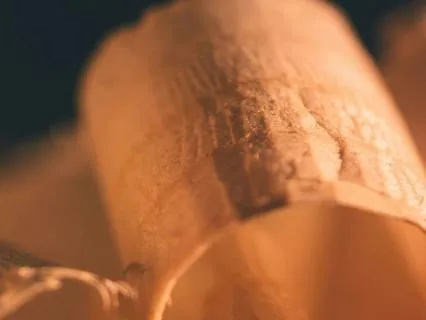
We also happily talk about woodworking.
And I discuss how I was absolutely terrified by the lathe in eighth grade shop class.
But Chip talks about it,
Down and helps me to understand that woodworking has helped change his life.
So now,
Woodworking fears aside,
Here's my very next episode of the podcast.
I can point to seeing a ghost when I was in the fraternity house years ago,
And alcohol was not involved,
But we had eye contact.
We had an old house that was built on another foundation from a house that was an orphanage that burned down.
And so some of the kids were still there and you ran into them every once in a while.
You know,
If you had to get on a stage,
If you had to present to,
Let's say,
500 people,
And you had to introduce yourself to them,
How would you do that?
Eternally curious.
And,
You know,
So the thought on most people's part is to introduce themselves with all of the things they've done.
And it really doesn't get to the heart of humanity.
It doesn't get to the heart of who you are,
Because you're not a sum of all the things you've done.
There are things that you've done that you're proud of,
And I'm certainly,
You know,
I've written a bunch of books,
And I'm certainly proud of that.
Does that make me an author?
Well,
I don't know.
I think it's just,
I'm eternally curious.
And I think that's what keeps me going,
It's that curiosity.
I think curiosity is a superpower.
Personally,
Would you say that?
I mean,
I would suspect you've been curious since you were a kid.
Is that true?
I don't know,
I've probably gotten a lot more curious as I've gotten older.
You know,
One of the things about being a coach is that you have to ask questions.
Well,
To ask questions,
You have to be curious.
And so,
You know,
I used to call myself back in the day,
I used to call myself a collector of people.
You know,
How some people kill like stamps or,
You know,
Giga's or anything like that.
And I used to call myself a collector of people,
But I don't see myself as much at that.
I just find myself as somebody who is curious about things and ask great questions.
And that's pretty much what I do.
The other thing is,
I have a phrase that I use a lot is Semper Gumby.
And Semper Gumby,
Semper is always Gumby.
You know who Gumby is,
Right?
Yeah.
Yes.
That's Gumby.
That's Gumby.
And I keep him on my desk and I always remind myself,
You know,
So it's it's always flexible.
And,
And that's what Semper Gumby is and it's funny I teach a bunch of classes.
Facilitate with with a couple of colleagues and.
When I got this one new colleague,
She was very regimented and everything had to be on a timeline and everything was written out in a script.
And I said,
You can't facilitate that way.
You've got to facilitate something because there are some things that are going to go quick and you're all of a sudden standing there with nothing to do.
Or there are some things that are going to go extremely slow and then like half the content you're not going to get to.
And so,
You know,
You've got to be flexible.
And you gotta be curious.
I like that.
Semper Gumby.
I think you just found the title of the podcast episode,
To be honest.
You had me,
I have to say,
Before we started recording,
We were talking about being from the same little patch of the woods in Illinois,
And the fact that you used the word gigas just has like melted my heart,
Because it's one of my favorite,
Like,
It's one of my favorite phrases,
Words,
And very few people know it,
But it's just emblematic of another time when words were,
Meant something else,
And these interesting,
It's very,
I've used that I've used those words before and someone has said,
What does that mean?
So the fact that you've used it,
I'm now eternally grateful to you.
And we call those tchotchkes now.
Tchotchkes,
Yes.
Let me ask you,
When you were a kid,
What did you dream of becoming?
You know,
I always wanted to be a professional golfer.
And,
Well,
We actually,
Come on.
I always wanted to be my dad.
You know,
I had a great dad who taught me a lot of things.
He was a professional salesman and spent most of his life in sales.
I always saw myself following in his footsteps.
Yeah,
I always wanted to be a professional golfer,
But I was not that good and I didn't have the work ethic to be able to be that good.
And especially when you grow up in the Midwest,
You know,
If you grow up in the South or Texas,
Texas or California,
Hey.
Playing year-round is a whole lot easier and a whole lot better than just playing the three months that are the summer.
But really,
I just always wanted to be my dad.
And so that's how I started out.
My first job out of school was being a salesman.
I did a lot of sales in high school and college.
I was always working.
All the time when I was in high school and college.
And so that's what I came in with.
And slowly but surely,
My ideas of that changed.
And so that's why I became an executive coach about 27 years ago.
Um,
Yeah,
I think,
Was your dad a golfer,
By the way?
Oh,
God,
Yes.
Oh,
OK.
Yeah.
Yeah.
He always thought he was Jack Nicklaus.
Because he looked a lot like Jack Nicklaus,
You know,
He he had blonde hair and,
You know,
He was he was similar body style and that kind of thing.
But he always thought he was Jack Nicklaus.
He was a hell of a golfer.
He was good.
There he was.
He was.
I,
In high school,
I worked for a somewhat swanky,
Pretty new Um.
.
.
Country club golf resort outside of St.
Charles and you know,
The kind of place where you had to buy a house on the course to be able to play there and I was the beverage cart girl,
So I drove around with the beverage cart and served drinks to the golfers,
Which was like a pretty cool thing.
Gig.
I met What's his name from Laugh-In,
Artie,
Someone,
I can't remember his name.
Artie Johnson.
Yes.
And he was a peach,
As we say in the Midwest.
He was really wonderful.
But it was.
You know,
I forget what day it was,
But there was one day where they closed down the course for half a day for the staff.
To golf.
I was terrible,
Terrible,
But I just had a good time.
Right?
Right.
Right.
I mean,
I,
I,
Loved just the whole walking part of it and the silence and just going from hole to hole,
Maybe with a couple of friends.
For me,
It was,
I loved it cause it was also beautiful.
Like the course was gorgeous and lots of trees and green.
And I've always loved the color green.
Um,
I knew that I was a terrible golfer.
It was never going to be my thing,
But there was something just really profound for me walking through that course really slowly.
Um,
Which I feel like is,
Part of playing golf.
Do you think so?
Oh yeah,
Yeah.
In fact,
There's a great book by,
I think it was John Feinstein that wrote,
A Good Walk Spoiled.
They call golf a good walk spoiled.
That's actually completely hilarious and.
.
.
Yeah.
I mean,
The fact that human beings can actually get this small,
Tiny ball into a hole,
You know,
That sometimes you're like,
Where's the hole?
I know you have the flag,
But you can see it.
And it's like,
So far away is astonishing to me.
Um,
After,
After the pod,
Um,
Google,
Um,
Robin Williams golf.
And he does this whole thing in a Scottish accent.
And he talks about the origin of golf.
And he says,
And he uses,
You know,
Some salty language in that,
But he talks about,
You know,
You've got to hit it 400 yards into this little hole,
And you're doing it 18 times.
You know,
It's just,
It's hilarious.
If you ever get a chance to,
It's worth the watch.
Oh,
I bet.
I love Robin Williams.
One of my favorites.
So yeah,
I will take you up on that.
Okay.
I wanted to ask,
Now,
When I was at Batavia.
They had shop class,
Okay?
And in seventh grade,
You made a clipboard out of wood.
In eighth grade,
They allowed you to pick something.
You could make whatever you wanted.
And foolish me,
Because I didn't quite know what I was getting into,
I decided to make a checkers board with checkers.
And everything went well until I had to use the lathe,
Which scared me.
I mean,
I just could not believe something could turn that fast.
And then I had to use this really sharp,
Sharp,
Sharp,
Sharp,
Sharp implement that also scared me to,
You know,
Make the checkers to whittle down the wood or to whatever,
Whatever.
Anyway,
You.
I love that you're like here in your profile,
You're like,
You found yourself standing at a wood lathe,
Learning to turn bowls.
And I just have to tell you that I had a flashback.
And then I started,
You know,
I was like,
Breathe,
Breathe,
Because it took me right back to making those.
Checkers pieces,
But I mean,
It sounds like you had none of those problems.
This wood turning thing is fascinating to me.
Well,
You know,
So I was recovering from a stroke and and my wife bought me a lathe for Christmas.
And the last time I had I had used lathe was in seventh grade.
You know,
And it was shot glass.
And I still have the candle holders that I did in shot glass,
Which,
You know,
Were really crummy and anyway.
But,
You know,
You got to use a drill press and you got to use all that stuff and it was a lot of fun.
So,
You know,
I had done a lot of woodworking over the years.
I'd made a lot of furniture and not a lot,
But,
You know,
A couple of entertainment centers when entertainment centers were big thing.
And desks and that kind of thing.
But something about the lathe,
You know,
And,
You know,
Here's the thing that most people don't understand is why do we like the green environment?
Well,
We like the green environment because there's no square corners in nature.
And so the roundness,
The roundness of the leaves,
I'm looking out right now outside,
The roundness of the leaves,
The shapes that you find in nature,
The pebbles in a stream,
The stream itself,
There are no square corners.
And according to a lot of the research that's been done,
The round corners actually relax your mind.
And so we love to take walks outside because it relaxes our mind when we get into the build environment.
Obviously,
Everything is all square because that's kind of the way we all came up that we have to have square corners in a building environment and and and it's stressful.
And so.
I don't think there's anything you can do on the lathe.
You can make a square bowl,
But there's still round corners,
There's still radius that is involved in that.
But you know,
If you look at the stuff that's behind me,
All the wood stuff is,
It's round.
Yeah.
It just is extremely relaxing to turn something square into something round.
And so,
You know,
I took to it pretty quickly.
I started off with what they call carbide tools,
Which are more of a scraper.
But I graduated to those sharp implements that are tools now.
And,
You know,
I never saw it as scary.
Now,
I will say that I had a friend of mine that was pretty badly injured when a ball blew up.
It took a three inch,
A bull blew up on him and he was doing some things that were not really smart.
It took a three inch chunk out of his skull and yeah,
11 operations and seven years later,
He's good.
But he was doing some things that were patently unsafe and he'd gotten away with them for a long time before that.
So you just think you're gonna get away with things like that.
Never really had any safety instruction or that kind of thing.
But,
You know,
If you're operating the lathe in a safe manner and you're doing things that aren't stupid,
You're more likely to walk away.
Words to live by.
Yes,
Don't do anything stupid.
You So I'm curious,
Just like you.
When you had your stroke,
Did they say,
You know,
Was one of the prescriptions for you to get better,
To find a new avocation or a new hobby or to learn something new?
No,
My doctor,
In fact,
Was not a.
.
.
Not really encouraging.
So,
You know,
I had some deficits after the stroke.
I had a hard time talking.
I'm a little bit of slurring words,
A little bit hard aphasia,
Which is you can't find words.
And I was paralyzed and all that kind of stuff.
So I,
You know,
I was,
I was better after about three months and I went in to see him and he said,
You know,
He said,
I think you got all you're going to get.
That was not acceptable to me.
And if I had only the,
If I had only come back three months after the stroke,
And that was my steady state from there on,
That would have not been okay.
My life would have changed in many,
Many ways.
As it was,
My life changed in a lot of ways,
But there are self.
.
.
Self-imposed changes rather than changes to my physicality and my mental state.
But the delay got my cognition back where it needed to be.
And maybe it's the new hand-eye coordination,
But I was never told to go do something else.
It's just something that,
You know,
Again,
My wife gave me a lathe and.
It's like,
Okay,
I loved it.
It's like she knows you.
Or something.
Well,
You know,
You've been married long enough.
Yeah,
They probably should.
Yes,
One would hope.
Yes.
I would love to ask you the second question,
Which is,
Did you grow up in a religious household?
You know,
If so,
What did that look like?
And then,
You know,
Do you have a connection even now to something outside yourself?
And how has that evolved over time?
That's a great question.
And you're a Doctor of Divinity,
Right?
You went to seminary?
Yeah,
Masters of Divinity.
Yeah,
And so that's a great question.
So let me ask you,
What is your What is your belief?
Well,
I obviously grew up overseas in Guyana and South America and then in Pakistan.
But,
You know,
In the midst of all of that travel all over the world.
Everywhere,
Bangkok.
Bangladesh,
I mean,
You name it.
I've been there probably.
And so as a kid,
I was just also the American school in Pakistan,
Kids from all over the world,
Every country,
Every religion,
Every food.
And so just,
You know,
Growing up all over the world and experiencing that just complexity and diversity of all of it,
Of culture,
Religion,
Food,
Just That's what whetted my curiosity.
That is what made me want to learn more about everything in the world.
I'm eternally captivated by how humans create meaning through experience or through cultural stories.
And so,
You know,
I was like a Christian for a while,
And then I was an atheist.
And now I've settled on panentheist,
Which means that I believe that the world,
It's kind of like an animist.
So I believe that everything everything is sacred,
Everything is holy,
That everything wants to communicate with us,
That it has,
You know,
A consciousness of its own that maybe we can't understand it,
But it still exists in its perfection and beauty.
You know,
One of these days I would love to learn to talk to a tree and have a conversation,
But that day hasn't arrived yet.
You know,
Maybe they could give me some tips on the golf course.
You know,
You never know.
They're watching these go by.
So yeah,
So that's where I,
I live in an intelligent,
Universe,
I guess you could say.
Yeah,
So my mother was Episcopalian,
My father was Lutheran.
Okay.
Which is,
You know,
Kind of like backdoor Catholic for both of those.
Lutheran,
Obviously more of a Germanic,
You know,
Coming down from Martin Luther.
And my mother was Episcopalian,
Which is kind of like Catholic-lited.
They became Episcopalians because Henry VIII didn't like Catholicism.
So.
You know,
It was,
We became Methodist because that's what they could agree on.
So I grew up in a religious household,
You know,
Not religious like,
Hey,
We were praying every five minutes or that,
But it was always present.
I was confirmed,
I was baptized,
I was doing,
You know,
All that kind of stuff.
It was funny,
In college,
I actually I actually started to evangelize at first year,
Actually in high school and part of college because Wheaton,
Illinois,
As you well know,
Is the home of Wheaton College.
And Wheaton College is the alma mater of Billy Graham.
And,
You know,
You couldn't make love standing up because it was too much like dancing.
Oh,
Dear.
I thought you would appreciate that one.
And so Wheaton was a dry town for many years.
In fact,
I think it only went wet like 10 or 15 years ago.
And it was so bizarre,
Because I was in Wheaton for a reunion,
And I went to the Wheaton Beer Festival,
Which was just such a crazy juxtaposition,
But it was dry for many years.
You could go across the border to Glen Ellyn and buy booze,
But you couldn't buy it in Wheaton.
So when I was growing up,
I think there were 47 churches and 20,
000 people.
It was crazy.
And just about every denomination you could possibly imagine.
You know,
And in some denominations,
You can't even imagine.
That was how I grew up.
I ended up with a bunch of people that were You know,
We're friends and ended up at the Presbyterian Church with Dr.
Clarence Lauer,
Who was an old Scotsman from way back.
I mean,
God,
Clarence was To an 18-year-old,
I'm sure he seemed like he was about 140 years old,
But he probably wasn't.
But he was a great old sermon giver.
He would lean up against the side of the pulpit,
And he'd put his hand up here,
And he'd start to talk about this,
And all in a Scottish brogue.
It was pretty incredible.
So I hung around with a lot of religious people.
In fact,
I went to Illinois Westland in Bloomington,
Illinois,
As a pre-theological.
Oh,
So,
So I had fully intended on being a minister and Then I found women in booze and that kind of all derailed,
But anyway.
And I see what I do now as an extension of that.
It may not be religious,
But it is spiritual.
You know,
Because I help people be the best they can be.
And what is a higher calling than that?
Absolutely.
Yeah,
I mean.
You're lifting them up.
You're helping them to see who they actually are.
And a lot of people get so caught up in their own kind of like internal stories that they can't see a way out of them.
It's actually quite fascinating.
You've been talking about this with a couple friends.
You know,
We all have our ideas of who we are,
But then if you ask a friend,
Hey,
You know,
Who do you think I am?
They'll have a totally different view of you.
And I think it would behoove us.
To listen to that because they might see something.
That we don't see that we can then live into.
That's why I think it's really good to have either good friends or a coach or,
You know,
Maybe even a boss who's worked with you for a while.
To just reflect back to you.
There's a big thing with coaching and the thing that I love about coaching is that I'm not trying to give you advice.
I'm not trying to implant a belief on you.
It is strictly about asking questions.
It is strictly about helping you to figure out your own stuff.
And it's differing from therapy in that therapy is thinking more about what your past is like.
And as a coach,
I really don't care how your relationship with your mother was.
I care about,
Okay,
So what are you going to do about it?
What's going to come?
In the future.
You know,
If you want to get here.
How are you going to do it?
And I've found over the years,
Especially,
That advice is a trap.
Because if I give you advice and you take it.
And it doesn't work out.
Who are you going to blame?
You're gonna blame me,
Right?
Yeah,
So.
You know,
Even as the advice giver.
Then it doesn't work out well for me.
And if you don't take the advice,
Then I kind of wonder,
Okay,
Why didn't you take that advice?
It's obviously,
You know,
It's clear.
And that kind of goes to the uniqueness of all humans,
Right?
You and I have.
Have similar similarities in what we've done in our lived experience.
You and I have completely different lived experiences.
Yeah.
And I found that even people growing up in the same household can have completely different lived experience.
My brother has spent 30 years in China.
And so,
You know,
He has a completely different lived experience than I have.
And we grew up in the same house,
But we have two different ways of looking at the world,
Two different ways of seeing things,
Two different ways of talking about our world.
And I have no more business in giving him advice.
Than he does in me.
You know,
So I can ask him some great questions and listen to his answers.
But I'm not gonna give him advice.
Yeah,
Wow,
China.
And for so long,
I can't even imagine that.
Them.
Wow,
What an adventure.
You know,
One of the things I try to remember is that every morning when I wake up,
I have no idea what the day is going to bring.
It could bring some sort of experience that is completely astonishing and will change everything.
And that life,
You know,
Should be lived or viewed as an adventure.
You know,
Obviously,
I grew up overseas.
So whenever anybody leaves the culture that they grew up in and goes somewhere else and has this experience.
It's always fascinating to me.
How many siblings did you have,
By the way?
Just one.
Just one.
Okay.
Just one brother.
And is he older or younger than you?
Younger.
Younger.
Okay.
Five years younger.
Okay.
Okay.
So you were able to give him plenty of noogies when you were growing up.
Yeah,
Yeah,
I did a great job of beating him up all the time.
Isn't that what an older brother is supposed to do,
I think?
I mean,
That's what I've heard.
Well,
In one particular case,
I put his head through the bathroom door.
And so it was right around Christmas and my mother wanted to make sure my father didn't get really hot when he came home about the bathroom door being stove in.
And so she hung a Christmas picture.
Over the hole.
And waited until dad had his second Manhattan and then told him about it.
But yeah.
Okay.
We were wrestling as usual.
So,
You know,
And,
And I just,
Um,
I put his head through the door.
Is your mom brilliant or am I just imagining that?
She knew my dad.
I'm just,
Wow,
I would have never thought of that solution that's actually Kind of.
Incredible.
Wow.
How brilliant.
I think you,
You know,
Now I might have another solution for anything that comes my way that looks like that.
Thank you.
Well,
There we go.
There we go.
Yeah,
My dad and my dad and mom were pretty cool people.
My dad died at 51,
My mom died at 56,
And so I was an orphan at 30 years old.
And that's pretty formative too.
I would say was your you know,
My grandfather was a salesman,
But his his job actually took it he had to drive around,
You know,
Drive from state to state and was kind of this roguish,
Peripatetic sort of like salesman on the move.
Did your dad was his?
Was he out on the road as well?
Younger,
He worked for General Electric.
He worked for Hardy Salt.
Selling salt industrially and then went for General Electric and sold for them for a long time.
Then he ended up with a company called Indiana Glass that made decorative glassware.
And he was a regional sales manager for them.
So he had the whole Midwest,
You know,
He could be in Minneapolis or St.
Louis or whatever.
And so he did a lot of flying in that,
Sometimes he drove,
But most of the time it was flying.
I mean,
Talk about a way of life that doesn't exist anymore.
You know,
The traveling salesman.
Oh,
It still exists.
It does.
Oh,
Yeah.
Yeah.
Yeah,
It still exists.
Right?
Mostly flying.
No,
No,
There are people that,
You know,
And I know a lot of industrial salespeople,
Forklift sales reps,
That kind of thing,
That have a state or two territory and they drive everywhere they go.
Okay.
See,
And I've learned,
I've learned multiple things from you today.
Um,
How to cover up a hole in,
Um,
Something,
You know,
If you don't want anybody to see it about traveling salesmen,
Um,
I've learned about golf.
I do have to tell you,
Just going back to the,
I have a really soft spot in my heart for the Episcopal church.
Um,
I think it is incredibly beautiful.
Um,
I love their liturgies.
Um,
Whenever I've used to date a gentleman,
Whenever we travel and go vacation,
We would visit different churches because we were both so enamored of you know,
Those spaces and places and meeting the congregations and Episcopalians were always,
Always friendly,
Welcoming,
Effusive,
Um,
Just generous of spirit.
It was,
It just felt like coming home every time I,
I walked into an Episcopal church.
So,
Um,
I married an Episcopalian.
So,
Um,
You know,
I've,
Uh,
I've been surrounded by it most of my life.
Yes!
See,
We both have great taste.
Okay.
I'd love to ask you the main question of the podcast,
Which is,
I would so appreciate if you would share,
It can be one story,
It can be two stories,
Where maybe you either witnessed or experienced something you thought was magical,
Miraculous,
Or mysterious.
You know,
And it's funny,
I've been thinking about that and how to answer that.
And I think just about everything is magical,
Mysterious,
Or You know,
I really think life is.
You know,
I can point to seeing a ghost when I was in the fraternity house years ago,
And alcohol was not involved.
But,
You know,
We had,
We had,
I,
We had an old house that was built on another foundation from a house that was an orphanage that burned down.
And so some of the kids were still there and you ran into them every once in a while.
Where was that?
Was that in Illinois?
Bloomington,
Illinois.
Yeah,
It doesn't exist anymore.
The fraternity house has been torn down.
It's a parking lot for a hospital now,
But,
You know,
At one time,
That's the way it was.
But,
You know,
There's been so many things over the years,
You know.
I think my favorite story is I was getting the business started and I was,
You know,
Running out of money pretty quick.
And I had been working hard to try to get business on board and get the business started.
And I was at a gas station one evening and,
You know,
I just looked up and I said,
God,
Can you help me?
I don't know.
I don't know what I'm doing wrong.
I think I've been doing everything right.
I'm doing all the calls.
Doing what I think I should be doing.
And I said,
Just give me a sign that I'm going the right direction.
And,
You know,
That there is there is a light at the end of the tunnel instead of an oncoming train.
And,
You know,
About that time,
Some guy stuck his head around the pump.
And it was a guy that I've been trying to get to see for six months.
And and He pokes his head around the corner.
He was a city manager of the town that I lived in.
And he said,
He said,
Chip,
Is that you?
And I said,
Yeah.
And he said,
He made some offhand comment about paying for his gas,
You know,
Because I lived in the same town that he was city manager of.
And it's like,
Already I'm paying so many taxes that I'm already paying your gas.
But anyway,
He said,
You know,
I know you've been trying to get in touch with me.
He said,
You know,
Can you be in my office in the next day or two?
And I'd like to talk to you.
About what we can do together.
And a couple days later,
A guy that I had known,
One of the first people I did business with called and said,
Hey,
That thing you did,
Can you help this office out and can you help this office out?
And then another guy called.
And it's funny because this person has been in my life for 25 years.
He's still a big part of what I do.
He's with another company now,
But at the time he was running his own thing and he said,
Hey,
Listen,
I can't tell you what it's about yet,
But I'll give you a call.
I've got this company I'm going with and I know they need what you have.
It was,
You know,
It was just like the switch turned on and instead of going and finding a job or,
You know,
Doing something else,
It just started to happen.
Wow.
Wow.
And who would have thought that it would have happened at the gas pump?
I mean,
It can happen anywhere.
It can happen anywhere.
Yeah,
You don't have to be in a church.
You don't have to be sitting in a pew.
You don't have to be kneeling.
I have a different view of religion,
And my view of religion is it's not the punitive,
God hates me and is going to punish me kind of view.
It's the,
You know,
Why?
Why would he be like that?
I mean,
That's the Old Testament God.
And when you look at Jesus and what Jesus said,
He preached love.
He didn't preach eternal damnation.
And the more you read about the early church,
The more you find out that the reason that they started preaching eternal damnation and hellfire was to put butts in seats.
And because of this,
If they could scare you like crazy,
And the way of salvation was to come and sit in church.
Well,
Then you were gonna come and sit in church.
I just,
I don't believe that.
I think that God wants the best for me.
And I'm not always the best.
I do stupid things.
I do,
Yeah,
Certainly what would be called wicked things at times,
But you know.
Yeah,
I think they all got accounted for that,
Right?
Yeah,
Absolutely.
Really beautifully stated,
By the way.
It's so clear to me through this conversation that you are someone and maybe this was hard one or hard fought,
But you just seem or appear to be someone who's kind of unstoppable,
Frankly,
And optimistic.
But also.
Really?
You carry a positivity about you that probably,
You know.
Brushes off on everyone around you,
Which is something that we need in this world.
Now,
Can I ask you?
This is how I see you.
Do you think?
This is your essential nature.
Is this how you've always been?
And then of course,
I've never had a stroke,
But coming back from a stroke is no joke,
But I think it helps if you have an unstoppable spirit and you have optimism.
And so I'm wondering if those traits inside of you helped you to heal.
There's a great book called The Second Mountain by David Brooks,
And if you ever get a chance to read it.
And it talks about the two mountains we climb and the first mountain is,
You know,
Money and fame and all that kind of stuff.
And then somewhere along the line,
You have a crisis,
You know,
Could have been I got laid off in May of 98.
And we changed our life considerably moved from LA to North Carolina,
We opened businesses and all that kind of stuff.
So maybe that was the maybe that was one of the mountains or maybe the health crisis was a mountain.
But The second mountain is about meaning and purpose.
And,
And.
Some people never go through that valley,
Never have that crisis.
But,
You know.
If you do go through that,
If you do have that issue.
How do you come out on the other side?
And the other side is meaning and purpose.
It's similar to to retirement.
You know,
I don't ever see myself retiring.
But the next stage is depression.
Because it's like,
I don't have to do anything.
And you've lost your identity.
Anyway,
And then there's third stage is meaning and purpose.
Well,
You know,
I mean,
You've got to go through some kind of fire to to have meaning and purpose.
Yeah,
Yes,
You know,
I've had conversations with people who've retired and You know,
Funnily enough,
So many of them say I am busier now than I was before.
And trying to live a life.
And I think that's because they've discovered that to,
You know,
Lift themselves up.
Being busy,
Contributing,
Having a hobby,
Participating in community,
It kind of snowballs and it's kind of like the gift we give ourselves after we retire.
Yeah.
I have to say that.
I mean,
Obviously you're not retired,
You're,
You're just like out there blazing a path for the rest of us,
Which can be exhausting.
Really,
I don't know,
Nurturing.
It's,
It's,
Or nourishing,
I guess,
Is what I want to say,
Because,
You know,
You can see your work in action as,
As your clients go out into the world and become their better selves,
You know,
Step into their purpose.
I mean,
Is,
Is that partially why you do it?
It must be so inspiring to witness that.
That is why I do it.
Yeah.
And it kind of goes to my purpose,
And my purpose is I live to develop people.
So that's what I do.
All day long.
And it doesn't matter whether it's woodturning.
I'm the president of the North Carolina Woodturners Association.
I teach woodturning on the weekends.
And it's not about me being the best turner that I can possibly be,
But it's helping people to be the best they can be.
And so part of that is people,
I'm a people too,
So I have to be the best that I can be so I can help others be the best they can be.
Because I can't give what I don't have.
You know,
And what I mean by that is.
That if I've gotten a feel and think,
Then I'm going to be hard pressed to move anybody else.
I think,
Chip,
That you just dropped the mic and walked away.
Has anyone ever said that to you before?
No,
No,
But thank you.
And that's it,
A wrap on my conversation with Chip.
I'm so grateful to Chip for sharing all his stories,
For sharing about his journey,
And how life's twists and turns can sometimes lead us to exactly where we need to be.
I want to thank all of you for listening.
This podcast makes me so happy to produce.
I get to meet incredible humans like Jip,
And then I get to share their stories with the world.
So if you like what you're hearing,
Please do consider leaving a rating or writing a little review.
Thank you for listening,
And here's my one request.
Be like Chip.
Don't ever give up,
But also be willing to go with those twists and turns in life.
You never know when the unexpected layoff or the unexpected event is exactly what you needed to change and reorient your life.
We're all looking to live.
Rich,
Abundant lives.
And sometimes it seems that life has other plans for us.
But if we go with the flow and step back and consider.
Most times,
Life deposits us exactly where we need to be,
So that we too can thrive.
Can step into our own and become blessings for everyone around us.