
The world’s largest free audio library for everyday wellbeing
Real people. Real life. Real time.
Retreat categories
All RetreatsYoga RetreatsWellness RetreatsMeditation RetreatsYoga Teacher TrainingWomen's RetreatsYoga Retreats in BaliYoga Retreats in United KingdomYoga Retreats in AustraliaYoga Retreats in ItalyFind Your Perfect Retreat
Discover transformative Retreats led by Insight Timer's best teachers.Reconnect, recharge, and return renewed.
The world’s largest free audio library for everyday wellbeing
Blog categories
Mental Health and WellbeingTips and GuidesScience and ResearchTraditionSpiritualityAt WorkTop Articles
How to Meditate
Meditation is something everyone can do. Practicing can help improve your health and wellbeing.
Explore MeditationMeditation Timer
Free meditation timer with customizable intervals, bells, and ambient sounds.
Meditation Timer Online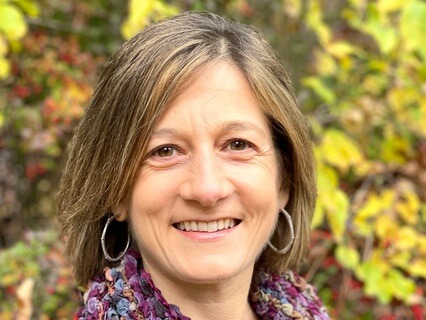
COURSE
Coping With Stress: Practical Tools For Resilience & Well-Being
With Beth Kurland, Ph.D.
Many of us struggle with chronic stress and feel overwhelmed by the day-to-day challenges we face in our lives. This course will offer you practical tools to help cope with stress and cultivate greater well-being in your daily life. You will learn three specific tools that you can carry with you into your day that take only a few minutes, yet can have a big impact on reducing stress and enhancing your well-being. These evidence-based strategies are drawn from the research in the areas of mindfulness, cognitive-behavioral psychology, and positive psychology. DISCLAIMER: Please note that this class, the accompanying meditations, and any responses to questions in the classroom are strictly for educational purposes only and are not intended as medical or psychological diagnosis, intervention or treatment of any kind. If you are in need of such treatment, please seek the advice of your doctor or a licensed mental health professional. What people get out of this class will vary from person to person and there are no guarantees of what your personal experience will be. In using these recordings you understand that Beth Kurland does not have a professional relationship with you and you agree that Beth Kurland will not be liable or otherwise responsible for any decisions or actions taken due to your use of the information presented.
Meet your Teacher
read more
10 Days
3.8k students
4.8 stars
12 min / day
Anxiety
English
Ask your teacher
This course includes 15 community questions and 13 audio replies from Beth Kurland, Ph.D.. The community classroom and teacher audio replies are only available via the app.
4.8 (111)
Recent Reviews
Lois

January 16, 2026
Some very helpful tips to use throughout the day
Sheryl
August 30, 2025
Thank you for a great course. 🙏
Beth
February 20, 2025
What this course does for me is pull together previous information and learning into a manageable format of tools to use.
TMC
December 17, 2024
Great course!
James
July 16, 2023
Didn’t get much from this
Leigh
May 24, 2023
Thanks Beth. A helpful short course. The session lengths made it accessible
Kay
May 5, 2023
Great, short but practical tools to carry with me
Alesandro
April 17, 2023
Good
Melissa
April 12, 2023
Love it! So helpful!
Donna
January 11, 2023
1 will try to reppeat this class every other month to keep the tools in good condition.
Tracey
May 16, 2022
This was a great course overall. The last session was the worst. I have major struggles visualising. So it was basically useless. It also seemed so out of place compared to other sessions. Great tools and explained really well. They made me think during my day, so had desired effects. Your tone is calming which was nice.
Jane
January 21, 2022
I really enjoyed this course.
Sue
June 2, 2021
Very healpfil and healing. Will repeat course. Thank you
KatieG
May 20, 2021
Great course, practical and easy tools to remember, excellent! Thank you!🙏🏼
Tami
May 17, 2021
I loved this course. The teacher offered refreshing ideas that have never been used and that have helped me to refrain negative thoughts.
Chris
May 17, 2021
Very useful course, easy to listen to & absorb, have found it really enjoyable. Thank you.
Jackie
May 13, 2021
Beautiful!
Leslie
May 11, 2021
Thank you! Really enjoyed this course. Easy to remember tools to help when stress arises.
Susan
May 7, 2021
I really enjoyed the course. It is filled with story, examples and tools that all very helpful.
Catarina
May 6, 2021
Thank you for being there!
More from Beth Kurland, Ph.D.

Trusted by 37 million people. It's free.

Get the app


