In the Buddhist teachings,
It's framed as superiority conceit,
Inferiority conceit,
And comparison conceit.
So,
These are the big ones I want to mention today.
I'll just read the little intro I have here,
Though.
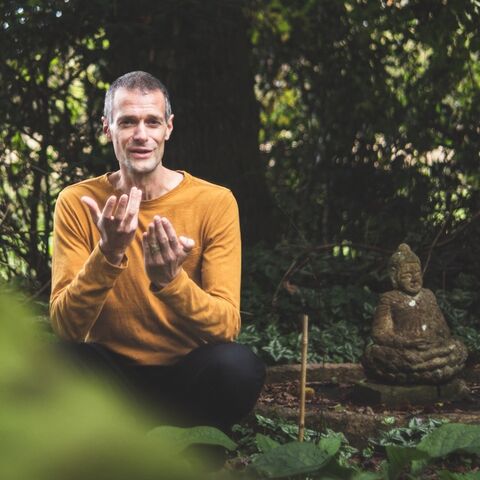
In this 25th installment of the ongoing live series with Windy Nash,
Inquiring into Meditation Practice,
On and off the cushion,
We plan to explore conceit,
Superiority conceit,
Inferiority conceit,
And equality comparison conceit,
How it is related to many ills internally and externally,
And what to do about it in formal meditation and in the world.
So,
Reflecting on this a little bit before the start here,
One of the big things is this is where I think our,
What is it,
Negativity bias can really help us.
Usually,
We are kind of wired,
Or a lot of us are wired to be able to point out what's wrong with the world,
The negativity in the world,
And what's bad about it.
And,
You know,
Like they say,
Psychologists say,
This is what used to keep us from kind of getting eaten by tigers and things like this,
And keep us alert for our surroundings so we could preserve our lives.
But today,
We don't really have these kind of immediate threats.
And,
But they still play out.
This negativity bias still plays out.
Of course,
We have the opposite end of positive,
Toxic positivity.
But in this case,
When calling out conceit,
I think it can be really helpful,
As long as we kind of,
We meaning the oil we can,
And the audience who's listening,
You know,
Can do something about it.
So,
This is where I can call out,
Like a Wendy's site,
Kindly Cut the Crap,
Right?
Call out these things for what they are,
And so we can see them and not be deluded by them,
And recognize them,
So where they can be changed.
So,
I'm supposed to start with superiority conceit.
This is a classic notion of conceit that's usually noticed,
Or thought about when we,
When we talk about conceit.
This is what I think is what most people would call like,
Egotist,
Being egotistical,
Thinking I'm better than someone else,
Right?
I am better,
And they're not as good as me.
And then this leads to all kinds of things.
I think this is kind of one of the easier ones to see,
Even those people who are,
Have a superiority conceit,
Can see other superiority conceits,
I'd imagine,
Or at least,
And then come into comparison like,
Oh,
Am I as good as this guy or gal?
So,
What,
What can this lead to?
What can these,
This superiority conceit lead to?
We talk about in our society,
Narcissism,
And I don't know if there's a lot of narcissism as much as people think there are.
I think maybe a year or so ago,
It was a huge topic kind of in social media and whatnot.
But,
But superiority conceit,
And a lot of times this can lead to things like justification in one's actions.
Okay,
I'm,
I'm better than,
So I'm just going to,
You know,
It's okay,
Because I'm better than that,
And I know better.
And that's how it is.
Yeah,
Justifying one's actions because of that,
You know,
Doing an action or saying a thing,
And then coming up later with justifications for why it's okay.
Of course,
The obvious ones with this is not respecting other people's kind of well-being and dignity,
Just not really having much dignity.
It can lead to that anyway.
It can be way more subtle though,
Too.
Feeling superior kind of belittles a lot of other people too.
Of course,
It creates separation.
All these types of conceit create this me and another,
Me and the other.
There's this notion maybe of feeling special and I guess probably entitled to,
You know,
In a way,
I think the entitlement probably runs both ways.
But when there's superiority conceit,
Then I,
Well,
I'm better than this.
You know,
You treated me like that.
Do you have any idea who I am?
And we can even see this in our meditation practice too.
When a meditation is going really good,
Then it can feel like this over sense of accomplishment,
You know,
This notion of I'm,
I've got this,
You know,
I'm on the right path now.
There's no screwing up.
This is,
This is it.
And in no time I'll be enlightened and I'll have this enlightenment project out and done with.
Right.
And this can go to kind of maybe a false sense of authority because I'm better than,
Than I can have this thing where I can tell others what to do.
I can,
I know better these types of things,
Which is really,
You know,
Something else too.
Because sometimes some people do know better than others and they are a sense of authority and then they can help others.
So this is a discernment to knowing if there's conceit involved or not.
This is where a false sense of humility I feel can come in and to compensate.
So there's this air of superiority and then one can kind of sense this air of superiority.
And then in order to compensate or cover it up or to try to counterbalance it,
Then there can be different degrees of humility,
Kind of even forced on,
On top of it as a compensation.
You know,
If I can just be humble,
Then maybe people won't notice how superior I feel,
You know,
How superior I am.
And I think it can be a tug of war too,
Between superior,
Superiority and humbleness.
So there can be this genuine sense of humility coming in to counterbalance and actually level out this notion of superiority that can be really genuine and helpful too.
So it's,
Humility is usually a good thing,
No matter what,
Of course,
Kind of a false sense or a forced sense of humility,
You know,
Maybe not so much.
So what else does superiority,
Conceit lead to?
What else is the problem with this?
Yeah,
This,
This notion of,
Do you know who I am?
And then it can start kind of,
When things don't go one's way,
Then can start kind of denigrating others.
How dare you treat me this way,
You know?
But that's can also be inferiority too.
I think it's also a general lack of care and a general lack of disregard for consequences.
You know,
I'm going to get what I want,
No matter what.
I don't care about anybody else.
I'm just going to do what I do in order to get what I want for me.
And because I'm better than,
And I deserve it.
And no one really can tell me otherwise.
And there's no checks or balances on my behavior actions.
And I'm going to get away with as much as I possibly can in order to get what I want for me,
You know,
This kind of service to self thing.
You know,
I think that's when it gets more extreme and then it can even get more extreme into psychopathy where that's the underlying tendency,
But it's not revealed.
It's covered up.
It's one pretends that they're actually not that way.
And,
And,
But we'll go and do things that are counter and otherwise to how they're pretending to be.
But that's kind of an extreme.
No,
Not that is an extreme.
So maybe I'll just bounce around back and forth between these,
Instead of trying to cover each one exhaustively here at Froth,
Or one at a time.
The other thing though,
About superiority,
If we're looking in like spiritual circles,
We have this notion of guruism and it can be really helpful for some people that have that kind of disposition where it really helps,
You know?
Otherwise we'll just say that first.
If you look at an older generation to,
Especially like,
I think maybe in the sixties,
The guruism could potentially be helpful,
Right?
It was kind of,
Especially in the West,
Maybe because it was a new tradition.
I mean,
It was the Eastern spirituality was new to the West.
And so there,
A lot of people just didn't know a lot about it,
I guess,
You know,
Firsthand,
So they could go to these ancient traditions and learn about it through a guru who is a kind of the unbroken tradition,
Right?
And I think in the Tibetan tradition,
There's a big thing with guruism.
So yeah,
We also know there's a potential for abuse and a lot of these things.
And that,
I don't know about a lot,
Actually,
I don't have much experience with this.
I just,
Just as,
Just as,
So this,
I'm not really speaking from experience with working with a guru and things like this.
But we know when you give away your power to another one,
Then,
Then there is potential for abuse.
I mean,
There's also potential for good,
I guess.
But I just wonder about,
You know,
Who was the Buddha's guru?
You know,
He had two teachers and he left them because they couldn't take all the way.
And some one might say,
Well,
That's conceit and that's conceit.
You know,
You know,
You should have just listened to your teachers and didn't think you're better than your teachers.
But again,
This is where the tricky notion comes in that,
Well,
What if someone actually,
And not framing it as better,
But what if someone actually has the potential to bring even something more beneficial and more skillful to oneself and others,
But they're being restrained or held back by being subservient to another.
And I don't know if subservient is the right way to put it.
So then when we look at people who are with this superiority conceit,
Who others have bestowed a lot of power on them,
And it really gets,
People can get big head,
They can get inflated and you can go to their head.
So there's a,
They get kind of this power,
Whether it's been given to them or they've taken it.
And as we know,
With a lot of power comes a lot of potential for abuse too.
I mean,
Of course,
Power can be used for the highest good of the many,
So to speak,
But the potential is ripe for abuse as well.
So I think power in a sense is,
It's how it's used.
It's not necessarily a good or a bad thing.
It can be a neutral thing too,
I guess.
Now the inferiority,
When this is,
I think inferiority is conceit.
So this is the one that's not as known as superiority conceit.
Inferiority conceit,
It's a little bit counterintuitive for some people.
And it's not to be mistaken with humility.
I'm not as good as this guy.
This is,
Oh,
And I finally got chat.
Hi,
Ms.
Reed.
And when we can see,
When we can see it so inflated,
There will be a pop happen as in reality check,
Et cetera.
So coming full circle helps.
Yeah,
You know,
That's right.
I love that visual of an inflation because it is kind of like inflating one's ego,
Right?
And then once it pops,
Then some people,
That's what it takes to realize that superiority conceit.
And Ms.
Reed says,
Our reality can keep us in check when we are true to ourselves.
So it can show us the inflation and deflation.
Absolutely.
This is where mindfulness comes in to really keep us in check,
Right?
So the more aware we are,
The more mindful we are,
The more attention we're paying to these things like that.
It's a built-in self-checking mechanism.
And this is where spiritual friends come in,
So to speak,
Spiritual friends to give us a balance and teachers too.
So teachers can keep us in check as well.
And yeah,
Ideally we'll use the inner teacher and can do this ourselves too.
So,
Okay.
Now,
Inferiority conceit.
This is,
I think this is more common in spiritual circles.
It may be younger generations or,
Um,
Well,
I don't know if it just should be generational or not,
But,
And this is okay.
It's,
It's,
Uh,
We all have these conceits to some degree or another.
So this is when I don't think I'm good enough.
And that guy's got it all together.
That girl has it all.
And I'm just not good.
I,
Well,
This is kind of comparison too.
Um,
But I don't feel good enough.
I,
My self-esteem is not,
Uh,
It's lacking.
I'm constantly worried what other people are thinking about me.
Um,
I,
I,
I'm not measuring,
I'm not measuring up.
And then what does this,
This lead to?
Well,
Compensation,
Right?
It can compensate,
Can have low self-esteem,
Can lead to kind of sadness and depression.
It can lead to inhibition,
Uh,
In a bad sense,
Meaning that,
Um,
I want to make friends.
I want to reach out to people,
You know,
I want to make connections,
But I just don't think I'm good enough for that person's attention and friendship.
When someone speaks to,
When someone goes in spiritual circles too,
They might not feel that something might come up where they really,
Um,
Have a really good question,
But then they'll doubt themselves and second guess himself.
Oh,
It's a,
It's a dumb question.
It's not good enough.
Or,
Or maybe they,
Uh,
Who am I to question this teacher and say anything about this?
And I mean,
How is everybody going to see me when I,
When I say this to them or could be some desperation to like,
How am I ever going to catch up with this person or where I need to be,
You know,
And maybe even bargaining in grief,
Right?
If only I could do this,
Then I'll,
Then I'll get to,
To be better.
Yeah.
So I'm going to keep along these lines a little bit,
Maybe,
And then hopefully I'll,
I'll give some,
Uh,
Redress and how to address some of these.
So Ms.
Reed says,
Yeah,
The inferior can lead us to not really living our best life.
It stops our growth potential.
Not nice.
Yes,
Absolutely.
This can lead to like the wrong kind of surrender and giving up,
Uh,
But not in a good way.
Not like,
Um,
Not in a way that some people,
Um,
Kind of are on the wrong course and it,
It actually helps a lot to give up that course and change something new maybe,
Or at least consider it.
But with inferiority,
It can be like,
Never get off the ground,
Never leave the couch,
You know,
Never have the kind of motivational thing.
And I've seen in,
In some spiritual circles too,
There's,
There's even these jokes about,
Uh,
Enlightenment,
Right.
Or awakening and liberation.
They think that it's not really possible.
And so they make jokes about it.
Like,
You know,
Who am I to think that I could ever happen,
That I could ever get close to that and goes into self-deprecation self.
Um,
And I know there's some self-deprecating humor.
That's okay.
But a lot of it can only be pushed so far and can only get you so far.
Right.
Uh,
That one can be helpful for bringing down an inflated and,
Um,
Superiority ego,
But,
You know,
People that are constantly down on themselves and,
Um,
Putting themselves down.
I mean,
There's even as far kind of,
Um,
Distortions and reversals,
Um,
That people are now fetishized by getting,
Um,
Having others,
Um,
Degrade them and denigrate them.
I mean,
It's really kind of sick.
This,
This notion of,
Yeah,
Never measuring up,
Never being good enough and these,
These complexes like that.
I would say though,
That I think a lot of people with inferiority can see,
They already see these things.
They see a lot of these things,
But I wonder if they recognize that that too is conceit.
We don't normally think of that as being conceited,
But in a way it is conceit.
So miss Reed says,
So getting to her balance point is our best tool.
So we navigate from there.
Yeah.
So let's talk a little bit about,
Um,
This,
Cause this leads into the next type of conceit.
This balance point is really helpful and this is,
Um,
A lot of us do,
We,
We have,
Um,
We have both aspects of superiority and inferiority and so balancing that out.
So let,
Let,
Well,
Yeah,
Why don't we just talk about that for a little bit or why don't I talk about that for a little bit and along with comment,
Commenters and,
And,
And,
And,
And,
And,
And,
And,
And,
And,
And,
And,
And,
And,
And,
And,
And,
And,
And along with comment,
Commenters.
Yeah.
So how do we balance this out?
I think that,
Well,
The first step is recognizing when it's there,
Right?
So,
And I don't know if,
Um,
The balance point for superiority is inferiority,
Right?
Talked a little bit about humbleness.
Um,
And I think when done right,
That helps balance out superiority,
Right?
This notion,
You know,
The historical Buddha said,
I'll just drop it in here and maybe come back to it.
And he said,
I am,
Is the greatest conceit.
So this notion that there's this fixed,
Solid sense of me,
You know,
I am this,
I am that,
Uh,
Well,
I'll just,
I'll just leave it at that for now.
So,
Okay.
So what can balance out the inferiority?
And what's coming up right now with that is a healthy sense of self-confidence,
You know,
That these notions of inferiority are ones that have been conditioned in that they just,
They're not intrinsically true that they've been learned and conditioned and there's causes behind them.
And there can,
It can be undone.
There can be healthier conditions put in place,
Um,
To counteract this notion that I'm not good enough.
I'll never be as good as this.
So why bother maybe before address more of the kind of solutions to these things?
Um,
Uh,
We'll talk about this.
I'll talk about this next one.
Uh,
It's called equality or comparison conceit.
Now this one is the most subtlest one,
And it's kind of a little bit,
Uh,
Challenging to talk about,
But this is the one where if I think I'm just as good as that guy,
I'm just as good as that gal.
That's actually a kind of conceit too,
You know,
It's coming from a place of,
In a way,
Kind of competition,
You know,
That,
Okay,
Maybe I'm not better than,
Or I'm not worse,
But I'm at least as good,
You know,
I'm as good as they are,
Or I'm can,
You know,
They're no better than me.
Um,
So,
And what does this,
This,
What does this do if everybody,
There is,
You know,
There's certain things that are helpful with equality in the world,
Right?
We're all,
We're all,
Um,
Deserving of,
Um,
Dignity,
You know,
This notion of kindness,
Our care,
We're all,
Um,
Equal in the fact of being worthy and desire and deserving of care.
I think that's equality,
But imagine if everyone was the same in every quality,
You know,
How boring and monotonous the world would be in a way.
I mean,
There would be kind of no flavor of diversity in the world.
It would be like a gray hive mind if everyone was kind of exactly equal in all their,
Um,
Characteristics.
And that's just not the way it is.
I mean,
Not default.
And so balancing this without falling into a trap of dualism,
You know,
There are different people do differ in certain,
You know,
Uh,
Relativistic qualities.
There are some people with higher intellect than others.
Does that mean they're any better or worse than anybody else?
Not necessarily same way with amounts of wisdom.
I would definitely praise those who have,
You know,
That are on the path to having more wisdom and especially wisdom that can overcome stress in our lives and other people's lives.
You know,
There,
There are big people and there are small people,
You know,
There are,
Um,
People that live close to me and people that live far away from me.
So there's this obvious,
Um,
Things that aren't equal or,
Um,
I guess that doesn't really apply to equalness,
But not everybody is equal in all ways.
And that's okay.
I think that's a beautiful thing.
And not everybody needs to strive to be equal with each other in certain ways.
I feel either.
Um,
Now this is more easily noticeable when we term it comparison conceit,
Right?
And how much trouble does this get us into a lot of times?
Now I'm not talking about discernment here to,
To know,
You know,
What's helpful and what's not to kind of put things side by side and do an evaluation like this word evaluation.
Um,
So that's not what I'm talking about.
This comparison conceit is how do I line up to this person?
And then I'm,
Um,
Being judgmental towards them and to myself,
They have it this way.
I'm not like that.
So this can feed into superiority and,
Um,
Inferiority conceit,
Right?
For these things that were,
We think that we need,
That we see in others and that we're not there yet.
Well,
Then I'm not good enough.
They're better than me.
And so what am I going to do about it?
Another thing with the inferiority conceit is going into competition.
Some people might then,
Oh,
I got to,
I've got to compete against them to get better.
This can go the other way too,
With superiority conceit,
Where I've got to maintain my superiority or wait a second.
That guy seems more superior than me.
I need to climb a ladder and get ahead of him,
Um,
And do whatever it takes to do.
And so this is where I think unhealthy competition can come into this notion of comparison though.
You know,
It's a,
It's a,
Can be a tricky one because we can,
We do need to use some kind of self-evaluation,
But it's,
It's within ourselves,
Right?
It's,
It's,
Um,
Not comparing to anyone else,
But maybe where I was five years ago,
Maybe looking into the future and think,
Okay,
What kind of path do I want to be on?
And what do I,
Uh,
What has helped me come here today?
And what do I need to do to continue on this or choose another way and where I want to be and,
Um,
What,
What takes me off the path I need to be on,
What puts me on.
So this is a kind of evaluation,
Self-evaluation that can be helpful.
But when I'm sizing up other people,
Uh,
To,
To feel,
Especially to feel better about myself,
That's where the really the superiority conceit comes in.
When I look at another and then I,
I,
I use some judgments in a way that makes me feel better about myself because I've,
You know,
I've put them in a box in a certain way and then looked at myself and say,
Either I don't have that,
Or I'm way better than that.
Then that can,
You know,
Then that tends to superiority conceit.
And again,
Like I said,
This comparison conceit can go the other way where,
Oh my gosh,
I'm so far behind here.
You know,
What do I do about it?
This type of thing.
And what this really kind of all hinges on,
I feel is,
Um,
It's this notion of,
Uh,
Uh,
I mean,
Mine,
You know,
I am this,
I own this,
Um,
This is who I am.
And it's really strong and unchanging,
But I don't think a reality where in my experience,
Reality doesn't work like that.
This notion of who we are is a constant set of fluxing and changing processes,
You know,
Um,
Energies that are not locked in.
They do change.
And so when we think we should be a certain way all the time and even go out of our way to,
To build up this false notion of this is me.
Um,
I,
I,
This is mine and this is who I am.
The more I cling to that notion that that's the way it has to be.
And it's,
I,
I'm going to protect to keep it that way and fight to defend it that way.
Then it can lead to all these types of conceit in the world.
So,
I mean,
Yes,
It's helpful to have that sometimes.
And,
You know,
How do we pick that up?
How do we hold that?
How do we use that?
But how clingy are we to that notion of how I am in a lot of times,
This is,
This is,
Um,
When I find out operating on assumptions that I didn't even know they were there until they kind of,
Uh,
Come to light.
So how many,
Uh,
Kind of expectations are we unconsciously operating on?
I mean,
All kinds,
Really,
You know,
Um,
Like I just assume that this house will be heated,
You know,
That I'll have a heated house.
I assume that I'm going to put food in my belly when I need to put food in my belly and I'll have access to water.
Um,
I assume that,
You know,
A little bit more safe assumption that when I walk outside the door,
I'm not going to float up into space.
Cause gravity's going to quit working.
I mean,
That's a little extreme,
But,
Um,
You know,
Who knows?
I assume that I'm going to live through the day,
But you know,
Who knows?
There's no guarantee of that.
So there's all these constant assumptions that we,
We operate on and it's,
It's okay.
I mean,
We can't,
I don't think until we're fully awakened,
We're going to be able to see all these unconscious,
Um,
Expectations and assumptions that are operating.
But when we,
Um,
Can call out the glaring,
Glaringly obvious ones that cause disappointment time and time again,
When they're not met,
You know,
That I feel is kind of worth evaluating.
Another form of this superiority conceit is,
Uh,
And I heard this recently and I really like this,
It's putting things in boxes.
You know,
If I can just get everything sorted in a box,
Compare this.
Okay.
I look at the world and then I've,
I can put it in this box.
This goes there.
I've got this figured out.
This is what's happening here.
I know about this when these things happen.
Oh,
What's going on there?
Oh,
This is what's happening.
So I got that figured out.
So yeah,
This can be helpful to kind of navigating the world and,
Um,
Kind of making sense of the world.
But when I really deep down feel that that's going to be,
Uh,
Make me okay and provide for my long lasting happiness,
Welfare and benefit.
And that of others,
If I can just do this,
Um,
You know,
Boxing of things in the world,
Getting it all figured out and neatly organized and,
You know,
Feel good about how I've sorted it in my viewpoint,
Then that's going to help me out and that's going to,
Uh,
Long-term and that's going to be for my benefit.
So this is a really interesting one to explore.
Doing that helps us make sense of the world and can help us navigate through the world.
But this is where these views and opinions we have,
I think can really,
I know in my experience,
Really clinging to these views and opinions and how I think the world is and how it operates,
Um,
Can really get me in trouble sometimes.
This next one of clinging to views and opinions,
You know,
This is another one that solidifies this sense of self,
Uh,
Something we cling to.
We may,
Maybe a lot of us don't cling to you know,
Material goods anymore,
Or maybe a certain religion,
Or I don't know,
But we,
Some of us still cling to ideas and opinions,
Right?
And we'll kind of fight to defend them.
And,
And this is the way it is and nothing else is right.
And,
You know,
This is a tough one because a really wise view can be very liberating and very helpful.
It can help free bonds of ignorance and,
You know,
Help others too.
At the same time,
If I'm clinging to an,
A view and idea and opinion really tightly.
And then when something comes along that flies in the face of that,
And I'm not willing to let it go,
Well,
Then that's a setup for suffering and disaster,
Even in a way,
At least some stress can be,
This can also be contrasted with,
Uh,
Well,
What do I need to,
To speak out on and give opinion to and,
Uh,
Back up and defend.
All right.
Well,
I think,
Um,
Instead of leaving all this stuff,
Let's,
Let's address how to best address these things.
And like I said,
The biggest one I feel is actually seeing this and recognizing this,
You know,
Um,
The historical Buddha talked about,
Um,
Seeing the,
The danger or let's just say the allure,
The danger and the escape.
So when evaluating and investigating all these things,
It's one way to see it.
And we're taught to see the,
Or the,
The allure and the danger are kind of obvious to us,
Or it can be once we evaluate them,
But the escape meaning not to avoid it.
But how do we,
Um,
What's the best way to like,
I guess,
Resolve,
Um,
You know,
Um,
Wisely resolve,
Solve,
Or get out of it without avoiding it or pretending it doesn't exist or denying it or running away from it.
But what is it like the true escape from it,
Instead of getting a lot locked into cycles and,
Um,
Gridlocked and despair,
Because we,
We don't know what to do.
We're in these forms of conceit.
Yes.
And Miss Reed says,
Know thyself.
This is a,
This is the classic spiritual thing,
Especially in the West.
You know,
What is this?
Who am I?
What is this?
Is this really who I am?
You know?
And I think,
Um,
We were talking about,
I was talking about this the other day,
Yesterday,
Actually with a podcast that we released with the meditation teacher here in Denmark.
And it kind of knows to be honest with herself,
First off to stop kind of diluting ourselves and yeah,
Knowing our limitations,
Knowing our strengths,
Knowing our weaknesses,
Knowing what we can do and what we can't do realistically.
And what's our relationship with that?
How are we with that?
You know,
Really seeing honestly and clearly how we're doing.
And a lot of us have these built-in blind spots,
And this is where teachers and friends can come in.
You know,
It said that,
Uh,
Honest feedback from someone we admire is worth more than a mountain of gold because there's these things that we just can't see about ourselves.
Right.
And so when we have people,
We admire and respect point these out to us in ways that are helpful.
It is so helpful.
This is why this,
Uh,
Dialogue,
Uh,
Can be really helpful.
And,
And,
Uh,
This mirroring,
Uh,
Principle where we don't normally see things about ourselves that when we're in interaction with another,
It can,
Even without it being explicitly stated,
We can sometimes see things in another that are also in us that we haven't seen before.
We can have things pointed out to us either deliberately or not deliberately,
Um,
That we haven't seen before.
And we can provide that to another as well.
Again,
This is where wisdom comes in and obviously knowing,
Uh,
Finding these blind spots,
Knowing what's happening is one thing.
And then how do we address these?
I think the,
One of the other things is what is our relationship with this?
You know,
Um,
These moments when I'm caught in superiority,
When I see that,
How does that land in the heart?
When I have these moments of inferiority,
You know,
How does that land in the heart?
And then these notions of conceit,
And this is on a spiritual level too.
So we kind of get rid of these gross forms of ego,
Inferiority,
Superiority,
Ego,
And these judgmental comparison,
Conceit,
Equality,
Conceit.
And we get more into the spiritual versions of them.
Right.
And so then that's a whole nother layer and level of these notions of conceit.
And we see these huge,
You know,
Even just having a podcast,
I think in a way is,
Is,
Is a great notion of conceit because,
Okay,
I'm,
I'm so good.
I not only one podcast,
But two podcasts and in front of people,
A lot of people just kind of have the disposition.
I see them and just like,
Wow,
You know,
This person is really full of themselves.
But then again,
That's can be,
How much of that is comparison can see,
You know,
And,
Or,
Um,
Oh my gosh,
I just got this little channel.
I'm nobody,
You know,
Like why even bother,
Why even bother going on and speaking out because I'll never be good enough.
I mean,
Why am I wasting my time and other people's time when there's obviously so many more people better than me on there,
You know,
And then the comparison,
Right?
Uh,
Okay.
Okay.
Who's,
Oh,
How many followers do I have?
Oh,
How many viewers,
How many likes,
How many clicks,
You know,
And these tie into worldly wins too.
That was another.
So the inferiority is gain out to get more and more and more.
All right.
And it,
It feeds superiority a lot of times gaining,
But we'll gain and lose as well.
And then the opposite loss feeds into inferiority,
Right?
I can't,
I I've lost this.
I'm so,
And then I know for me,
Losing was so painful that it was better to stay in loss than to face the pain of losing again.
So that feeds into inferiority,
Fame and ill repute,
Right?
Fame get more and more fame builds up the ego can lead to superiority,
Conceit,
And infamy.
You know,
I'm belittled and my reputation is ruined.
I I'll never be able to,
To build that back up again.
And the other one is pleasure and pain,
Right?
I got to maximize pleasure at all costs.
I want all kinds of central pleasures.
You know,
I want to have a yacht,
Huge house,
Nothing wrong in and of themselves.
It's just when I think I'm better than are justified for doing actions in order to get this pleasure,
Because I think that's the way to go.
And then the opposite pain for inferiority,
I'm in such pain.
Why am I so,
What did I do to deserve this pain?
You know,
I,
I can't get out of this pain.
I,
I,
I'm just such a horrible person,
This type of thing.
And then praise and blame praise.
Uh,
I got to,
You know,
I'm,
I'm acting to get more praise and I feed on that praise.
And then,
Um,
You know,
Well,
I,
Everybody likes me.
I've got all these testimonials,
You know,
Um,
People are all these great people are talking great things about me and I'll just seek out more of this.
And that will give me more credibility,
More superiority,
More authority,
Or,
Oh,
So-and-so says this about me.
Oh,
I can't believe that I'm such a horrible person,
You know,
And then they think this about me and why,
Why can't I ever,
You know,
Live up to,
To who I'm supposed to be,
You know,
Um,
I've,
I've caused all these challenges and problems for people.
They,
You know,
Um,
So then people can be down on themselves for when others blame them,
You know,
And feed into that whole,
Um,
Thing as well.
Ms.
Reed says,
Yep.
I'm not the only one on the planet.
So we are all our teacher and friend,
Our enemy diversity and harmony.
Yes.
This was in response earlier before I got on a roll there.
Um,
Yeah,
This notion of being our own teacher and friend and enemy and our own diversity and harmony.
It really is,
You know,
All of this is inside of us.
This is all within,
And you know,
How much,
Uh,
Are we operating on projections,
Right?
And how much are we neglecting this internal thing?
So I think Ms.
Reed gave a really good cue to the solutions to this.
The,
You know,
The answer is inside.
The only way out is in the only way out is through.
And the only way through is in this is where we know thyself,
Right?
We know we find that inner teacher.
We find the inner friend.
Um,
We,
We find the inner harmony.
We,
We know our enemy within,
We address that.
And,
Um,
We see where there's diversity.
We see where there's harmony within.
And then once this is all addressed internally,
Then it's just natural since there's,
You know,
As within,
As without,
As they say that this is going to be a reflection or has an effect on our outer world,
Um,
Who we come into contact with and how we operate internally and externally.
So yes,
We can't control what happens to us the whole,
At least all the time.
And,
But what we can have some kind of say over and seeming agency is what we pay attention to and how we pay attention to it.
And that goes internally and externally.
Um,
At least,
I mean,
If something's right in our face,
It's going to be harder and harder to deny it,
Right.
Um,
Externally,
But,
But when we go inside,
Then we can,
We can work with these things.
We can,
Um,
Choose what to pay attention to and what's important and not,
At least in my experience,
What I neglect a lot or don't pay as much credence to is how it's done.
How am I paying attention to what I'm paying attention to and what is the relationship to it?
So these things that I've mentioned have been actually a lot of external things,
But these can act as a mirror,
Um,
For,
For our internal work,
Our meditation work.
Um,
A lot of times some people can see it easier in others.
And sometimes we can see it easier in ourselves for certain things,
Right?
So we can use this kind of mirroring principle to,
To see,
Um,
Where,
Not only where we,
We still have work yet yet to do,
Or,
Um,
Where there needs to be some balance accrued,
But where we're actually balanced and where we shine and,
Um,
Where we can see the light of others,
See the light,
Um,
From others in ourselves as well.
So we can use this kind of mirroring principle to recognize our own light and others and vice versa and our own goodness.
So that's another way I think to address this is,
Um,
Our innate goodness.
One of the ways that,
Um,
One of my,
Uh,
Well,
I teacher,
I,
My,
Not my teacher or anything like that,
Cause no formal thing like that,
But one of the ways he gets into kind of more of a concentrated Jhanic state to start off is just reflecting on one's goodness,
You know,
Reflecting on,
Um,
Or the goodness someone else has shown us.
And by goodness,
I mean,
Um,
Just think of anyone said a kind word to me,
Or maybe I've provided a kind word,
Or maybe I just spend an extra moment with someone when I didn't have to,
You know,
When I've showed myself extra care and I've given care to others when I didn't have to,
Uh,
Senses of generosity and how,
When we're generous,
It can,
And it does for the most part up when it's given the right way,
Uplift the heart.
Uh,
And then it's uplifts another from receiving.
And then when we receive generosity,
Right,
We're,
We're giving,
Um,
A chance,
Uh,
For the other to have their heart uplifted and then the,
The open receiving and appreciation of generosity can uplift the heart too.
So when we,
When we really get into these beneficial,
Wholesome,
Uh,
Helpful qualities,
Skillful qualities,
Then this notion of lack and superiority and comparison,
There's really not much room for them.
Are they,
They,
Um,
Their downside becomes more immediately apparent and we can see these and we don't have to resort to these,
These defaults that were,
Were nourished enough internally by things like generosity,
Generosity,
Goodness,
Kindness,
Compassion,
You know,
Rejoicing in others,
Happiness,
And this,
Uh,
Grandparently wisdom,
Uh,
The quality that,
Um,
That this,
This even keelness where we can,
Um,
Recognize,
We care about others.
And at the same time,
They have to live their own lives.
We can't make all their choices for them.
And we're there as a support if they need it.
So these nourishing qualities can,
Uh,
It's almost an antidote or where these notions of superiority,
Inferiority,
They just kind of fall away and they're not really as important to do anymore.
These,
These more,
These there's better things out there that can be of use for us.
And we look at the world today and how out of whack it is,
Uh,
Because of,
Uh,
The conceit I went over,
But the other things are greed,
Ill will,
And delusion,
Or not in the psychological sense,
But this notion of ignorance or not seeing these things,
You know,
Not,
Um,
Thinking that I'm not greedy or,
You know,
Not aware that I'm greedy or not aware that I am harboring ill will or have ill will.
So those three poisons or unwholesome roots,
And then conceit,
That's a lot of the world's troubles.
And all those actually need to be placed aside temporarily,
You know,
These,
Um,
Woes of the world in order for it to go inside and do this type of work at least temporarily,
Right?
So the,
The grief and distress for the world can be set aside temporarily in this,
Um,
This,
Um,
Lust for the world,
Wanting something from the world that has to be said,
Or it helps to be set aside at least temporarily to do,
To go within and do these work.
Because if those aren't set aside,
When we go in,
That's going to dominate our inner experience.
Oh,
This is happening in the world.
I can't believe this is happening.
Or can you believe they're doing this?
Or I want this in the world.
This is,
This is,
I got to get this.
This is what I'm here for.
This is the most important thing.
Got to get this up.
And so those have to be,
Uh,
No,
I would just almost say have to be,
But it's,
It's more helpful if they aren't set aside.
Uh,
Cause those are,
Can't even hardly get off the ground internally when those are there.
And of course those are going to be there to some degree when we first start,
Because that's kind of the momentum,
Uh,
That we've been conditioned into,
Uh,
Living in the world,
Being of worldly ways and things.
So bronze,
Uh,
Hachi,
I don't know if this is,
Um,
How,
How it's set or not,
But,
Um,
Says,
How did you grow a majestic beard like that?
Oh boy.
Uh,
So it's come to this.
Um,
You know,
I don't know.
I don't know.
It just,
Uh,
It just grows.
Yeah.
Thank you for the,
Uh,
I'm sorry.
I don't have any tips and insights for being a majestic beard.
Oh,
But I guess apparently that's,
That's,
That's what's happening.
Yeah.
Which one is worse self-conceit or a narcissist?
Yeah.
You know,
This is a,
I mentioned this a little bit at the beginning and I'm,
I'm,
I,
Um,
Well,
Of course,
Narcissism is,
Is,
Is kind of a pathology.
And I think it might be overstated in the world that there might not be as many narcissists.
There's narcissistic tendencies for sure.
But extreme narcissism,
I think is maybe more rare than we think.
However,
You know,
This,
Um,
It's interesting because some people can benefit a lot from seeing this when they didn't have any idea that someone has been a narcissist.
So there's,
There was a lot of stuff online to,
To going in and calling out narcissists,
Narcissists.
And I think it should be more about narcissism instead of the narcissist.
That way we're not kind of getting an enemy to,
To go take down,
You know,
But just realize that those narcissistic qualities are happening and we have to take steps to,
To,
To,
To deal with them.
If we have these,
If we're dealing with narcissistic qualities in our lives,
You know,
From another and ourselves too,
If we have those things in ourselves,
Uh,
Of course those have to be addressed.
Uh,
But demonizing the person behind them.
I don't know how good that is.
It definitely has to be addressed though,
Because abuse is never okay.
Right.
And so self-conceit is,
Uh,
Pretty much everybody is dealing with self-conceit on one level or another.
Sometimes it's way more extreme than others in certain circumstances and others.
But I think until we're fully awakened,
There's going to be some version of conceit here and there,
You know,
Inferior,
Superior,
Or this,
Uh,
Comparison,
Equality,
Conceit.
So yeah,
Narcissistic tendencies,
Obviously to me,
Are way worse,
Uh,
Because that's kind of an extreme form of superiority conceit,
Or it just,
It just extreme conceit is what narcissistic narcissism is.
I feel so.
Um,
But again,
You know,
This is this notion of comparison.
It's like,
Okay,
Well,
What are we,
What do we need to address in our daily lives?
You know,
What are we dealing with?
Where,
Where are people at?
We need to meet people where they're at.
So if we're dealing with narcissistic tendencies,
Well,
We better up our game because that's a little bit,
Maybe more important,
Uh,
Priority that needs to be addressed.
Um,
But if we're just dealing with everyday conceit,
You know,
It's still important too,
Because drop by drop,
It can accumulate and lead to things that aren't helpful.
Again,
Please,
Um,
Send in any questions you have about meditation in particular.
I know these,
I didn't address this so much for meditation,
But this is a place to see conceit is in meditation,
Specifically meditation related questions,
But anything that relates to somewhat like this and our lives on and off the cushion in our energetic and spiritual practices and in daily life too.
So you're welcome Ms.
Reed and you're welcome Bronze.
And until next time,
May you all come to see and know conceit and even more importantly,
How to best address that and be so nourished in your heart that conceit can become a thing of the past so that all beings everywhere can benefit.