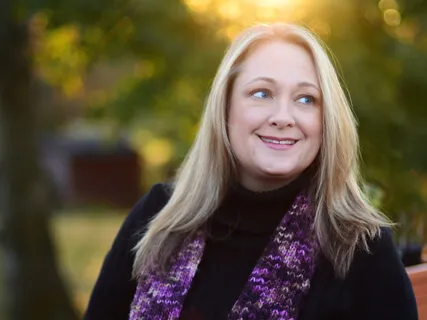
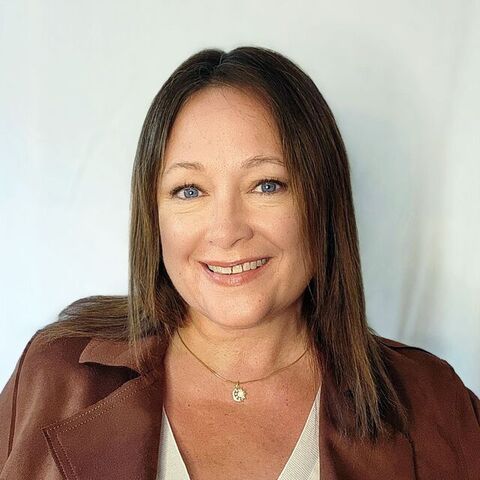
The Mindfulness and Grief podcast offers compassionate insights for coping with grief and life after loss.
I'm your host,
Heather Stang.
During this episode,
I will be interviewing David Trelevin,
Author of the new book,
Trauma Sensitive Mindfulness.
Let's begin.
I'm here with David Trelevin,
Who is the author of a new and fantastic book,
Trauma Sensitive Mindfulness.
And when this title popped up,
I think on a book list somewhere,
I immediately pressed the buy button because as a yoga therapist and a thanatologist,
I'm always so aware of how trauma lands in our body.
And there are many people out there practicing who aren't aware of that and can set people up to be in a state where they're causing more harm than help.
And so,
David,
I'm really honored that you're taking the time out to share your wisdom with me and with our audience today.
And I thought it would be helpful to just start by maybe sharing your own experience of what led you to want to dive into trauma sensitive mindfulness.
Yeah,
Thanks,
Heather.
It's really good to be with you and appreciate your work.
And to say to the folks watching,
You had reached out to me and I got to learn more about the work you're doing around the intersection of grief and mindfulness.
And it's been really exciting to get to meet people who are in the field who I hadn't necessarily bumped into,
But who are really working at this intersection around stress and attention and how these two go together.
So anyway,
I'm really excited for the conversation and it's cool to be in touch with you.
All right.
Thank you.
Yeah,
You too.
So I'm happy to share my story.
I go into it in the book,
But the short version is that I am someone who has a love of psychology and by extension,
Trauma.
I'm really fascinated by trauma and feel like it is such an important way to understand the body and society.
You can talk more about that.
And then I'm also someone who loves meditation and mindfulness.
And I've also just been in some body based practices like yoga and somatic psychology for a long time.
So I've been in these two worlds and my primary focus as a psychotherapist was working with male sex offenders.
I was in Vancouver in Canada training,
Ended up working for about four years doing individual group work with men who had both committed sex crimes and also been the victim of a lot of sexual violence.
That was a real entry point into trauma for me of looking at like,
How does trauma happen when we experience hard things and we're grieving them or we are overwhelmed by them?
Like what happens?
How do we process that?
So that was really my inroad.
And then at some point the work became very difficult.
I just had been working really closely with a lot of really hard stories for a number of years.
And I just started to get pretty stressed out and strung out.
And I had a friend who said,
You know,
I should really come to this meditation retreat with me.
When on the retreat,
It seemed like a good way to be working with the stress and ended up having a pretty challenging experience.
I was having some real memories come up and some flashbacks of some of the work that I had done and some of the stories I'd been exposed to.
And long story short,
As this landed me at the intersection of mindfulness,
Meditation and trauma,
Got really curious about how they go together.
And where mindfulness can help with trauma and where it can actually land people in more difficulty.
I did a dissertation on the topic and started to really collect a lot of stories about it.
And people started to reach out to me and tell me stories.
And so that's where the book came from was I learned a lot from people about what is happening when you're practicing mindfulness and you're experiencing or you've experienced something really overwhelming.
And basically I'm trying to offer the book to people practicing and teaching mindfulness and say,
Here's what I think you would need to know in order to make it the most effective and powerful practice it can be for trauma survivors.
Right.
And that is so needed because I have myself experienced trauma and then tried to meditate and that did not go very well.
I wound up just abandoning my practice for a while.
And I've worked with clients,
Both privately and in groups who have things come up.
A lot of my population,
As you know,
Are bereaved people and whether they've witnessed the death of their special person or just are imagining it.
The mind can create the scenario that can show up as a very real image where sitting down in a cushion,
Being asked to sit still,
Close your eyes and be present,
It just causes so much more suffering.
It's totally,
Yes.
And that was really the punchline of the book is what you just said is,
And this often surprises people,
You know,
Mostly when I would share with people the title of the book and they'd say,
Oh,
Wow,
You know,
Mindfulness and meditation is so great for working with,
You know,
Fill in the blank.
It could be stress,
Could be bereavement.
And they were often expecting to hear largely about the ways that mindfulness can really support moving through big periods of grief,
Trauma.
And where I was coming from in the book and where I've been coming from is to say exactly what you said is that is true and it can be true for maybe the majority of people.
And then there'll be some people where actually what you just said,
Closing your eyes,
Paying attention to the body can actually exacerbate the stress that someone's experiencing.
It can actually be too much.
So I'm,
And we could,
I'd love to dig into this with you is to say,
Okay,
Cool.
What would be the conditions that we can set up either as people who are meditating or doing yoga or as teachers?
What are the conditions we can set up to make sure that people are heading in the direction of healing and not exacerbating the suffering?
I think that's a great direction to go in.
You know,
What can we do to empower people to harness mindfulness in all of its many forms to help build their resilience rather than feel like this is just another thing that I can't do.
I think this is where you and I could have a bit of a dialogue.
You know,
I could make it a fish bowl for the folks that are listening.
If you were to share like what out of your research and study,
What you think are the one or two primary answers to that question,
I'm curious,
Like what do you keep coming back to as the key ingredients to make body-based and attention-based practices helpful for people that are experiencing grief?
Well,
You know,
I think,
I think back to my,
When I was studying to be a Phoenix Rising Yoga Therapist way back in the day,
Like,
I don't know,
We won't do that math.
We're dating ourselves again.
Yeah,
Like probably 13 years ago or something.
And I remember asking my mentor,
Well,
When should someone turn towards the pain and when should they give themselves a break?
Which I think I kind of answered my own question in asking it,
But she was like,
You know,
Pay attention to the suffering,
You know,
Just turning towards the pain,
Help them understand it in a way that's going to be helpful or just turning towards the pain,
Create more,
You know,
More suffering.
It's that question of suffering.
And so what I've,
What I've done with,
With my,
My clients,
My students,
Number one is to keep myself in check.
I mean,
That is the number one tool is to make sure I'm actually present and then I'm not projecting an experience onto them,
Listening to my own body,
Because my own body can usually feel you know,
That proprioception of,
You know,
Mirroring somebody,
Feeling it in my own body,
But then trusting them,
You know,
Giving them the space to communicate,
Giving them the space to say,
You know,
What they need.
And not that we all know what we need all the time,
But we usually know at least what we don't need.
And I can think of one client in particular that I have who dissociates and one thing that she and I created together was a walking meditation.
I said,
What do you need?
And she said,
I need to be outside.
And so we would just go outside and walk around the park and we would go back and forth where she would just say like,
I'm aware of the leaves on that tree.
And I'd say I'm aware of the cracks in the sidewalk and that external sensory grounding,
Which you mentioned in your book,
You know,
Paying attention to sight,
Smell,
Taste,
Touch,
Sound,
And she would ground herself through those senses and being outside and feeling like not contained for her that worked.
And then I would mirror that.
And then in those little spaces between she could share what she wanted to share,
Like her truth.
And part of the agreement is I wasn't going to tell her how to fix her truth.
That's not even my role,
But I was going to witness it.
And so that was just something we created collaboratively based on what she felt was going to make her feel safe.
That's great.
That's so great.
I have a similar one around really the two main points that I have for people,
Especially working as teachers or clinicians,
But also for people who are just in a traumatic experience or,
You know,
In this case bereavement is what some of what I heard you just say around really letting it be a person centered approach and not having a blanket,
You know,
Cookie cutter approach,
Which is one of the dangers to me of mindfulness at this particular contemporary moment is there's just so much,
There has been so much positive research,
Which is great.
And an article just came out by a group of researchers,
A lot who were at Brown called Mind the Hype,
Which was really just a caution kind of like,
Let's tap the brakes around meditation and mindfulness research to say it's not always useful.
And that is where I see problems developing.
Some of what you just said is a teacher who is maybe new or inside of meditation or has a basically this approach like more will be better.
And so and uses a basic instruction of saying,
Just keep coming back to the suffering.
So in the example you just gave of asking your teacher,
Like,
When do I lean in,
When do I back off that if a teacher is just consistently saying,
Keep attending,
Keep attending,
That is what will untangle it.
I think that can be especially problematic when we're working with intense areas of stress.
Yeah.
More is just not always more.
And I think that's where the self compassion piece comes in.
You know,
Mindful like Mind the Hype,
It can become to where mindfulness is a thing you're supposed to somehow achieve.
And it looks a certain way.
But without that self compassion piece,
Which self compassion might be getting up off the cushion and going for a walk in the park or going and petting your dog or whatever it is that brings you comfort and giving yourself permission to be where you are.
It's huge.
That was one of the key insights for me of doing study around trauma theory.
And my main domains are somatic experiencing,
Which some of your listeners might know it's a psychotherapeutic approach to healing trauma by Peter Levine,
Sensory motor psychotherapy by Pat Ogden,
Bessel van der Kloog's work.
Like I'm really interested in this contemporary movement around trauma.
And to me,
One of the key takeaways was something that you just said is that you don't always go right at what's difficult.
And that was so counterintuitive to me.
And it's often counterintuitive to the clients that I work with is,
Hey,
I came in here to talk about this loss or this intense thing that happened to me.
And so the expectation is we're going to go right at it and tell the story about it.
And trauma therapy really,
In my experience,
Says for the body to integrate something of that magnitude,
We need to do it in little bits at a time.
And so what you just said about actually sometimes often we start with where do you feel most alive or what brings you resource and resilience?
And I just think that can be so counterintuitive.
So I love that you're bringing that up.
And it sounds like you're working really individually in a tailored way with people about what is going to support them versus some blanket top down idea of the steps they need to go through to heal.
So that sounds great that you're doing that.
Yeah.
Well,
It's great that you've done the research because that's the part where I look to you is just understanding the internal workings.
And I did some study with Bezel van der Kolk for a five day trauma training that was very helpful,
Very heady,
Very sciencey,
Which I like,
But I can't pretend to articulate it maybe in a way you can.
Not that we need to necessarily do that here,
But I think for people listening,
It can help maybe deep,
Not the word I want to use,
Not depersonalize it,
But normalize it.
The body is trying to help itself.
The body is not actually rebelling against you,
But it's trying to find a way to keep you safe by a helping you be aware of your surroundings.
That's where the hyper vigilance comes in.
So you know when you need to get out.
It's trying to teach you something,
But it somehow becomes overload.
I think that's a great way to put it.
It's so much about,
And this is why I wrote the book.
I got halfway through this,
My more professional training around trauma.
I just had a moment where I thought,
And I had been in contemplative work for about 10 or 15 years,
And I thought this would be so incredible to bring some of the insights around this trauma work to folks who are working that may not be necessarily working with PTSD explicitly,
But yet trauma shows up everywhere.
Including mindfulness and meditation communities.
So that's why I wanted to bring some of the insights over and tried to do in the book is unpacking a little bit.
Here's what I find useful.
Maybe we could get into it a little bit,
What you just said around the science.
One of the primary,
So the book,
Here's where I went with the book is I did all this research around trauma and then said,
What are the most important principles that someone working with the body and working with trauma would need to know in order to do it safely,
Effectively,
Powerfully?
And the first of the five is something called the window of tolerance,
Which you and I had talked about a little bit before the call.
But this is a concept that came from a neuroscientist,
Dan Siegel,
Who many folks will know.
He wrote a book in 1999,
The Developing Mind.
I think it's Developing Brain.
No,
I think it's Developing Mind.
And that's where he introduced this topic of window of tolerance.
And basically,
It's what you said around when do you turn in,
When do you back off,
Is that there is a band that we,
What he calls this window of tolerance of what we can,
In that zone,
We can safely integrate what was too much,
What was too much.
And you know,
I think about grief here,
This is where I want to dig into this with you,
Is that when something happens that is so,
It's just so much,
It's too much for us to tolerate.
We can't,
It's not just like one cry.
Right.
You know,
It's going to be a process over time.
And how do we do that well?
And he's basically saying there is a window of arousal,
Which is a physiological experience where if we're in that zone,
We can metabolize and integrate experiences that were too much.
If we're on the top end of it,
It's too much.
We're hypervigilant.
It's too much chaotic energy.
And if we're on the bottom,
It's actually not enough energy and we tend to check out,
Associate.
And so we're trying to find a sweet spot.
We're trying to find a sweet spot.
And that's,
Again,
We can break that down,
But that's the main principle is how do you find a sweet spot of healing inside of what my experience is.
And I think that's,
You know,
That's,
I love that you brought up window of tolerance because that to me was such a big takeaway in the book for,
You know,
Not just for meditation teachers and practitioners to watch in who we're working with,
But that's something I want to teach my students and I want to empower them to be able to listen to their own inner wisdom so they know,
So they can track where am I?
Am I in the hyper arousal?
Am I in hypo arousal?
Or am I in my sweet spot?
And I know it's different for different people and what we feel inside is so personal,
But are there any,
I guess,
Usual signs that people can tune into that they know when this is showing up,
It might be a sign that they're outside or even that they're inside.
You know,
How do you know where you are?
Yeah.
You know,
And that's a tough question to throw at you because it is different for each person.
Yeah.
But it's such a good question though,
And I think this is where the rubber really hits the road for people.
And what you said is so true and powerful is that it's going to be different for everyone.
And yet as a general frame,
And this is where Heather,
This is where I think mindfulness actually can be so powerful and helpful for people because I think it is a power of mind that actually enables you to track the different signs of whether you are in or outside of your window of tolerance.
It's such a powerful,
It's like shining that light both inside and outside and saying,
In this moment,
Do I want to tell this story?
Do I want to go further?
Do I turn into the grief or do I back off of it?
Like how do we actually know that?
And I'm happy,
I'll talk about in a second,
There's different signs,
But I just think that the practice of mindfulness is why I love your intersection.
What you're working with is I think there's so much potential goodness at the intersection of mindfulness and trauma or of overwhelming grief.
I see it work all the time.
I see people over,
And we don't like to say time,
We know that time only accounts for 1% of healing and grief.
There's research on that that I talk about quite often from Robert Niemeyer,
It's what you do with the time that matters.
So there's a lot that has to happen from point A to point B.
But what I watch so many of my clients learn to do is to create a toolkit,
A mindful toolkit that helps them navigate.
It's like packing your backpack before you go climb the Himalayas.
You need certain things.
And one of the biggest things you need is that the window of tolerance and understanding what can you handle.
And there's so much,
So many platitudes out there of how to handle grief or even how to be mindful.
I even caught myself in the first edition of the book,
Fortunately the second edition is coming out in October and you're in it very briefly because I only had 24 hours to update the book,
But I got you in there.
But I had this sentence in there that as soon as it was published,
I had said,
Think of your breath as your safe harbor,
But what if your breath isn't?
That was just,
I don't know what that was.
It's out,
It's gone because for so many people,
Breath isn't safe.
And I know it might be kind of taking us down another path,
But knowing for yourself that mindfulness piece you're talking about,
If I know that turning towards my breath creates more stress,
Then I need to not use that as my object of focus.
And if I know that turning towards my breath is going to help me maintain some equanimity,
Then I do,
But knowing it's not one size fits all.
I think this is,
I've been doing some touring now about the book and have been in a couple different mindfulness communities.
And I think this is one of the more interesting conversations,
What you're naming about the breath as an anchor or neutral.
And it makes sense.
That's what we come out of.
I'll see if I can tie together the two pieces around the window and the breath.
Thank you.
Yeah,
And the,
You know,
Folks can look,
If you really Google window of tolerance,
You'll see a lot of different writing.
I think it's NICBAM,
NICAM is the acronym,
But it's the National Institute for,
I forget the actual acronym,
I'm sorry.
The National Institute for Complementary and Alternative Medicine or a different one.
They have,
I can send it to you.
Okay.
It's basically a window of tolerance and it has different gradations on it.
Babette Rothschild,
Who wrote a book called The Body Remembers,
And she just put a second volume for people who are interested in really taking a dive into the window.
It's a great place to look.
But the basic signs are at the upper level of the window of tolerance,
One becomes hyper vigilant,
Super anxious and has physiological reactions like sweating,
Flashbacks.
It's basically that feeling of it's too much energy in the system.
On the lower end,
It can be more dissociative.
Like I'm super tired,
I can't remember,
My cognitive processing becomes a little bit disorganized.
So those are the thresholds and at either end,
You start to notice like,
Whoa,
I'm either checking out or this is too much.
And that's what you can track.
And in light of that,
Because of the trauma and the overwhelming experiences we might have,
The breath,
Like you just put it,
The breath can sometimes,
For some people,
Actually not be a neutral place to bring one's attention back to.
And this gets into the interplay between the sympathetic and the parasympathetic nervous system where sympathetic is the accelerator in many ways,
Allows us to really mobilize energy and the parasympathetic is the break.
And usually these are moving together.
When we have trauma,
These get a little bit out of whack.
And the breath is a key place that we are actually modulating that.
So for people that have experienced traumatic stress,
Often,
I mean,
A good example would be something that was really scary.
We do this,
Right?
Like,
We'd catch in or if we're freezing or we're trying to just contain the energy,
The breath is a great way to do that.
And there are these imprints and markers,
Like you said earlier,
That happen in the body when we have an overwhelming experience.
All to say,
When you ask someone to pay attention to the breath in a very consistent way over say,
15,
20,
30 minutes,
That can often elicit some of the older traumatic responses that were connected to an overwhelming event.
And so yeah,
This is so interesting as people are saying,
Wow,
We really came up thinking of the breath,
Which we can talk about why we do that and out of the Theravada and Vipassan tradition.
But yeah,
You've got to be careful about asking people just to attend to the breath over and over.
And like you said,
It's not always a neutral anchor for people.
So I appreciate that you caught that and that's really humble of you to say that.
Well,
One thing that,
You know,
And a whole other rabbit hole or we could go down as the whole social justice and understanding your own experience and how that can get in the way of providing a trauma sensitive mindfulness experience.
But I've now run into several people whose loved ones maybe died in hospice of COPD or other breath related trauma,
You know,
Where their breath was compromised.
And so,
You know,
Asking them to turn towards their breath immediately brings up the suffering that the other person felt,
Which is something that you might not think of if you haven't been in that position or if you haven't been exposed to that.
And that made me very,
Very aware,
You know,
Death is something that happens to the body.
And a lot of our trauma comes from thinking of how our loved ones died.
You know,
One of my biggest,
My trauma that got in the way of being able to meditate was walking in after my stepfather had died and seeing first responders trying to resuscitate him and that image came back and,
You know,
All those things that if it's not your experience,
You can't necessarily be aware of all the nuances.
And granted,
As professionals,
We can't always create the perfect condition for practice,
But we could certainly do our best.
And so being tuned into those stories.
I totally agree and I'm glad that you brought up the piece around social justice and social contexts is that's one of the chapters I have is around like having an awareness of social context and God,
You know,
I'll say as someone who has some experience in the field of grief and bereavement,
But actually it's not a specialty at all.
And learning like,
Okay,
What are the assumptions that we might make of each other in that space?
And I mean,
Primarily for me,
I'm often working across gender or across race.
And for me,
It's just a constant,
Let's say this is someone who's white,
Is someone who's a man.
I'm taught to think of myself as kind of the center and normal and I'm often deferred to and empowered structurally.
And a lot of my work is to say,
Okay,
What if,
How is this situation,
What's happening here that I'm not seeing,
That I'm not taught to see?
And I think this was the,
If I can make a bridge here to the meditation,
It's to say,
Oh right,
As a teacher or someone empowered,
There may be people in here who are experiencing things that I don't experience.
How can I keep training my attention and my skillset to be able to see the suffering that people are in?
And I,
So bereavement is an example,
Like,
Wow,
Someone might've gone through something that I actually just don't know what that is or about and how can I be sensitive to it,
Train myself and keep widening my lens and not just assuming that I know what that's like or how can I attend and do well in its service of someone.
So appreciate you bringing that up.
Yeah.
Well,
One of the pieces that really moved me in the book is towards the end and not,
You know,
Not to give away the ending,
But when you said you were in the room with the people who started Black Lives Matters and someone said,
My father died of racism.
You know,
Just that line really struck me because,
You know,
Grief is a social,
Just like trauma is a social experience because we're humans,
We are social creatures.
There are people around us that either lift us up or push us down or are neutral.
Same with grief.
And you know,
Just for that,
I guess I'm assuming a young man,
Cause he said his father was in his fifties to be able to articulate that.
Again,
Is such a great reminder that those of us who aren't in that might think,
Oh,
He died of a gunshot.
He died of police violence.
He died of whatever,
But that,
That he died of,
Of,
Of a bigger problem.
That's right.
And to create the space for people to walk into a meditation class or mindfulness class where they're dealing with their own suffering to be able to,
I think of,
Of mindfulness is widening out the lens.
You know,
It's this and that it's all of it.
So you know,
He died of,
Of the gunshot wound and of racism.
And you know,
It just,
It's,
I don't think there are words really to articulate what I felt when I read that,
But I'm really glad you,
You included that.
I think it was really important both as a mindfulness teacher and as a grief,
As a grief professional.
I'd love to know actually what you think here of how this relates to grief and bereavement for the people you work with is,
And I'm glad that touched you.
And I'll just tell the story really quickly that really one of the main arguments I'm making in the book and other people do this as well is that any kind of work around trauma or a trauma informed practice is not,
It's,
It benefits when it has an analysis of structures and society and basically,
Basically saying trauma and bereavement in this example wouldn't just just be an individual tragedy and experience.
It's always connected to the systems that are around us and it benefits us as people who are healing or facilitating healing to always make those connections between personal and social.
That that's a really important thing that we need to do.
And you know,
The story for me was I was the woman who I heard this from was Patrice Colors and Patrice Colors along with Opal Tometi and Alicia Garza,
The three co-founders of Black Lives Matter.
And it was at a conference where Patrice said,
As you just said,
Like my father died of racism.
And that was such a deep acknowledgement of,
Right,
There were,
There were,
Usually we talk about death,
I think,
In very individual terms.
And yet if we,
Yeah,
Like you said,
If we keep broadening out and go grief,
Bereavement,
Trauma is all happening inside of a social context that's impacting us all the time.
And if we're not pulling back,
I think we can get a little bit too siloed with each other and it's important to keep pulling back and making connections,
Not just in,
Not just in how we grieve,
But how we also heal.
Oh,
Absolutely.
You know what I mean?
Like we don't heal alone.
So does that feel relevant for how that works?
Yes.
I mean,
I think,
I think one thing that pretty much every Thanatologist would agree on,
If I dare say that,
Would be that social support is the most important part.
You know,
It's the most important piece.
And when you think about why do we grieve,
If you buy into Bulby's attachment theory,
Which I do,
You know,
We are born to be attached because that's how we survive.
And so when we lose that attachment,
Forming new attachments,
You know,
Can help,
Of course,
Not take away the pain,
But it can help us continue to go on and find some more coherence,
You know,
Some more coherence in our story.
It can help us continue our journey.
And so for me,
I work a lot with people individually,
But the real healing happens when they start to connect with other people.
And I think that's,
Go ahead.
I wonder what your question about that is.
So how do you square that then with mindfulness in the way that mindfulness is often,
I think it's really related as a solitary practice.
So you know what I'm saying?
Like it's often- I do.
Yeah.
I believe firmly in the Sangha.
You know,
If you think about the three refuges in classic Buddhism,
The Buddha,
The Sangha,
And the Dharma,
I think of the Sangha as just as an important piece to practice as the solitary practice,
Which I guess we would call the Dharma part.
So that's how I square it.
You know,
I see people's mindfulness practice seems to be deeper.
I know for me,
I can speak for me.
My practice,
My seated solitary practice is so much stronger and richer when I can meet up with a group of other meditators later and connect or get support if,
You know,
I noticed my own practice was getting a little,
I'll call it squirrely.
And you know,
And here I am,
I own a meditation center and I wrote a book on mindfulness and grief and I was waking up and not wanting to sit down.
I wanted to,
You know,
Go do laundry and all those things that can distract you.
And so I reached out and signed up for a six month mentorship program with the Sangha because that's what I needed to stay true.
I didn't have the resources in myself to do it.
So that's how I personally square it.
I don't know if that resonates.
It does.
I mean,
It's one of the chapters in my book.
It's one of the five principles is we,
For mindfulness meditation to be trauma informed,
It needs to be in community and where people can often,
And that's not to in any way take away from the power of solitary practice.
I don't want to say make that wrong or,
And it seems like where it's useful is we need each other as almost like psychological regulators to be able to,
When do we know,
You know,
It's great if we can know when we're in our window of tolerance,
But often we need help.
Often we need the support of other people or skilled mentors or clinicians to just help us work through things.
So anyway,
It's a whole chapter I have of here are some suggested modifications inside of,
You know,
Traditional mindfulness meditation practice in this insight tradition of ways you can incorporate more relationship,
Whether that's turning to a neighbor or how you work with silence.
So I'm really interested in the relationship piece,
Which would be a whole other conversation.
But I did like that in your book because,
You know,
You mentioned that so often we think of trauma therapy as one client,
One therapist in a room.
But if the whole point of reducing our suffering is so we can walk out there in the world,
Which is full of other people so that we can feel safe in a crowd so that we can go back into a school again,
You know,
Whatever it is that our trauma is.
I mean,
It can't,
I think grief and trauma are so similar in that respect that it can't be done in a complete vacuum.
There are times where it's probably maybe more skillful and safer for that one-on-one.
I know for me,
Sometimes someone in a group will ask to meet one-on-one because they're struggling with one particular thing and they feel like if they get guidance on that,
They can go back into the group and be more present,
You know.
And so in that way,
It's helpful.
And again,
Like you said,
It's not to say one's right or wrong,
But why not have the whole,
You know,
The entire,
What's the word I want to use,
All these different options.
There's so many ways and you don't always know which one's going to work.
You don't know if it's going to be feeling safe with your therapist or if it's going to be being able to speak truthfully in a group.
Yeah.
You don't know.
So you might as well have the options if you're ready.
Exactly.
Yeah.
I think that's really important.
Yeah.
Yeah.
This is so good.
I'm really,
I think so many people are going to benefit from what you're saying.
Thanks,
Heather.
Yeah.
And I appreciate you sharing,
Widening out my lens too,
You know,
Into the social justice piece because that's an area that I'm just starting to look into as I work with more and more people who are impacted by social injustice.
Totally.
Totally.
You know,
So.
Yeah.
It's a big,
It's thanks for saying that.
It's a big leap.
People are welcome to,
You know,
If anyone,
I'm still at the stage where you're welcome to write me directly,
People can find my website.
I will answer emails,
You know,
And if they have people have feedback on the book or things that will work,
What missed,
People are welcome to reach out to me.
So why don't you share your website and your,
If you want your email.
Yeah,
Sure,
Sure.
So the website is,
Maybe there'll be a link,
But if you just,
It's just my name,
Davidtrollana.
Com.
And then on that,
There's one of those easy submit buttons and that'll go straight to my email on there and people can write me directly.
And yeah,
Happy to respond.
Or if there's any kind of,
You know,
Mostly I'm interested in this being of service in community.
And so folks have suggestions of where,
Oh,
You should talk to this person or that's,
That'd be great.
And do you offer one-on-one sessions still?
I'm actually not doing a lot of one-to-one work right now.
I needed just for my teaching,
Needed to back off for this next year.
So it'd be more,
It's more teaching right now and getting the,
Getting the book out there.
And so for people who are interested in doing a training with you,
I guess visit your website,
But where are you offering that?
Yeah,
Well,
We just,
We were at UMass out there and a couple months ago and went to Montreal.
So I have some,
I have some different things coming up.
It's on the website or if folks want to do a newsletter,
That's probably the easiest way.
I do it like once a month,
The newsletter and we'll just send out,
Hey,
Here's where I'm teaching the next month and then eventually hoping to offer something online.
So email is the best way,
Like sign up for my newsletter is the easiest way to keep in touch.
Wonderful.
Well here,
I'll show your book again.
It's drama sensitive mindfulness by David Trillivan.
And thank you again for your generous wisdom and time.
I really appreciate it and I'm glad we've connected.
Thanks Heather.
Thank you David.
Thank you for listening to the mindfulness and grief podcast.
I'm Heather Stang for guided meditations,
Mindfulness based supportive articles and online courses.
Please visit our website at mindfulness and grief.
Com.
I hope you'll tune in to the next episode of the mindfulness and grief podcast.
May these teachings be of great benefit to all who receive them.