Welcome to Life Lessons and Laughter with your host,
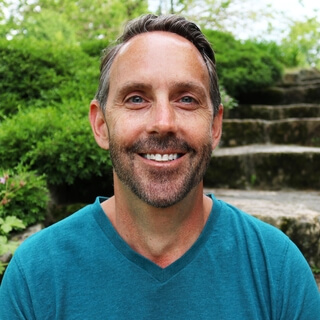
Glenn Ambrose.
Hey,
Welcome,
Welcome,
Welcome everybody.
So,
Today's podcast is,
I don't know,
I guess kind of a long time coming.
I talk about it,
Sprinkle it in here and there on other podcasts,
But you know,
As most of you know,
I moved to the Dominican Republic almost four years ago.
And I've learned a lot.
I've learned a lot here.
Something that most people probably don't know is that I've never traveled internationally before.
So,
I was like,
What,
52 years old?
You know,
Because,
Hey,
That's how my life went,
You know.
For 20 years,
I was living basically an alcoholic life,
So I couldn't get out of my own way.
Very little travel.
And I sure as heck wasn't going to be international.
And then,
You know,
And then 21 years ago,
I woke up spiritually,
Got sober,
Got my life together,
And I was already a father.
So,
That really took precedent over the next 20 years.
So,
You know,
I was in my early 50s before I really was able to have my head on straight,
Have some money together,
Be able to go do something like traveling internationally.
You know,
I had thought about it over the years,
But if you've never done it,
You don't know what it entails.
You know,
It's kind of out there,
You know.
And I mean,
I don't think I really experienced much fear about it.
I don't think it was that.
It was,
You know,
I mean,
It just wasn't on my radar of stuff to accomplish,
You know.
I mean,
As a parent,
I wasn't rolling in the dough.
So,
I mean,
I was trying to figure out how to pay the bills and,
You know,
Pay for my son's next soccer league or pair of cleats or,
You know,
How to get down to Florida from Rhode Island for a week or two,
You know,
Just for like as an inexpensive vacation.
There were good vacations,
You know.
We got to stay with my friends down there,
Which was great.
But it just wasn't on the radar of something that I could do.
So,
As soon as COVID started coming,
You know,
I could feel that it was COVID was a big deal.
You know,
I don't think it takes a rocket scientist to figure that out.
I think it was kind of in the air.
I think I think most like I don't think anybody knew what to expect.
You know,
I mean,
The average person,
You know,
The average person probably didn't know what to expect.
I know I didn't,
But it just felt like it was a big deal.
Like this was it was global.
It was a big deal.
It was,
You know,
Like it was just this big wave of energy kind of,
You know,
Because everything's energy.
So I was like,
I don't know what this is going to entail.
I don't know what it's going to look like,
But it seems like it's a big deal.
So if it's a big global deal,
That means that there's a lot of energy to it.
So I think I better figure out what I personally should be doing during COVID,
Because if it's a big wave of energy,
Then I can either ride that wave and use it to propel me forward.
Or if I resist it or don't try to go in a direction that the energy is going,
You know,
Use it to propel me into a direction.
And,
You know,
Then I'm going to be probably resisting it or not paying attention to it.
And I could get wiped out by it.
Which is ironic because it's kind of one of the first things that I learned over here.
As soon as I came over to the Dominican Republic,
I was staying at this little condo on the beach.
And I was walking and,
You know,
People are so friendly and talking to you.
And they were like,
Don't,
You know,
Don't turn your back on the ocean.
Like it's unpredictable and it's powerful.
So don't turn your back on it because you'll get wiped out,
You know.
And I experienced that once in a very minor way.
You know,
I was just walking,
Walking down the beach,
Really not paying attention.
And was looking,
Decided to turn around and look at something.
And then,
You know,
The waves were only going up so far on the beach for quite a while.
I kind of lost track of it.
And then I turned my back and this wave came up.
And I don't even think it knocked me down.
But it came up really high.
And I had my phone in my pocket.
My phone got wet.
And it was,
You know,
My phone,
I use it like a lot of people do,
You know.
Especially over here for communication,
For work,
For all kinds of stuff.
So I was like,
Oh,
No,
You know,
This could be a problem.
You know,
It was enough to capture my attention.
So and over here,
Like where I was staying,
There are spots on the beach that have places that are not good to swim at.
You know,
They're dangerous swimming spots because of the currents and stuff.
So people were informing me of that.
And,
You know,
This is it's a little bit off topic,
I guess.
But while I'm talking about the ocean and what I learned over here,
One of the things that I realized was I was walking around with so much unconscious fear about things.
And I didn't even know it,
You know,
Because it wasn't it didn't get triggered very much in the United States.
Like life is very different there.
And it's predictable.
And we kind of structure our lives,
Especially as we get older,
Where we're not put in situations that's really going to trigger our fear a lot of times.
And so some of the fears that I found on when I was walking the beach.
This is why I was thinking of it was I was I was scared to be kind of like out somewhere alone because like I could walk the beach for hours and sometimes see,
You know,
One person,
Two people or no people or something,
You know,
Depending on the day.
Which I loved,
But it was scary at first.
You're like,
Oh,
My God,
Is somebody going to jump out and like,
You know,
Like it's that you can't really I mean,
You know,
I mean,
I guess there are some places if you go out hiking somewhere in the middle of nowhere.
But as a general rule,
I wasn't in situations where I was all alone in a strange environment,
You know.
So I that fear didn't really get triggered.
Plus,
I was in a new country where I didn't speak the language.
I didn't understand the the culture.
I didn't know how things were,
You know,
Like so I was it triggered some fear and I had to work through that.
And the other thing that I noticed walking the beach was that the strength of the ocean,
Like I grew up in Massachusetts.
And now,
Granted,
I didn't go to the ocean a ton,
But we went,
I mean,
Somewhat regularly,
You know,
I mean,
It wasn't like I grew up in the middle of the country or anything.
I mean,
You know,
We we would go to New Hampshire to Hampton Beach.
We would go to Maine to the beaches up there,
Like Old Orchard Beach and a gun quit.
And so I had been around the ocean,
You know,
A fair amount and swam in it and didn't think too much.
I lived in Florida.
I was around the ocean.
I did now.
Granted,
I did have a bad experience getting scuba certified.
I had a.
It was a series I had.
I can't think of the I can't think of the type of fish.
I don't know,
I'll think of it later,
But I was seasick,
Which is not fun.
They had me jump into the water as soon as the boat stopped to settle my stomach.
And I jumped in and it was just jellyfish all over the place.
So I'm knocking those back.
I'm throwing up.
I'm like,
Oh,
We're going down,
Throwing up through my regulator.
Oh,
My God,
That that fish is right on the barracuda.
There it is.
Thank God.
I came back up and keep,
You know,
Now now the jellyfish were near the top,
So I come back up to get back on the boat,
Trying to kick the jellyfish away and then a barracuda starts coming after me because in my rush to get into the water to settle my stomach,
I didn't think to take off my jewelry.
So I had this gold necklace that looked like a fishing lure hanging off my neck.
So this barracuda is coming after me.
The instructor had to get in between and and,
You know,
It was it was just one thing after another was I mean,
I did what I needed to do and get scuba certified.
So I was proud of that.
But it was a very difficult experience.
And I didn't I didn't particularly like seeing what was underneath,
Quite honestly.
So I had that bad experience and I tried setting up scuba scuba trips after that,
Because if I have a bad experience like that,
I don't like that to be the last thing I experienced because then you have that fear there,
You know.
So I kept trying to set up these scuba trips and they kept falling through.
They for one reason or another.
And after a while,
I'm like,
Why am I trying so hard to do this?
Something that I didn't really enjoy?
Maybe I'm just not supposed to do that.
So I didn't.
So I kind of I enjoy more of the air stuff,
You know,
Hang gliding and skydiving and that type of stuff.
So so I mean,
There was probably some residual fear from that.
But I'll tell you,
Man,
You know,
Being on the ocean up here at certain spots and the cliffs and the coral and the sharp coral and that like and the power of the waves.
Like I said,
Like like a lot of places I went in the United States,
I went there because other people went there.
Right.
So there are probably good swimming spots here.
I was just going all over the place and sometimes I would get in the water,
But I was real careful and I could feel the power of it.
And quite honestly,
The power freaked me out.
It was,
You know,
It was very difficult to swim in like and dangerous,
Like I said,
In certain spots.
So like I wasn't going out swimming.
I was I was making sure that I was only in water like up to my waist so I could,
You know,
Stay in control of the situation.
But but I could feel the power just on like medium days.
And then I would see it on the strong days because I was right on the water.
So I was walking the beach like every day.
So I was seeing the differences and noticing this stuff.
And energetically,
I would open up to it and I could I could feel it,
Man.
I could feel the power of the ocean,
The enormity and the power of it.
And it was it like when I would open up to it like that.
I it was scary.
You know,
Like and I don't I can't really speak to why I can't you know,
Like I don't know if it was just me or if if if it was my capability to open up and really experience and face the fear.
So therefore.
You know,
I really experienced it on a high level or if it was from the scuba diving thing or I don't know,
But man,
I'll tell you.
You know,
I was all alone being honest with myself and opening and really taking in the experience and and there was lots of fear there.
So I would walk the beach,
But it was also like a purging and stuff of the felt like years of.
Years of I don't know,
Traumas,
Maybe that were being washed out energetically by the sea.
And I would I would walk the beach and cry sometimes for for pretty long periods and just purge all that fear and that,
You know,
And for me,
You know,
One of the things about this is,
You know,
Like I've said this before,
Like sometimes it's helpful to know what you're releasing.
Sometimes it's unnecessary.
And I've been working on myself for many years.
So I think a lot of the the understandings that would help me,
I've come to those.
So a lot of it is just trapped energy that just needs to come out,
You know,
So it's really not that important.
What it's from,
It just needs to be released,
You know,
So I allow myself to feel it and release it.
And,
You know,
It was really a profound experience.
Releasing all that fear and and and then,
You know,
Allowing and then going in the ocean and learning to to trust it and respect it,
Respect the power of nature.
And not have,
You know,
Be respectful,
But not have unreasonable fear either.
You know,
So,
You know,
That that was that was one of the things that I got over here was really opening up to nature.
I mean,
It's like walking from my house to to the river.
I would be alone and I would be nervous and I'm walking through woods and,
You know,
And down these hills and leaves and you can't see what's there.
And I found that I was nervous.
Now,
I grew up playing in the woods my whole childhood.
You know,
But then as an adult,
I didn't go like I would go hiking,
You know,
Like it's funny,
I go hiking in the mountains of New Hampshire,
Like Mount Monanock.
That was one of my favorite hikes.
And I didn't experience any of this.
But when you're out there alone and you don't know and everything's new.
All kinds of little stuff gets triggered,
You know,
And,
You know,
And I and I had to trust that I don't know everything that's out here.
I don't know what I'm doing.
I'm scared.
I'm nervous and just trust and open up and trust.
Trust that something is looking out for me.
Trust that that nature isn't trying to hurt me.
You know,
That was one of the things that I kind of used to do.
I'd be like,
You know,
Like.
We're supposed to be part of nature and we've been unconsciously taught that it's something to fear.
You know,
Like if there's dirt in a house,
It's like,
Oh,
My God,
There's dirt in a house.
It's like it's dirt.
It's earth like.
And I'm not saying I keep a clean house,
But it's like,
I mean,
It's it's not dangerous.
It's like we we're scared of.
Going outside,
You know,
Like covid,
They're like,
Don't go outside,
Like,
Are you kidding me?
Like,
That's the healthiest thing you can do.
Let's go outside,
Breathe fresh air.
It's actually antiseptic to breathe that like it's vitamin D for,
You know,
Your immune system.
It's like.
When we're just so separated from nature,
It's it's it's weird.
And I really opened up to that,
So I allowed myself to experience all this stuff and be like,
OK,
You know,
Nature isn't here to hurt me.
You know,
Like one time.
You know,
I had friends around sometimes and sometimes I'd be like nervous or something,
You know,
Like maybe I see a spider or I don't know,
Something like that,
Something that I'm not used to seeing and especially maybe some of the size of them.
Right.
And and I'm like,
You know,
Oh,
Oh,
I got to watch out.
And and the Dominicans were like,
Why?
Well,
Well,
It's a spider.
It's like,
Yeah.
Well,
So like what what's a spider going to do?
Well,
A spider can bite me.
And they look at me and they'd be like,
Why?
Like,
Well,
Why would a spider come bite you?
Like,
You're huge,
You know,
Like if a spider or basically anything else over here,
Because there's no wild animals over here,
You know,
There's no like wild game is there's no skunks or fisher cats or bobcats or lions or tigers or bears or there's nothing like that over here.
So it's like the only things,
You know,
That that could cause a problem perhaps here and there is,
You know,
Maybe a spider,
Maybe a a centipede.
But but like as a general rule.
You might see one,
But they're not going to come attack you for no reason.
You know,
Like like accident,
Like if you step on one accidentally and then it bites you,
Well,
You know,
There you go.
So it's not that nothing can ever happen.
It's just that my fears were unrealistic.
You know,
They're they're like,
Why,
Why,
Why would a why would something so little attack something so big for no reason?
Like you're not food to it.
So it's not going to try to eat you.
It's pretty,
You know,
You're a hundred thousand times its size.
So they probably don't think they can win a fight.
So why would they just attack you?
Like,
What sense does that make?
Logically,
Like in nature,
If if this is how if this is how bugs were and like if they just were like,
Hey,
I'm just going to go attack anything that I see for no apparent reason.
Even no matter the size and the capability of it,
That they probably wouldn't be on the planet very long.
Right.
Like they have survival skills and instincts,
You know,
And I'm like,
Oh,
Wow.
Yeah,
That's true.
So.
So part of what I learned is I was surprised at how removed from nature I was and how I needed to get reacclimated,
You know,
Especially like I never thought of myself as scared of nature.
If anything,
I love nature.
You know,
I go kayaking and climb mountains and,
You know,
All that stuff.
But it's in a different atmosphere.
It's new.
You don't understand things and you're more with nature.
Over here.
Like it's you know,
You're more with it in it.
One with it.
Then.
Then my experiences in the United States,
It's like everything's so safe and structured over there.
Here,
You're just out there in it.
You know.
So.
So,
You know,
That's one aspect of it.
So.
So like.
So with,
You know,
With COVID,
It's faith.
What's she doing over there?
Come here.
For some reason,
Faith is over on the couch,
Just constantly making some noises.
This should calm her down.
Hi,
Pup.
All right.
Well,
So we'll take this opportunity to show you my dog.
Let's see.
For those of you watching the video.
Here she is.
This faith.
Yeah.
Look at the people.
Good girl.
Okay.
So.
So,
Yeah.
What I was saying was,
You know,
When COVID COVID hit,
I want to.
Take advantage of the wave of energy.
So what I did was I started meditating.
There we go.
So I started meditating,
You know,
What should I be doing?
What,
You know,
What?
Here I am in a new stage of life.
Matteo was older,
You know,
My son.
So,
Like,
I had more free time.
My business was kind of set.
I had pulled back some from some of the day-to-day stuff and had some help with it.
Like,
You know,
What?
What's this next chapter?
Like,
You know,
What?
How can I take advantage of this?
This this wave of energy of COVID and I kept getting international travel and community.
So I was going to go to over to Panama.
That flight kept getting canceled.
So I got a new flight to the DR just because I happen to see somebody on Instagram.
It was like that that actually,
In my opinion,
Understood spirituality on a deep level and was had some courage to speak some of the things she was speaking.
I happen to see a couple of her videos around that time.
No idea how or why.
But I ended up reaching out and saying,
Hey,
You know,
You're obviously from the United States,
But you're in the DR.
You're talking about it.
It's wonderful.
You know,
Could we have a conversation and find out more?
Sure.
So we hopped on a call.
She's like,
Yeah,
Come on over and try it out.
It's great.
So I'm like,
Okay.
So her and her boyfriend picked me up at the airport.
They helped me find an area to get an Airbnb that was safe.
And,
You know,
So I did and I met them and they introduced me to some people.
I met a lot of people on my own and it was wonderful.
And that's one of the things I learned.
Like I lived in Florida for two years.
I moved from Rhode Island back down to Florida with my son.
And in two years living there,
I met like two people.
I was over here for nine weeks.
I met like 17 people.
So in just over two months,
I met 17 people.
And in Florida,
I met two people in two years.
It's crazy how friendly people are,
You know,
And some of them were Dominican and some of them,
Most of them were expats from other places.
But like,
You know,
When you travel and you meet other people,
Like they're traveling too,
You know,
So they know how it is.
So they're more likely to be friendly to you,
Which is nice,
You know.
So like the friendliness really blew me away.
That was one of the first things that really took me.
And,
You know,
I learned a lot of this stuff in that first nine weeks or at least got glimpses of it.
And then I went back to Florida,
Got everything settled,
Made sure Mateo was all set and then moved over here seven weeks later.
And that was getting close to four years ago now.
Um.
So.
Yeah,
A lot.
The culture was so different over here.
Which opened my eyes up a lot,
You know,
So some of the things that I noticed is,
Like I said,
That people were happier over here.
And I look at it's like,
Why are people happy?
Like one of the first things I noticed,
I did this with a few people and like I would take taxis and stuff and I would get into conversations and some of them would like to pick my brain.
And sometimes I'd like to pick theirs,
You know.
And so I'd be like,
They'd be like,
Oh,
What do you like about you?
Like our country.
And I said,
Yes,
I like it very much.
Like,
Oh,
Well,
What do you like?
And I'd be like that the people are happy here.
Maybe like,
Oh,
Yes,
We're very happy,
You know.
And then I'd be like,
But you don't have a lot of things,
You know.
You know,
You don't have a lot.
And they'd be like,
They'd get confused because they didn't under they didn't follow the line of the conversation.
Like,
We don't have things.
Oh,
Like like material things and lots of things.
It'd be like,
Yes.
And they'd go,
No,
No,
We don't.
We don't have lots of things.
No.
Be like,
But you guys are still happy.
And they'd get confused again.
And I thought that that was so cool because.
What that showed me was that they haven't drawn a line between having things and being happy.
They're not connected in any way,
Shape or form over here.
It's not that they don't want to have things.
That's not it.
They want to have things.
It just doesn't impact their daily happiness because they haven't drawn a line from having things or not having things to a level of happiness.
Which I think is so cool.
Because,
I mean,
Like in the United States,
People are always complaining about what they don't have.
And using it as an excuse not to be happy.
You know,
Like if you ask 100 people,
Does money buy happiness?
Probably 99 of them are going to say no.
No.
I mean,
It doesn't buy happiness.
They'll usually throw in a but in there.
But.
But it would be nice to have or,
You know,
Like something like that.
But they live their lives,
You know,
When they get down,
When they're feeling frustrated,
Which is usually pretty regularly for most people in the US.
That's a part of it.
You know,
And most of the people that are experiencing that have decent places to live.
They don't have to worry where the next meal is coming from.
Not really.
You know,
Not like like I lived paycheck to paycheck for years.
And like.
I,
You know,
Sometimes I didn't have any money,
But I had something that I could eat in the house.
You know,
Like I wasn't going to starve.
You know,
People over here,
They could,
You know,
I mean,
They don't starve very regularly.
It's not a common thing.
But but like for them to have no food and not eat and go hungry a day or something that happens fairly regularly to quite a few people over here,
You know,
But they're still happy.
As they haven't drawn that line.
So it's so cool that they kept thinking I was changing the conversation to a completely different topic.
And they were so confused.
Like,
Why does this guy keep changing the topic?
First,
We're talking about being happy.
Then he talks about what we have things.
Then he goes back to being happy and then he goes back to having things.
Like,
What are we talking about?
Are we talking about being happier or are we talking about having things?
Because they're not the same.
That's two different conversations,
You know.
And I thought that that was great.
You know,
It's it's such a like we can't.
We can't.
We can't understand.
How inundated we are with our own culture.
And and how anesthetized we are to certain things,
Unless we get outside of them,
Because then because it's like trying to explain fish to a water,
It's just how we live.
And it's slowly happened year after year after year after year after year,
Where we've made little adjustments and we've gotten used to it.
And now it's just the way we live our lives.
We don't even notice it.
You know,
And it's a version of unconsciousness,
Which that's,
You know,
I don't I don't like unconsciousness.
I don't like not knowing what I'm doing or why I'm doing it or that there's other ways that I could be looking at things or doing things.
I like being aware and then using my freedom of choice and my free will to to to choose something.
That works for me.
You know,
That's what this place has given me.
So like,
You know,
The some of like the Dominicans have a sense of community over here.
We don't have a sense of community in the United States.
Not like we used to.
And,
You know,
I mean,
Some of you listening to this,
I'm sure you're going to have,
You know.
Well,
No,
We have community.
Yeah,
You know,
Like you do.
I mean,
I'm not saying there's no community.
I'm just saying.
That like community is a really important part of of life as human beings,
And the community we have in the United States is so minimal.
That.
That if we had an enhanced version of community.
It would benefit us,
In my opinion,
If we leaned more into community,
Smaller communities.
You know,
Which which is a big ask,
Because,
I mean,
You know,
We've got millions of people in one city.
It's like,
I don't know,
You know.
You know,
Like like we complain that we complain that that,
You know,
Customer service is horrible.
And then you look at the size of a company like companies making billions of dollars.
Like,
Do you know how many people they employ?
Do you know how many things it takes to keep a business that size going?
That like.
There's so much space in between the CEO and the and the bottom level worker.
That it's like they're living on different planets.
You know,
So so like the the personal experience that that a customer has or a or a low level employee has compared to a CEO.
It's and the CEO is the one making the decisions.
And like,
I understand that the CEOs have to kind of see things a particular way to keep a business that size running.
But it sure as heck does not.
It's not going to give us a good customer experience.
I mean,
It can't it's it's just too big.
Like you can't you can't be in control of every little thing that's happening to customers on a on a customer level like that.
And you can't structure personality like you can't you can't make rules.
This is how they try to.
To simulate it is they try to set up structure and rules so that things are handled in a particular way every time.
Which so it gives them some sort of consistency of an experience.
But like that's ineffective like you.
You can't you can't.
You can't structure humanity.
Like you can't.
You know,
It's it's impossible.
So everything being the size that it is,
It just pulls the humanity right out of it.
You know,
And this is why community is so important.
You know,
It's like I think it was either when I first moved over or when I was visiting.
I don't remember,
But like I went up to the mountains.
To ride some horses with a friend of mine and we're leaving their friend's house the next day and we're driving down.
All of a sudden somebody comes flying by us on a dirt bike and stops us and says,
Hey,
Something in a different language.
I didn't understand it.
So but they said something and my friend that was driving was like,
Oh,
OK,
Turns around and I'm like,
Oh,
You know,
I wasn't really concerned.
But I was curious.
I was like,
Oh,
Where are we going?
And they said,
Oh,
Well,
There's a little girl.
I got hurt back there.
And there are no vehicles other than like dirt bikes on the mountain.
Because there's there's two there.
They're building a a like a naturopathic clinic out there.
And there's there was two vehicles like cars or vans or trucks,
You know,
Something other than a moto motorcycle.
And one of them was in the shop and somebody else had the other one down in a city.
So they're like,
There is no other vehicles.
And this little girl got hurt and she needs a ride to the hospital.
So we're going to go back and give her a ride to the hospital.
It's like,
Oh,
OK.
You know,
So so we drive back to this house and the parents get in the back with with this little girl and we drove to the hospital,
You know,
And it wasn't a second thought.
You just did that.
And I like.
I thought that that was so cool because it's something that doesn't happen.
You know,
We call 9-1-1.
And it's just we don't lean on each other because we don't have to.
Like some of these people don't have phones,
Like who knows if the ambulance could get there and if it could,
How long it would take.
And,
You know,
It's just you just help each other.
And it doesn't matter if you're angry with your neighbor.
Like you,
If somebody needs help,
You help them.
You can pick up your feud the next day.
Because.
Next week,
It might be you that needs help.
Nobody asks questions.
They just help one another.
You know,
That's what I like.
That's what that that sense of community.
It's just instinct.
You know,
You see people do it in like natural disasters over here.
People live like that.
You know,
It's one of the reasons why I love living up on the mountain up here,
Because it's kind of like that.
You know,
You get to know everybody.
So,
You know,
The sense of community,
I think,
Is huge.
A huge aspect.
Like,
I watched these.
I watched this documentary.
I think it might have been called the 12.
If I remember right.
But it was about these.
These.
Spiritual leaders all around the world.
And not like famous ones.
Ones that are out in the bush.
And there again,
You know,
All over these places in these remote areas.
And they're bringing them all together to New York City to have this.
Summit about about bringing in a new paradigm for Earth.
Because of the changes that are going on right now in human history.
So.
They're like,
You know,
First at the beginning,
They're going to all these these medicine men and spiritual leaders where they live,
Of course,
To see if they'll come.
And they're talking to them and they're talking to them about,
You know,
How they live and being happy and and all this stuff.
And I remember one part this.
They were asking,
Like,
You know,
Why.
You're you're you and your people seem very happy.
Why are you happy?
And one of the first things he said was community.
It's like we have each other.
That's a that's a foundational principle of happiness.
You know,
Which I found really interesting,
And I think there's a lot of truth to it.
Like,
You know,
With the way they interact with life is is just so different.
They there's like when things don't go their way,
They laugh.
I got.
Look,
It's it's pouring rain and the car just broke down.
Wow.
Where,
You know,
People like this is what I mean.
Their reaction to life is different.
They don't have this expectation of things working out all the time.
You know,
That's that's one of the things that I see,
Like in the United States and,
Of course,
Other developed countries as well.
We've created a system that's so consistent and dependable that it gives us the illusion of control,
Which is extremely dangerous.
Like our our illusion of control causes a lot of unhappiness because we think we actually can control things.
And it's just because how we live and it's like I said,
It's fish in water,
So we don't even know it's like that.
Like if you're driving on a road,
90 percent of the time people are staying in their lane.
The one time somebody doesn't stay in their lane,
We're like,
What is this person crazy?
Are they drunk?
Oh,
My God.
What an idiot.
Like we get so upset over it because somebody didn't do the exact right thing over here.
People drive all over the place,
You know,
And I'm not saying that that like we can't.
You know,
And I'm not saying that that like we can't have any structure,
Any rules or any laws.
I'm not saying that what I'm saying is we don't understand how structured it is.
And if like we get so upset over every little thing that isn't perfect.
And over here,
They're dealing with all kinds of things that are way more difficult going wrong.
And it doesn't bother them.
Why?
It's because they don't have the false sense of control.
They don't expect to be in control of everything that transpires in their life.
This is why they don't get upset when things don't go their way.
Because that's just life.
Sometimes things don't go your way.
It happens all the time.
In the United States,
As soon as Sun doesn't go our way,
We get all upset.
Why?
Because usually things go our way.
That's why.
And it happens so often and where we can control so much that we actually think that we have control.
Which we don't.
We don't have control.
Like getting a flat tire is like,
Oh,
Can you believe it?
Yeah,
I can believe it.
Like,
You know,
There's hundreds of millions of tires that are made every year.
And there may have been a law in one of them.
Oh,
My God.
Or there's construction happening all over the place.
And people going to Home Depot and picking up supplies.
And maybe a nail or a screw fell out on the road somewhere.
What kind of madness is this?
You know?
Like we think that there's literally something wrong with the car.
But we don't.
You know?
Like we think that there's literally something wrong with life.
I know we don't say that.
But if you follow the line of thinking,
We literally think that there's something wrong because we get a flat tire.
There's nothing wrong.
That's life.
And we get upset because the grocery store had the audacity to run out of broccoli.
What?
What?
Like,
Who is ordering the damn broccoli?
It's not that difficult.
Keep it in stock.
That's your job.
Like,
This is how we live.
And we don't even know that it's crazy.
And it's robbing us of our happiness.
Because,
You know,
Our ego is a warning system.
It's a defense mechanism.
It's there to keep us safe.
It looks around in our life and tries to find danger.
And,
You know,
It was created when we're dodging wild animals.
And there was danger around every corner and all this stuff.
And we didn't have any control over our environment.
Now we've got so much control over our environment that there is no physical danger.
And we get angry over.
We get triggered as a defense.
A fear mechanism gets kicked off within us on an unconscious level.
That triggers anger over things that are just life.
And everything is so consistent that we don't even know we're doing it.
I'm just looking at some notes.
If there was some other things I want to touch on.
I mean,
I.
That's a lot of it.
I think.
There's just.
There's so much to it.
Like,
Seriously,
I don't think.
Even if I slip into unconsciousness and I make it a whole like week,
Like a whole seven days.
Like,
Maybe I stay home and I don't even go off the mountain.
And I just kind of do stuff around the house.
Maybe take a walk to the river.
Hang out with the dog.
Go for a hike or something where nothing really happens.
Even those weeks,
I still notice things that are different.
From living here and living in the United States,
And I enjoy it because it raises my level of consciousness.
Most times it's every day.
Like,
I've been here almost four years.
That's thousands of things that I've noticed.
You see a family of four on a little moto.
I mean,
They call them motos over here.
I don't know.
They're technically motorcycles.
Because they have all kinds of different ones.
They have dirt bikes.
They have actual motorcycles.
Not that many motorcycles,
But they have them.
And then some are scooters.
Some are souped up scooters.
Most of them are these little motorcycles,
But they're very low power.
They could probably do 50,
60 miles an hour,
But that's about it.
You can buy a brand new one for like 800 bucks.
They're not high-end motorcycles,
But they cook around on them.
And there's a family of four on those.
There's a husband driving usually,
And then the wife.
And then they might have a six-year-old kid in between them.
And the mom might be holding a two-year-old on her hip.
And none of them have helmets on.
And they're cooking around.
And these streets can be dangerous.
But they have no option.
The United States brain wants to judge and go like,
Oh my God,
This is so dangerous.
They shouldn't do that.
It's like,
Really?
They shouldn't do that?
Okay.
Well,
How are they going to get food?
They have to live their lives.
They have to do things.
They can't curl up in a wooden cabin 24-7.
If their family has to get someone,
Maybe one of those kids needs to get to the hospital.
And the father has to go to work.
And the mother has got to stay with there.
And they can't leave the kid home alone.
So,
They got all four of them on a moto because it's the only way to get it done.
You know,
This is what I mean.
It's so like when you see people living and doing things over here,
It's out of necessity.
So,
You drop the judgment.
Whereas over in the United States,
Everything's so controlled.
It's so easy to judge.
Oh,
They shouldn't be doing that.
That's dangerous.
Oh,
Really?
Do you know their life situation?
Maybe it's necessary.
Have you ever thought of that?
Like,
No.
We don't even think like that over there.
We're just so quick to judge.
You know?
Over here,
They're not quick to judge.
That's what I like.
They don't care.
You know?
Another thing over here is like a lot of the men especially,
They just… When you're driving around,
It looks like they have RBF,
Like resting bitch face.
It's like they're… Because they just… Like if you drive by,
A lot of times they'll just look at you.
No expression on their face.
Not really any expression.
But if anything,
It would all… See,
We're not used to it in the United States.
So,
No expression almost.
It seems like they're looking at you like they're angry or something.
But they're not.
They're just looking at you.
Why?
Because you're a human being.
That's why.
And they're curious if they know you,
If they don't know you,
If you're a gringo,
If like… Who is this that's in my neighborhood?
They're just curious.
There's nothing wrong with it.
And they don't have this cultural thing like it's rude to look at somebody.
So,
They just look.
You know?
And what I noticed was that like… Like I'll smile or wave or something.
And their whole face lights up.
Hey!
Which I love.
You know?
They're not angry.
They're not staring you down.
They're not trying to scare you.
They're just looking at you.
And in their culture,
It's not rude to look at somebody when they walk by or drive by.
So,
They do.
You know?
It's how they feel about that.
They're much more confident with themselves and their bodies too.
You know?
They just run around.
You know?
Like people come up… Like I've had friends come over here that bring family members,
You know,
Dominican family members.
And they'll come over and… Oh,
You want to go to the river?
Yeah,
Okay.
We'll walk down the river.
All of a sudden,
Everybody strips off their clothes.
Not naked.
But like the men… Like they didn't bring a baiting suit.
They didn't… You know?
They might not have known they were going to a river that there was one nearby.
Or they didn't think of it or whatever.
So,
The men strip down to their skivvies and they'll jump in.
You know?
And a lot of times,
The women will too.
You know?
In their bra and panties.
And they go jump in the water.
And they go swimming.
It's no big deal.
You know?
Which is nice.
It's… See,
I like freedom.
This is why like… It's… To me,
It's not… I don't care.
I don't care that people are swimming in their underwear.
Like… Or whether people aren't swimming in their underwear.
It doesn't affect my life.
I don't care.
What I like about it is I like the freedom.
I like the non-judgment.
I like the… I like the fact that they're not all concerned about… You know?
And these aren't necessarily people that are young with beautiful bodies.
You know?
And they don't think twice.
And I think it's wonderful because they're not so self-conscious.
Right?
So,
What that opens up is an environment that's less self-conscious.
So,
I feel less self-conscious.
Which I didn't even know that I had aspects of me that were self-conscious because I've worked on a lot of that stuff.
But then I come over here and I'm like,
Oh my God,
I'm self-conscious.
I didn't… In ways that I didn't even know that I was.
This is what I like about it.
See,
It uncovers.
When I came over here,
I knew I was going to be a better version of myself from moving over here.
That's why I moved.
But I didn't know how.
And these are some of the ways how.
It's… The lights come on when you see things in a different way.
When you're immersed in a different culture.
And you're exposed to new ways of thinking and eating and living and interacting.
And it's just… So,
It's… You know,
Like… I mean,
I tell people to come visit over here.
I've got a casita right here.
We've got more on the property.
Like,
Come over.
Immerse yourself in the culture.
That's… This area on the North Coast is wonderful.
You know how many people I know that go to Punta Cana?
And don't get me wrong.
I get it.
Punta Cana is beautiful.
And if you're looking to go to a resort and you worked all year and that's your vacation,
You want to sit in a beautiful place and have some all-inclusive place and some drinks,
I get it.
Do it,
Man.
Do it.
No judgment.
But,
Like… You know,
Maybe once every few years or a couple times in your life,
Go to another country and immerse yourself in the culture.
Go to a… Like,
Cabaret down by the beach.
That's where I hang out when I'm not home.
And,
Like,
It's a mishmash between expats and locals.
It's a good medium point for people to get exposed to a different culture without… But still stay in a really nice hotel or still be around a lot of English-speaking people.
And it's cool,
Man.
It's just so cool immersing yourself in a different nature.
I highly recommend it for people because you just get insights.
You… You know,
My son was over here.
He lived over here for a year.
And he's back in the States now.
And he's like… He's like,
Man,
I don't get upset at work.
I don't get upset driving.
Like,
This… It impacted him dramatically how he interacts with reality back in the United States because of living over here and not having all the… the courtesies at his fingertips and having to figure out a way to get things done and all that stuff,
You know?
It's really,
Really good to expose yourself to this.
And what's beautiful is if you do it,
Like,
All it does is it opens up your eyes and you still have your freedom of choice,
Right?
That's why I think it's so wonderful.
And I think everybody should do it.
I'm not… I found out I'm actually not a big traveler.
I don't really like traveling that much.
I will.
I'll travel more in my life just to take in some experiences that I can't get here.
But I'm never going… I don't think I'll ever be a… somebody that travels regularly.
But you don't need to be for what I'm talking about.
If you just go immerse yourself for a week or two and really get to know,
Expose yourself to different cultures,
Different ways of thinking and living.
Like,
It just… if you like what you have at home,
It helps you appreciate it more.
If you don't,
It helps you change it.
And it helps you see that you have freedom of choice.
And it helps you see that you can choose to live differently if you want to.
And if you don't want to,
That's cool too.
You know?
And that's what I love about it is it'll be different for everybody,
But you leave more informed so you can make better choices as to what you like.
And that's what I really like.
You know?
And there's a lot more that I can't get into in one podcast,
But hopefully that gives you a little bit of an overview.
If you'd like to come visit,
Let me know.
Like I said,
We've got places to rent over here.
And it's absolutely amazing in my opinion.
So I got to fly.
Peace.
Take care.
Talk soon.