Welcome to life,
Lessons and laughter with your host,
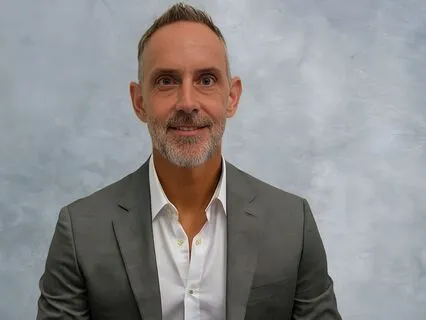
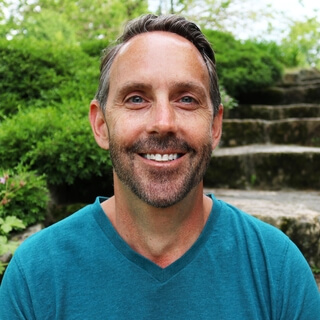
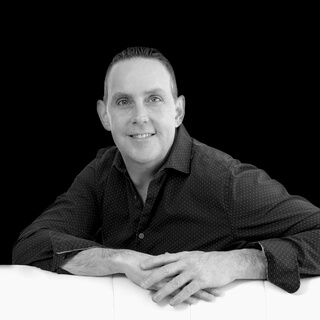
Glenn Ambrose.
Hello,
Welcome,
Welcome,
Welcome to the show,
People.
Today,
We're talking about judgment,
Detox,
Detoxing from this judgment.
You know,
I think that I was kind of thinking about this topic from a lot of different directions.
And just from a current standpoint,
You know,
One of the things that brought it across my radar was,
You know,
Recently there was this this.
This man and this woman who were who were together at at a concert and get caught on the kiss cam.
And it went viral,
You know.
And,
You know,
It's usually when things go viral.
Not always,
But if it if it captures my attention,
I'll kind of tune in and be like,
OK,
Why did this go viral?
You know,
It kind of helps me understand humanity.
And,
You know,
One aspect of it is that we are basically ego driven,
So.
And we like to connect with one another.
So this has both of that,
Like we can connect with one another because everybody can run around going,
Oh,
My God,
Isn't it horrible that these two were cheating?
On their spouses,
And of course,
I do not condone that,
Nor do I do it,
But.
You know,
But when when we're pointing the finger at somebody else going,
Look,
Isn't it horrible what they're doing?
That's an ego stroke that because we're not doing it right.
So so that implies unconsciously that we're better than them.
They're doing something bad and we're not doing something bad.
So therefore,
We're better.
So every time we talk about it,
We're getting an ego stroke.
So,
You know,
That's that's one aspect of of why it goes viral,
Because.
Because everybody's just getting ego strokes out of it,
It feels good to talk about because it lifts you up and it puts them down so your ego gets a little food out of it,
So it's like,
You know,
So that that's that's one reason.
And the other reason is we like to connect with one another.
Well,
It's you know,
We're very scared to connect with one another over happiness.
And joy,
Because we think we might intimidate somebody or,
You know,
We're happy and they might not be as happy as us and we don't want to make them feel bad.
So like so.
Connecting over negativity is much safer,
Isn't this horrible?
Oh,
My God,
This is so horrible,
You know,
And as long as you're not pointing the finger at them and saying they're bad,
Most people will agree and hop on that bandwagon.
So you get safe connection with others.
So you feel connected to humanity and you get an ego stroke out of it.
So this is what spreads this stuff out and,
You know,
Which which is normal,
I guess.
That's what I saw initially,
And then I saw a lot of.
Um.
Spiritual and religious people sharing this video or the picture from the video or this topic and trying to use it to teach in some of the cases that we're actually trying to teach values and good behavior,
So,
You know,
It's not necessarily that their intentions were wrong,
But I was just like it just fell off to me.
You know,
I mean,
Even for a moment,
I'm like,
Well,
Should I make a comment on this or something?
And I was like,
Oh,
No,
I just didn't want to.
And then when I saw all the religious people and the spiritual people commenting on it,
I was like it just fell off to me.
And so I tuned into it more.
You know,
That's when something feels off.
I'll tune into it and try to figure out why it feels off.
And that's when I really came up with the judgmental piece,
You know,
And that's what sparked me thinking about judgment and and and society and where it fits in and where it fits in on our personal journeys.
Because let's be honest,
We all judge other people,
Including myself.
So,
You know,
None of us are free of doing it.
But.
Most people are running around feeling like they're good people,
Right,
Like just about everybody thinks they're a good person,
It's just everybody else that's bad.
Right.
And that's,
Of course,
Not the case.
Like society,
Most if you ask most people if society is messed up,
Most people would say yes.
But unconsciously,
They're thinking society is everybody but them,
They don't think they're messed up.
They look at society and point the finger and say they're messed up.
You go,
Well,
What about your sister and your mother?
Oh,
Well,
No,
They're good people.
I mean,
They're not perfect,
But they're good people.
They're not the problem with society.
Oh,
Well,
What about your friends?
No,
They're good people.
I only hang out with good people because I'm a good person.
So they're not part of the problem.
And basically everybody would say that as a general rule.
Of course,
There are some exceptions.
You know,
They might be like,
Well,
You know.
You know,
I'll talk about myself when I was younger.
Well,
Glenn's an alcoholic and can't get out of his own way,
So he's bad,
But everybody else is pretty good,
You know.
So.
The way I wanted to come at this was kind of to simplify things,
Right,
Because if we're all walking around.
Interacting in dysfunctional and unhealthy ways,
But yet we don't really see it.
Maybe we need to simplify what we're trying to accomplish because,
You know,
We have this idea of being a good person and it's ethereal,
It's out there.
It basically it's not it doesn't really have any substance to it.
We don't actually take the tenets of being a good person and implement them into our daily life.
We will when it's convenient here and there,
And I mean,
We try not to do.
Bad things,
I mean,
It's not that like.
I don't want I don't want this to sound the wrong way,
Like I actually believe that most human beings are wonderful people and good people underneath.
I just think that our unconscious behaviors aren't looked at very clearly.
So and we rationalize them away.
So like and sometimes we're completely unaware.
So like if we if we're not there for somebody,
When they think they should be there for us,
That we should be there for them,
We might not even know that.
We might not even know that they think we're a bad person because we're not there for them,
Because it didn't even dawn on us that they needed us or something,
You know.
So a lot of times this behavior and can we help be held responsible for that?
Of course not.
Of course not.
Like you can't be held responsible for what somebody else is thinking when you're completely unaware,
You know.
So.
What I'm saying is being a good person and.
Living in a loving.
Community.
Of human beings,
Which,
As a general rule,
We do not,
How do we change that?
Society is just a collection of human beings,
So we have to change it one person at a time,
All we can do is work on ourselves,
It's it's the only thing we have capable of,
We're capable of.
And we spend a lot of time complaining about everybody else.
Collectively,
The government.
All this stuff,
And it's never going to change anything,
The government isn't ever going to.
Like.
I can't even say the words,
The government isn't going to wake up one day and then all of a sudden care about it,
The welfare of its citizens,
I mean,
It's like that's absurd.
It's never been the case in the history of mankind.
What?
Why would it suddenly start now,
You know,
Like we have to just create a new dynamic,
A new paradigm.
Based in love,
And it starts with us one person at a time,
We can only work on ourselves,
So here I'm doing a podcast and,
You know,
And I'm trying to share what.
People need to start doing,
So it sounds like I'm over here telling you what to do and I'm not paying attention to myself,
That's not the case,
This is what we call a podcast,
So I'm sure by no means am I saying that I have no room to work on this,
I do have room to work on it and I do work on it.
And that's all I can do,
My job is to spread this information,
So you might be able to take it into your own life and look at it and see where the adjustments are that need to be made,
Because they are there,
None of us are perfect,
There are adjustments that need to be made.
So I'm thinking if we just,
If we get back to a point of simplifying.
The teachings.
This is the,
That's the door I want to come in on this,
Let's simplify the teachings,
You know,
Instead of this ethereal,
Oh,
I want to be a good person and this,
You know.
Well,
I meditate.
Or whatever else people think that they're doing,
Or I go to church or whatever else people think that they're doing to become a good person like you,
We have to implement it into our behaviors,
We need to interact.
With life differently.
You know,
Every once in a while,
Somebody will catch me when I'm,
You know,
Like I said,
I'm not perfect,
But I really try to implement.
Spiritual way of life in every area of my life,
So sometimes when I'm doing business,
I'll stand up and I'll be like,
I can't be part of this because it just doesn't feel authentic or in alignment or.
Or I'll be out in life just experiencing life and I'll behave in a particular way,
And it's always interesting to see the response of people,
Like even spiritual people,
Even loving,
Kind people that I often get looked at like what,
Like seriously.
Like,
Really?
And I'm.
And,
You know,
Usually I just go about my business,
But then afterwards it kind of makes me think like,
Why are they so surprised?
Like they know I'm spiritual.
That if you were to ask them before I did this particular thing,
If I was a good person,
I think they would have said yes.
But then when I physically go out there and act like a good person,
People are surprised.
Isn't that weird?
You know,
I mean,
It was it happened the other day.
I was driving up the mountain and I saw a man and two little boys walking up the hill.
And I know where they live,
They live past me just a little bit,
So I stopped and every once in a while I stop and give people a ride on the mountain.
I'm not the only one that does that.
Many people do that around here.
There's a sense of community around here.
That's what I like,
You know,
But I just I was with someone and I stopped and I was like,
Oh,
They they live up the road.
They have a long walk ahead.
It's getting dark.
I'm going to pick them up.
And they're like,
What,
Like,
You know,
And then after they're like,
You're a good person.
Thank you,
I mean.
I guess,
You know,
I didn't do it because I thought I was a good person,
I just saw somebody that could use some help that I could freely give them and I did it,
You know,
I try to do that.
Whenever possible.
And it's funny because it does,
It gets it gets I mean,
It's more common over here than in in in the Dominican Republic than it is in the US,
In my opinion.
But yeah,
You you can still get like these these interesting reactions.
So my point,
Get back on point,
I wanted to simplify.
Spirituality,
I want to take it out of the ethereal and bring it into actionable.
Life,
You know,
Like,
Let's just.
Take one thing and try to work on it.
Ourselves,
In whatever way we can,
This is how we're going to make a better world.
If I just listen to this podcast,
And I do the best that I can,
If you listen to this podcast,
And you do the best you can,
That's it,
It's the only thing we have control over.
We don't have to worry about anything else.
Just you do you,
You know,
And like,
Before this podcast,
I was like,
This is just such a.
Easy,
General concept that most people do not live by,
They we are constantly judging others in our daily lives constantly,
Consistently,
Regularly.
And part of why we do it,
Because I've had conversations about this before,
Part of why we do it,
The the initial pushback I usually get is people go,
Well,
I have to make judgments,
Because like,
If I don't,
Then like,
If if there's 10 people standing there with ski masks on and hoods and guns,
And I don't look at that situation and say they might be dangerous,
And make that judgment,
Then I would just walk right into them,
And they would kill me.
And like,
So we have to have judgment.
That's an extreme example,
Of course.
But my point is,
Is that's the pushback.
The pushback is no,
I need to make judgments in my life to keep myself safe.
And we don't we do not need to make judgments.
So I did a podcast on judgments and assessments before.
And I've used I've heard other people use other terms to differentiate between those two.
And I think it's very important.
I'm not going to go deeply into this.
You can just go listen to that podcast.
But there's a big difference between assessment and judgment.
Assessment is just looking at a situation and assessing it,
Going like,
Oh,
That could be dangerous.
I'm going to go this way.
Or this person might be lying.
I'm just not going to lean into this conversation,
Or I'm not going to I'm not going to trust them because something seems off.
Right.
Like those are assessments because they don't include the judgment of whether something is right or wrong,
Good or bad.
It's just is.
Like you can say,
Well,
They I'm not sure,
But they don't seem like they're being honest.
Well,
You're not saying that they're a bad person or that they're a liar,
You're just saying that you're not sure if they're being honest,
That's an assessment.
It's OK.
Like there's plenty of good people out there that might not be being completely honest in a particular situation.
Now,
I take honesty very seriously in my own life,
Like I'm a very honest person,
But I'm not judging other people.
Most people I know,
If you ask them if they ever lie,
Any like little white lie at all,
They're like,
Well,
Of course.
Which used to surprise me because I don't lie,
Even white lies,
It's just,
You know,
I mean,
Something might slip out here or there,
But nothing that I'm conscious of,
I'm consciously attempting not to.
And I do a pretty good job at it because I've put a lot of effort into it.
So,
Again,
I might I might have done something,
But for many years,
I don't even tell white lies.
And when I talk to people about that,
They're like,
What,
Like,
Seriously?
Now,
They think they think I'm lying about not lying.
Right,
So most people I think are good people and yet most people lie.
So,
Well,
How can I say that it's because I'm not judging them just because they lie.
I think that should they lie?
No,
I don't think lying is good.
Even white lies.
Yes,
Even white lies.
I don't think it's good.
I don't think it's necessary and I don't think it's good.
But does that mean I think that they're a bad person?
No,
No,
It doesn't.
Because I'm not judging them,
Whether they're good or bad.
Or right or wrong,
I'm just making an assessment going.
I think they're lying.
I don't enjoy lying,
I'm not going to trust them.
I'm going to walk away,
But I'm not going to label them as good or bad.
All right,
So that's the difference between judgment and assessment.
So judgment is is pretty simple,
Like.
It's it's comical to me,
It's comical how much we overthink things and complicate things.
It's like I think one of the best examples throughout history is every religion saying thou shall not kill and then most killing being done in the name of God.
Hello.
So.
Along those lines,
What I did is I looked up.
The.
I looked up different religions and spiritual belief systems.
What their take on judgment was.
OK,
Just like throughout history.
You know that the spiritual and religious teachings throughout history at the bottom of them,
At the core,
There's a set of principles that that flow through all of them.
I don't care what spiritual discipline or what religion you're talking about underneath,
All the words are these principles that flow underneath all religions and all spiritual outlooks,
And they're all the same.
Like you can't find a spiritual discipline that says you're supposed to go kill people.
There just isn't one.
You know,
Not to mention that there's probably some satanic satanic thing somewhere or something that does that.
I'm talking.
So let me clarify.
I'm talking about like that,
You know,
The things that most people would deem as good for humanity,
You know.
So when you when you look at this stuff,
When you go into Christianity,
There's Matthew,
Luke,
John,
Do not do not judge or you too will be judged.
Do not judge and you will not be judged.
Let anyone without sin throw the first stone.
Islam.
Don't ridicule,
Spy or backbite others,
Don't claim purity,
God knows best,
Leave what does not concern you,
Judaism,
Judge your neighbor fairly.
We got to be careful on that.
Most people think that they're judging fairly.
No,
You can assess,
Do not attempt to judge fairly,
Because then you're just going to believe your own set of rules,
And if you get to judge by your set of rules and I get to judge by my set of rules and eight billion other people get to judge from their set of rules,
Do you think that might cause a problem?
Right,
So be careful with the wording.
But also,
Judaism,
The Lord weighs the heart,
The heart,
Not what you say,
A collection of what you do,
What's in your heart.
Don't judge until you've stood in their place,
Buddhism,
The one who judges isn't free from hatred,
You just if you judge,
You are not free from hatred.
You're just not,
You can't be.
Focus on your own actions,
Not others.
Right speech,
Avoid gossip,
Slander,
Harsh judgment.
Hinduism,
See all beings equally wise,
Lowly,
Animal or human.
See the divine in all,
Refrain from judging.
Avoid slander,
Do good to all beings.
Sikhism,
Do not judge others,
Look within yourself.
See God in all,
Avoid falsehood.
Humility,
Avoid slander as core values.
Taoism,
Be kind to both kind and unkind.
Get that one?
Be kind,
You be kind to both the kind and the unkind.
The sage treats all people with goodness.
Jainism,
Embrace many perspectives,
Avoid rigid judgment.
Nonviolence includes avoiding criticism and judgment.
Nonviolence includes avoiding criticism and judgment.
Indigenous,
Earth-based wisdom.
Walk in another's moccasins before judging.
That's Native American.
Ubuntu from Africa,
I am because we are.
Emphasizes compassion over judgment.
I am because we are.
Baha'i faith,
Breathe,
Not the sins of others while you yourself are a sinner.
Focus on self-purification,
Kindness,
Unity.
Do you see how all these major religious beliefs are being misused?
Religious belief systems and spiritual belief systems,
They all say the same thing.
Like,
Is there confusion here?
Can you go through every single major religious teaching and where it says real clearly and simply don't judge?
And then just go out in your life and judge every day and then say,
Well,
You know,
Yeah,
I'm a good person.
I follow the tenets of a good person.
Now,
You know,
I was just going to clarify that and I was going to use the word judgment,
Which I'm going to do because it's appropriate.
But funny,
Like,
You know,
I'm not like I'm just talking on a podcast,
So I'm not judging you like I don't know you're listening to this.
Okay.
So even though I'm saying you,
I'm just talking in generalities about the people,
What I see in society,
That we all need to do this.
And this is my job,
Shining light on this type of stuff.
So,
You know,
Don't get defensive,
We all do it.
And if you work on yourself,
You're doing your part.
And nobody's going to know except you,
It's fine.
You know,
So there's no judgment and I'm not saying that,
You know,
Like I'm not saying that we're not good people.
I think we are good people.
Like I said,
I truly believe that basically I believe that every single being is good at its core,
Like every single being that's ever lived,
I believe,
Is good.
Even the most horrible,
Evil person that you can think of throughout history.
They were good at their core.
They couldn't get to their core.
They couldn't access their core.
They couldn't live from their core,
But they had good within them.
God doesn't make crap.
He doesn't have any to make.
With you,
You can't make a wooden table if you don't have wood,
Well,
God doesn't have a pile of crap next to him,
So he can't make crappy people.
Like,
You know,
There are reasons that,
You know,
The dysfunction of planet Earth and the duality and blah,
Blah,
Blah,
Blah,
Blah.
I'm not going to get into that,
But.
Where,
You know.
There's good in all people at their core now.
Putting aside these people,
The small percentage of people that can't access it to any degree.
Right,
And now we're just talking about the average person.
They're good and they're trying to be good and they can access their good.
It's just we function unconsciously.
Like,
You know,
I can't count how many times over the years that I'm working with my clients and I go and I point something out.
And I go,
Yeah,
That,
You know,
Into unconsciousness.
Now,
Oh,
My God,
I can't believe I did that.
It's like,
Well,
Why?
Like,
I still do it daily.
Like,
I still drop into unconsciousness daily.
Now,
Fortunately,
I don't behave in ways even when I'm unconscious.
Because I like in negative ways,
I do sometimes.
But the majority of the time I don't,
Because I've rewired myself like I'm very different than I was 20 years ago.
Right.
And this is what we all need to do is just keep working on ourselves.
Just rewire this behavior.
Stop pointing the finger at other people to stroke our ego and just mind our own business.
Like mind our own business and have some compassion.
It's like in society,
We've gone to this place where most people are basically their biggest mistake.
Like that's who they are.
Oh,
Did you hear about so and so?
Oh,
He did this.
Do you hear about this person?
She did that.
Like that encapsulates them as a human,
It doesn't.
It doesn't.
They have a whole life.
They've lived 364 different days last year alone.
And then they had 40 years of 365 days of living differently besides that.
And we minimize them into this one thing.
It's like,
You know,
We've all made mistakes.
Let's have,
You know,
Where you land when you stop judging is you land into a place where there's understanding,
Connection,
Compassion for other people.
You know,
Where's the compassion?
That's why,
You know,
That's why when I was looking at all these religious and spiritual people,
Like.
Just spreading this,
This,
This guy and this woman who were cheating on their spouses at the concert,
You know,
Just spreading it and making it go even more viral,
It's like where's your compassion?
Like,
Aren't you supposed to be spiritual?
Like this person just lost their job,
Probably destroyed their marriage,
Probably is destroying their kids.
Like and and you like you don't think it's bad enough for their children.
About.
Everything that's going on,
You're going to spread it more and more so that there's not a person in civilized society that hasn't heard about it,
So that makes sure every single kid that they go to school with is heard about it so they can lay into their kids.
While they're at school,
Like what what about having some compassion for their children or compassion for their spouses that have to try to navigate this deceit?
You know,
And most people go,
Oh,
Well,
They shouldn't have done it then.
Well,
No kidding,
They shouldn't have done it.
But like,
What's their payment?
I mean,
Like,
You know,
Like what is enough you want?
You know,
That's what we have to think of.
You know,
We just go,
Well,
They're wrong.
So they deserve whatever they get.
Oh,
They deserve their entire life destroyed because of doing things that.
Because let's just call it a sin,
Right?
Is any of us free of sin?
If this is why,
You know,
What it reminded me is if you're free of sin,
Let the let the one who is free of sin cast the first stone.
If you're free of sin,
Then you have the right to go around saying,
See,
This person sinned,
If you're not free of sin,
Shut your mouth.
Because it's none of your business.
It's not your job to make sure his wife finds out.
And even if it was,
She did.
Don't worry about it.
You don't have to keep sharing it and talking about it.
So.
You know,
It's we're running around pointing out the log and somebody or the you know,
What did I say,
The plank and someone else's eye,
I always I always wonder about the terminology of that,
Like because it's translated differently,
You know,
But I believe I believe the translation infers that.
Don't.
Don't pick out like something small out of somebody else's eye when you have something big in yours.
Which I think,
Depending on how you view that,
It can it can it can taint the message,
You can be like,
Well,
He cheated on his wife.
That's worse than the splinter in my eye.
He's got a log in his eye so I can judge him.
No,
That's not what it means.
We're not we're not measuring.
It's just if you if all it means is if you're if you're a sinner.
Don't judge other sinners.
And we're all sinners because none of us are perfect.
So don't judge.
It's real simple.
Just don't judge.
Not don't judge if just like it doesn't say,
You know.
Don't kill people.
It doesn't say don't kill people unless they believe in something other than what you believe in.
It doesn't say that.
It just says don't kill people.
And this is don't judge.
It doesn't say don't judge.
Unless you're feeling righteous or they did something worse than you or or or.
It just says don't judge.
If we don't judge it,
Freedom comes.
So I don't think I'm going to get too too deeply into this aspect of it.
Because it's hard to explain,
And it's it's a whole nother rabbit hole,
But.
Any of these spiritual teachings that we actually embody.
There is a personal benefit that we receive,
Like so,
And I think that this is important,
I think we have to have the right motivations.
So,
Like,
A lot of times people I think we don't feel like we feel like we're going to follow through with embodying these principles because we don't really understand what embodying these principles does for us.
And we're so self-centered that that I think it's helpful for us to understand what it does,
Not judging other people doesn't help other people.
I mean,
Could it a little bit?
Sure.
You know,
Like the the the the social situation that I that I'm talking about using as an example in this podcast,
Like.
You know,
Like maybe if this thing go viral,
This guy would be able to maybe have remorse and repent and maybe save his marriage.
You're going to be able to do that now,
Most likely.
I mean,
Like his his wife and the woman's husband are going to be under such scrutiny,
The like society would tear them apart if they don't leave their spouse.
And quite honestly,
Like I know people that have survived.
Affairs and actually love one another and have been together many years,
Even afterwards,
And I think,
You know,
That's hard to do,
Like I get it.
I don't I don't know that I could do it,
But I surely respect the people that can do it and that have done it.
I mean,
I respect that,
You know,
If they've worked through it,
Because you got to be honest with the situation.
You know,
A lot of times if somebody cheats,
They're going to cheat again.
So like it's.
You know,
You got to be careful with that.
I mean,
I'm realist,
I'm a realistic,
You know,
I'm a spiritual realist,
Like I mean,
Do I think the majority of people who are cheating out there should be forgiven and given another chance?
Quite honestly,
No,
I don't.
I think that the relationship should end the majority of the time,
Because the majority of the time,
The people aren't going to do enough self-reflection to change.
But that doesn't mean that I,
You know,
Like I said,
I respect people immensely if they're if they're able to work through that,
That's a tough one.
But my point was,
Is that.
It's not about other people.
Like,
If you don't judge other people,
Don't worry about what's going to happen to them.
Like,
It's not for them.
You're not.
When we behave a particular way,
It's for us.
We receive the benefits,
Not them.
Like,
You know,
Pick anybody that's immensely spiritual,
Like.
You know,
The Dalai Lama or Bishop Desmond Tutu,
They walk through life experiencing much happiness and joy and peace and love in their hearts because of the way they chose to live and they chose to live in nonjudgmental ways,
They chose to live through compassion and they reap the rewards for it.
You reap the rewards for if you stop judging,
You feel better like,
You know,
That that.
And this applies to any spiritual principle.
If you implement it into your life,
You derive internal peace from it.
You derive internal freedom,
Sovereignty,
Joy,
Love.
You walk around experiencing those things in your heart more.
It's not about the other person.
In certain ways,
They benefit,
Too.
Which is good.
They're part of us.
We're all one.
So that's cool,
Too.
But we reap the benefits.
We reap the rewards.
We feel the bliss and the joy because of the way that we live.
It's the only thing we have control over.
You know,
You cannot be happy.
Crapping on other people.
If you you just can't you can't love yourself if you're mean,
You you can lie to yourself and act like you love yourself,
But truly,
No,
It's just an egoic.
I'm better than other people type.
Self-esteem,
It's not actually real.
You can't love yourself if you're mean to other people.
So what I was going to say a minute ago is like one time I was practicing nonjudgmental driving many years ago.
You know,
I'm driving and I'm experiencing this road rage in the Northeast,
And I'm like,
So I'm like,
Okay,
I don't have the information necessary.
I don't know what's going on in somebody's mind.
Like maybe their spouse is in the hospital or maybe their child just got hurt or maybe,
You know,
I don't know what's going on.
Maybe they just zoned out because they're listening to a song that reminded them of their childhood.
And they just spaced out for a minute.
Like all of these things are possible and we've all done them before.
So who knows?
Like,
So since I don't have the information available to judge accurately,
I'm not allowed to judge.
So I practice nonjudgmental driving for like two weeks.
Every time I got in the car,
I was like,
This is from point A to point B.
This is going to be a nonjudgmental drive.
I am not allowed to judge anybody for any reason because I don't know the full story capable of making a fair assessment,
So I'm not judging.
So and I did that.
And after a couple of weeks,
I was just in such good space.
I was so peaceful and happy and contented and filled with self love that I stopped and I was like,
Why am I?
And like,
Why do I feel so amazingly wonderful?
And I start thinking,
I'm like,
You know,
What have I done recently?
Am I,
You know,
Praying more or meditating more or having better quality of those things or like,
What am I doing right?
To feel this wonderful.
Because I want to keep it going.
So I thought and I was like,
The only thing I've changed recently is this nonjudgmental driving and all sudden this information side flowing through me and I started seeing all this stuff that had to do with judgment and it was like,
Yes.
Nonjudgmental driving,
You're practicing nonjudgment of other people and we are all one,
So when you practice nonjudgment of other people,
You judge yourself less.
You're more compassionate and kind to yourself.
Just your internal voice becomes like that.
Because you're not judgmental.
And if you're not judging others,
Then you're not judging yourself so harshly and you're feeling more peaceful.
And I was like,
Oh,
My God,
Like I feel so much self-love because like I've made a few mistakes over the last couple of weeks and I was kind to myself,
I just was like,
Oh,
You know.
Try not to do that again,
Glenn,
You fell short there.
It's OK,
You're still a good person.
I love you.
Like that was the type of thing that my inner voice,
That was the type of feedback I was giving myself because I was being compassionate instead of judging.
We and I saw that there's no separation from judgment,
If we're judgmental,
We're judgmental.
You know,
That's the other thing I realized,
Like I saw this and I think it was around the same time or maybe at the same time.
Because like I said,
Lots of different information and examples was coming through at this time,
So I was I was thinking back and I was thinking like when I when I learned how to drive,
Like,
You know,
I learned how to drive and then I got my license.
And then I was driving around all the time,
And that's when I really learned how to drive,
Like after I had my license.
You know,
I knew the basics of driving,
But when I learned how I was going to drive and what the way I was comfortable driving,
That took place after I got my driver's license.
So it was,
You know,
For probably I don't know,
Maybe maybe a couple of years or something afterwards,
My mind was like paying attention to everything about driving.
I was I was determining like.
I'm very analytical and overthinking like a lot of people,
So like I would think about like,
Oh,
You know,
When should I start putting on my brakes when I'm approaching a red light or an intersection?
Oh,
About here is appropriate because then I can stop gradually without slamming on the brakes or stopping two miles beforehand or,
You know,
And and every little thing that I did,
I dissected and figured out the correct,
Appropriate way to do things,
And little did I know that as I was putting these things in place in my brain that I was setting myself up to judge everybody who didn't drive the way that I deemed appropriate,
Which in turn ended up feeding my road rage as I get older,
Because every time somebody didn't do what I had figured out was the appropriate thing to do,
Then I was like,
Idiot,
Moron.
You know,
So not only did it give me the the framework to to to judge everybody else,
But it also gave me the framework to judge myself and to teach myself how to rationalize my own behaviors.
So on an unconscious level,
If I go to change the music on the radio and then all of a sudden look up and realize I'm a little bit too close to an intersection and I sort of should have started breaking five feet ago.
Well,
Now I have to rationalize that in my brain because my brain's going,
Glenn,
You moron.
You're a moron just like those other people.
And I have to make sure that that doesn't happen because it hurts my ego,
So I have to be like,
Well,
I was changing a radio station,
I mean,
That's surely acceptable when that's exactly the same thing that half the other people I was judging worth doing,
You know.
But I gave myself a pass on it,
You know,
On some of this stuff,
I would rationalize and give myself a pass on other things.
I would just unconsciously go.
Moron and not even really notice that I did it.
And now all of a sudden I dislike like doing that in all these unconscious ways,
You know,
Maybe five,
Ten times a day that you're completely unaware of,
You don't even realize you're doing it.
And then all of a sudden you have low self-esteem and you don't really know why.
Well,
It's because you're judging just like you judge everybody else for every little thing that they do that isn't perfect.
You have to hold yourself to those standards to some degree.
Yes,
We rationalize our behavior most of the time,
But on an unconscious level,
We know we know we're falling short consistently and this damages our self-esteem.
So this is what I mean by when you implement these personal these simple spiritual principles into your life,
Personally,
You benefit.
You feel freer,
Your self-love starts to rise,
Your self-esteem starts to rise.
You start handling yourself with more kindness and compassion because it's just how you handle people,
Including yourself.
This is how peace rises and you're not like you don't think it affects you when you walk through life going,
Moron,
Idiot,
This one's driving too fast,
Anybody driving too fast is a crazy idiot,
Moron.
Everyone that's driving too slow is is a stupid moron.
And like and these thoughts are popping through our head all the time about all these situations.
We think that that doesn't affect the way we look at society.
Of course it does.
This is why a lot of people look at society and they they feel it's hopeless.
It's because they're looking at them,
Judging them constantly.
And this is why I can look at society and go,
Oh,
My God,
No,
Like I think not only is everybody good at their core,
But I think seventy five to probably more appropriately,
Honestly,
This is the way I feel.
Probably 90 percent of the people on the planet,
Maybe even more than 90 percent or more,
Depending on like there's a sliding scale a little bit,
Depending on how you how you.
Identify what I'm about to say,
Like like how you perceive what I'm about to say,
Like most people are running around trying to do the best that they can.
Most people want their their loved ones and themselves to be happy and to live in a peaceful existence.
That that's just what most people want.
Most people want to be accepted.
Want to be loved.
Most people want to love others.
Most people want all those things.
You know,
Like are we a little screwed up and not able to get there?
Well,
Yeah,
But I mean,
You know,
That goes back to Adam and Eve,
You know,
If you believe that story,
The dysfunction goes all the way back.
You know,
Like this is one of the reasons why I love that that movie,
The Shack,
Because it does such a masterful job and the book,
Of course,
But of addressing this judgment issue,
It really lays out specifically.
You know,
Like we're so easy to judge,
You know,
An adult beating their child.
And it's like,
OK,
So so but then you go,
OK,
Well,
Should should you judge a child?
And you go,
Well,
Of course not,
Like they're just a child.
Like,
Why would I judge a child?
It's like,
Well,
You just did that adult.
That you're judging for beating a child,
They were a child being beaten,
Like,
Where do you where do you think it came from?
You.
You just did judge a child like that's what happened.
That's how they got here now.
And,
You know,
Just to clarify that,
You know,
The big.
The big pushback on that is like,
Oh,
So we hold nobody accountable.
Not what I'm saying.
Said it a billion times,
I'll say it a billion more.
Of course,
We hold people accountable.
Of course,
If an adult is beating a child,
We stop them from beating the child.
That's not judgment.
That's an assessment.
OK,
So of course,
There's accountability.
We don't throw accountability out because we start judging people.
What it does,
Though,
Is it changes the way we treat them.
Right.
So let's I'm going to I'm going to wrap up with this.
I think we're going to look at this example and we'll see the difference between assessment and judgment.
Right.
So if somebody is beating a child and we judge them,
We're going to judge them.
That means we're judging them as a bad person.
Then what do we have to do as as an accountability measure?
We have to hold them accountable.
Right.
So what does that look like?
That looks like punishment.
They're bad.
They need to be punished.
Right.
Now,
What does assessment look like?
OK,
Well,
Without judgment.
So we look at them and we go,
Oh,
OK,
They're beating the child.
We have to stop them from beating the child and we have to hold them accountable.
Well,
What does that look like through assessment and not judgment?
Well,
We hold them accountable.
So we have to make sure they don't do it again.
Well,
How are we going to make sure they don't do it again?
Well,
There we would go,
Well,
Why are you beating the child?
We might write if we're assessing them and we're not instantly labeling them as bad,
Then we kind of have to ask further questions and get inquisitive and go,
Why are you beating the child?
Why do you think that that was the right thing to do?
Well,
I was beaten.
Oh,
OK,
Well,
Did you know what did that do to you when you were beaten?
Oh,
It was horrible.
Oh,
OK,
Well,
That's what you're doing to your child.
And we would greet them with compassion and explaining,
And then maybe we would put them into some sort of program to try to teach them to love themselves and that they're not a bad person just because their parent was beating them when they were little and that there are other ways and we could actually turn them into through treatment,
Some sort of positive treatment into somebody who doesn't beat children.
And then we could eradicate the problem.
Because we would actually be.
Addressing the problem.
Whereas judgment leads to punishment,
Which doesn't address the problem,
It just address the surface behavior,
It doesn't address the root,
So therefore it doesn't change the behavior.
So it actually makes them feel worse about themselves.
They felt like somebody that's beating a child doesn't feel good about themselves.
So now we just made them feel worse about themselves because we told them they were bad,
Which they already felt in the past.
In the first place,
Which was the reason that they were beating.
So now we've reinforced the reality that they're bad.
So now they feel worse about themselves.
And we think that that's going to magically change their behavior.
And it doesn't.
And we've done scientific studies on this,
That negative reinforcement does not permanently eradicate negative behavior.
It can deter it for a while,
But it doesn't change the behavior because it doesn't deal with the root cause.
So do you see how this scientifically,
Spiritually,
Feeling wise,
Everything,
It just changes dynamic when we stop judging.
This is why judgment is such a core value that runs across all spiritual disciplines.
Because it's simple enough,
But when you start working your way up as spider webs with goodness,
You see all the different reasons why it's good.
How it works,
Why it works,
Why I feel better,
Why it enhances society.
What like it's just.
It's just spider webs with goodness everywhere.
This is how it works.
This is how we change society.
This is how we create a new paradigm by just implementing the simple spiritual truths and then just just don't judge.
That's simple,
Right?
Is it easy to implicate or implement?
Sometimes,
Yes,
Sometimes no,
But we work on it.
If we do that with.
That spiritual principle and other spiritual principles,
That's all we got to do.
It's all we got to do,
It will mushroom into.
Other areas of life and society.
And better society as a whole.
And we get to walk around with more peace and love in our heart.
You see?
So that's going to do it.
All right,
Peeps,
I hope you enjoyed that.
And I don't know if you guys can see this on the green on the video,
But like,
I don't think I can wear a green shirt because when I move,
I get lost in the green background.
Note to self.
All right,
Peeps,
Thank you for watching and or listening.
And that's going to do it for this one and reach out if I can be of service.
All right.
Peace.