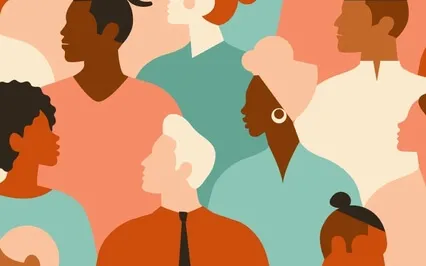
This meditation is focused on the experiences of trauma faced by Black,
Indigenous,
And people of color,
People from non-Western backgrounds,
And people from marginalized religious backgrounds.
In my clinical psychology practice,
I am regularly sought out by people from minority backgrounds to help them heal from their experiences of racial,
Religious,
Or ethnic discrimination.
They tell me about their extended search for a psychologist who gets it,
Or for a counselor who can fully acknowledge their experiences,
The intensity of these experiences,
And the extent of the impact of these experiences on their wellbeing.
One of the most powerful healing experiences someone can have is having the experiences that you've had acknowledged,
Validated,
And normalized.
Most of us who have had these experiences of racial trauma spend a considerable amount of time trying to make sense of them,
Trying to convince ourselves it wasn't that bad,
Trying to tell ourselves it could have been worse,
Trying to brush it off,
And trying to get over it.
We direct a lot of energy into thoughts like these because other individuals,
The organizations we interact with,
As well as media and society,
Tell us that we are overreacting,
That we need to lighten up,
That we need to learn how to take a joke.
We are told that maybe these things have happened for other reasons and that it had nothing to do with the color of our skin,
Or the features on our face,
Or the clothes that we wear.
We are made to feel that it's all in our heads,
That we are amplifying things,
Making a mountain out of a molehill.
What people fail to realize is that great healing comes from a simple acknowledgement of the experience.
When clients describe the issues they have faced,
Simply hearing that their experience was real,
That it had a horrible impact,
And that it is defined as racial trauma,
Part of their pain instantly shifts.
This is because they are able to acknowledge for themselves what they always knew.
This is not in my head.
No,
I wasn't making this up or overreacting.
And this opens the door for deeper healing to occur.
So I'd like to invite you to start this process of healing by acknowledging the experiences that you've had.
Your experience is real.
The impact is real.
The outcome is real.
Close your eyes and breathe in and breathe out.
In order to acknowledge these experiences,
Repeat out loud or in your mind these following acknowledgments.
First inhale,
My experiences of racial trauma are real.
Inhale again,
The impact of these experiences on me are real.
Inhale,
The outcome of these experiences for me are real.
Repeat again.
My experiences of racial trauma are real.
The impact of these experiences on me are real.
The outcome of these experiences for me are real.
Repeat one more time.
My experiences of racial trauma are real.
The impact of these experiences on me are real.
The outcome of these experiences for me are real.
Remember as you consider these acknowledgments that it is normal and necessary even for your heart to ache when you start to self-soothe in this way.
Like a child who falls and hurts themselves,
They only cry when they are held by someone who is caring,
Who acknowledges their pain.
It is cathartic and necessary.
The next step in healing is validation.
Validation helps us to understand and express the intensity of the impact or outcome of experiences of racial trauma.
Validation helps us to identify the sore spots,
The internal bruises that have resulted from racial trauma.
It helps us to access the wounds,
Clean them and dress them instead of continuing to limp along and pretend that it is all fine,
That we are just fine.
So I'd like you to consider and seek out the parts of you that have been wounded by racial trauma.
With your eyes closed,
Find the places where you hurt the most.
For instance,
My experiences of racial trauma have sometimes made me feel ugly.
I have felt unattractive.
I have felt unseen and unworthy.
I have felt unlovable and undeserving of a healthy relationship where I am accepted for who I am inside and out.
Other times I have felt incompetent,
Irrelevant,
Discredited,
Undermined and put down.
In other traumas I have felt overwhelmed by what felt like the number of eyes on me,
The feeling that I was being used as a token for diversity,
Feeling that I was being used for others' benefit,
Or feeling like I was under a microscope,
Scrutinized and judged for every move I made.
Across different areas of life and across various relationships,
With friends,
With intimate partners or with colleagues,
We are confronted with racial trauma that causes us pain and distress.
So gently access those wounds that resonate with you.
Identify them and hold them softly in your mind and in your heart.
With these sores and bruises visible,
We can validate the pain with compassion and tenderness.
Repeat out loud or in your mind.
First inhale.
My experiences of racial trauma have caused me pain and sadness.
My experiences have made me question my identity and worth.
My experiences have impacted my well-being and self-love.
Repeat again.
My experiences of racial trauma have caused me pain and sadness.
My experiences have made me question my identity and worth.
My experiences have impacted my well-being and self-love.
Repeat one more time.
My experiences of racial trauma have caused me pain and sadness.
My experiences have made me question my identity and worth.
My experiences have impacted my well-being and self-love.
Again,
Remember that accessing pain is painful.
However,
It is necessary to effectively heal.
As Rumi wrote,
You must break your heart until it opens.
We must acknowledge and validate the existence and the pain of racial trauma in order to find peace in ourselves and resilience in the face of our continuous exposure to this type of distress.
We must access the wounds by pulling back the quick fix of avoiding the pain,
As all that does is create a festering boil within us.
While we can all acknowledge the insidious nature of racial trauma,
And we must acknowledge that this must change in society,
We must also acknowledge and validate ourselves and the pain that is caused by these experiences.
The next step is normalization.
Normalizing entails recognizing that we are not alone in our experiences and their impacts.
While simultaneously painful,
The reality of our shared traumas and pains help us to connect to our brothers and sisters and others who have and do suffer as we have and do.
To assist with normalizing your experiences and reducing the feelings of loneliness and isolation caused by racial trauma,
I'd like you to picture our brothers and sisters and others who also share in these experiences.
Imagine us all in the same room,
An expansive,
Glorious space,
A space of wonder,
A space of light,
A space of healing.
Imagine us all looking lovingly at one another and smiling with compassion,
With the knowledge and recognition of our shared experience,
Smiling with a deep sense of connection that comes from understanding you are not alone.
Imagine us all in this ever-expanding room,
Looking at each other and speaking as one.
I'd like us to repeat the following words.
In your mind or out loud,
Inhale.
I know that I am not alone in my experience of racial trauma.
I know that those who are like me acknowledge and validate my experiences.
I know that I am not isolated or lonely because I am connected to others like me.
As you speak these phrases of normalization,
Your voice and the voices of all in this ever-expanding room increase in volume and intention.
You can feel the warmth and love radiating from everyone in the room,
A golden light that magnifies the heart of each person in the room until the room is filled with pure,
Eternal loving energy and light.
There are no gaps between all of us.
My light radiates into yours and yours into your neighbors and on and on and on.
Repeat again.
I know that I am not alone in my experience of racial trauma.
I know that those who are like me acknowledge and validate my experiences.
I know that I am not isolated or lonely because I am connected to others like me.
Repeat one more time.
I know that I am not alone in my experience of racial trauma.
I know that those who are like me acknowledge and validate my experiences.
I know that I am not isolated or lonely because I am connected to others like me.
The knowledge that we are connected,
We understand,
And we uplift each other creates a profound sense of relief within you,
A relief that soothes the pain and helps the wounds slowly heal.
Picture that now,
All the eternal wounds,
Scars,
And bruises healing from the warmth,
Intensity,
And uplifting experience of being bathed in this golden light emanating from yourself and all our brothers,
Sisters,
And others in the room.
With every inhale,
The wounds soothe and close.
The bruises fade and disappear.
The scars soften and smooth over.
Bathing in this golden light with our brothers and sisters who share our experiences,
Who acknowledge them and validate them,
We feel refreshed and revived.
We feel more resilient and cleansed.
Now hold this feeling in your soul as you proceed in your day.
With a knowing smile on your face,
Embrace this moment of healing in your heart and throughout all of your interactions with yourself and with others.
The next step in this journey of healing from racial trauma is meaningful action.
Join me back here for part two of this series where I will guide you through suggestions that can help you to solidify today's healing across all areas of your life.
Namaste.